Processes
98 entries
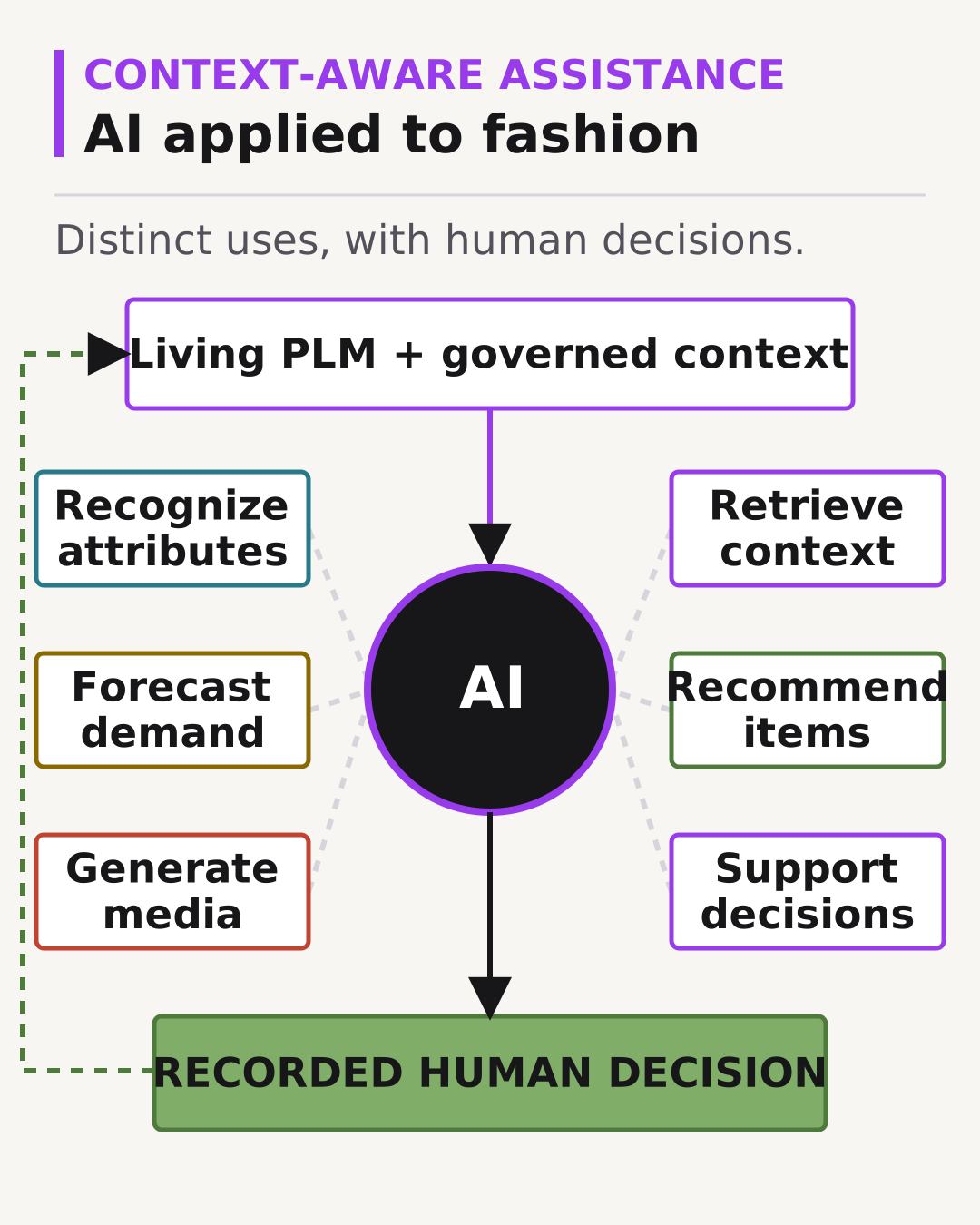
AI in fashion: applications and limits
Applications of AI in fashion use computational models to recognize attributes, retrieve knowledge, generate visualizations, and support decisions across creation, development, and commercialization. Their limits depend on the data, use context, evaluation, human oversight, and integration with the product workflow.
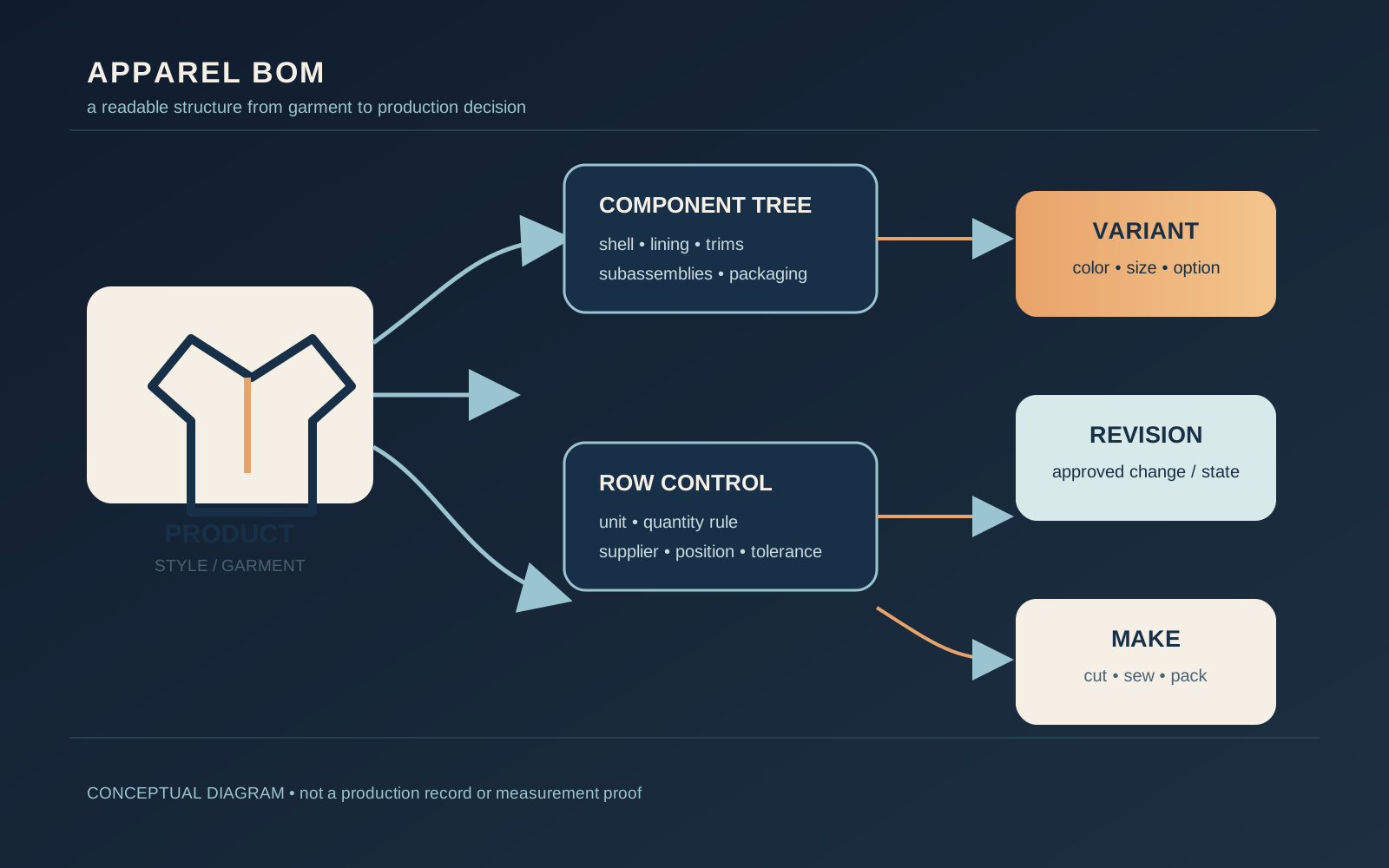
Apparel bill of materials (BOM)
Apparel bill of materials (BOM). An apparel bill of materials organizes the component structure of a garment: raw materials, parts, components, subassemblies, and the quantities needed to make the product. For a collection, it should separate hierarchy, variant, and revision so it is not mistaken for calculated consumption, available inventory, or accounting cost.

Apparel quality control
Apparel quality control combines specifications, inspection, and testing to check whether fabrics, trims, and garments meet the expected performance for a product and end use. The process can examine color, drape, hand, durability, conformance, defects, fit, seam integrity, shrinkage, and drying performance. Quality decisions depend on the product and its intended use.
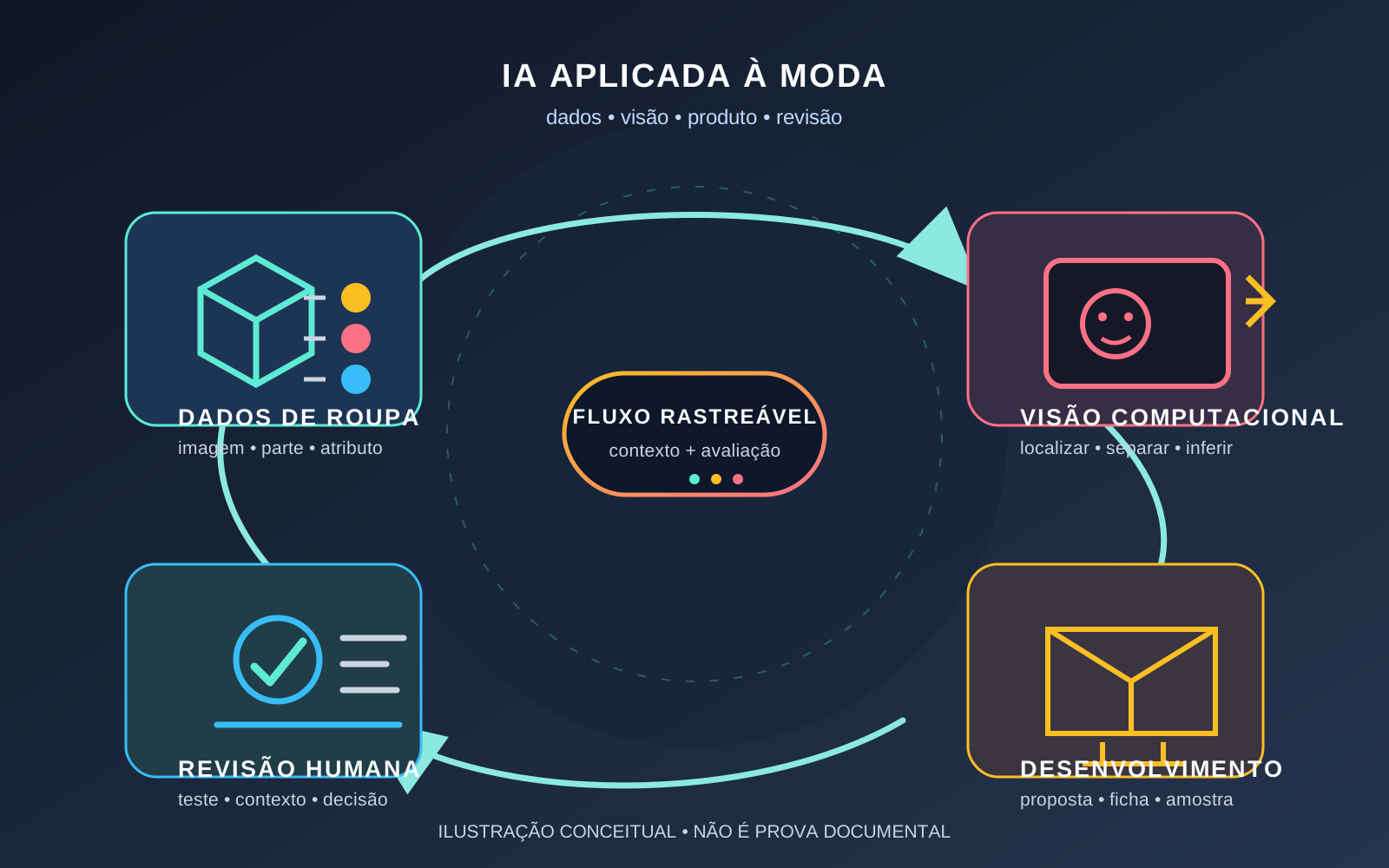
Artificial intelligence applied to fashion
Artificial intelligence applied to fashion uses models to interpret images, attributes, and product decisions across development and operations. The process is more dependable when the fashion object, use context, evaluation criteria, and human review are made explicit.
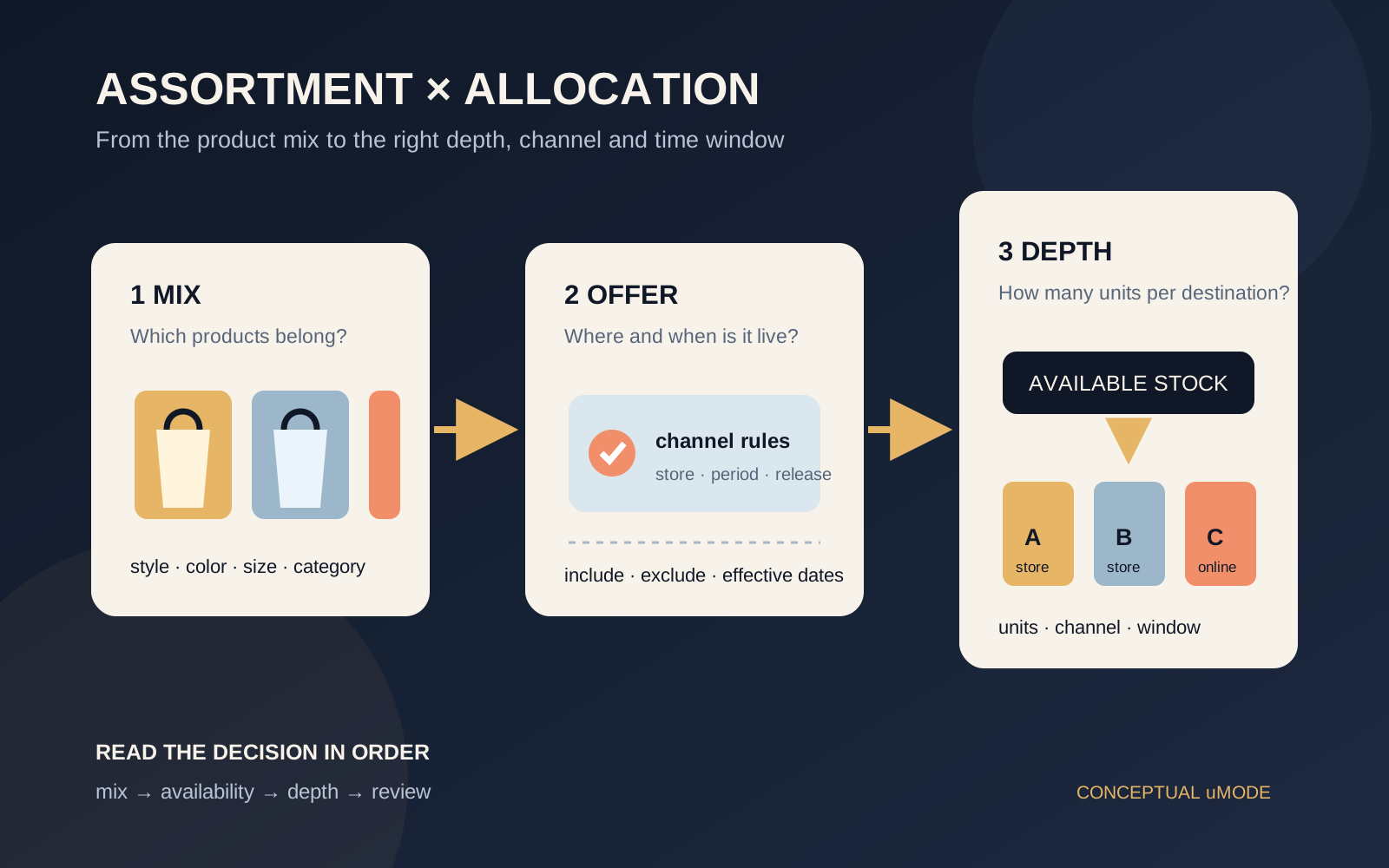
Assortment and allocation in fashion
Assortment and allocation in fashion. Allocation decides where and when inventory will be available; assortment defines which products belong in each channel or store mix. In fashion, the decisions must be read together: a variant may exist in the product record, yet it becomes a channel offer only when the assortment includes it and the availability rule is effective.
Assortment planning in fashion
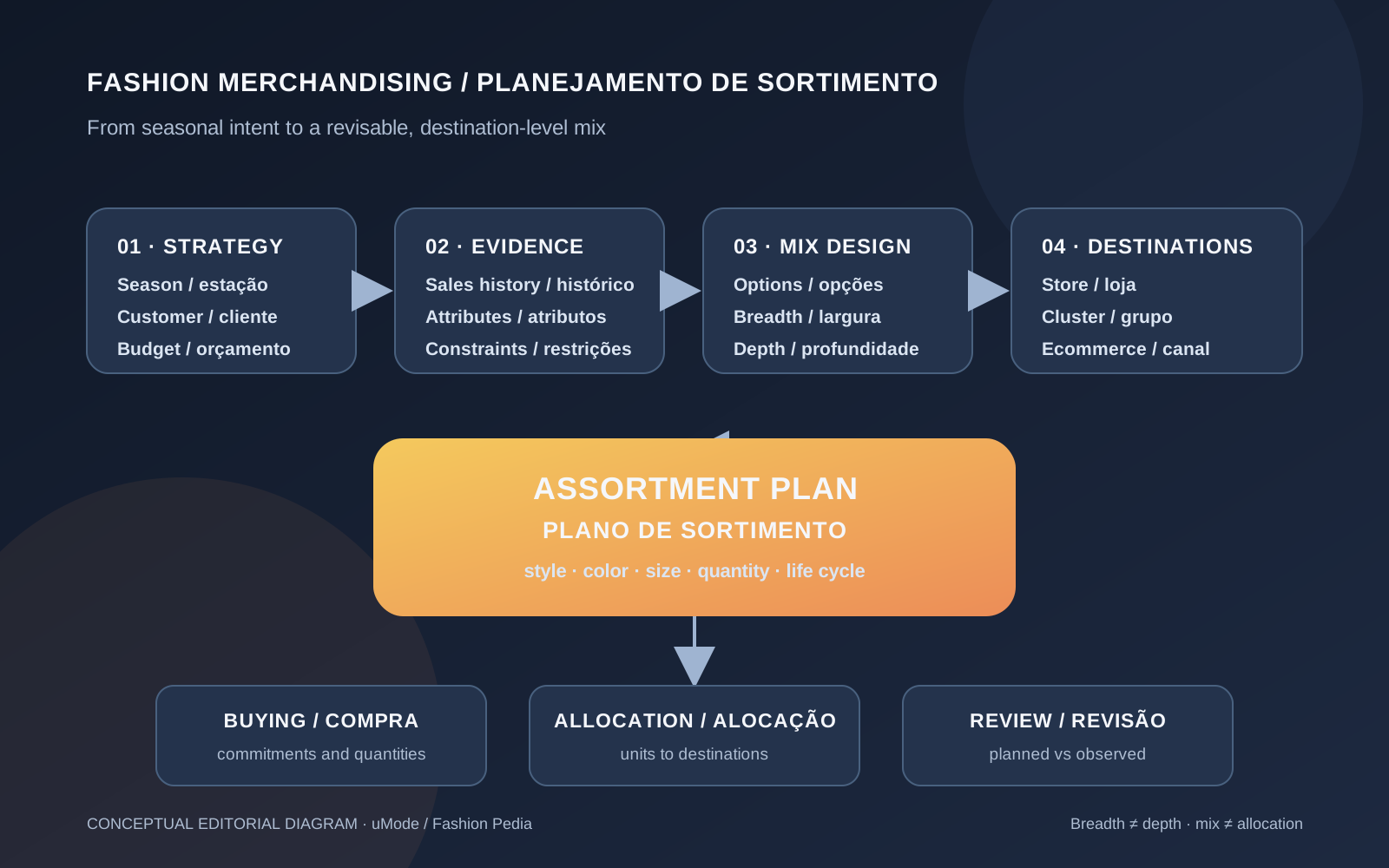
Assortment planning in fashion. Assortment planning is the process of deciding which styles, categories, colors, sizes, and quantities belong in each season, store, channel, or store group. In fashion, it turns a merchandise plan into buyable options by relating breadth, depth, and local context without confusing the mix with buying or allocation.
Collection calendar
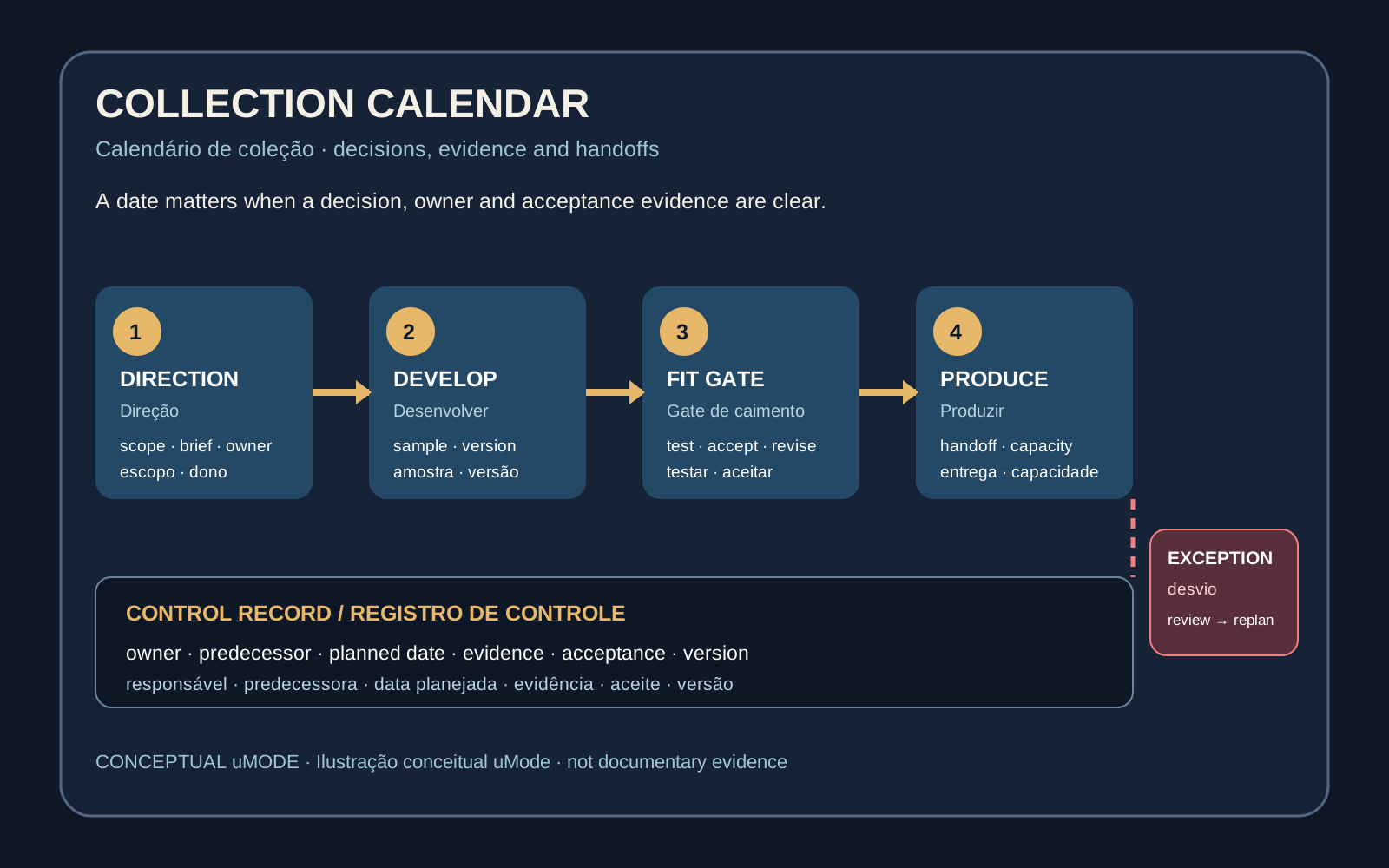
A collection calendar is the controlled sequence of decisions in a collection's development and launch: each milestone combines scope, owner, predecessor, planned date, evidence and an acceptance rule. It is not merely a list of deadlines; it makes the handoffs between direction, sampling, approval, production and launch visible.
Collection drop
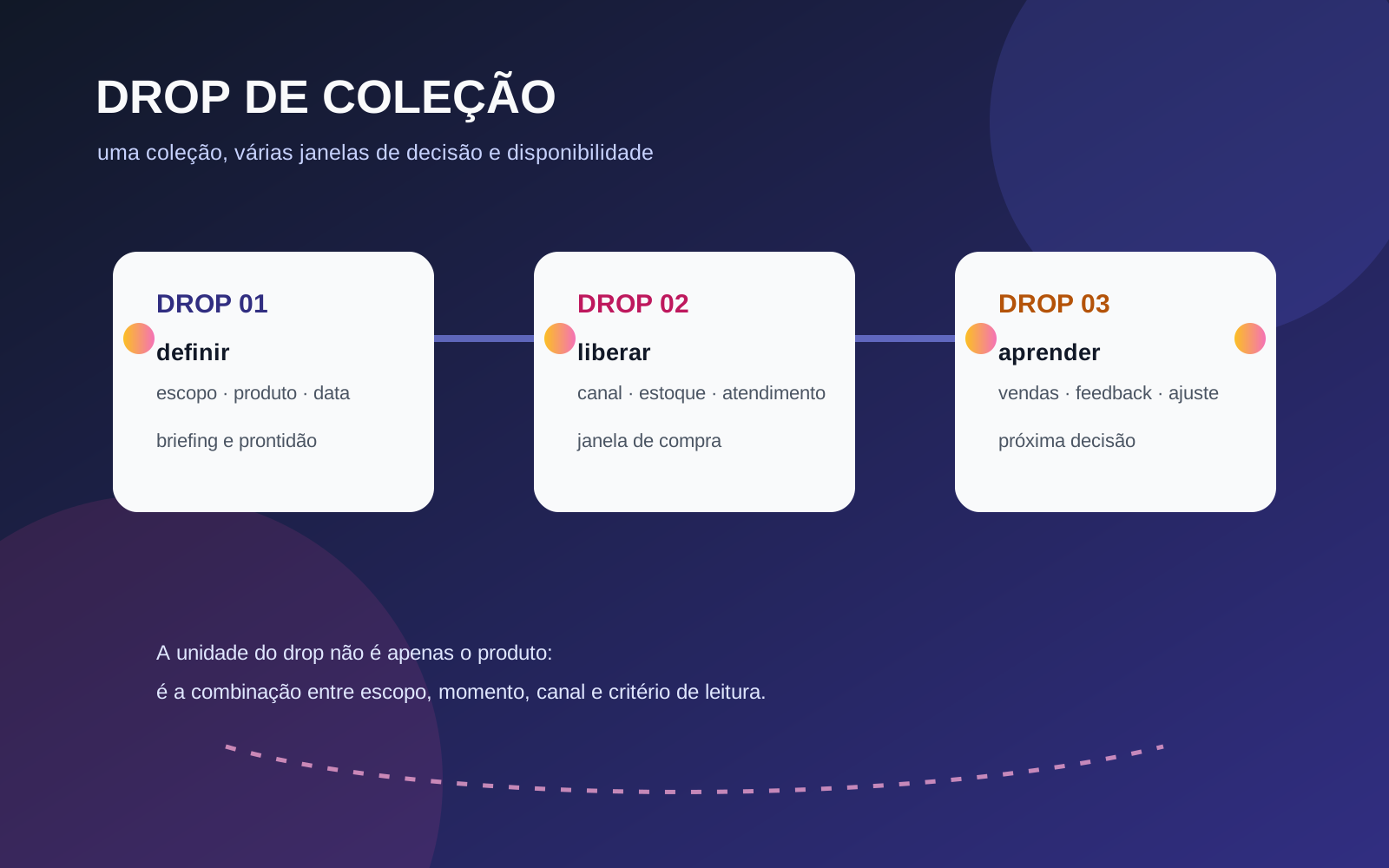
A collection drop is a paced launch process: a defined group of products is prepared and made available in a specific window, with explicit scope, channel, readiness and learning criteria. In streetwear vocabulary, the term also refers to very limited-edition capsule collections released through scarcity and social media.
Collection governance: roles, gates, and evidence
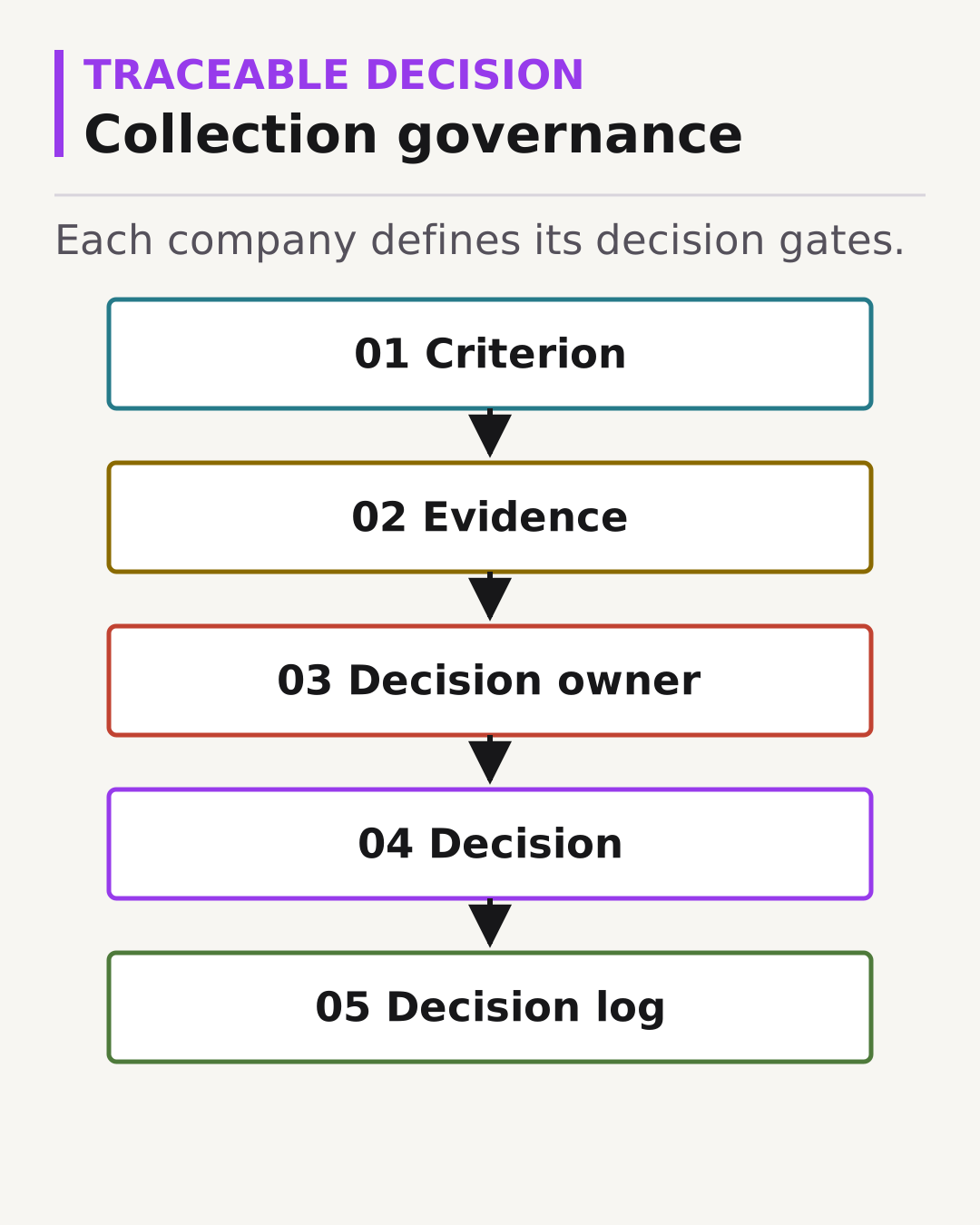
Collection governance describes the practice of making roles, criteria, evidence, decisions, and exceptions explicit in fashion development. The term does not designate one industry standard; it synthesizes principles of process management, evidence-based decisions, due diligence, and traceability.
Collection line plan
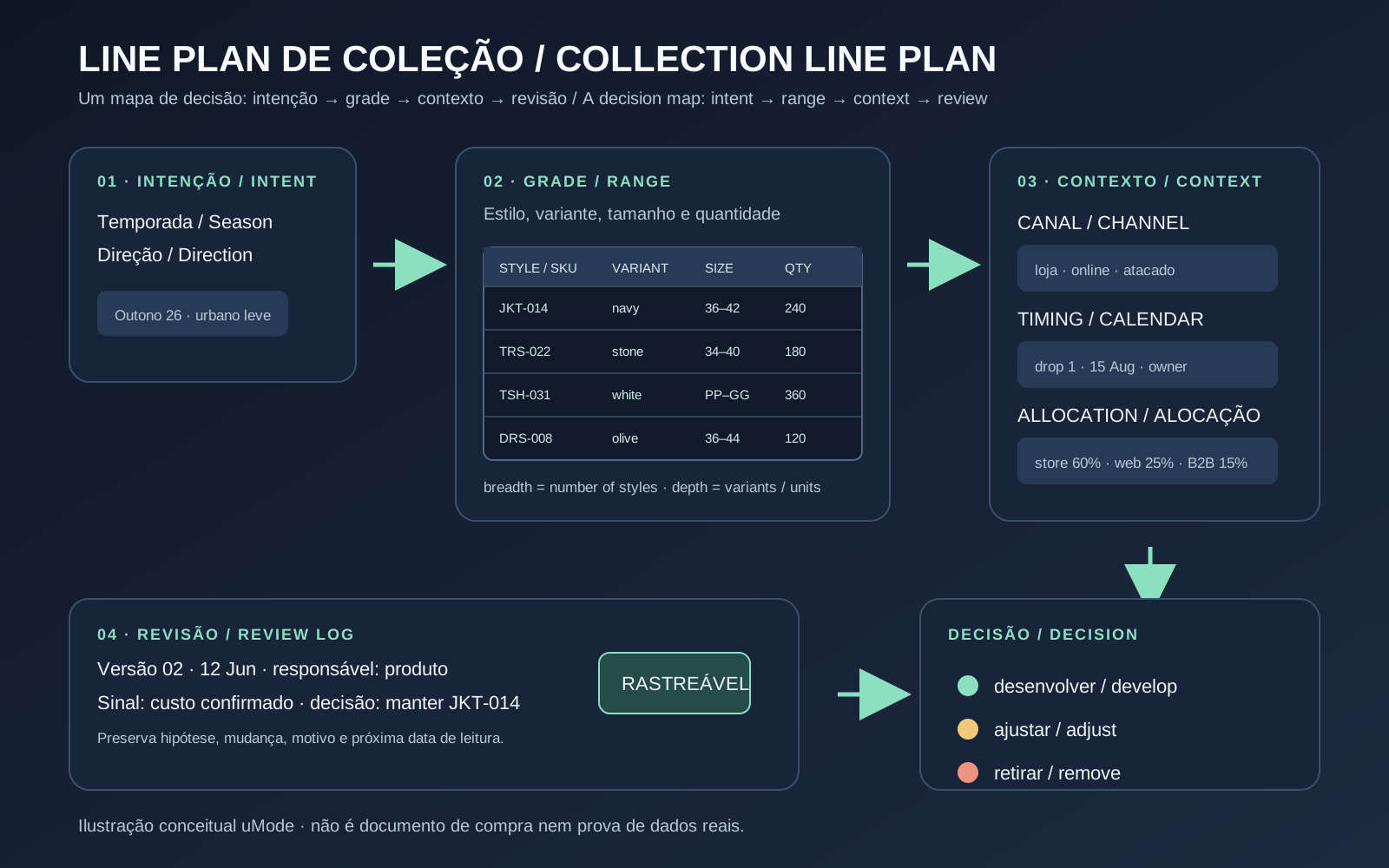
A collection line plan is the operating record that turns collection direction into a grid of styles, variants, sizes, channels, quantities and decision milestones. It defines what is planned for development or buying without replacing a tech pack, budget, forecast or product validation.

Collection management
Collection management coordinates a fashion line's journey from idea through production, service and disposal by connecting people, product data, processes, decisions, versions and events across teams and partners.
Collection map
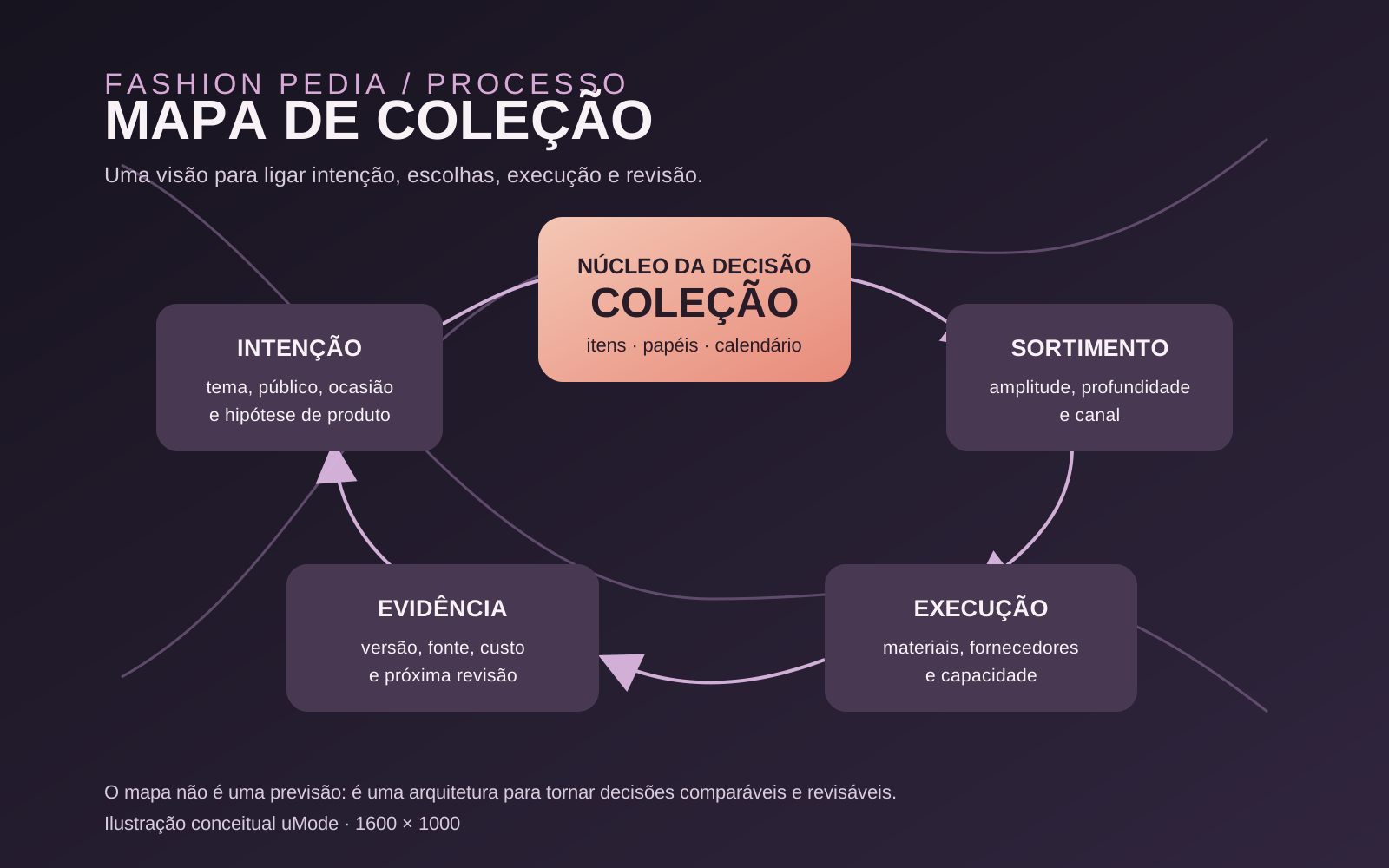
A collection map is a process view that makes the relationships between intent, items, assortment, execution, and review explicit. It organizes hypotheses and decisions for comparison without confusing planning with a guaranteed forecast or automatic purchasing authority.
Collection planner
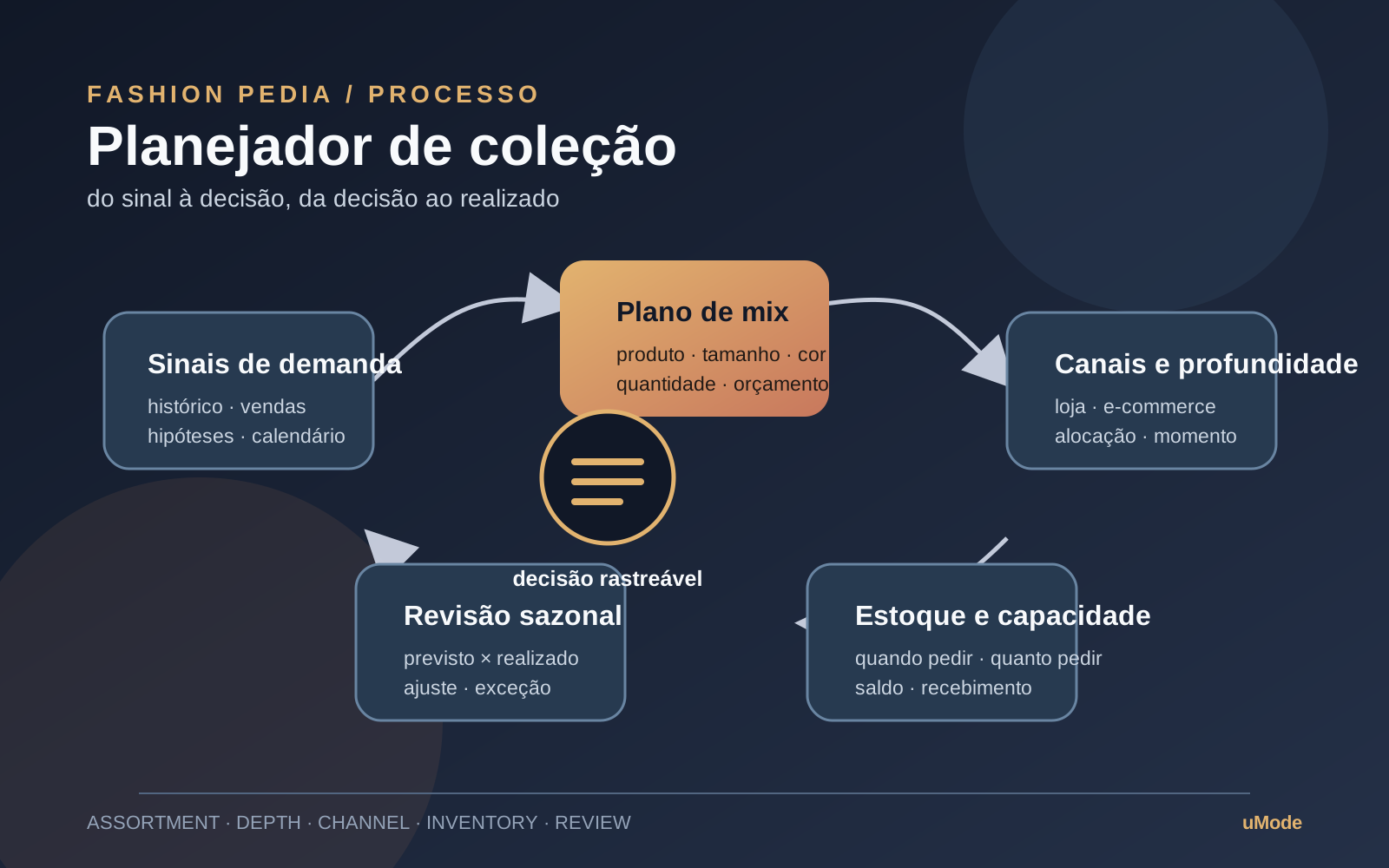
A collection planner organizes decisions about assortment, depth, channels, calendar, and replenishment using sales history, demand signals, budget, and inventory constraints. In fashion, the process turns a seasonal intention into a product plan that can be checked by product, size, color, store, or channel, while leaving room to adjust when actual performance diverges from the plan.
Collection planning
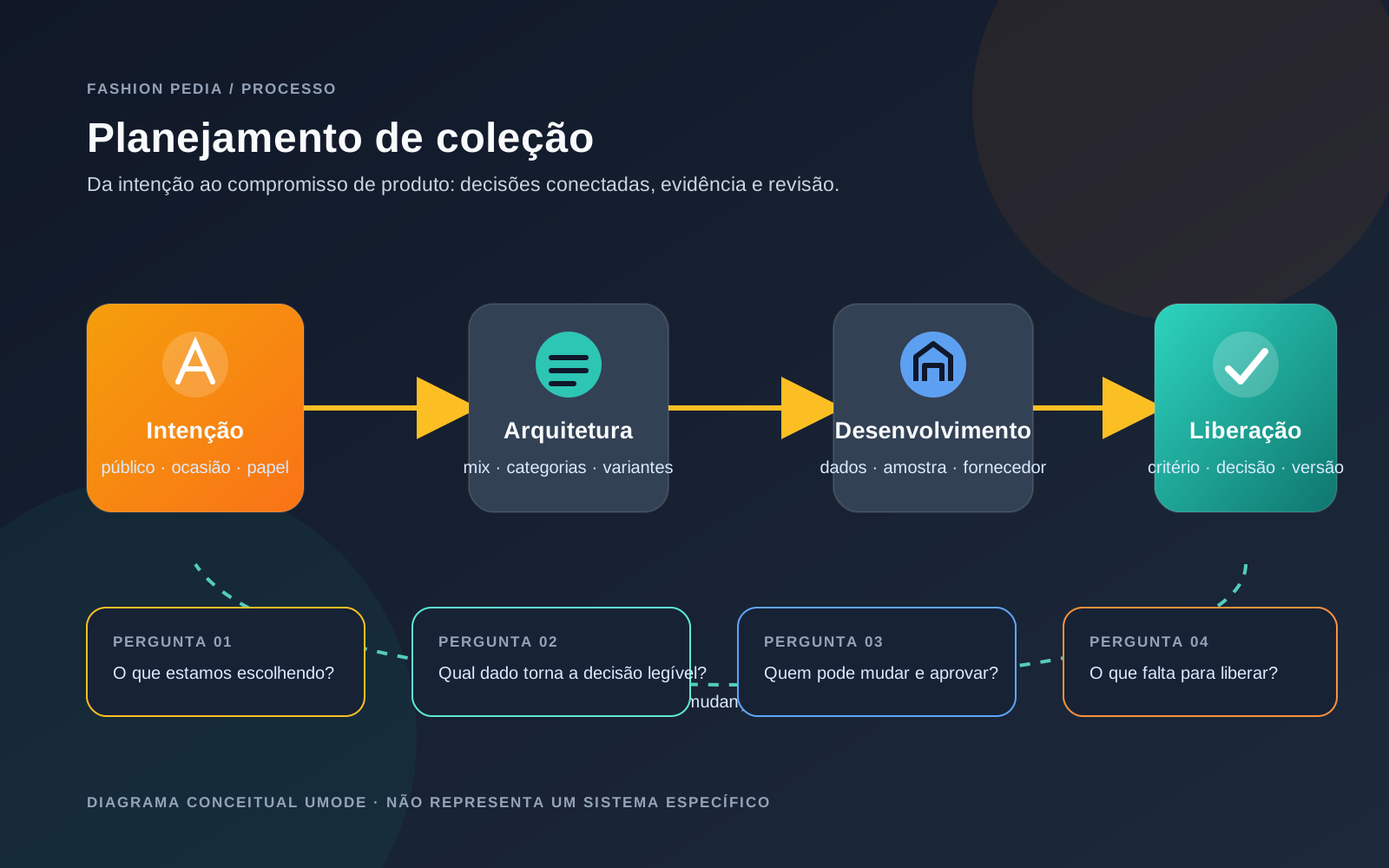
Collection planning is the process of turning a collection intention into controlled decisions about products, data, stages, owners, changes and release criteria. It connects product direction, development, sourcing and information without reducing the plan to a calendar or a software tool.
Collection visibility
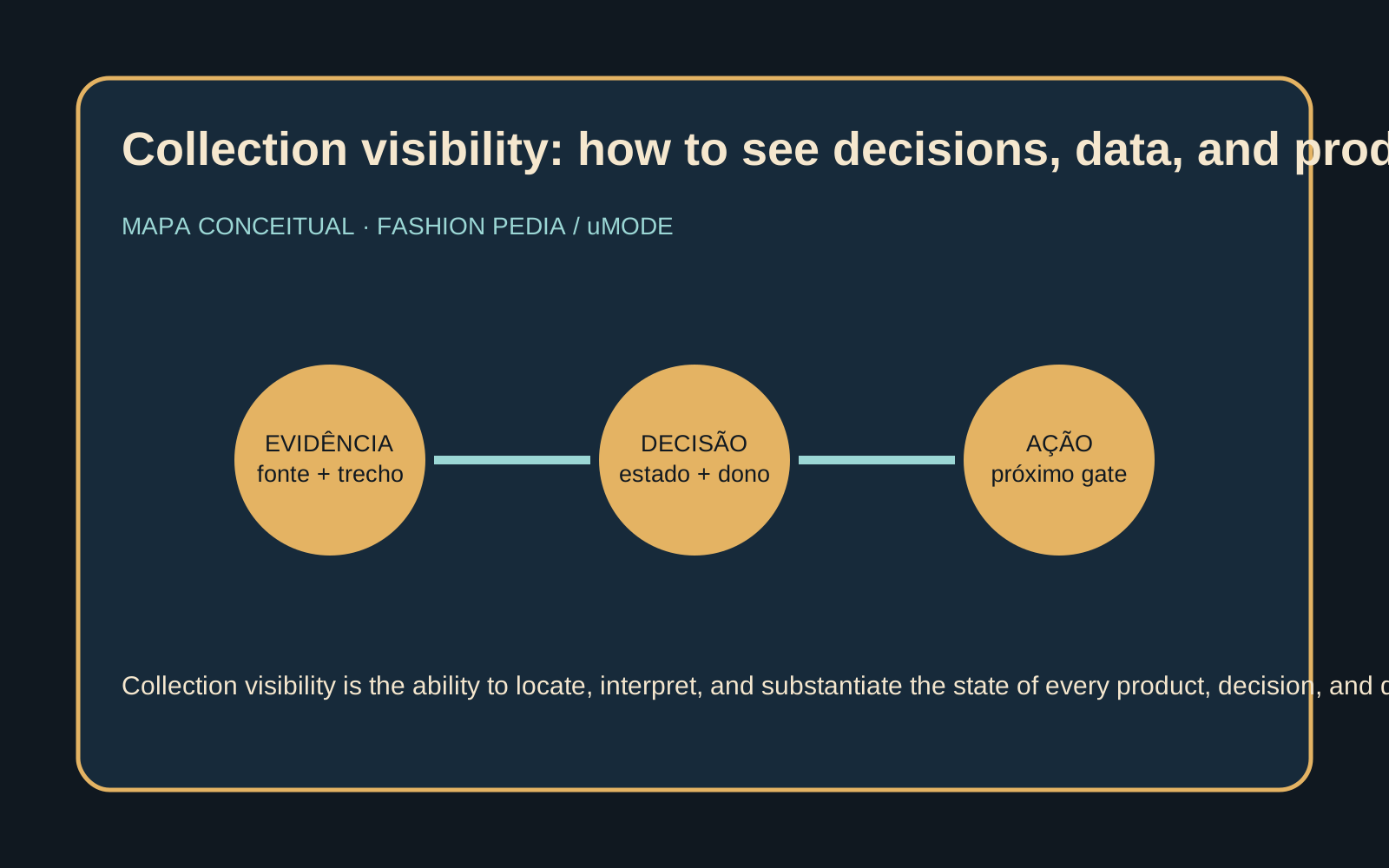
Collection visibility connects each style to a decision, evidence, version, and next owner. The goal is not to accumulate indicators, but to make the path from research to development, assortment, content, and execution legible, including uncertainty and blockers that need action.
Creative fashion brief
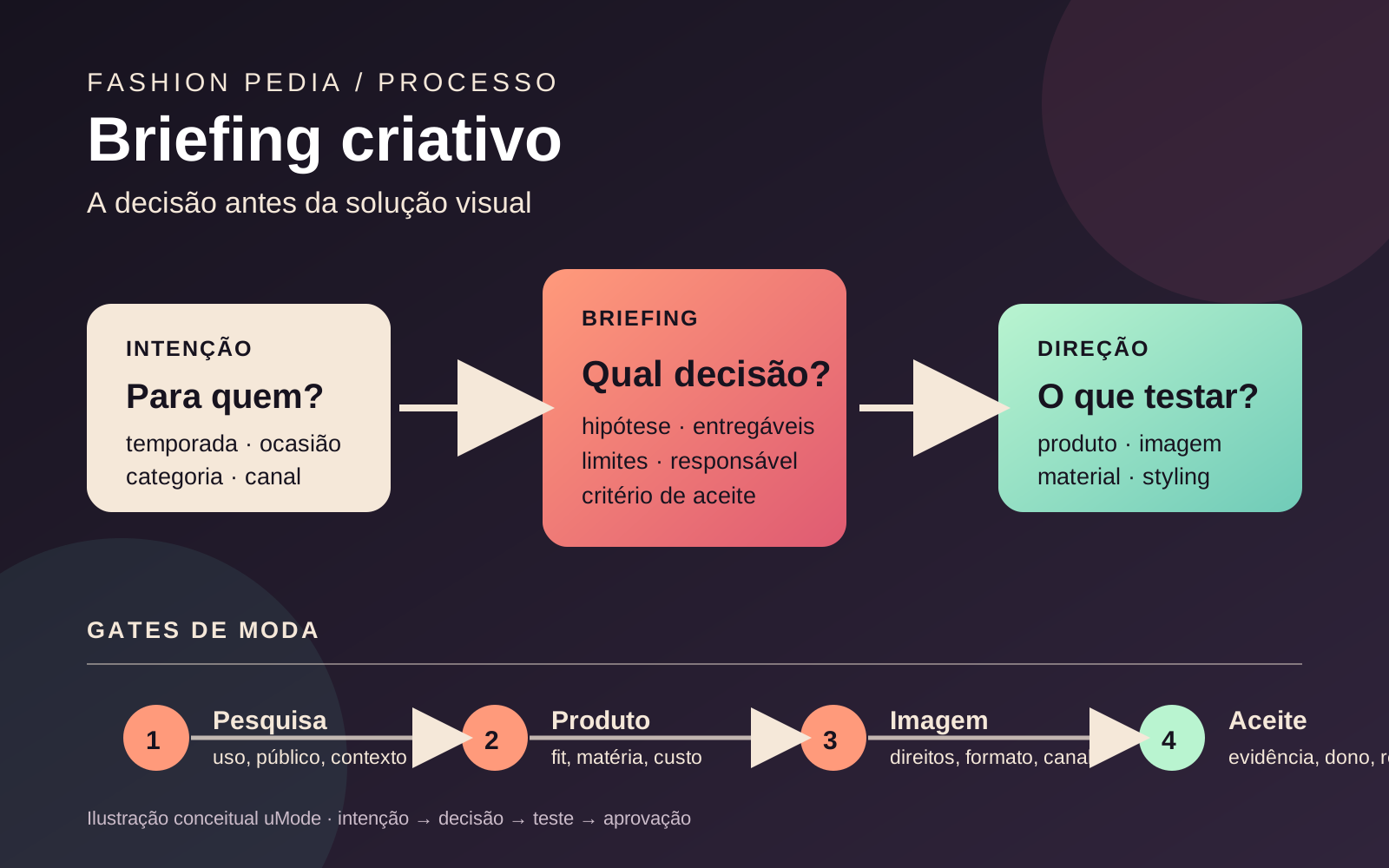
A creative fashion brief turns an intention for a collection, product, image, or campaign into a bounded creative problem. It connects season, audience, category, assortment, materials, channel, deliverables, constraints, owners, and approval criteria without prescribing the visual solution.
Critical path in collection development
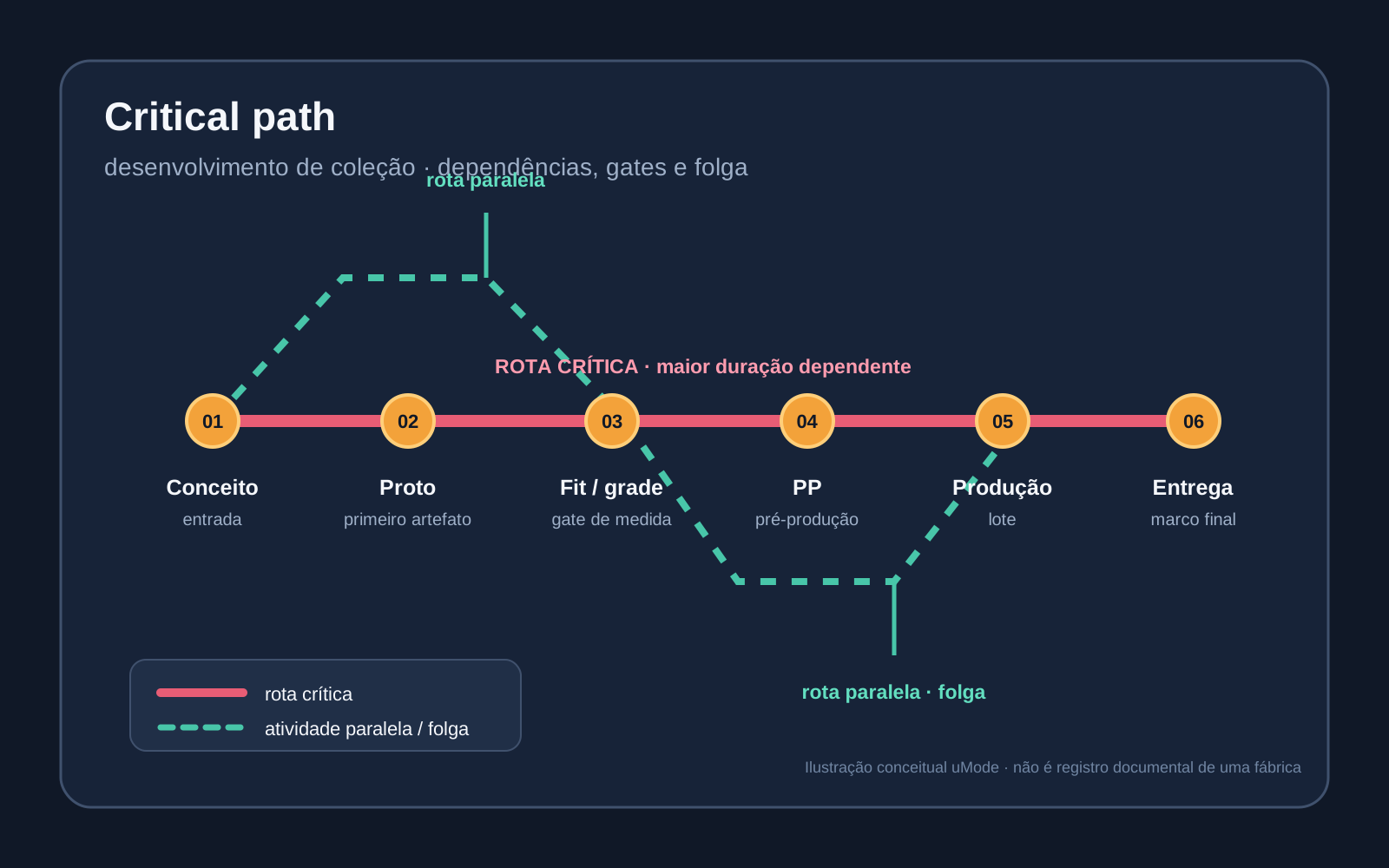
Critical path in collection development is a scheduling method that organizes dependent activities, durations, and milestones to reveal the sequence that sets the shortest possible project duration. In apparel, it can position sample gates without treating the critical path as a simple list of approvals.
Demand planning in fashion
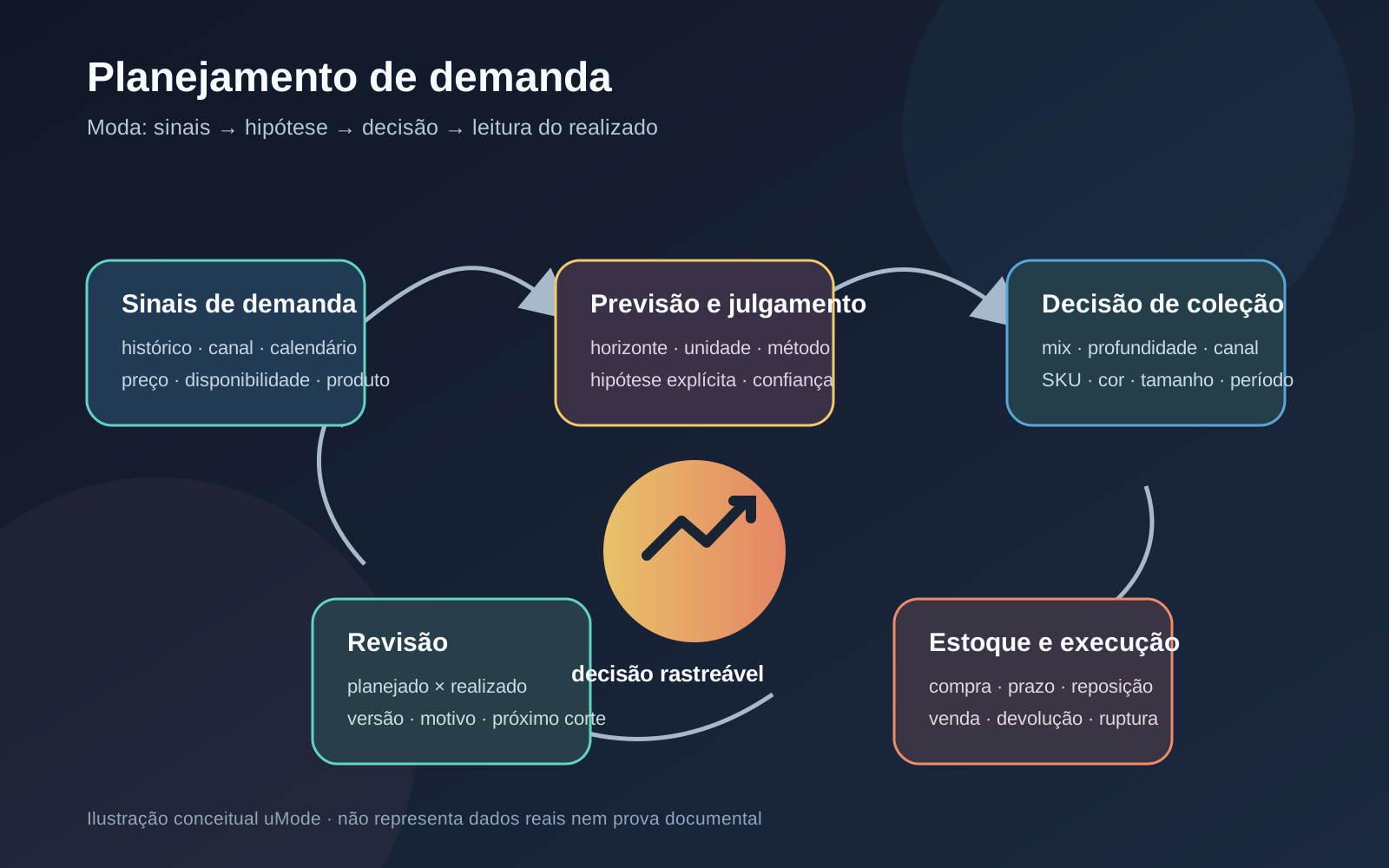
Demand planning in fashion turns demand signals, history, calendar context and judgement into explicit decisions about assortment, volume, channel and review. It combines forecasting with governance: every hypothesis needs a horizon, unit, owner and rule for revision when the collection or market changes.
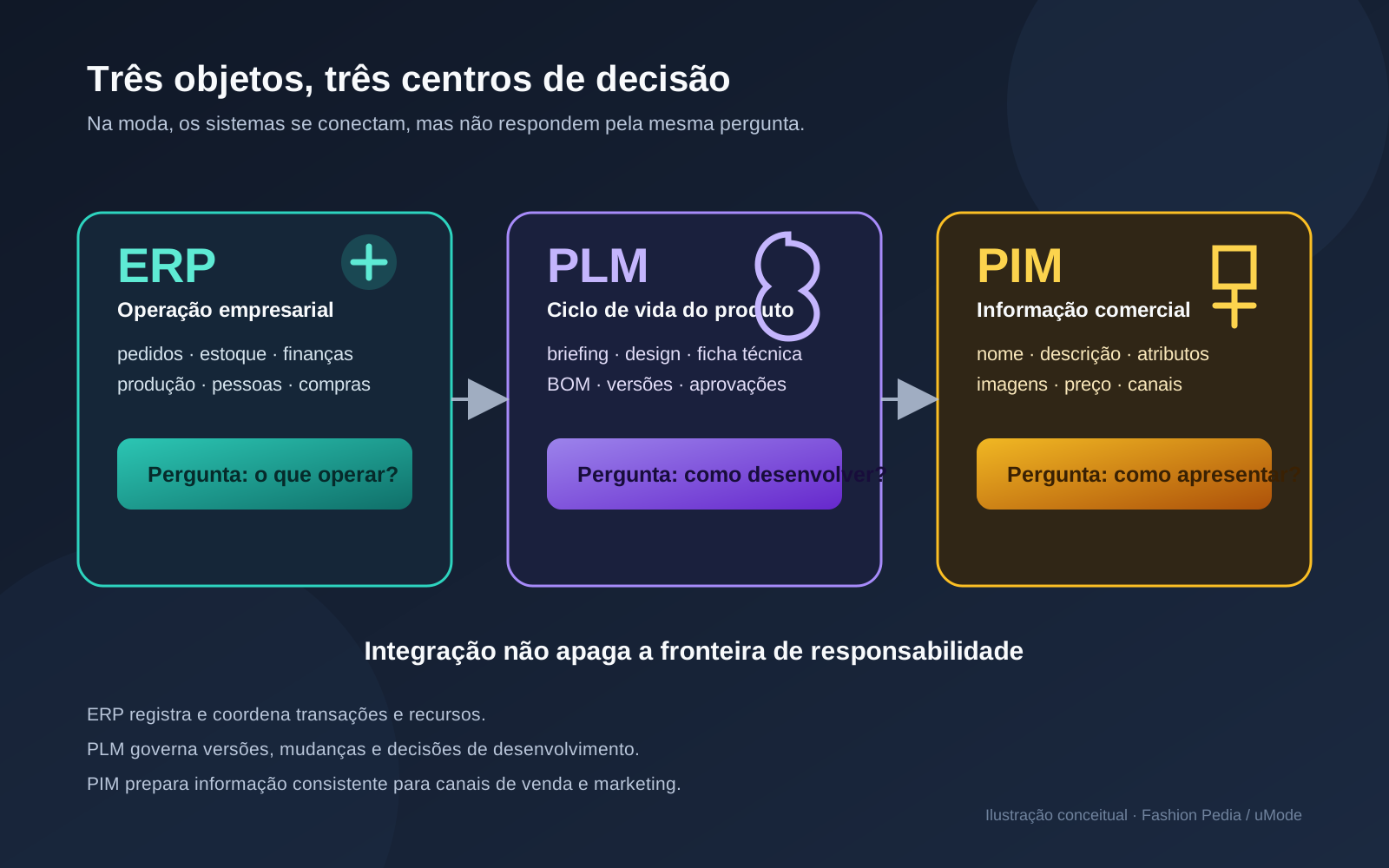
ERP, PLM, and PIM
ERP, PLM, and PIM organize different objects in a fashion value chain: ERP integrates business processes and transactional data; PLM follows product lifecycle decisions and development; and PIM centralizes, enriches, and distributes product information for sales and marketing channels.
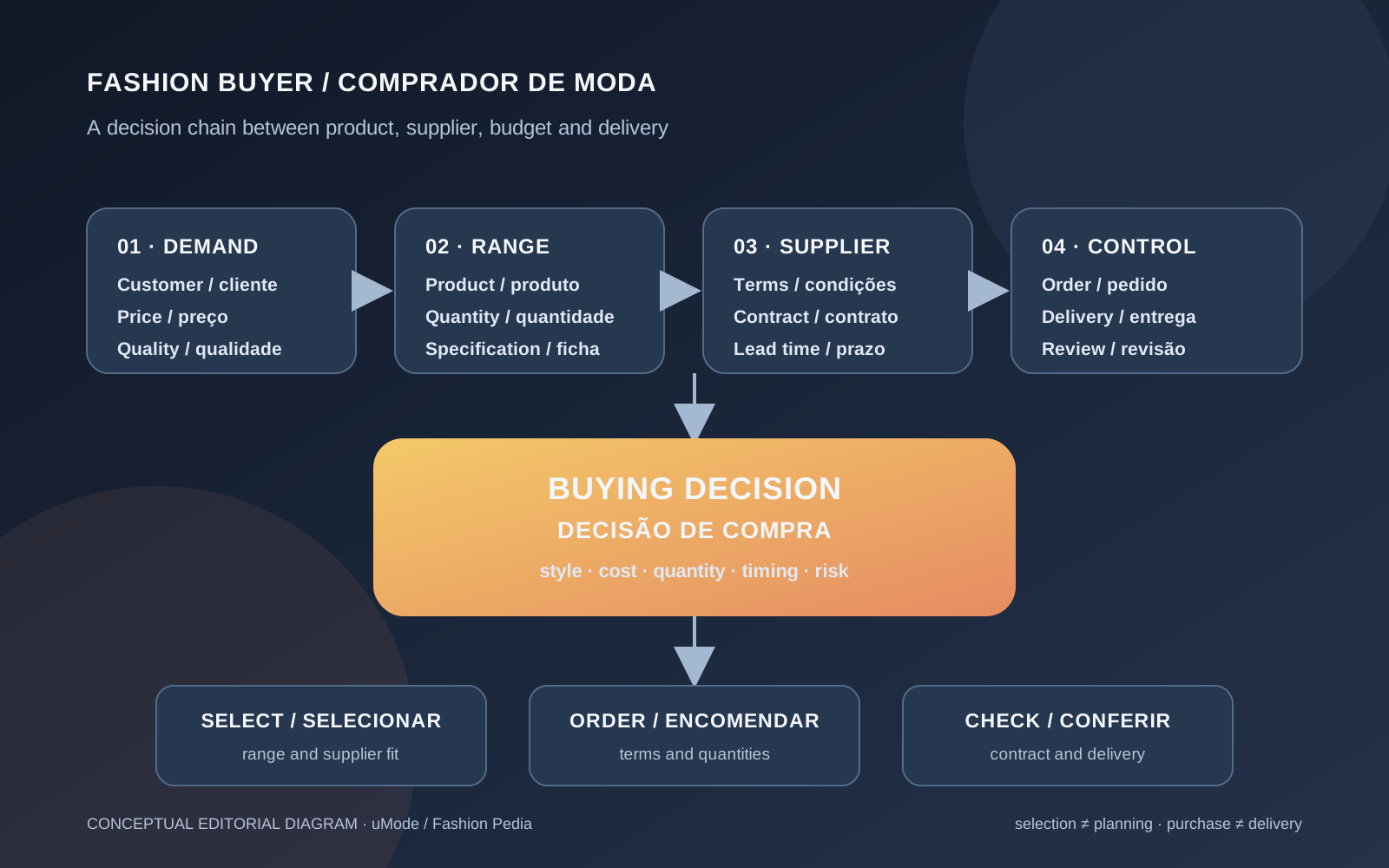
Fashion buyer
A fashion buyer turns a commercial need into a range, supplier, price, quantity, and timing decision. The role combines product and market reading with negotiation and execution follow-up. It connects selection, commercial commitment, and delivery review without automatically owning planning, design, technical approval, or quality control.
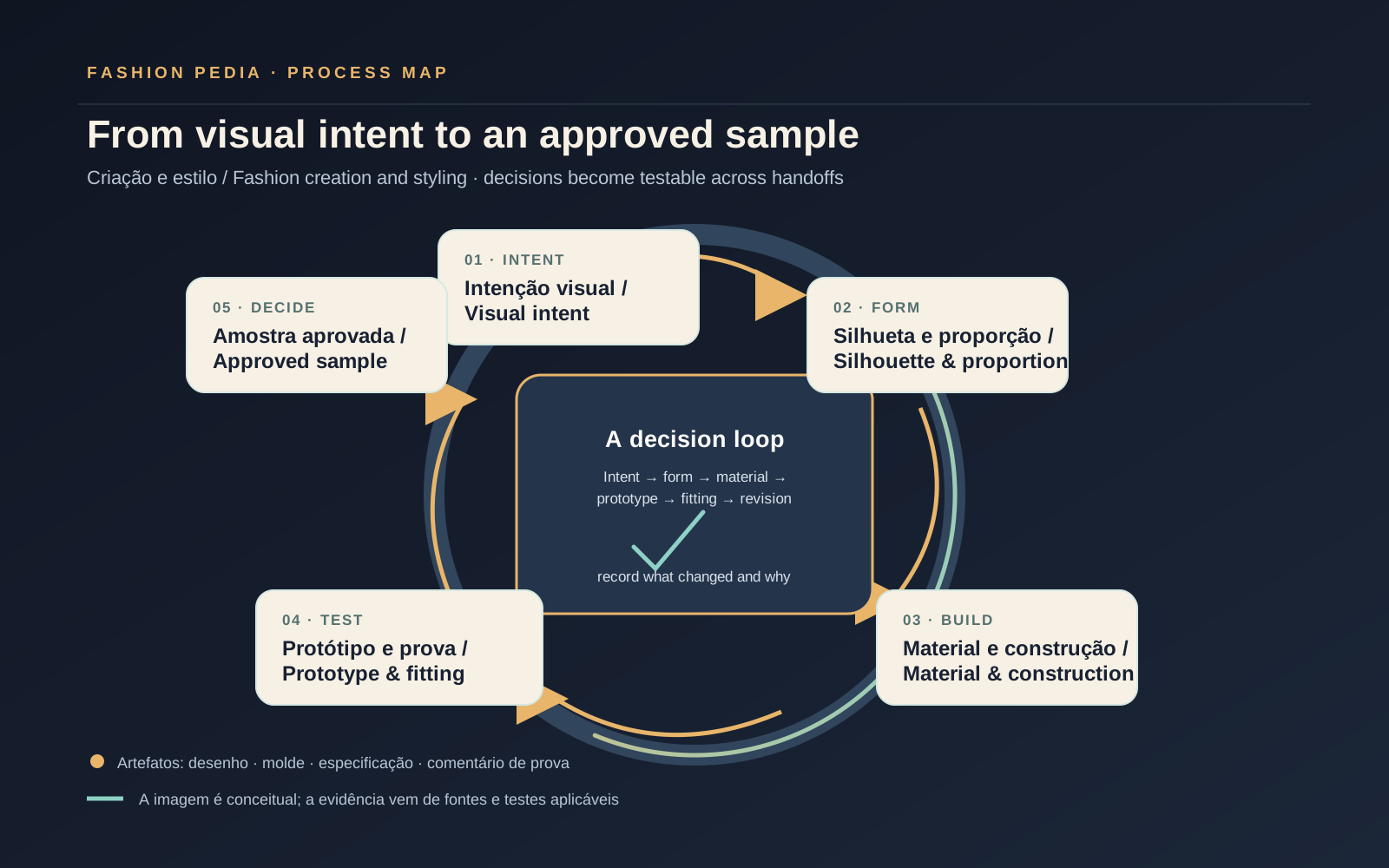
Fashion creation and styling in the product cycle
Fashion creation and styling in the product cycle. Fashion creation and styling become verifiable product decisions when visual intent is connected to silhouette, patternmaking, material, construction, fitting, and specifications. The cycle does not end with a drawing: prototypes, fit analysis, and recorded decisions carry the intended result toward production.
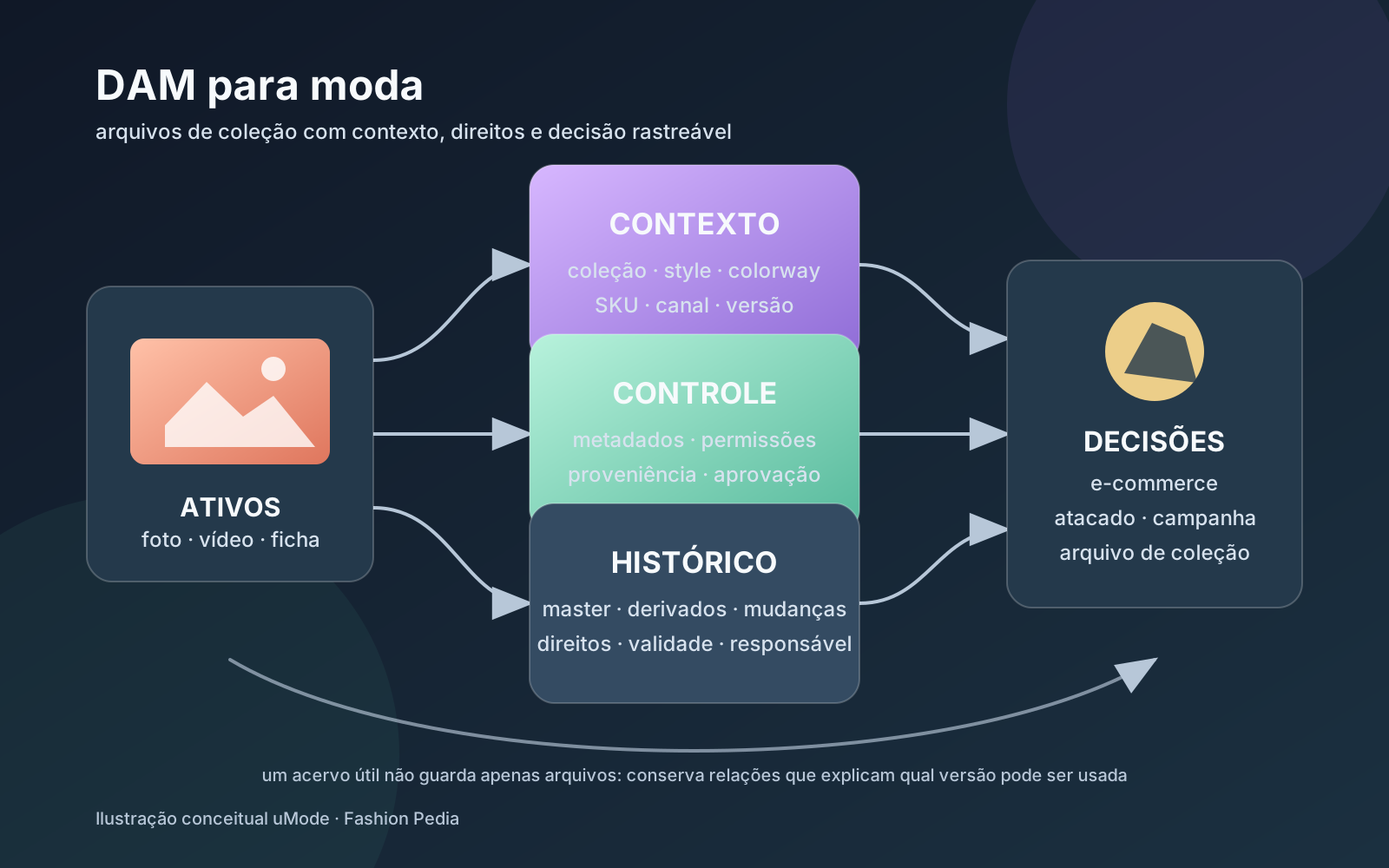
Fashion DAM
Fashion DAM is the process of storing, organizing, finding, controlling and distributing a collection's digital files while keeping metadata, permissions, versions, rights and provenance connected to product context. In practice, it turns images, videos, tech packs and derivatives into an operating base for design, wholesale, retail and communications.
Fashion e-commerce manager
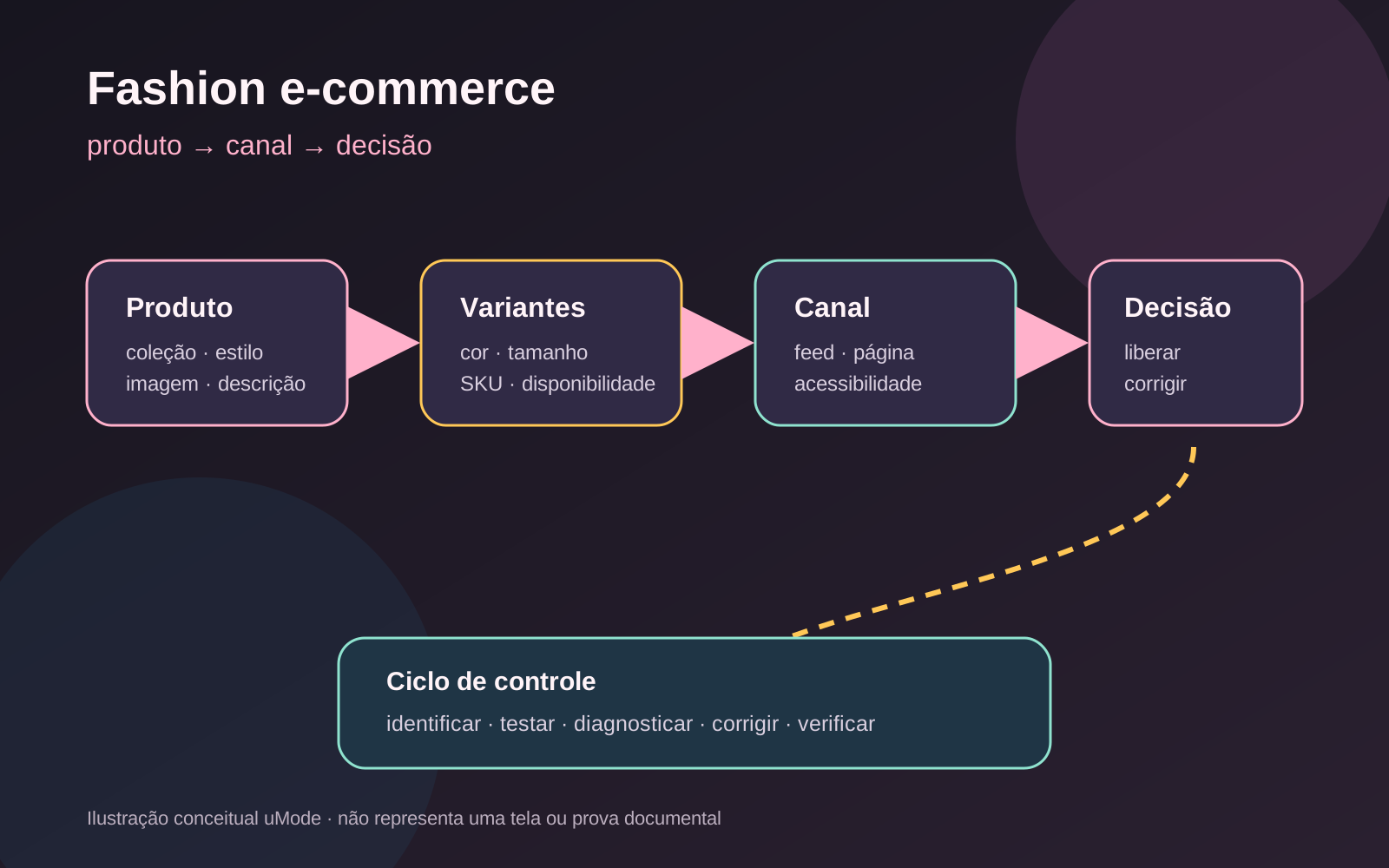
A fashion e-commerce manager coordinates assortment, catalog data, variants, price, availability, experience and operational signals in a digital channel. The role turns product requirements into verifiable routines without replacing privacy, technology, logistics or product specialists.
Fashion E-commerce Merchandising
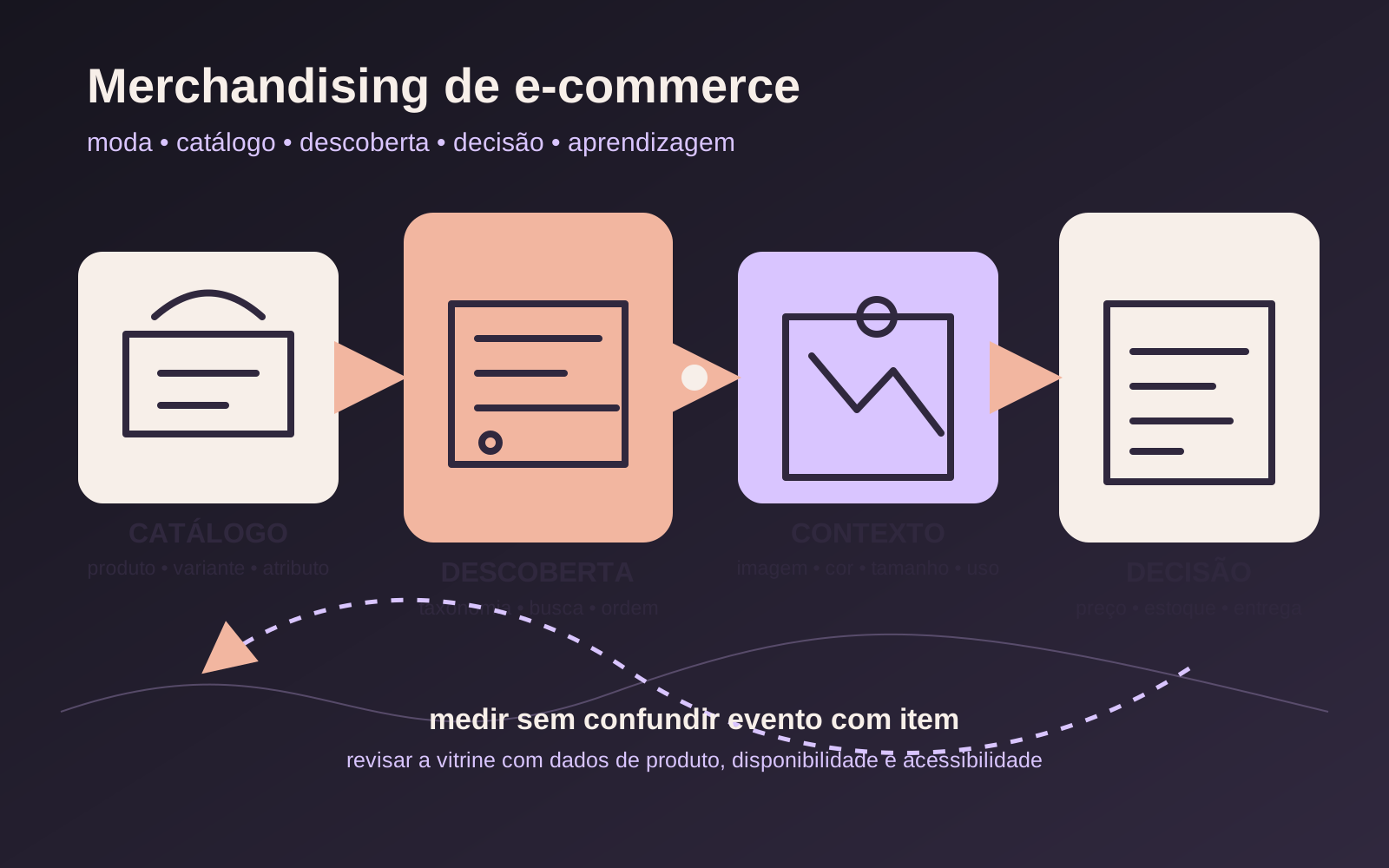
Fashion e-commerce merchandising is the process of organizing, presenting, and reviewing a fashion offer in digital channels. It coordinates product data, discovery, visual context, variants, price, and availability without confusing catalog guidance with a promise of sales.
Fashion merchandiser
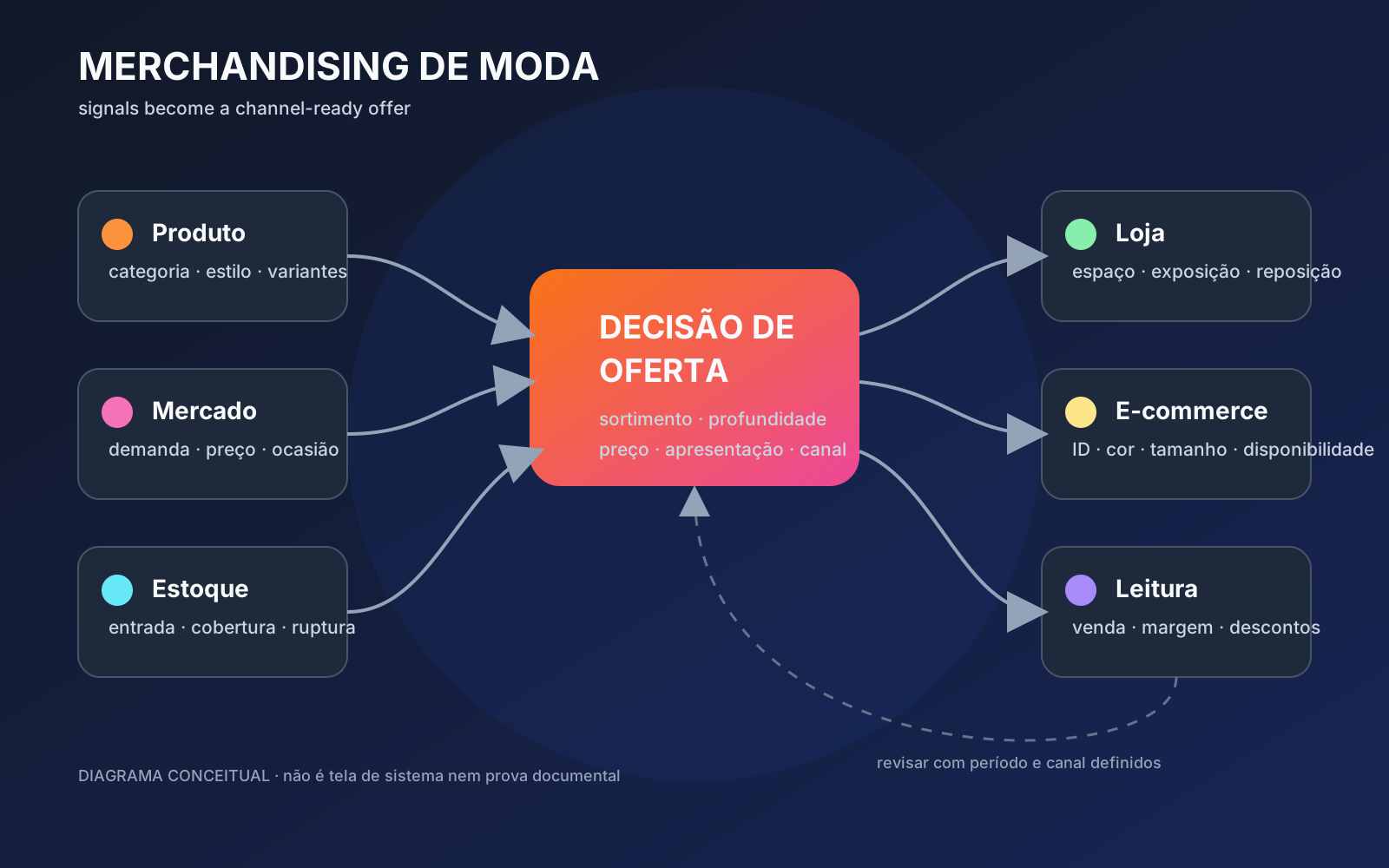
A fashion merchandiser turns market, product, and inventory signals into decisions about assortment, price, presentation, and availability. The role changes with the channel and the company: it may work alongside buyers, product planners, supply-chain teams, and e-commerce without being identical to buying or visual merchandising.
Fashion PIM
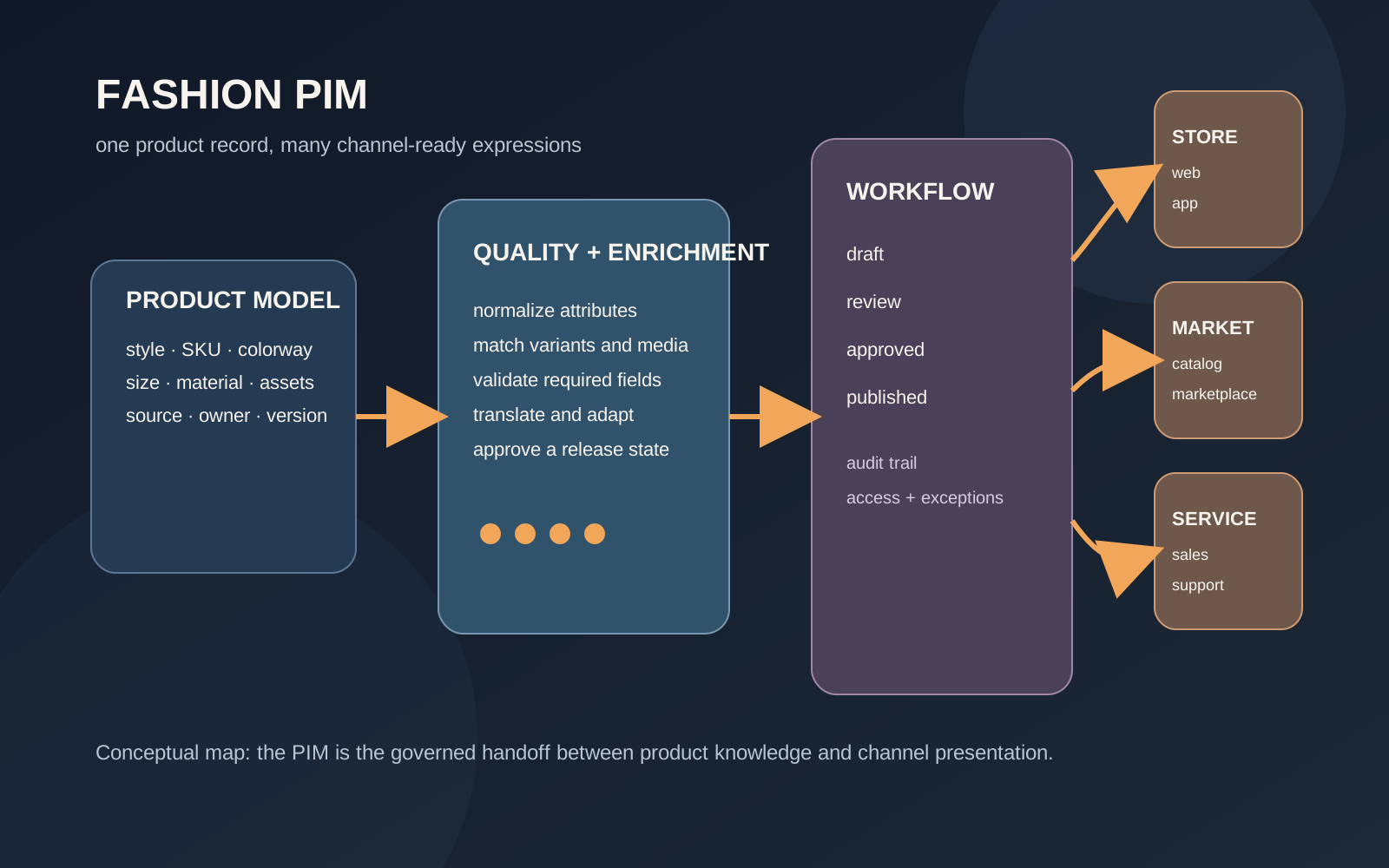
Fashion PIM is the process of organizing, enriching, validating and distributing product data to the channels that present a collection. It combines a data model, quality rules, ownership and integrations; it is not merely a catalog and does not automatically replace PLM, ERP or DAM.

Fashion PLM: data, product, and lifecycle
Fashion PLM is the structured management of the data, decisions, and workflows that follow a product and a collection from concept through post-launch. It connects tech packs, materials, costs, samples, approvals, suppliers, and versions so that every function works from a traceable product definition.
Fashion price architecture
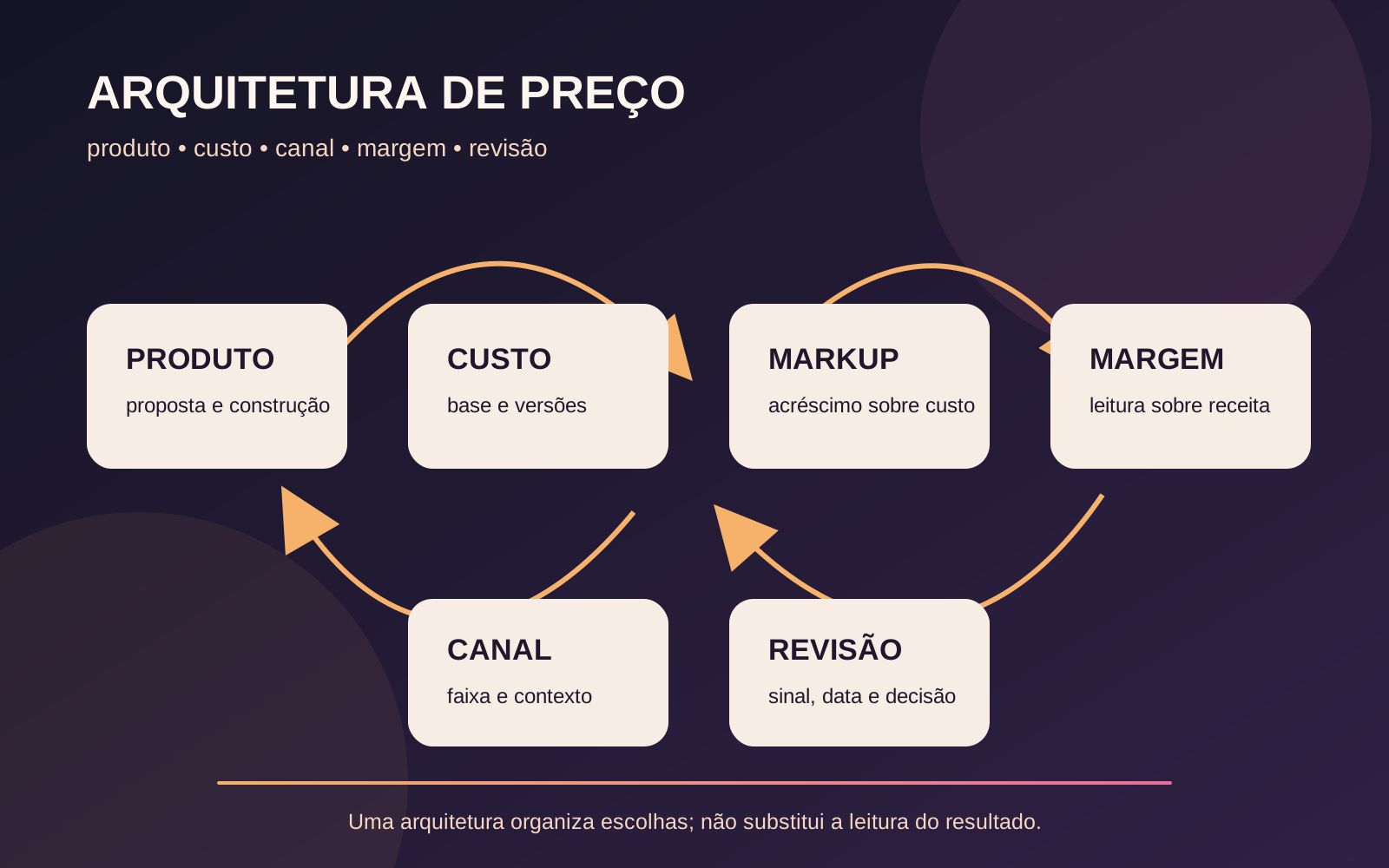
Fashion price architecture is the process of organizing costs, markup, margin, channels, and price bands so a collection intention can become comparable decisions. It connects product development with commercial review without treating one percentage as proof of profitability.
Fashion Product Cost Formation
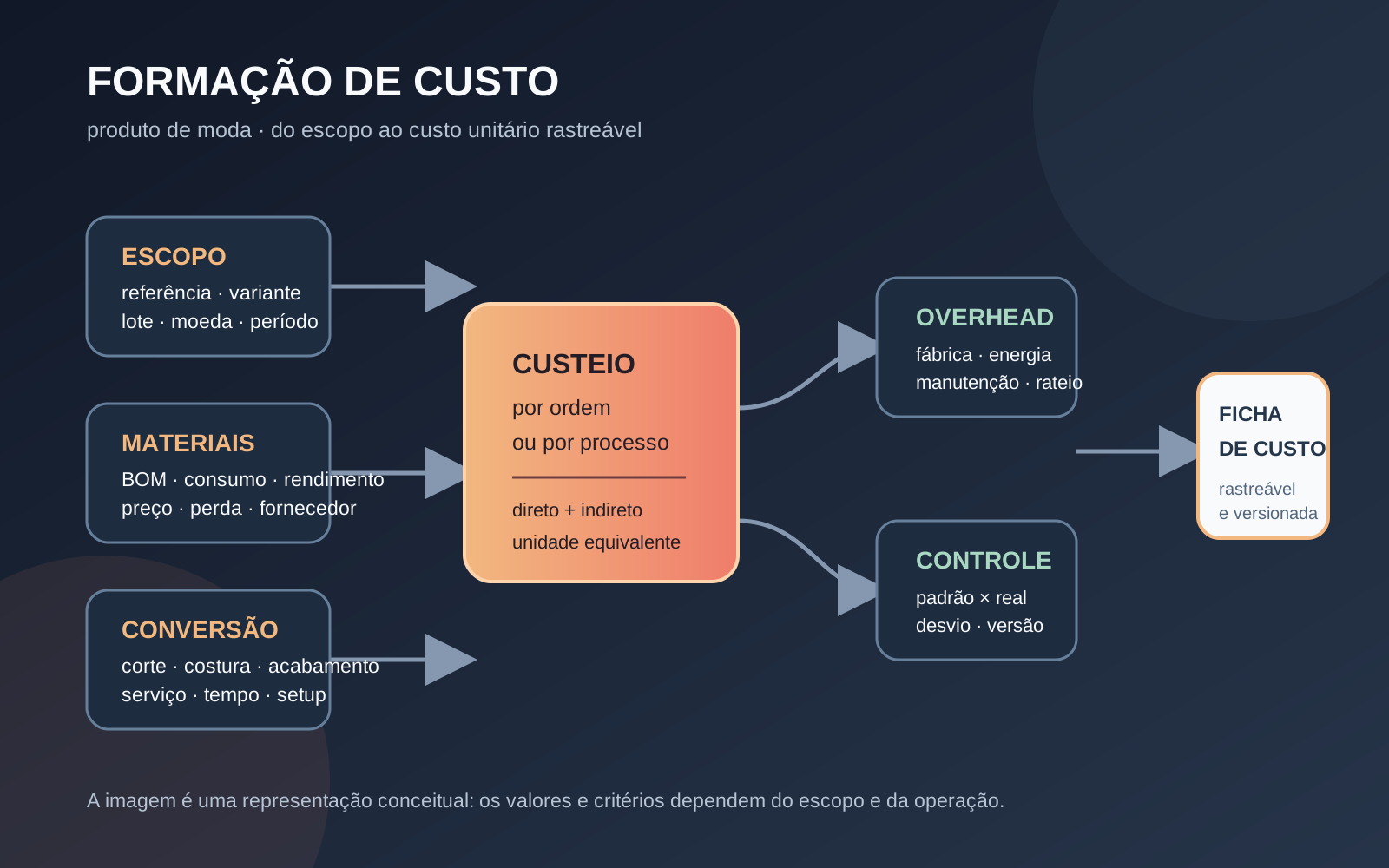
Fashion product cost formation is the process of identifying, measuring, and assigning resources consumed by a garment, variant, or batch within a stated scope. It combines materials, conversion, waste, services, and overhead in a versioned cost sheet while distinguishing manufacturing cost, landed cost, and selling price.
Fashion product cost sheet
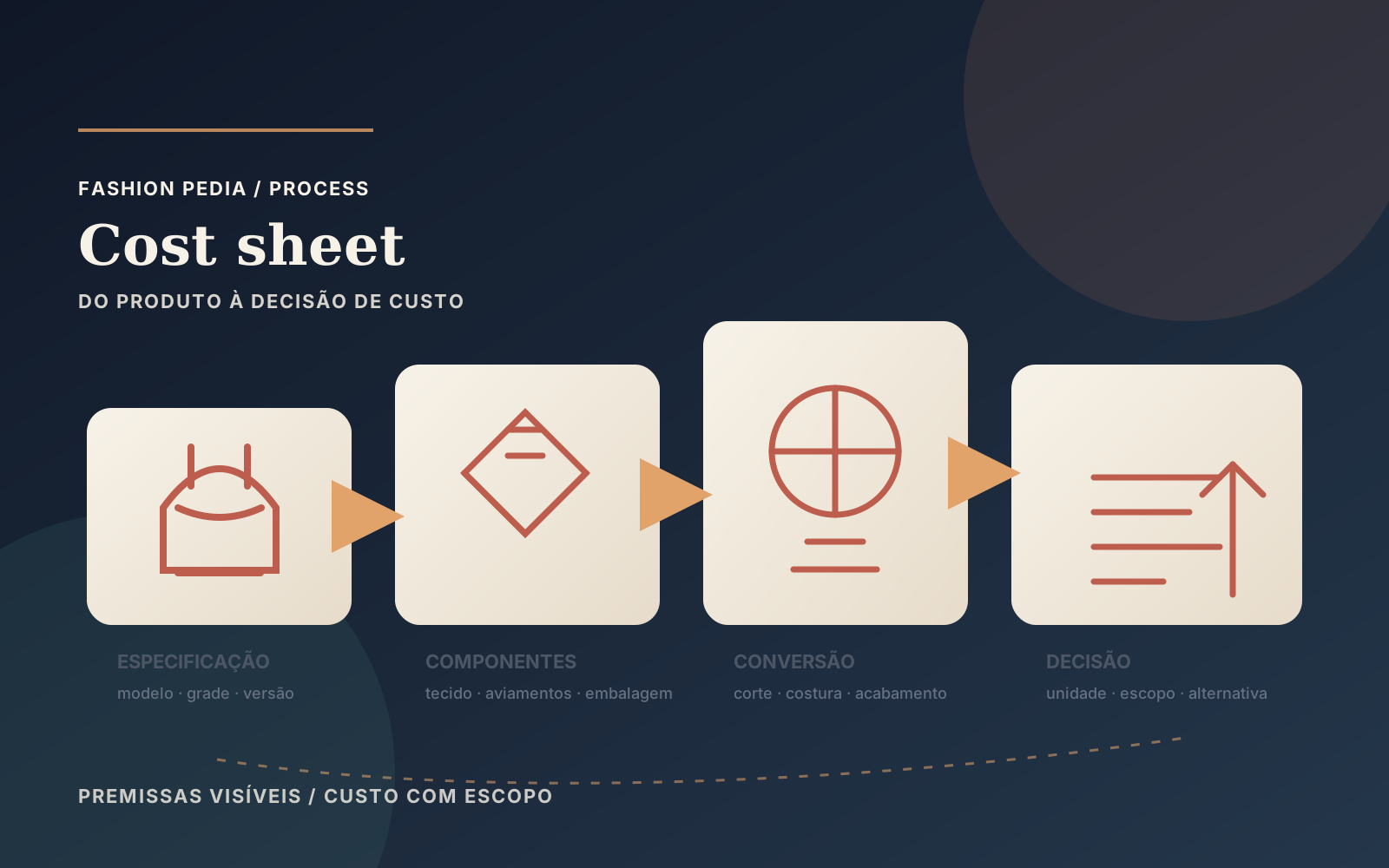
A fashion product cost sheet is the process of calculating and organizing the cost of making a garment, connecting materials, labor, packaging, operations, and purchasing assumptions to the unit being analyzed. A useful sheet separates consumption, unit price, conversion, and scope so product alternatives can be compared without confusing cost, markup, and margin.
Fashion product development
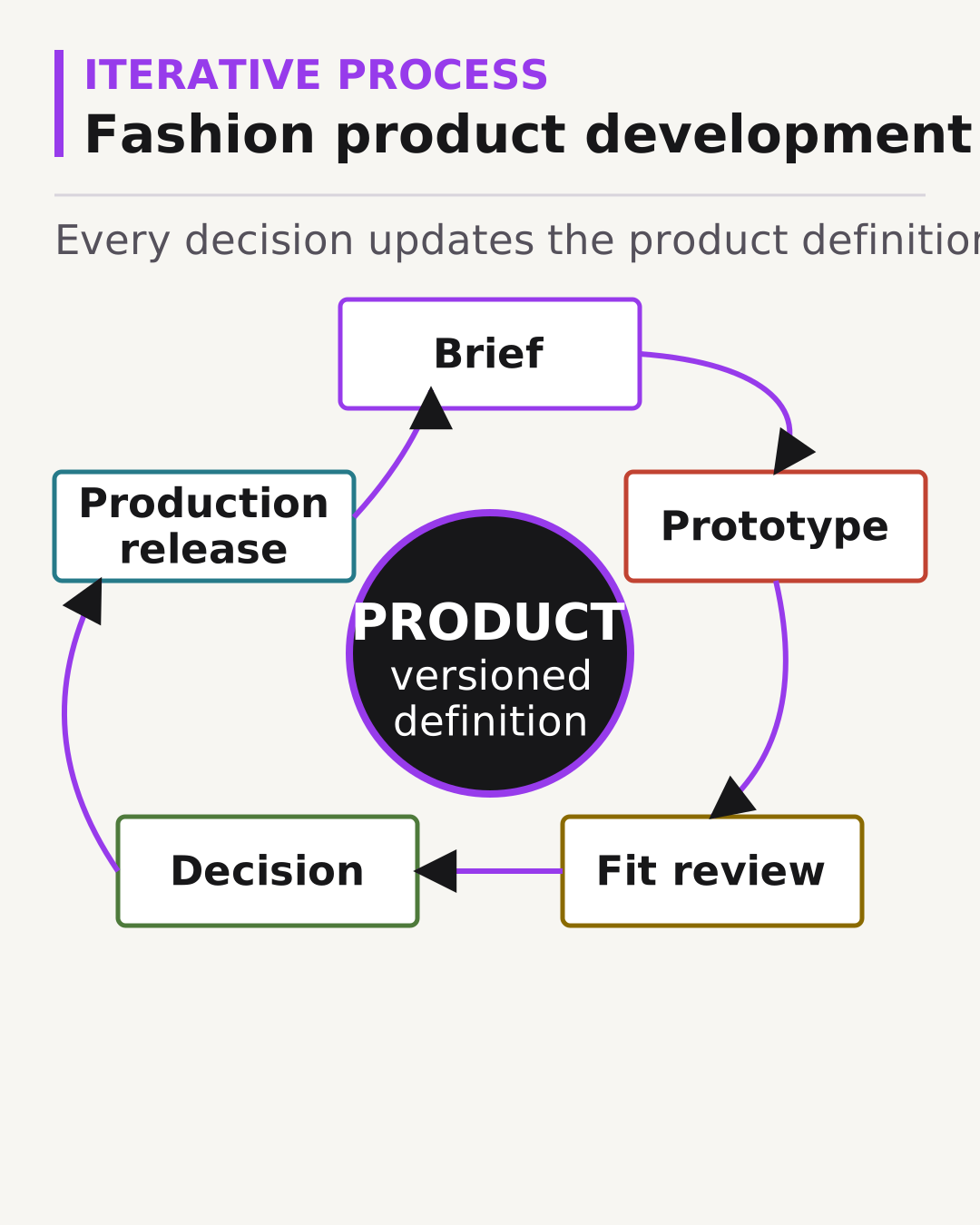
Fashion product development is the process that turns an opportunity or brief into a product specified and approved for manufacturing. It coordinates concept, assortment, materials, patternmaking, samples, fit, cost, quality, compliance and timing through decision cycles rather than an isolated creative sequence.
Fashion Product Development and Engineering
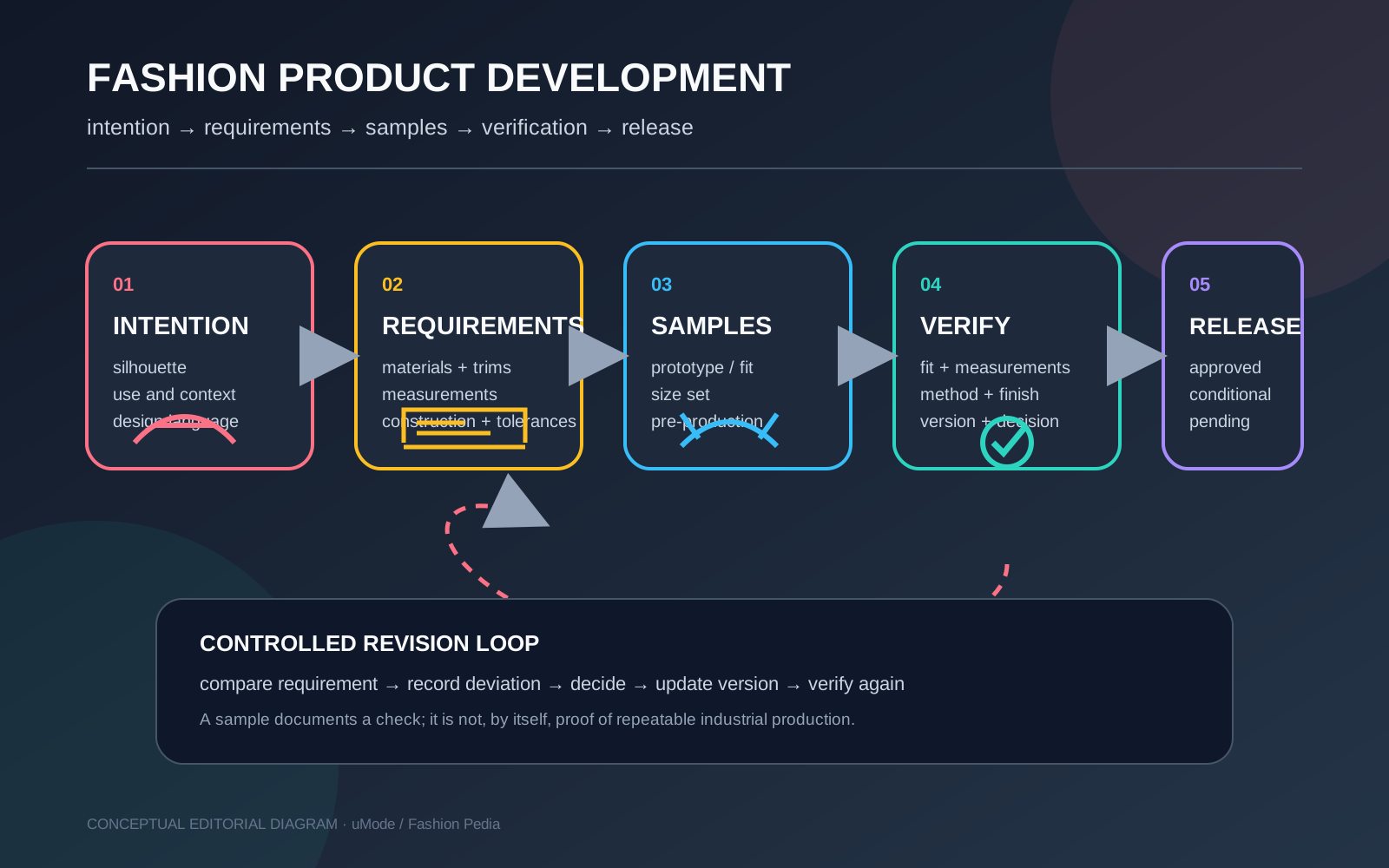
Fashion product development and engineering turns a design intention into verifiable requirements for building, fitting, revising, and releasing a garment or collection. The process connects concept, technical specification, patternmaking, materials, construction, measurements, samples, quality, cost, and lifecycle data without treating aesthetic approval as proof of industrial repeatability.
Fashion product development cycle
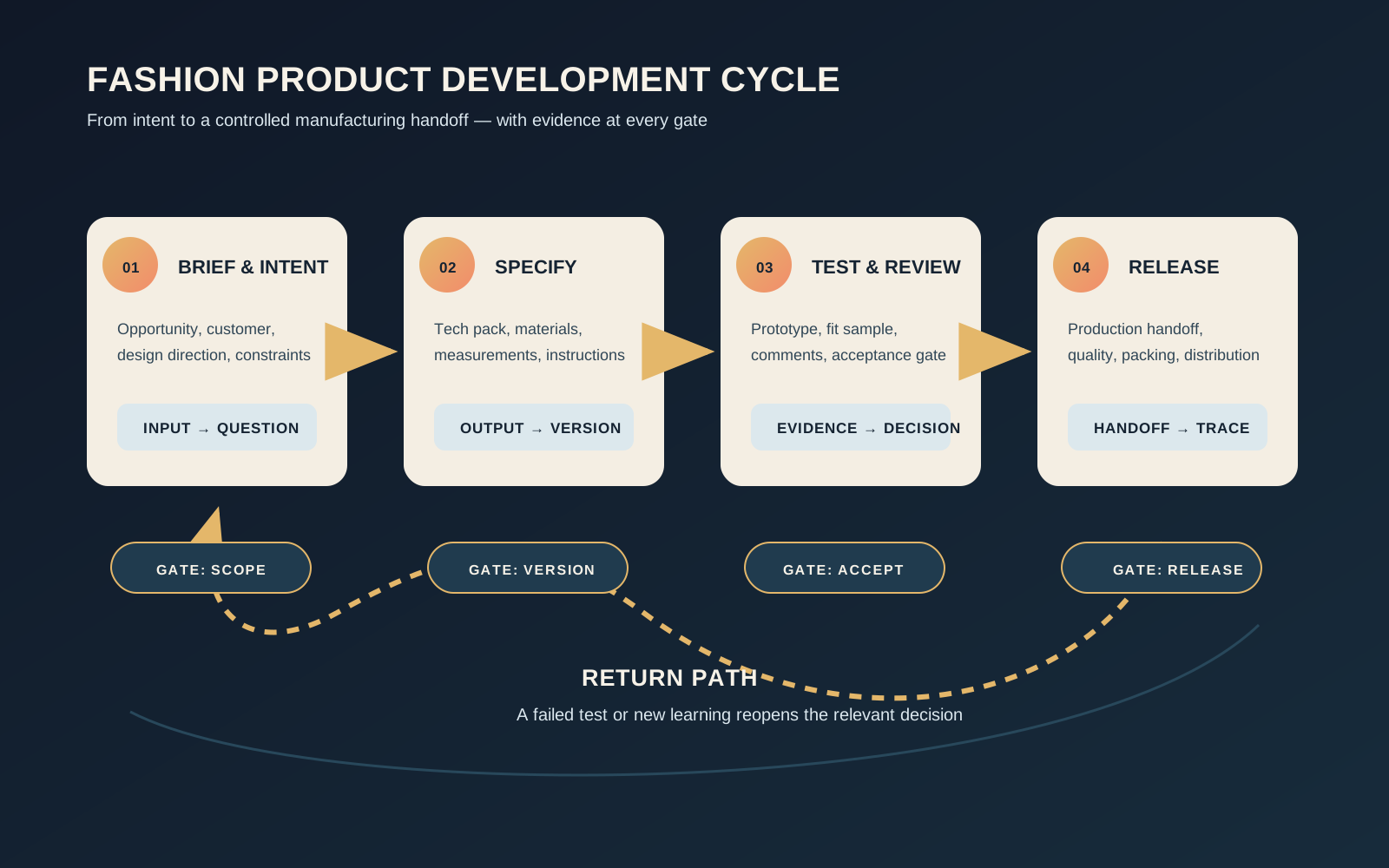
The fashion product development cycle turns an intent into a specified, tested, approved product ready for manufacturing. It connects design, materials, samples, instructions, quality, data and return decisions; it is not a linear recipe that every company follows in the same way.
Fashion product engineer
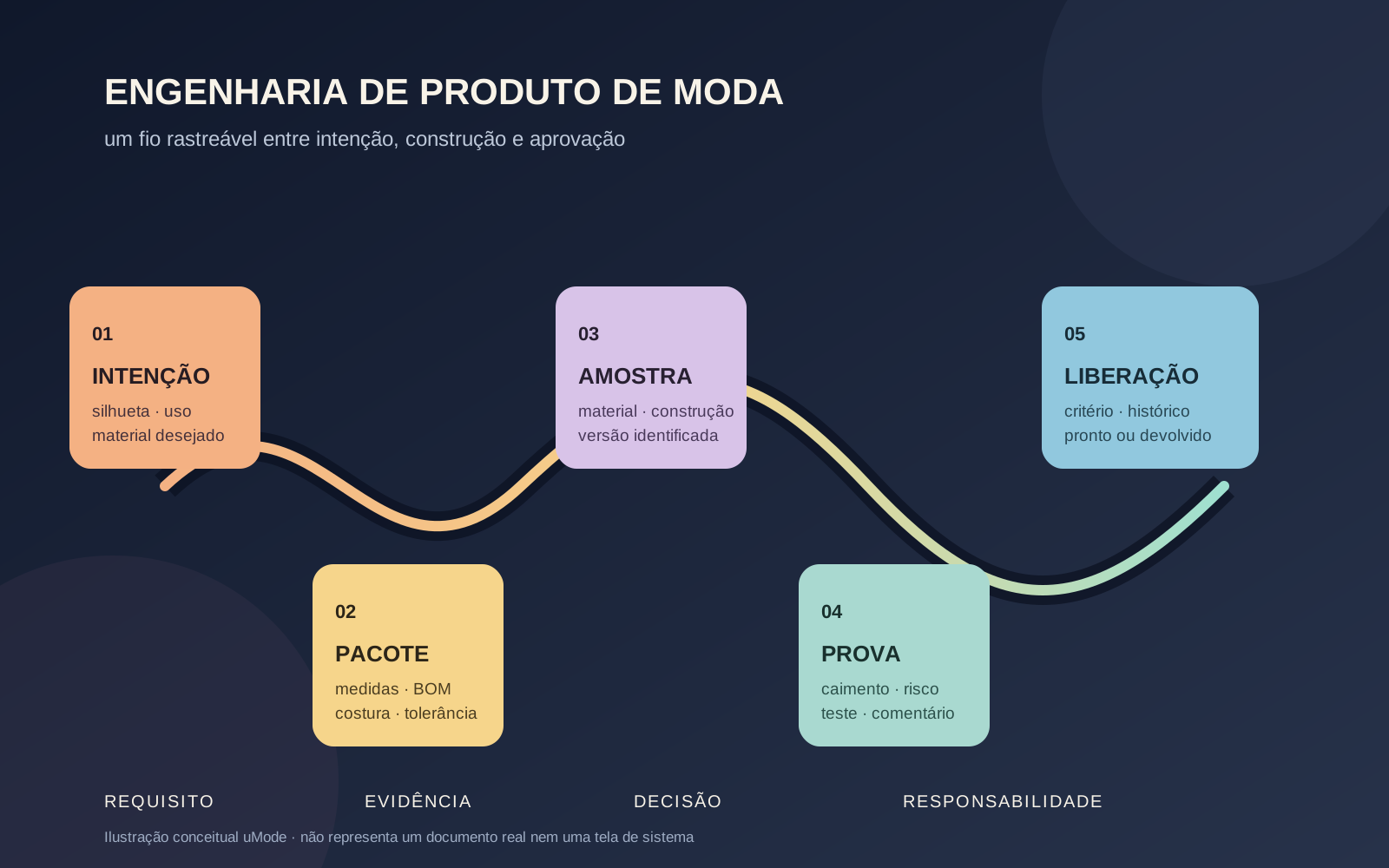
A fashion product engineer turns collection intent into specifications that can be checked through sampling and pre-production. The work connects construction, measurements, materials, costing, testing, fitting, quality control, and records that let a team approve or return a style without confusing the role with pattern cutting, buying, or inspection.
Fashion product manager
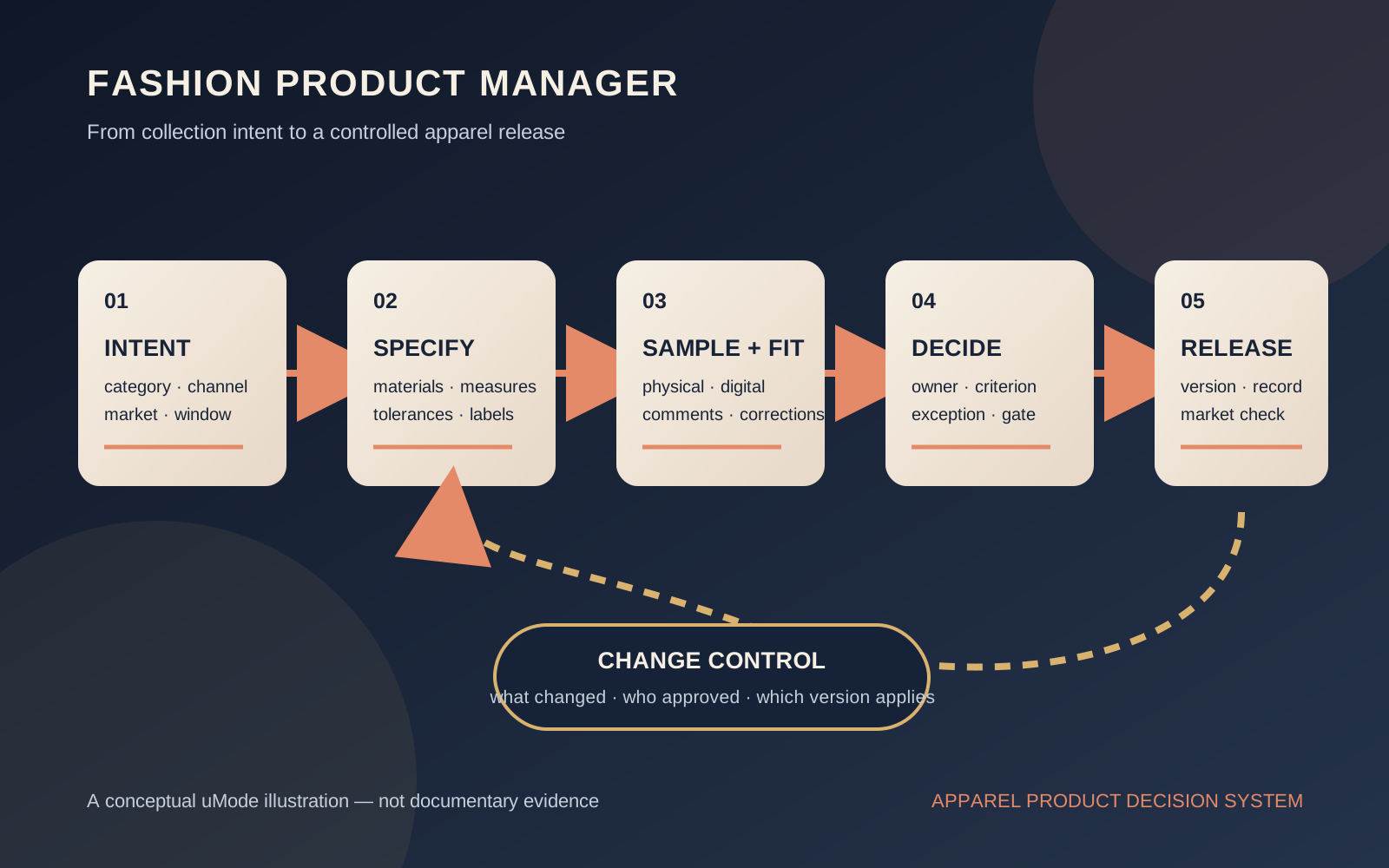
A fashion product manager steers apparel decisions from collection intent to a version that can be specified, sampled, fitted and released. The role connects product priorities with technical requirements, market compliance and change control, while specialist teams retain their own technical authority.
Fashion Product Prototyping
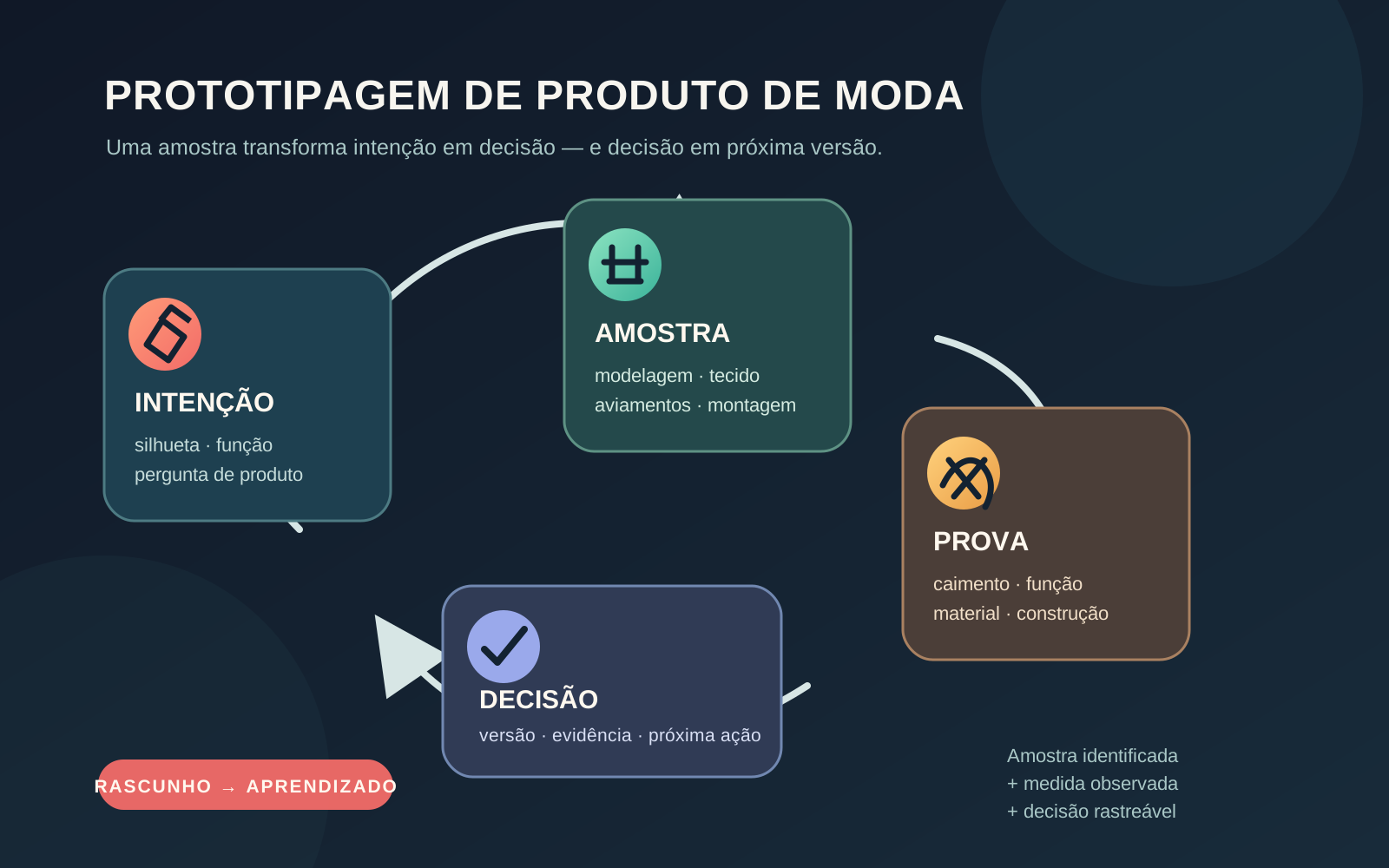
Fashion product prototyping is the process of building and evaluating samples that turn a design intention into a specified, fitted and manufacturable product. It connects design, patternmaking, materials, construction, fit and revision records before a production decision.

Fashion product technical specification
A technical specification is the controlled information set that translates an approved fashion product into verifiable sampling and manufacturing requirements. It brings together drawings, materials, measurements, construction, tolerances, identification, labelling, comments and revision history; its content varies by category, company, market and stage.
Fashion quality analyst
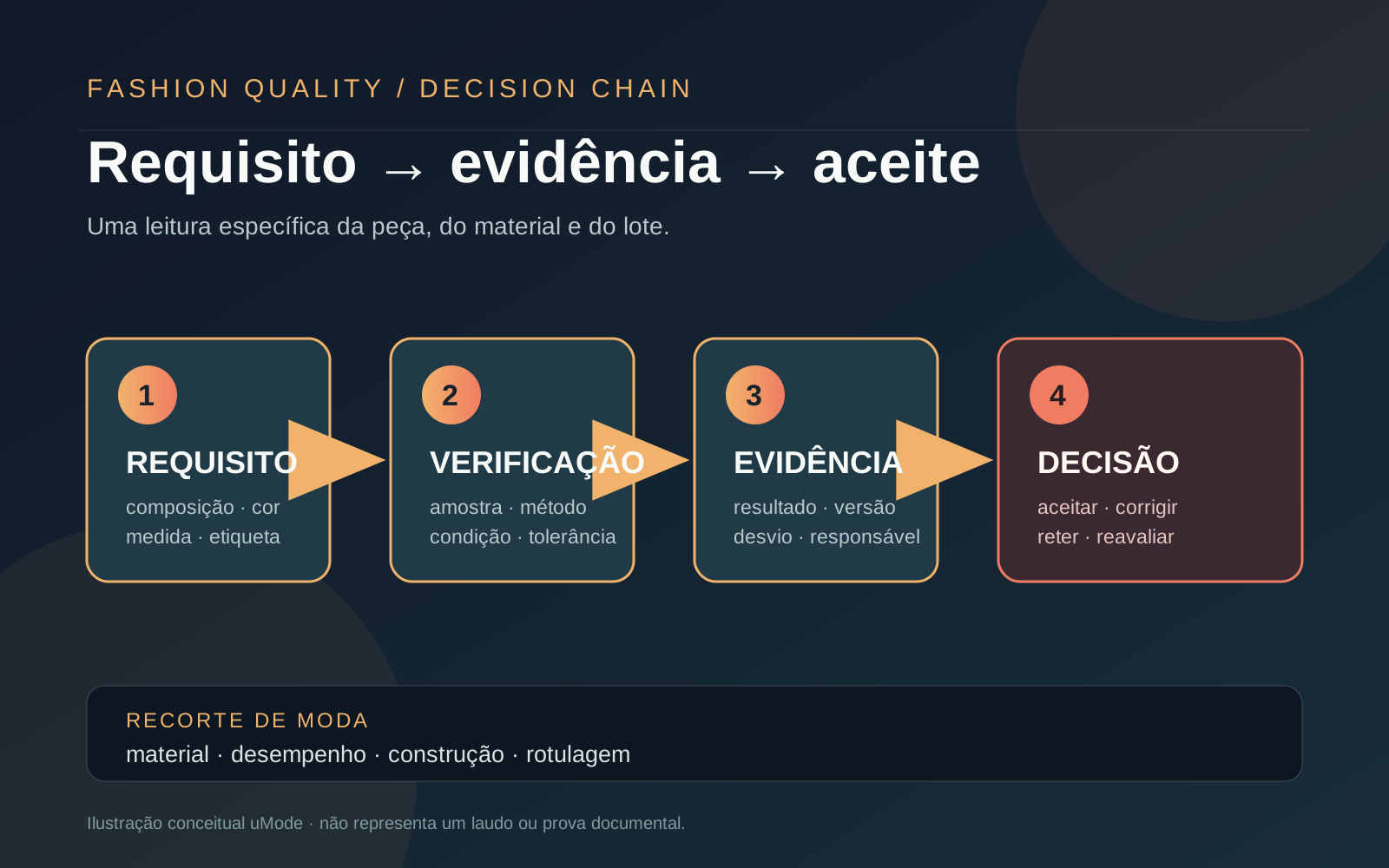
A fashion quality analyst turns a garment, material or lot requirement into comparable checks, recorded evidence and a decision to accept, correct or hold. In apparel, the scope may combine fibre composition, colour fastness, performance, construction, chemical safety and labelling, without treating a single test method or certificate as universal product approval.
Fashion retail markdown
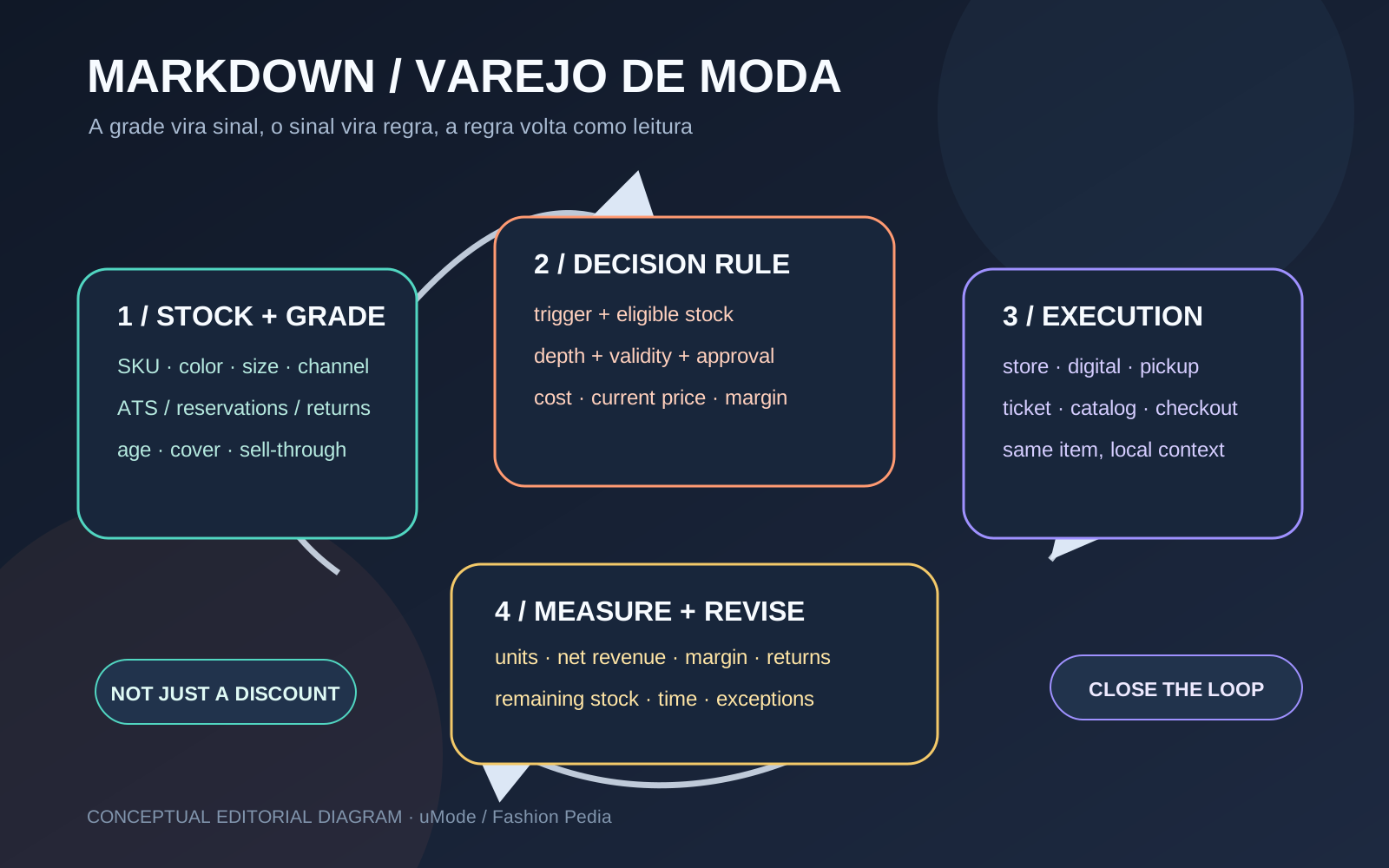
Fashion retail markdown is a controlled price reduction applied to a defined product, location, and channel to move stock while preserving visibility into size availability and margin. The process starts with sellable inventory and sales signals, applies a documented rule, and measures the result rather than treating a new ticket price as the result itself.
Fashion sample approval
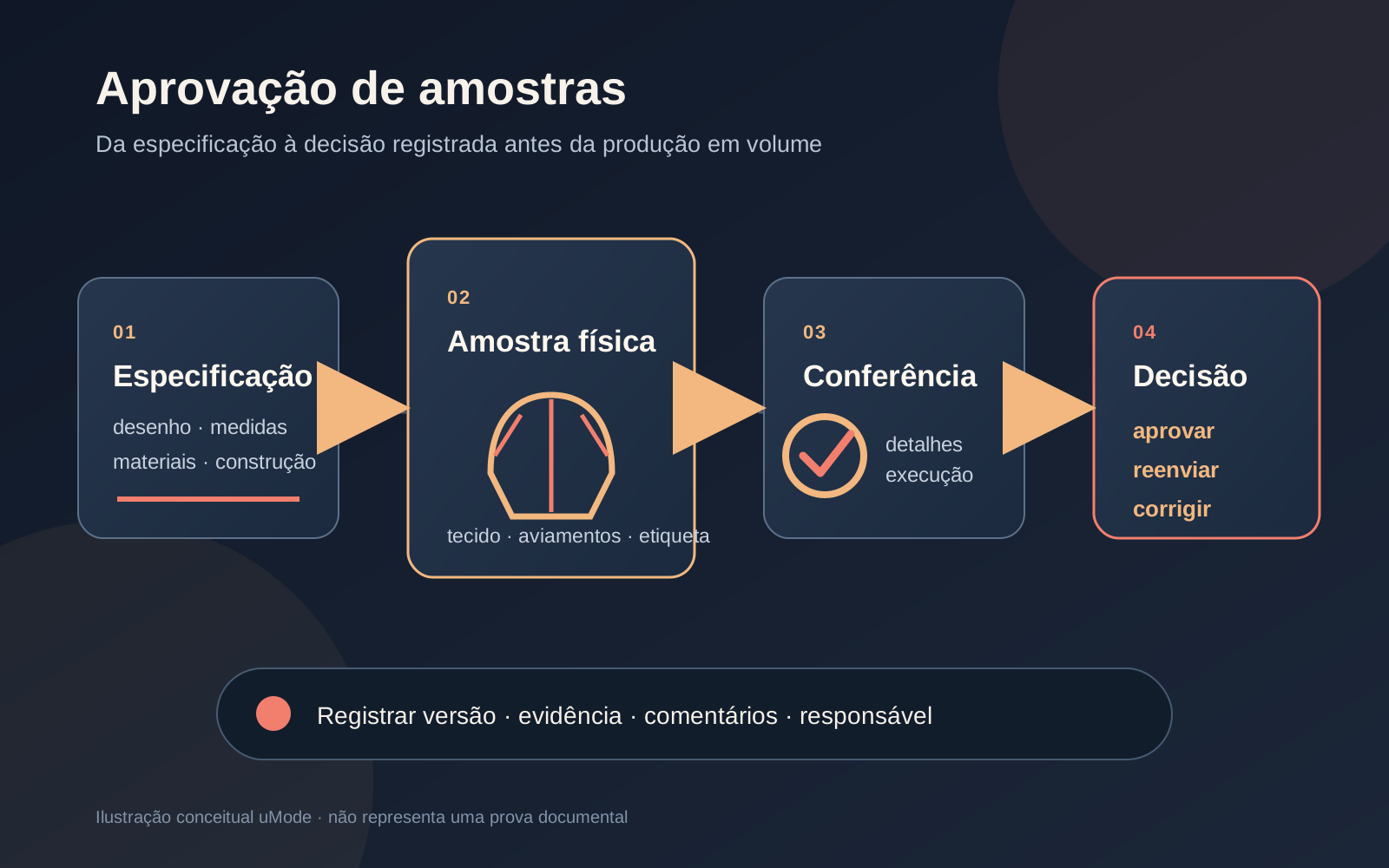
Fashion sample approval is the process of comparing a physical sample with documented requirements for style, materials, construction and identification, recording deviations and deciding whether the garment can proceed, needs resubmission or requires correction before volume production.
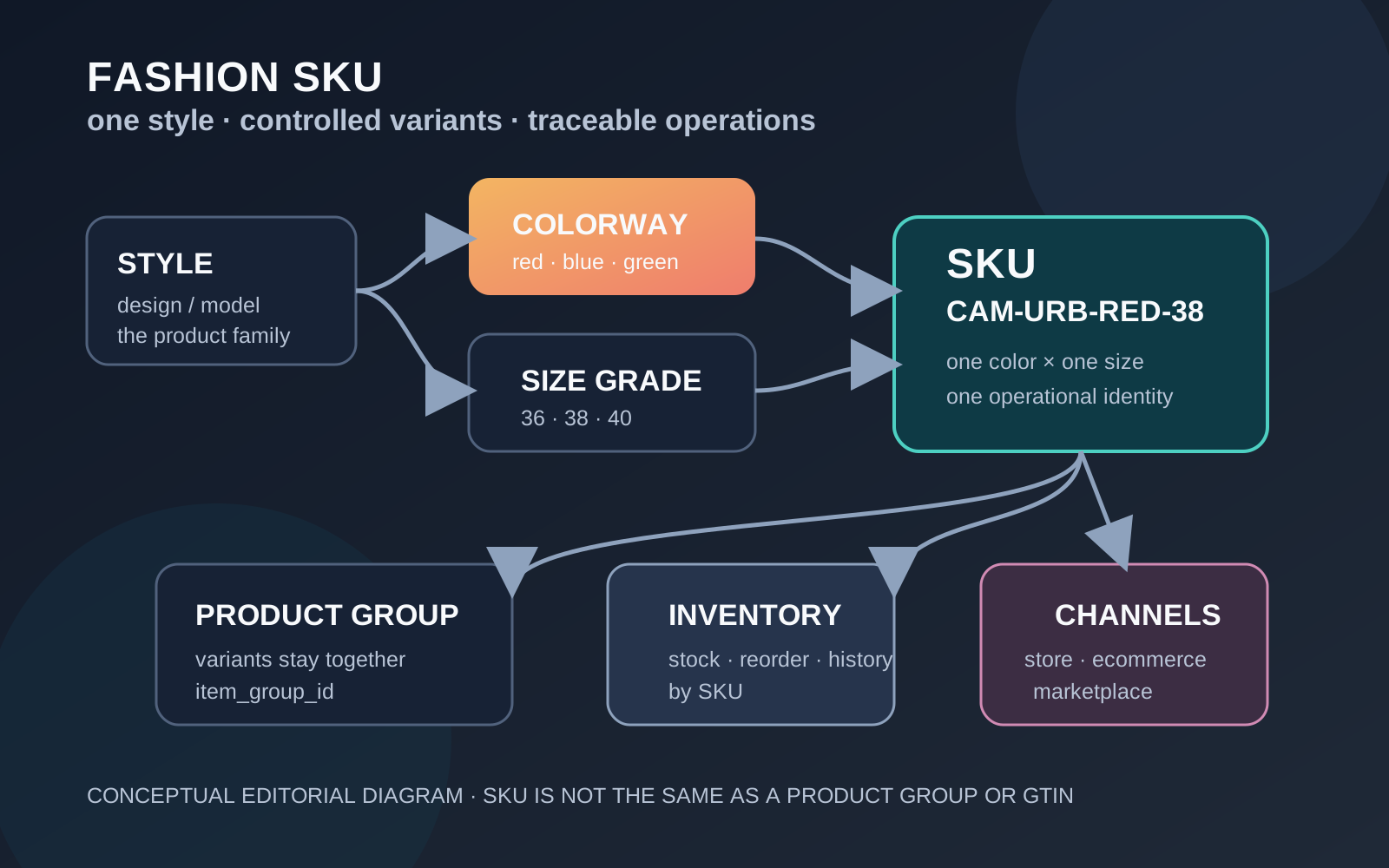
Fashion SKU
A fashion SKU is an identification unit used to distinguish items and variants in inventory control. In apparel, the useful distinction is between the individual SKU, the product group, color and size attributes, and assortment decisions.
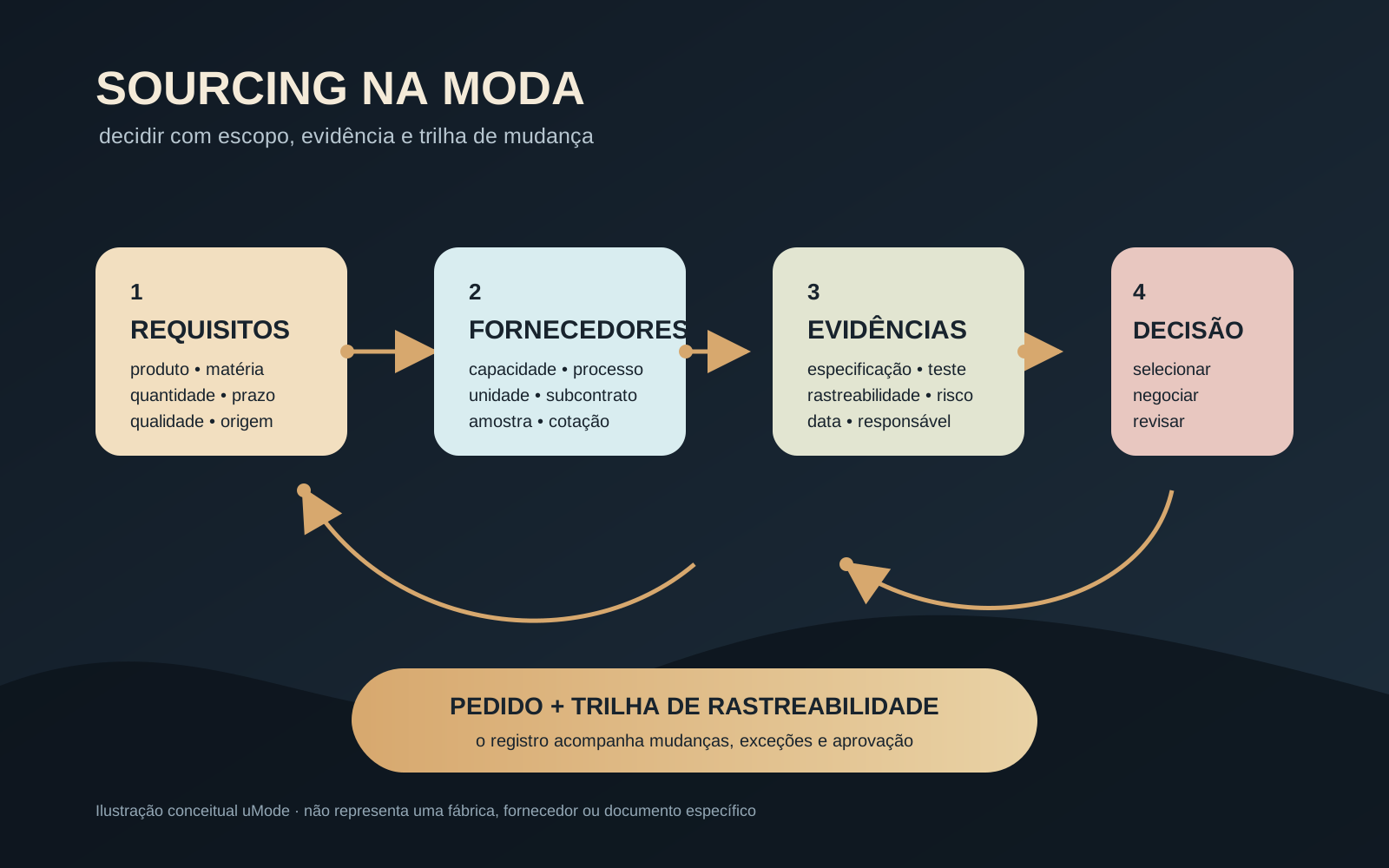
Fashion sourcing
Fashion sourcing turns product requirements into a verifiable decision about materials, suppliers, capacity, cost, timing and risk. It connects samples, evidence and purchase orders without reducing supplier choice to the lowest price.
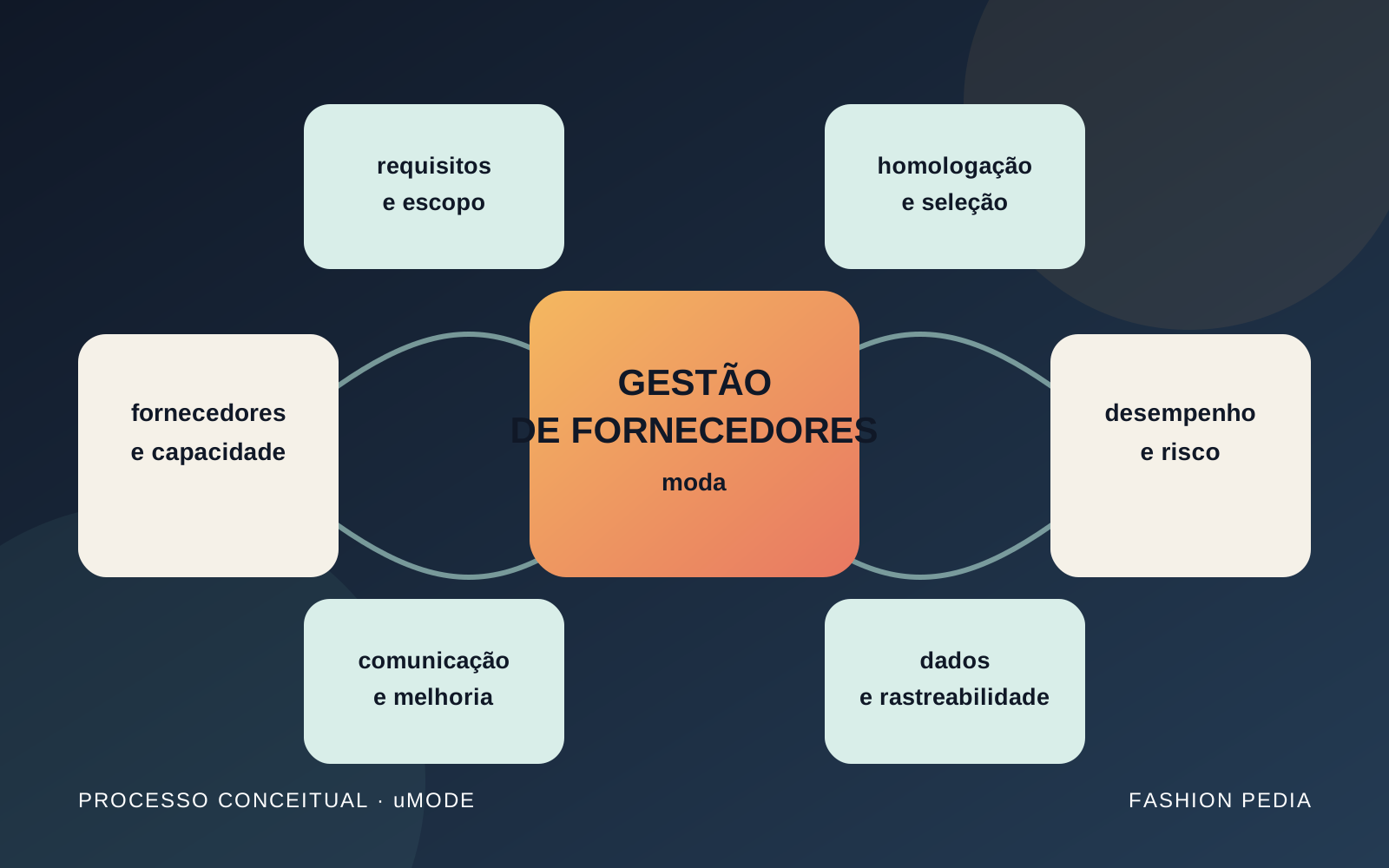
Fashion supplier manager
A fashion supplier manager structures the working relationship between a company and its suppliers, from capability and risk assessment to performance review, communication, and improvement. In a fashion supply chain, the process connects product requirements, selection, collaboration, and traceability rather than reducing the decision to price.
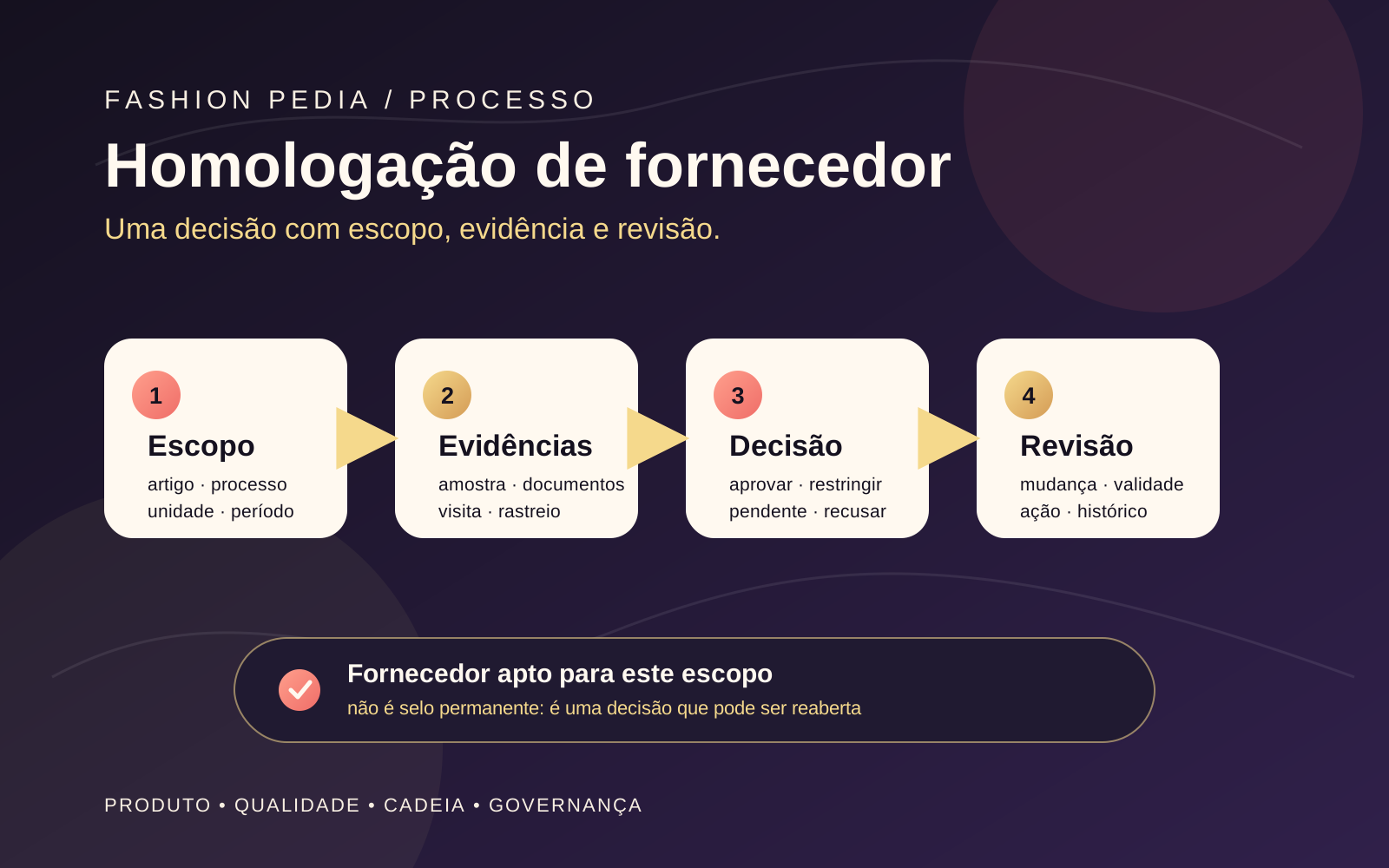
Fashion Supplier Qualification
Fashion supplier qualification is the process of deciding, for a defined scope, whether a company can be used with explicit requirements, evidence, responsibilities and review points. In fashion, the decision should connect development, quality, purchasing, production and traceability without confusing a vendor record, a certificate or a single order with permanent approval.
First-pass yield in apparel
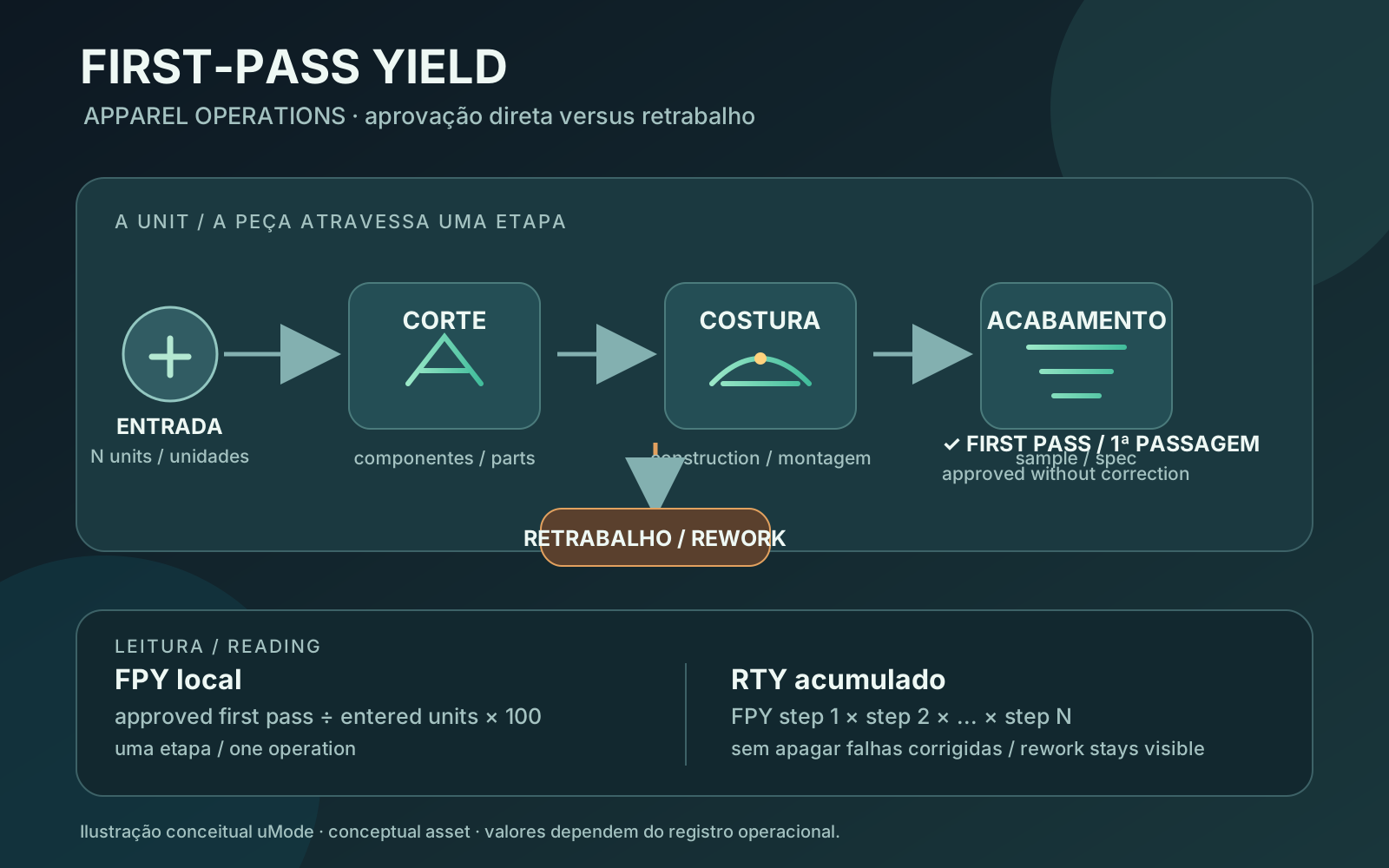
First-pass yield in apparel. First-pass yield (FPY) is the proportion of units leaving a process to the units entering it during a defined period. In apparel, the measure becomes useful only when the operation, unit, acceptance rule and treatment of rework are stated before the count begins.
Garment fitting
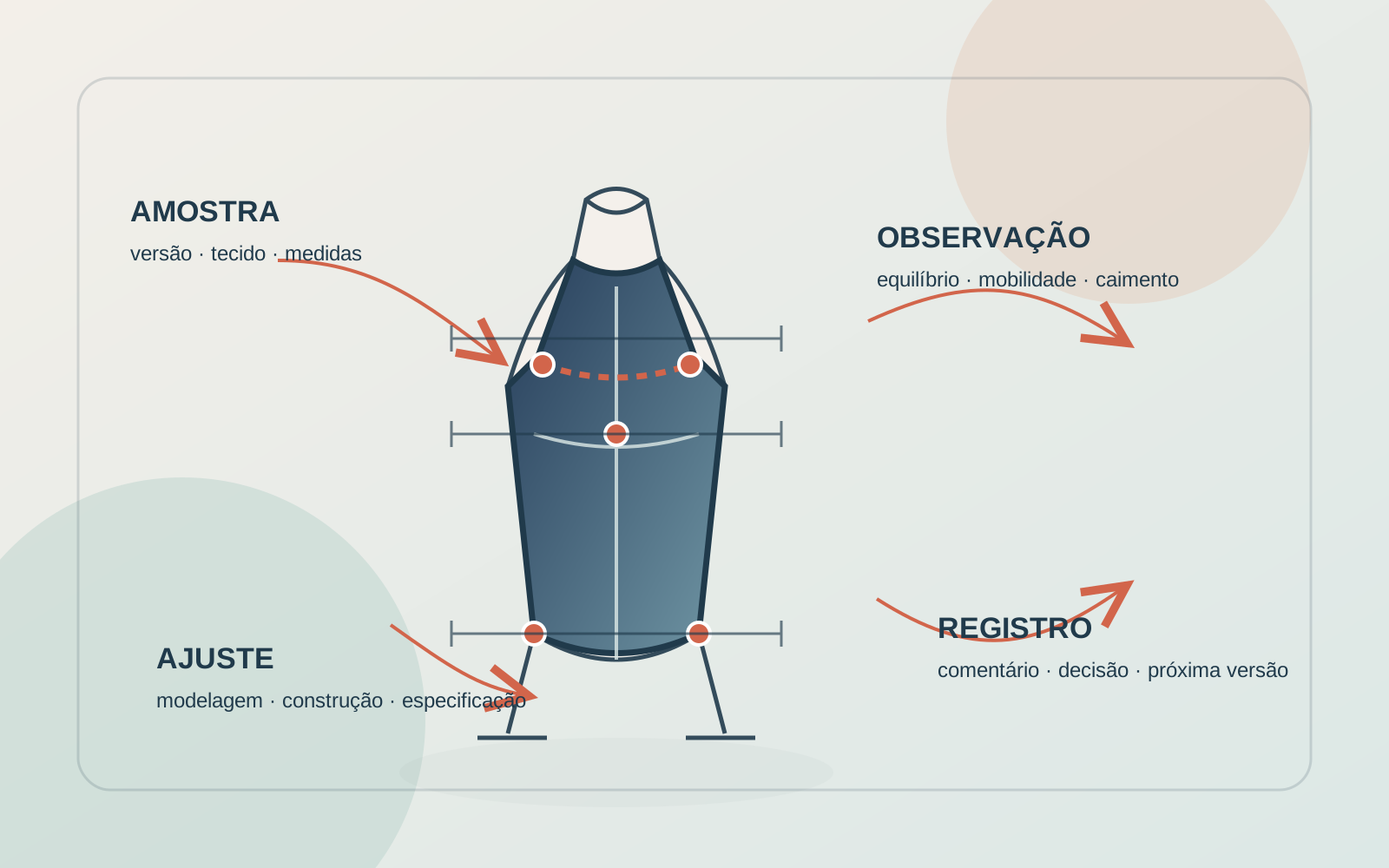
Garment fitting is the process of comparing a dressed sample with a style's design, specifications, and intent. The team observes fit, balance, movement, and construction, records decisions, and sends changes into the next version.
Garment patternmaker
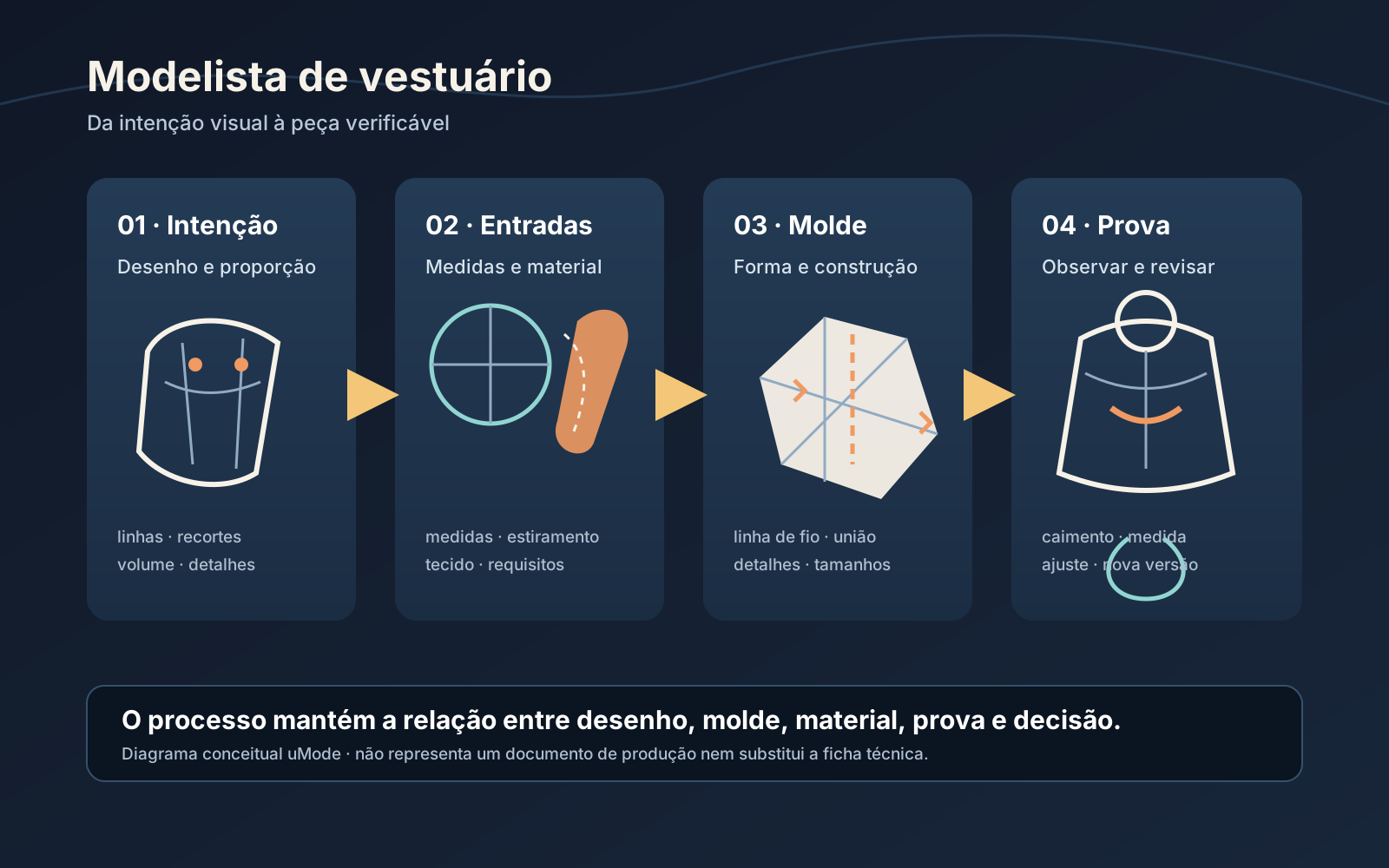
A garment patternmaker turns a garment drawing into patterns, fitting changes, and construction information that can be cut, assembled, and checked. The role combines shape interpretation, measurement logic, material awareness, and pattern revision without replacing design or production authority.
Garment production pilot sample
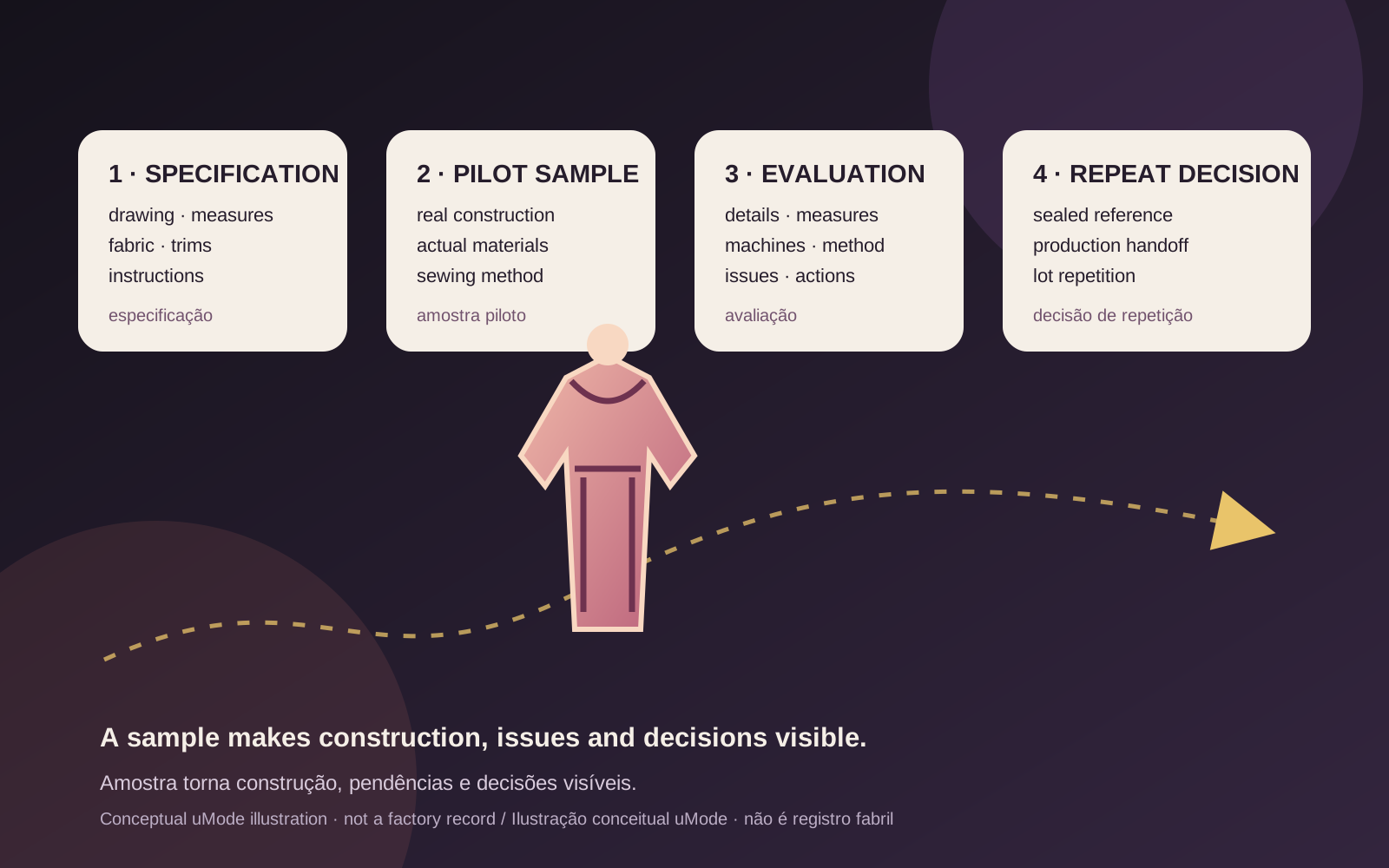
Garment production pilot sample. A garment production pilot is the development, review and approval of a product sample under product-making conditions. It connects the technical pack, materials, measurements, tests, construction and decision-making before the garment is repeated in production.
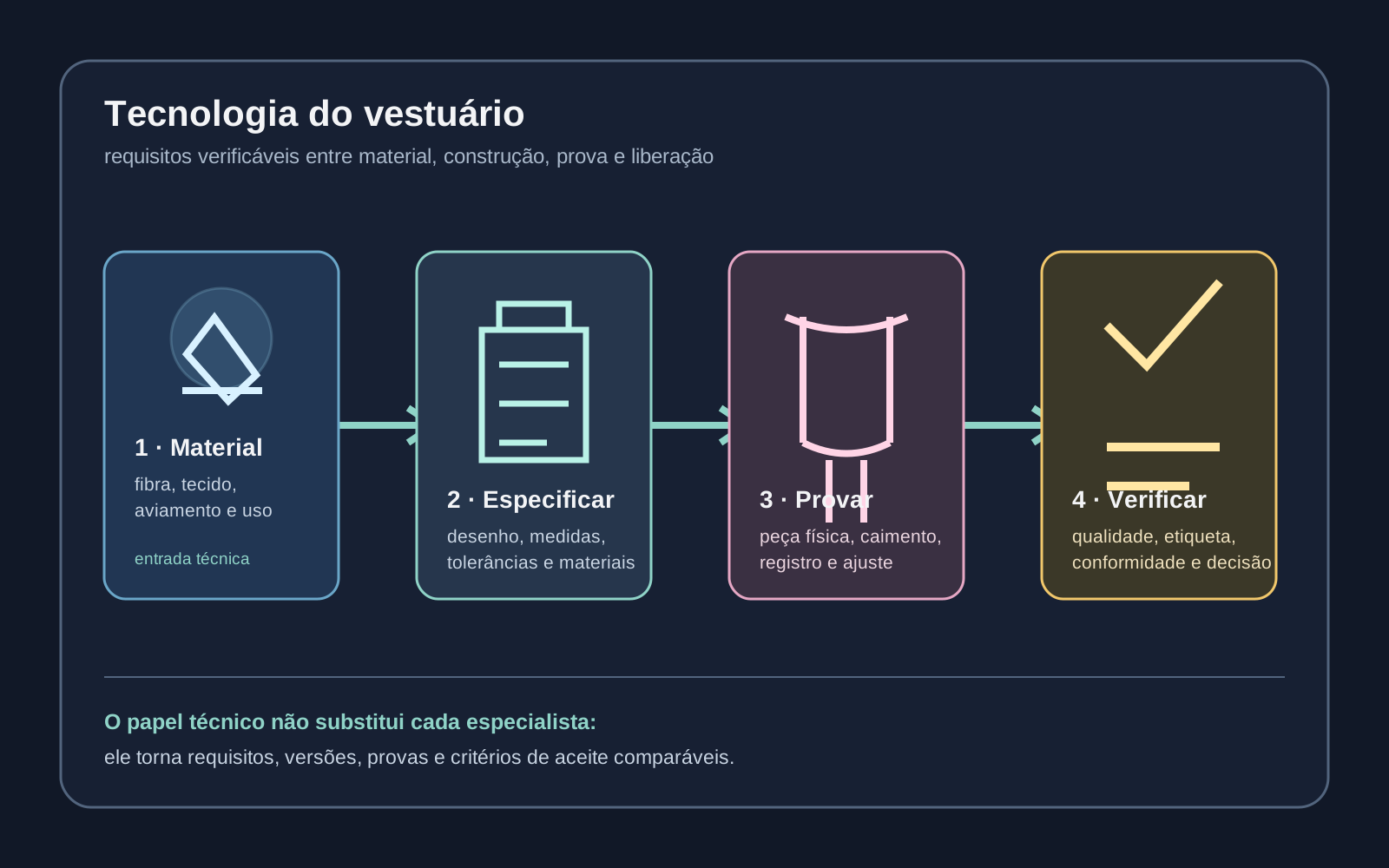
Garment technologist
A garment technologist connects product requirements, materials, construction, measurements, fit and quality so that a garment can be checked and released against explicit criteria. The concrete scope depends on occupational standards, training and the organization where the role is practiced.
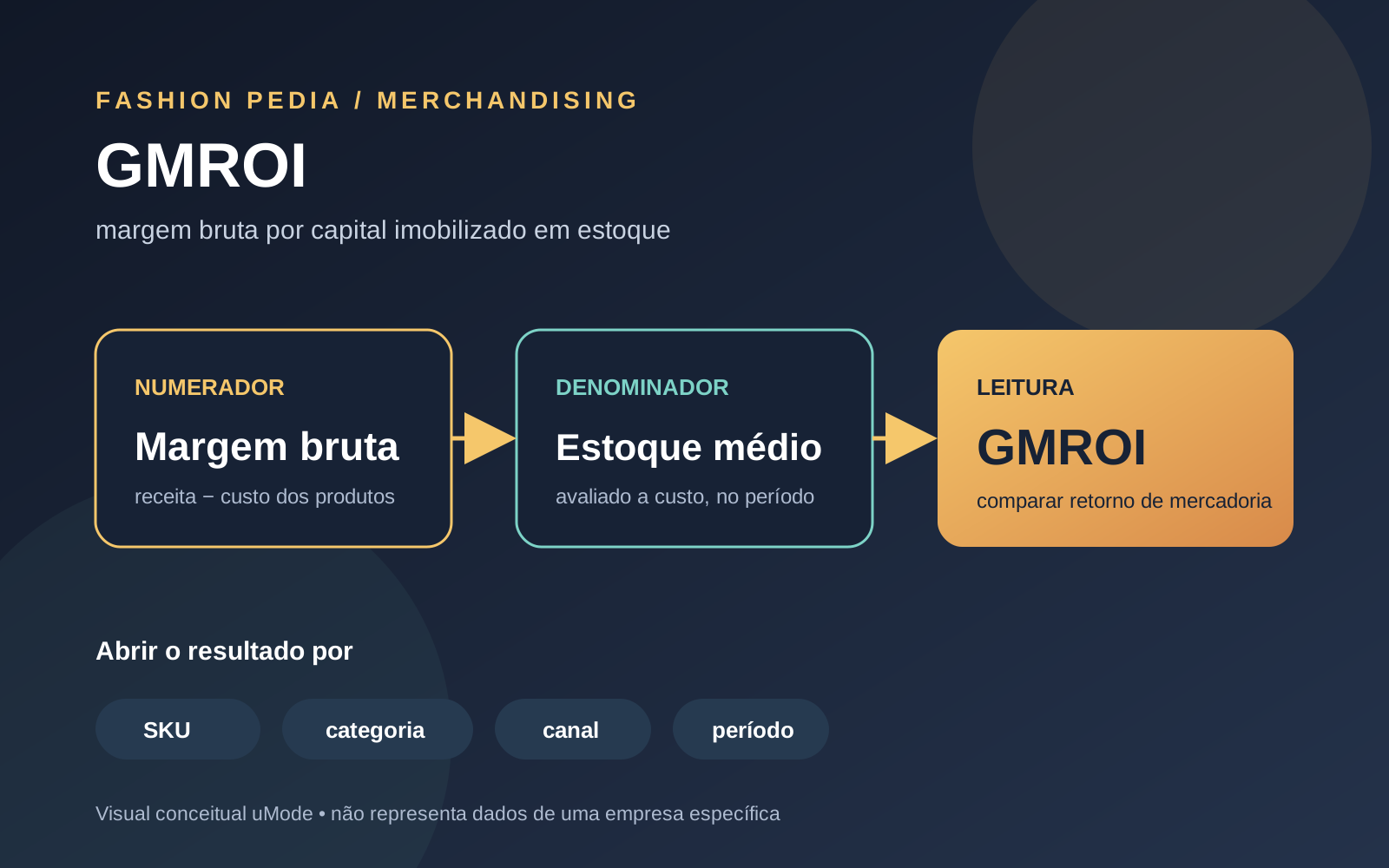
GMROI in fashion retail
GMROI in fashion retail. GMROI is a merchandising metric that relates gross profit to average inventory cost. In fashion retail, it helps compare the return of categories, SKUs, and channels when margin, cost, period, and analytical unit are kept consistent.
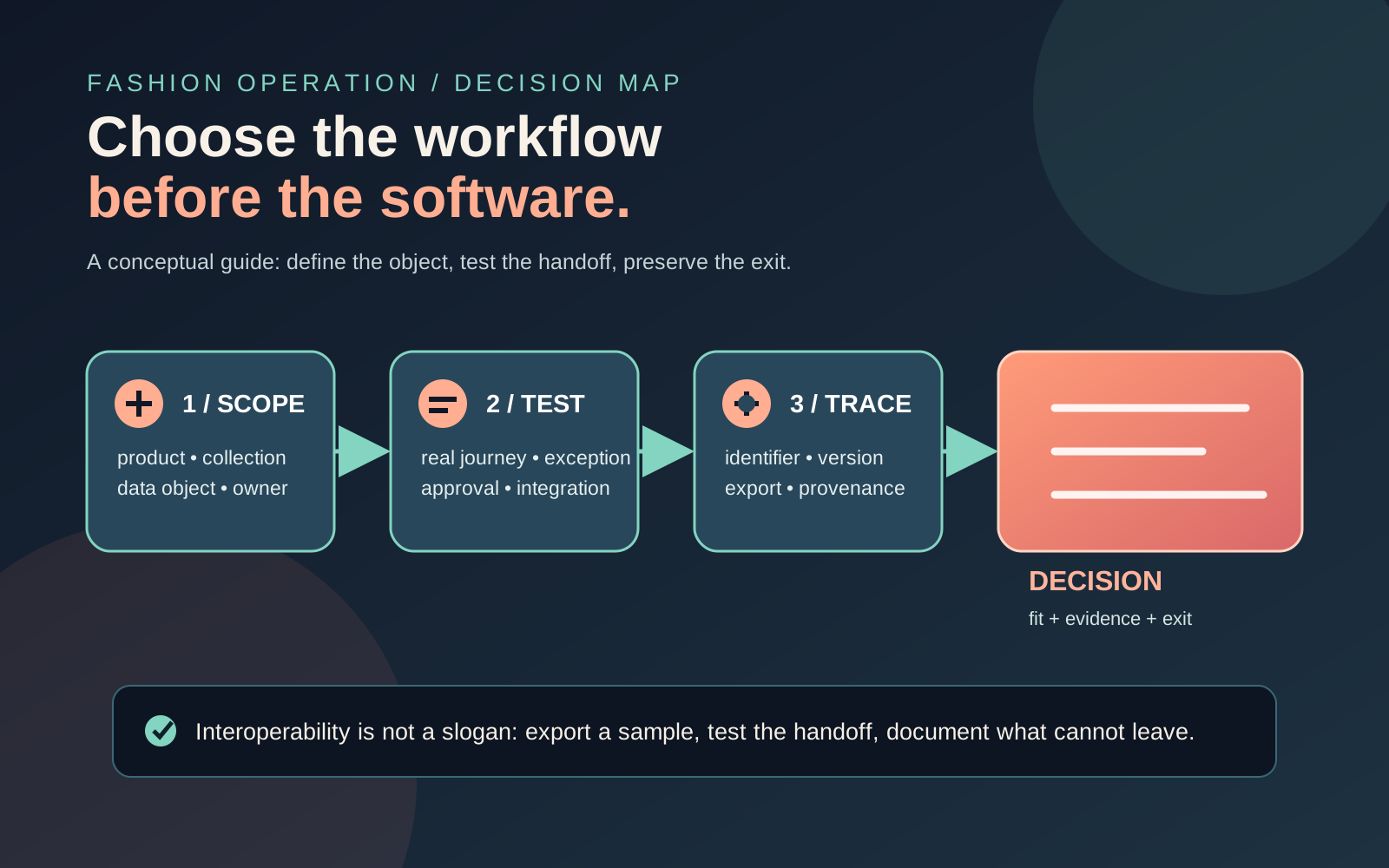
How to choose software for a fashion operation
How to choose software for a fashion operation. Choosing software for fashion is a decision process that starts with workflows and information objects, not with a feature demonstration. A comparison should test data, integrations, permissions, traceability, adoption, cost, and exit within the operation’s actual scope.
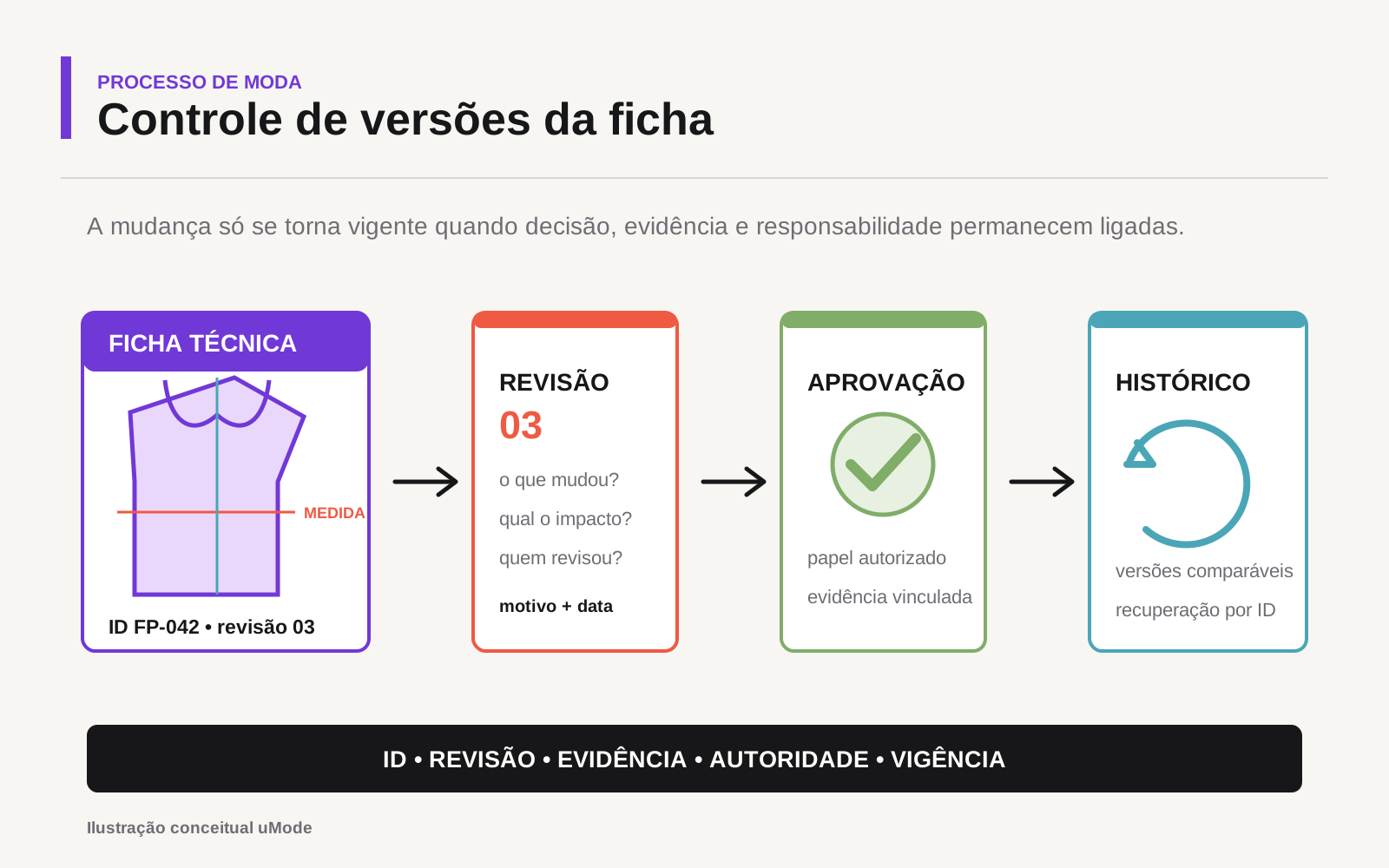
How to control tech pack versions
How to control tech pack versions. Controlling tech pack versions means recording every product change with an identifier, owner, reason, status, approval and effective date. The method applies configuration-control and product-lifecycle principles to the concrete decisions of an apparel supply chain.
How to define an AI guideline for a company
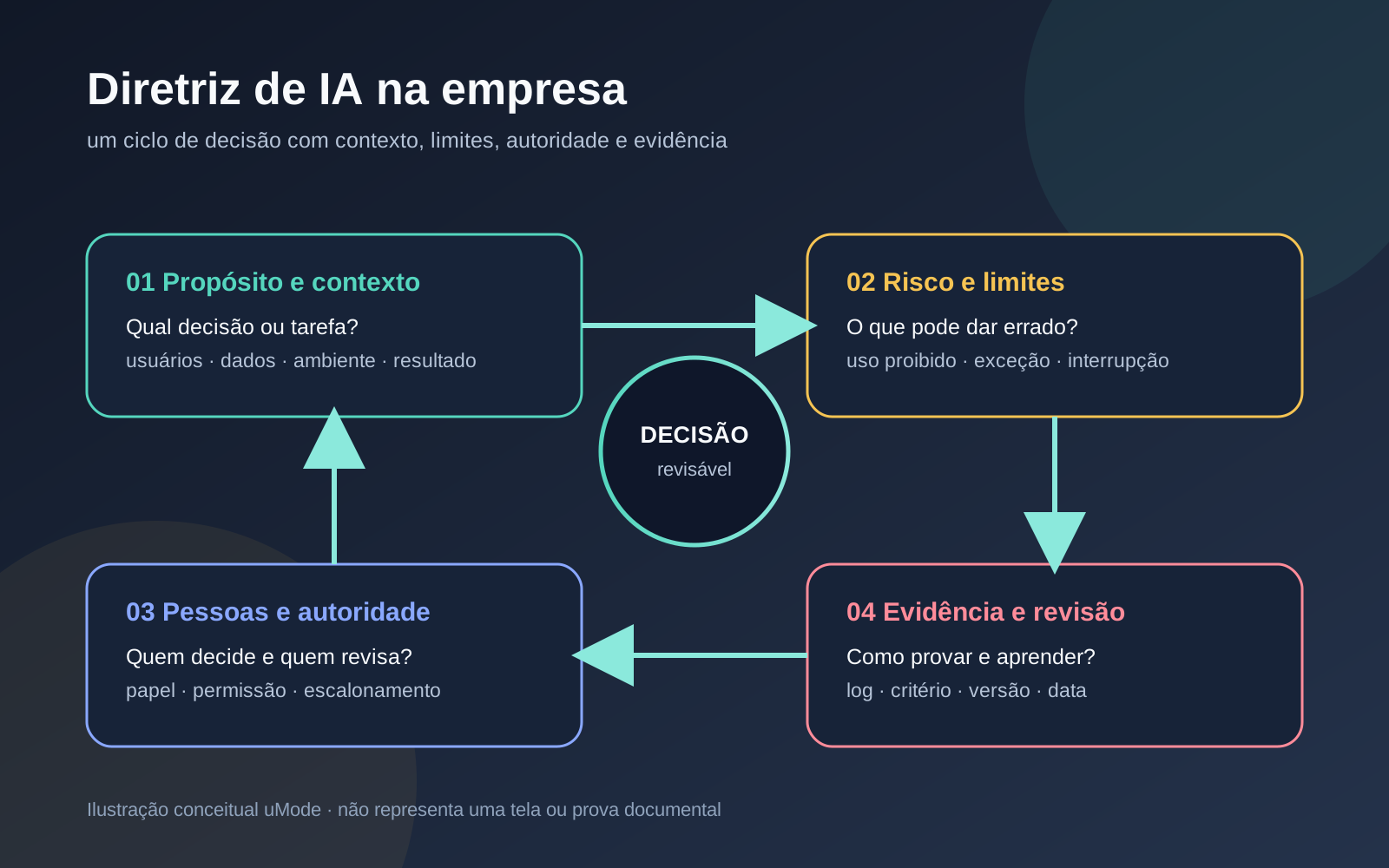
How to define an AI guideline for a company. Defining an AI guideline for a company means turning a broad intention into operating rules for a bounded use: purpose, context, risk, authority, evidence, and review. In a fashion company, the guideline follows an object such as a tech pack, sample, material, or order without confusing an automated recommendation with an authorised decision.
How to Give Company Context to AI
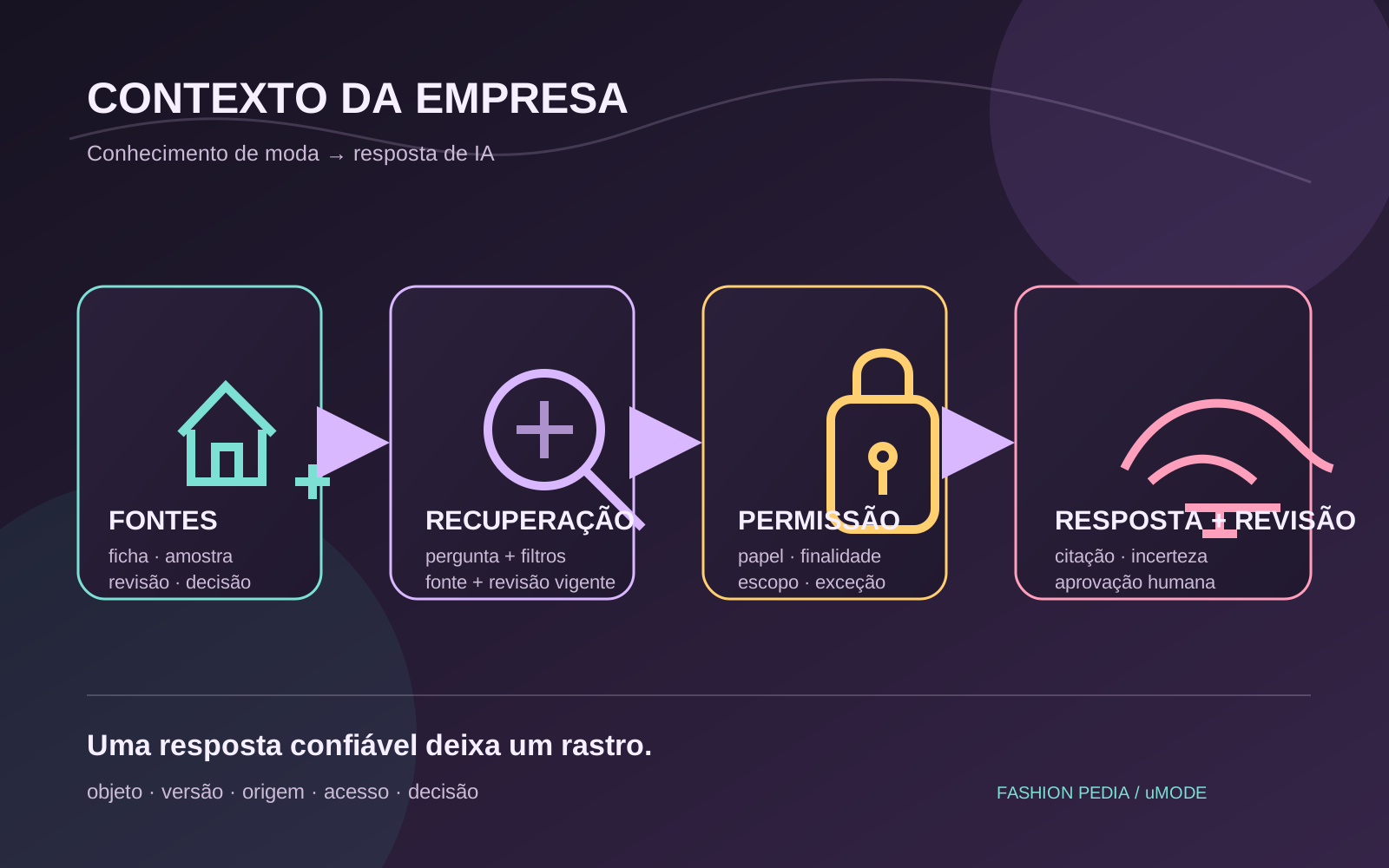
How to Give Company Context to AI. Giving company context to AI means turning scattered knowledge into retrievable information bounded by source, scope, freshness, and permission. The process combines a trusted knowledge base, relevant retrieval, clear instructions, and human evaluation—not simply a longer prompt.
How to govern AI agents in a company
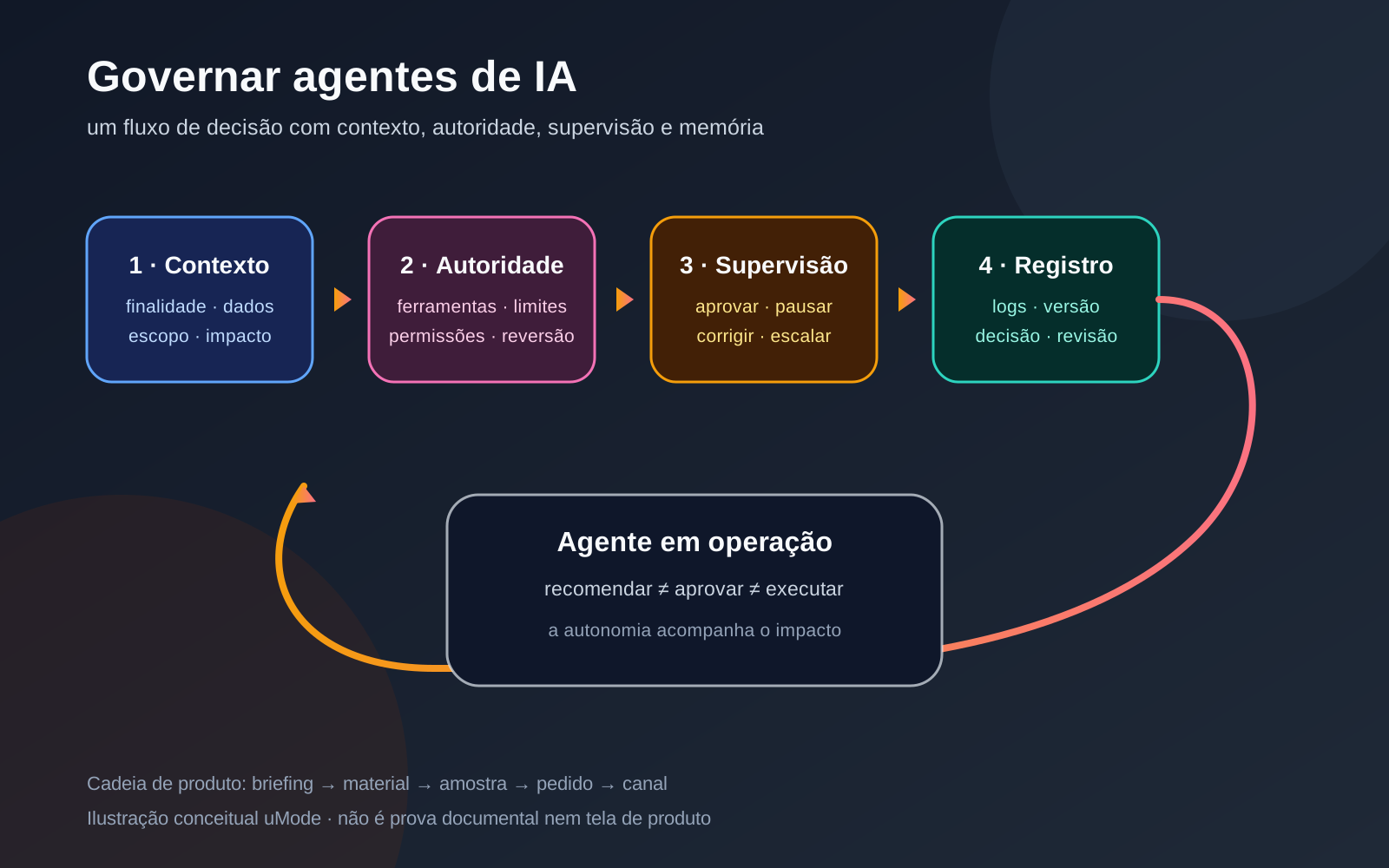
How to govern AI agents in a company. In a company, governing AI agents means defining purpose, context, authority, data, supervision and records before a system is allowed to recommend or execute actions. The process combines continuous risk management with autonomy levels proportional to impact, without treating a framework as automatic permission.
How to handle a fashion supplier delay
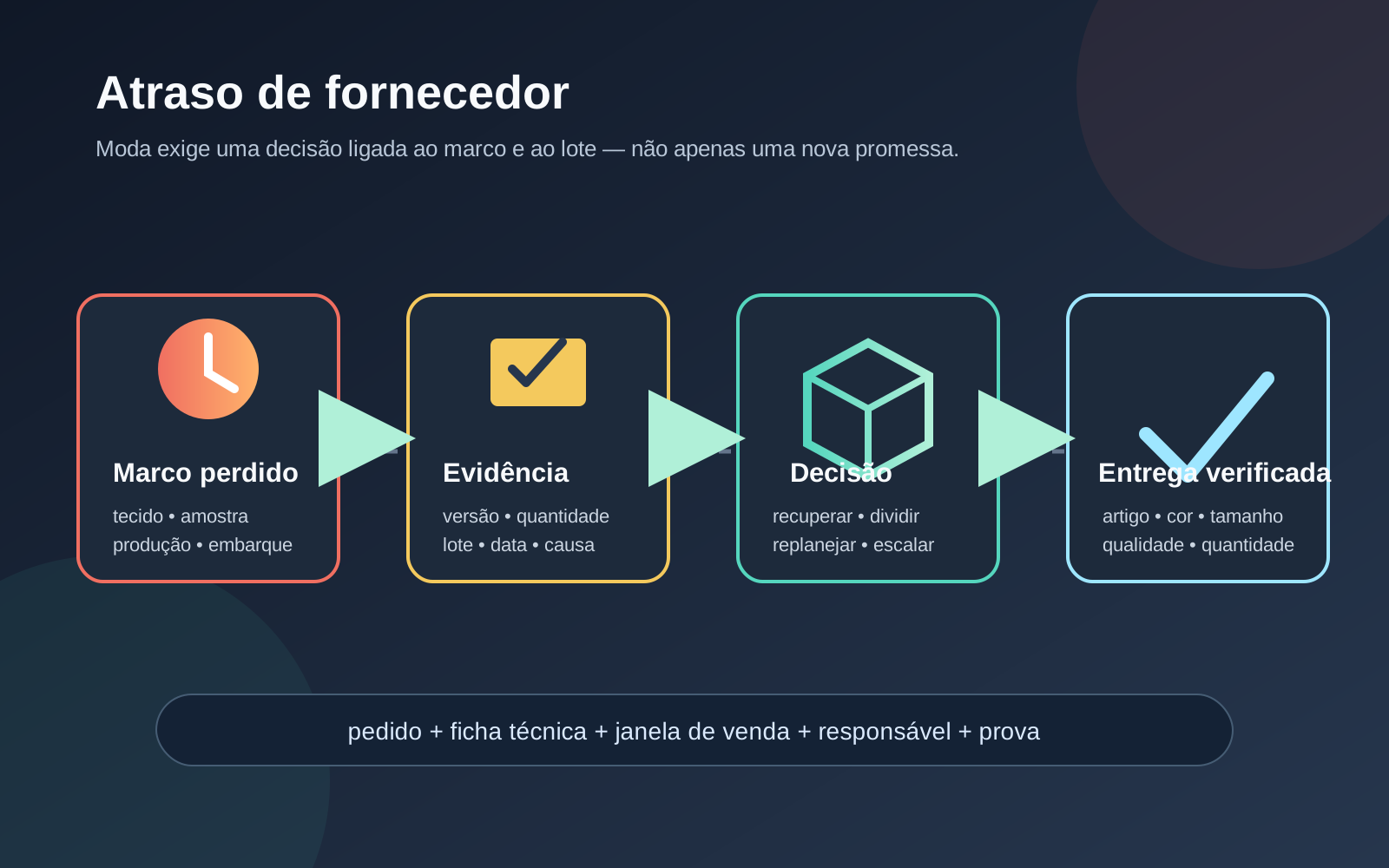
How to handle a fashion supplier delay. Handling a fashion supplier delay means locating the missed milestone, confirming its cause with evidence, and choosing whether to recover, split, or replan the order. The control record should connect style, colour, size, tech pack, sample, material, quantity, promised date, and selling window.
How to improve product data quality
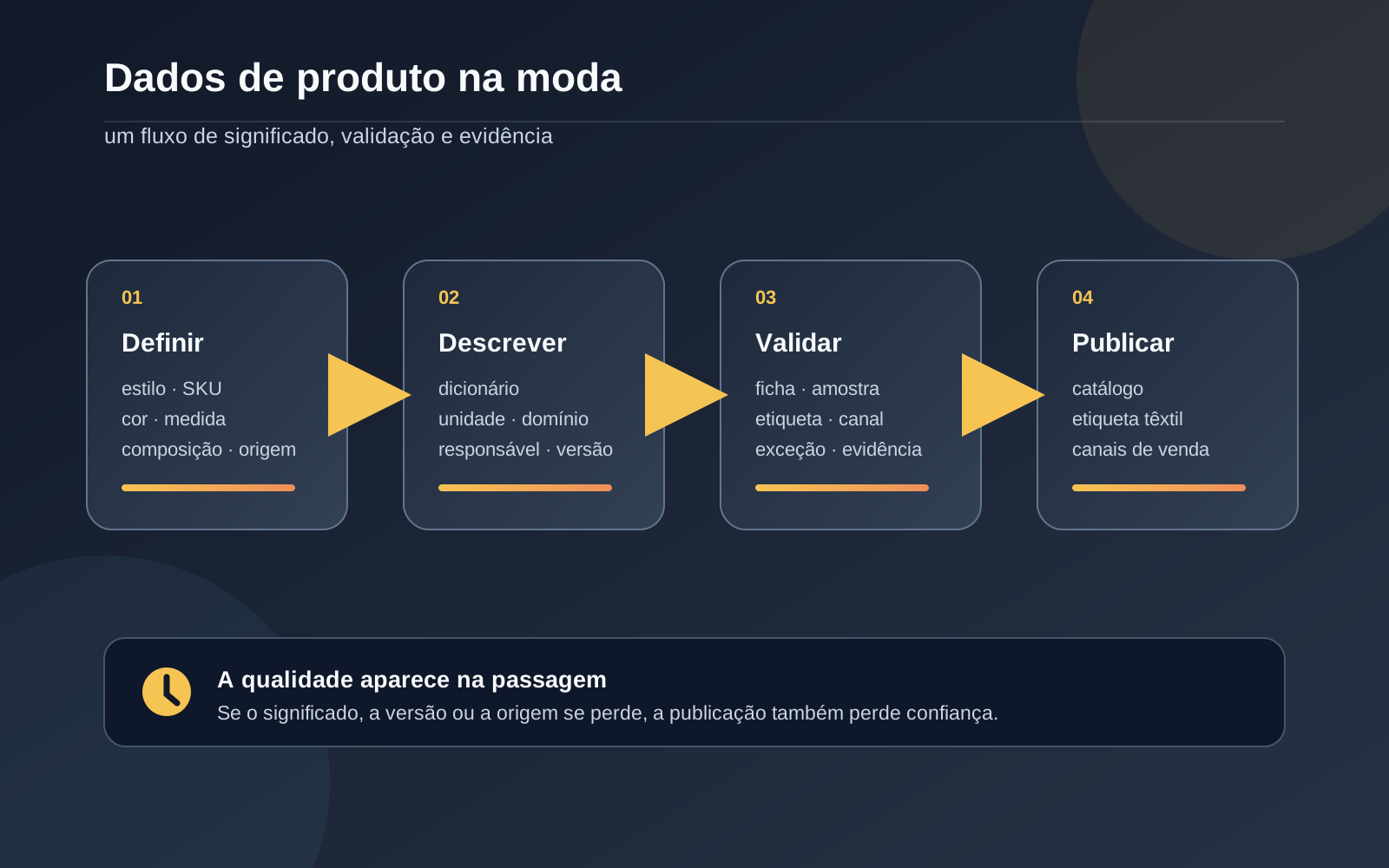
How to improve product data quality. Improving product data quality in fashion means separating style, variant, technical attribute and regulatory record; defining every field; validating source and format; and controlling the handoff from tech pack to catalog, label and sales channel. The process becomes dependable when each exception has an owner, evidence and a version.
How to measure the ROI of AI initiatives
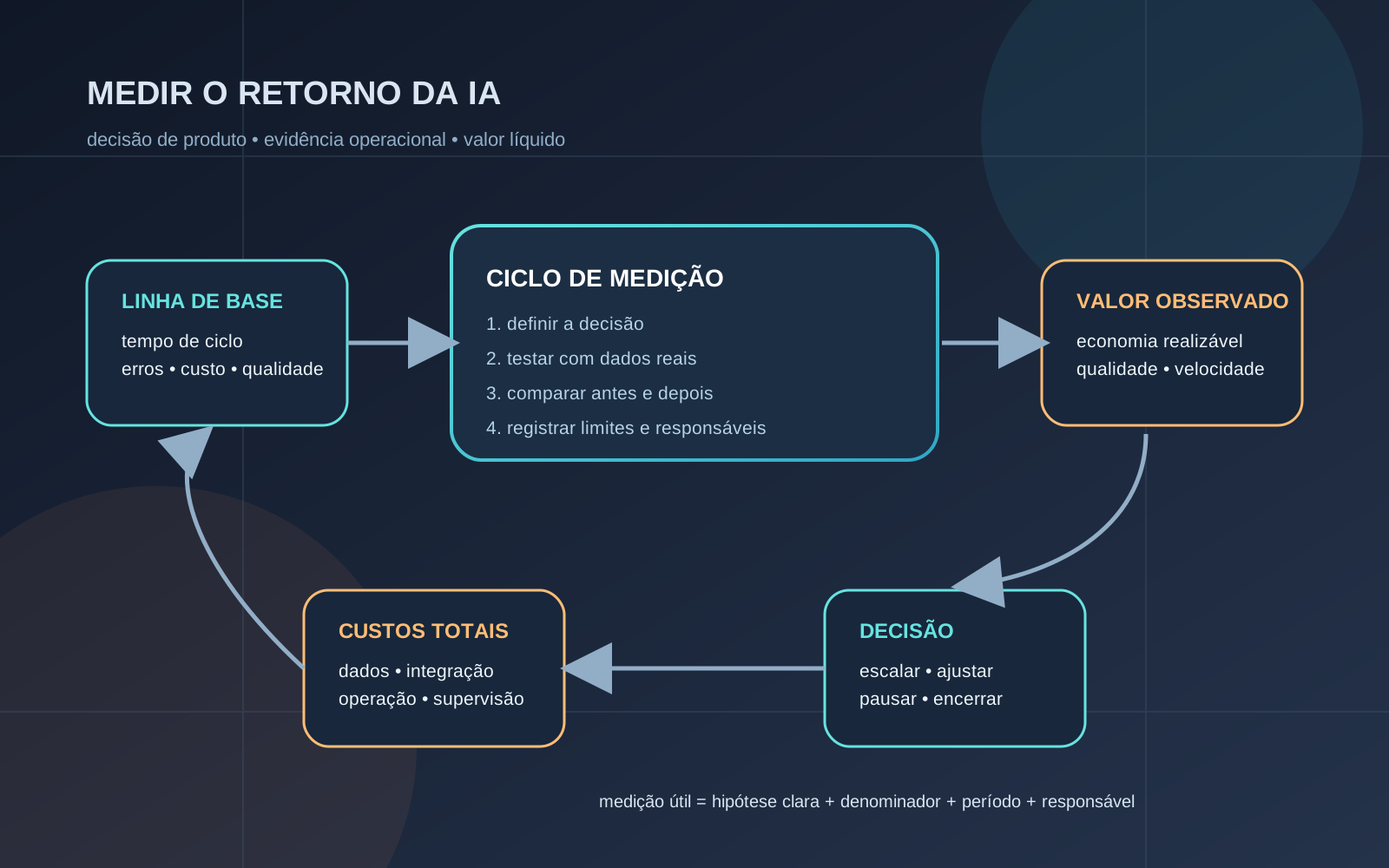
How to measure the ROI of AI initiatives. Measuring the ROI of an AI initiative means comparing a process change with a baseline while including implementation, operating, and oversight costs and observing value, quality, and risk within the same decision scope. In fashion, the measure must connect the claimed gain to the collection, product, or channel workflow that actually changed.
How to preserve institutional knowledge
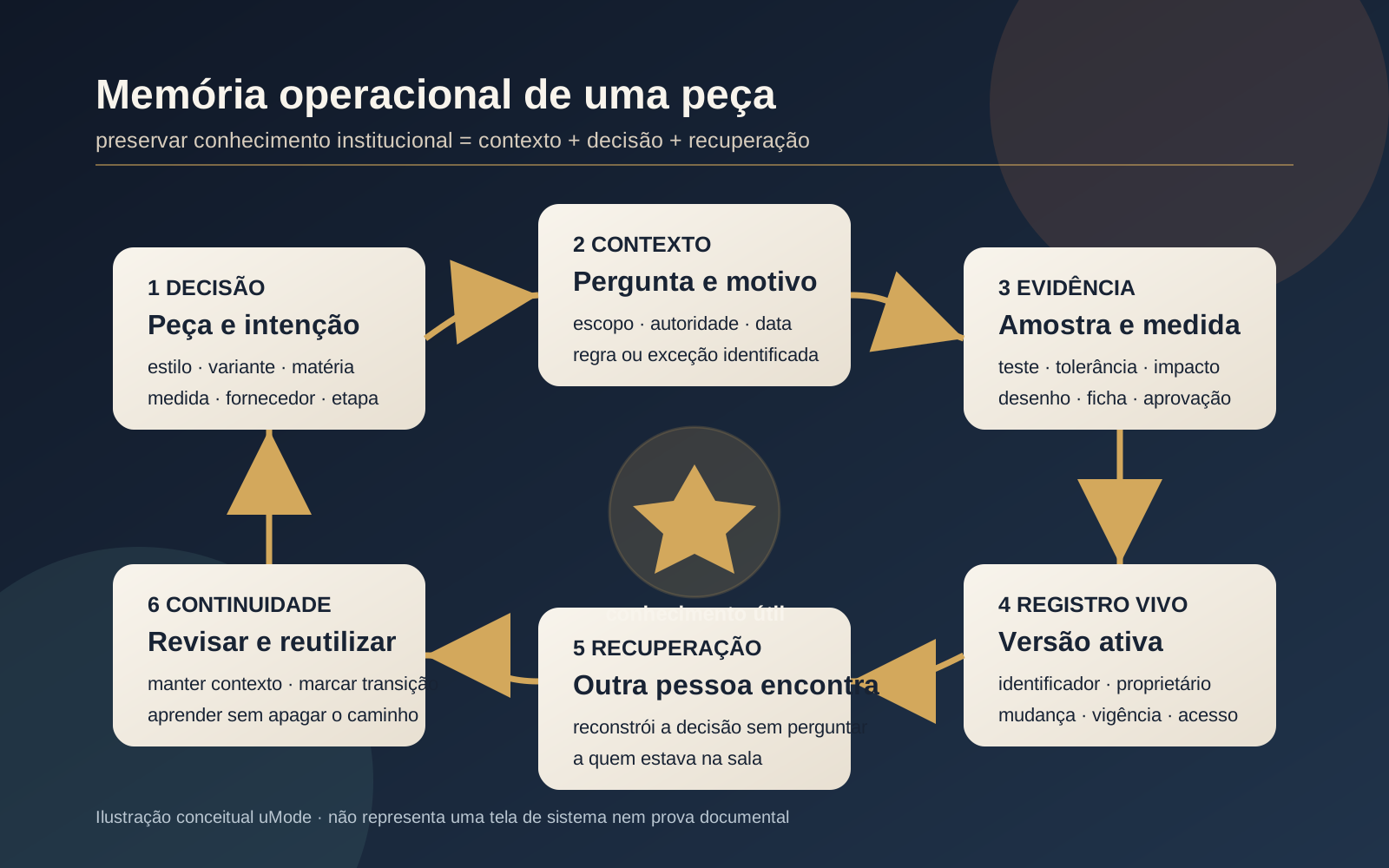
How to preserve institutional knowledge in fashion: turn product decisions, criteria, and exceptions into contextual, versioned, retrievable records. The process starts by defining the object, linking each record to its origin and authority, and ends with a real retrieval test performed by someone else.
How to reduce fashion time to market
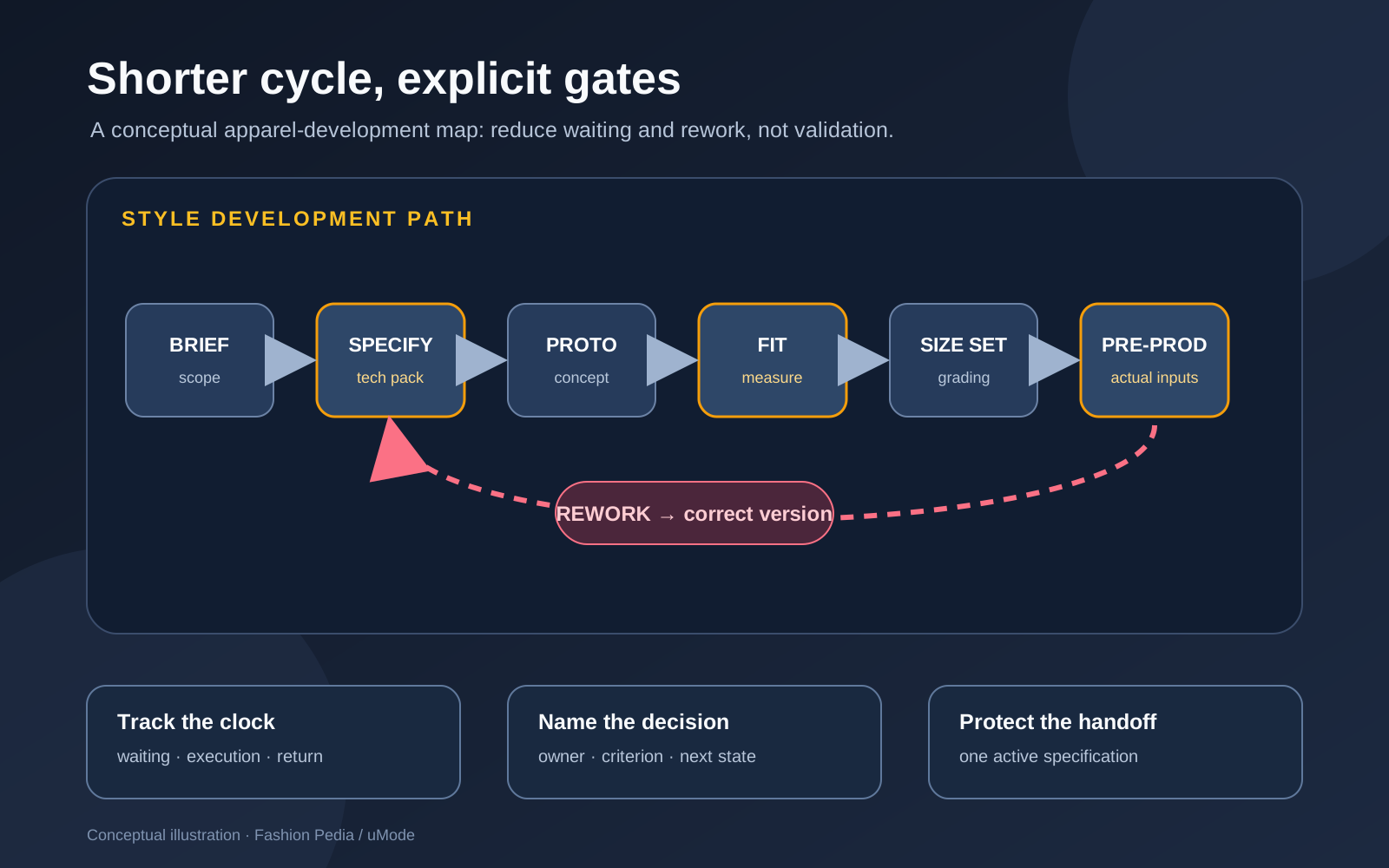
How to reduce fashion time to market: make each style’s waits, approvals, and returns visible. A shorter workflow starts with a testable specification, samples named by purpose, acceptance criteria, and an unambiguous handoff between product, patternmaking, engineering, and the supplier.
How to reduce key-person dependency
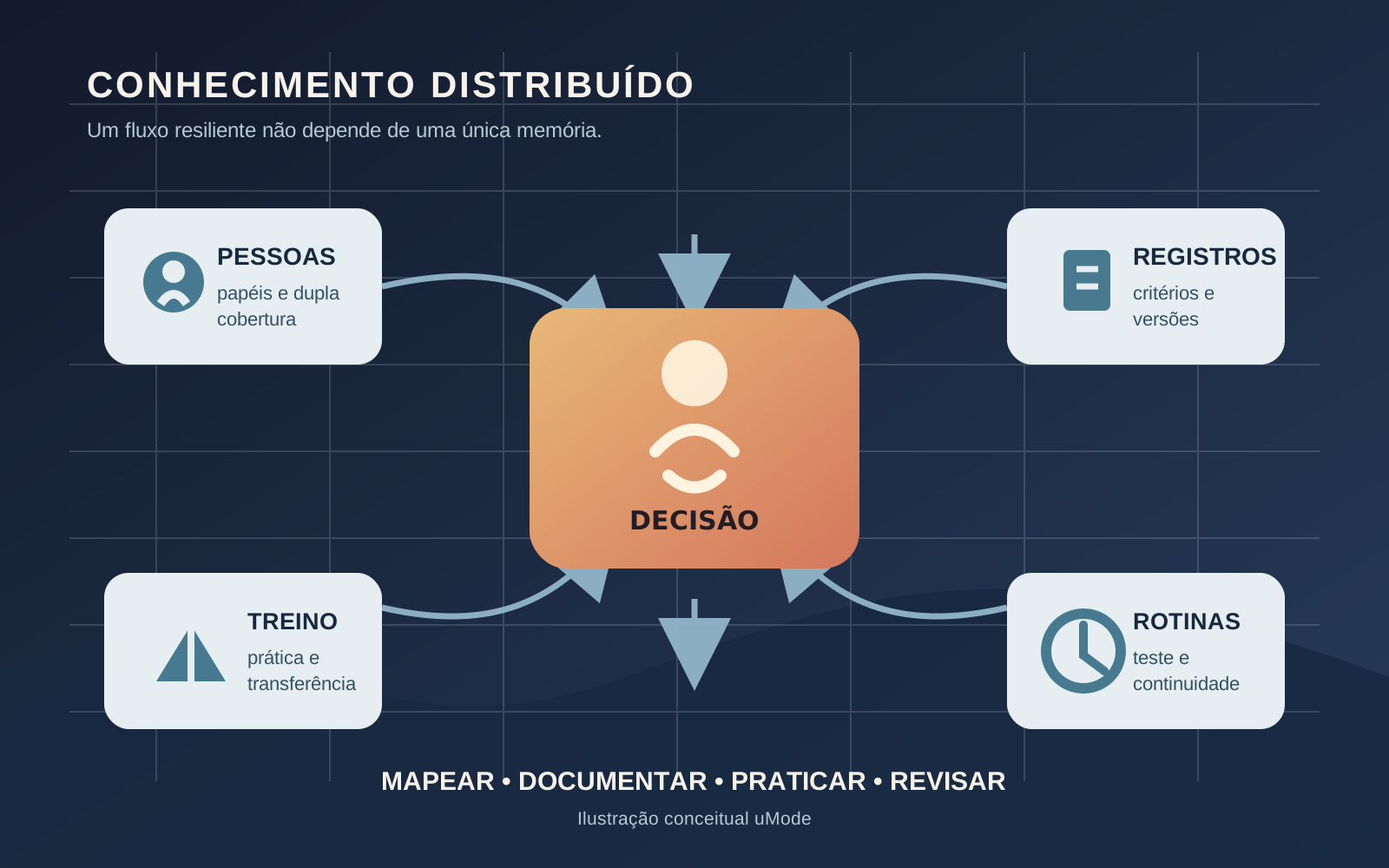
How to reduce key-person dependency. Reducing key-person dependency means turning decisions, criteria and tacit knowledge into a shared, verifiable and practiced process. In fashion, that requires mapping concentration points, preserving context and versions, creating role coverage and testing continuity across sample approval, tech packs, buying and supplier decisions.
How to reduce rework between fashion design and engineering
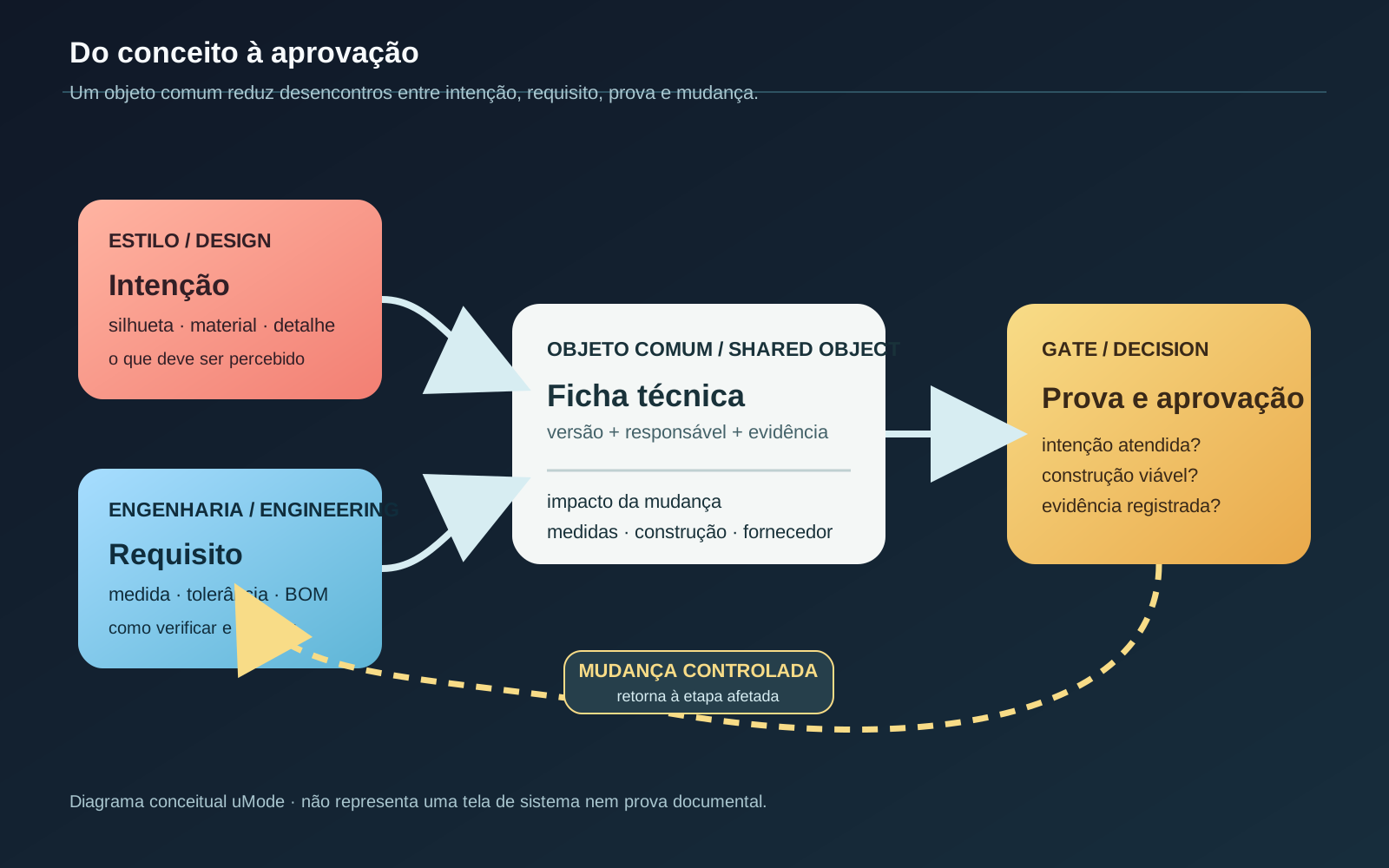
How to reduce rework between fashion design and engineering. Reducing rework between fashion design and engineering means turning creative intent, technical requirements, and product decisions into one controlled record. For a garment, that record connects the tech pack, measurement table and tolerances, construction, components, supplier, fitting, version, and approval criterion before the next stage is released.
How to reduce spreadsheets and WhatsApp in collection management
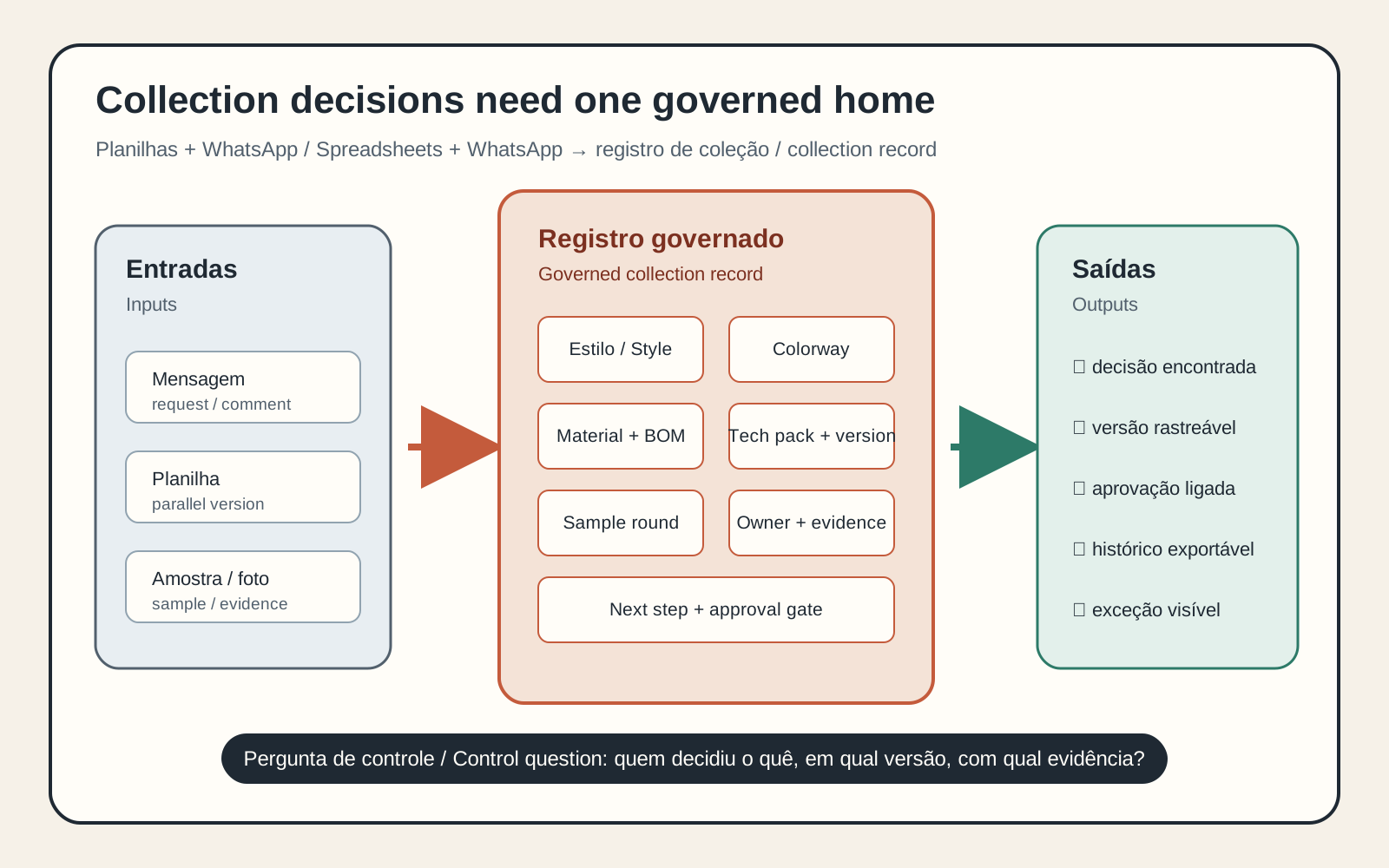
How to reduce spreadsheets and WhatsApp in collection management. Reducing spreadsheets and WhatsApp in collection management does not mean removing conversation. It means moving style, material, tech-pack, fitting and approval decisions out of parallel records and into a governed product record with an object, version, owner, evidence and next step, while messages remain a controlled intake channel.
How to structure a fashion tech pack
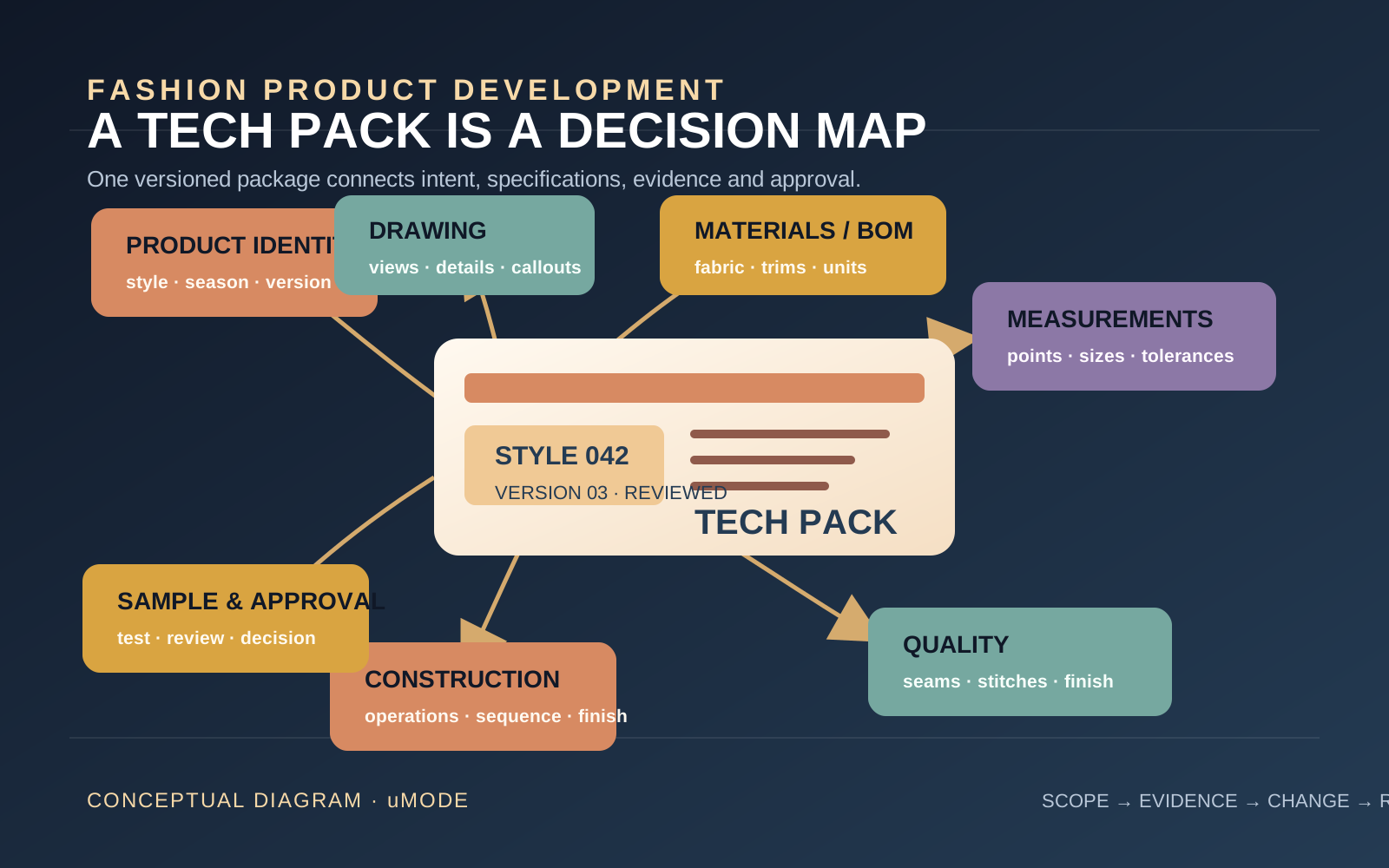
How to structure a fashion tech pack: turn product intent into a verifiable technical package for development, sampling, and manufacturing. It should bring together scope, drawings, measurements, materials, construction, labelling, quality, tolerances, approvals, and change history under an identifiable version.
How to structure fashion data governance
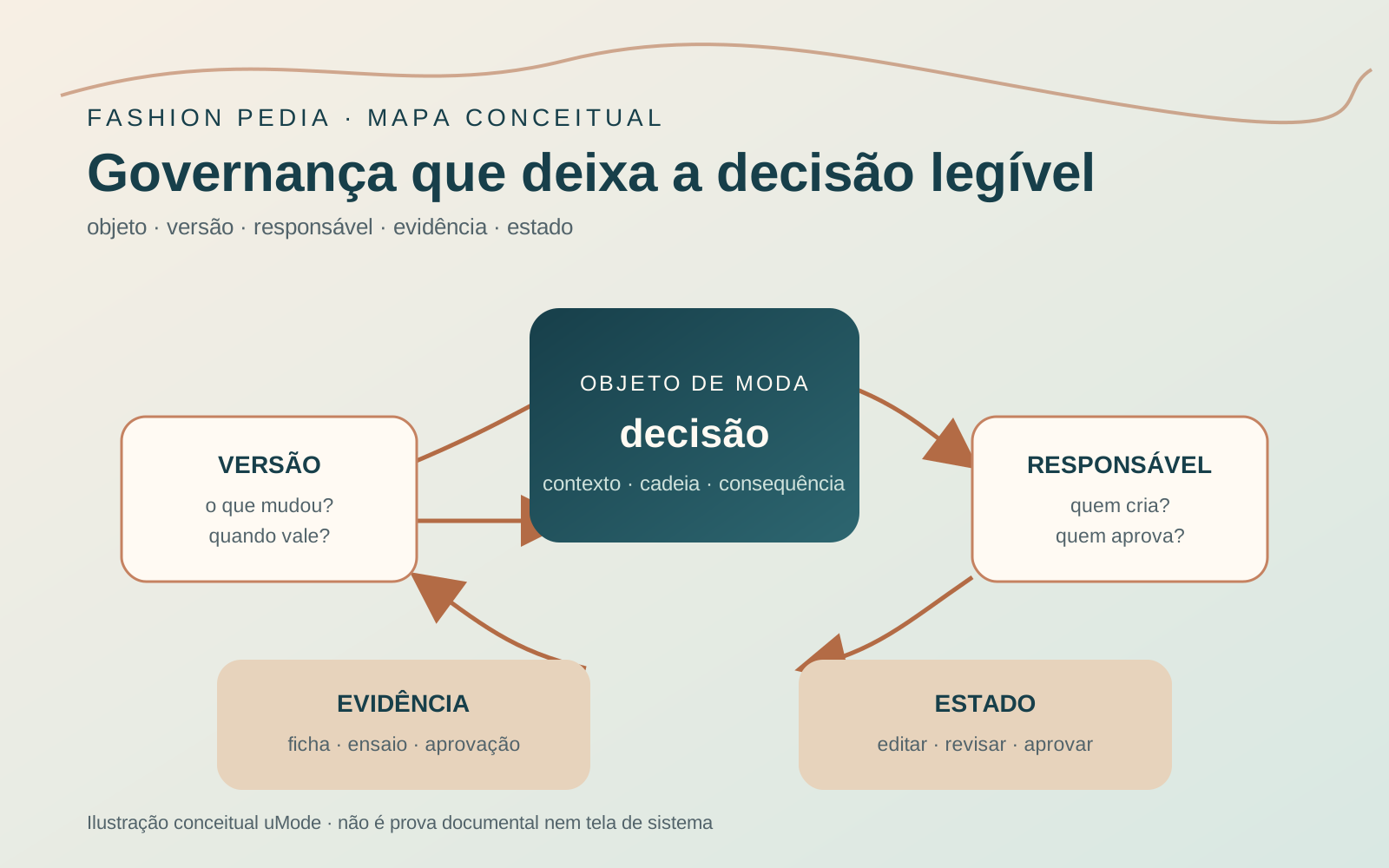
How to structure fashion data governance. Fashion data governance organizes objects, meanings, owners, versions, permissions and evidence around product and supply-chain decisions. A useful structure starts with a critical workflow, states what must be known at each step, and connects a decision to the record that lets another person verify it.
How to take an AI pilot to production
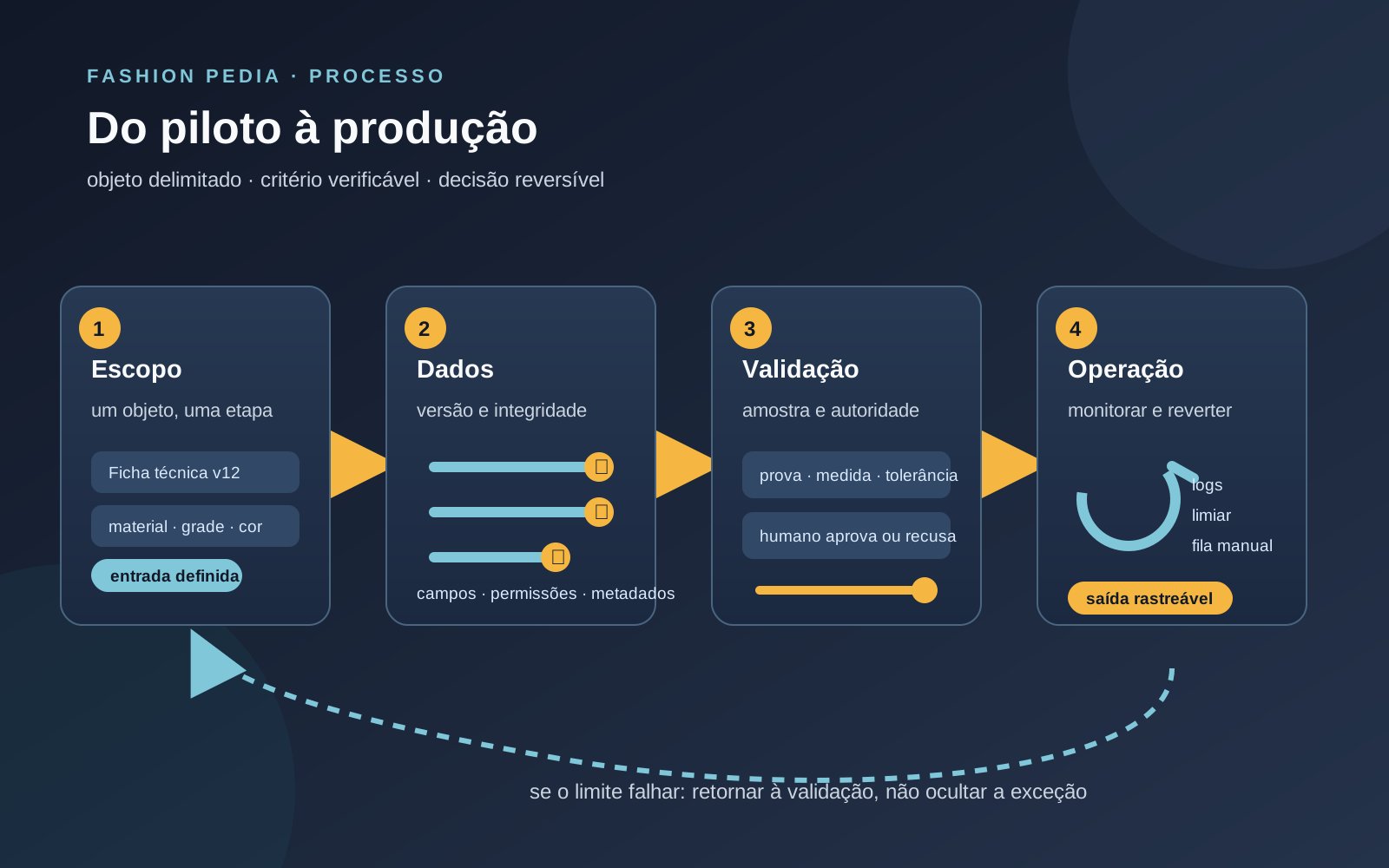
How to take an AI pilot to production means turning an experiment into a workflow controlled by an object, version, acceptance criterion, accountable owner and evidence. In fashion, the transition must connect the tech pack, sample, material, size range, supplier and order to quality and lead-time measures, while keeping a manual path when the system misses its defined limit.
Implementing PLM for fashion
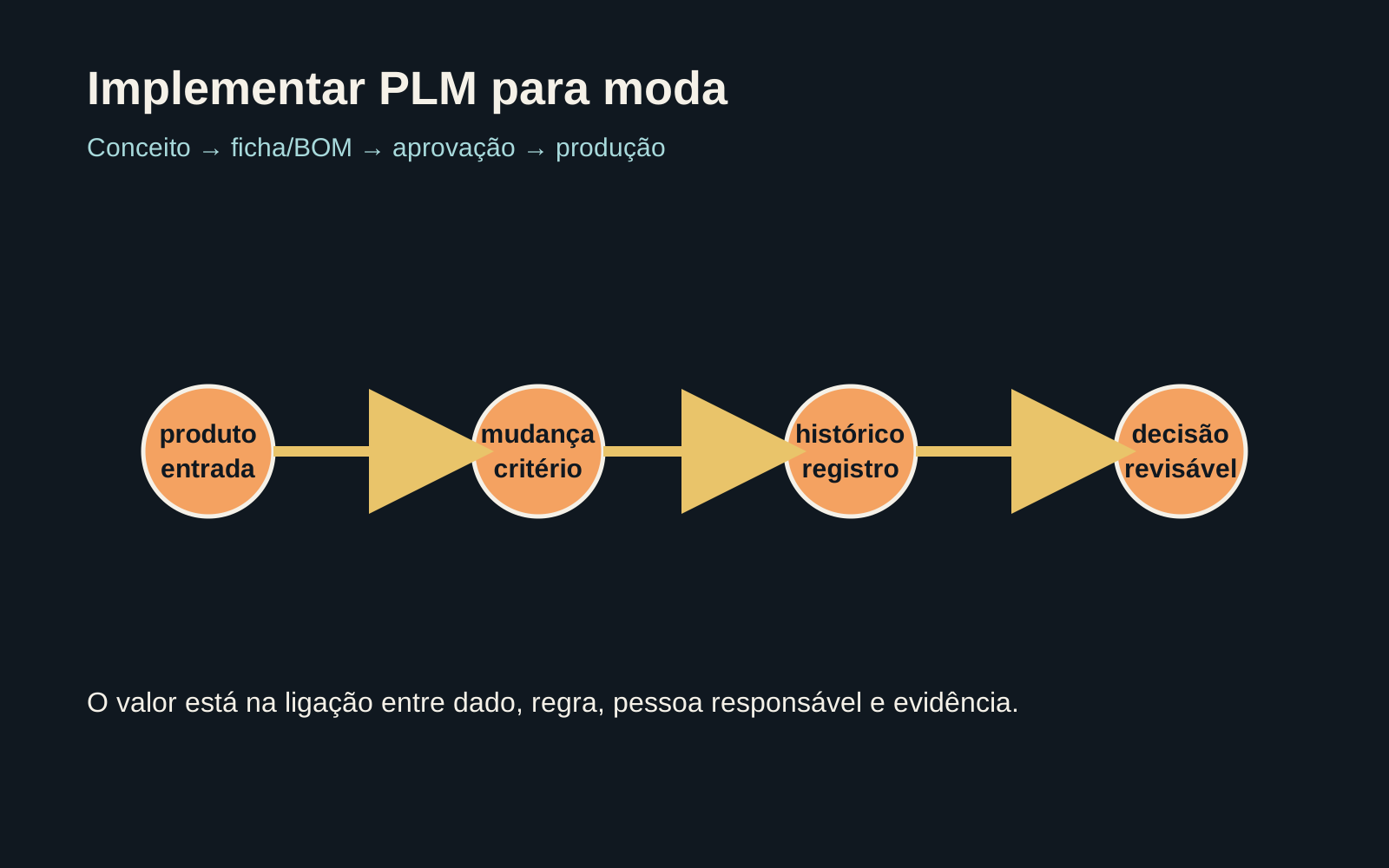
Implementing PLM for fashion. A technical and operating route that connects briefs, packs, materials, samples, suppliers, approvals, and changes in a traceable product flow.
Industrial knitting
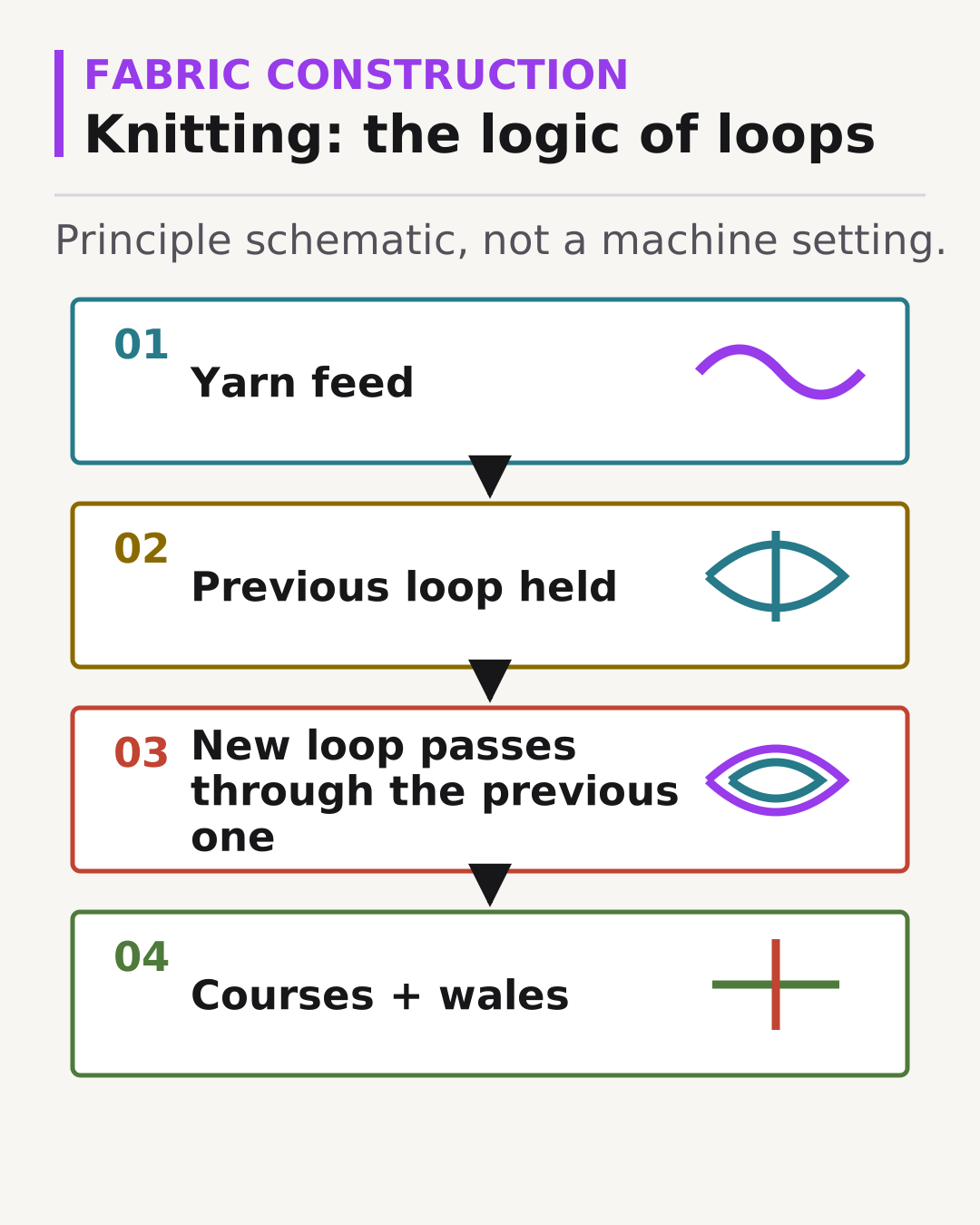
Knitting is the process of forming fabric through series of intermeshed loops. It divides into weft knitting, in which yarn travels across the width and needles form loops in sequence, and warp knitting, in which parallel yarns feed needles that work simultaneously along the fabric length.

Industrial weaving
Weaving is the process of forming fabric by regularly interlacing two yarn systems: warp in the lengthwise direction and weft across the width. The construction results from warp preparation, shed formation, weft insertion and beat-up, and control of yarn delivery and fabric take-up.
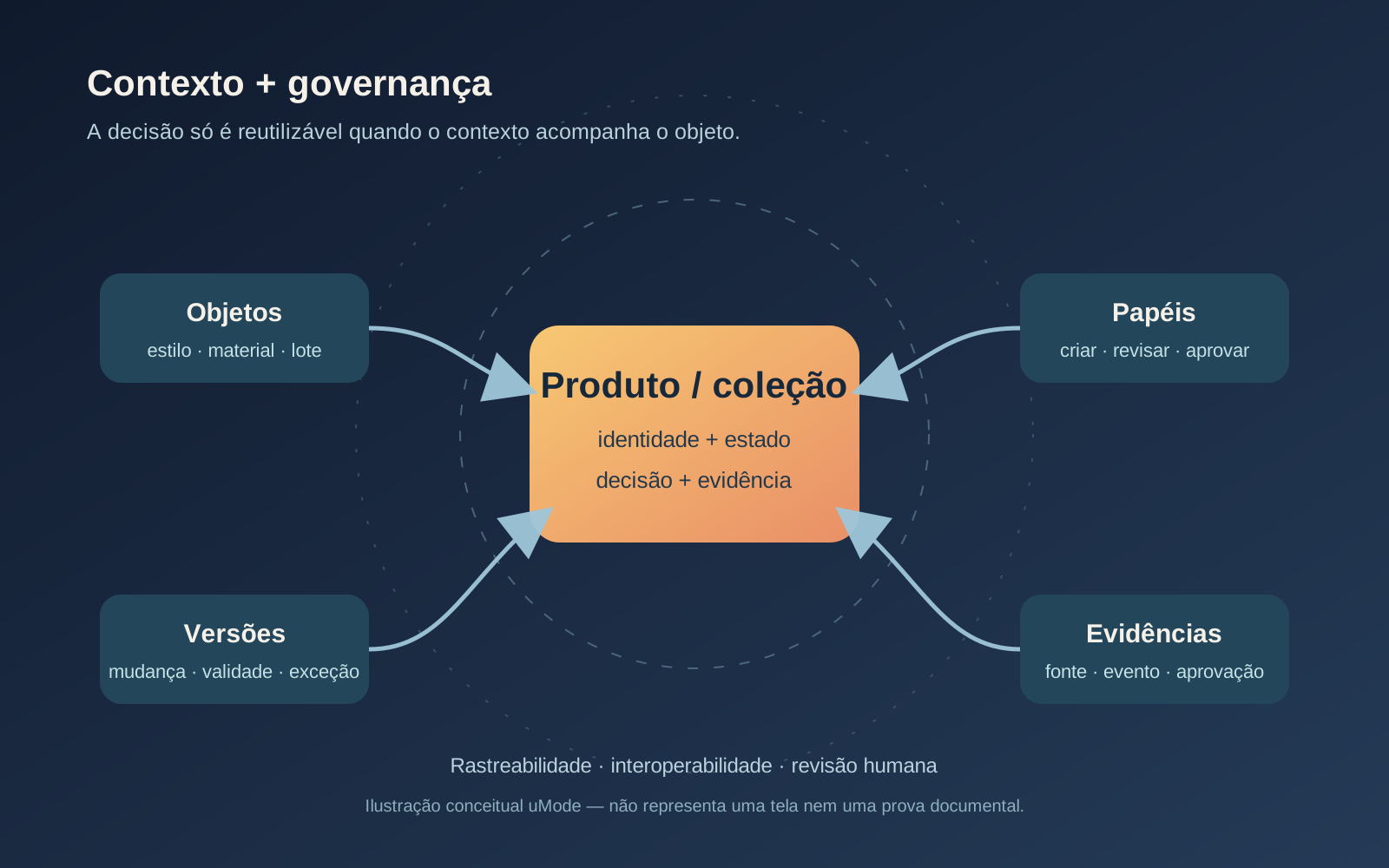
Information context and governance in fashion
Information context and governance in fashion is a process for keeping product and collection objects connected to decisions, versions, responsibilities and evidence. It combines provenance, identifiers, access rules, controlled change and interoperability criteria; it is not merely archiving or selecting a tool.
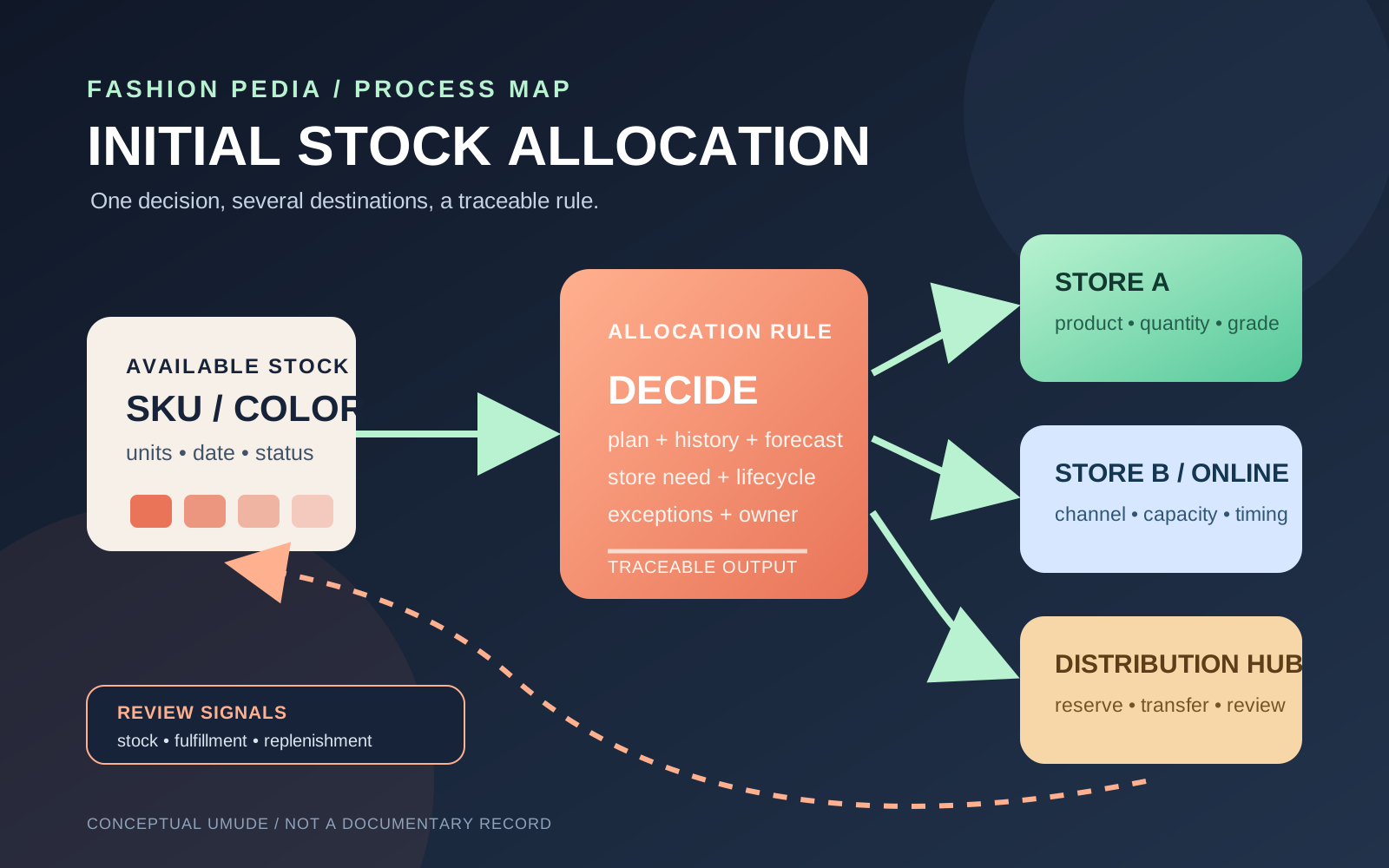
Initial Stock Allocation
Initial stock allocation is the process of deciding how the first available quantity of a product will be distributed across stores, channels, or other service points. A sound record makes the product, destination, quantity, data source, and exceptions visible.
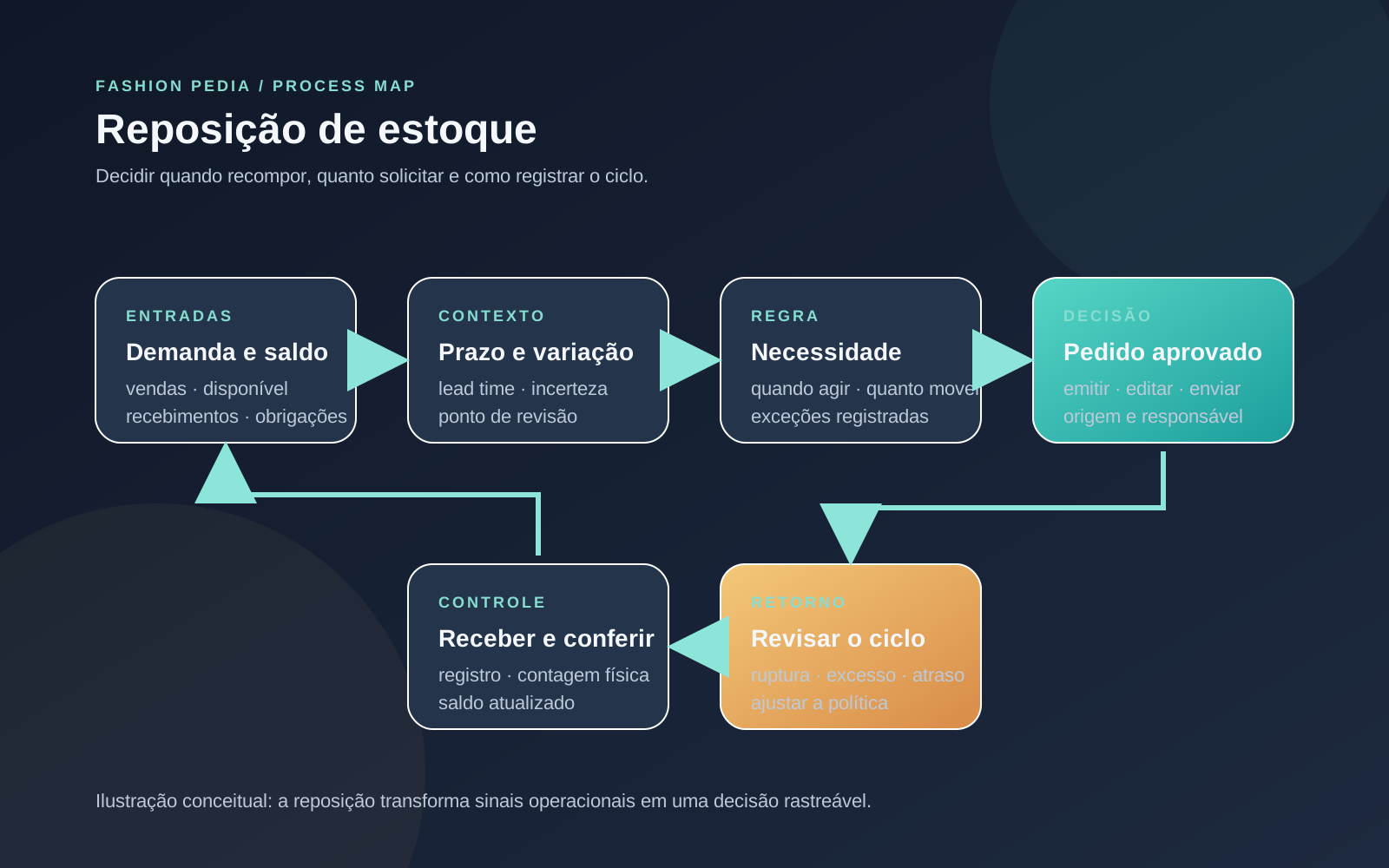
Inventory replenishment
Inventory replenishment is the process of deciding when to restore an item's availability and how much to request for a future need. The decision combines recorded stock, demand, expected receipts, obligations, purchasing lead time and demand variation; the order must then be approved, received and recorded.
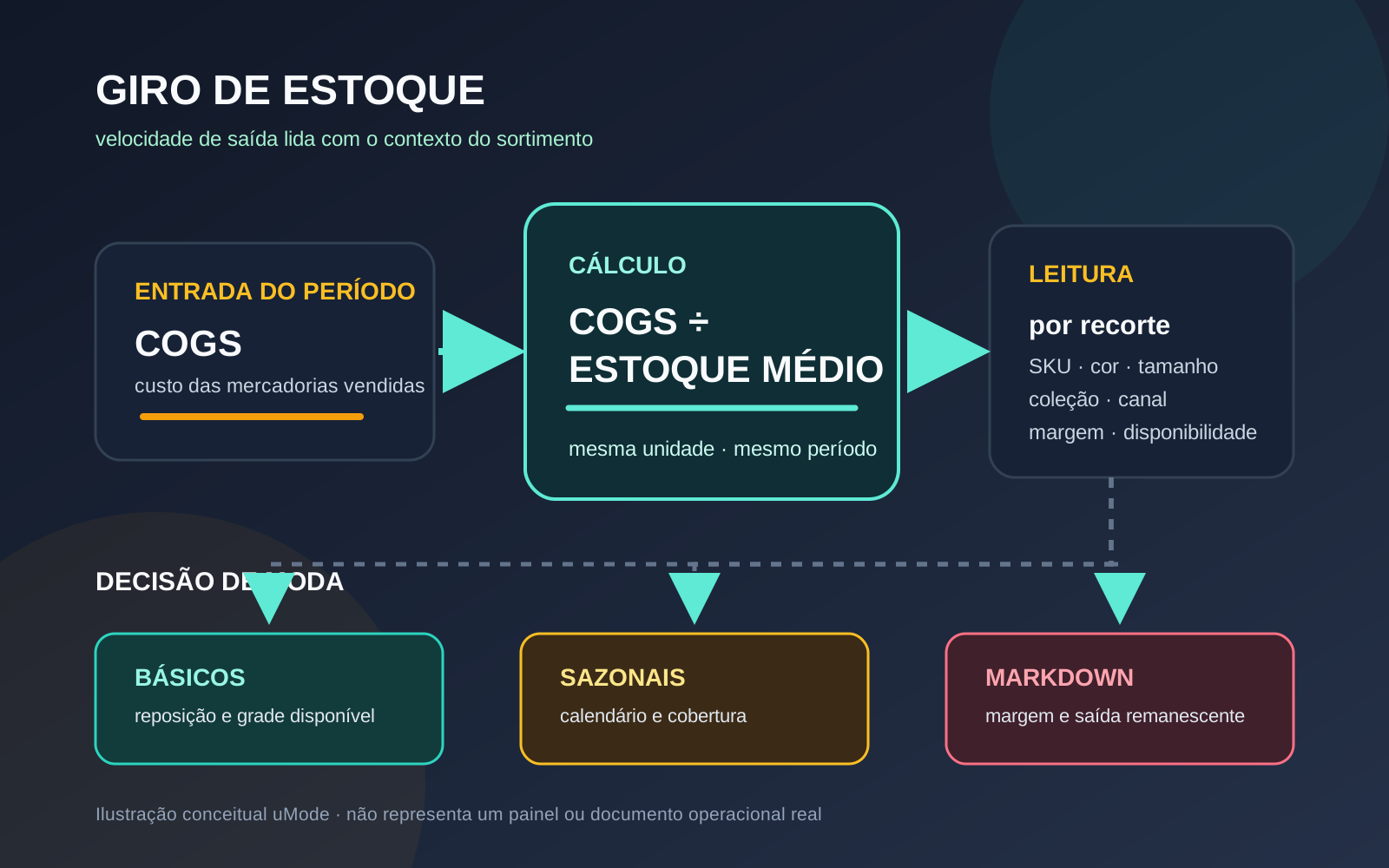
Inventory turnover
Inventory turnover is the ratio of cost of goods sold to average inventory over a defined period. In fashion retail, it must be read by product, collection, and channel alongside availability, margin, coverage, and markdowns, because speed of movement does not explain assortment quality on its own.
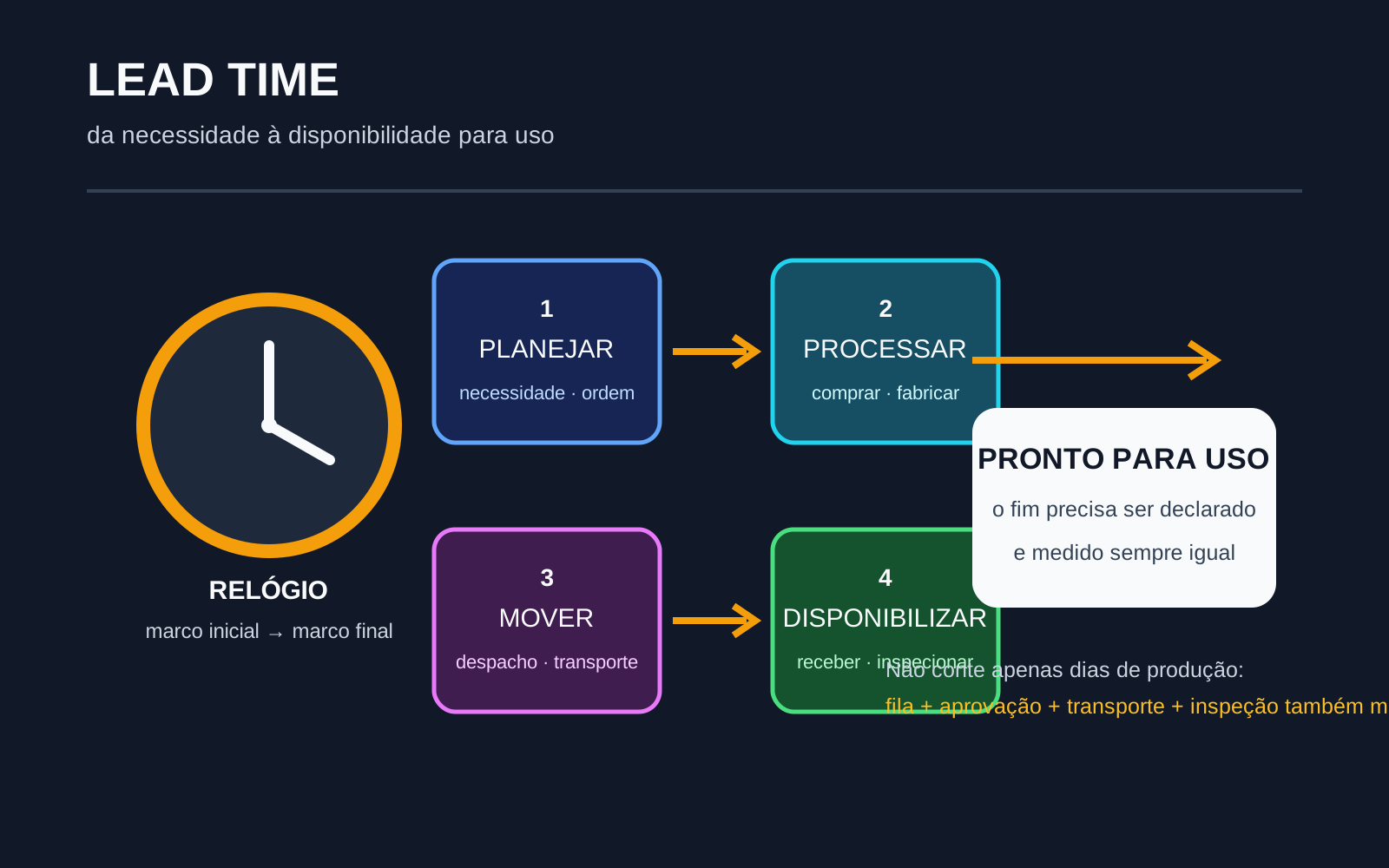
Lead time in the fashion supply chain
Lead time in the fashion supply chain. Lead time in a fashion supply chain is the elapsed time between defined operational milestones, such as ordering and receipt or design and production. A useful measure states its object, start, end, waiting periods, calendar, unit and availability condition.
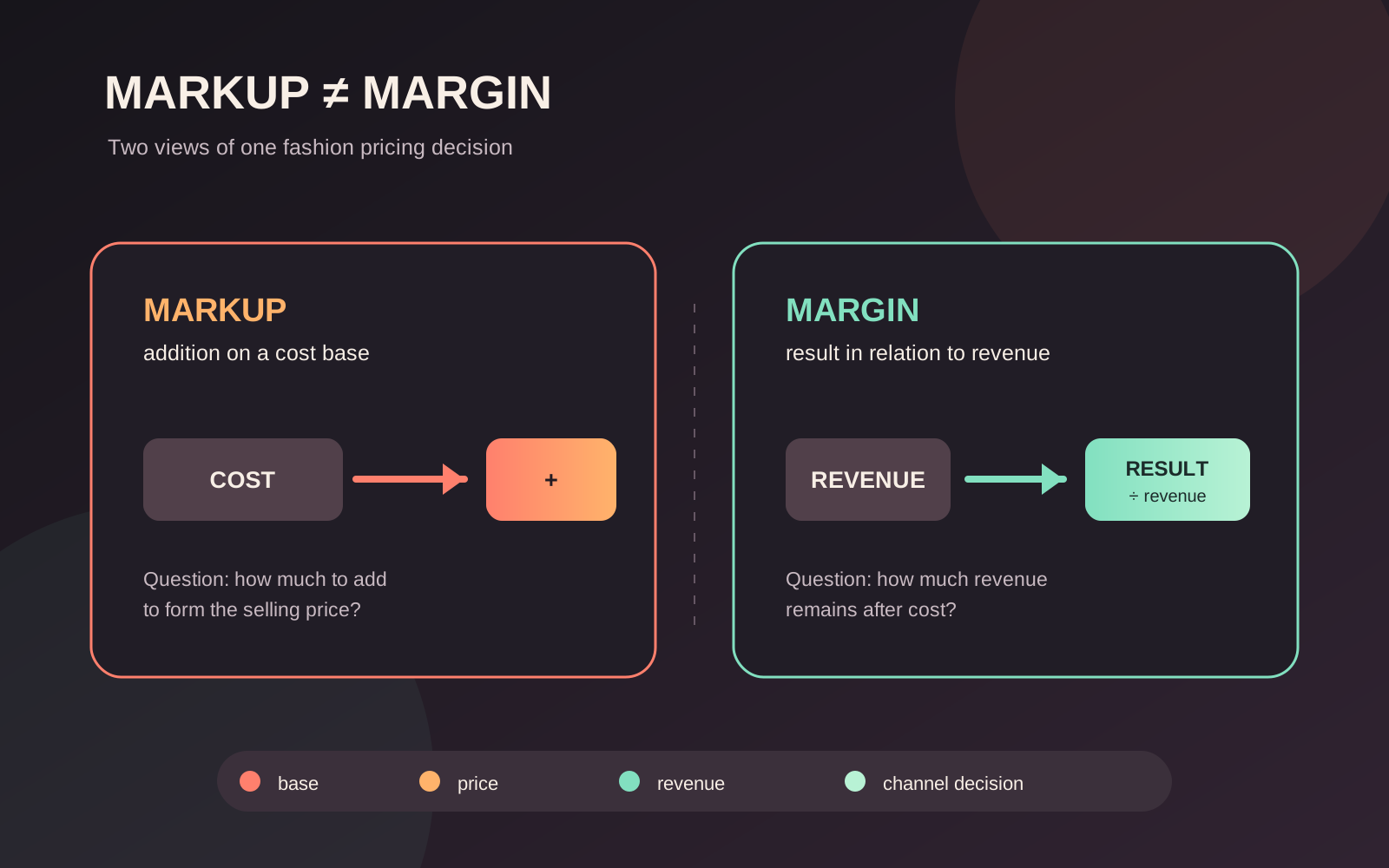
Markup and margin in fashion
Markup and margin in fashion. Markup is the amount added to cost to form a selling price; margin is the share of revenue left after cost. In fashion, keeping the two bases separate makes price, cost, discount, and result comparisons more reliable.
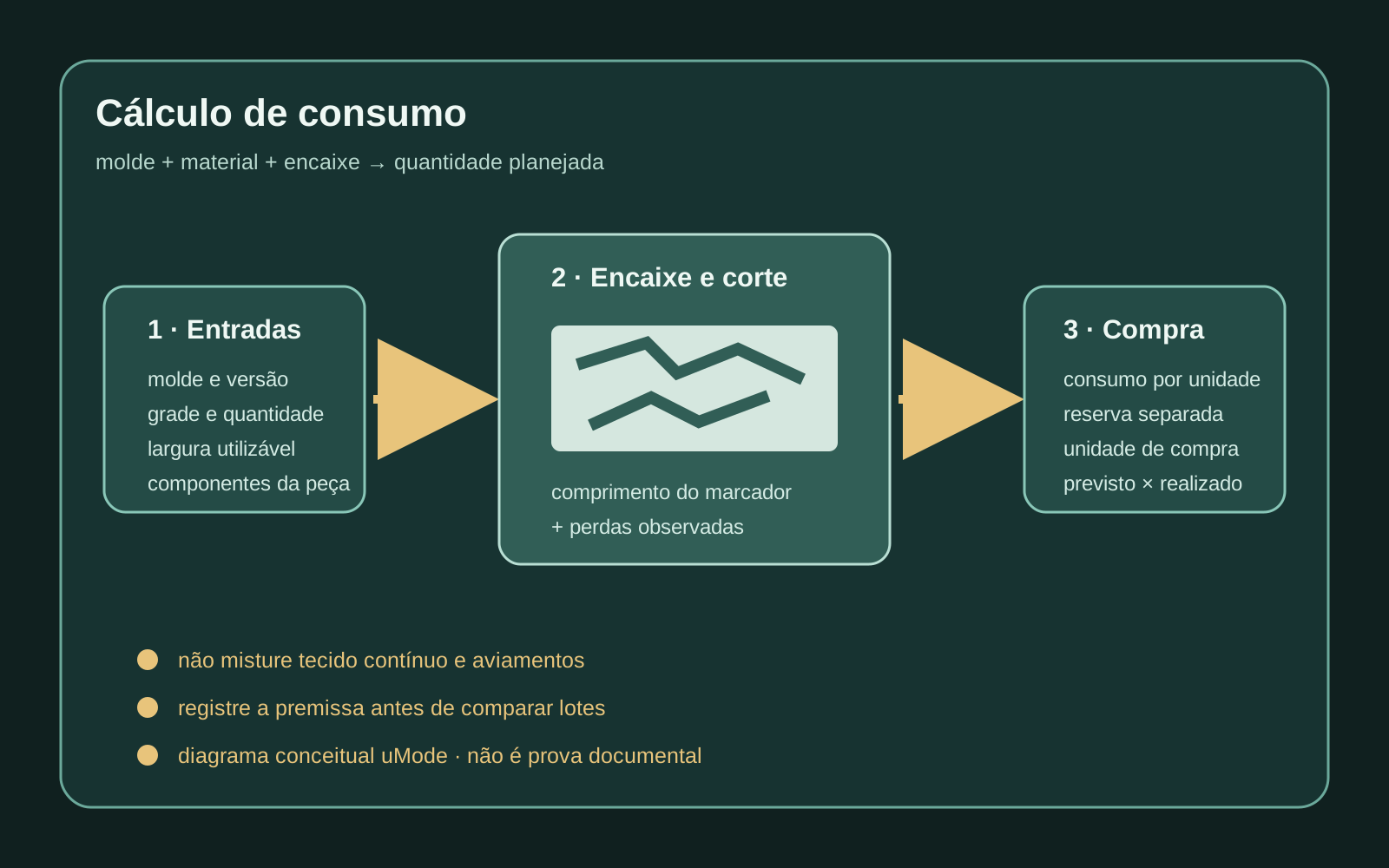
Material consumption calculation
Material consumption calculation records the fabric and component quantities required for a product, size range, or production lot under explicit assumptions. In apparel, it connects the pattern, marker, material, observed losses, and purchasing unit without treating a development estimate as the same thing as measured production usage.
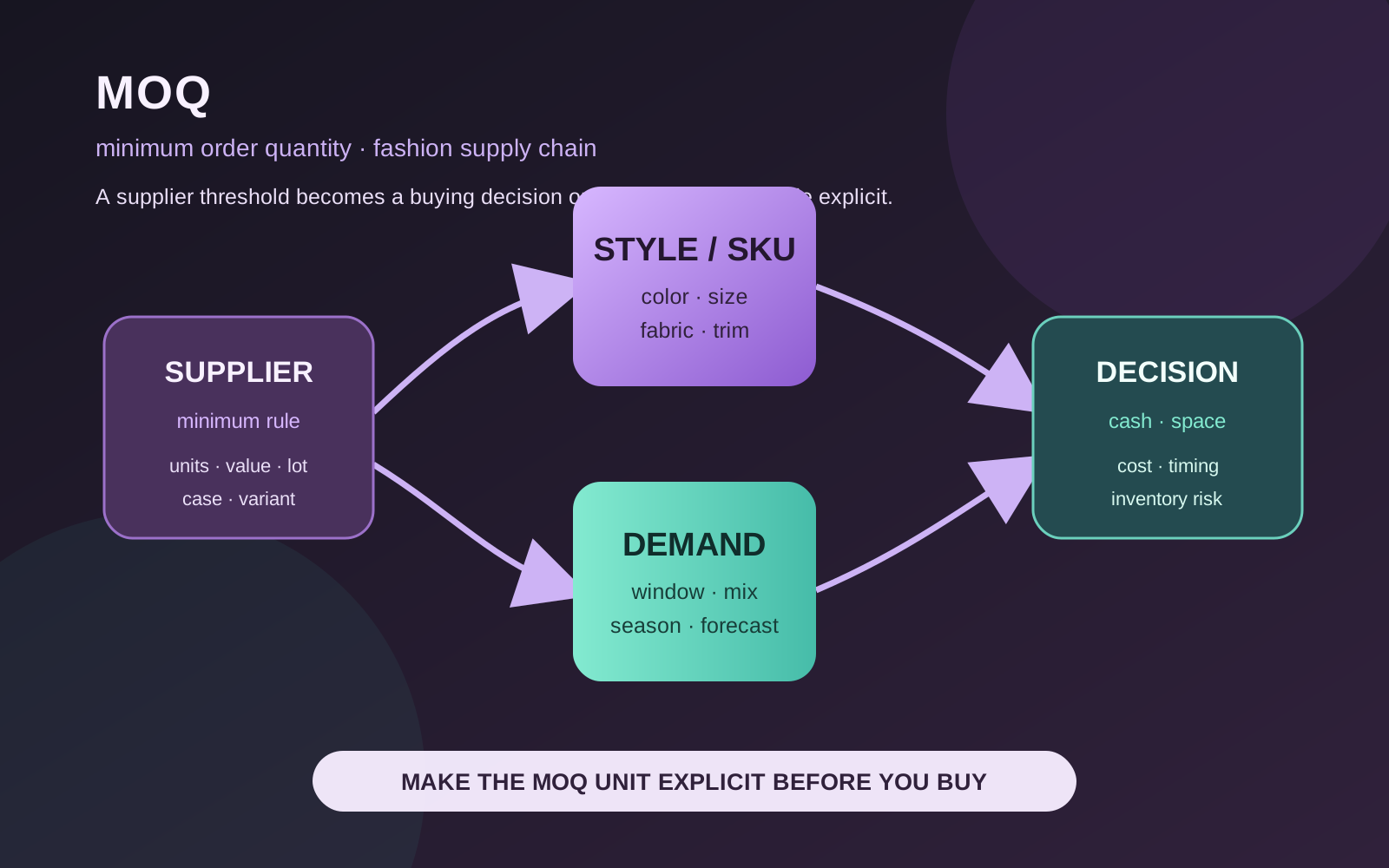
MOQ in the fashion supply chain
MOQ in the fashion supply chain. MOQ (minimum order quantity) is the smallest quantity a supplier accepts in a single order. In fashion, the rule is useful only when it states whether the threshold applies to a style, SKU, color, size, material, lot, case, or order value, and when it is tested against demand, cash, space, and leftover-stock risk.
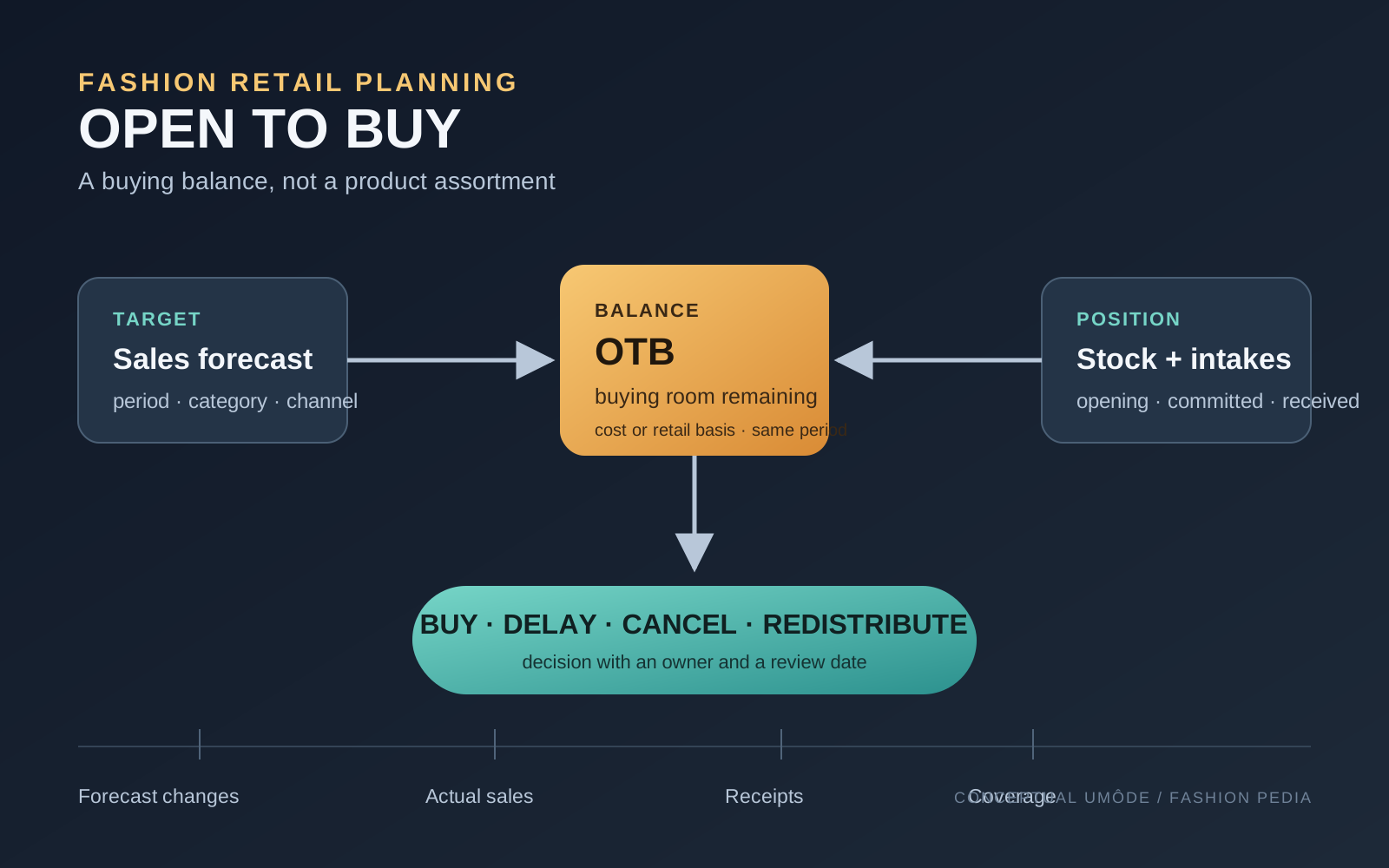
Open to buy in fashion retail
Open to buy in fashion retail. Open to buy (OTB) is a planning process that calculates how much inventory a retailer needs to buy to reach a sales target, using forecast sales, opening stock and desired closing stock. In fashion retail, the balance should be read by period, category, channel and stock cover; it guides buying without replacing assortment decisions.
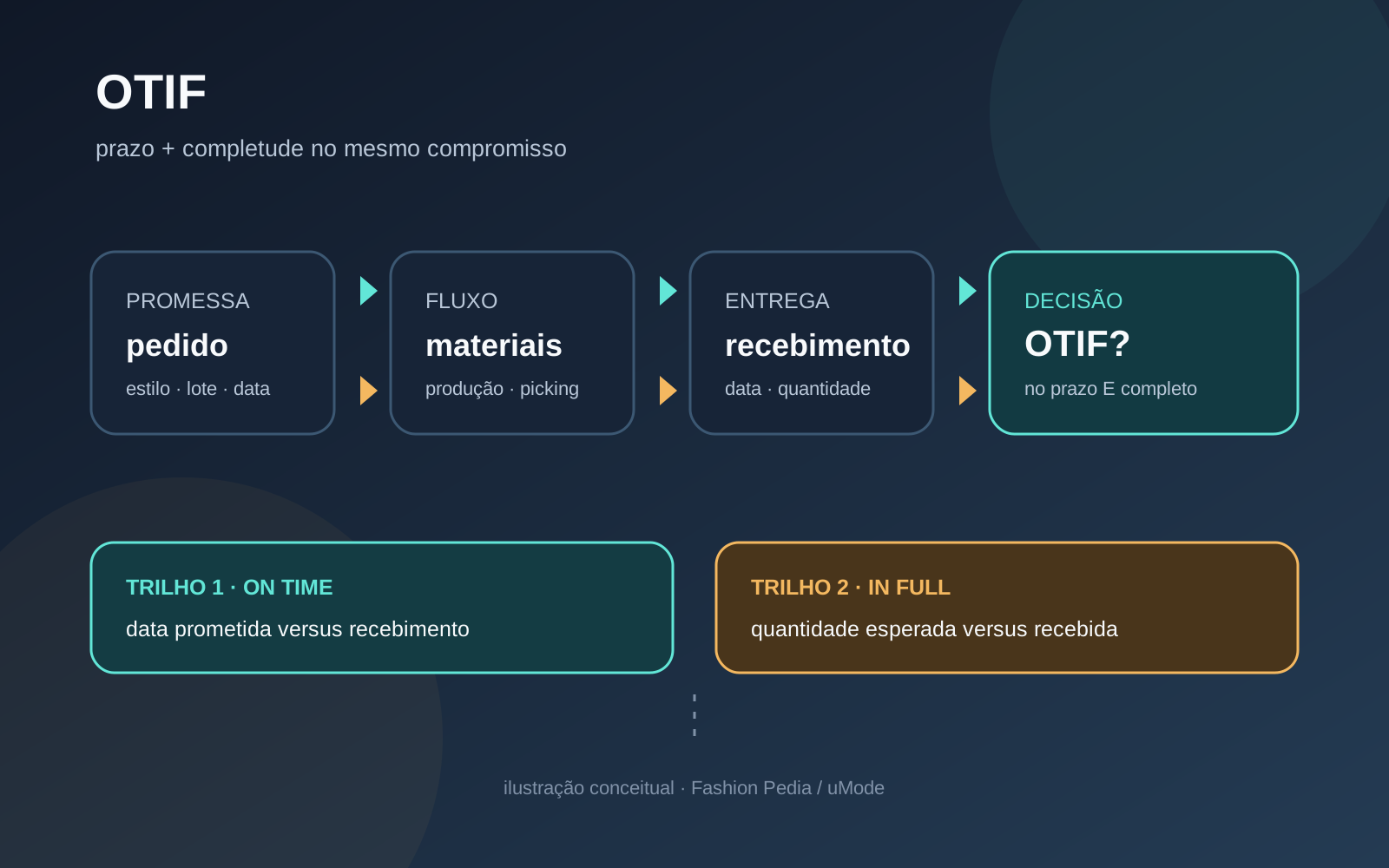
OTIF in the fashion supply chain
OTIF in the fashion supply chain. OTIF (on-time in-full) measures whether an order arrives on the agreed date with all expected items or quantities. In fashion, it can be applied to finished-goods orders, materials, or internal stages when the measured event, delivery window, and completeness rule are explicit.
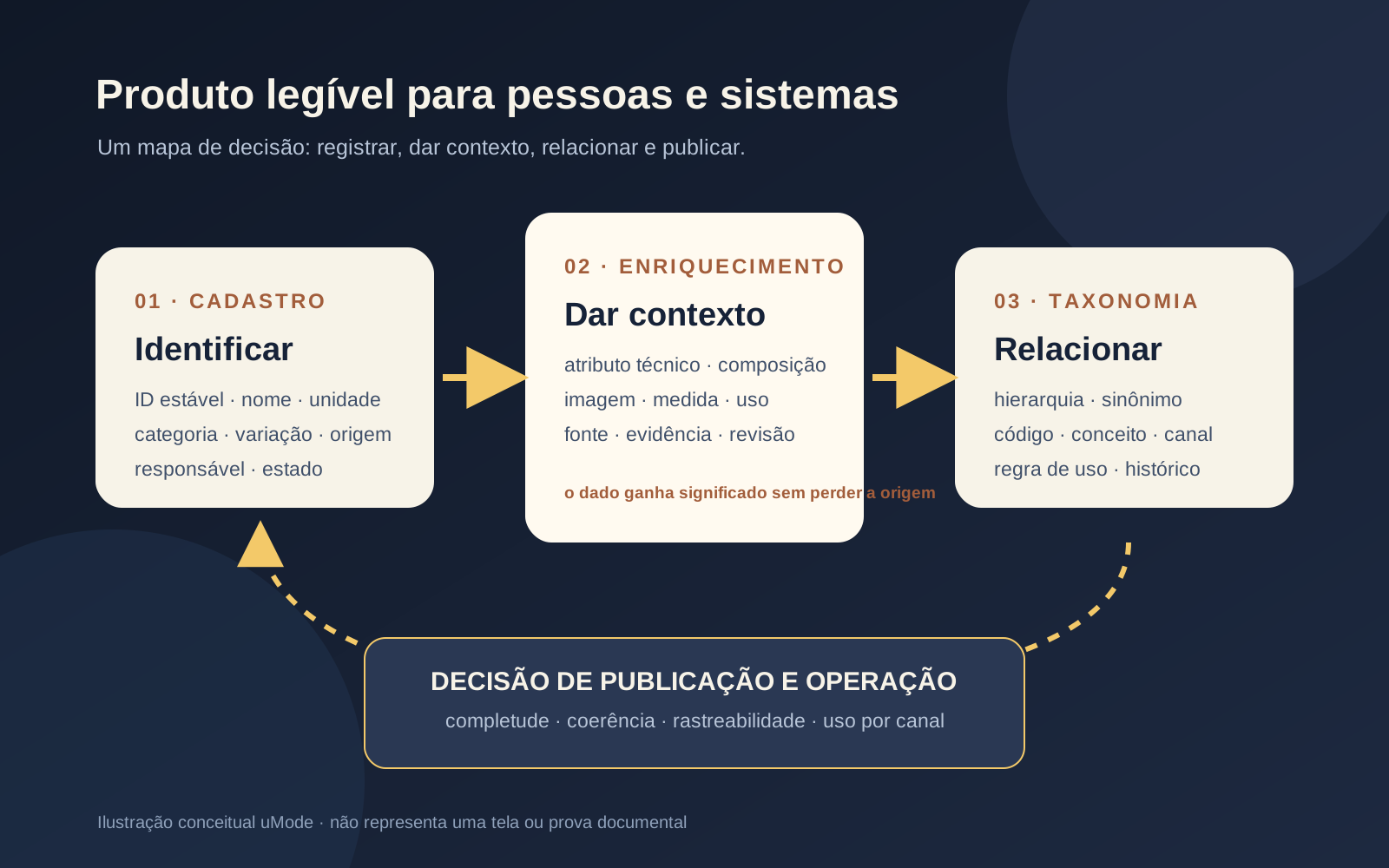
Product cataloging, enrichment, and taxonomy
Product cataloging, enrichment, and taxonomy is a process for turning fashion objects into records that can be identified, understood, related, and used. It separates the minimum product record from contextual information and from the relationships that support consistent search, operations, and publishing.
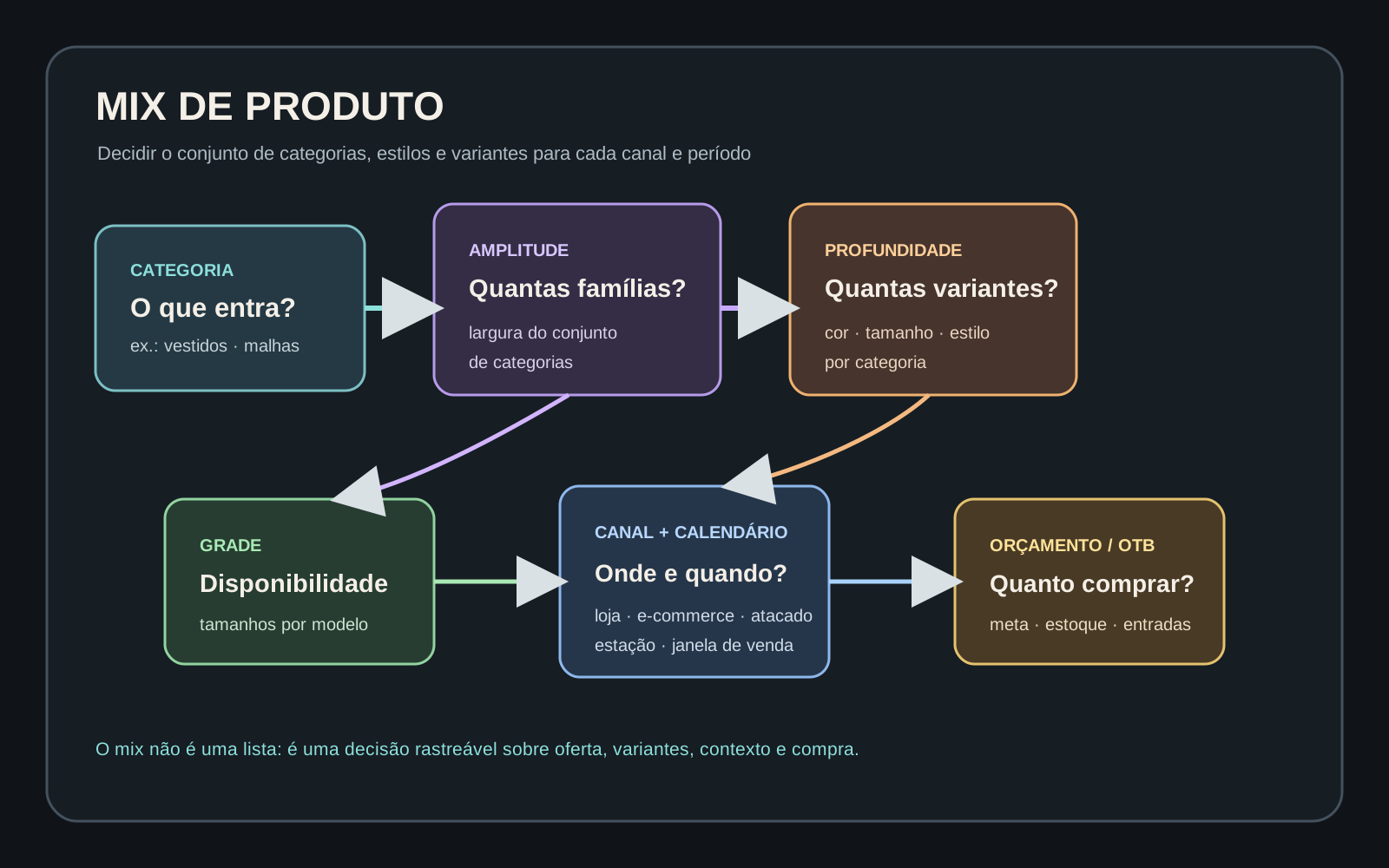
Product mix
A product mix is the decision about which categories, styles, and variants a fashion operation offers in each channel and period. The process separates breadth, depth, size range, demand, and buying so a collection intention becomes a checkable offer.
Purchase order in the fashion industry
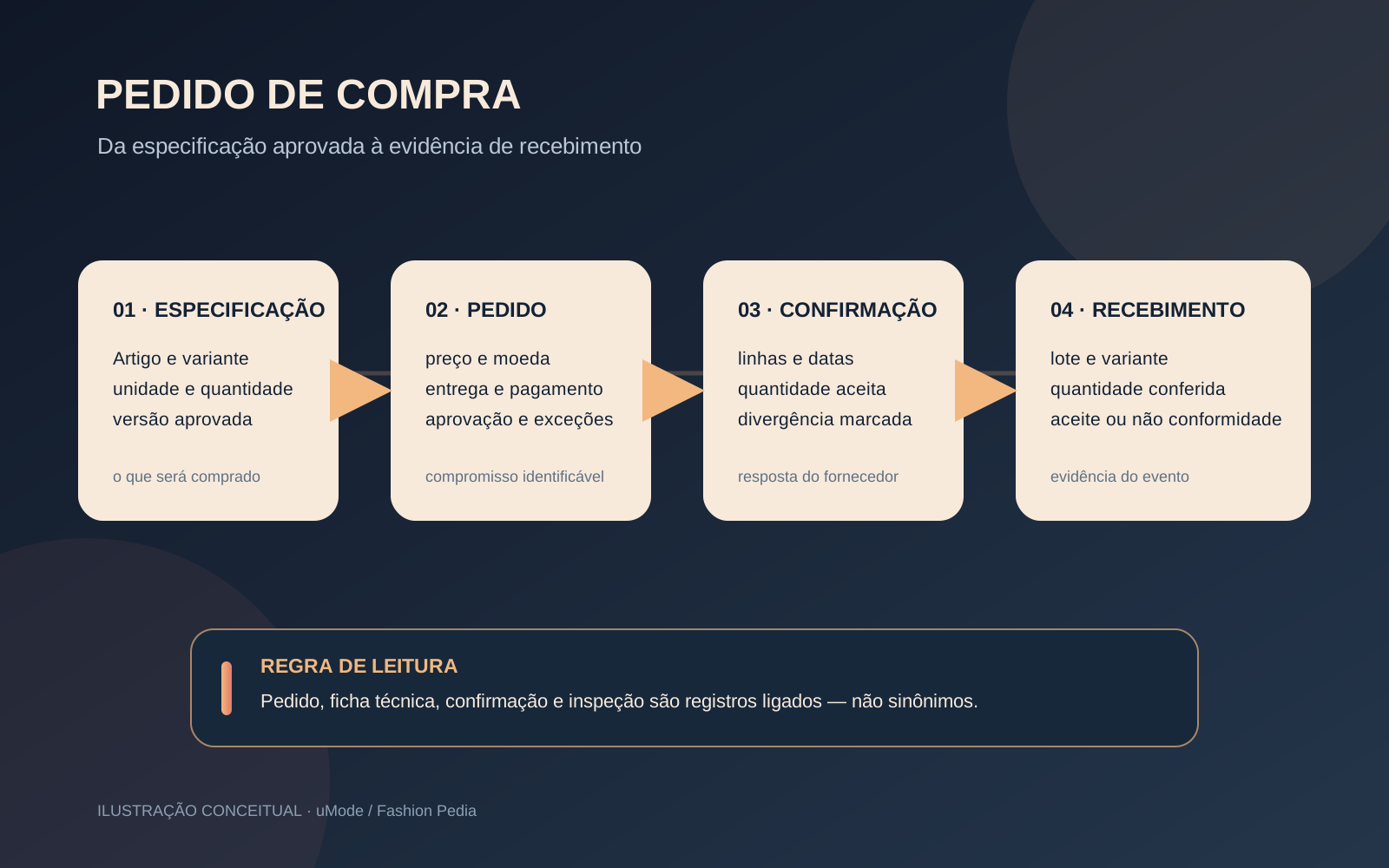
Purchase order in the fashion industry. A purchase order is the document through which a buyer requests goods or services and records conditions such as price and payment. In fashion, it works best when it connects style, variant, specification, quantity, delivery and receiving criteria to an approved decision, without replacing the technical specification or inspection.
RFQ in the fashion supply chain
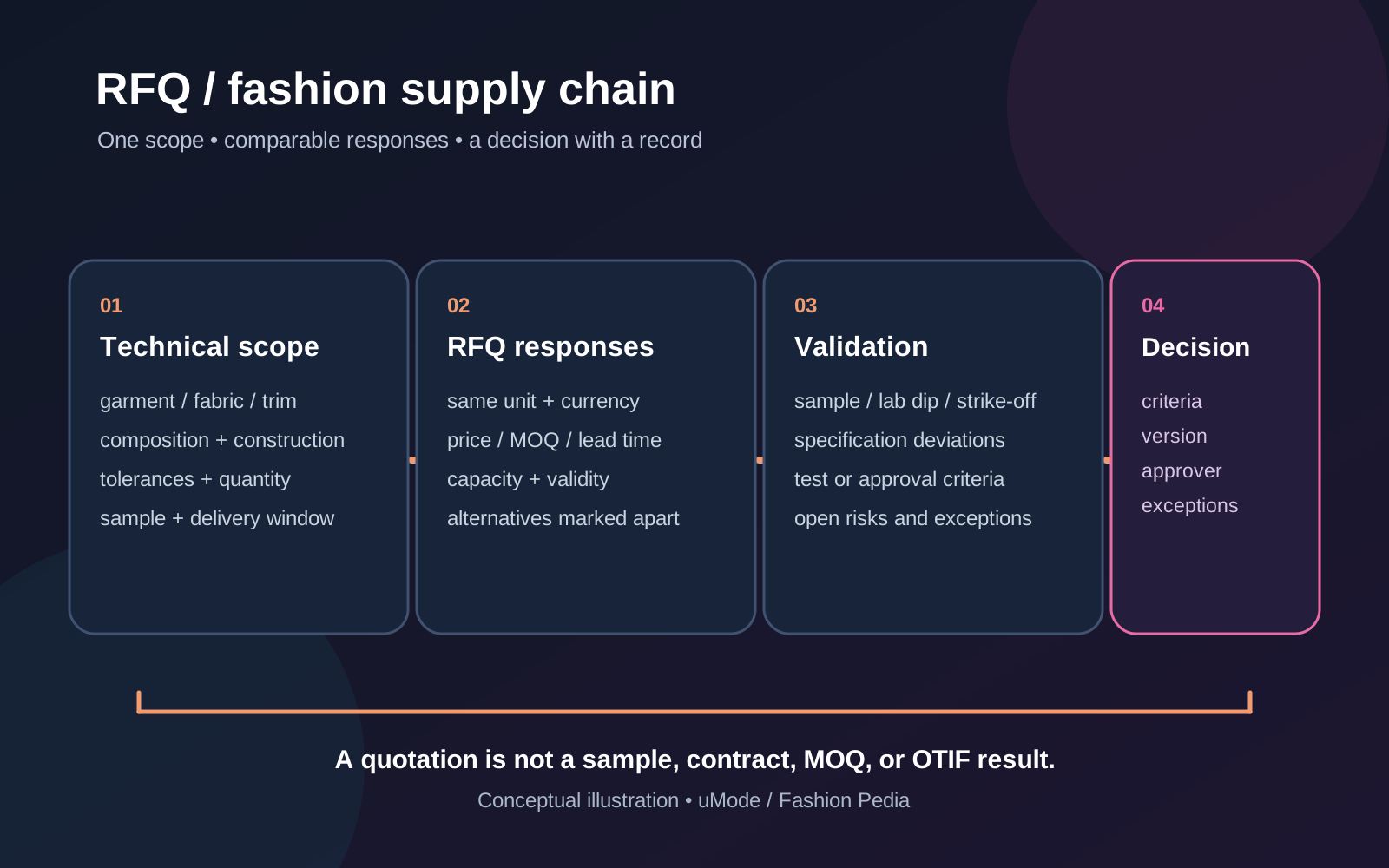
RFQ in the fashion supply chain. An RFQ (Request for Quotation) is a process for requesting and comparing quotations against the same product, service, or material scope. In fashion, it turns garment, fabric, trim, or finishing requirements into a response-ready request, separates price from capacity and timing, and records which requirement version supported the decision.
Sales and sell-out in fashion
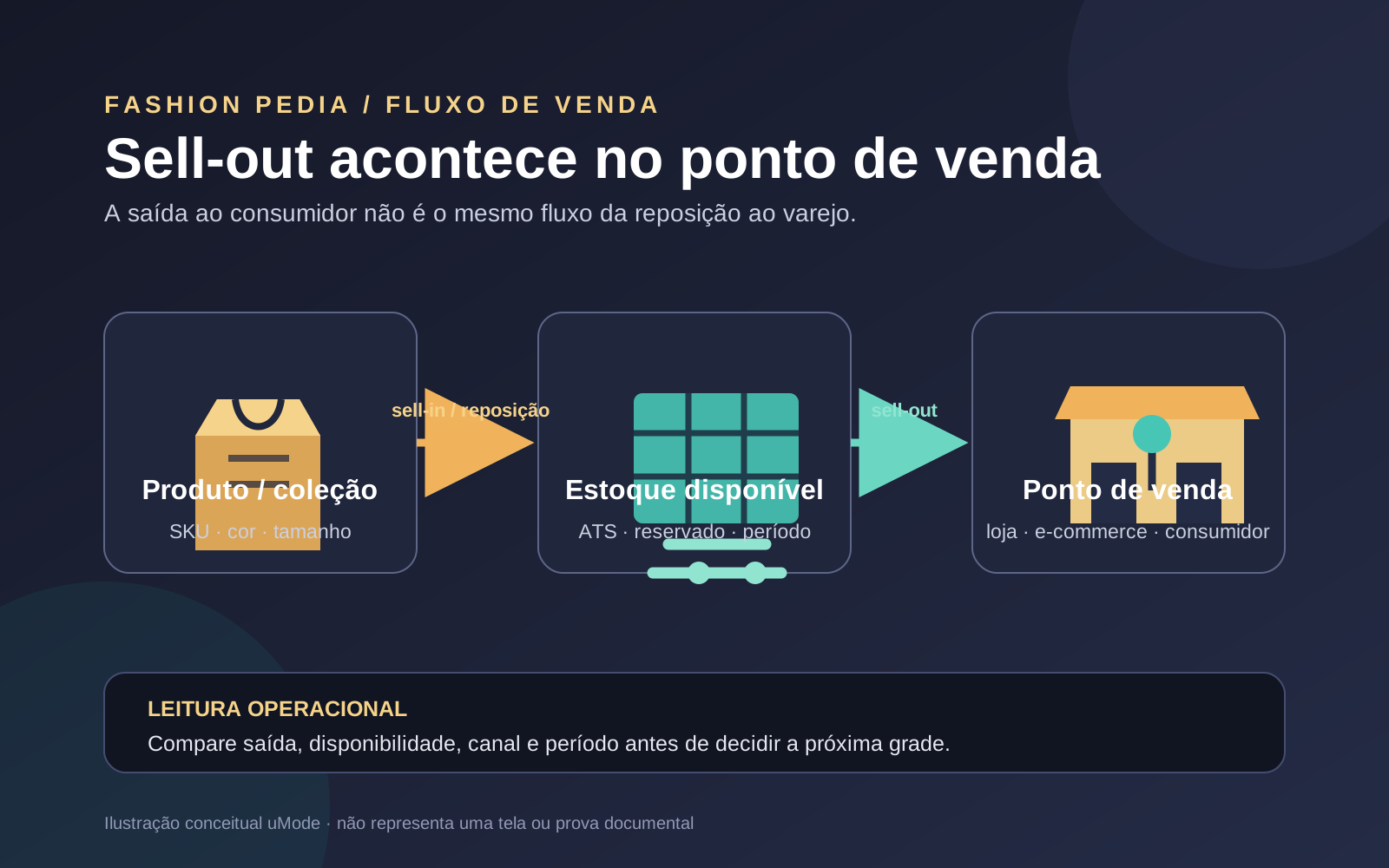
Sales and sell-out in fashion. Sell-out is the revenue or unit volume of a brand or reference sold to final consumers at the point of sale. In fashion, the reading must separate output by store and channel from retailer replenishment, while keeping the product grid, available stock and measurement period visible.
Sample approval rate
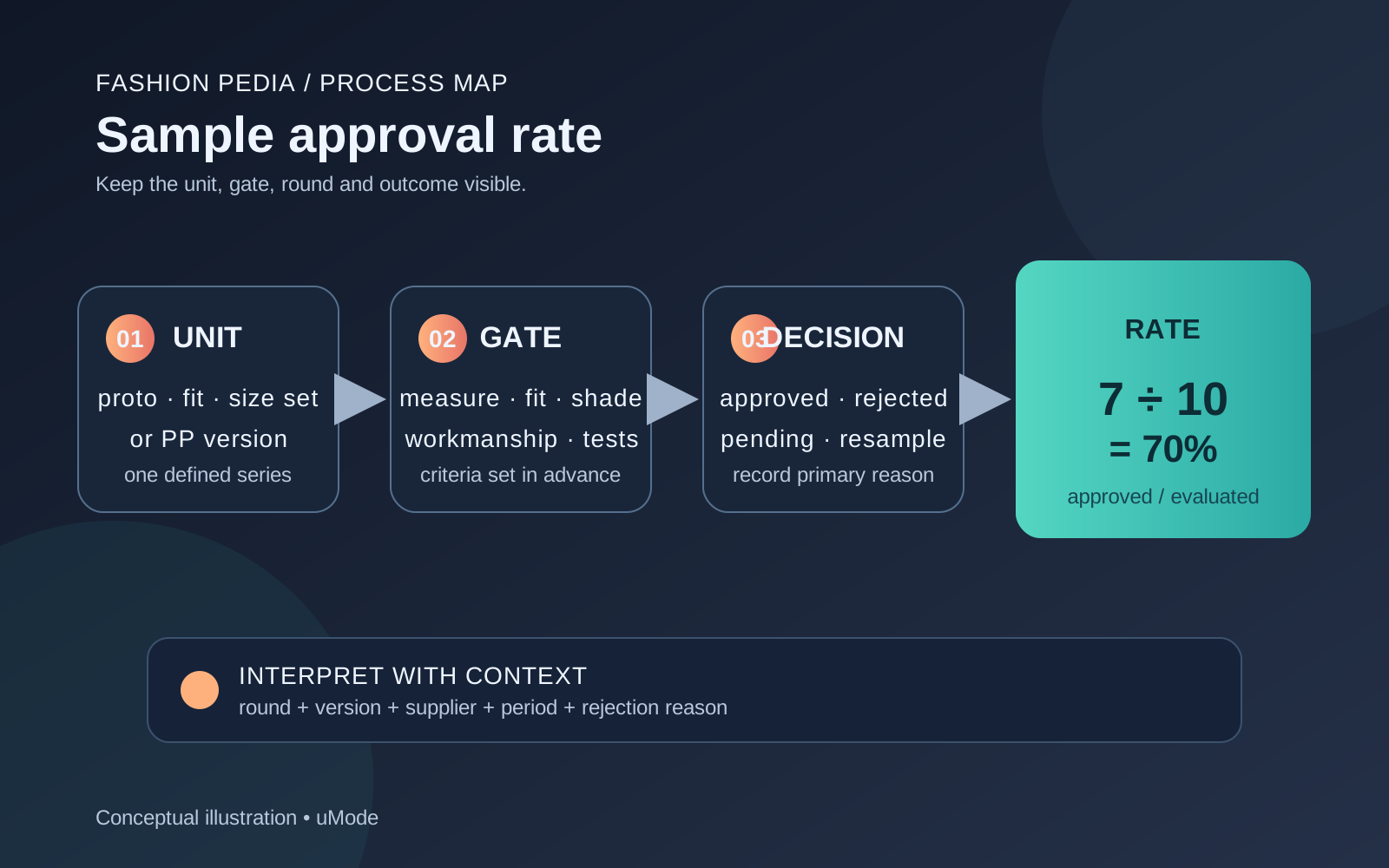
Sample approval rate is an operational indicator calculated as approved samples divided by evaluated samples in the same slice. Comparability requires a fixed unit, round, version, gate, and resample rule; the rate measures the result of the defined gate, not the complete quality of a collection.
Sample coordinator
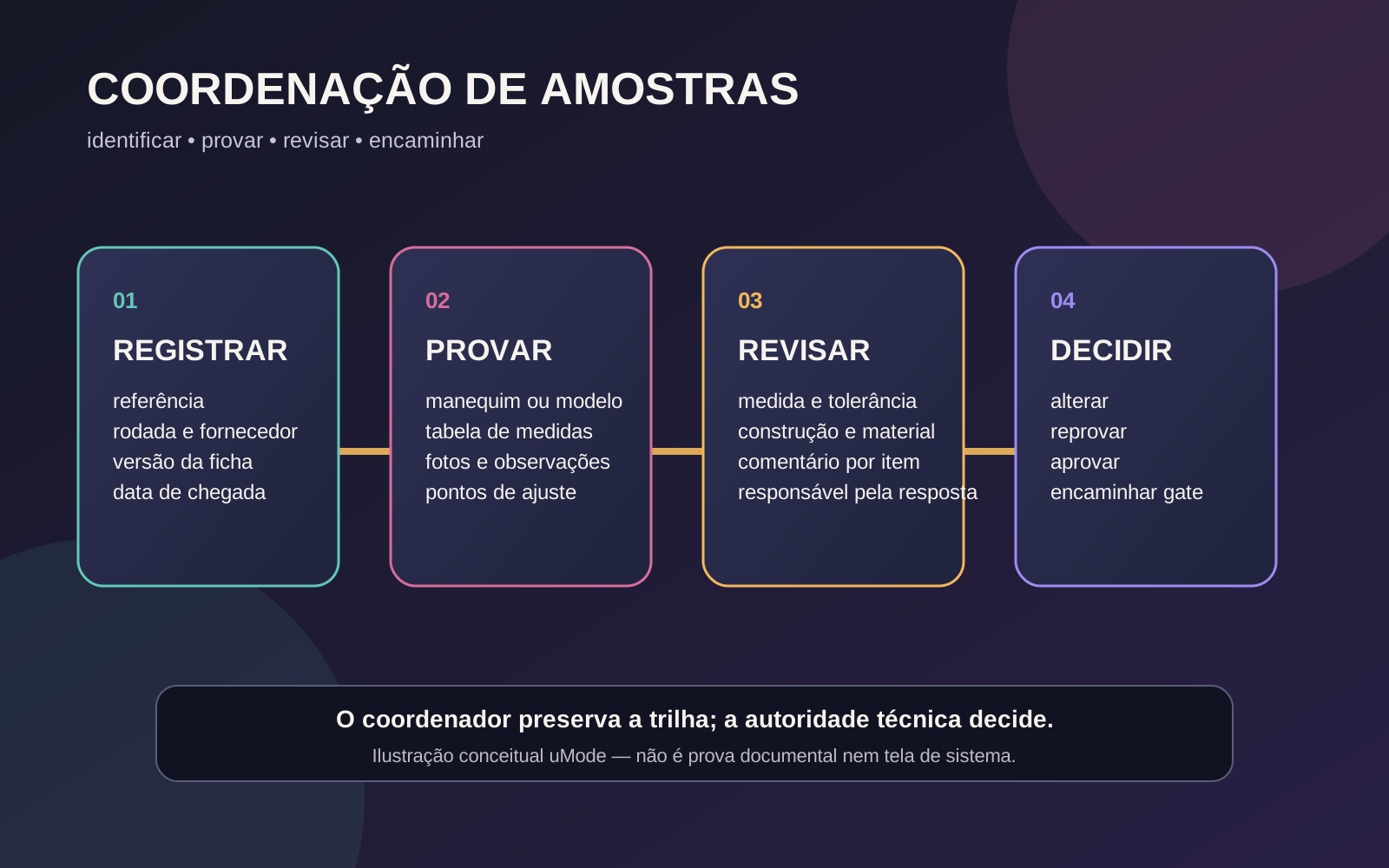
A sample coordinator keeps garment prototypes and development samples moving through a controlled flow: checking in each item, linking it to the active specification, preparing fitting, consolidating comments, and routing the next decision to the accountable specialist. Coordination does not mean personally approving fit, quality, cost, or production.
Sealed apparel sample
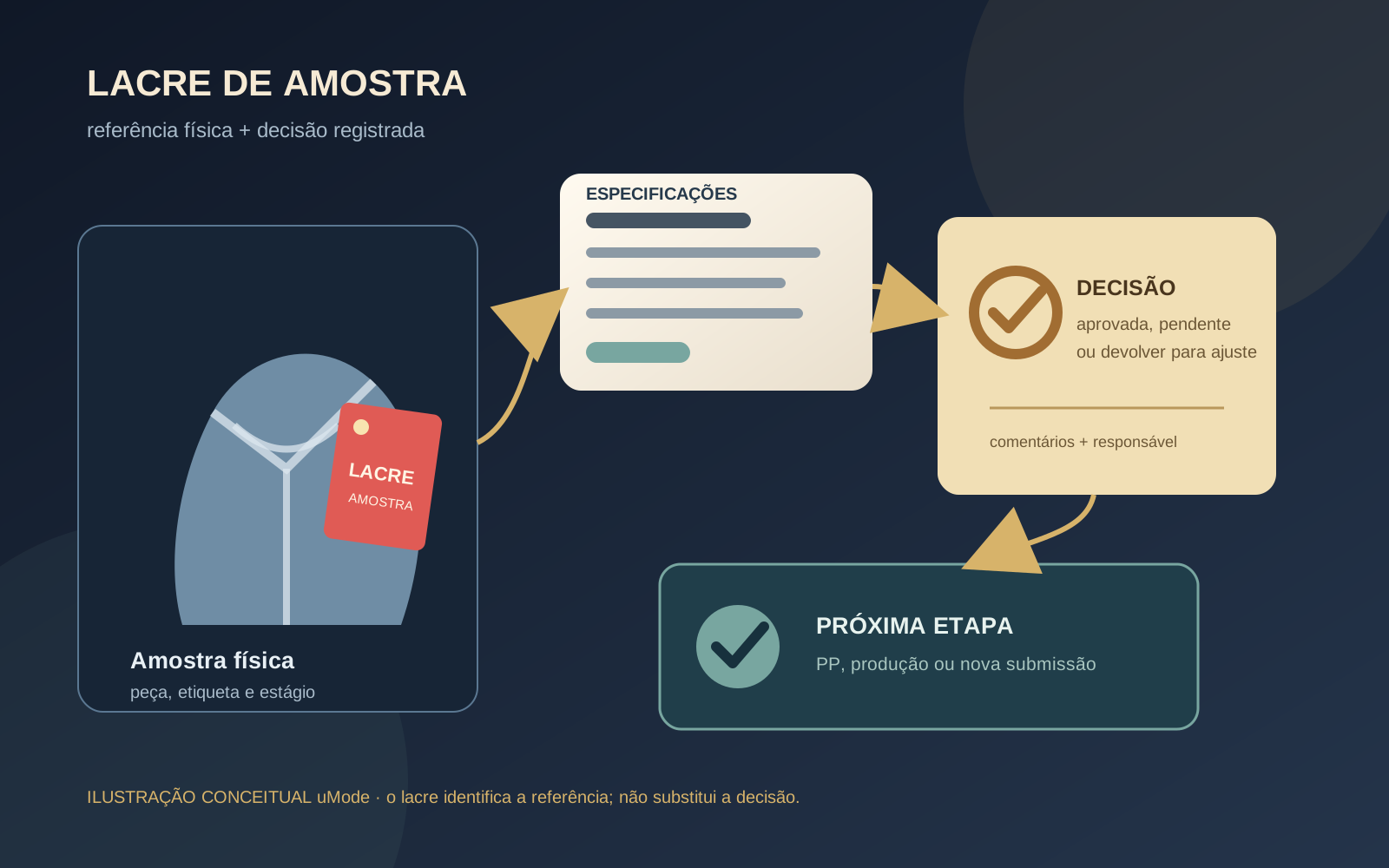
A sealed apparel sample is a physical sample that a buyer has approved and tagged as a production reference. The seal links the approved garment to its construction, trims, comments and version record; it does not replace the documented decision or define every buyer’s procedure.
Sell-through in fashion retail
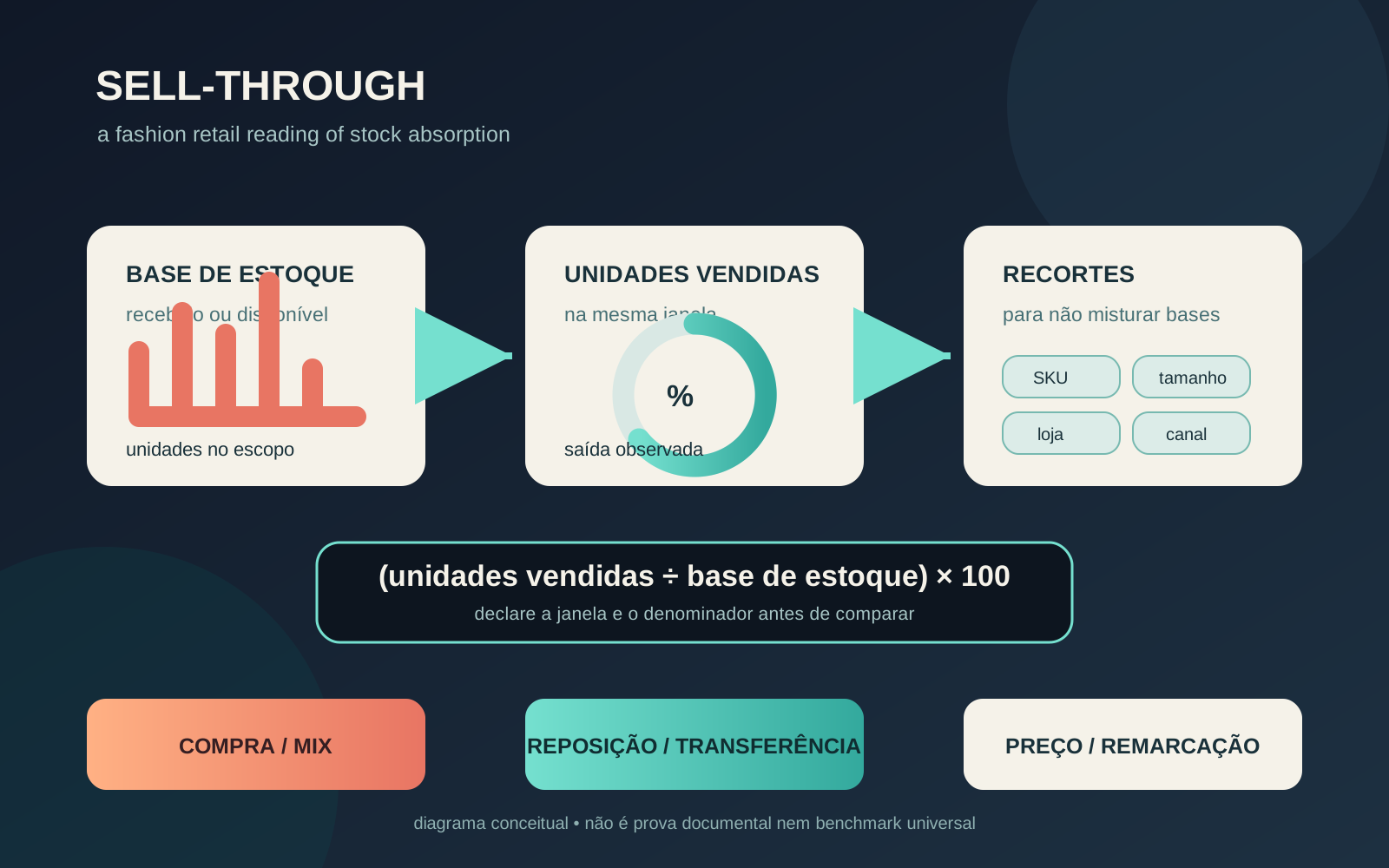
Sell-through in fashion retail. Sell-through is the percentage of units sold from inventory received or made available within a defined window. In fashion retail, the metric becomes useful when it is cut by style, color, size, store, channel, and product life cycle, with the denominator stated before it informs buying, replenishment, or markdown decisions.
Size grading
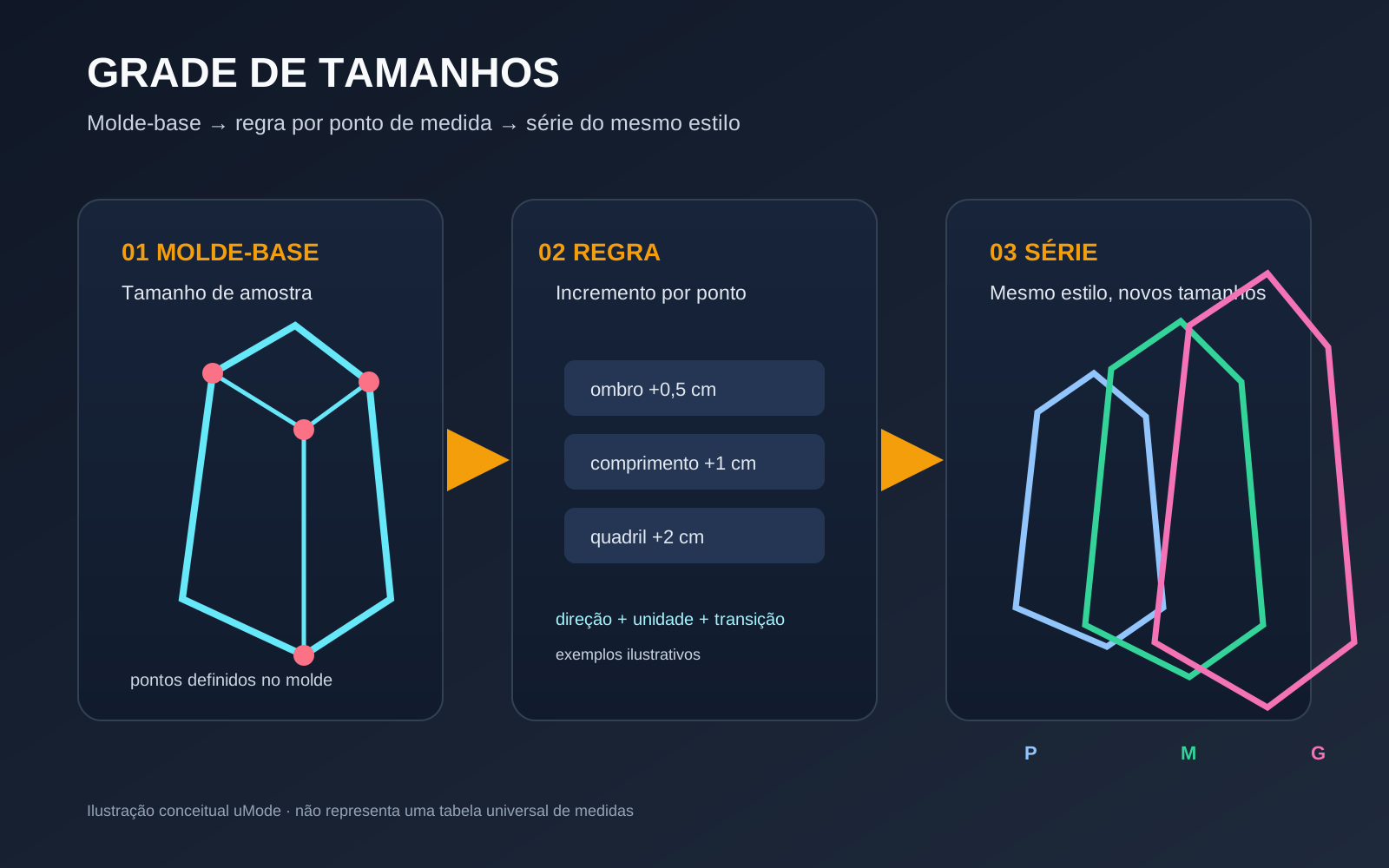
Size grading is the process of turning base-size or sample-size patterns into additional sizes by using a specification sheet or grading increments. A rule changes defined points on the pattern to form a size range for the same style; it does not replace patternmaking or create a new shape.
Sourcing and supplier management
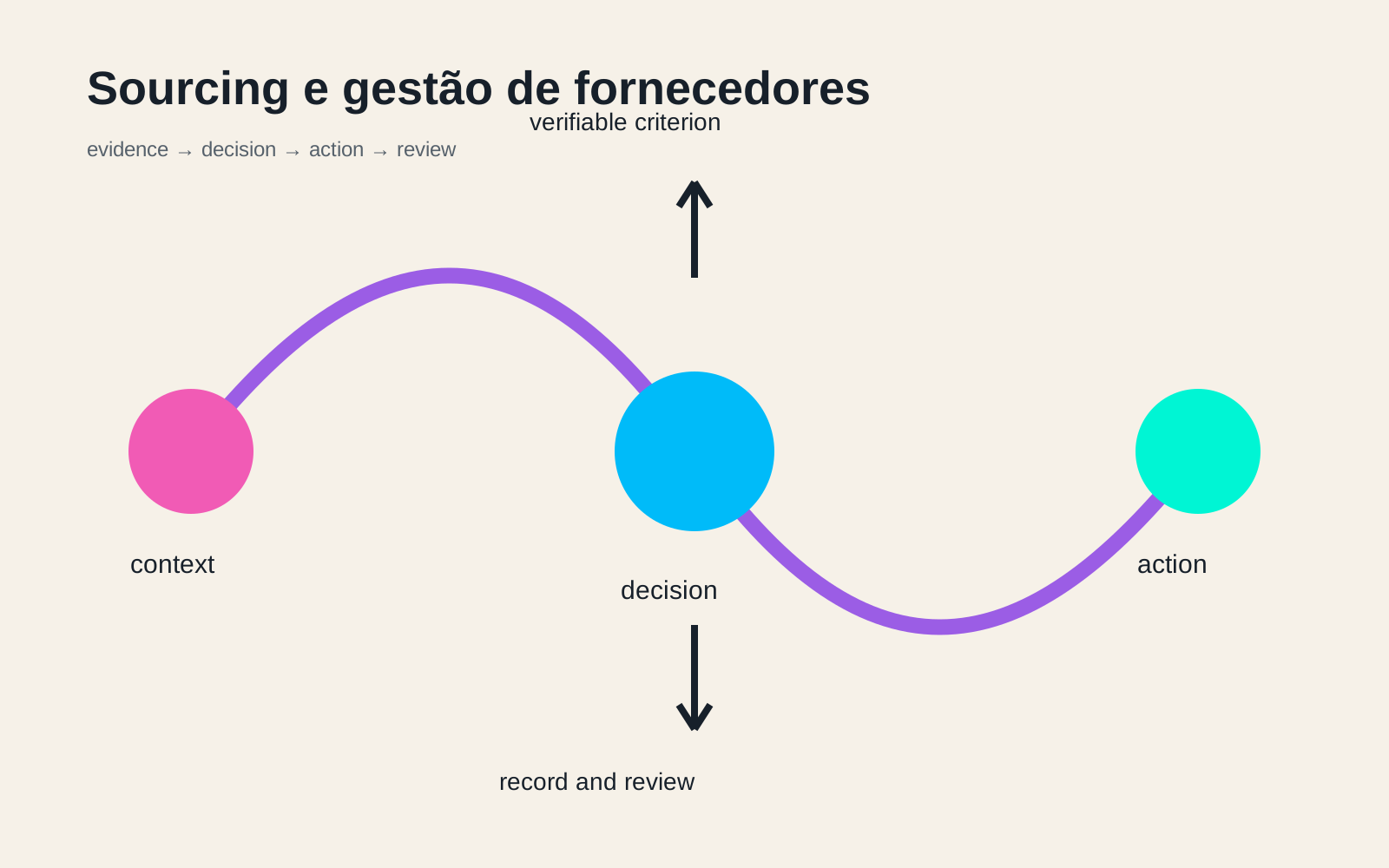
Sourcing and supplier management. Fashion sourcing requires visibility into units and processes, prioritization of human risks, worker dialogue, remediation and a decision trail tied to orders and lots.
Sourcing manager
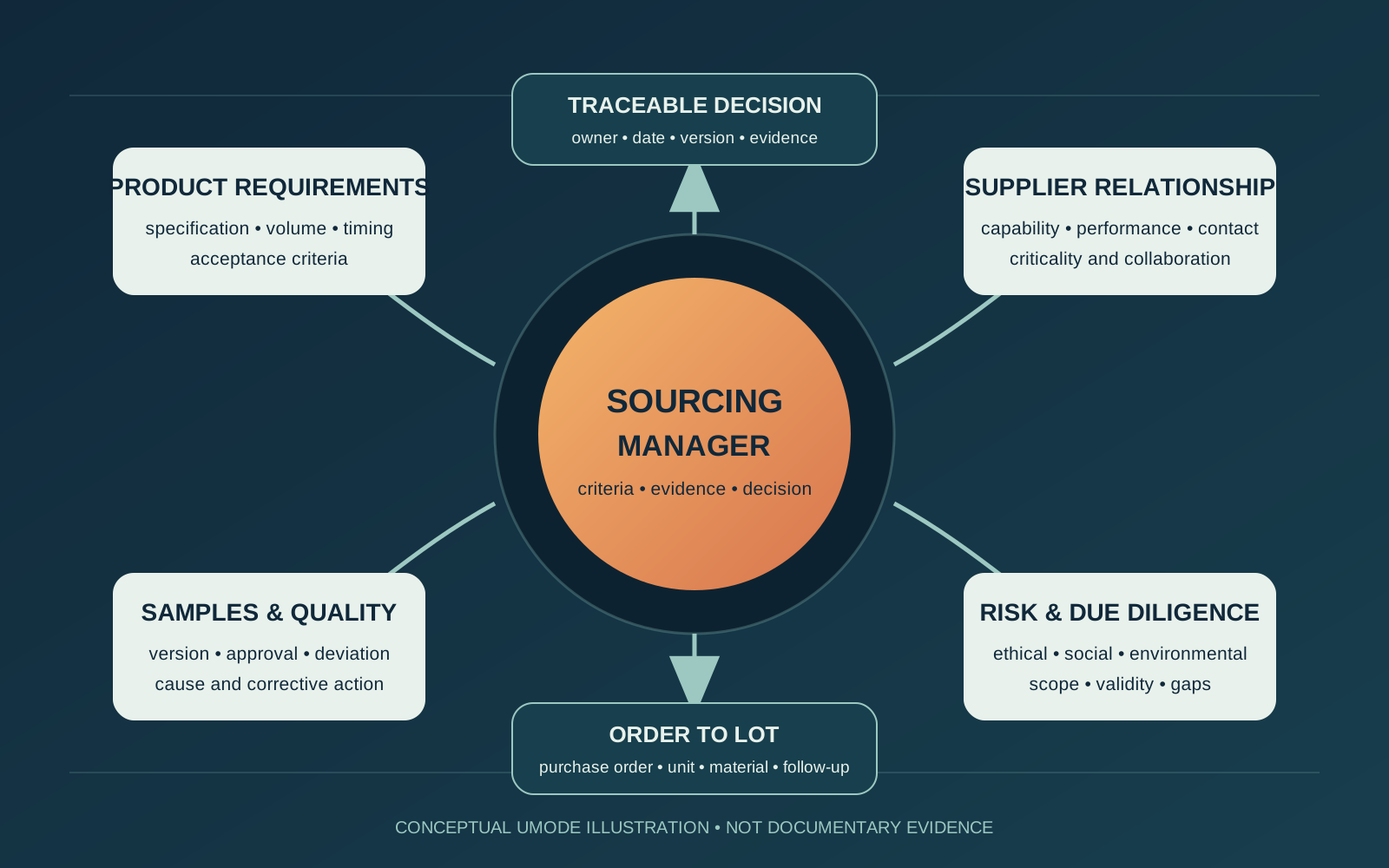
A sourcing manager structures fashion supply decisions: turns product needs into criteria, coordinates supplier relationships and performance, tracks risks, and keeps evidence connected to orders, samples, and production lots.
Store clustering in fashion retail
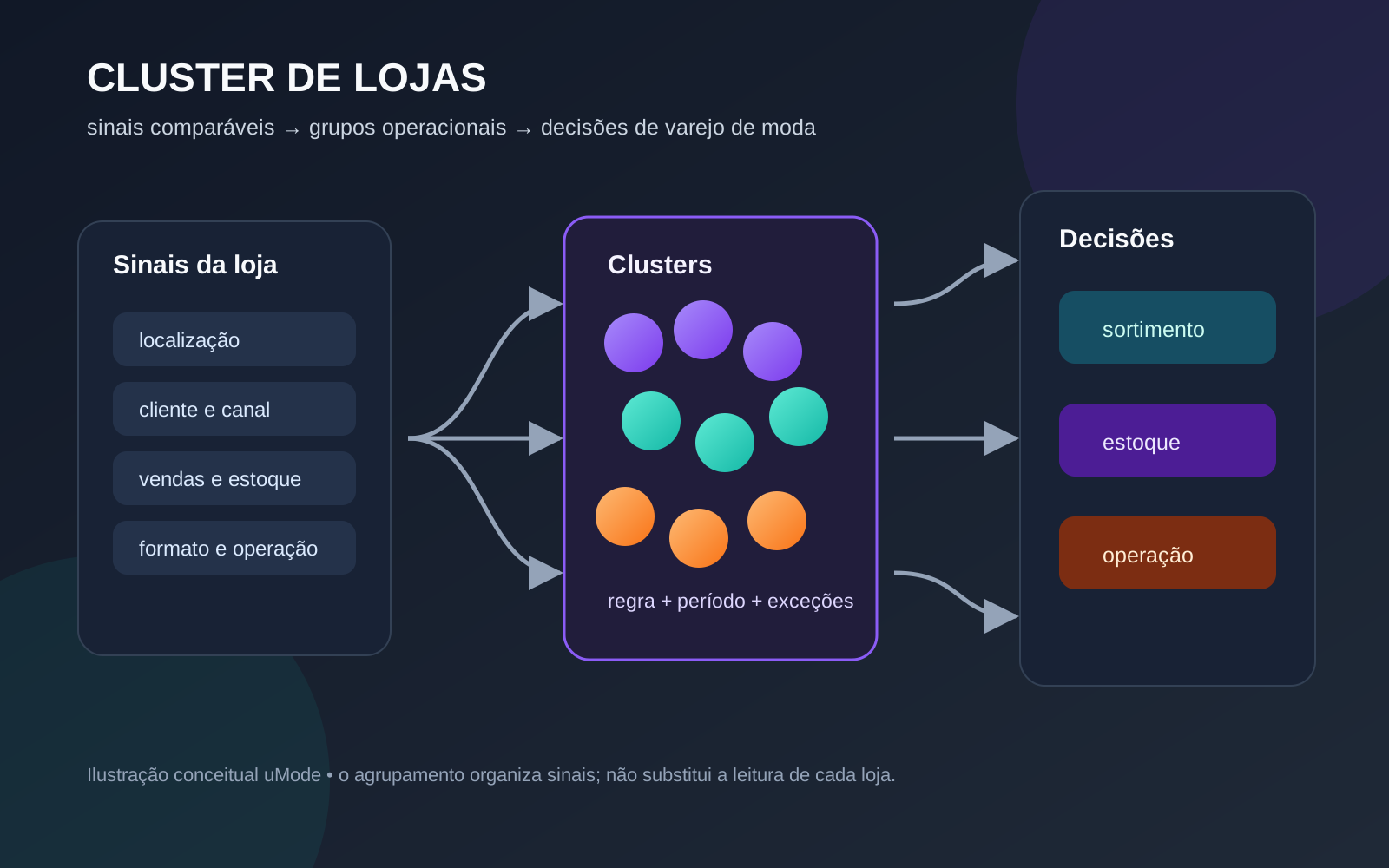
Store clustering in fashion retail. Store clustering is the process of grouping points of sale around relevant patterns in location, customer behavior, assortment, or operations so retail decisions can be made with more context. In fashion, it helps distinguish store needs without assuming that every unit should receive the same mix or inventory.
Style in a product record
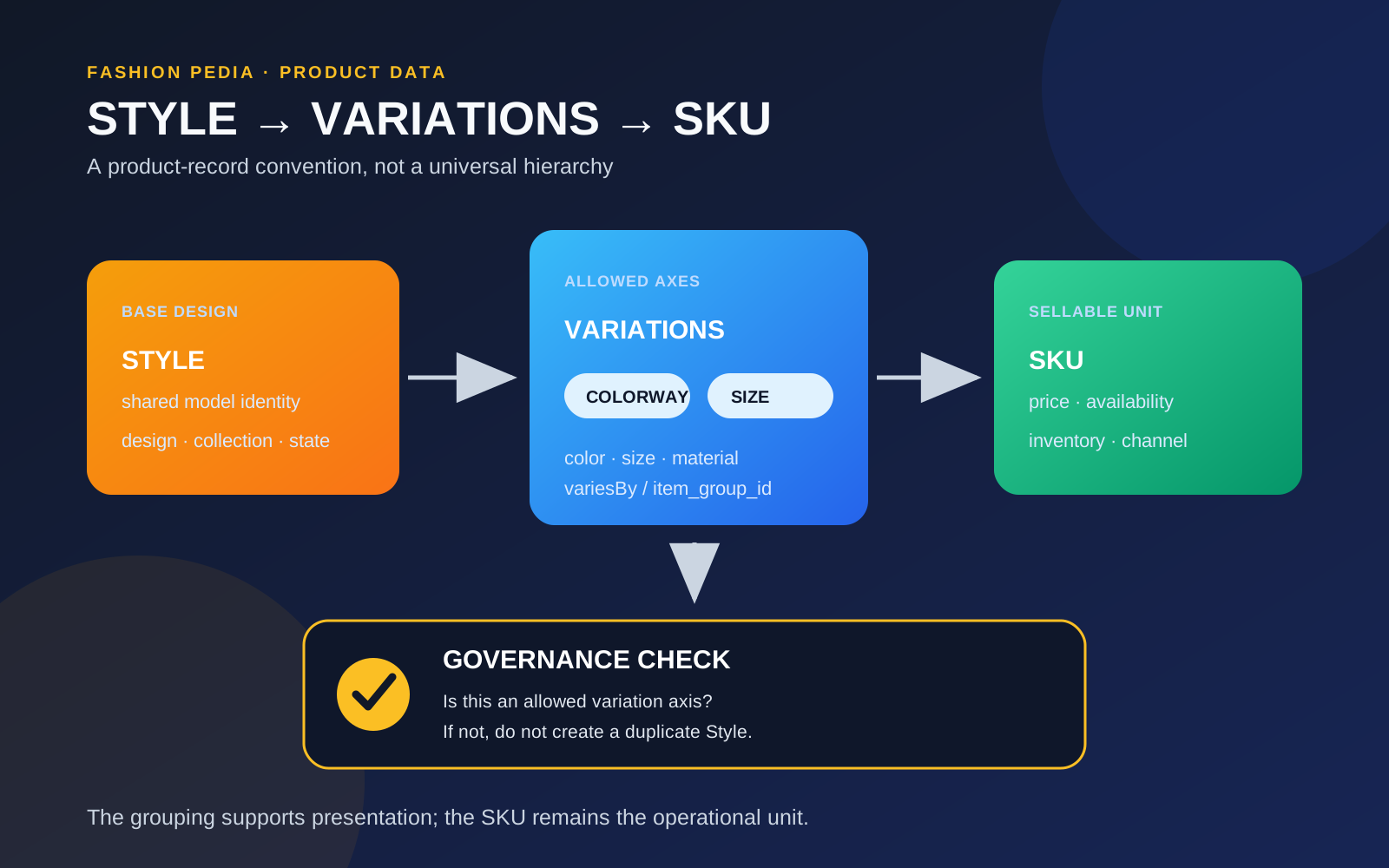
Style in a product record. In a fashion product record, Style can serve as the grouping for a base design and the decisions shared by its variations, but it is not a universal hierarchy. Operationally, that grouping must be separated from color and size variations and from the sellable unit identified by an SKU.
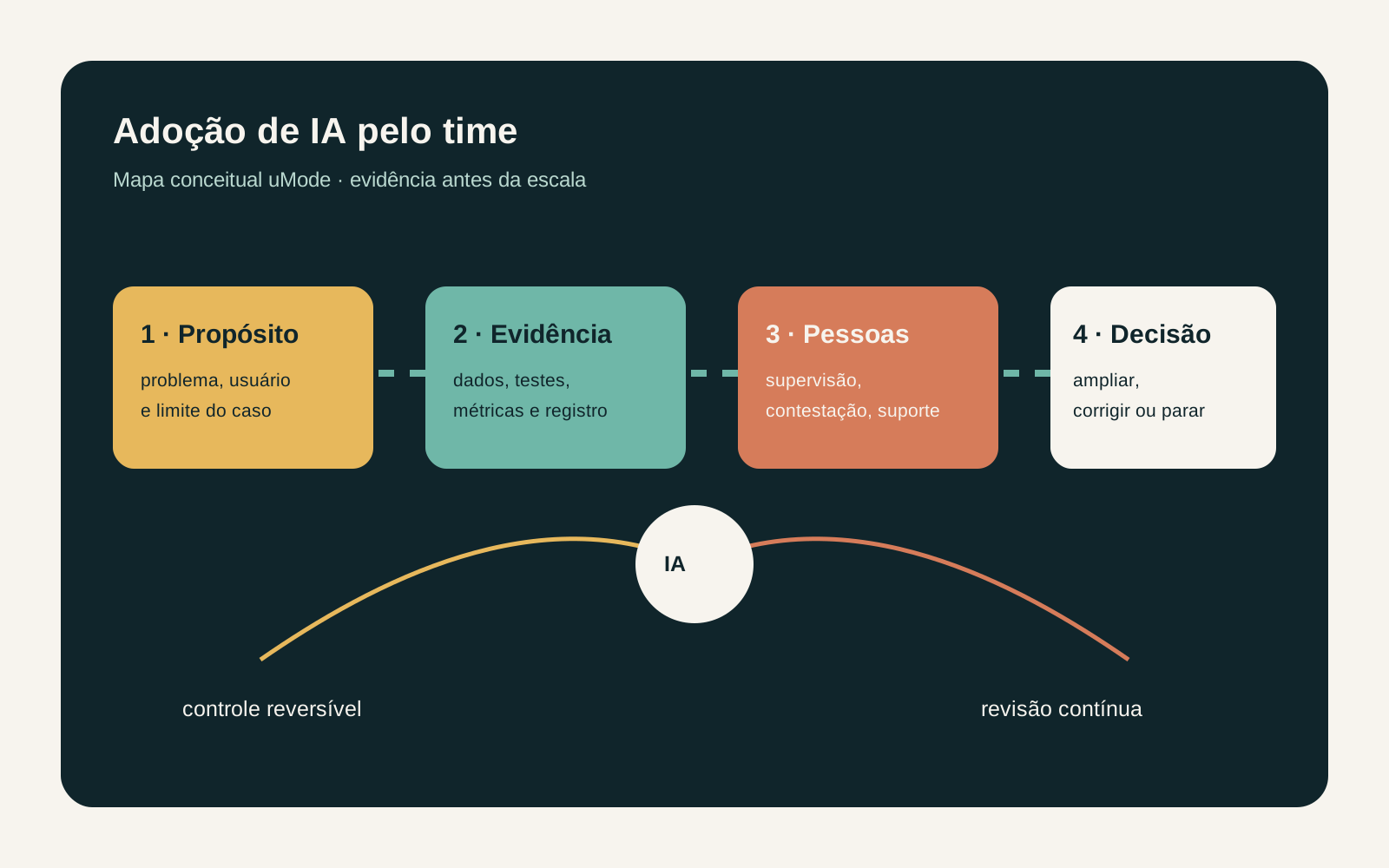
Team AI adoption
Team AI adoption turns curiosity into operating capability by defining tasks, usage boundaries, guided practice, quality measures, and practical ways to challenge outputs before a tool changes real decisions.
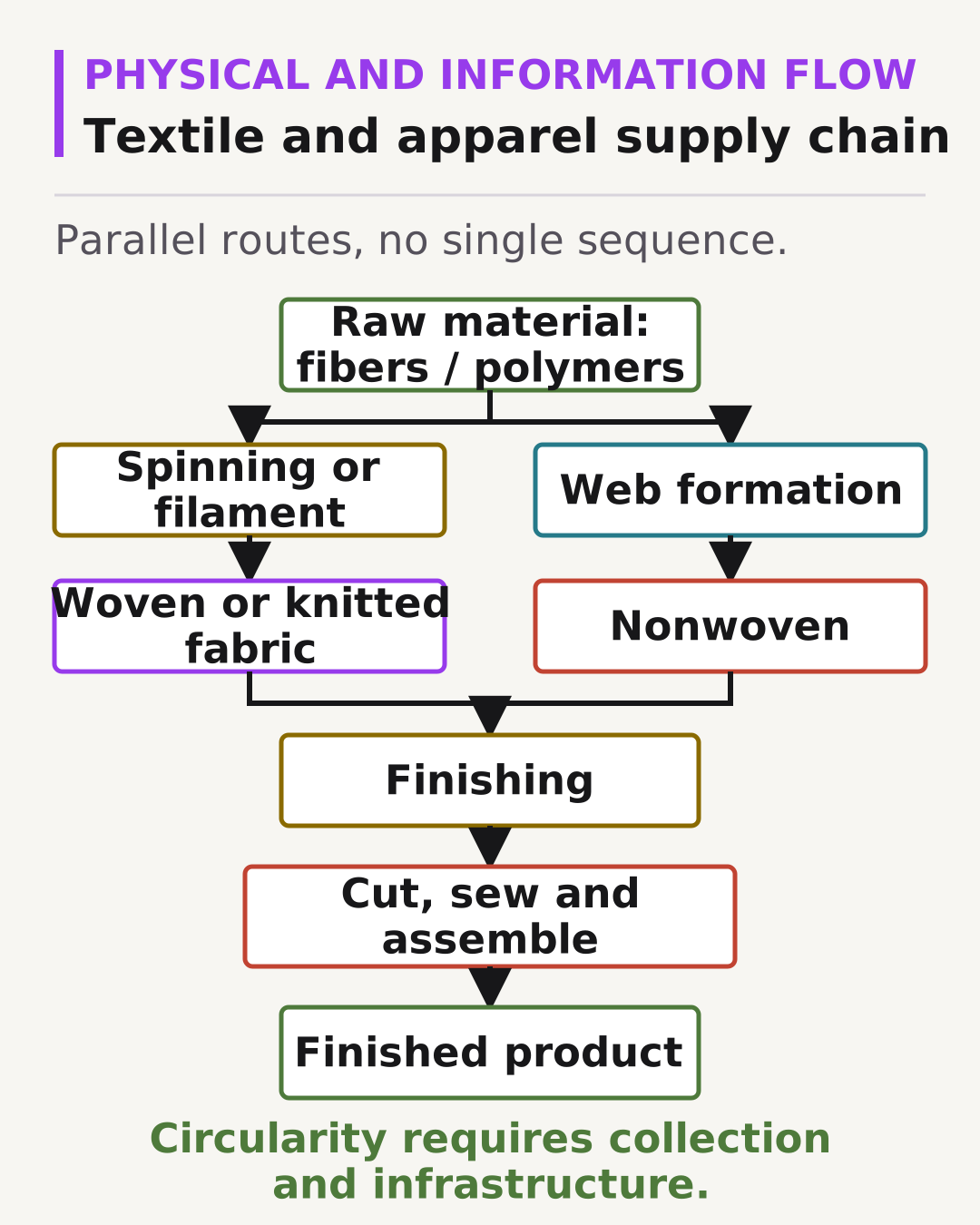
Textile and apparel supply chain
The textile and apparel supply chain transforms natural or manufactured raw materials into yarns, woven or knitted fabrics, and then finished articles. Its reference flow covers fibres, spinning, material formation, wet processing, cutting and assembly, while the real system also includes suppliers, subcontracting, distribution, use and recovery routes.
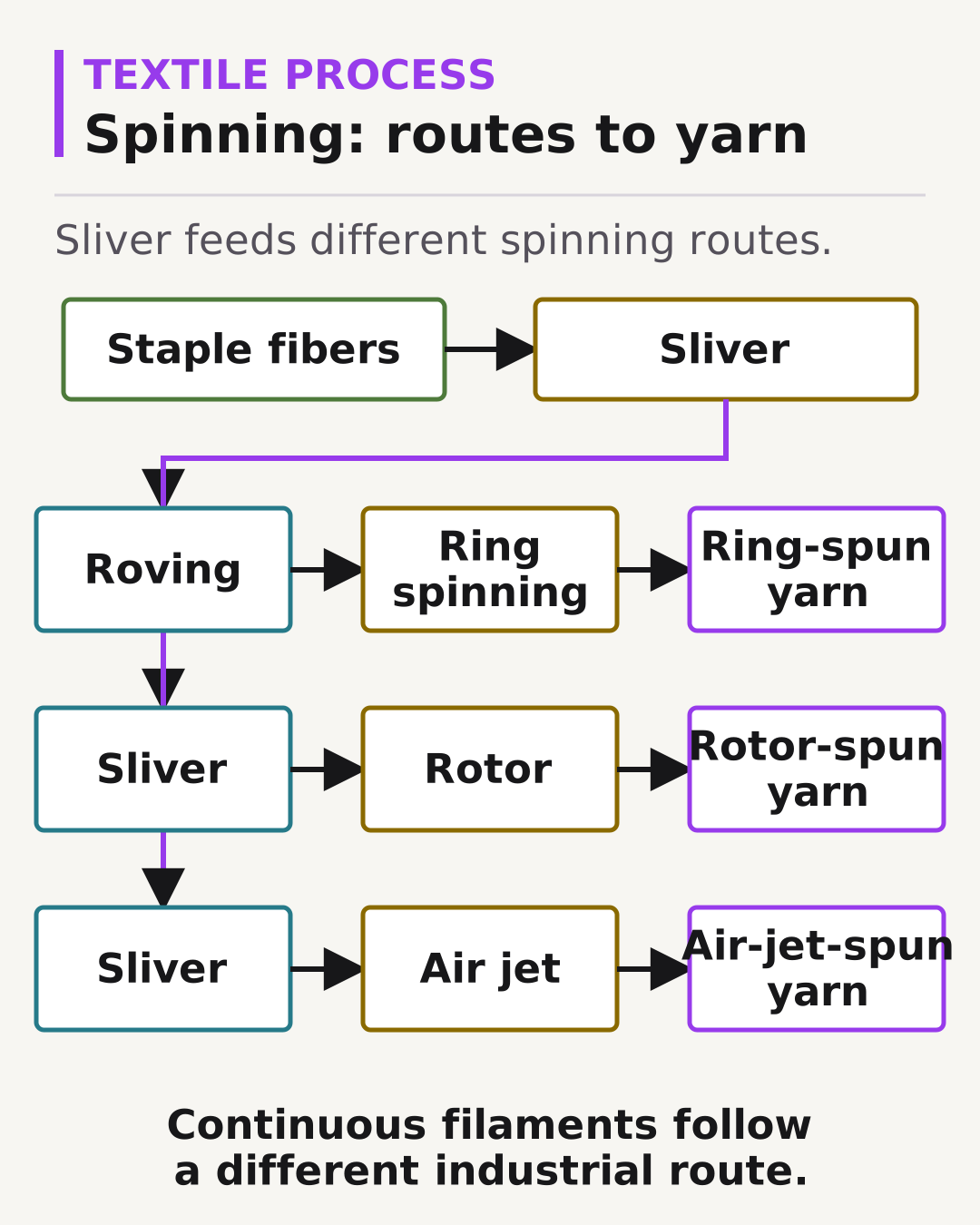
Textile spinning
Yarn production follows two distinct technical routes: spinning turns staple textile fibers into yarn through preparation, alignment, attenuation, and consolidation, while continuous-filament processing assembles or transforms filaments without repeating the full preparation used for short fibers. These routes determine properties of yarn sent to weaving or knitting.
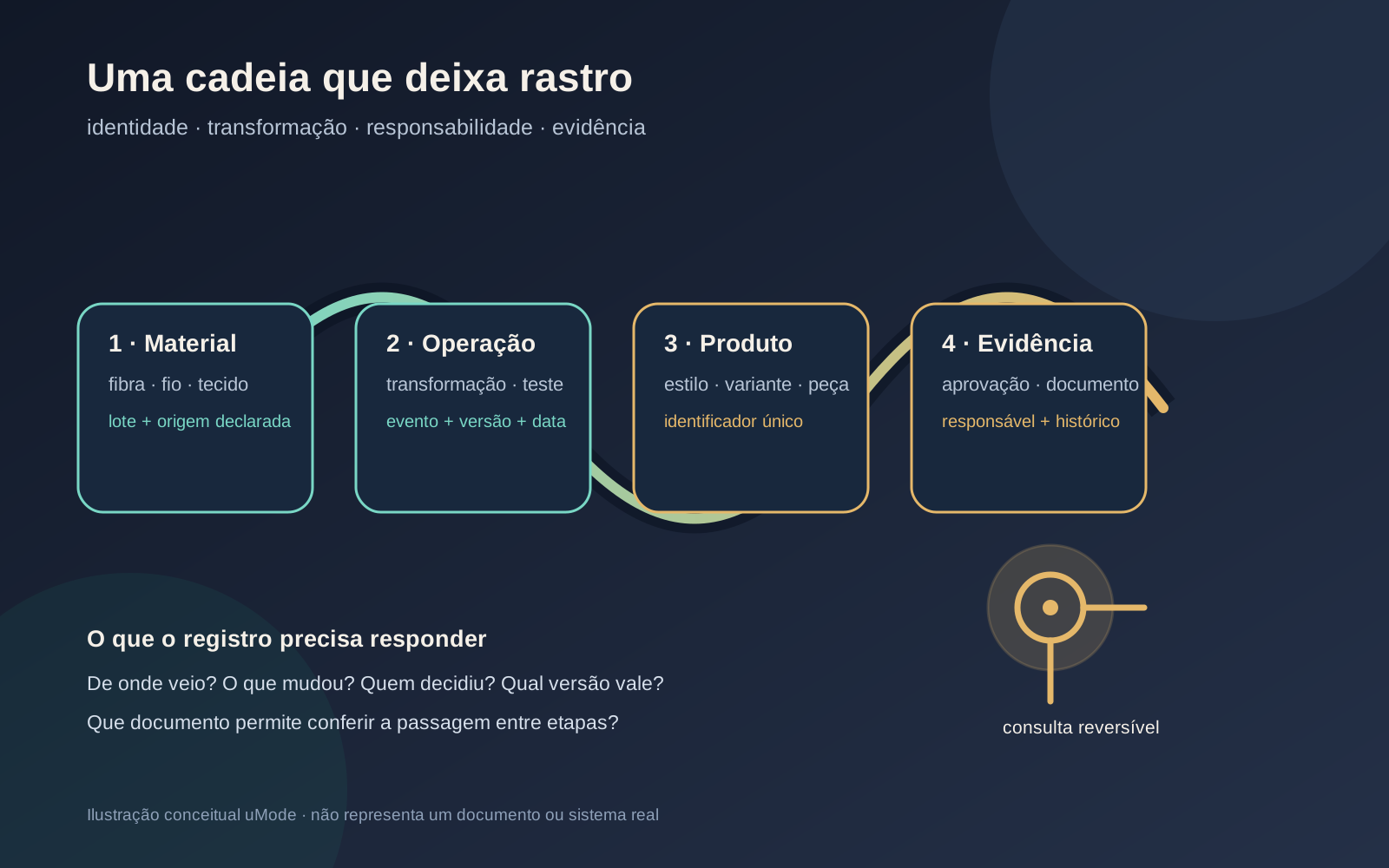
Traceability in the fashion supply chain
Traceability in the fashion supply chain. Fashion supply-chain traceability is the process of linking a product, material or component to the entities, activities, responsible parties and records that explain its transformation and movement. In practice, it combines identifiers, events, relationships and evidence so a product history can be checked.
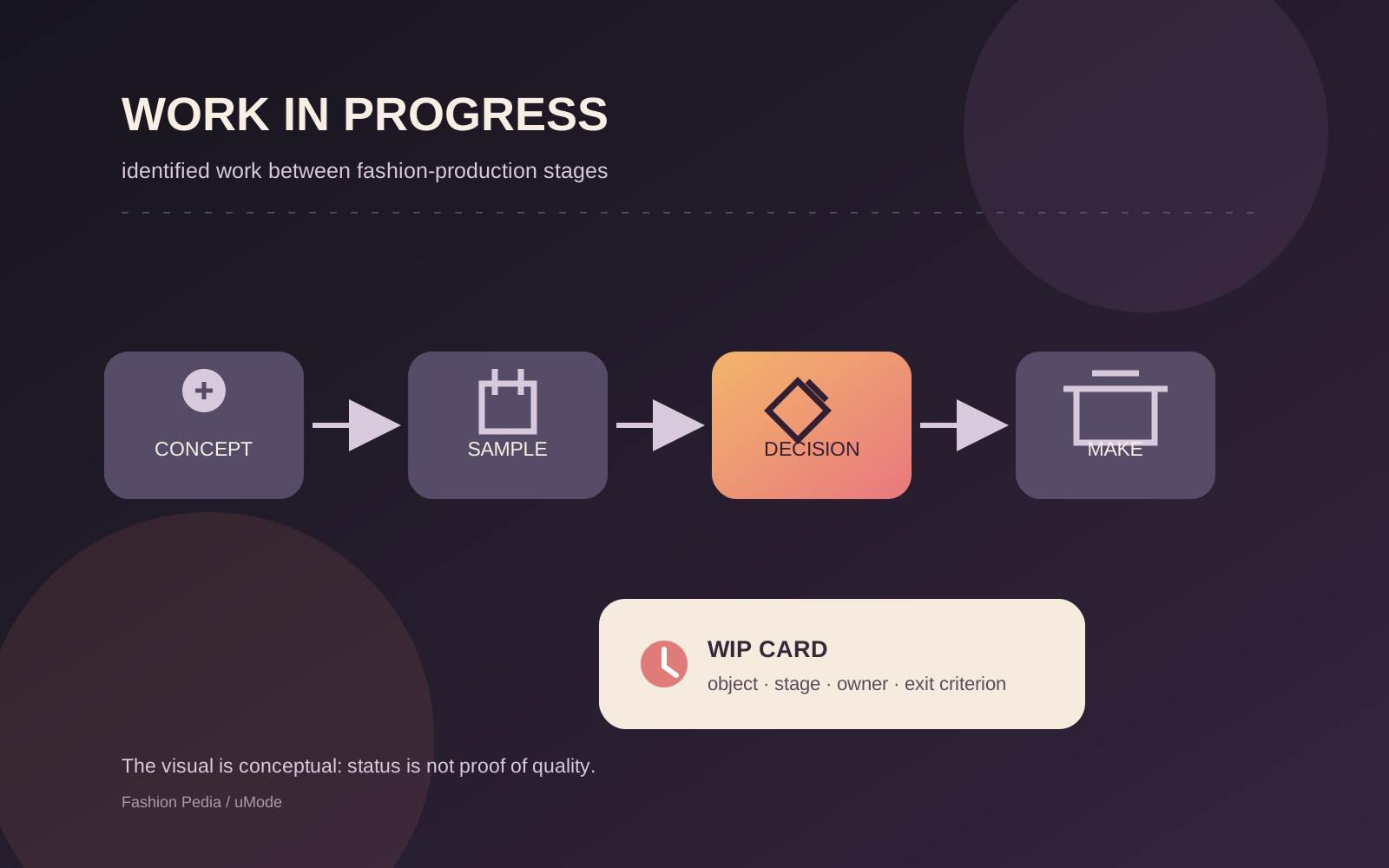
Work in progress in fashion production
Work in progress in fashion production. Work in progress (WIP) is work located between processing steps and not yet at its defined exit state. In fashion production, the idea helps distinguish samples, approvals and garments in manufacture by stage, criterion and owner.
Want to apply this to your operation?