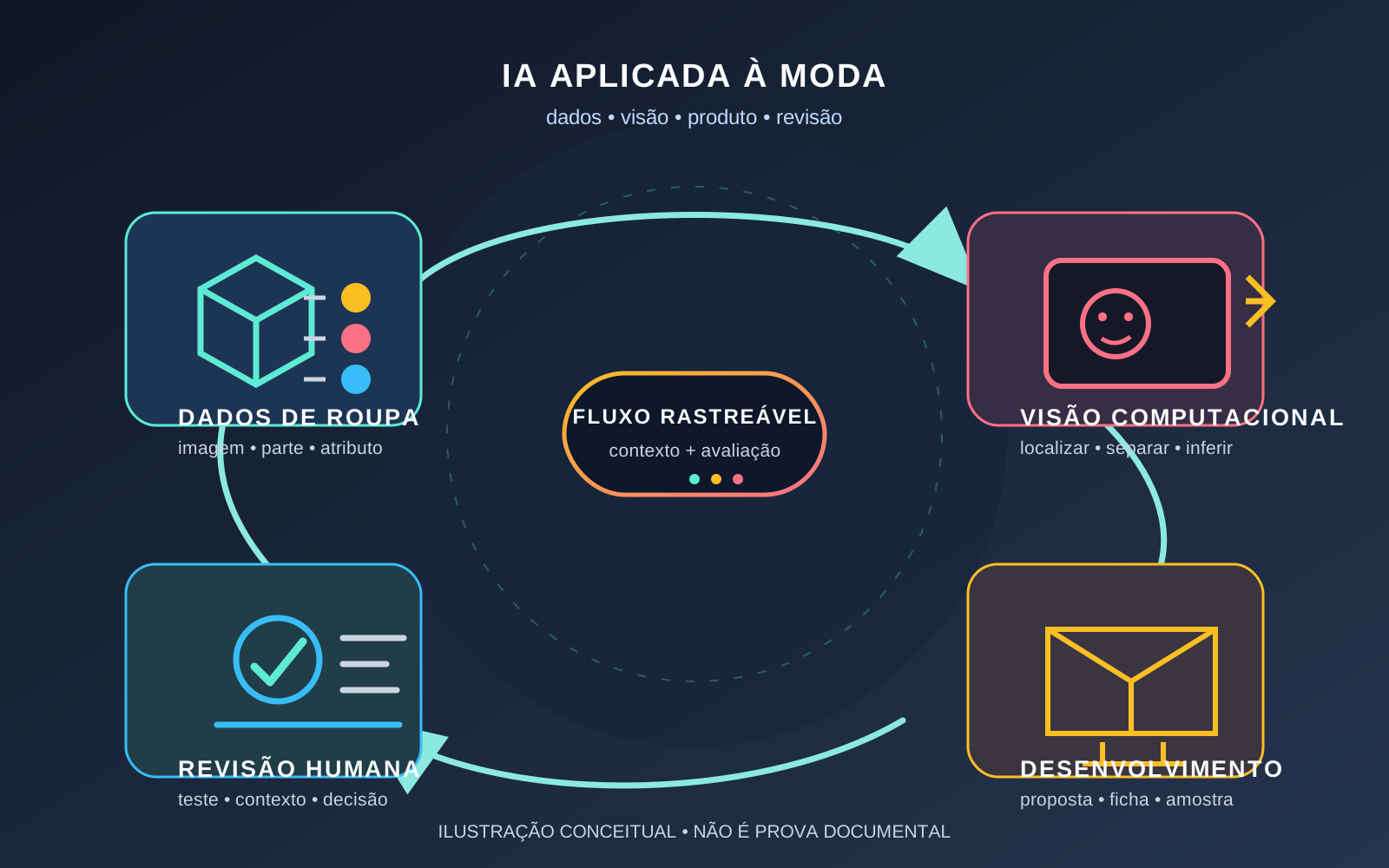
Apparel quality control
Apparel quality control combines specifications, inspection, and testing to check whether fabrics, trims, and garments meet the expected performance for a product and end use. The process can examine color, drape, hand, durability, conformance, defects, fit, seam integrity, shrinkage, and drying performance. Quality decisions depend on the product and its intended use.

On this page
What is Apparel quality control?
Apparel quality control is the process of comparing materials and garments with requirements defined for a product and an end use. It combines a technical specification, inspection, and testing. AATCC provides textile evaluation test methods and procedures used as international standards and cited in government, industry, and individual company specifications. The method should therefore answer the characteristic being checked rather than be selected simply because it is familiar.
Fabric quality may be examined through color, drape, hand, durability, conformance, and the number of defects. For a finished garment, fit and seam integrity also matter; product performance can include shrinkage and smooth drying. This scope prevents a visual impression of one sample from being treated as a complete description of product behavior.
How does inspection organize defects?
Inspection turns an observation into a comparable record. Apparel manufacturers use evaluation systems that assign penalty points based on the number of defects found within a given area of fabric. As a working practice, an inspection record can identify the area examined, describe the defect, state the applied criterion, and keep the lot decision separate from the visual description.
Quality control begins before the finished garment. Fibers, yarns, fabrics, and garments must adhere to the particular specifications for each product because yarn and fabric construction affects performance and costs. This links material, apparel manufacturing process, sample approval, and nonconformity: each stage should make clear which characteristic is being checked and what evidence supports the decision.
What do performance tests add?
Testing adds a controlled way to observe properties that visual inspection alone cannot settle. Durability performance testing measures strength and resistance to abrasion and requires an understanding of sample preparation, testing, and evaluation. In practice, the record should keep the sample, method, result, and acceptance criterion together so that a later comparison does not mix different questions.
AATCC also maintains Proficiency Testing Programs that compare results with hundreds of laboratories worldwide. These programs support laboratory certification and continuous improvement initiatives, but they do not remove the need to define what is suitable for each product. A textile test for strength does not answer a separate question about color, fit, or drape.
How should quality be defined for a product?
There are no universal standards for the durability of all textile and apparel products. The customer and supplier need to agree on satisfactory performance levels for each product and end use. A plan can therefore begin with the garment specification, state the relevant properties, select compatible methods, and record the decision to approve, rework, or reject.
Sampling inspection may support a decision, but the system should preserve the relationship between the area examined, defects found, and criterion used. During development, the technical specification and sample approval make expectations visible; during production, consistent records help review suppliers, materials, and construction without turning an isolated impression into a diagnosis.
Quality control is not a promise that every garment will show no variation. It is a disciplined way to connect a requirement, observation, test, and decision to a product and its end use. That distinction makes the process useful to development teams, suppliers, manufacturers, and inspection staff.
Verified facts
- AATCC provides textile evaluation test methods and procedures used as international standards and cited in government, industry, and individual company specifications.
Source: aatcc.org ↗ - AATCC Proficiency Testing Programs compare results with hundreds of laboratories worldwide and support laboratory certification and continuous improvement initiatives.
Source: aatcc.org ↗ - In apparel manufacturing, fabric quality may be judged by color, drape, hand, durability, conformance, and the number of defects.
Source: cottonworks.com ↗ - Garment quality is also judged by fit and seam integrity, while product performance includes shrinkage and smooth drying.
Source: cottonworks.com ↗ - Apparel manufacturers use evaluation systems that assign penalty points based on the number of defects found within a given area of fabric.
Source: cottonworks.com ↗ - Fibers, yarns, fabrics, and garments must adhere to the particular specifications for each product; yarn and fabric construction affects performance and costs.
Source: cottonworks.com ↗ - Durability performance testing measures strength and resistance to abrasion and requires an understanding of sample preparation, testing, and evaluation.
Source: cottonworks.com ↗ - There are no universal standards for the durability of textile and apparel products; customer and supplier need to agree on satisfactory performance levels for each product and end use.
Source: cottonworks.com ↗
Related entries
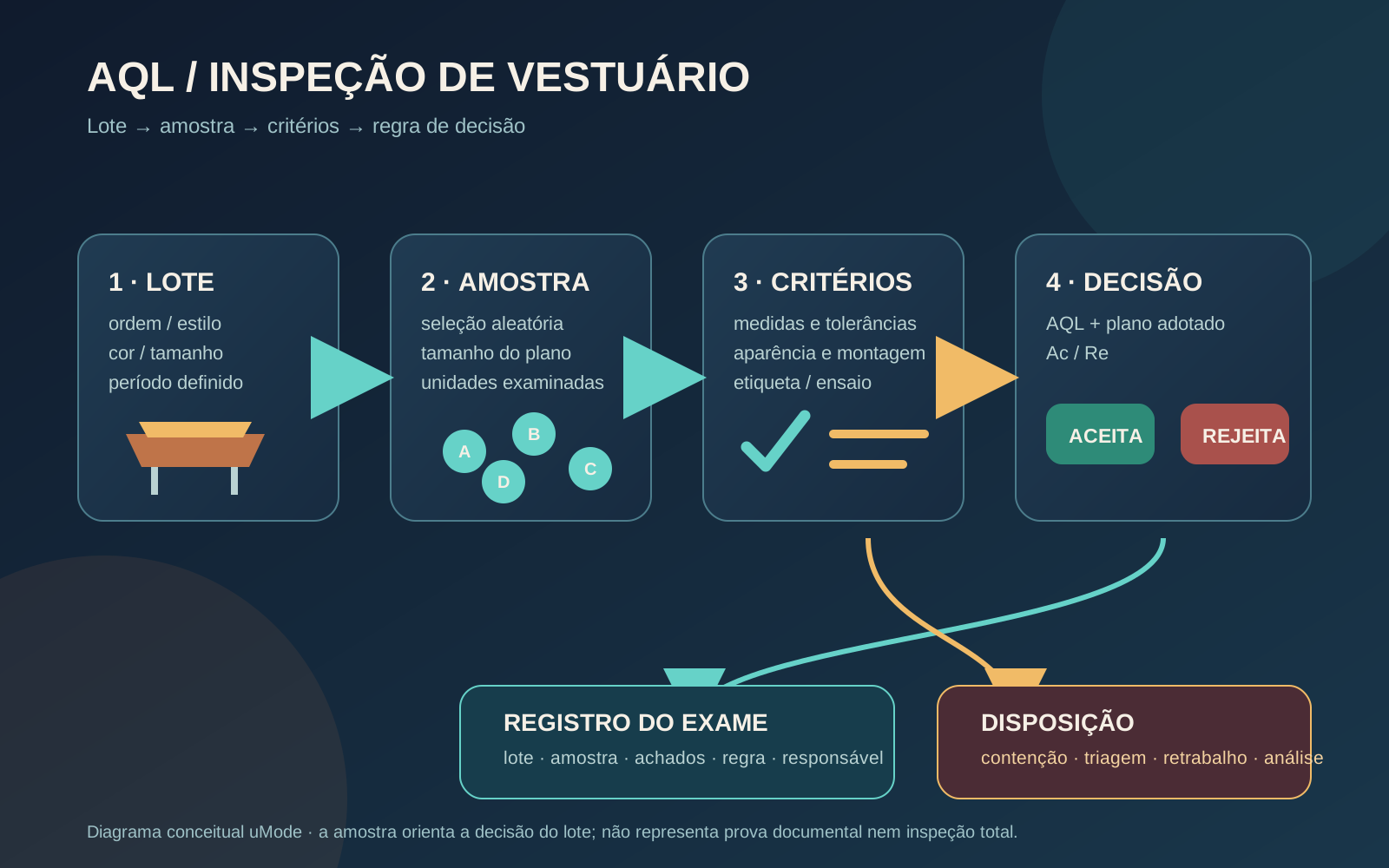
AQL inspection in apparel
AQL inspection in apparel applies acceptance sampling to a lot of garments: a sample is examined under a decision rule to accept, reject, or continue sampling. AQL is a reference quality level expressed as a defective percentage; it is not a universal supplier grade or proof that every garment conforms.

Fashion product technical specification
A technical specification is the controlled information set that translates an approved fashion product into verifiable sampling and manufacturing requirements. It brings together drawings, materials, measurements, construction, tolerances, identification, labelling, comments and revision history; its content varies by category, company, market and stage.
Sources
Want to apply this to your operation?