Fashion sample approval
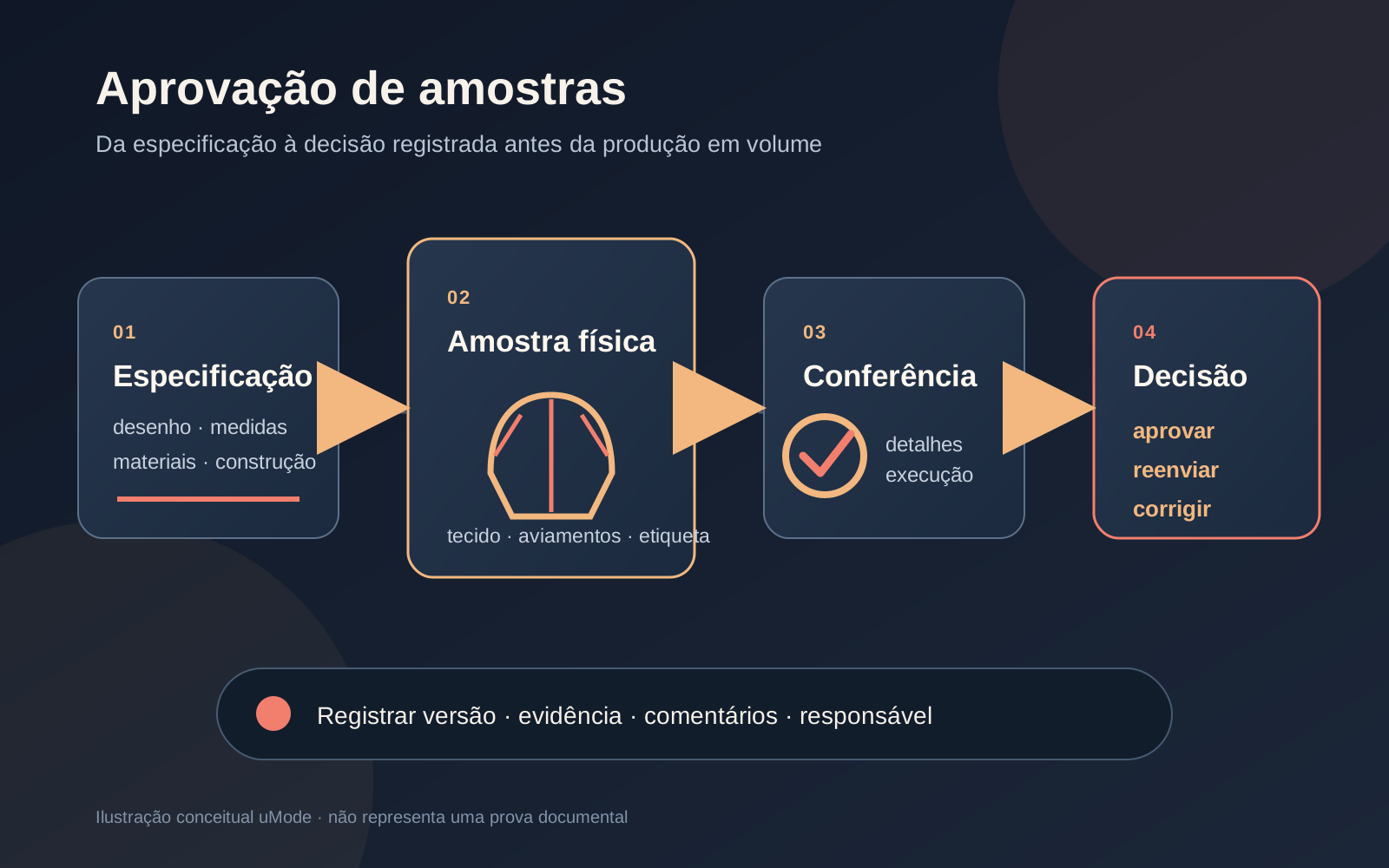
Fashion sample approval is the process of comparing a physical sample with documented requirements for style, materials, construction and identification, recording deviations and deciding whether the garment can proceed, needs resubmission or requires correction before volume production.
On this page
What is Fashion sample approval?
Fashion sample approval is a controlled decision about a physical garment: the team compares the sample with the available specifications, records what it observed and defines the next state. In practice, a PP sample is made before volume production with the style's actual fabric, trims and accessories. This scope distinguishes it from fashion prototyping, which explores an idea, and from garment fitting, which focuses on wearing, drape and fit.
The decision unit must be explicit. Identify the style, version, size, materials, vendor, dispatch date and reviewer. The record should separate requirement, observation, comment and decision; do not turn an isolated opinion into an implied approval. The specification sheet — related to the tech pack and technical sheet — is a working reference for comparing measurements, design, construction and comments. If the reference changed, the decision should identify which version was assessed.
How is the decision built?
The buyer or responsible team checks the PP sample's detailing and workmanship against the style specification. The question is not only “do we like the garment?” but “what was checked, against which reference, and which decision is valid for this sample?”. Record each deviation on its own line, with its location on the garment, an observable description, an owner and a next action. This keeps a required correction distinct from a workmanship comment or an open design choice.
When a sample shows a variation, the operational routes described for this stage include requesting a new submission or confirming volume production with comments for correction. The record should make the route explicit, including what was not approved and the condition for reassessment. After approval, a seal or identification can keep the garment as a production reference; it does not remove the need to control version, comments and changes. The relationship with pilotage is direct, but the stages are not synonyms: approving a sample decides on the assessed reference, while pilotage concerns execution under production conditions.
A pre-production meeting can consolidate what was approved, what was not and which actions are needed to follow the specifications and comments. To be useful, its record should link each action to the sample, version and owner. Avoid an approval with no object or date: it cannot show which garment was examined or which instruction should reach the factory.
What should be checked before production?
Verification starts with the information that supports the decision. A garment specification sheet brings together construction details, measurements, sketches, guidelines and comments; the team can therefore use it as a comparison list without assuming that it replaces physical sample inspection. Check design, materials, labeling and construction — including stitching — and record the result for each group. When fit or comfort is uncertain, route the garment to garment fitting rather than mixing that investigation into the release decision.
Pre-production planning also covers sample development and approval, raw material sourcing and testing, costing, pattern making and process planning. These elements can change what needs confirmation before volume production. A change to fabric, trim, construction or label should return to the record and current reference; it should not remain only in a parallel conversation.
The final decision should use understandable states, such as approved, resubmit for correction or approved with comments. The exact names belong to the company's procedure, but the criterion should be written and repeatable. Preserve the approved sample, its comments and the version that generated them. In this way, sample approval becomes a passage point between the critical path, specification, pilotage and production, without claiming that one approval resolves every later check.
Verified facts
- A pre-production (PP) sample is made before volume production starts and uses the actual fabric, trims and accessories of the style.
Source: onlineclothingstudy.com ↗ - The buyer checks the PP sample's detailing and workmanship and may approve it when it follows the style specification.
Source: onlineclothingstudy.com ↗ - After approval, the buyer may seal the PP sample and return it to the vendor as a reference for volume production.
Source: onlineclothingstudy.com ↗ - When the buyer finds a variation in the sample, they may request a resubmission or confirm volume production with comments for correction.
Source: onlineclothingstudy.com ↗ - A pre-production meeting discusses what was approved, what was not, and which actions should follow the PP sample's specifications and comments.
Source: onlineclothingstudy.com ↗ - Pre-production planning includes sample development and approval, raw material sourcing and testing, costing, pattern making and process planning.
Source: techpacker.com ↗ - A garment specification sheet brings together construction details, measurements, sketches, construction guidelines and comments to communicate the concept to the manufacturer.
Source: techpacker.com ↗ - A pre-production sample allows design, materials, labeling and construction details such as stitching to be examined before large-scale production.
Source: techpacker.com ↗
Related entries
Fashion Product Prototyping
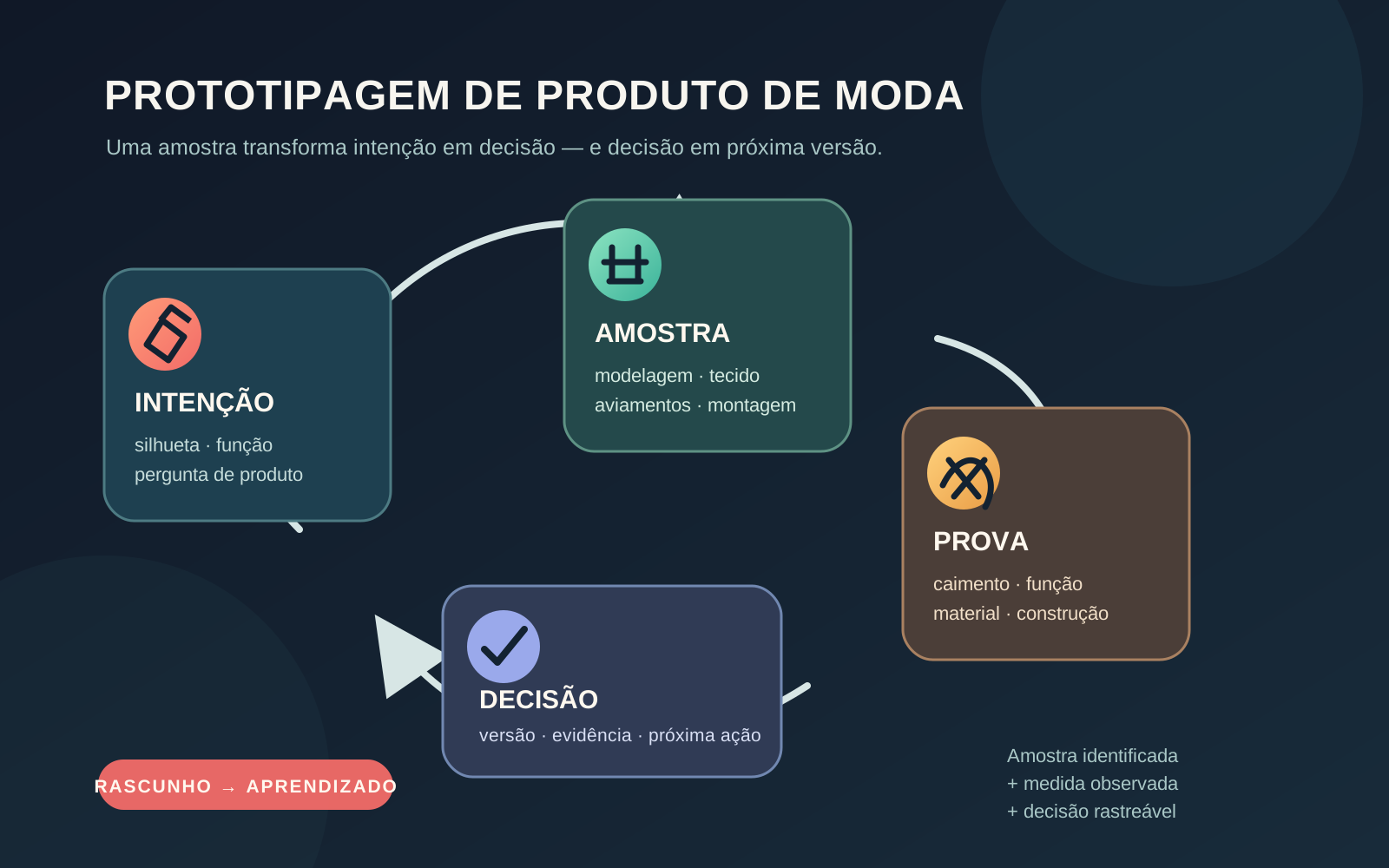
Fashion product prototyping is the process of building and evaluating samples that turn a design intention into a specified, fitted and manufacturable product. It connects design, patternmaking, materials, construction, fit and revision records before a production decision.
Garment fitting
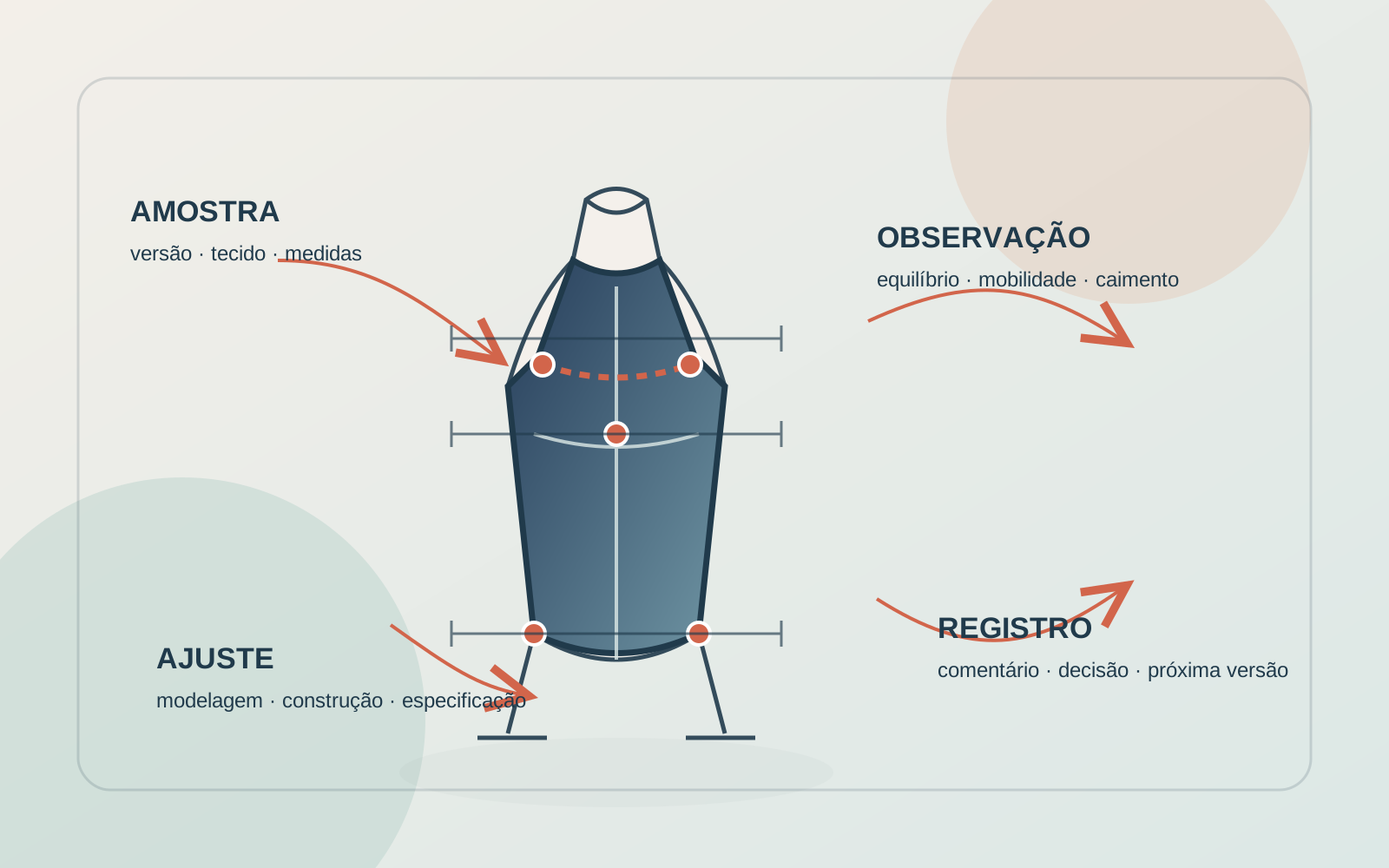
Garment fitting is the process of comparing a dressed sample with a style's design, specifications, and intent. The team observes fit, balance, movement, and construction, records decisions, and sends changes into the next version.
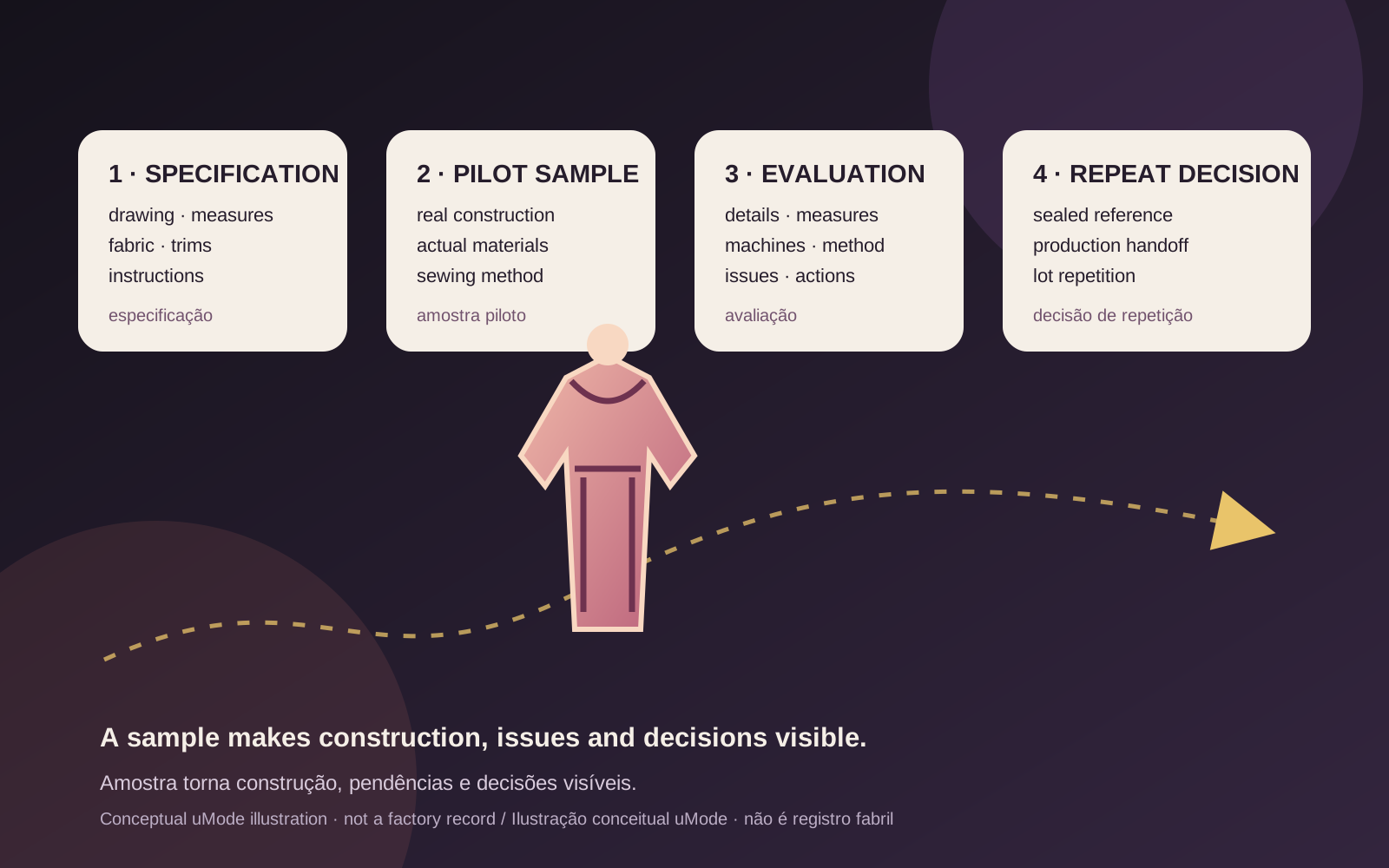
Garment production pilot sample
Garment production pilot sample. A garment production pilot is the development, review and approval of a product sample under product-making conditions. It connects the technical pack, materials, measurements, tests, construction and decision-making before the garment is repeated in production.
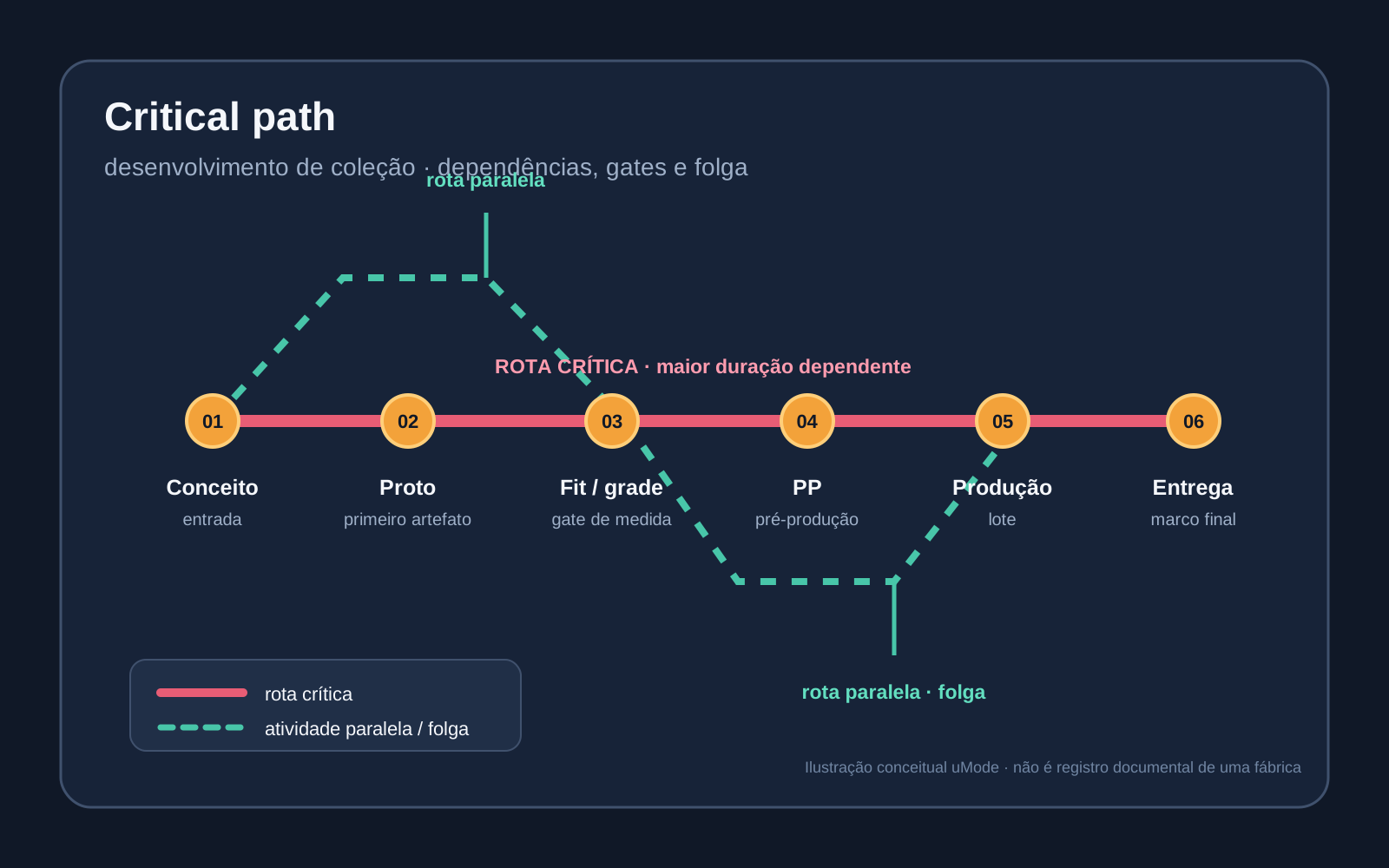
Critical path in collection development
Critical path in collection development is a scheduling method that organizes dependent activities, durations, and milestones to reveal the sequence that sets the shortest possible project duration. In apparel, it can position sample gates without treating the critical path as a simple list of approvals.

Fashion product technical specification
A technical specification is the controlled information set that translates an approved fashion product into verifiable sampling and manufacturing requirements. It brings together drawings, materials, measurements, construction, tolerances, identification, labelling, comments and revision history; its content varies by category, company, market and stage.
Sources
Want to apply this to your operation?