Collection line plan
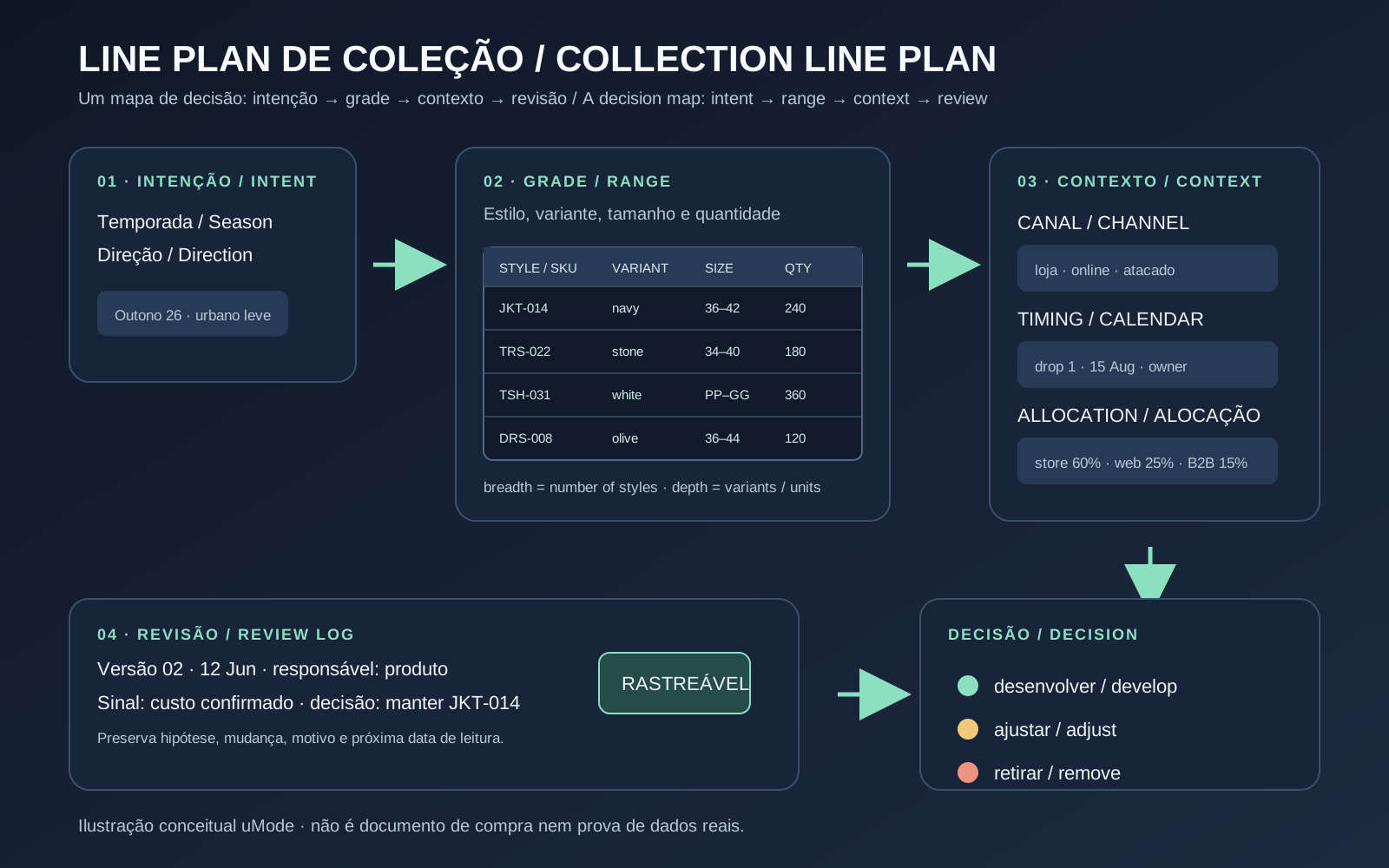
A collection line plan is the operating record that turns collection direction into a grid of styles, variants, sizes, channels, quantities and decision milestones. It defines what is planned for development or buying without replacing a tech pack, budget, forecast or product validation.
On this page
What is Collection line plan?
A collection line plan is an operating map of the planned offer: each row connects a style or family to variants, sizes, channel, timing, planning unit and working quantity. In fashion retail, assortment planning organizes seasonal styles across stores and channels while considering styles, sizes and colors; a line plan uses that logic as a collection decision grid.
The distinction from a collection map is the level of commitment. A collection map gathers intent, references and visual coherence. A line plan asks which options enter, where they will be offered and which decision must move forward. A product mix describes the composition of the set; the line plan records that composition as rows that can be reviewed.
How should breadth and depth be separated?
Start with one row per style or family and separate breadth from depth. Breadth is the number of style options; depth is the amount of variants, sizes or units assigned to an option. Do not put color, size range and total volume into one cell: they answer different questions.
A workable minimum grid can include style identifier, category, variant, size range, channel, delivery window, planning unit, planned quantity, owner, premise source and review date. These are working conventions, not a claim that every line plan requires the same software. The design can connect to PLM when a lifecycle system exists; IBM describes PLM as an end-to-end approach and highlights centralized product-data repositories for collaboration and course correction.
Quantity decisions also need context. Oracle distinguishes the merchandise plan, connected to budget and the total seasonal selection, from the detail of styles and channels. Link the line plan to the budget and to price architecture, but do not use the grid as a substitute for a budget, cost sheet, tech pack or forecast.
How do channel, calendar and review fit together?
Treat channel and calendar as decision dimensions, not loose notes. For every row, record whether the intent serves store, online, wholesale or another channel, along with delivery window and owner. Oracle notes that allocation can take channel or store performance, space and geography into account; that supports separating the overall grid from channel-specific allocation without turning a retail example into a universal rule.
The calendar should allow a review before commitment and a reading during the season. Assortment planning often occurs at least six months before a season and, in season, demand, daily sales and inventory can guide adjustments. In planning practice, mark the direction lock, sample approval, cost confirmation, buying decision and post-launch reading.
At each review, preserve the previous version, reason for change, responsible person and observed signal. A row can be developed, adjusted or removed; the record should not erase the hypothesis behind the choice. Demand planning can feed the discussion, but it is not the line plan itself.
What does a line plan not solve?
A line plan controls offer scope and decisions; it does not prove that a product was approved, produced, delivered or sold. It also does not replace a tech pack, prototype, quality validation, cost calculation, purchase order or performance reading. This boundary matters: a well-filled row may still depend on a sample, production capacity or a later commercial decision.
Use the document when a conversation needs to move from broad references to a comparable grid. If each team uses a different definition of unit, channel, date or quantity, fix the convention before comparing rows. The process is valuable because it makes choices, owners and changes explicit—not because it creates a spreadsheet that looks final.
How does it connect to neighboring documents?
A line plan connects collection map, product mix, price architecture, size range, demand planning and PLM, while each document answers a different question. Keeping those boundaries visible prevents a range grid from being used as proof of aesthetic intent, cost, capacity or sales performance.
Verified facts
- In fashion retail, assortment planning organizes seasonal styles and allocates them to stores and other channels while considering styles, sizes and colors.
Source: oracle.com ↗ - Oracle describes assortment planning as tactical and responsive to local market conditions and sudden shifts in demand.
Source: oracle.com ↗ - Assortment planning relies mainly on complete, accurate sales data going back several years and on product-attribute data.
Source: oracle.com ↗ - Assortment allocation can consider channel or store performance over time, space limitations and geographic location.
Source: oracle.com ↗ - Oracle describes a merchandise plan as setting the budget for seasonal merchandise and the total selection across all channels.
Source: oracle.com ↗ - Assortment planning often takes place at least six months before a season begins.
Source: oracle.com ↗ - During the season, retailers monitor current demand, daily sales results and fluctuating inventories to make needed adjustments.
Source: oracle.com ↗ - IBM defines PLM as a strategic approach for managing a product lifecycle end to end, from concept and design through procurement, production, service and disposal.
Source: ibm.com ↗ - IBM says PLM tools provide centralized product-data repositories that enable collaboration across teams and course correction.
Source: ibm.com ↗
Related entries
Collection map
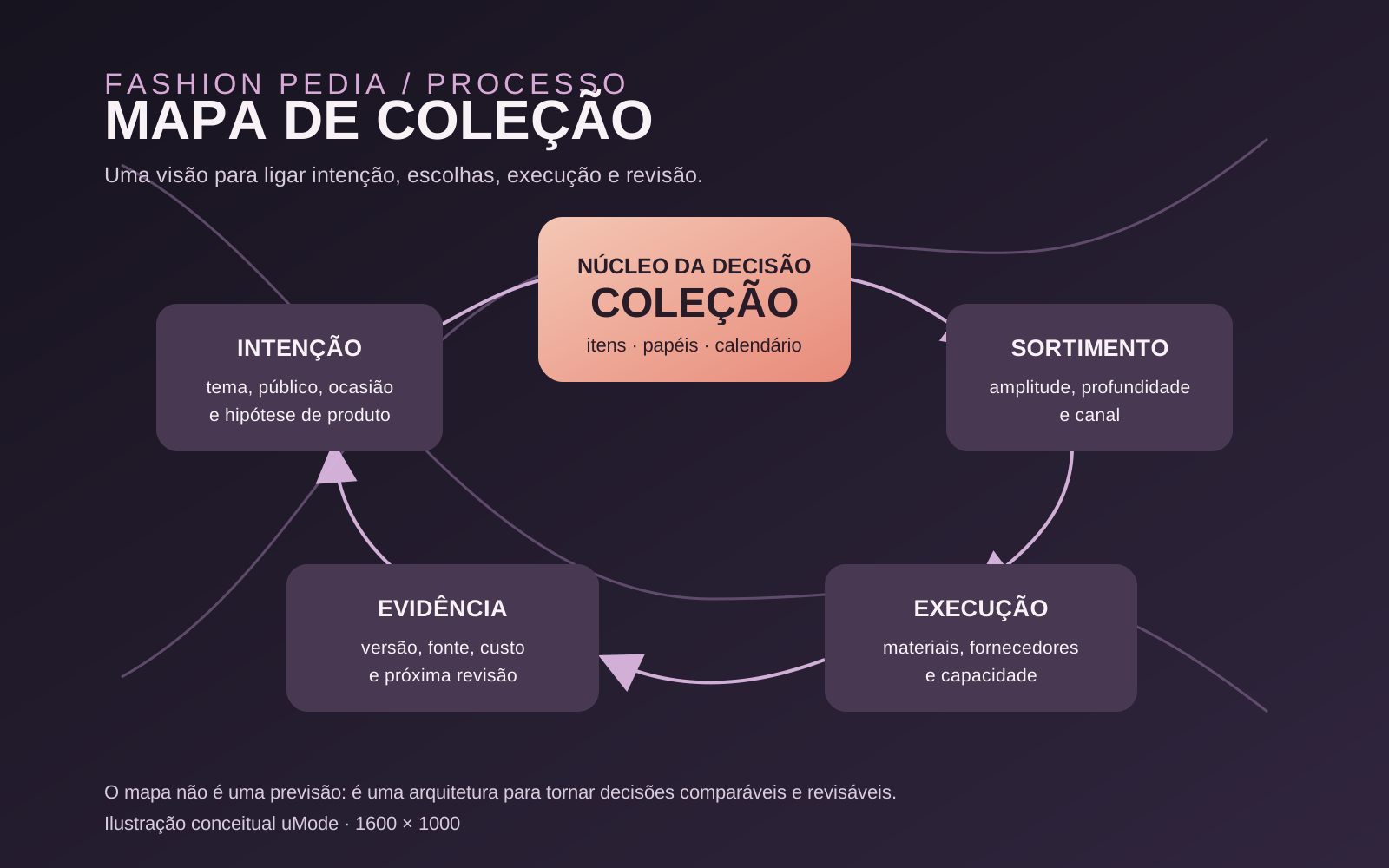
A collection map is a process view that makes the relationships between intent, items, assortment, execution, and review explicit. It organizes hypotheses and decisions for comparison without confusing planning with a guaranteed forecast or automatic purchasing authority.
Product mix
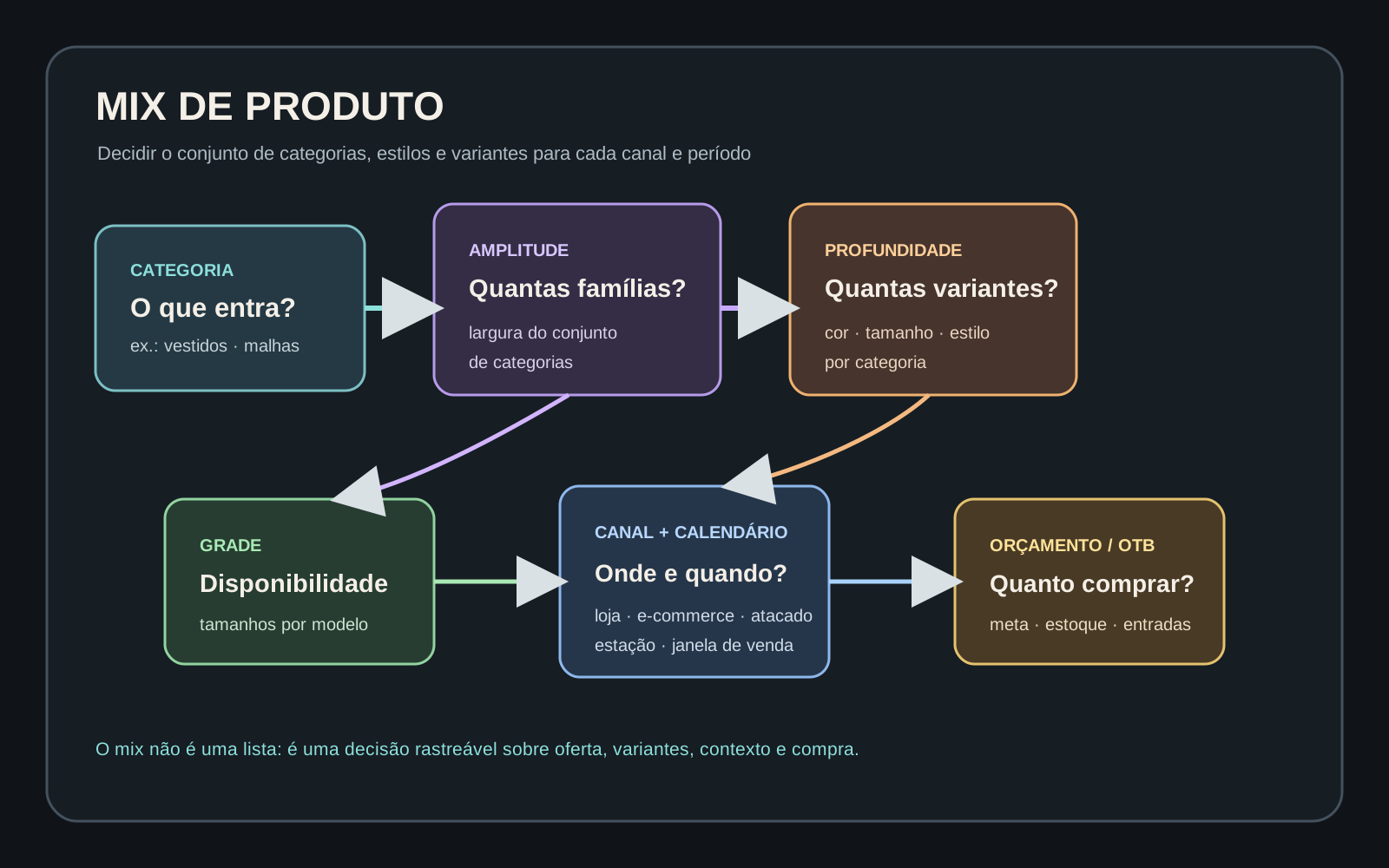
A product mix is the decision about which categories, styles, and variants a fashion operation offers in each channel and period. The process separates breadth, depth, size range, demand, and buying so a collection intention becomes a checkable offer.
Fashion price architecture
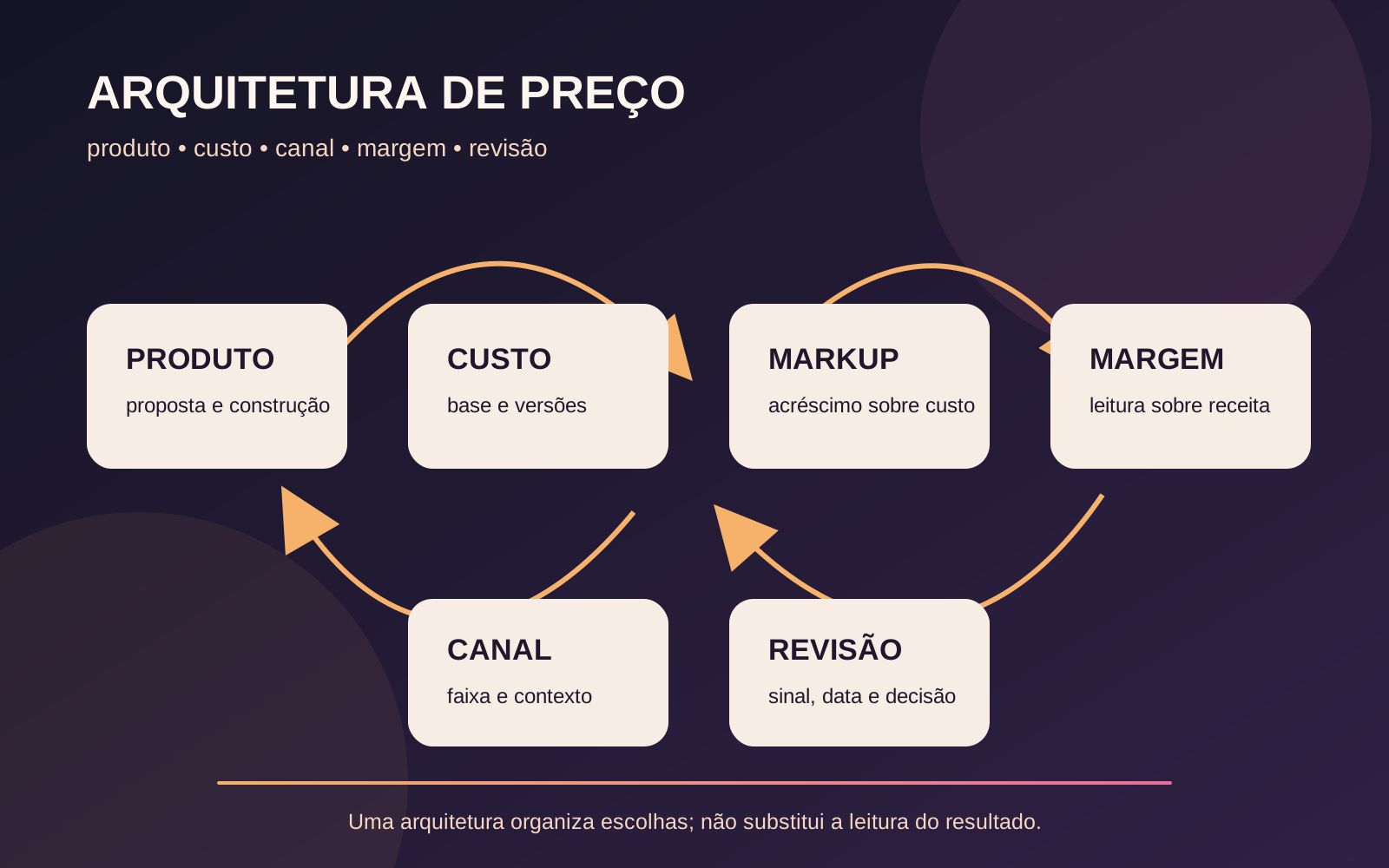
Fashion price architecture is the process of organizing costs, markup, margin, channels, and price bands so a collection intention can become comparable decisions. It connects product development with commercial review without treating one percentage as proof of profitability.
Size grading
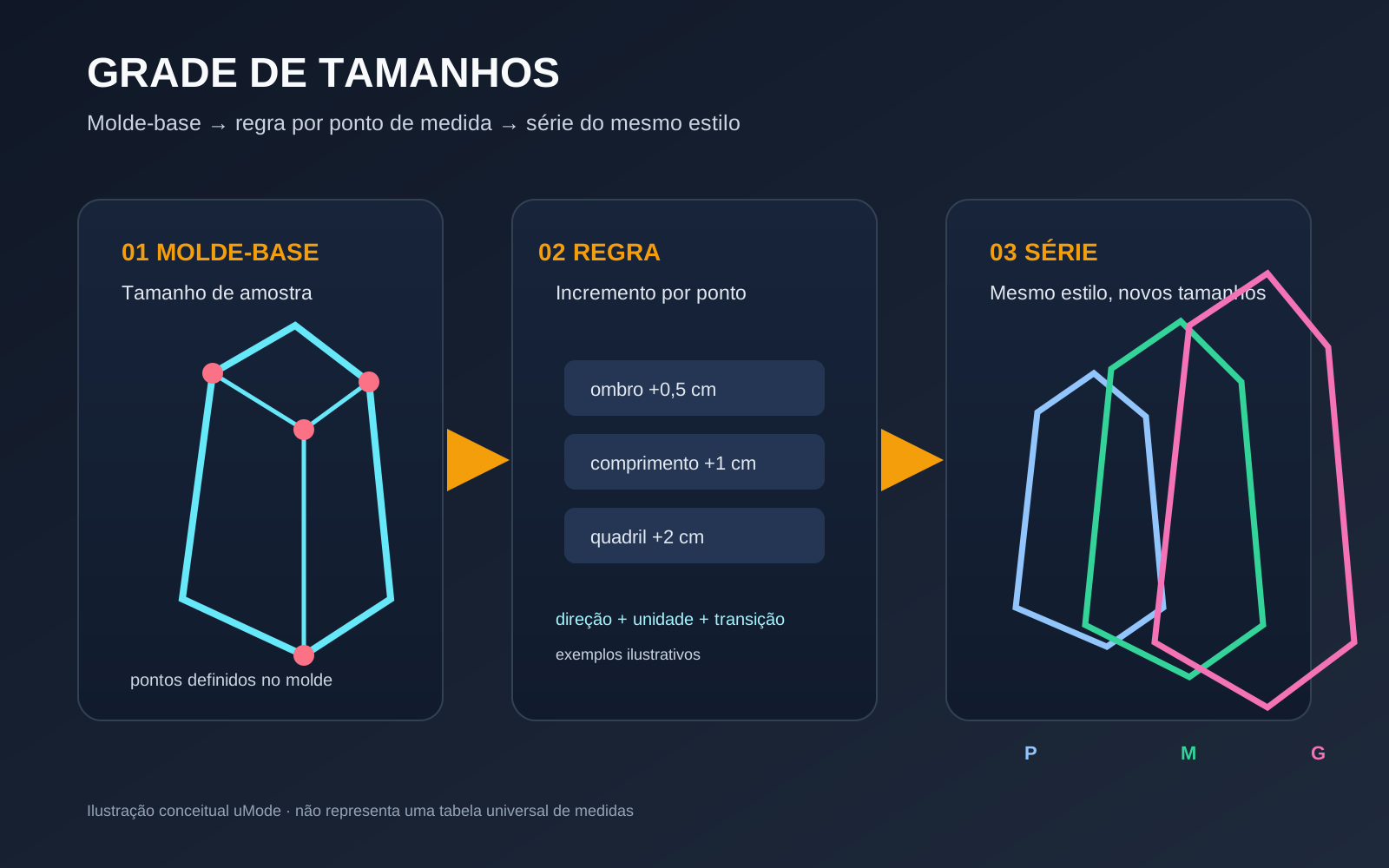
Size grading is the process of turning base-size or sample-size patterns into additional sizes by using a specification sheet or grading increments. A rule changes defined points on the pattern to form a size range for the same style; it does not replace patternmaking or create a new shape.
Demand planning in fashion
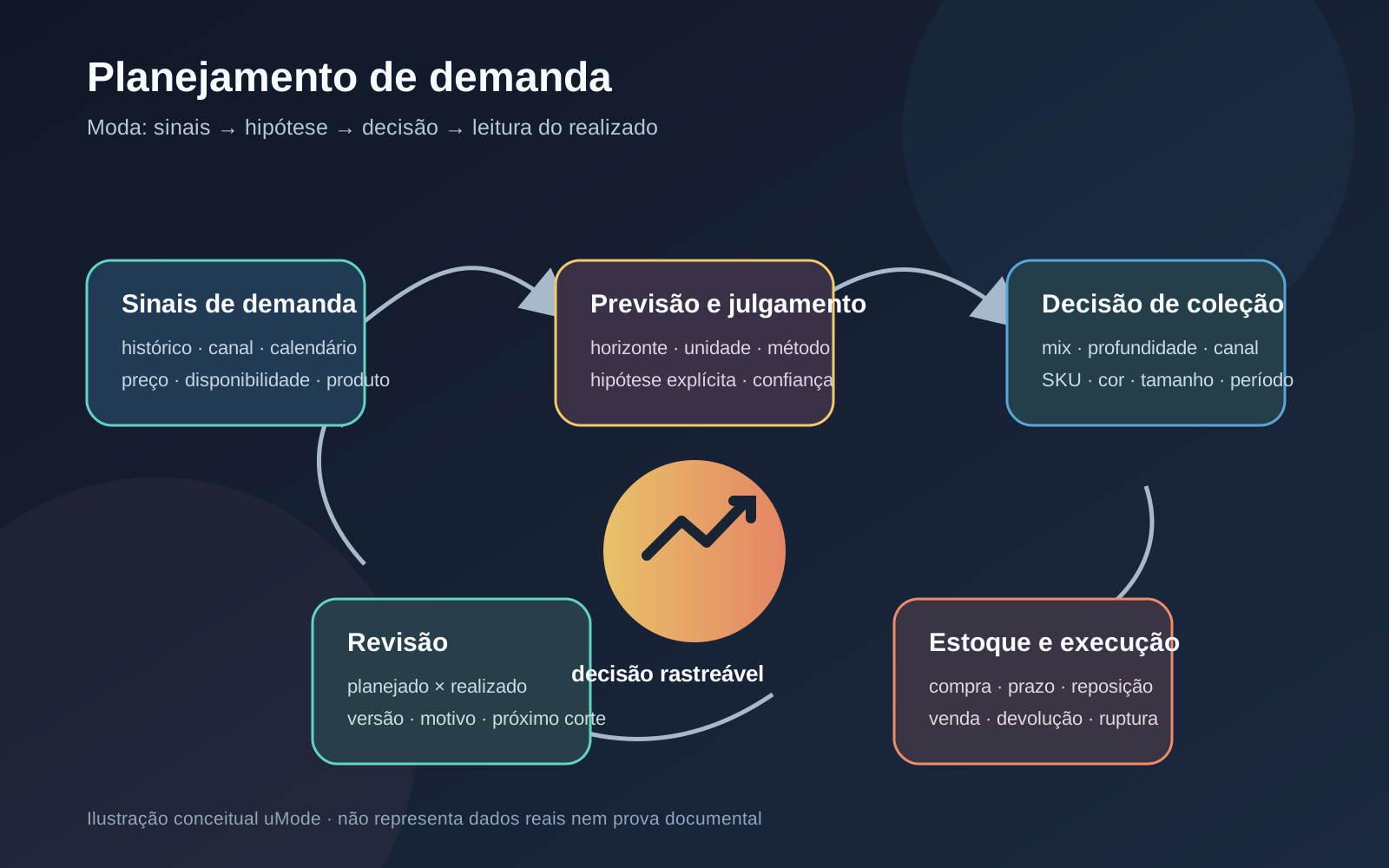
Demand planning in fashion turns demand signals, history, calendar context and judgement into explicit decisions about assortment, volume, channel and review. It combines forecasting with governance: every hypothesis needs a horizon, unit, owner and rule for revision when the collection or market changes.
Sources
Want to apply this to your operation?
