Materials
33 entries
Acetate fiber
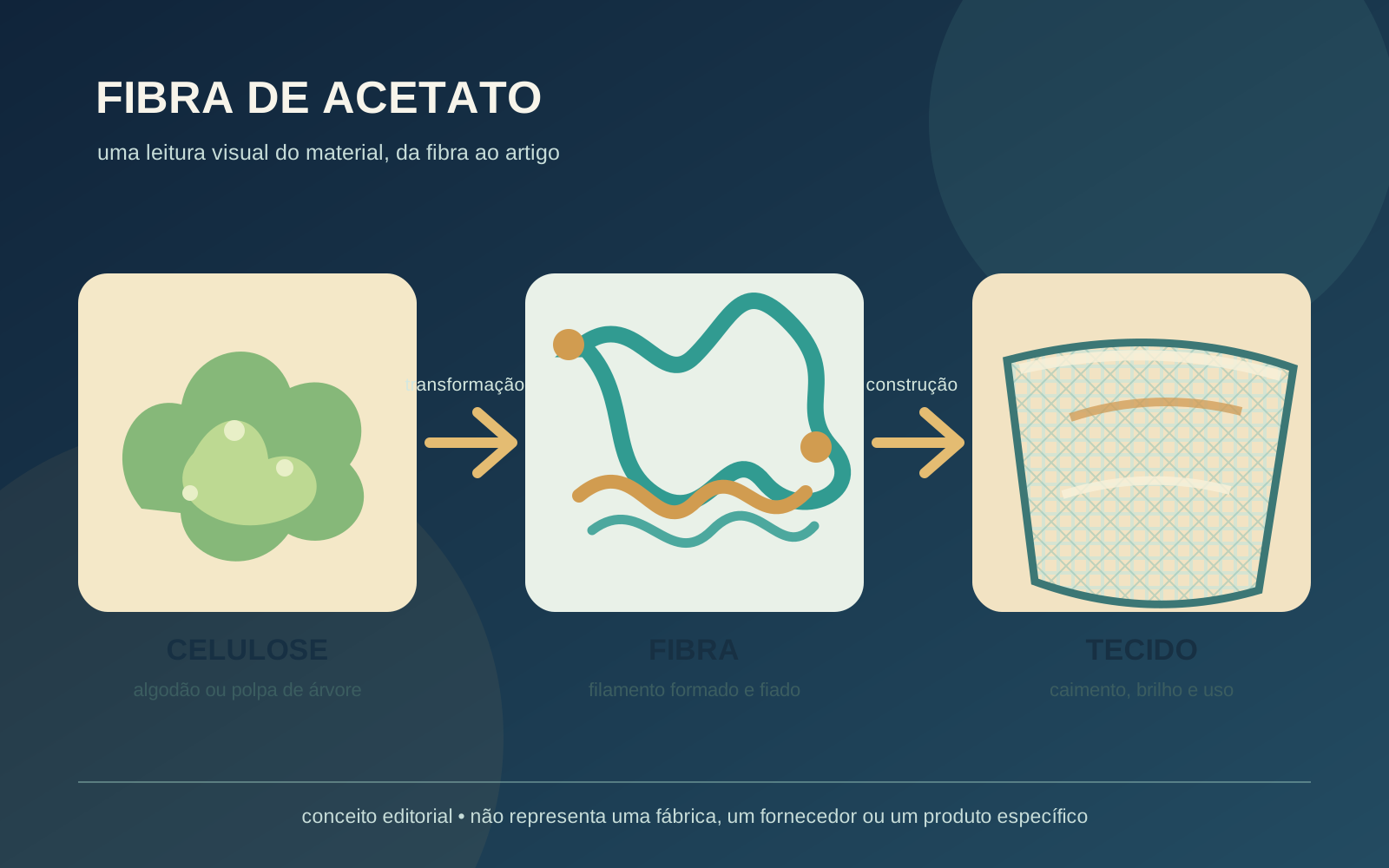
Acetate fiber is a manufactured fiber whose fiber-forming substance is cellulose acetate. In fashion, specifying it means separating fiber, yarn, fabric construction, and finish while checking drape, sheen, care requirements, and the labeling rules that apply to the finished article.
Acrylic fiber
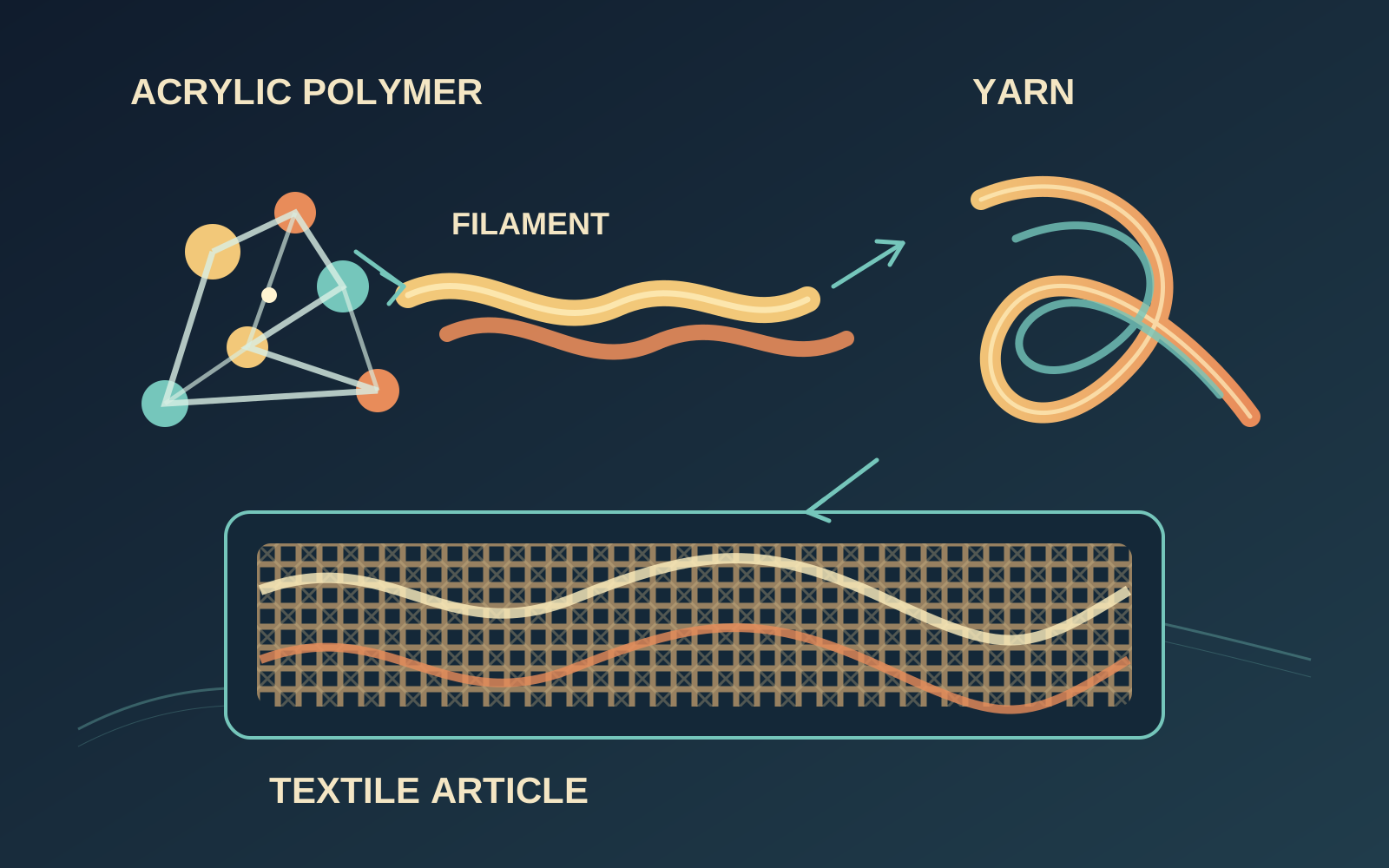
Acrylic fiber is a manufactured fiber formed from a long-chain polymer with at least 85% acrylonitrile units under the US regulatory definition. In fashion, it must be read across composition, yarn formation, fabric construction and finishing: handle, recovery, dyeing and flammability can change with formulation and treatment.
Alpaca fiber
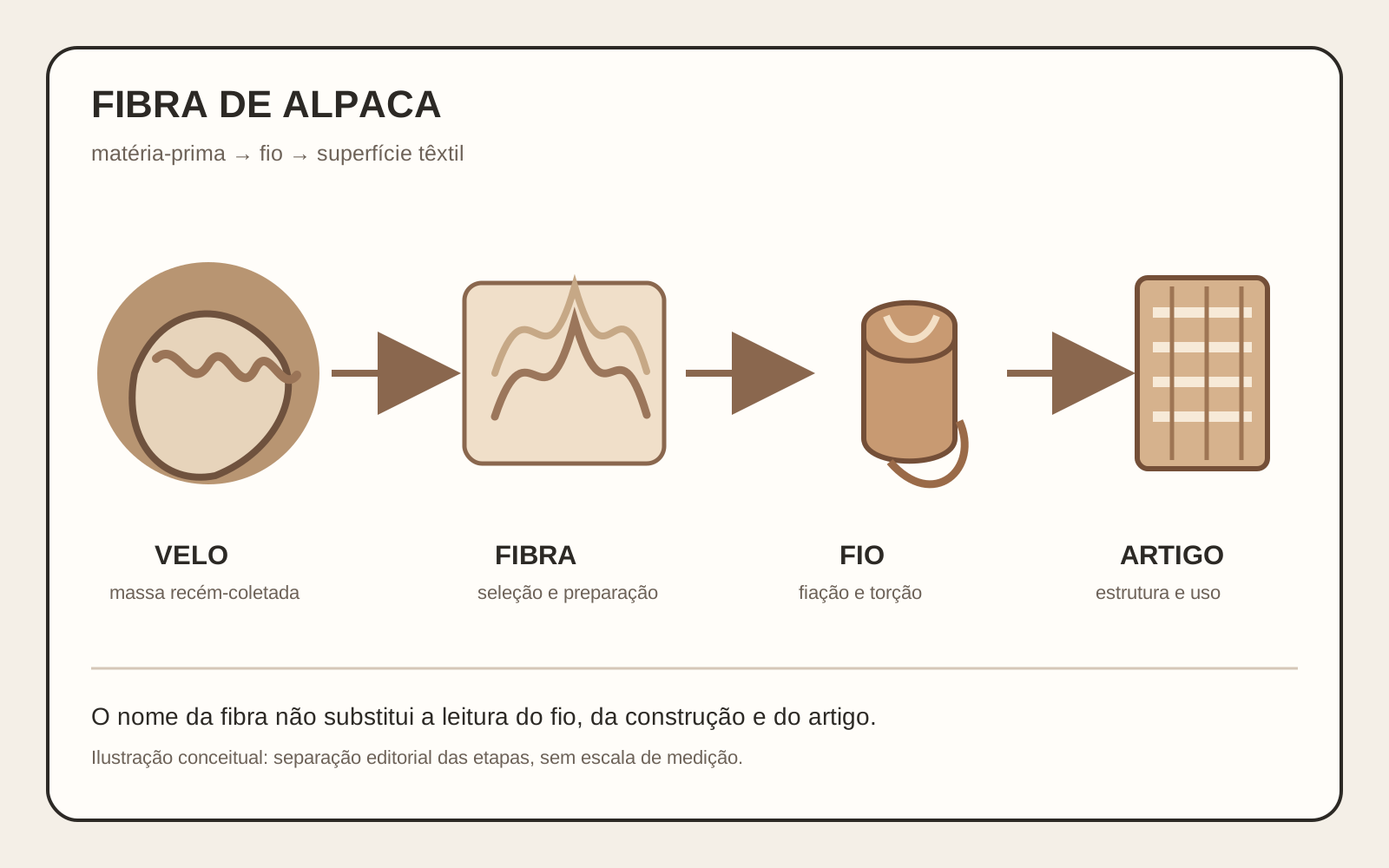
Alpaca fiber is the animal fleece of the alpaca, prepared for yarn and textile articles. Fashion evaluation needs to separate fleece, fibre, yarn and article: fineness, lightness, strength, natural colour, blending and construction answer different product questions, and the material name does not replace a product specification.
Cashmere
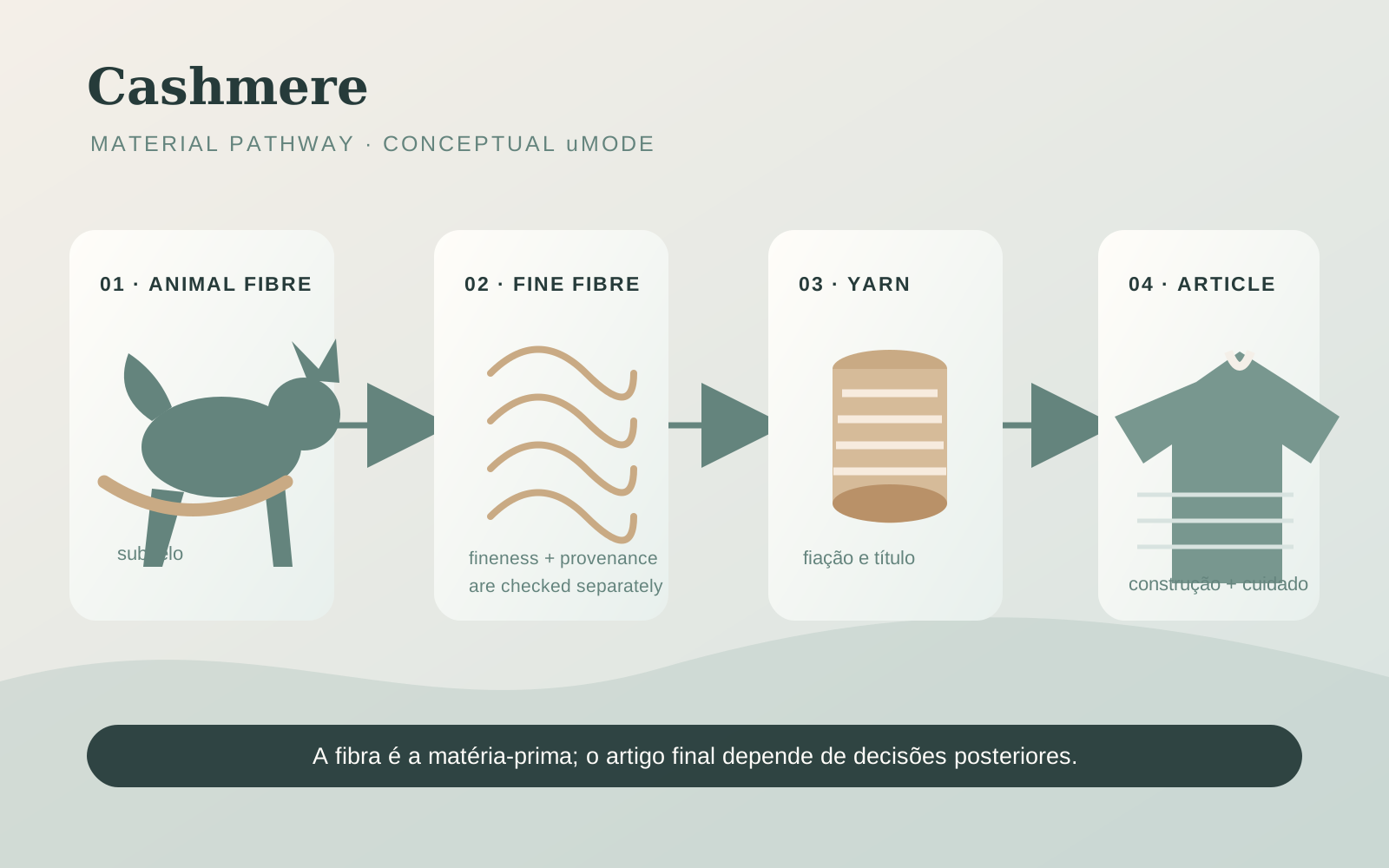
Cashmere is the hair of the cashmere goat, recognised as a textile-fibre name in the European Union. In fashion, the word identifies a raw material; the finished article still depends on fibre selection, spinning, construction, blending, finishing and care.
Chiffon
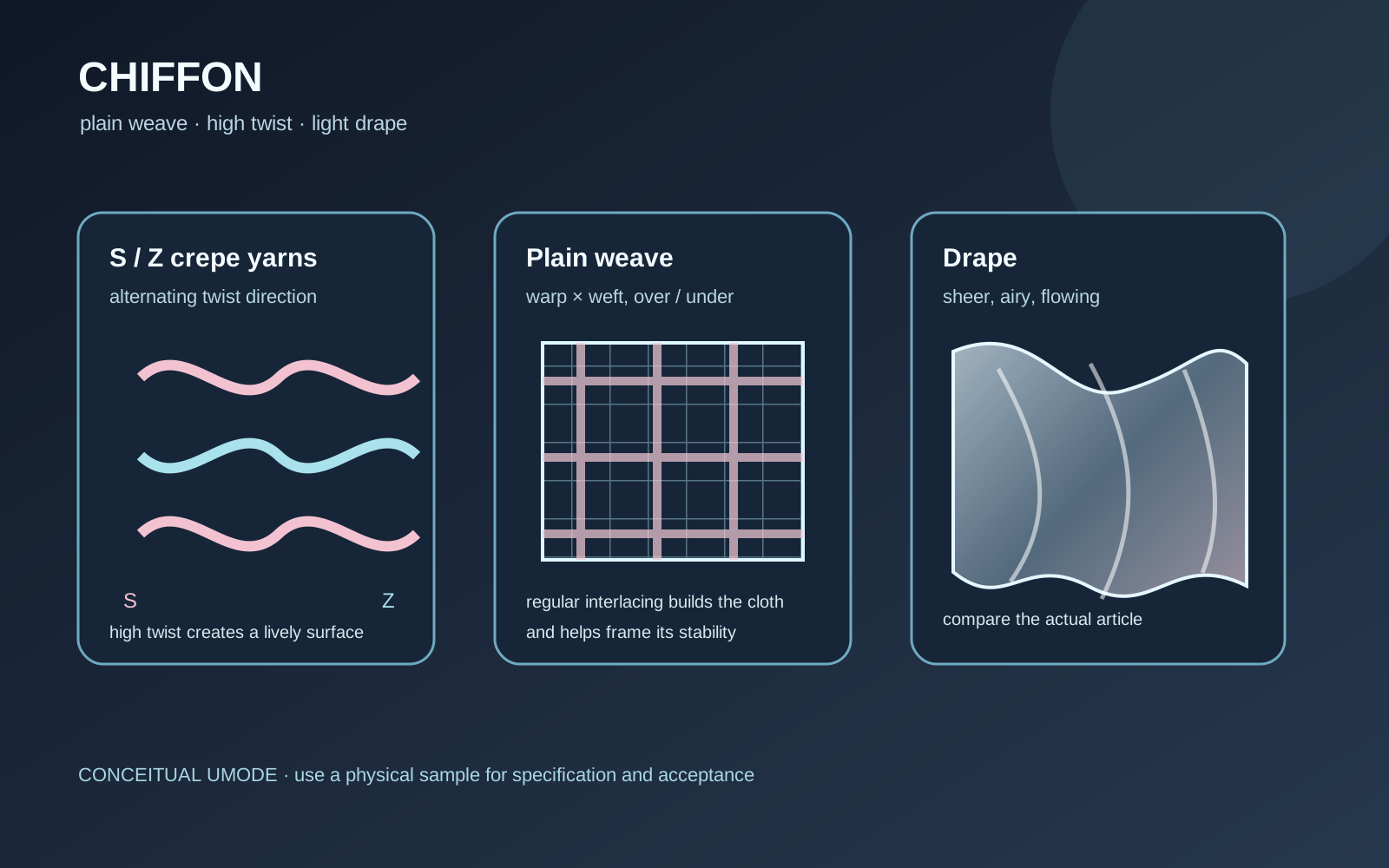
Chiffon is a lightweight, sheer, balanced plain-woven fabric made with alternating S- and Z-twist crepe yarns. The name describes a construction and visual behaviour rather than one fibre: an article may use natural or synthetic fibres, so a specification should separate fibre content, structure, drape and finish.
Cotton
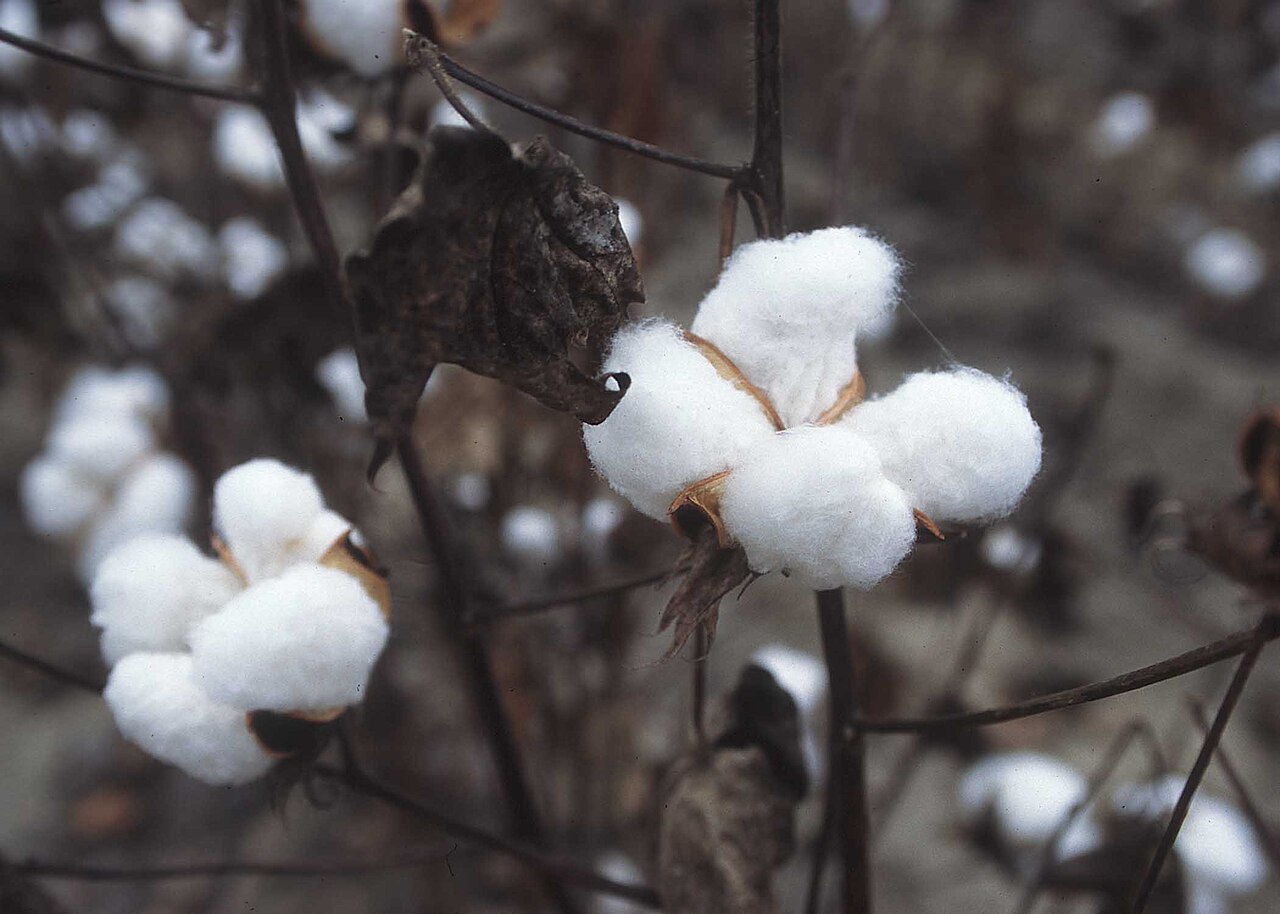
Cotton is the most widely used natural fiber in the global textile industry. Grown around the seeds of the cotton plant (Gossypium), it is prized for comfort, breathability and versatility in apparel.
Crepe
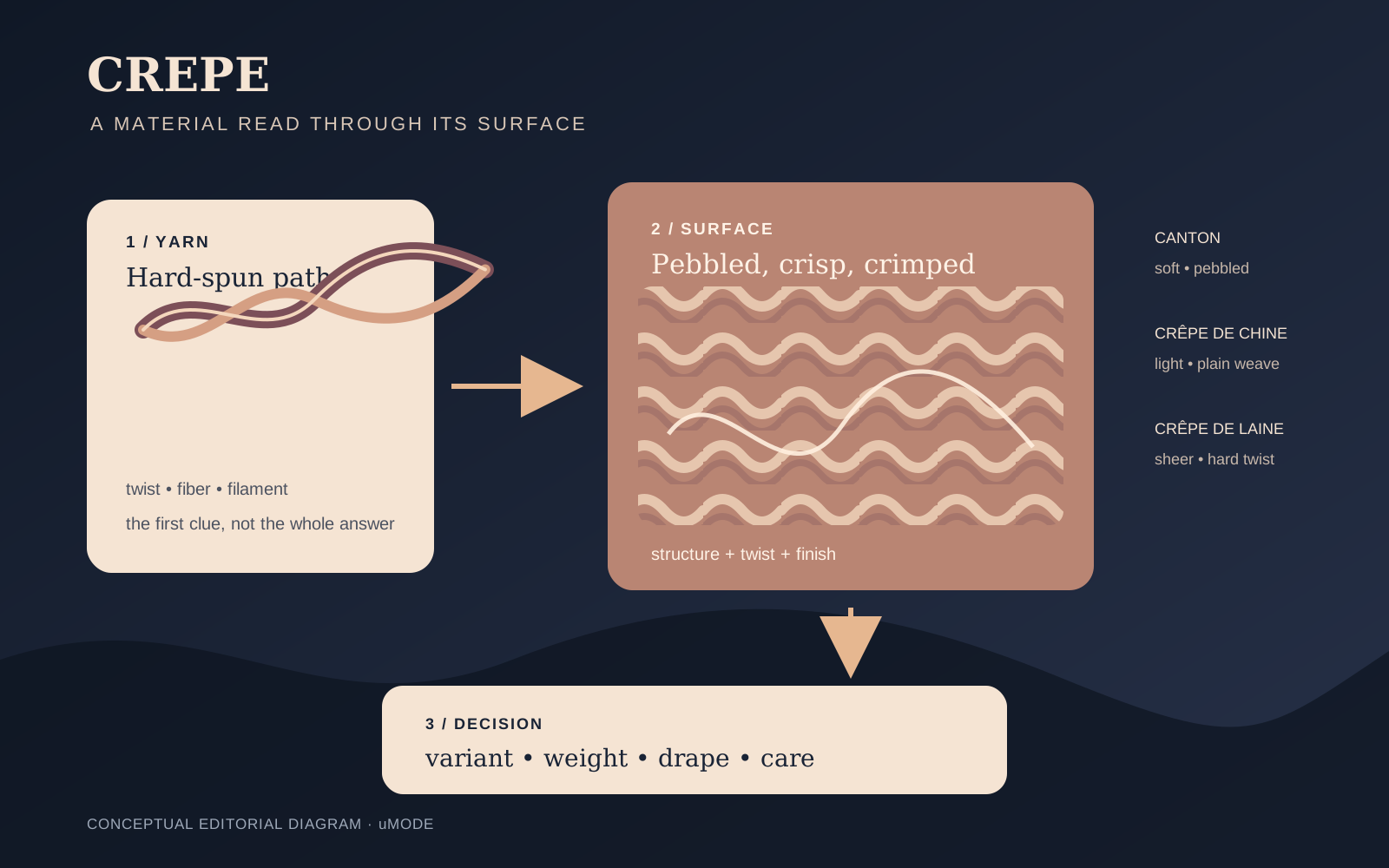
Crepe is a family of fabrics recognized by a crisp, pebbled or crinkled surface. The effect may come from high-twist yarns, twist combinations, structure, weight or finishing, so “crepe” alone does not identify a fiber, composition or guaranteed performance.
Elastane
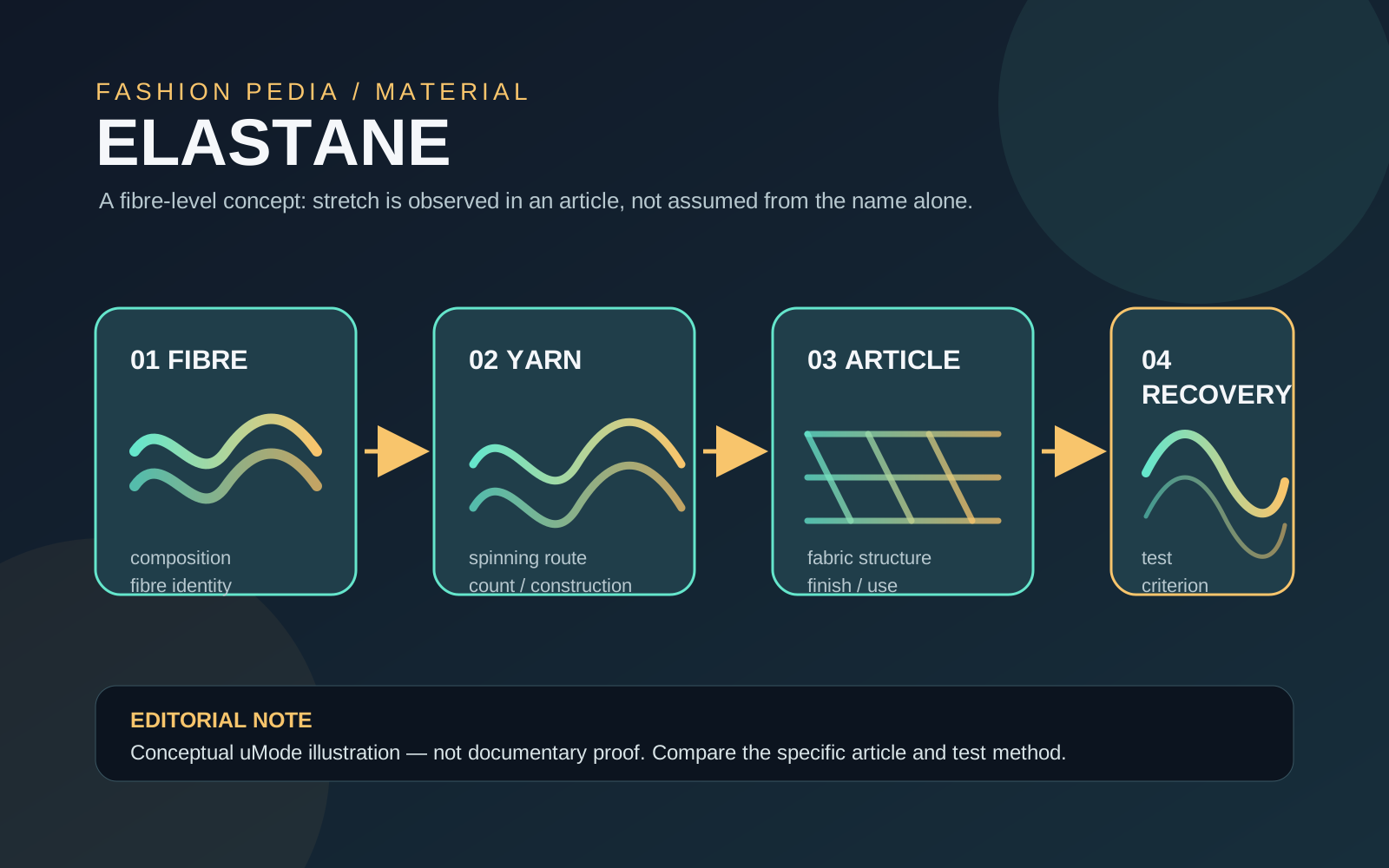
Elastane is a synthetic elastofibre defined in Regulation (EU) No 1007/2011 as containing at least 85% by mass of segmented polyurethane and recovering rapidly and substantially toward its initial length after being stretched to three times that length. In fashion, it should be treated as a fibre: the yarn, fabric and garment still require their own specification.
Gabardine
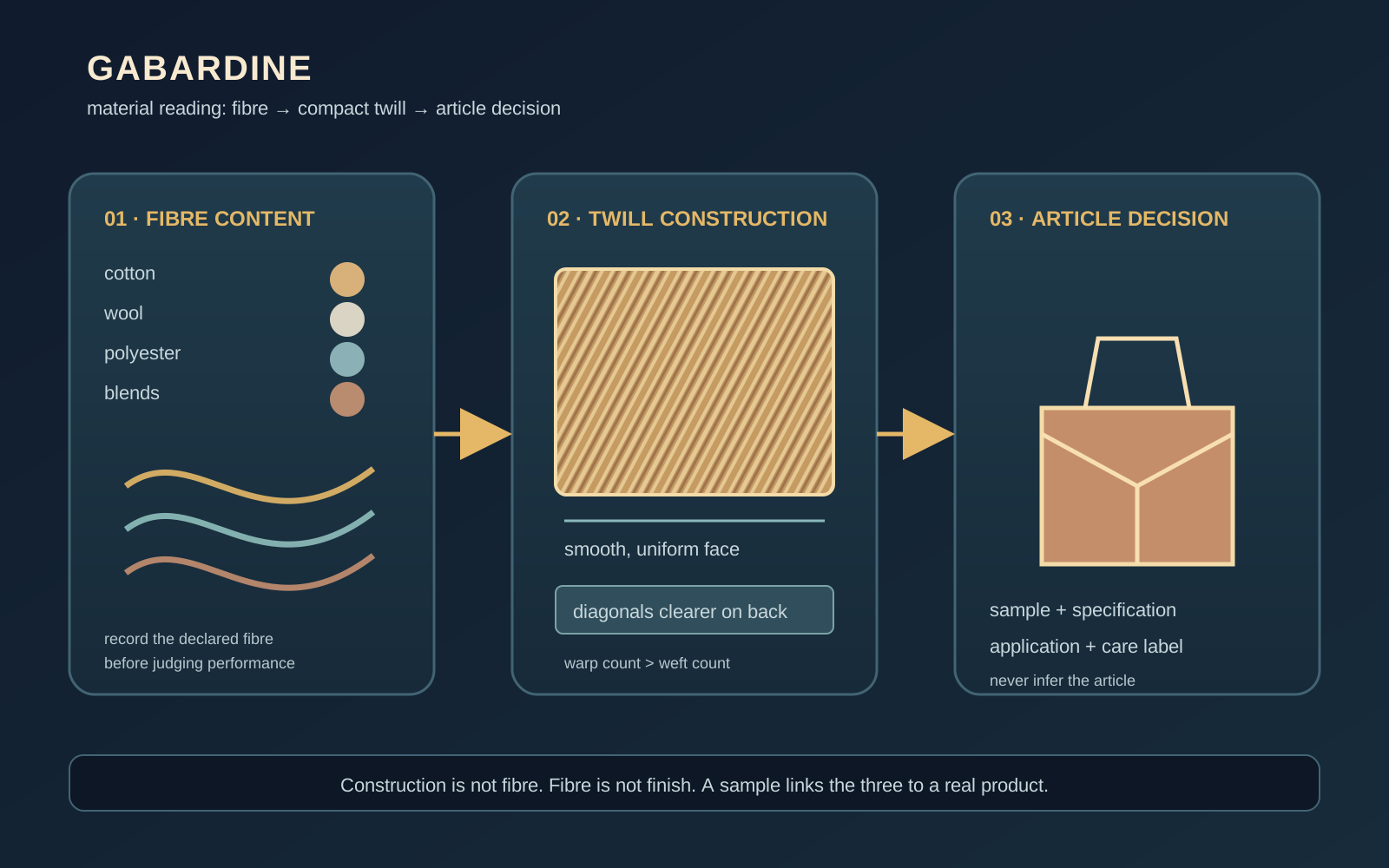
Gabardine is a twill fabric with a firm, compact construction and subtle diagonal lines on the surface. Its specification should separate construction, fibre content, finish, application and care: the name identifies a family of articles, but it does not replace the fabric sample or its documentation.
Jacquard
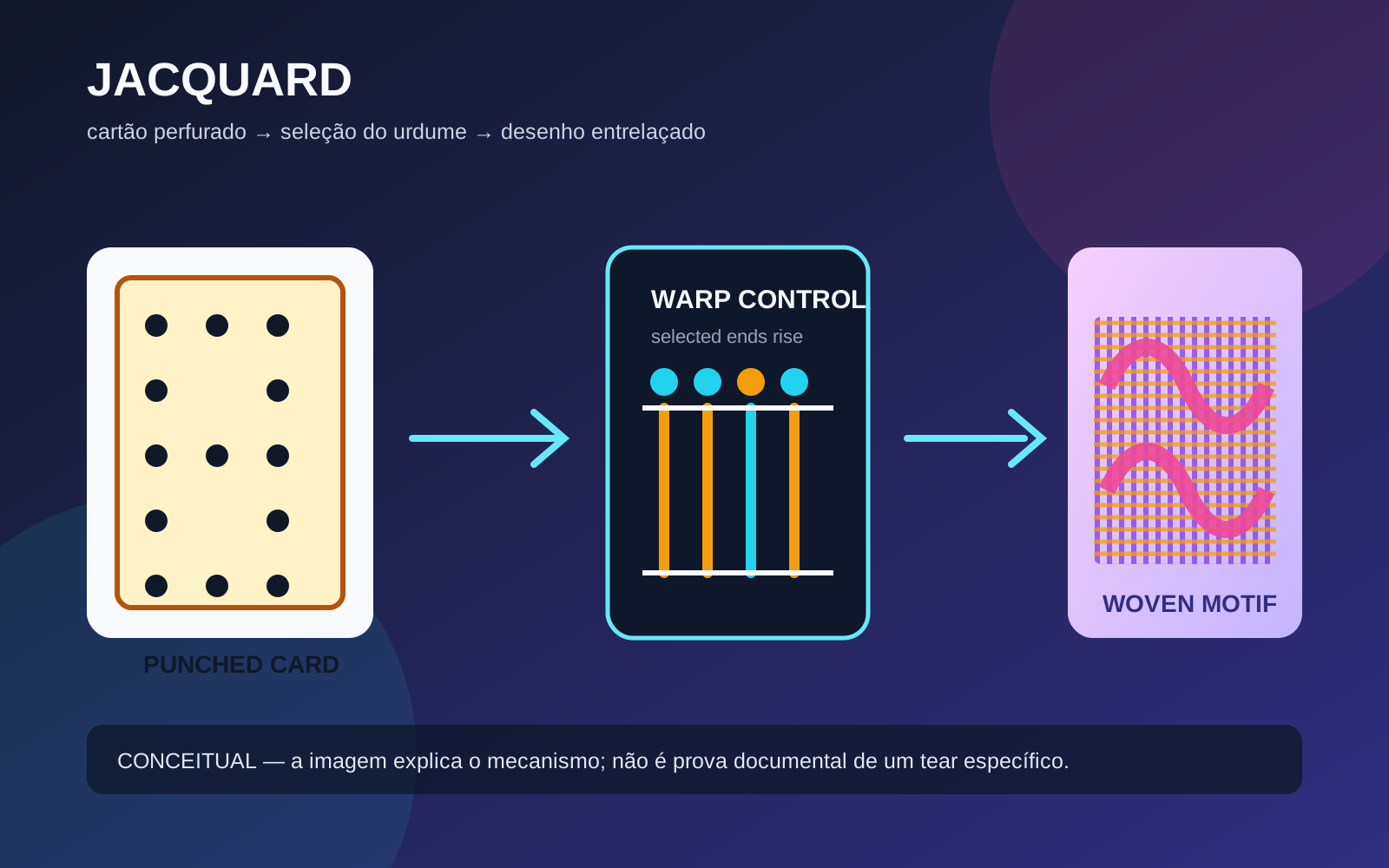
Jacquard refers to a weaving mechanism and, by extension, to fabrics or constructions in which controlled warp selection helps form a design. Joseph-Marie Jacquard patented the invention in 1804; in apparel development, a Jacquard specification must separate construction, fiber content, motif scale, and observed behavior.
Jeans
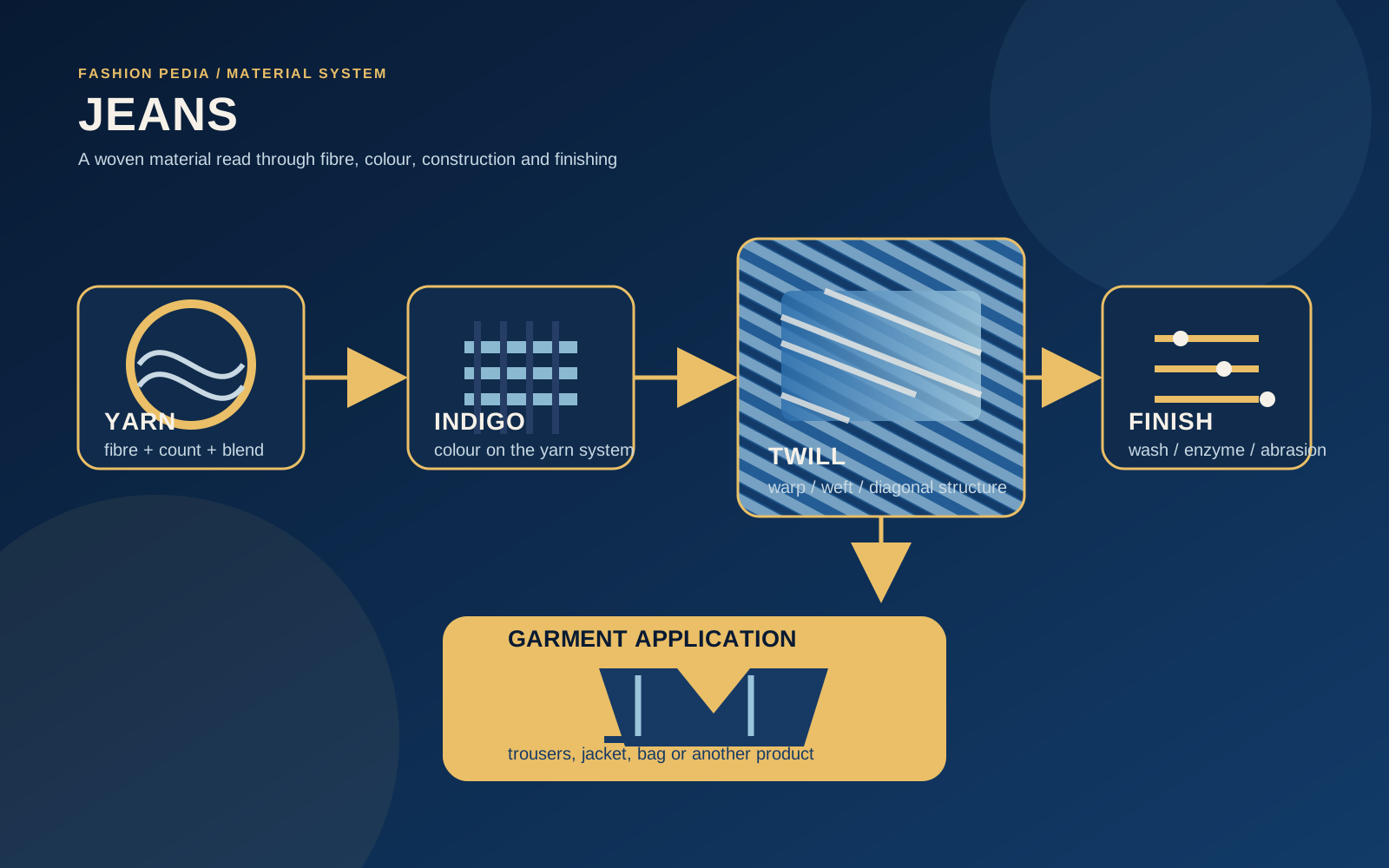
Jeans is a textile material based on denim, usually a woven twill in which yarn, indigo dye, construction and finishing shape the appearance and behaviour. Jeans names the material; trousers or a jacket are garments made from it.
Jersey
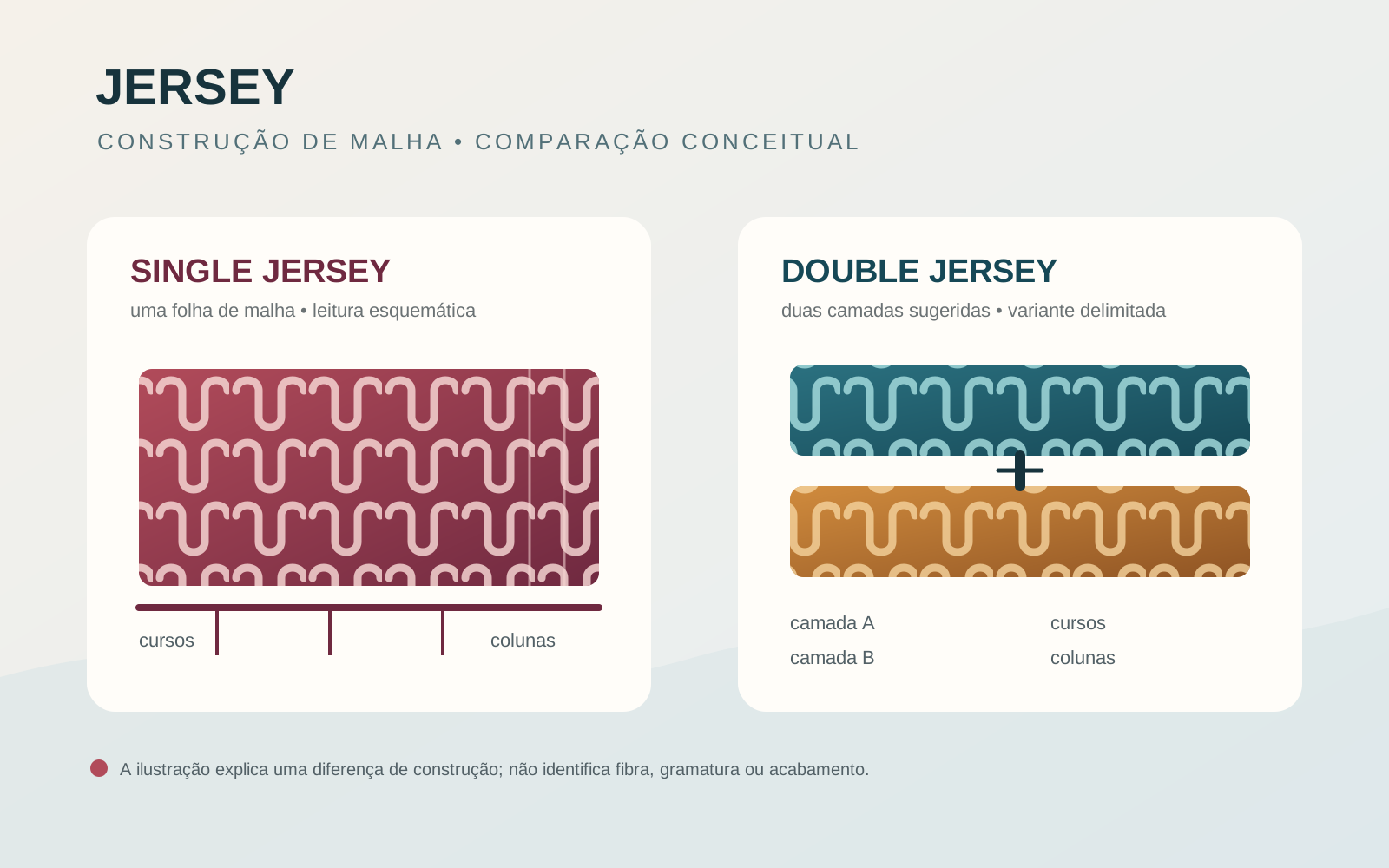
Jersey is a weft-knit material made through loop formation; the name does not identify a single fiber. The source distinguishes single jersey, a single sheet of knit fabric, from the specifically described double-jersey variant; fiber content and construction belong in separate specification fields.
Jute
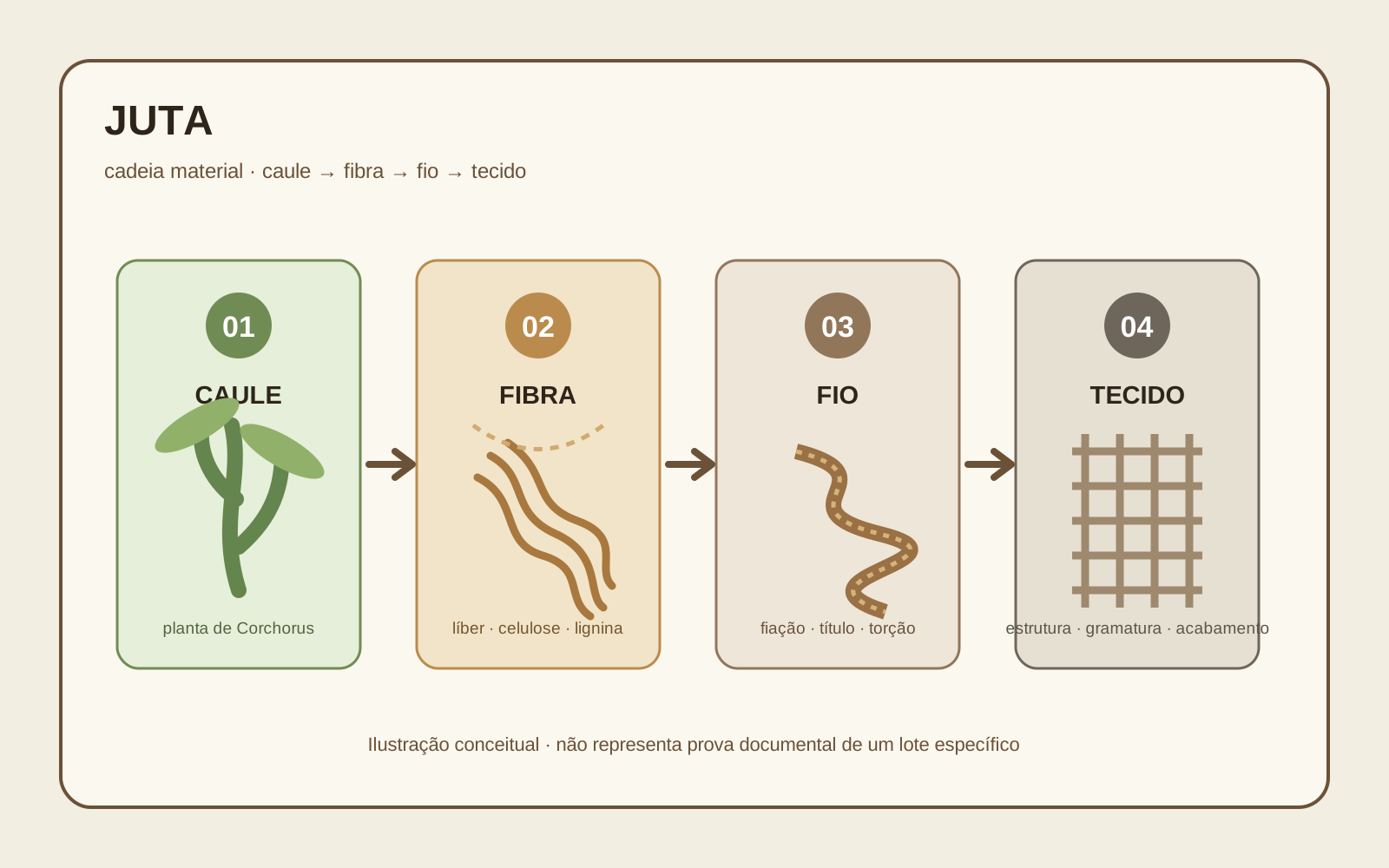
Jute is a plant bast fibre from the genus Corchorus, composed primarily of cellulose and lignin. Its long, coarse-looking fibres can be spun into coarse threads and made into fabrics; in fashion, the decision depends on construction, skin contact, and the finished article.

Lace
Lace is an ornamental openwork textile made by hand or machine, in which threads form motifs and open spaces without necessarily depending on a pre-existing fabric. Its construction is read through technique, thread and pattern, so the name alone does not establish composition, origin or use.
Leather alternatives
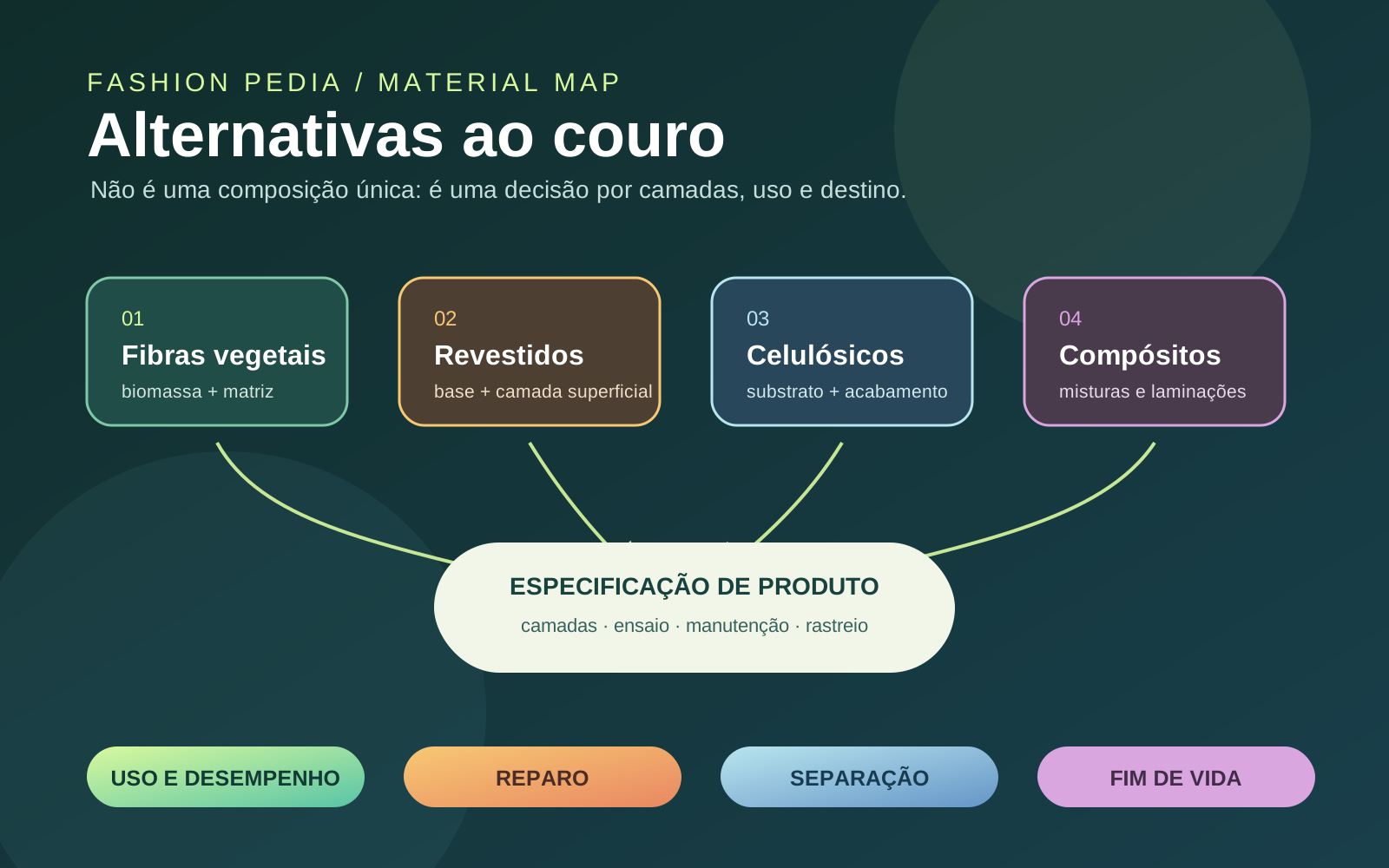
Leather alternatives are a family of materials used in fashion applications traditionally associated with animal leather, but they are not a homogeneous category. Layer composition, performance, repairability, separability, and end-of-life routes must be evaluated for each construction.
Lyocell
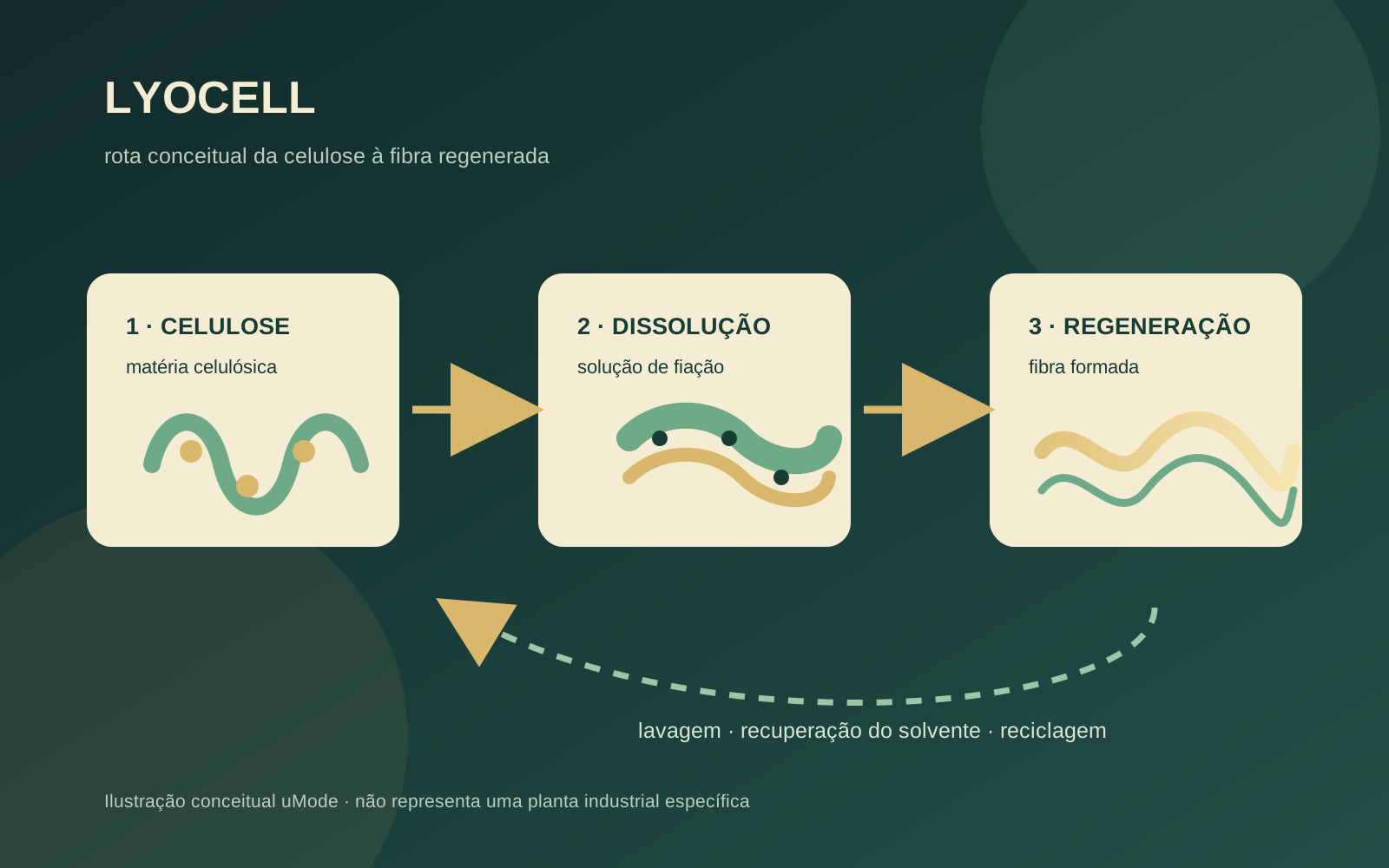
Lyocell is a regenerated cellulose fibre made by dissolving cellulose in an organic solvent and spinning the solution without forming cellulose derivatives. In fashion, it is a fibre input whose performance also depends on yarn, construction, and finishing.
Modal
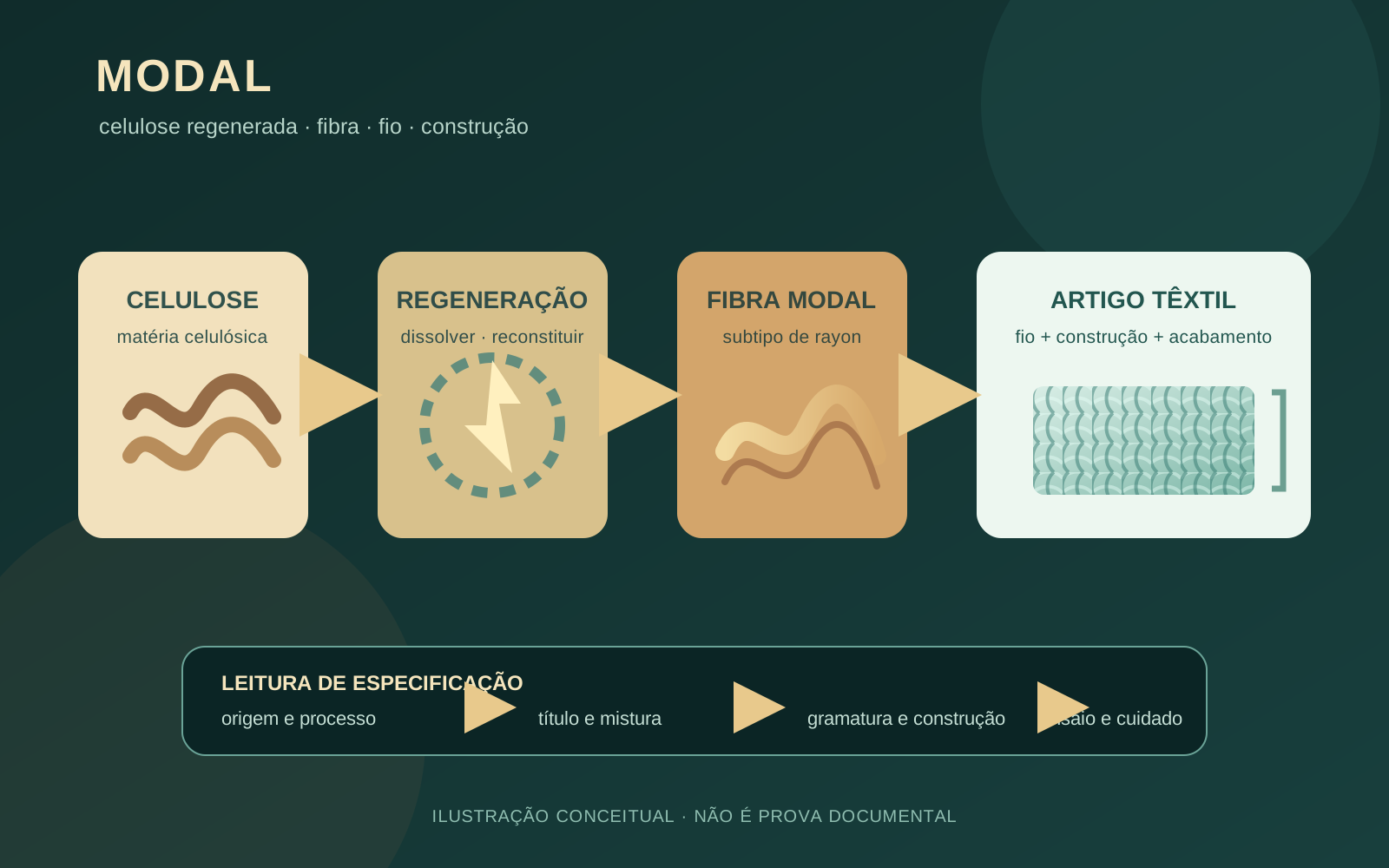
Modal is a manufactured regenerated-cellulose fibre in the rayon group. Its high-wet-modulus and polynosic forms are relevant when a product brief needs more controlled wet behaviour; the final decision still belongs to the specified fibre, yarn, construction and care context.
Neoprene
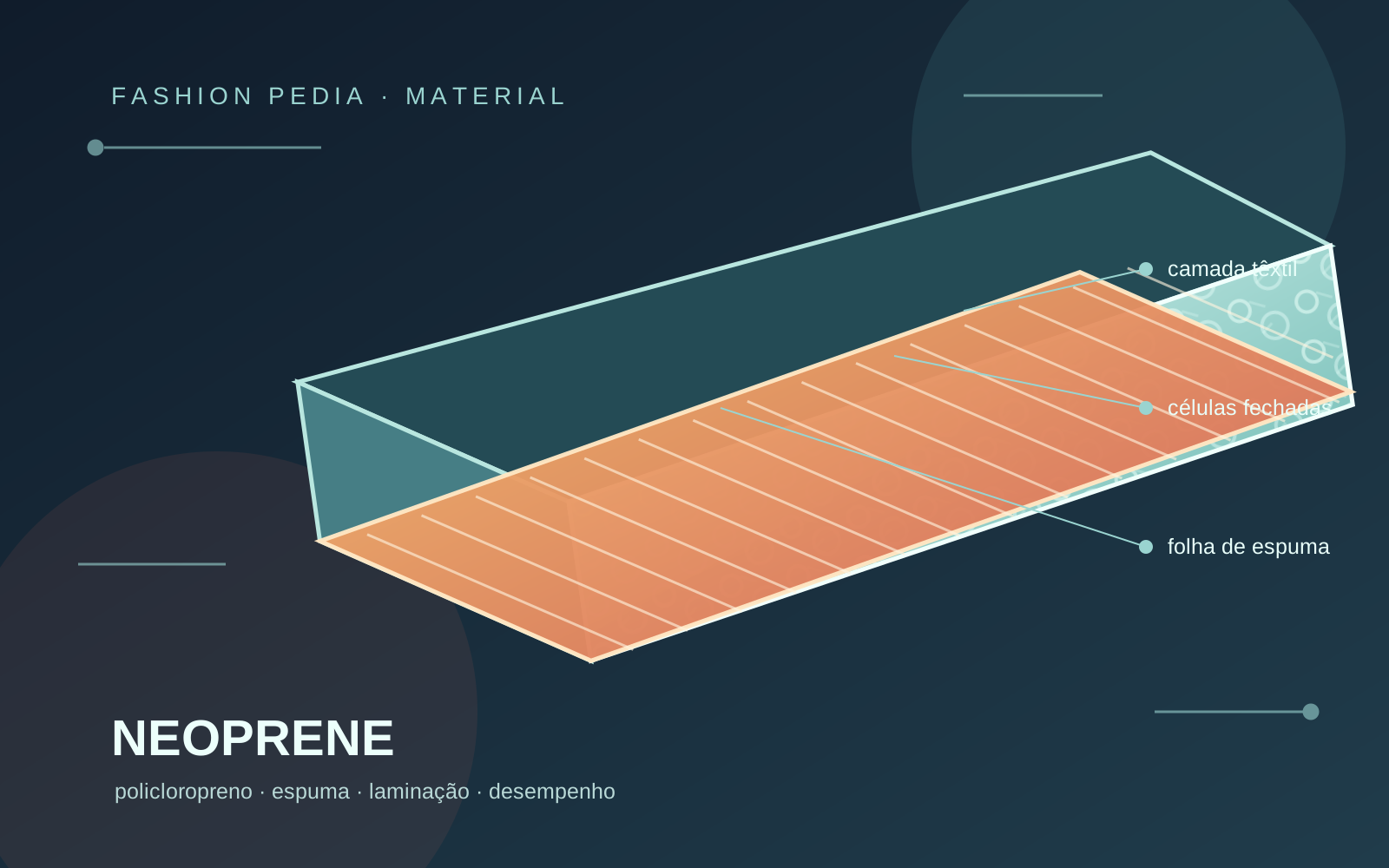
Neoprene is a family of synthetic rubbers, also called polychloroprene, that can be supplied as solid rubber, latex, or closed-cell foam. In fashion, its behavior must be read through construction: thickness, foaming, lamination, and the finished article determine the performance that a designer or product team actually encounters.
Nonwoven
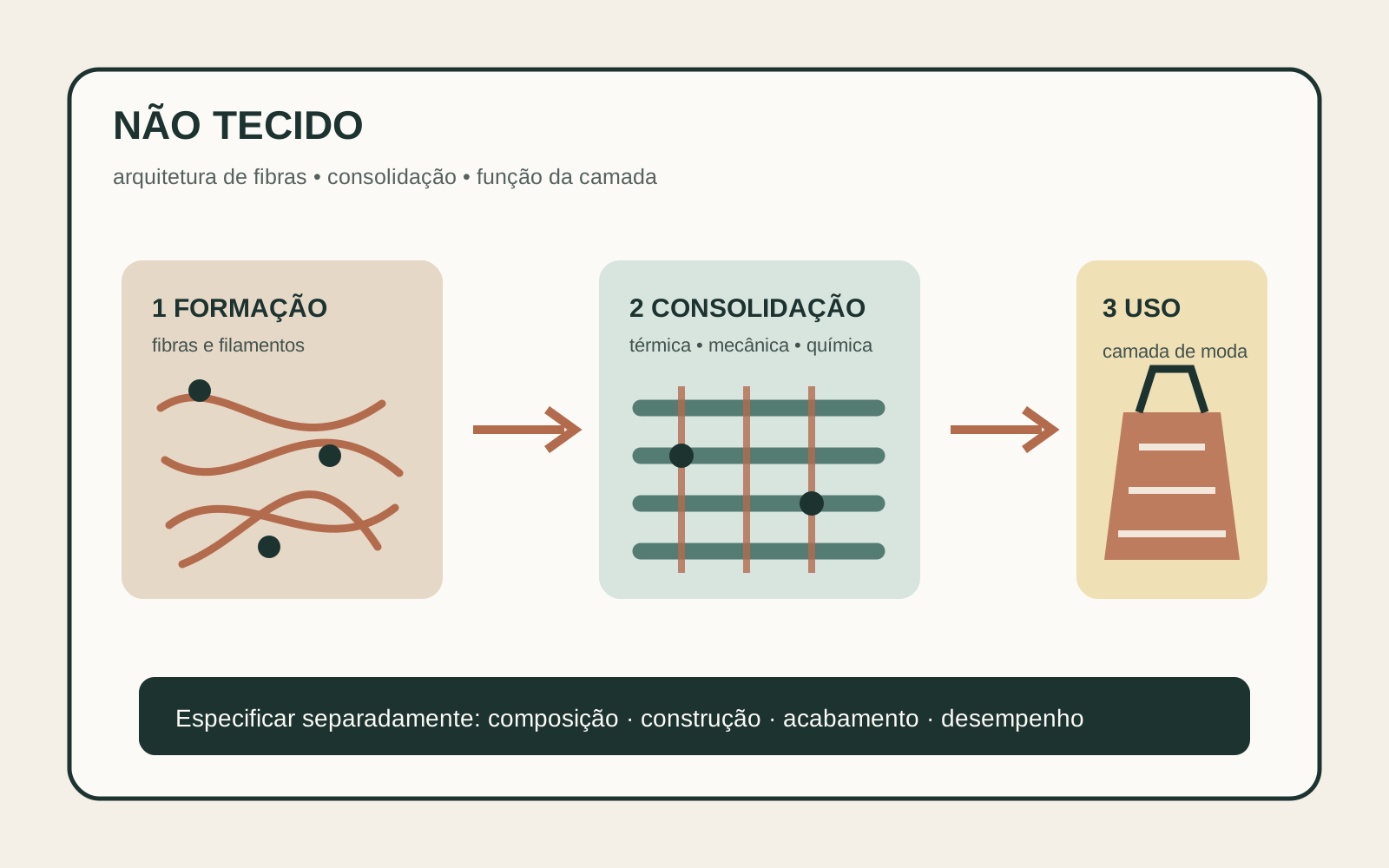
Nonwoven is a material structure made by forming and consolidating a web of fibres or filaments rather than by the conventional construction of warp and weft or knitted loops. In fashion, the useful distinction is between construction, composition, finishing and verified performance.
Organza
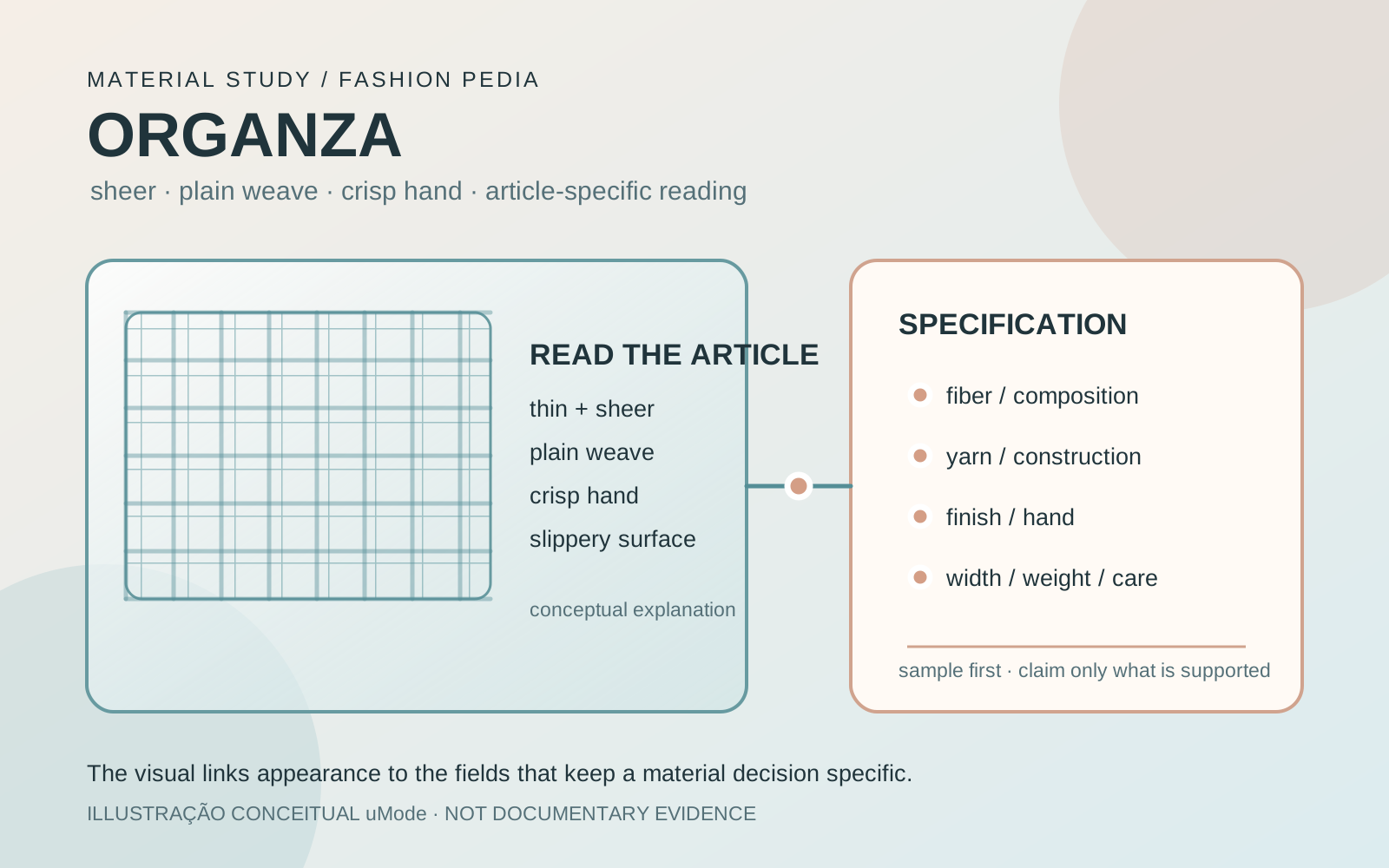
Organza is a thin, sheer plain-weave fabric traditionally made from silk and now also woven from synthetic filaments such as polyester and nylon. Its crisp hand, stiffness relative to weight, and slippery surface explain its use when transparency must retain body and volume, but the fiber and finish still have to be identified in the actual article.
Polyamide
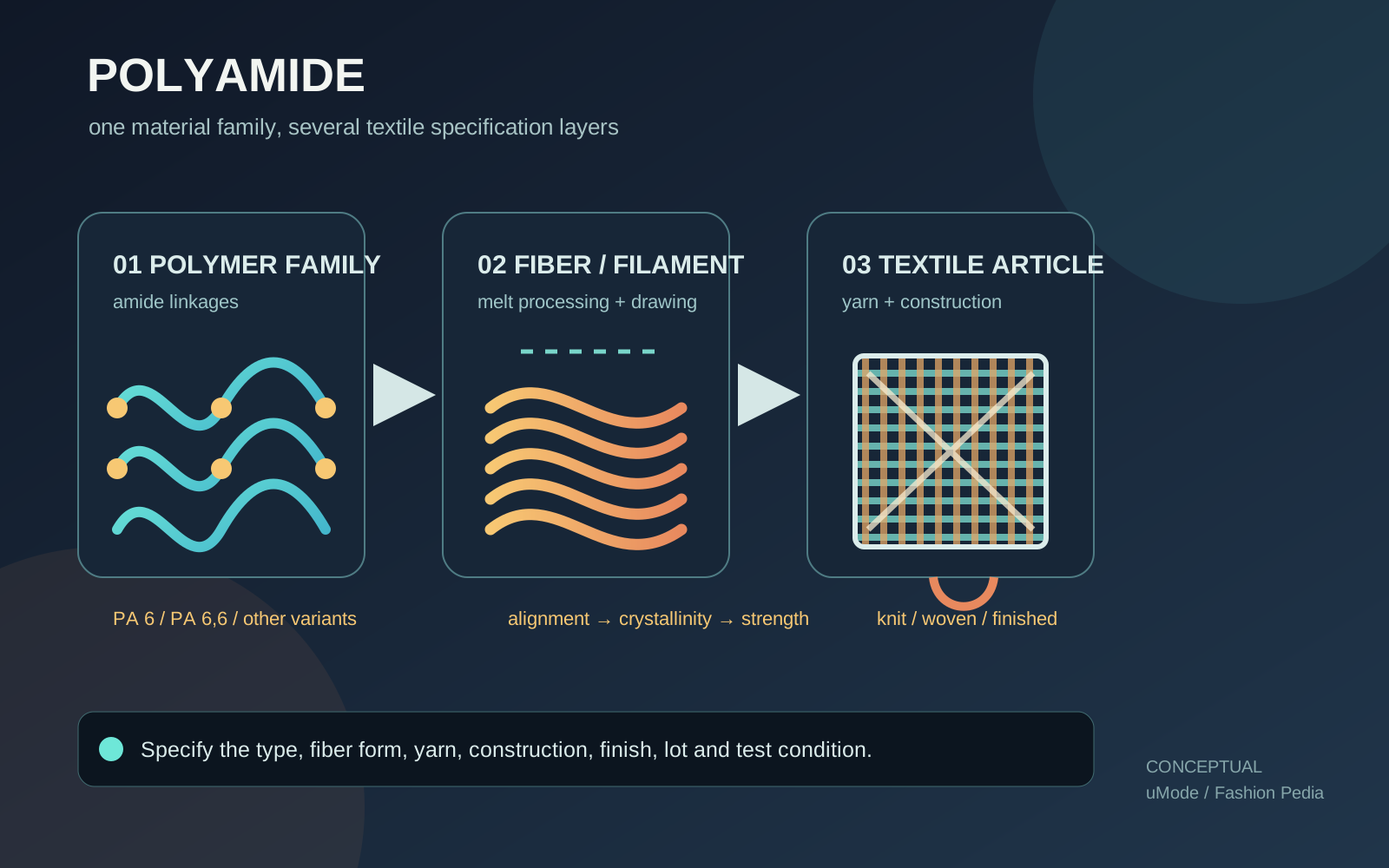
Polyamide is a family of polymers with amide linkages; in textiles, nylon is the familiar name for several synthetic polyamides. A sound specification separates chemical type, fiber or filament, yarn, construction and finish before assigning behavior to the finished article.
Polyester
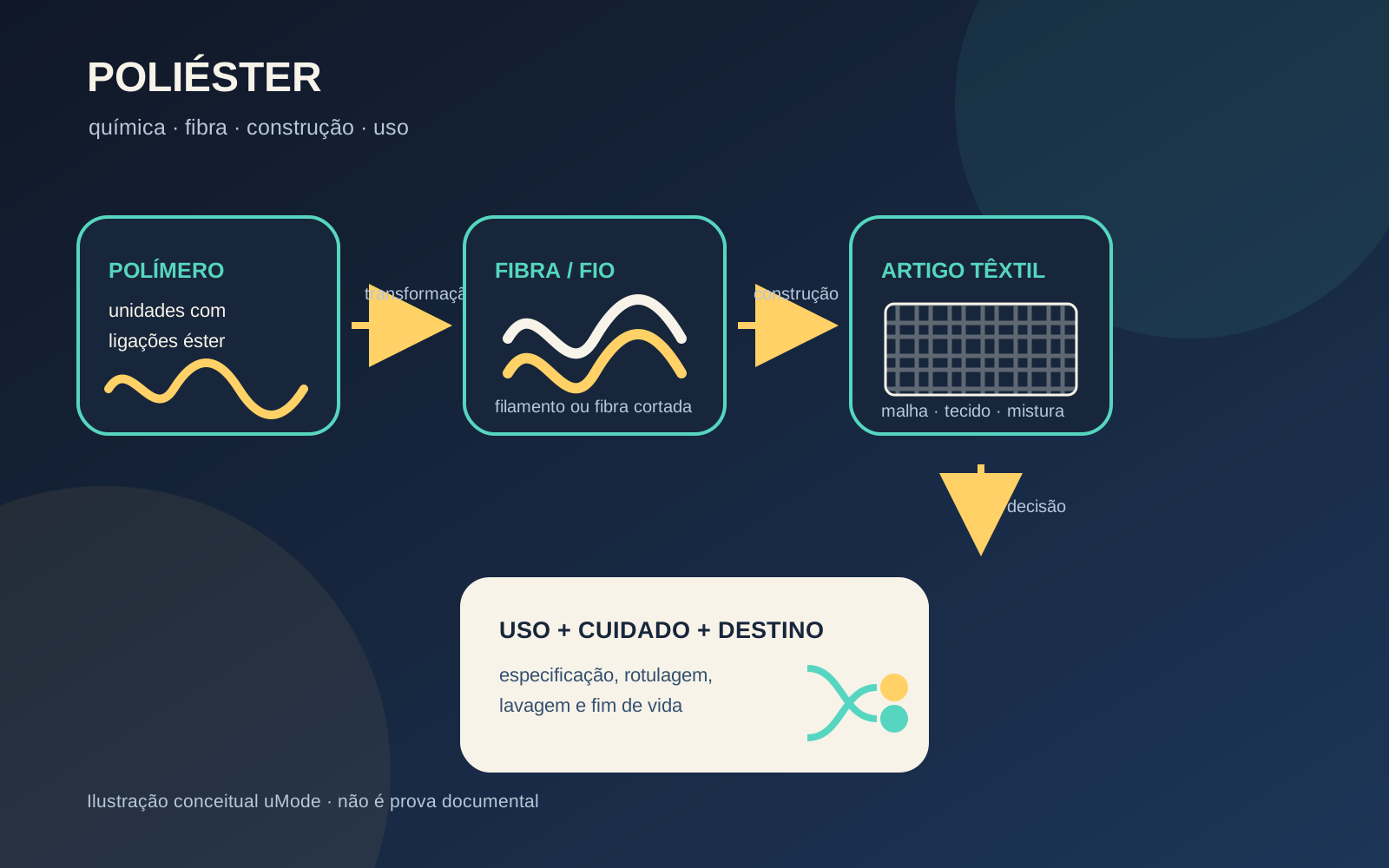
Polyester is a family of polymers with ester linkages; in fashion, the name most often refers to textile fibers and products based on PET. The result still depends on fiber, yarn, construction, and the rules that govern fiber composition and care.
Recycled cotton
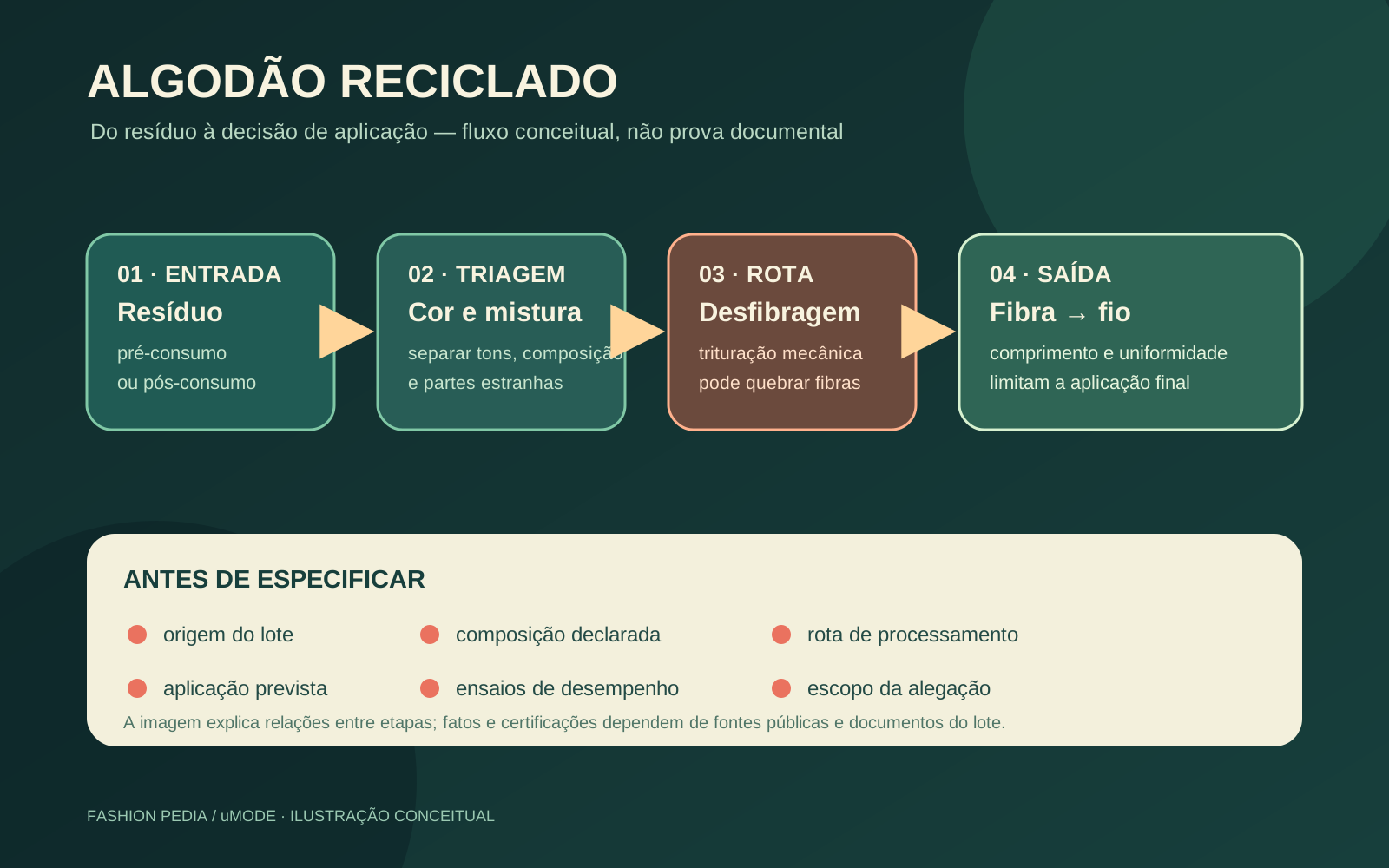
Recycled cotton is cotton fabric converted back into cotton fibre for reuse in textile products. The input may be pre-consumer or post-consumer material; sorting, shredding, fibre length and intended application determine what a given lot can deliver.
Recycled polyester
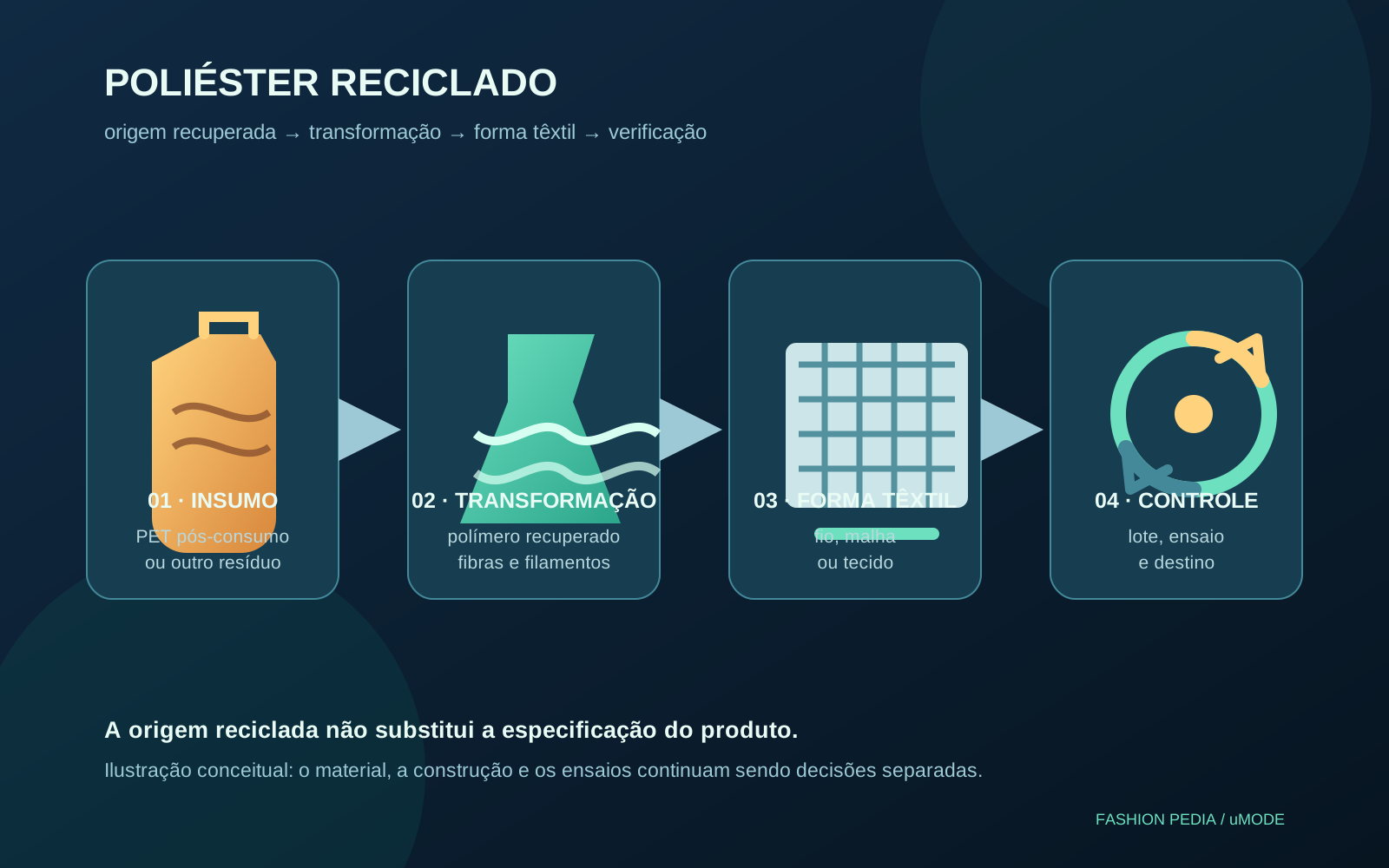
Recycled polyester is a textile material made when recovered polyester, including post-consumer PET in some products, is transformed into fibre or fabric. Recycled origin does not determine performance by itself: a useful specification separates feedstock, construction, lot, testing and the scope of any environmental claim.
Satin
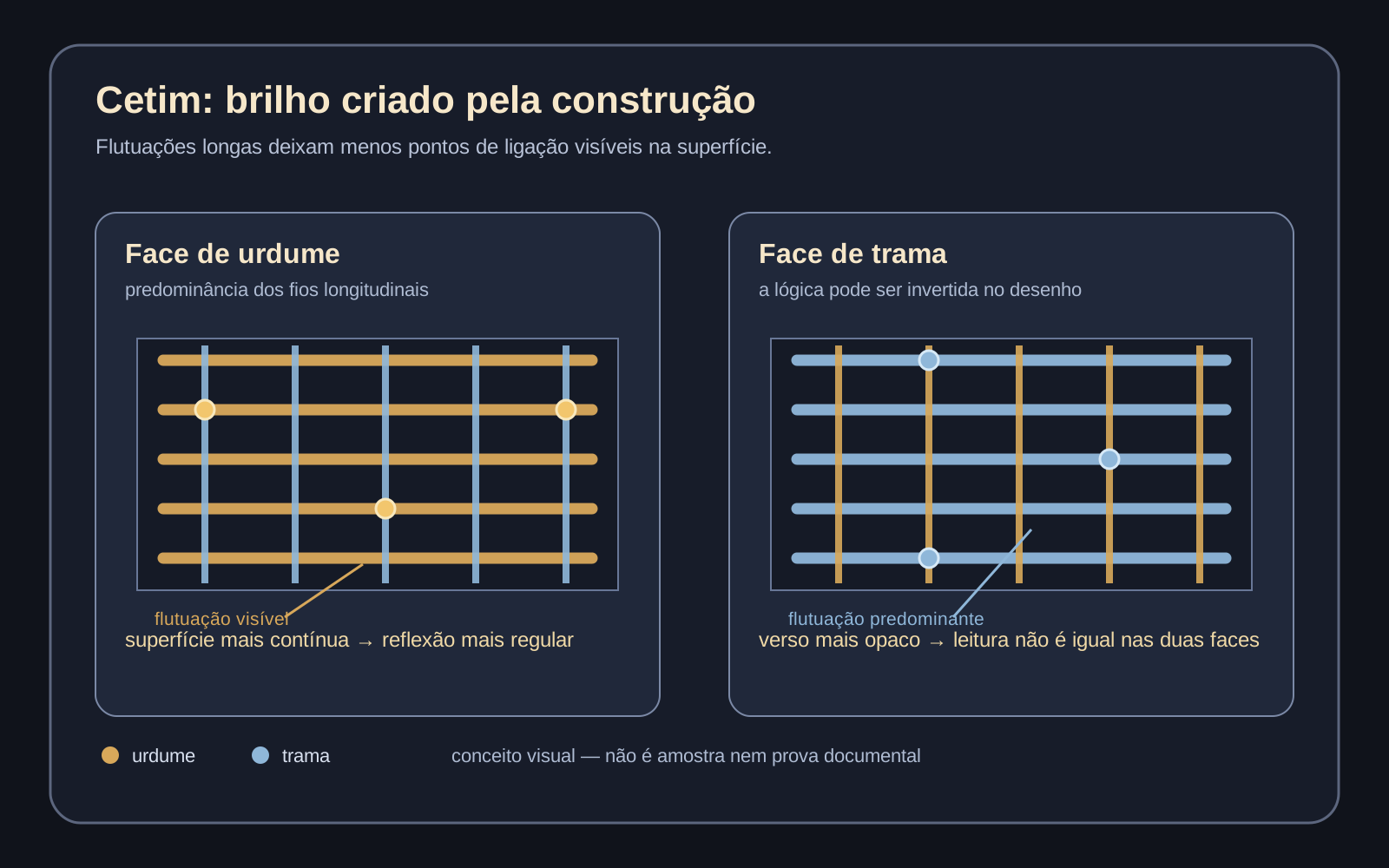
Satin is a weaving construction that creates a smooth, lustrous surface through long floats and widely spaced interlacements. The name does not identify a fibre by itself: filament constructions are commonly called satin, while short-staple articles are often called sateen.
Taffeta
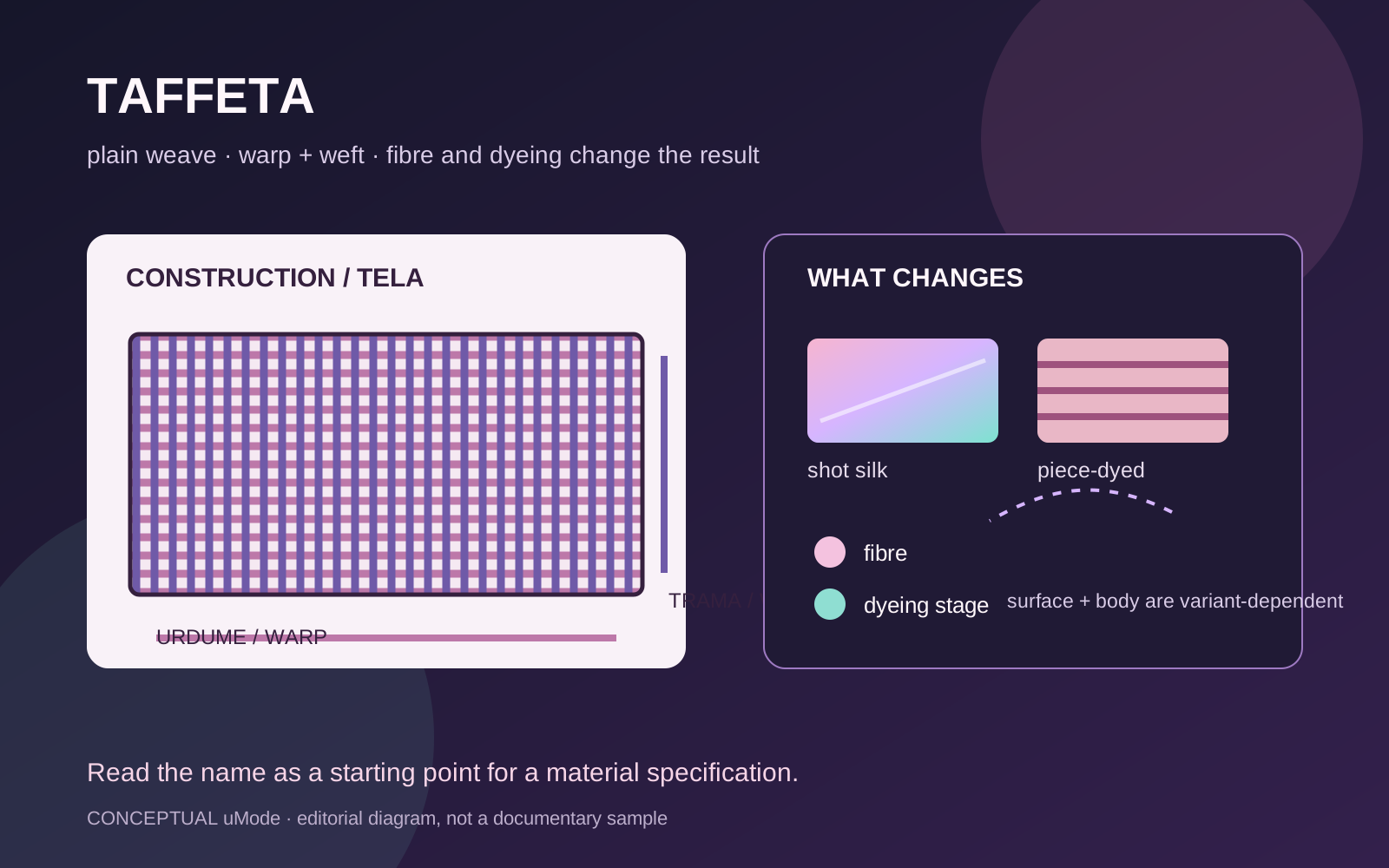
Taffeta is a plain-woven fabric with a smooth, crisp hand and a tendency to retain shape. It can be made from several fibres and can change substantially with the fibre, dyeing stage and variant, so the material name alone is not a complete specification for a real article.
Textile hemp
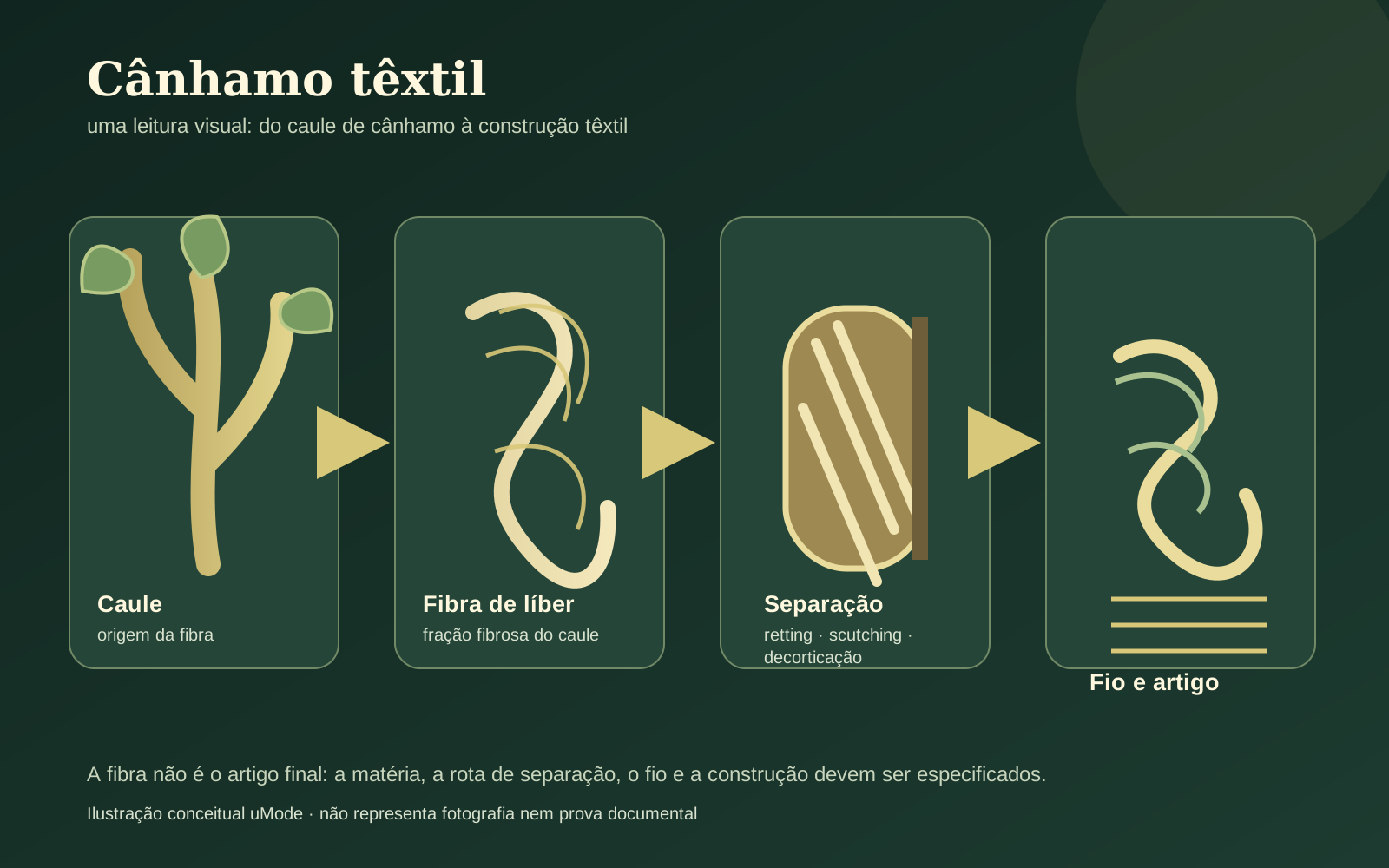
Textile hemp is the fibrous material obtained from hemp stalks, especially bast fibre, which can follow different separation and preparation routes before becoming yarn or a textile article. In fashion, the specification must keep fibre, yarn, construction, and labelled composition distinct.
Tulle
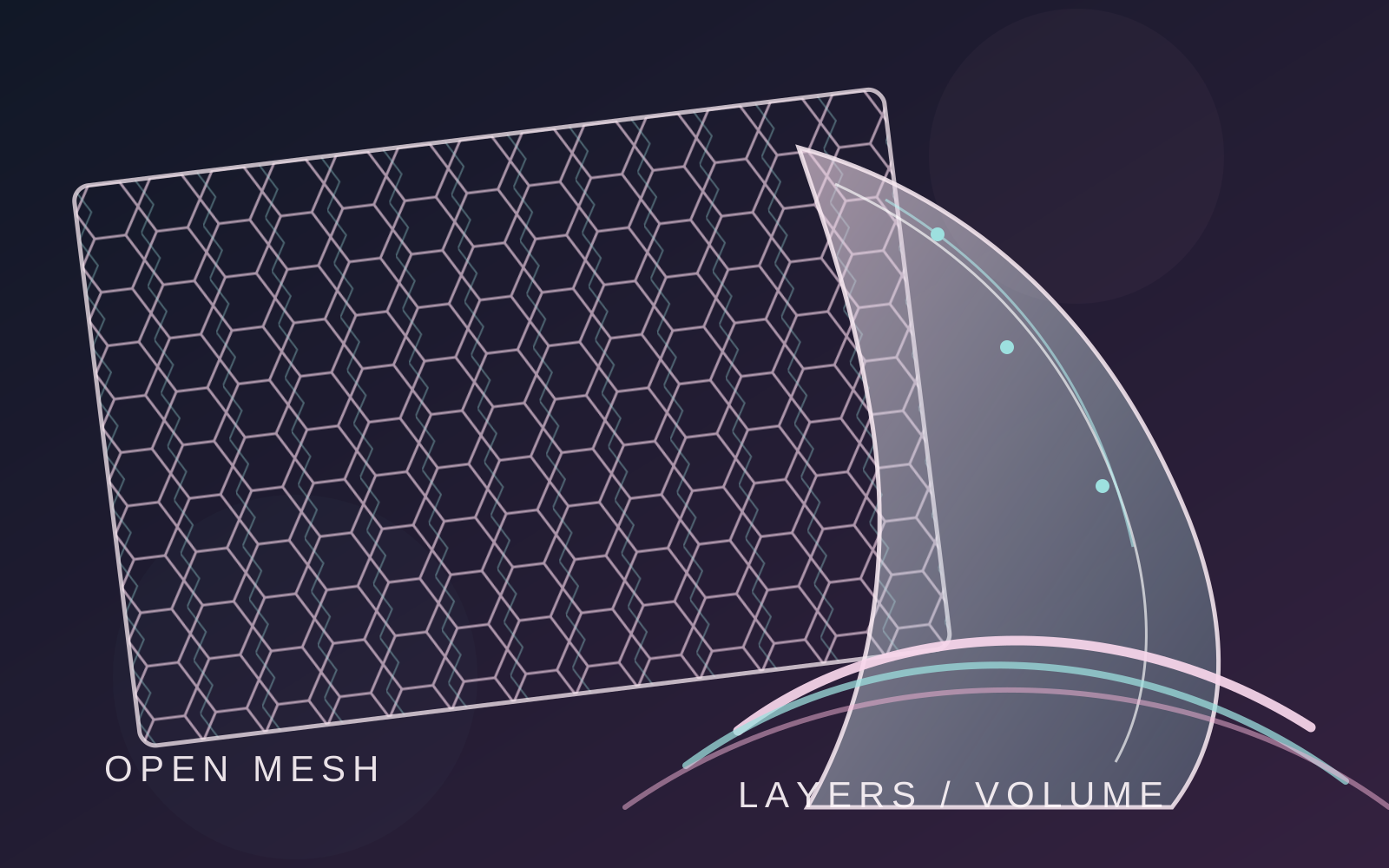
Tulle is a fine, lightweight and generally stiff textile net made with small openings; it can use different fibres and appears in veils, gowns, tutus and layers that control transparency and volume.
Tweed
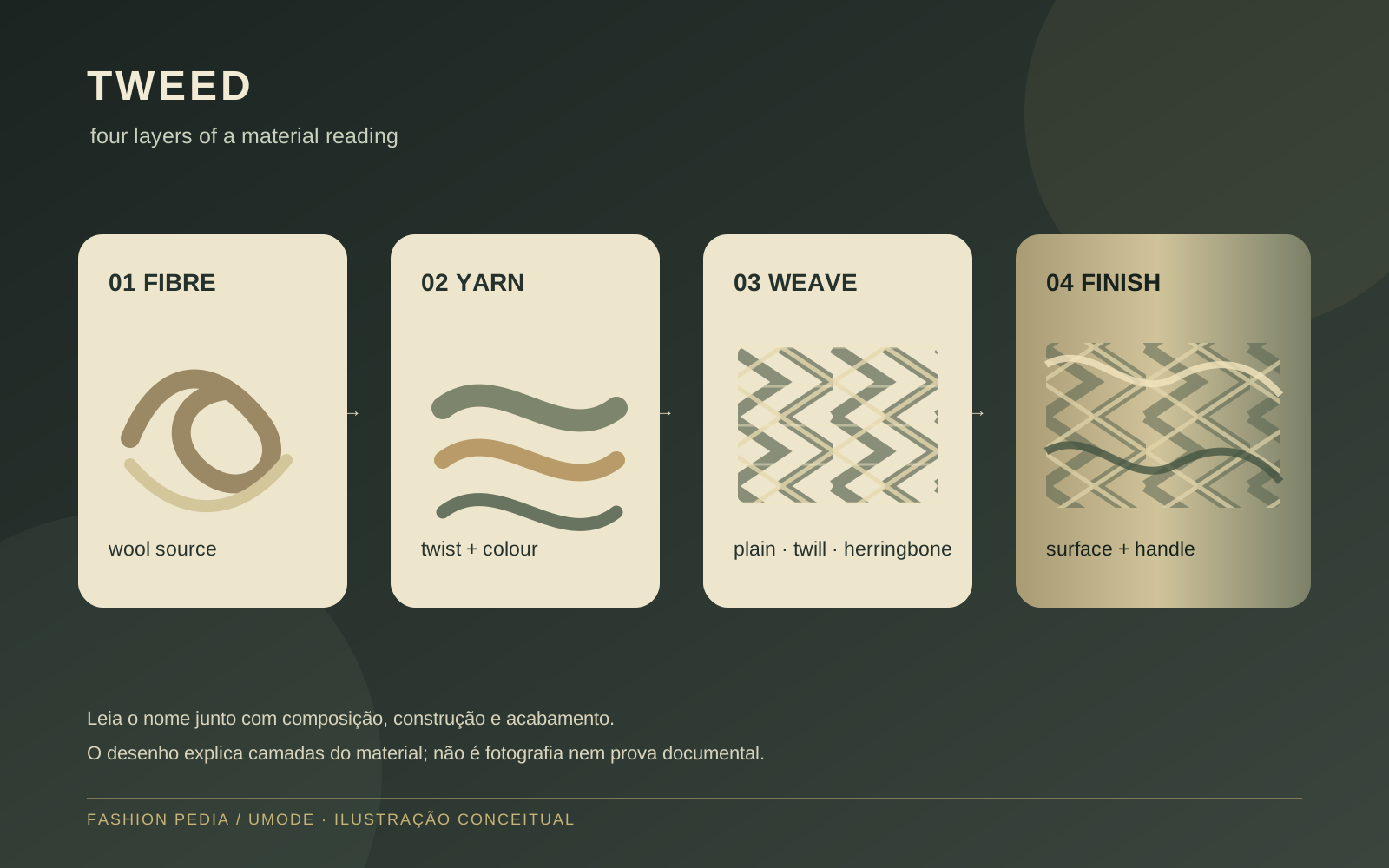
Tweed is a wool fabric with a soft, open and flexible texture, usually more closely woven than homespun, and commonly made in plain, twill or herringbone structures. Colour effects may come from mixing dyed wool before spinning; composition, structure and finishing are still required to specify the actual cloth.
Twill
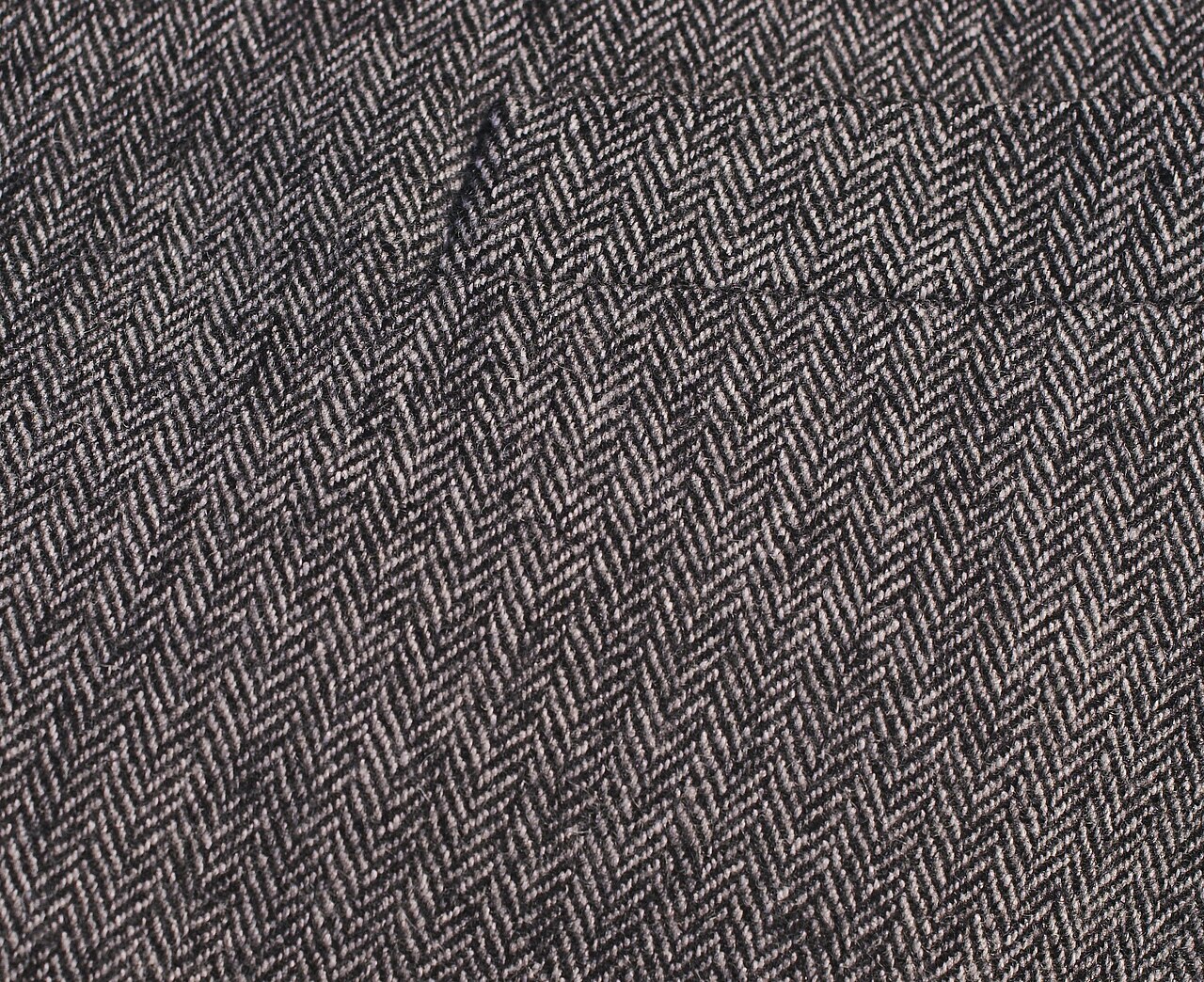
Twill is one of the three fundamental weave structures, recognizable by the diagonal ribs on its surface. Durable and substantial, it is the base structure behind denim, gabardine, and much of utilitarian apparel.
Velvet
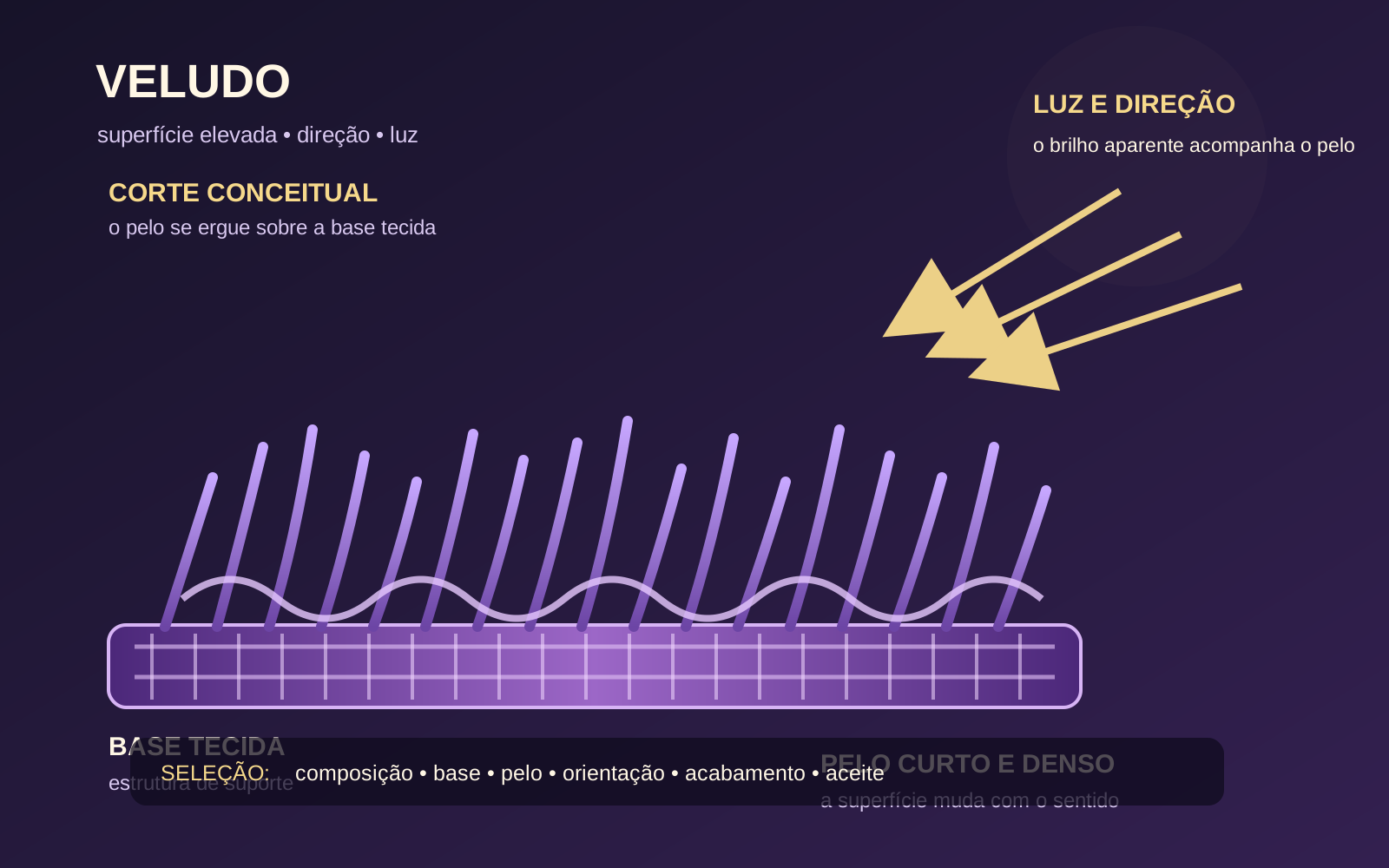
Velvet is a short, dense-pile fabric whose raised surface responds to light and touch. Fashion selection must separate fibre from construction and record pile, ground, direction, composition, finish and acceptance criteria.
Viscose
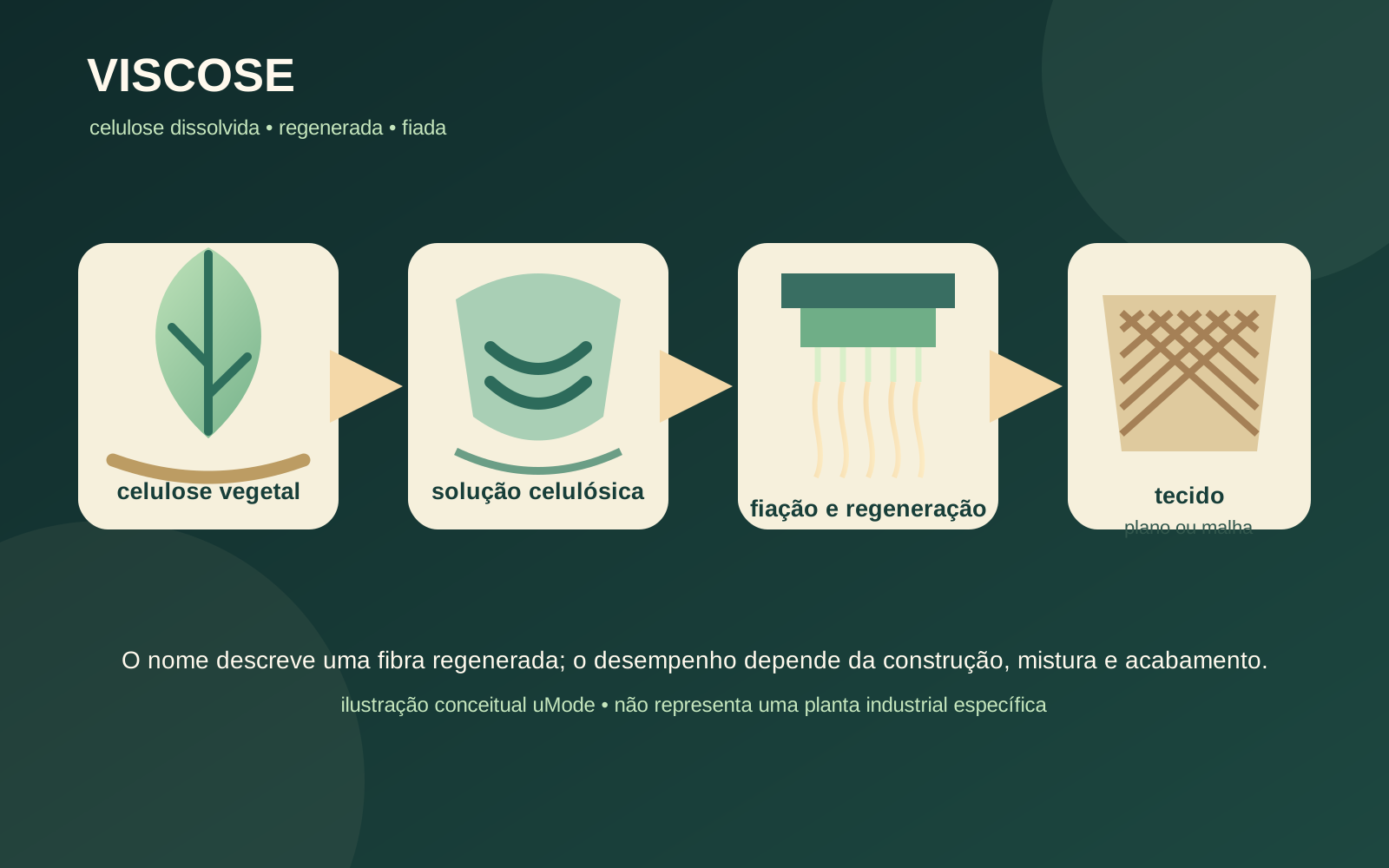
Viscose is a regenerated cellulosic fibre made by the viscose process and used as a textile material in yarns and fabrics. The name identifies the fibre, not one fixed appearance: construction, blends, finishing and wet-state behaviour must be assessed on the finished article.
Wool
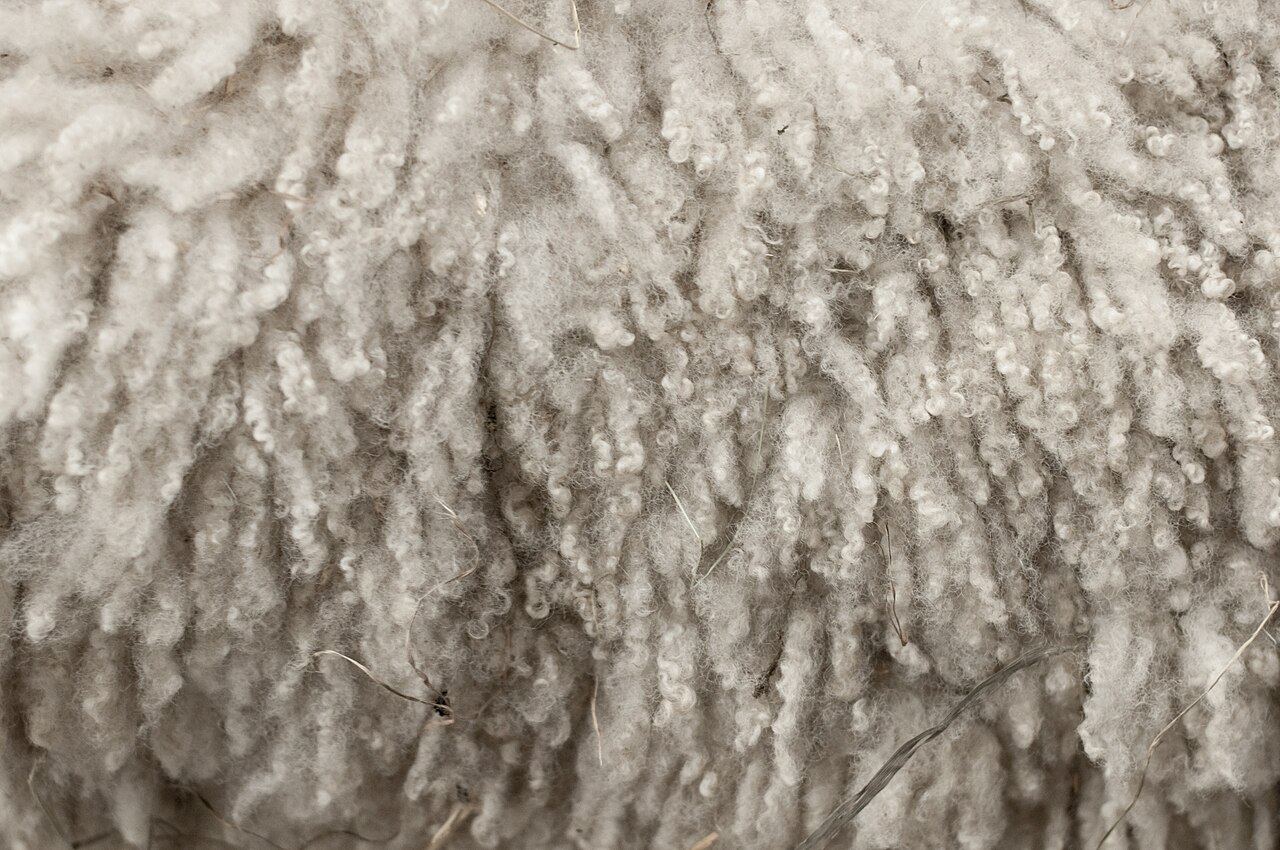
Wool is the textile fiber obtained from the fleece of sheep and other animals. Insulating and elastic, it is the basis of winter knitwear and tailoring.
Want to apply this to your operation?