How to reduce fashion time to market
How to reduce fashion time to market: make each style’s waits, approvals, and returns visible. A shorter workflow starts with a testable specification, samples named by purpose, acceptance criteria, and an unambiguous handoff between product, patternmaking, engineering, and the supplier.
On this page
What is How to reduce fashion time to market?
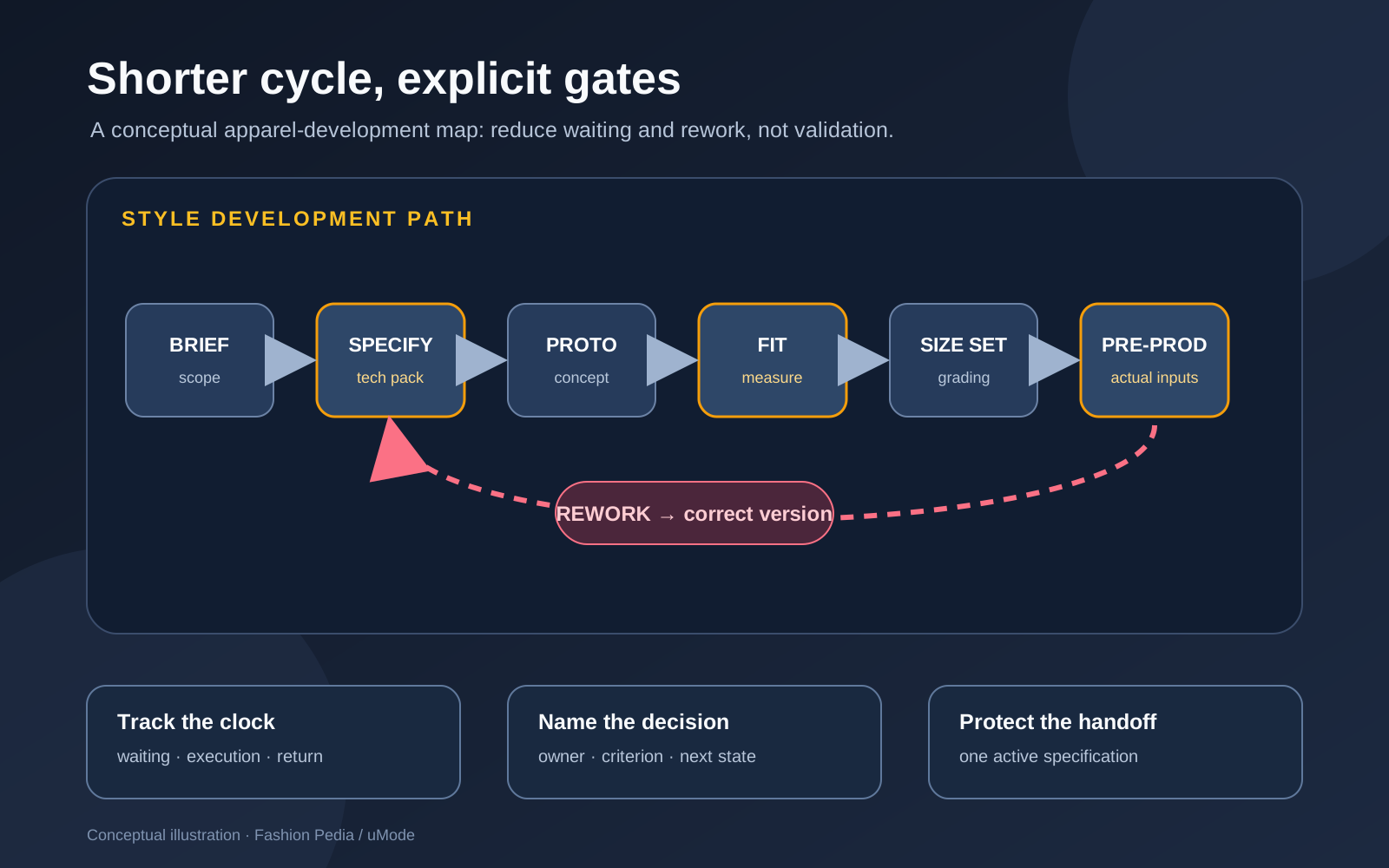
Reducing fashion time to market starts by choosing one style and declaring when its clock starts and ends. Do not treat “development” as one block: record the brief, tech pack, pattern, sample, fit, size set, pre-production, and release as observable states. NIST describes an apparel product-data exchange project aimed at sharing data across all stages of the product life cycle; that perspective helps locate a stalled decision without confusing a gate with a sewing step. critical path and collection management name the coordination problem from different angles: dependencies must be visible so the team can test one change at a time.
How can the workflow get shorter without removing garment validation?
The operational gain does not come from deleting fit checks, but from giving each sample one question. The proto answers whether the concept can be materialized; the fit sample checks fit and measurements; the size set checks the move across sizes and grading; and pilotage brings development closer to the conditions before a bulk order. The sector source describes the fit sample as a check on a dress form or human model, and the size set as a check across multiple sizes and pattern grading. The gate should therefore record the measurement, size, evaluator, decision, and next version rather than only “approved.”
A concise, versioned tech pack reduces handoff ambiguity. A garment specification sheet brings together sketches, measurements, construction details, stitching guidance, and comments to communicate the concept to the manufacturer; the team can then record changes made after the first sample in that document. For each style, keep one active version, one approval owner, and a rule that invalidates old copies. When patternmaking and the supplier work in different systems, test the exchange of pattern pieces and related information: an NIST historical protocol was created to communicate those data between CAD systems. specification version control is a barrier against returning to the wrong file.
How should the production handoff be closed?
The pre-production sample should answer what changes when a style leaves the sample room and approaches the bulk order. The source describes this sample as preceding bulk production and using the actual fabric, trims, and accessories. Use this gate to check construction, materials, and comments under one reference; then hold a short meeting that lists the approved item, the unapproved item, the action, the owner, and the due date. The purpose is not another meeting, but preventing an oral decision from disappearing between product, engineering, quality, and the supplier.
Feedback also needs to return to the correct document. In the sector workflow described, buyer comments move through development, the sample room, and a tech-pack update before the information is sent to production. Turn that route into a style-level queue: comment received, garment impact, decision, updated file, and supplier confirmation. Measure waiting time, execution time, and rejection returns separately. A shorter total with more fit rounds is not an improvement; it is a shorter clock hiding rework. style and engineering rework completes the cycle view.
Which limits must remain explicit?
Sample names and sequences vary across buyers and suppliers, so use local vocabulary only after defining each gate’s question. This process also does not justify promising a universal number of days or removing fit evaluation. The safer test is to choose a style family, freeze the start and end definitions, track versions, and compare returns by reason. product-development cycle preserves that boundary: speed counts only when the garment reaches the next state without losing information, adjustment, or ownership.
Verified facts
- NIST describes the goal of an apparel product-data exchange project as sharing data across all stages of the product life cycle.
Source: nvlpubs.nist.gov ↗ - In the apparel-development practice described by a sector technical source, the proto sample is the first sample developed from a design sketch or concept.
Source: onlineclothingstudy.com ↗ - The fit sample checks garment fit on a dress form or human model and verifies measurements against the specification sheet.
Source: onlineclothingstudy.com ↗ - The size-set sample checks fit across multiple sizes and allows pattern grading to be checked before the pre-production sample.
Source: onlineclothingstudy.com ↗ - The pre-production sample is made before bulk production, using the style’s actual fabric, trims, and accessories.
Source: onlineclothingstudy.com ↗ - After the pre-production sample is made, the described practice includes a meeting to discuss what was approved, what was not approved, and what actions must be taken.
Source: onlineclothingstudy.com ↗ - An apparel sample-feedback flow can carry buyer comments to product development, the sample room, and a tech-pack update before the information is sent to production.
Source: onlineclothingstudy.com ↗ - A garment specification sheet brings together construction details, measurements, sketches, stitching guidance, and comments to communicate a concept to the manufacturer.
Source: techpacker.com ↗ - An NIST protocol for ready-to-wear apparel pattern making was developed to communicate pattern pieces and related information between CAD systems.
Source: nvlpubs.nist.gov ↗
Related entries
Critical path in collection development
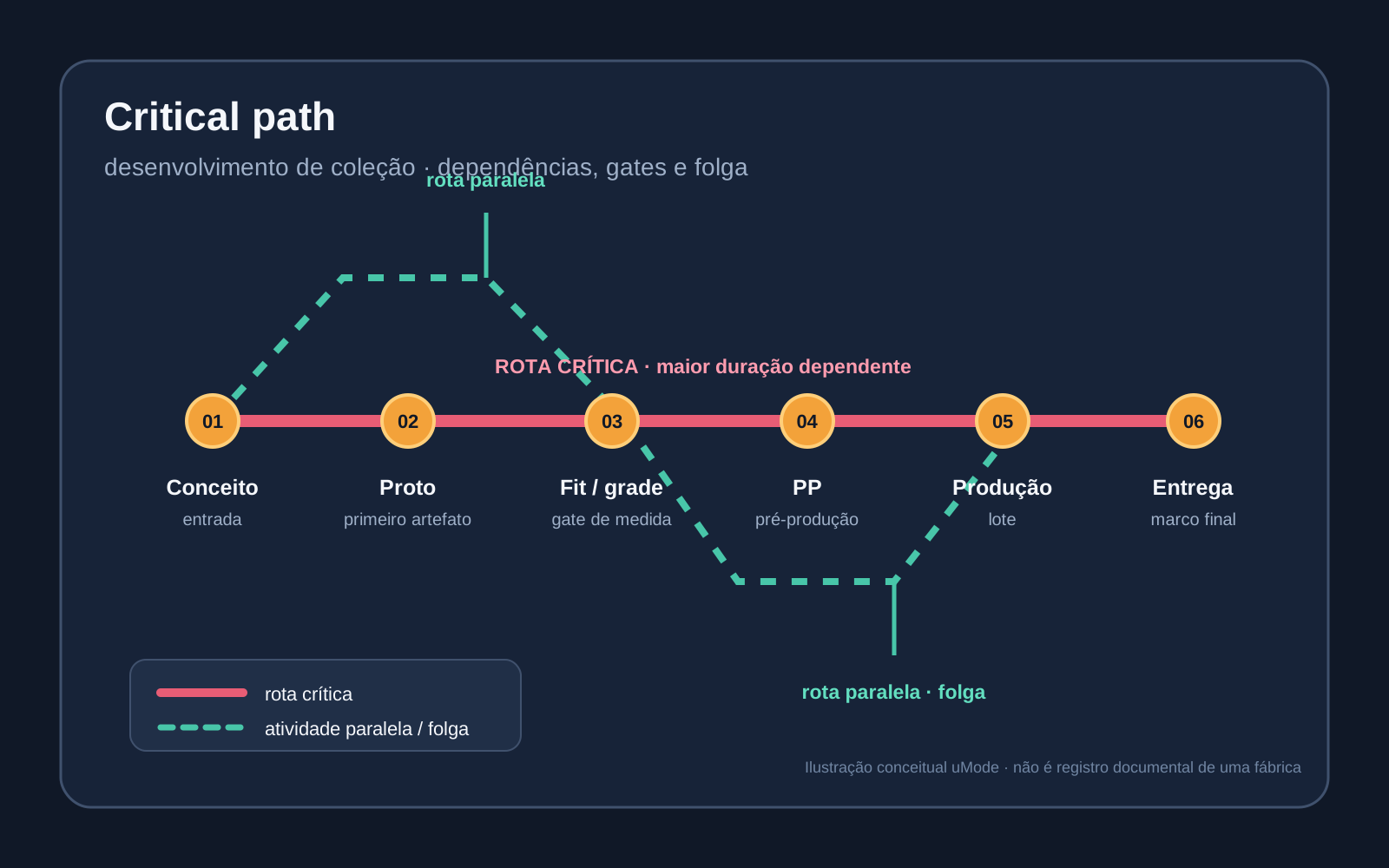
Critical path in collection development is a scheduling method that organizes dependent activities, durations, and milestones to reveal the sequence that sets the shortest possible project duration. In apparel, it can position sample gates without treating the critical path as a simple list of approvals.

Fashion product technical specification
A technical specification is the controlled information set that translates an approved fashion product into verifiable sampling and manufacturing requirements. It brings together drawings, materials, measurements, construction, tolerances, identification, labelling, comments and revision history; its content varies by category, company, market and stage.
Garment fitting
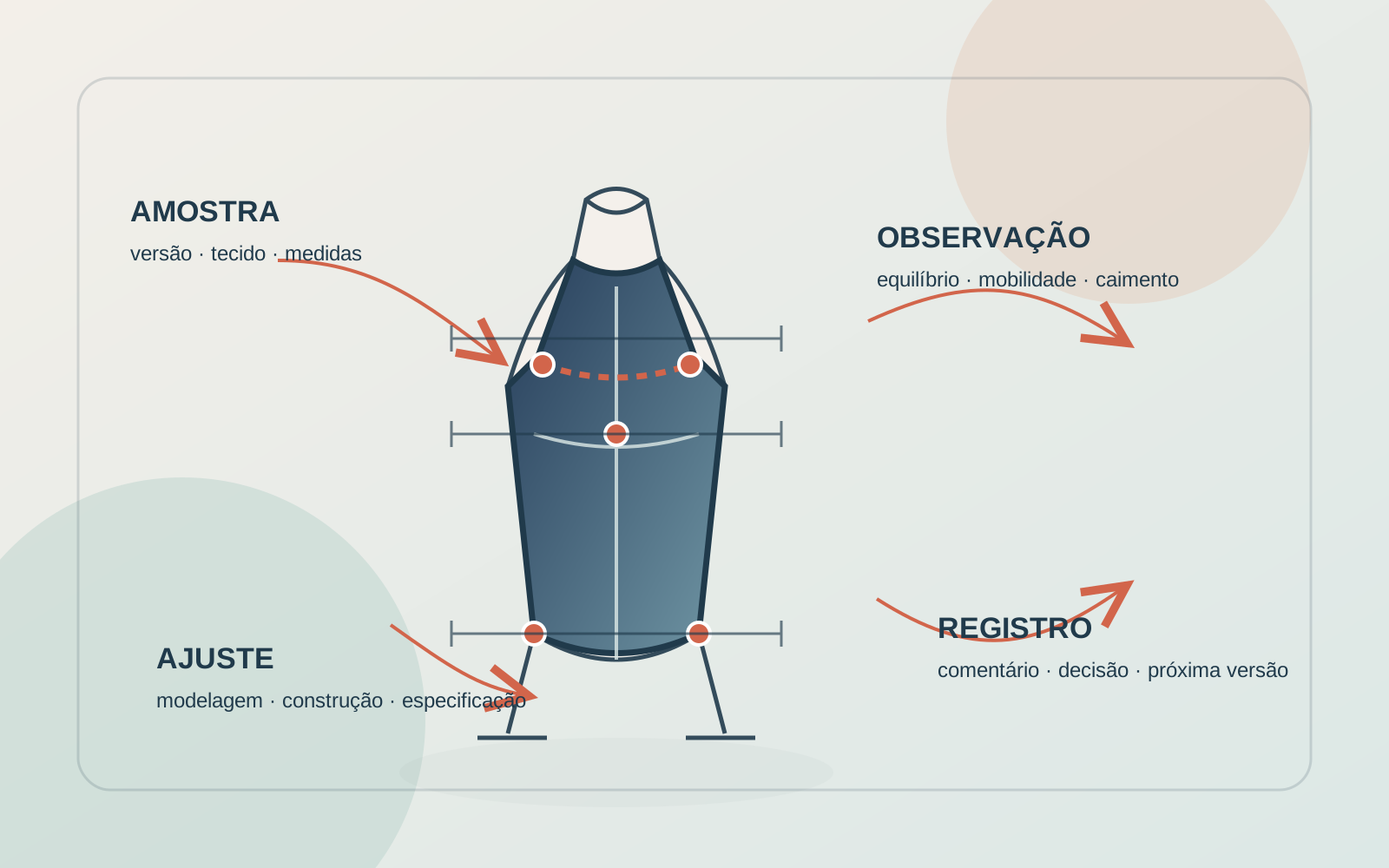
Garment fitting is the process of comparing a dressed sample with a style's design, specifications, and intent. The team observes fit, balance, movement, and construction, records decisions, and sends changes into the next version.
Garment production pilot sample
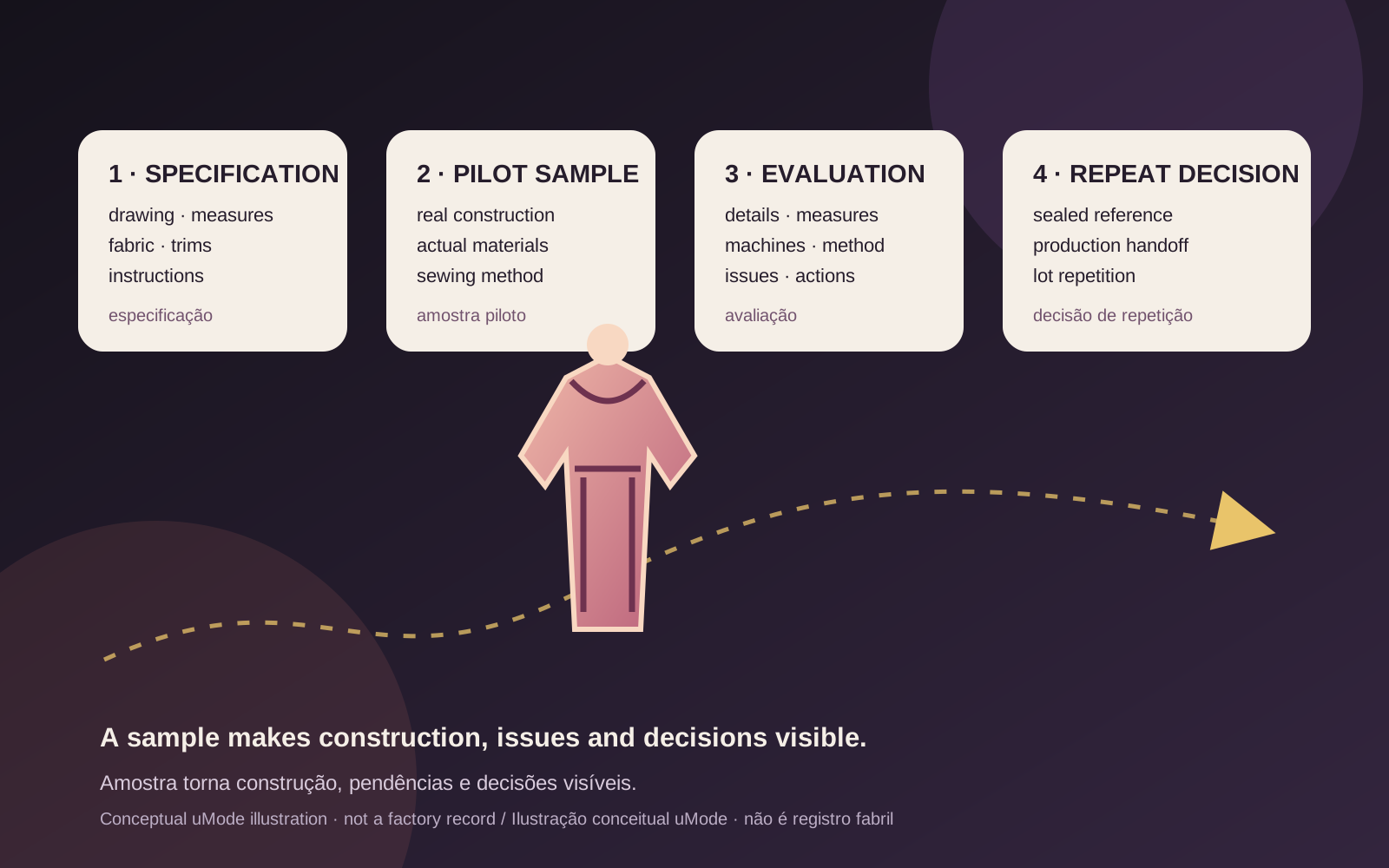
Garment production pilot sample. A garment production pilot is the development, review and approval of a product sample under product-making conditions. It connects the technical pack, materials, measurements, tests, construction and decision-making before the garment is repeated in production.
Fashion Product Prototyping
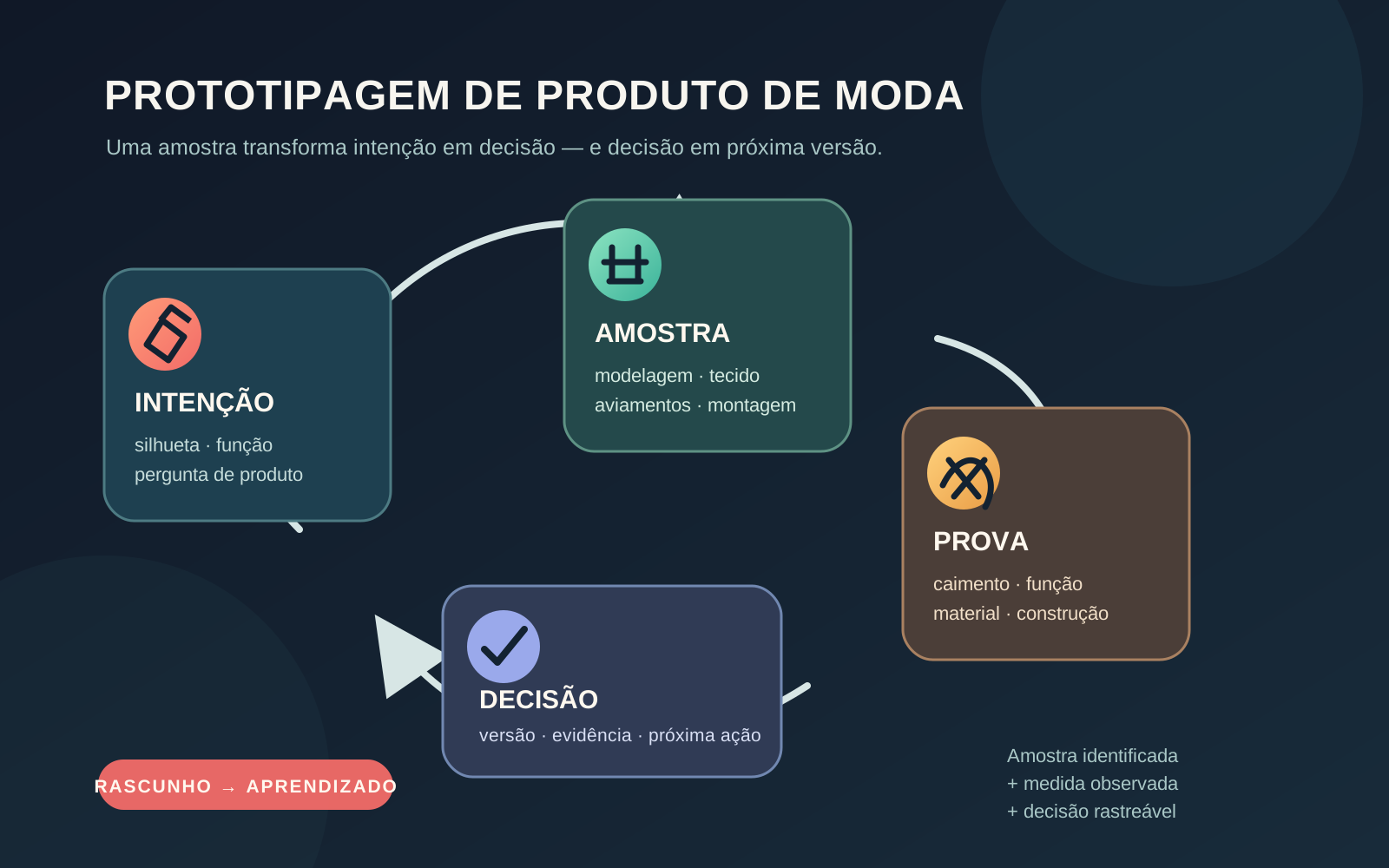
Fashion product prototyping is the process of building and evaluating samples that turn a design intention into a specified, fitted and manufacturable product. It connects design, patternmaking, materials, construction, fit and revision records before a production decision.
Size grading
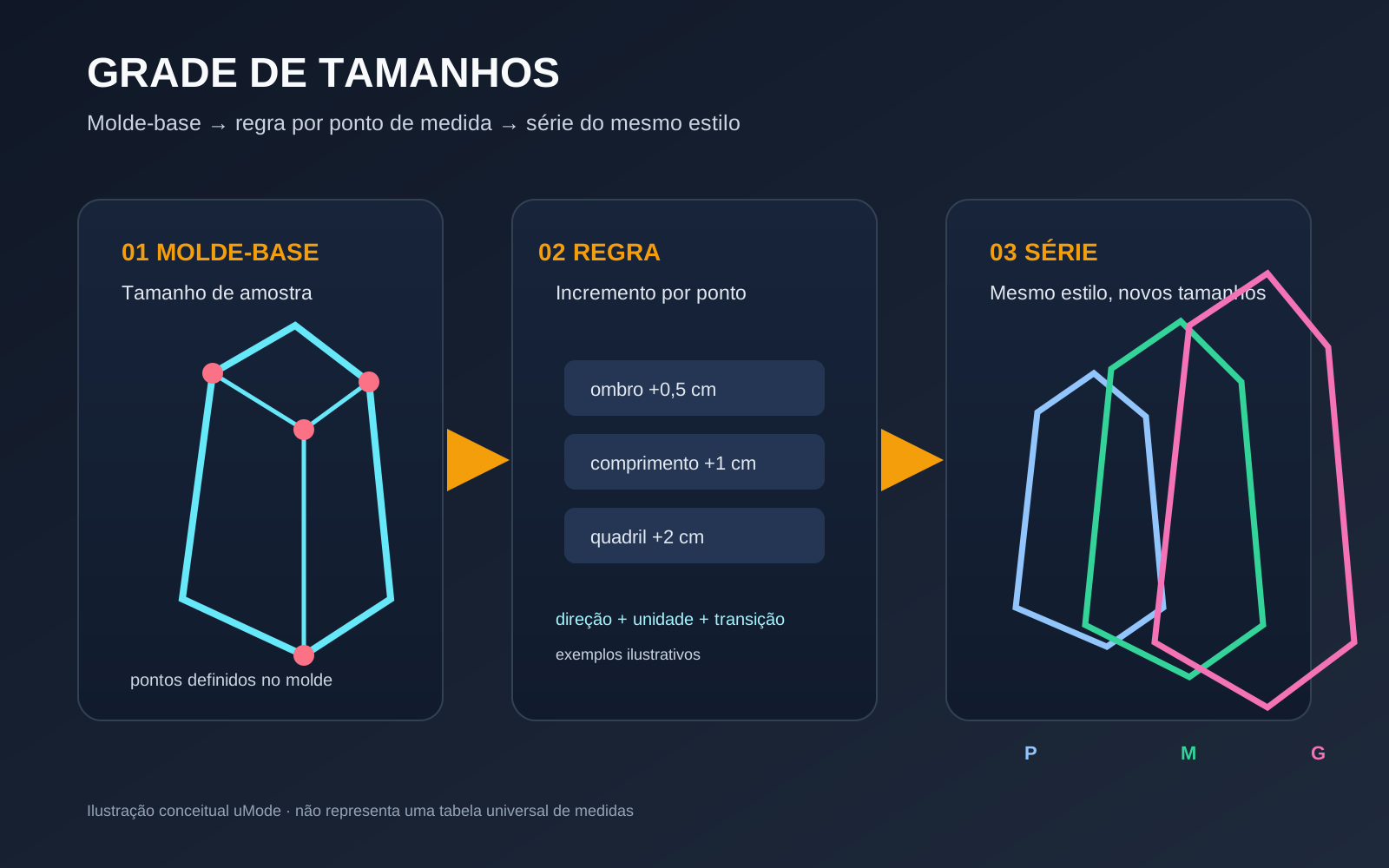
Size grading is the process of turning base-size or sample-size patterns into additional sizes by using a specification sheet or grading increments. A rule changes defined points on the pattern to form a size range for the same style; it does not replace patternmaking or create a new shape.
How to control tech pack versions
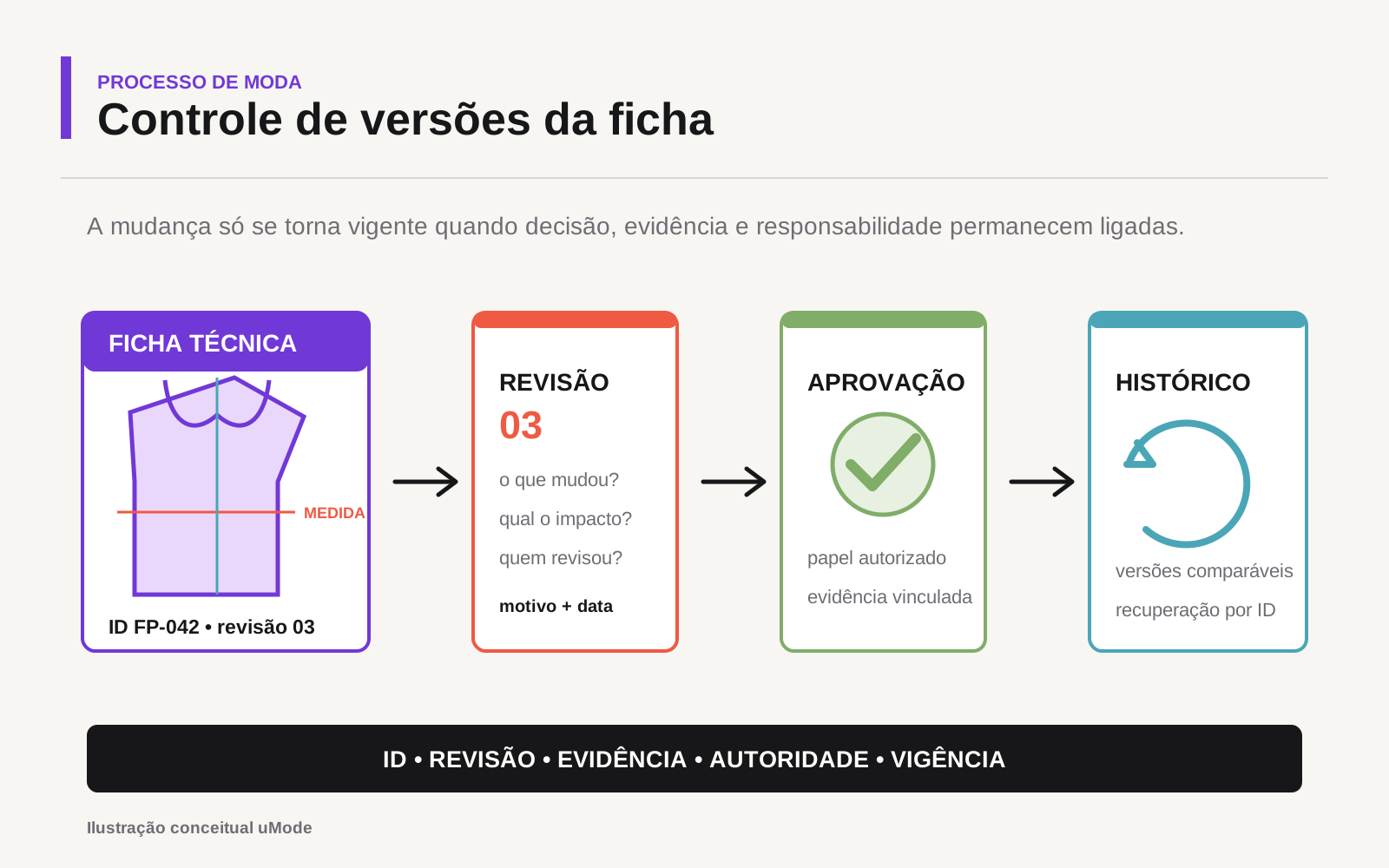
How to control tech pack versions. Controlling tech pack versions means recording every product change with an identifier, owner, reason, status, approval and effective date. The method applies configuration-control and product-lifecycle principles to the concrete decisions of an apparel supply chain.

Collection management
Collection management coordinates a fashion line's journey from idea through production, service and disposal by connecting people, product data, processes, decisions, versions and events across teams and partners.
Sources
- https://nvlpubs.nist.gov/nistpubs/Legacy/IR/nistir5727.pdf
- https://www.onlineclothingstudy.com/2018/08/14-different-types-of-garment-samples.html
- https://www.onlineclothingstudy.com/2015/10/pp-sample-what-it-is-and-importance-of.html
- https://www.onlineclothingstudy.com/2016/11/importance-of-feedback-on-sample-making.html
- https://techpacker.com/blog/design/what-is-a-garment-spec-sheet/
Want to apply this to your operation?