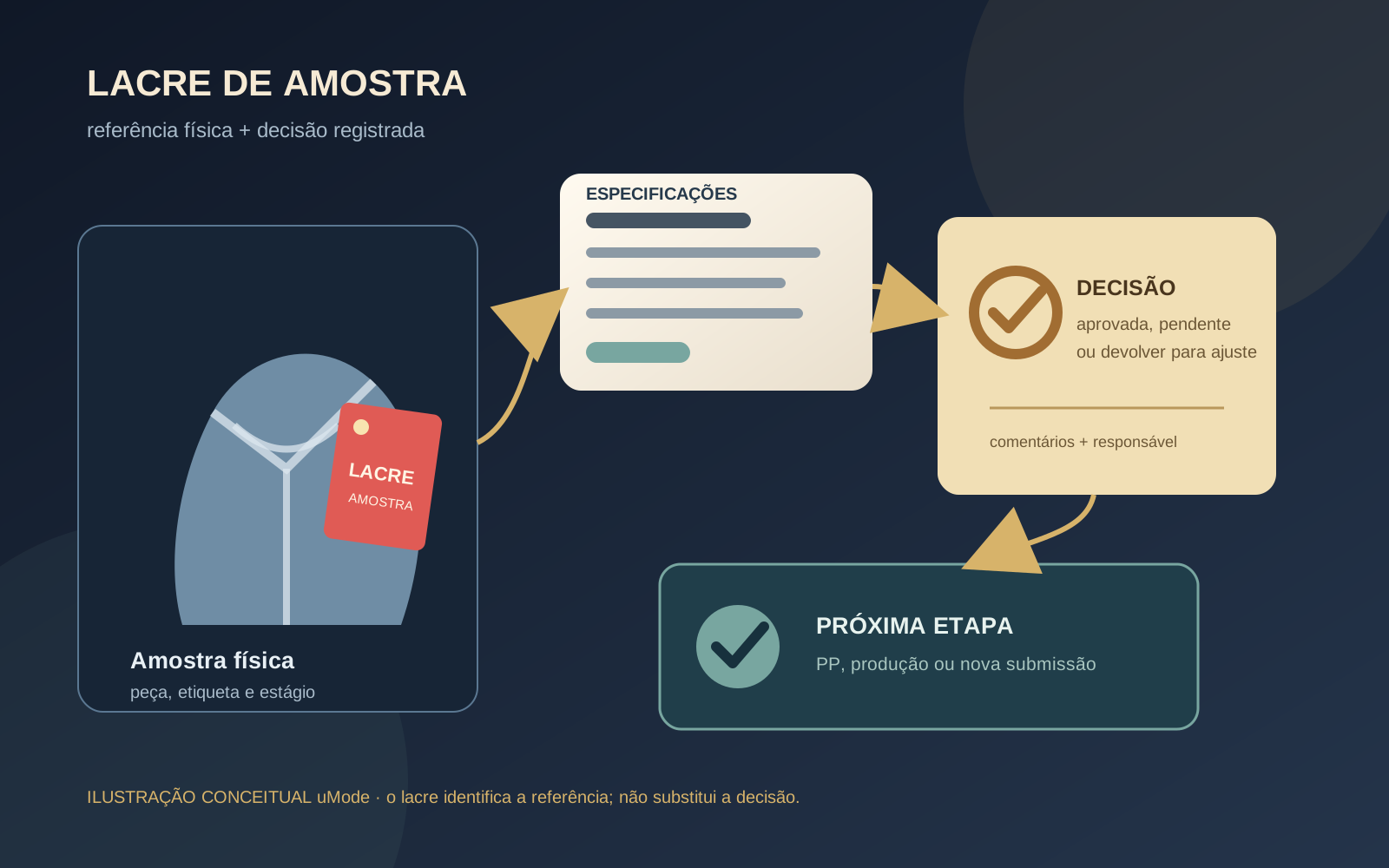
Sample coordinator
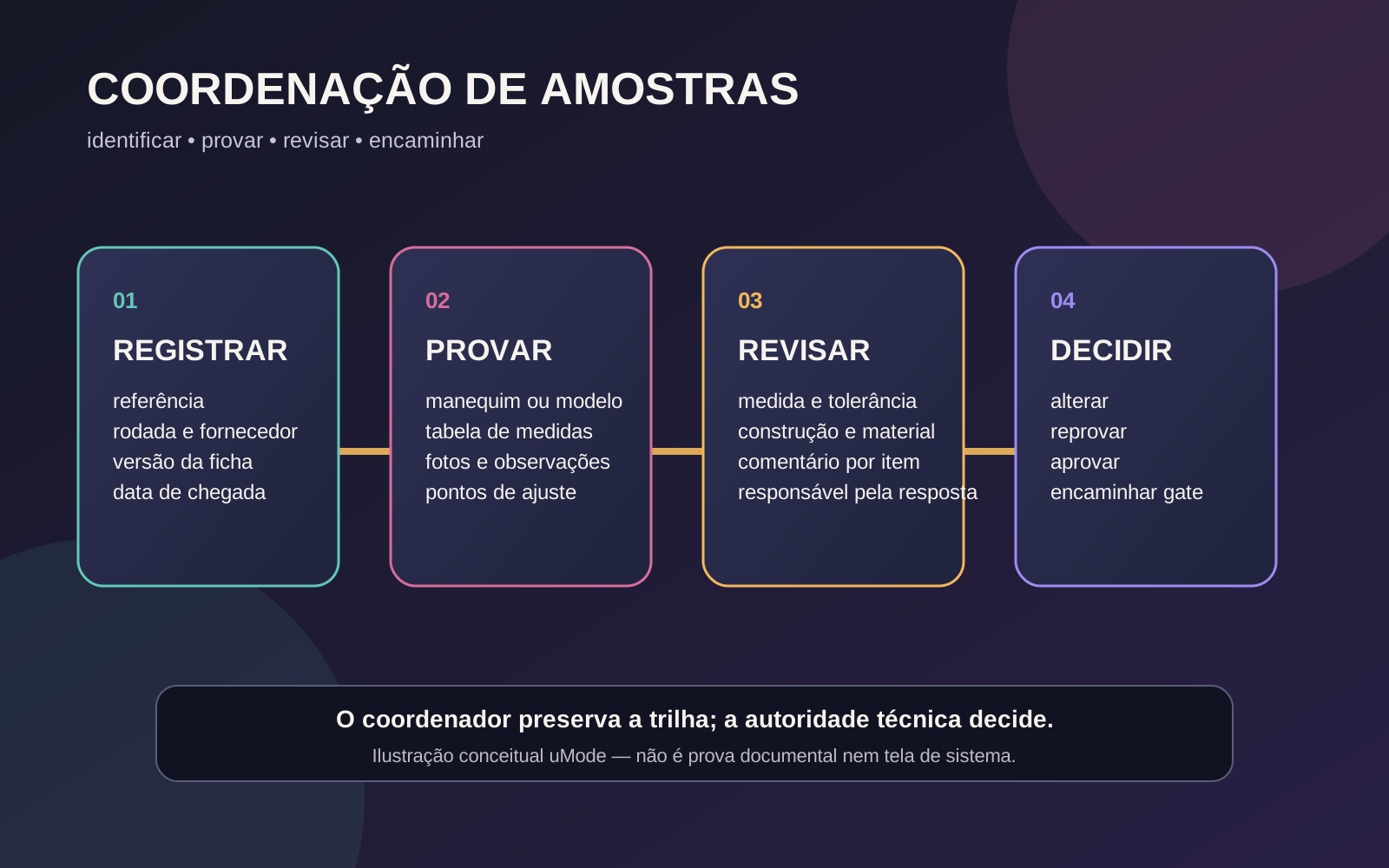
A sample coordinator keeps garment prototypes and development samples moving through a controlled flow: checking in each item, linking it to the active specification, preparing fitting, consolidating comments, and routing the next decision to the accountable specialist. Coordination does not mean personally approving fit, quality, cost, or production.
On this page
What is Sample coordinator?
A sample coordinator keeps continuity between receiving a prototype, reviewing it technically and routing the next action. The core task is to identify the item — style, colour, size, supplier and round — and link it to the active technical sheet and specification version. This is a flow-coordination role: fit approval belongs to garment fitting, construction may require apparel patternmaking, and quality criteria remain with the authority defined by the company.
The occupational source describes an environment where development, designers, buyers, pattern cutters, sample machinists, quality and production interact. That helps set the boundary: the coordinator can prepare the handoff between those areas without replacing the specialist who evaluates fit, materials, construction, cost or compliance.
How should a sample round be recorded?
A round starts with a readable check-in. A useful record can include the style identifier, supplier, sample number, receipt date, evaluated size, colour, fabric, trims, tech-pack version and open issues. This level of detail keeps a proto distinct from a fit sample or a pre-production sample. Points of Measure describes both identifying the prototype and maintaining a Sample Tracker for received and reviewed samples.
The coordinator should separate observation from decision. “Length outside tolerance”, “trim differs from the specification” and “style line needs review” are comment entries; “change the pattern”, “replace the material” or “release the next round” are routed decisions that need an owner. When more than one explanation is possible, preserve the uncertainty, the version reviewed and the requested response instead of turning a conversation into implied approval.
How are fitting and review organized?
Fitting compares the requested design and specifications with the sample received from the factory. In the Points of Measure guidance, putting the garment on a form or model checks whether the specifications suit the design intent and the fabric chosen for that style; final measurements should relate back to the size chart. The coordinator can therefore prepare the correct sample, current size chart, front/side/back images, previous comments and a list of points requiring a decision.
The comment sheet should distinguish measurement, wearability, construction, appearance, material and missing information. For each point, record location, observed value when relevant, applicable tolerance, response owner and expected impact on the next round. This connects fashion prototyping, fashion product development and product-data quality without pretending that one system replaces technical judgement.
Where does the coordinator’s authority end?
The coordinator routes a decision; the role does not automatically own approval authority. A product technologist may assess samples, materials, specifications and instructions, while patternmaking, quality, buying and production retain their own criteria and responsibilities. A PLM system can deliver data to the right system and support traceability, but it cannot make an incorrect measurement correct or turn a comment into acceptance.
A stage handoff should make clear whether the sample was received, is in fitting, awaits alteration, was rejected or was approved by an identified authority. Fashion sourcing becomes relevant when the response depends on a supplier, material or deadline; the coordinator records the dependency and returns the decision to the person who can own it. As the Design Council describes small-scale testing and iterative improvement, a well-recorded rejection is part of the round’s learning, not a missing history.
The expected result is a short, verifiable trail: which sample was reviewed, against which specification, what comments were made, who reviewed them, what change was requested and which gate permits progress. That boundary distinguishes a sample coordinator from a generic task role and makes the function useful in garment development.
Verified facts
- Skills England's product-technologist occupational standard places technical support throughout development and requires approved samples, specifications, production instructions and production patterns before manufacturing begins.
Source: skillsengland.education.gov.uk ↗ - Duties listed by Skills England include evaluating new product designs and supporting the production of sewn-product samples.
Source: skillsengland.education.gov.uk ↗ - The same duty list includes sample review, evaluation and approval, as well as producing product specifications and production instructions.
Source: skillsengland.education.gov.uk ↗ - Skills England includes fabric and trim analysis against a design brief for function, performance and aesthetics.
Source: skillsengland.education.gov.uk ↗ - In the Points of Measure tutorial, putting a garment on a form or model confirms whether the specifications fit the design intent and the fabric choice for that style.
Source: pointsofmeasure.com ↗ - Points of Measure recommends relating final specifications back to the size chart to create consistent fit.
Source: pointsofmeasure.com ↗ - Points of Measure describes keeping a Sample Tracker for samples received and reviewed as common practice.
Source: pointsofmeasure.com ↗ - NIST describes PLM systems as managing product and process data across the lifecycle so the right information reaches the right systems at the right time.
Source: nist.gov ↗ - NIST connects manufacturing-data contextualization with understanding system behaviour and satisfying traceability requirements.
Source: nist.gov ↗ - Design Council describes delivery as testing solutions at small scale, rejecting what does not work and improving what does.
Source: designcouncil.org.uk ↗
Related entries

Fashion product technical specification
A technical specification is the controlled information set that translates an approved fashion product into verifiable sampling and manufacturing requirements. It brings together drawings, materials, measurements, construction, tolerances, identification, labelling, comments and revision history; its content varies by category, company, market and stage.
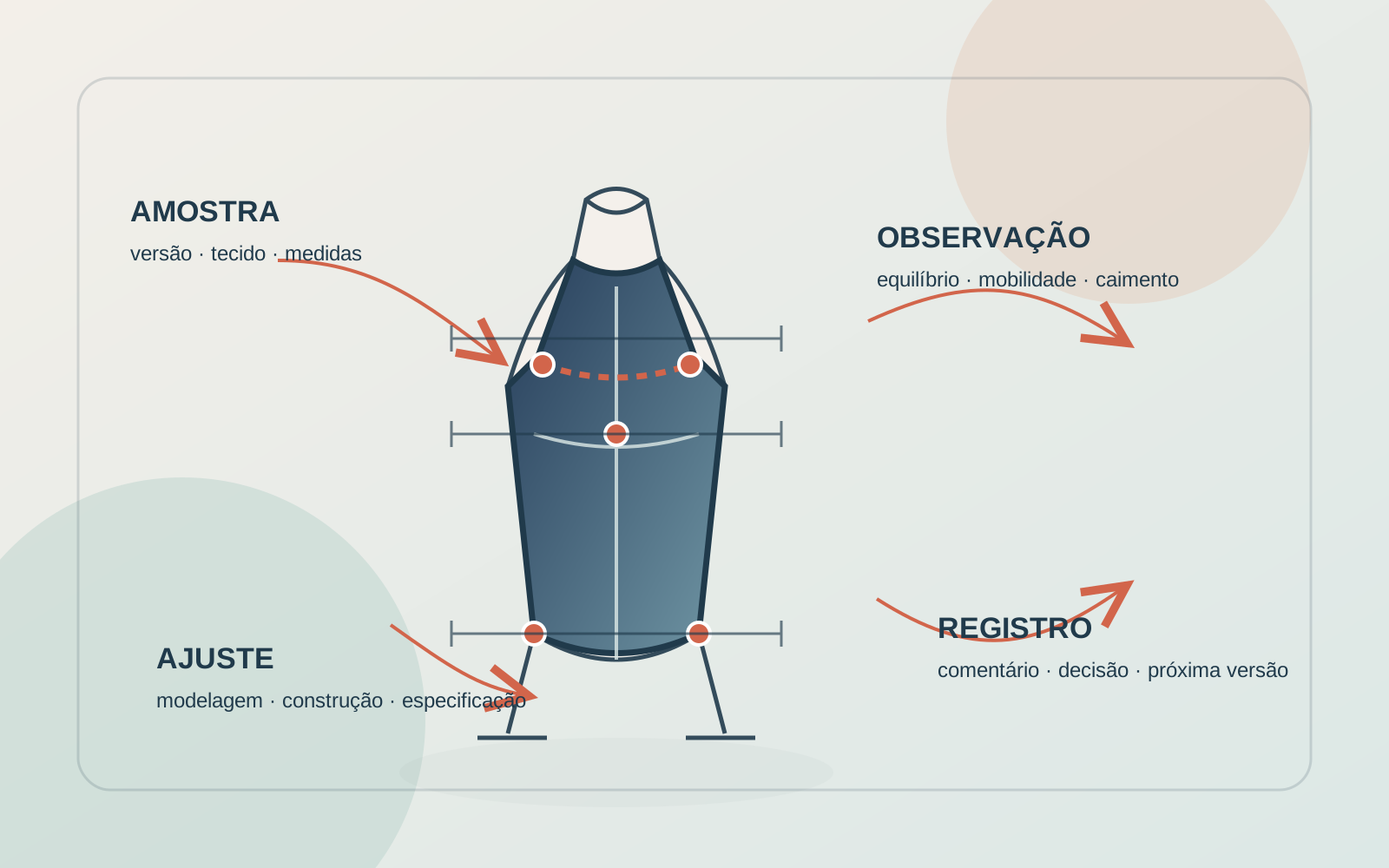
Garment fitting
Garment fitting is the process of comparing a dressed sample with a style's design, specifications, and intent. The team observes fit, balance, movement, and construction, records decisions, and sends changes into the next version.
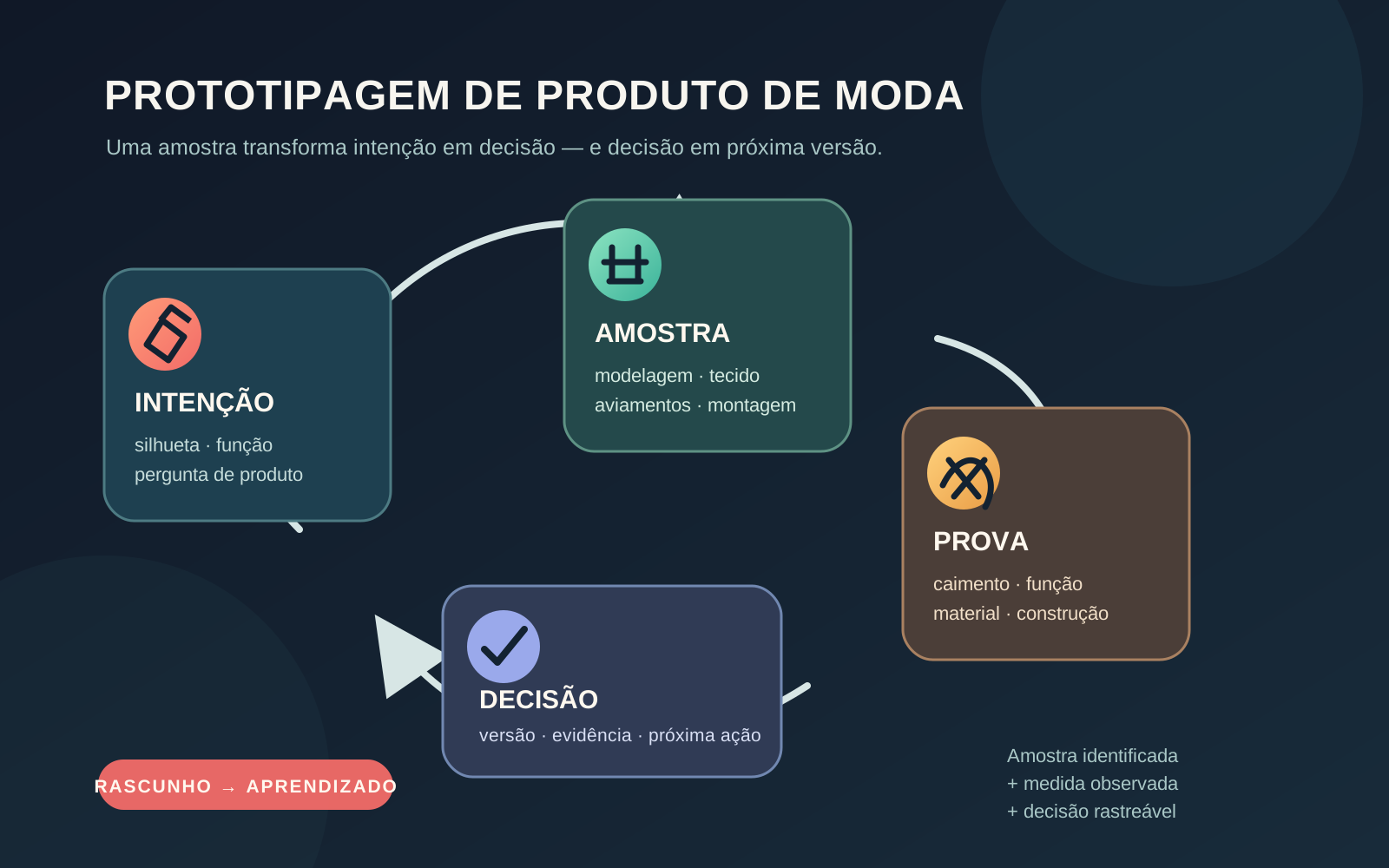
Fashion Product Prototyping
Fashion product prototyping is the process of building and evaluating samples that turn a design intention into a specified, fitted and manufacturable product. It connects design, patternmaking, materials, construction, fit and revision records before a production decision.
Garment patternmaking
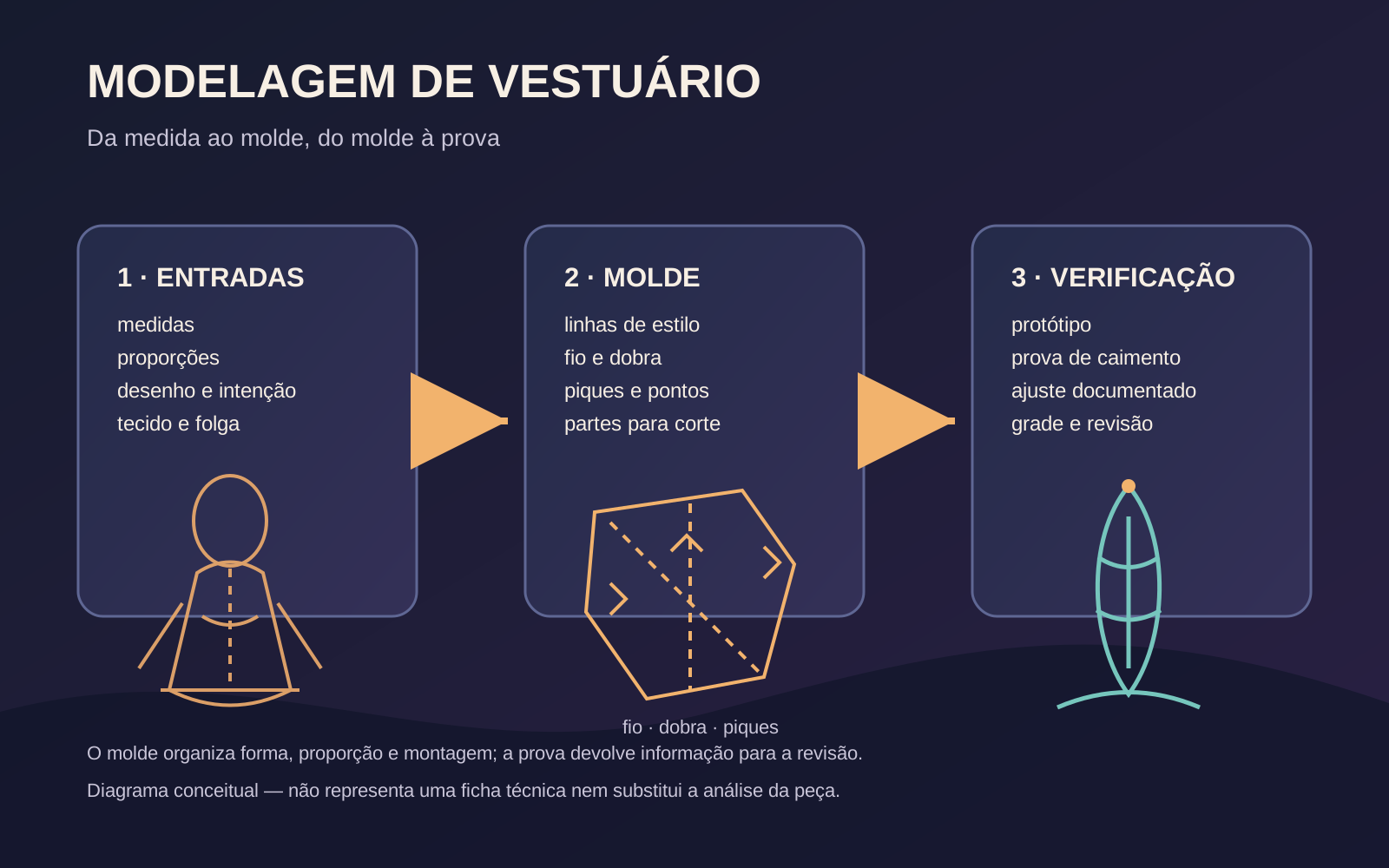
Garment patternmaking is the technique of turning measurements, proportions, and design intent into patterns used to cut and assemble a garment. It connects a block, flat pattern construction or draping with fabric information, production markings, fitting, alterations, and grading; the result is a testable development basis, not an automatic guarantee of fit.
Fashion product development
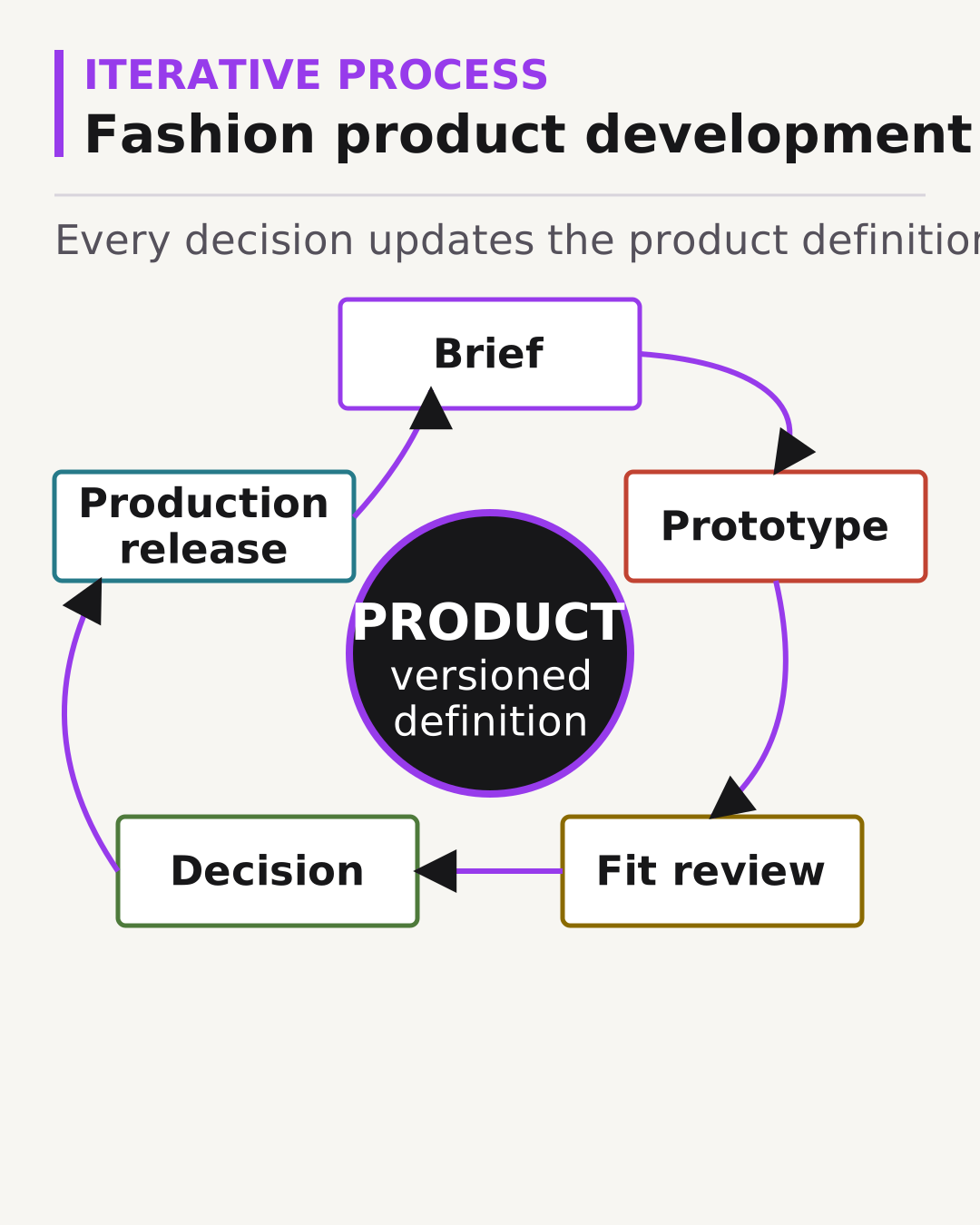
Fashion product development is the process that turns an opportunity or brief into a product specified and approved for manufacturing. It coordinates concept, assortment, materials, patternmaking, samples, fit, cost, quality, compliance and timing through decision cycles rather than an isolated creative sequence.

How to improve product data quality
How to improve product data quality. Improving product data quality in fashion means separating style, variant, technical attribute and regulatory record; defining every field; validating source and format; and controlling the handoff from tech pack to catalog, label and sales channel. The process becomes dependable when each exception has an owner, evidence and a version.
Fashion sourcing
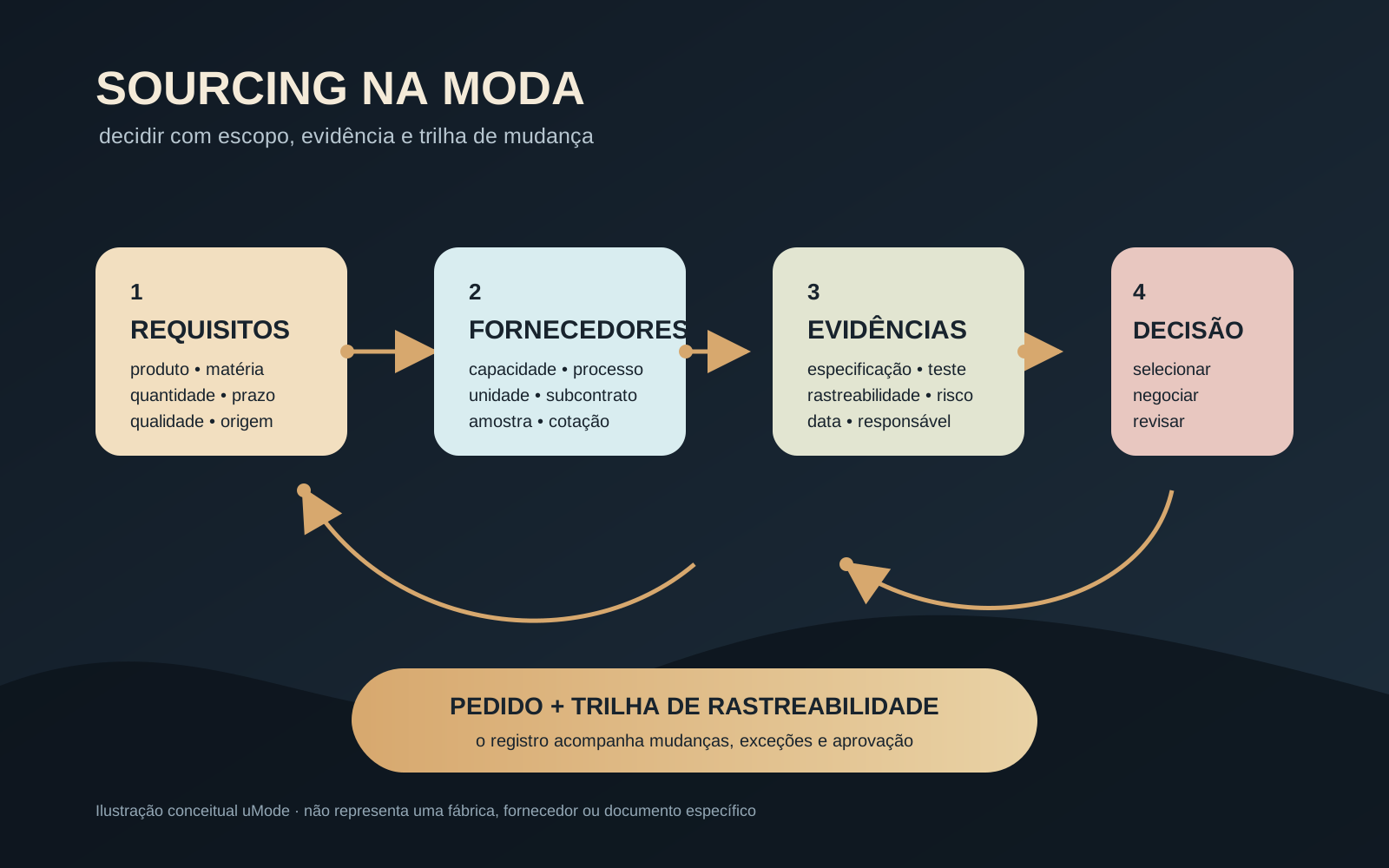
Fashion sourcing turns product requirements into a verifiable decision about materials, suppliers, capacity, cost, timing and risk. It connects samples, evidence and purchase orders without reducing supplier choice to the lowest price.
Sources
- https://skillsengland.education.gov.uk/apprenticeship-standards/st0540-v1-0
- https://www.pointsofmeasure.com/tutorials-education/how-to-fit-a-garment
- https://www.nist.gov/publications/contextualizing-manufacturing-data-lifecycle-decision-making
- https://www.designcouncil.org.uk/resources/framework-for-innovation/
Want to apply this to your operation?