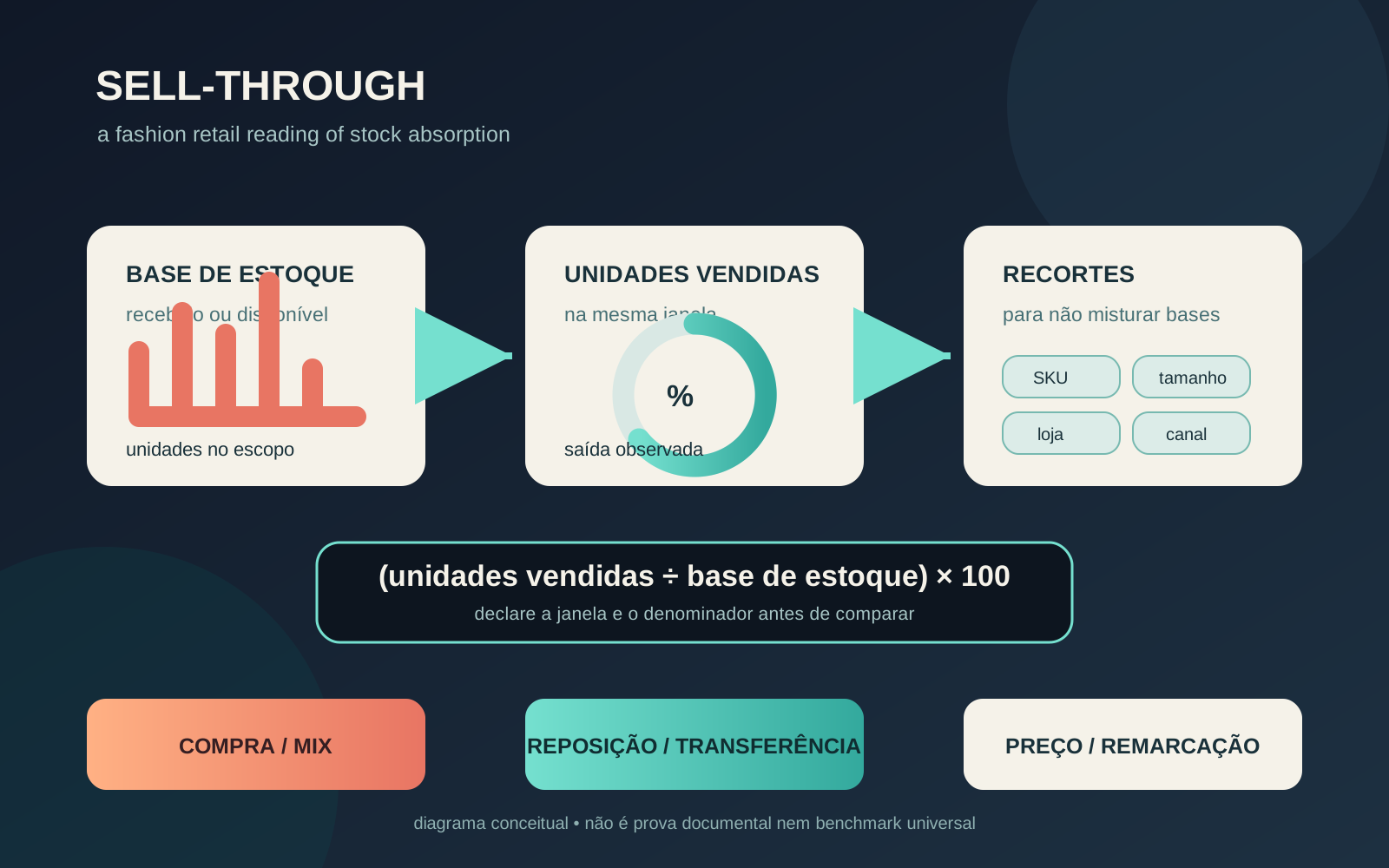
Sealed apparel sample
A sealed apparel sample is a physical sample that a buyer has approved and tagged as a production reference. The seal links the approved garment to its construction, trims, comments and version record; it does not replace the documented decision or define every buyer’s procedure.
On this page
What is Sealed apparel sample?
A sealed apparel sample is a physical sample that a buyer has approved and tagged as a production reference. The apparel-merchandising description used here treats a red-tag sample as representing approved garment construction and the trims attached to it. The sample is the physical object, approval is the decision about it, and the seal is the marker that preserves the physical reference. The seal does not replace the buyer’s comments or turn a local convention into a universal rule.
The tag colour must be read in the buyer’s context. The same source describes coloured tags for different sample types, including green for size-set samples and red for PP samples, and notes that the tag is not easily removed. Because this is a practice described for particular workflows, the operational record should keep the local legend, sample identifier and corresponding stage instead of assuming that “red” means the same thing across every supply chain.
How does the seal relate to sampling stages?
A seal generally appears after a sample has been assessed, but it does not erase the distinctions among development stages. A fit sample uses actual measurement and may be tested on a live model or dress form to check fit and fall. A size set checks fit across multiple sizes. A PP sample is made on the production line with actual fabric, trims and accessories and must be approved before actual production. These answer different questions: is the fit right, does grading work, and can the construction be executed on the line?
At the PP stage, the buyer cross-checks detailing and workmanship against the style specification. If the sample is approved, the buyer may seal it and return it to the vendor as a bulk-production reference; if a variation is found, the buyer may request resubmission or record corrections for bulk production. “Sealed” should not conceal a deviation, open point or approval condition. The sample remains a physical reference, while the decision must explain what was checked and what was accepted.
What should accompany the sealed sample?
The tag and the record should make the reference findable without relying on one person’s memory. The technical source lists reference number, colour, fabric, composition, description, quantity, style or size and storage location among the details that may accompany a sample. This list is a starting point for the agreement between buyer, vendor and product team, not a universal form. Control becomes stronger when the garment, technical sheet, version, comments, decision and custody point to the same identifier.
The technical package is the place to reconcile the physical object with manufacturing instructions: a tech pack brings together technical flats, measurements, materials, construction notes and cost data. Its revision history records what changed, when it changed and who approved the change. That separates three questions that are often mixed together: which sample was sealed, which specification was current, and which comments still require action.
During quality and shipment inspection, the sealed sample may be consulted together with the buyer’s comments. It is a comparison reference, not automatic proof that every piece in a lot conforms. Inspection should connect the observed garment back to the reference, specification and recorded corrections; if custody, version or criterion conflicts, the decision needs technical reconciliation rather than a silent assumption.
The relationships to sample approval, fit session, technical sheet, measurement chart, PP sample and product development and engineering help separate these functions in an apparel workflow. They do not make the concepts equivalent: the seal identifies a reference, the technical sheet describes requirements, and approval records a decision.
Verified facts
- In an apparel merchandising description, a sample with a red tag identifies a sample that the buyer approved and sealed for production; the sealed sample represents the approved garment construction and trims attached to the garment.
Source: onlineclothingstudy.com ↗ - The same description says buyers use different coloured tags for different sample types: green for size set samples and red for PP samples; it also observes that the tags are not easily removed from the sample garment.
Source: onlineclothingstudy.com ↗ - During quality inspection, the sealed sample and the buyer’s comments are used as references; shipment inspection is done based on the sealed sample.
Source: onlineclothingstudy.com ↗ - A fit sample is made after the proto sample is approved, uses the actual measurement, and can be tested on a live model or dress form to verify garment fit and fall.
Source: onlineclothingstudy.com ↗ - A size set checks garment fit in different sizes and involves samples in multiple sizes.
Source: onlineclothingstudy.com ↗ - A PP sample is made on the production line with actual fabric, trims and accessories, and it must be approved before actual production begins.
Source: onlineclothingstudy.com ↗ - After checking the PP sample’s detailing and workmanship, the buyer may approve and seal it, returning it to the vendor as a bulk-production reference; variations may lead to resubmission or comments for correction in bulk production.
Source: onlineclothingstudy.com ↗ - A textile-school source describes each sample sent to the buyer as potentially carrying a tag with a reference number, colour, fabric, composition, description, quantity, style/size and storage location.
Source: textileschool.com ↗ - A tech pack is described as a specification document that brings together technical flats, measurements, materials, construction notes and cost data to guide a manufacturer in producing the garment.
Source: techpacker.com ↗ - A tech pack’s revision history records what changed, when it changed and who approved the change, helping prevent a factory from using an earlier version during revisions.
Source: techpacker.com ↗
Related entries
Fashion sample approval
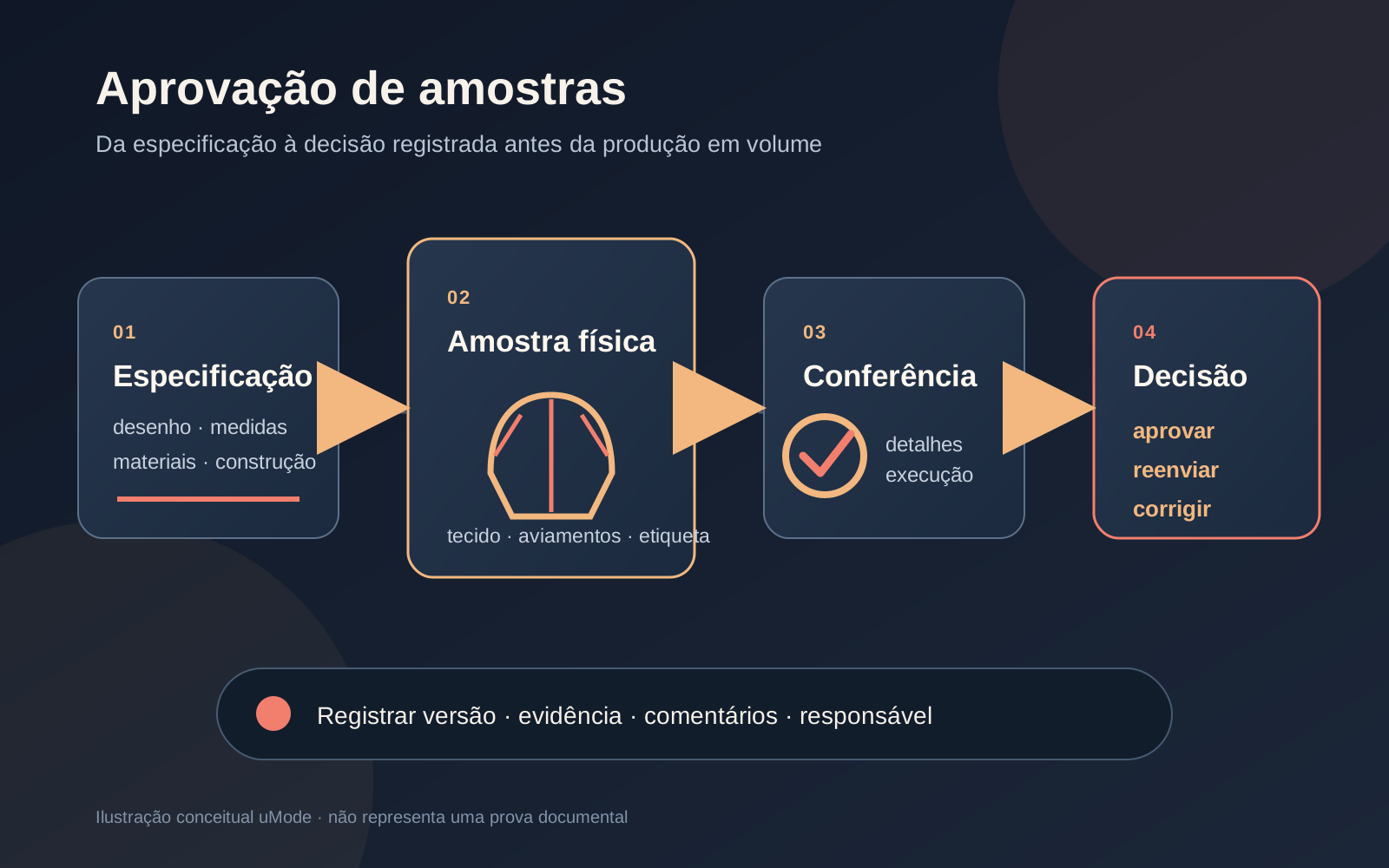
Fashion sample approval is the process of comparing a physical sample with documented requirements for style, materials, construction and identification, recording deviations and deciding whether the garment can proceed, needs resubmission or requires correction before volume production.
Garment fitting
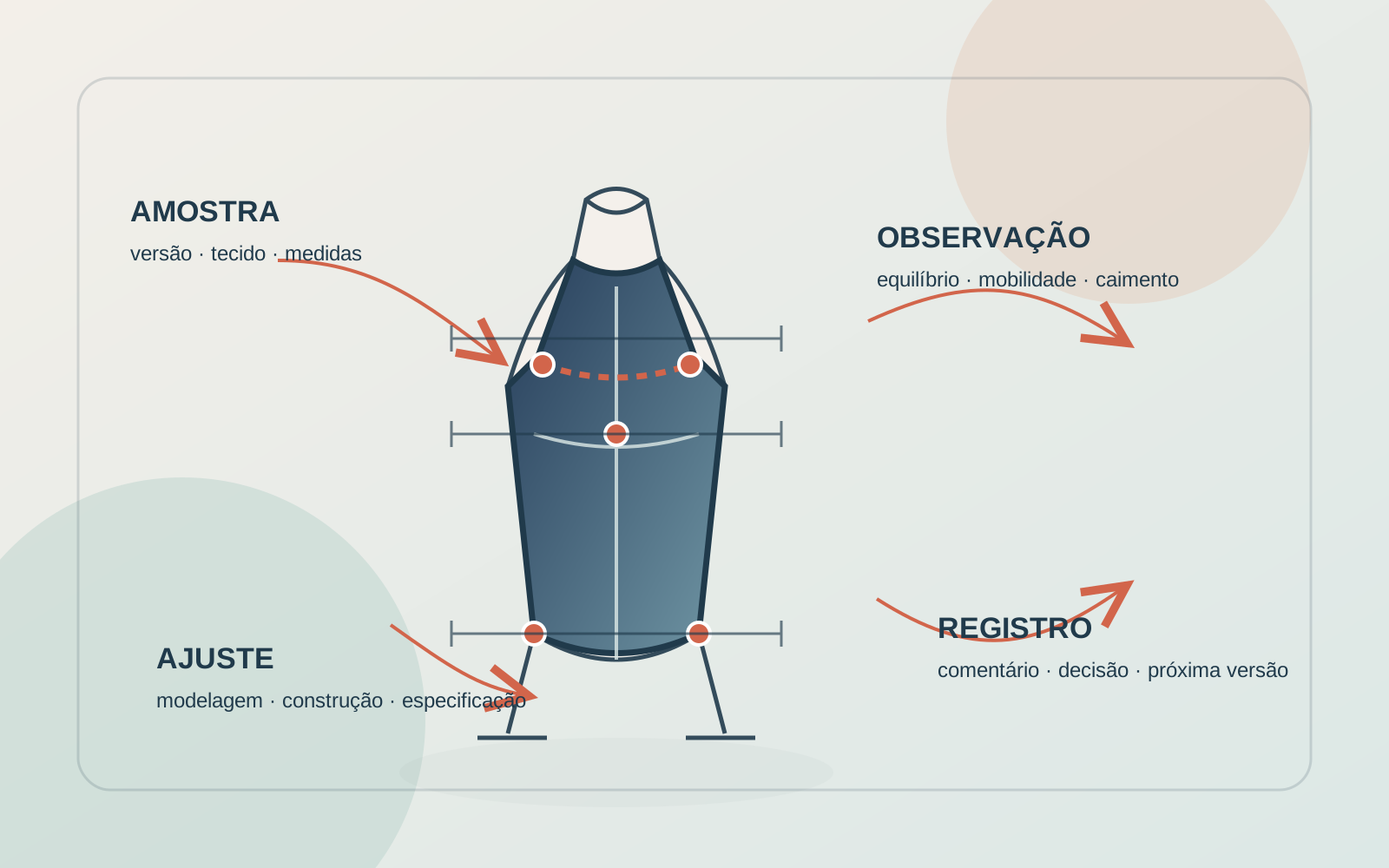
Garment fitting is the process of comparing a dressed sample with a style's design, specifications, and intent. The team observes fit, balance, movement, and construction, records decisions, and sends changes into the next version.

Fashion product technical specification
A technical specification is the controlled information set that translates an approved fashion product into verifiable sampling and manufacturing requirements. It brings together drawings, materials, measurements, construction, tolerances, identification, labelling, comments and revision history; its content varies by category, company, market and stage.
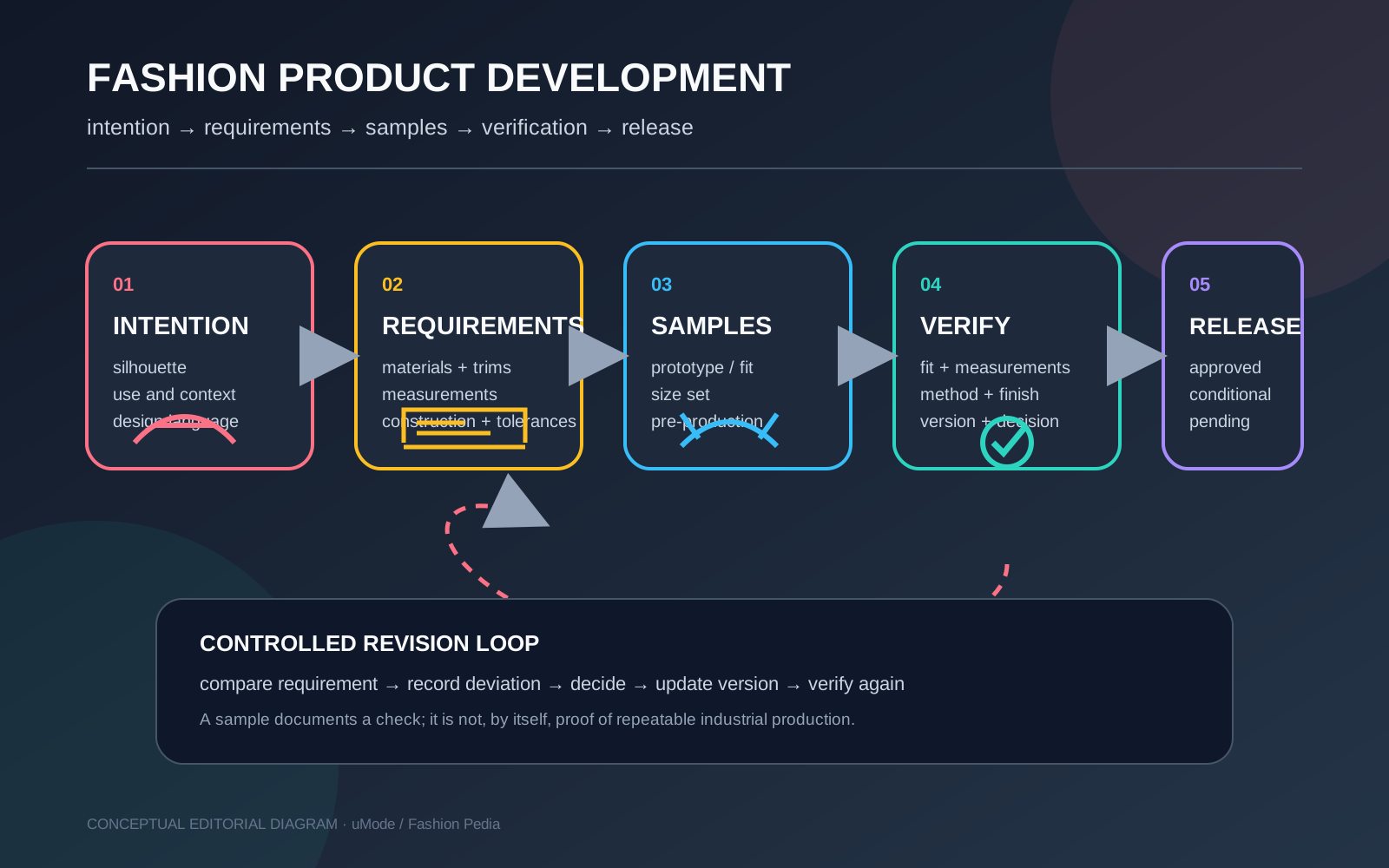
Fashion Product Development and Engineering
Fashion product development and engineering turns a design intention into verifiable requirements for building, fitting, revising, and releasing a garment or collection. The process connects concept, technical specification, patternmaking, materials, construction, measurements, samples, quality, cost, and lifecycle data without treating aesthetic approval as proof of industrial repeatability.
Sources
- https://www.onlineclothingstudy.com/2013/07/what-is-red-tag-sealed-sample.html
- https://www.onlineclothingstudy.com/2011/03/sampling-stages-in-apparel.html
- https://www.onlineclothingstudy.com/2015/10/pp-sample-what-it-is-and-importance-of.html
- https://www.textileschool.com/364/garment-sampling/
- https://techpacker.com/blog/design/what-is-a-tech-pack/
Want to apply this to your operation?