Techniques
12 entries
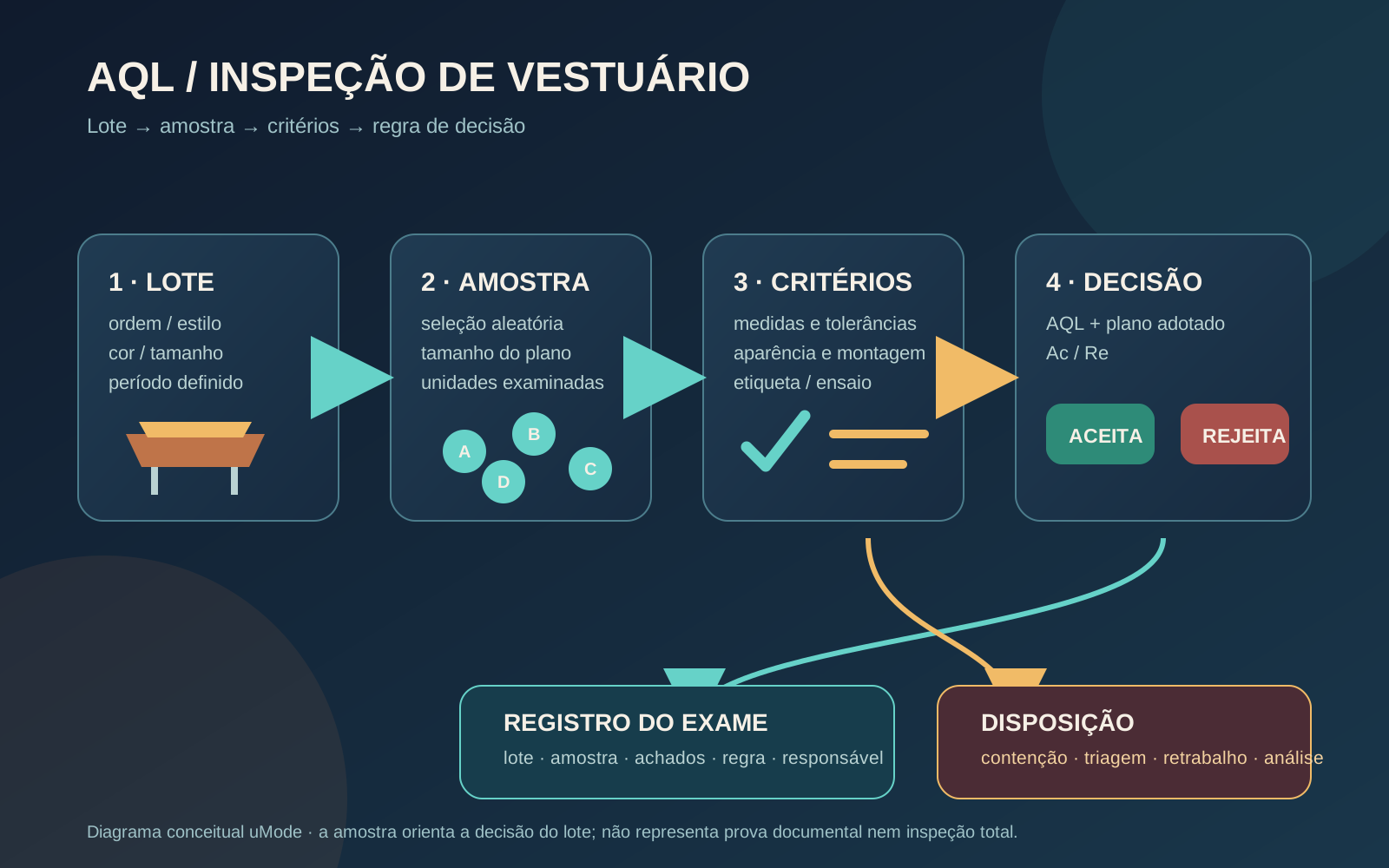
AQL inspection in apparel
AQL inspection in apparel applies acceptance sampling to a lot of garments: a sample is examined under a decision rule to accept, reject, or continue sampling. AQL is a reference quality level expressed as a defective percentage; it is not a universal supplier grade or proof that every garment conforms.
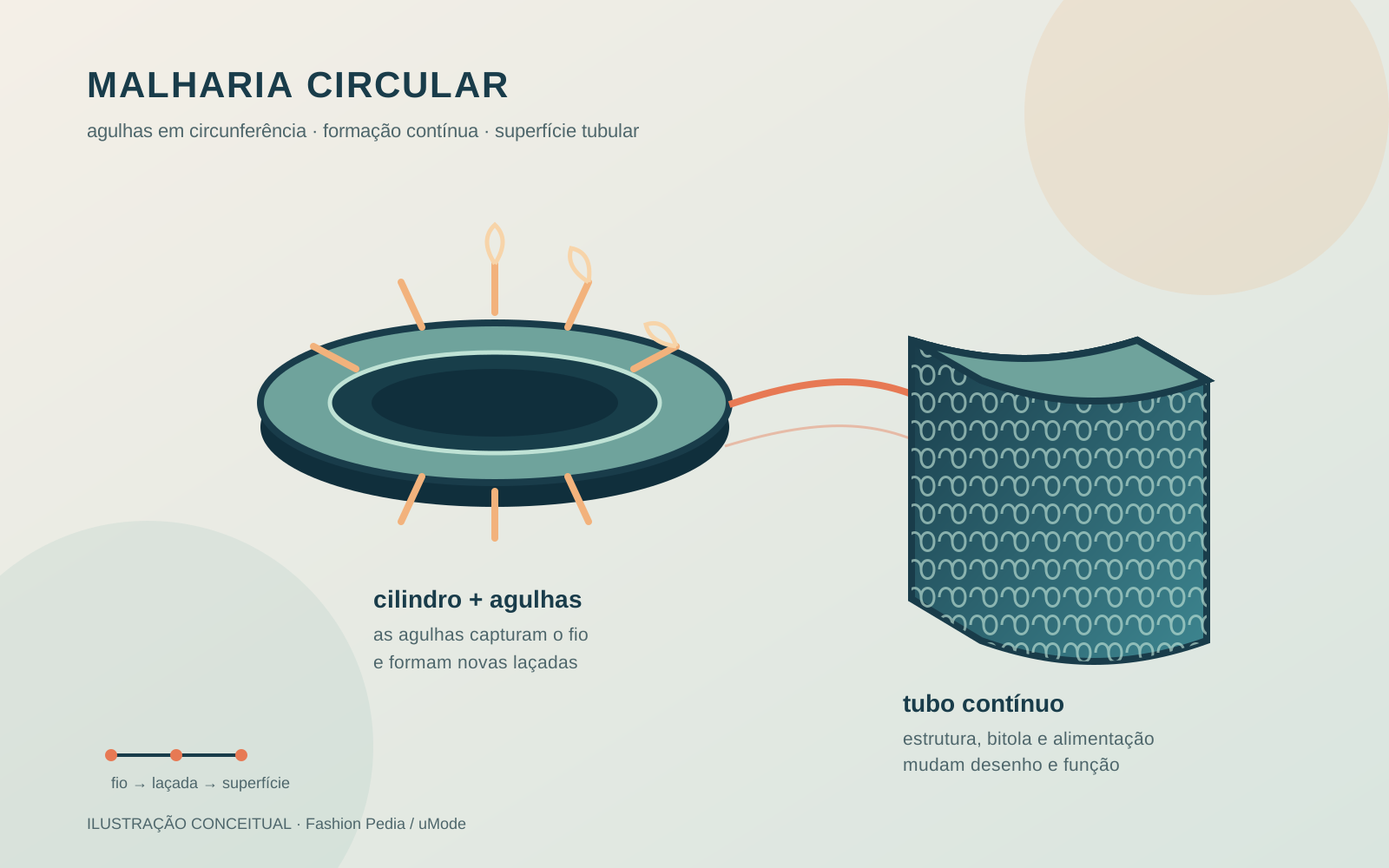
Circular knitting
Circular knitting is a fabric-forming technique in which needles arranged on a circular bed produce a continuous tubular knitted structure. The result depends on the interaction of yarn, needles, cylinder, feeding, structure and gauge; the same machine logic can serve open fabrics, separated pieces or seamless constructions.
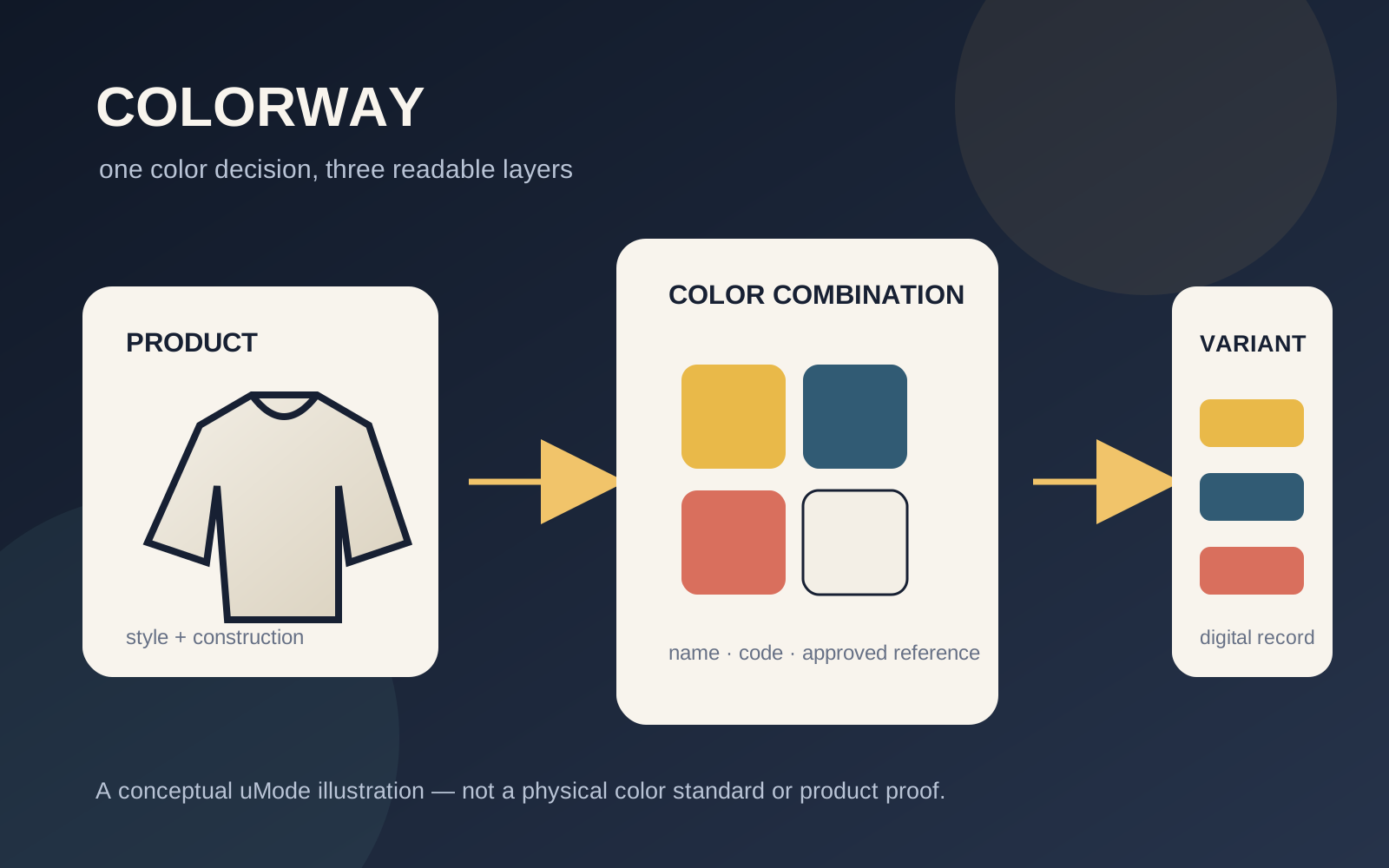
Colorway in fashion
Colorway in fashion. A colorway is a named combination of colors used to distinguish one version of a product. In fashion operations, the combination should remain legible across the product record, the approved reference, and the digital presentation, without treating a commercial name, a physical color, and a variant code as interchangeable.
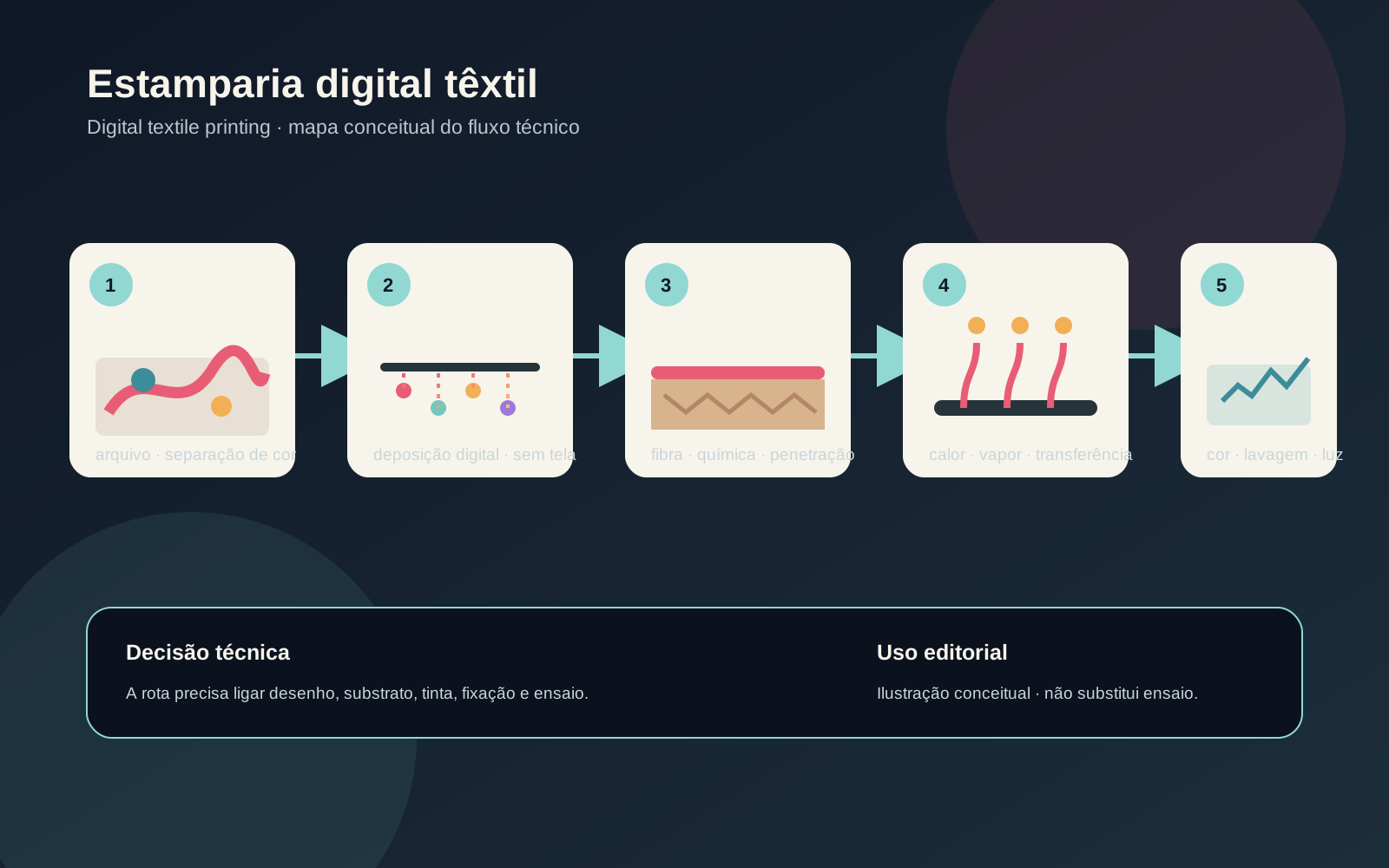
Digital textile printing
Digital textile printing places an image on a textile substrate through a digitally controlled print system. The route must be selected with the substrate, ink, preparation or transfer, fixation, and relevant fastness tests considered together.
Fashion mood board
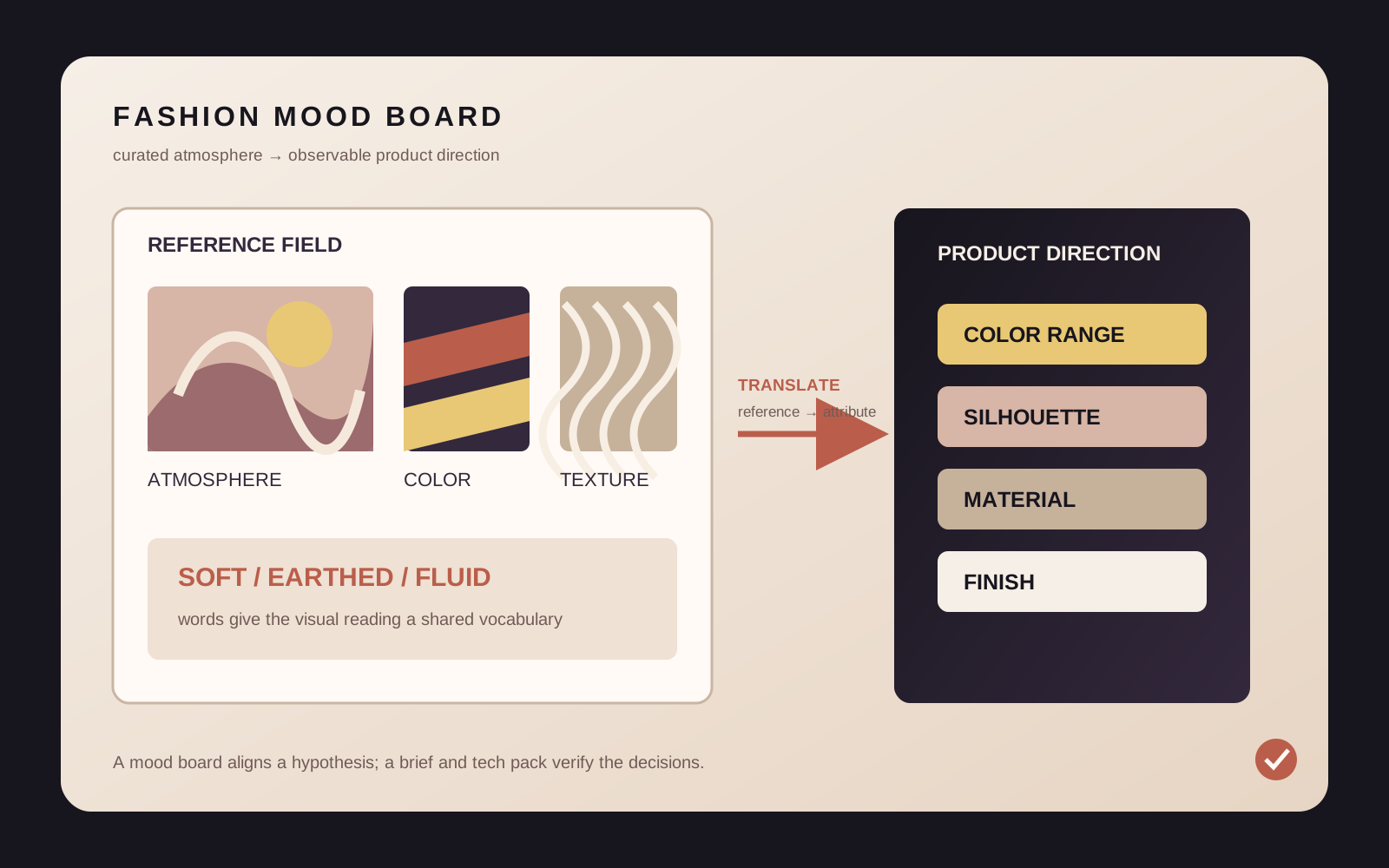
A fashion mood board is a curated composition of images, samples, patterns, colors, and words that makes an aesthetic direction visible before it becomes collection decisions. It aligns interpretations and enables exploration, but it is neither a tech pack nor proof of feasibility.
Fashion technical drawing
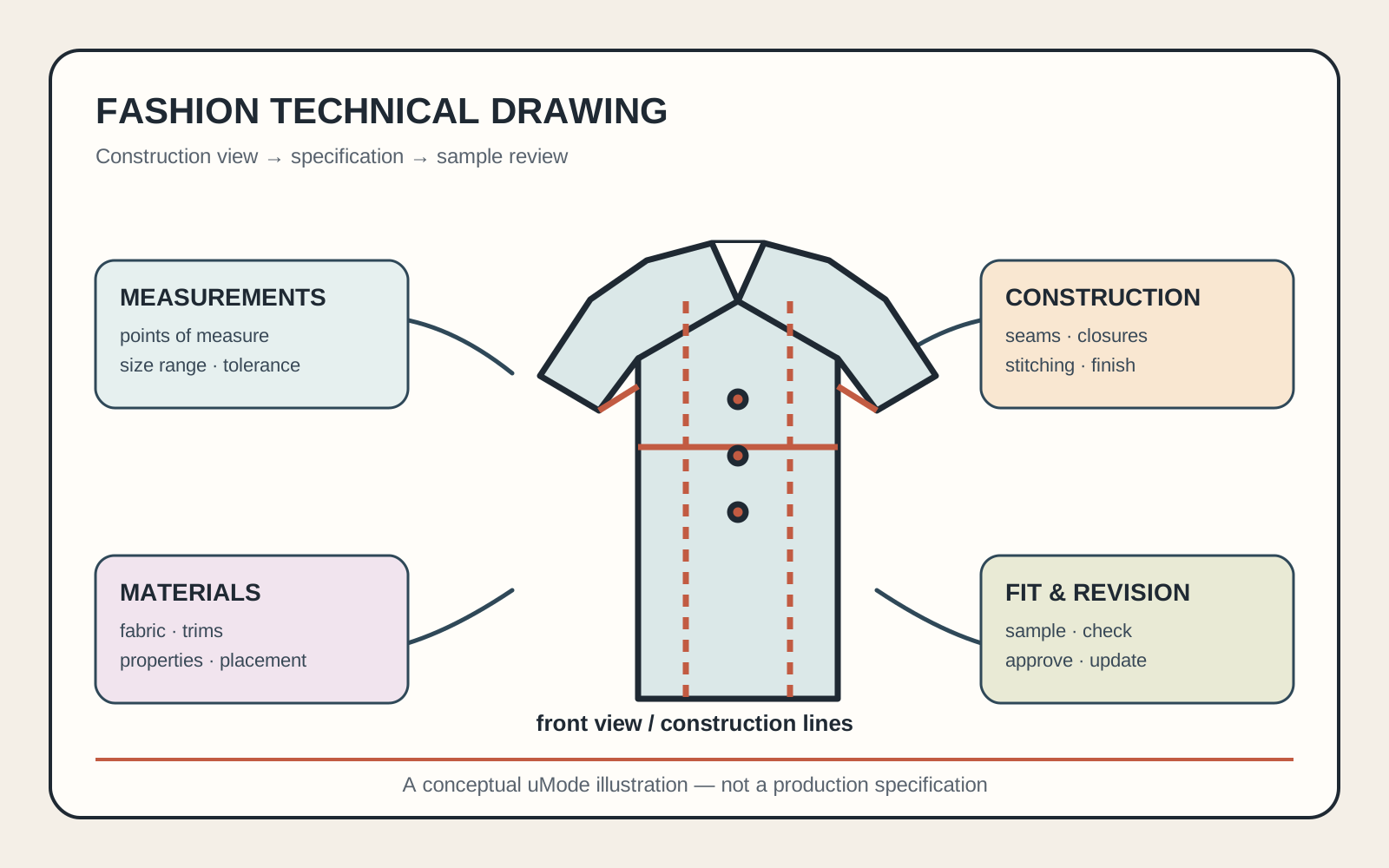
Fashion technical drawing is a construction-oriented representation used to communicate a garment’s form, details, measurements and manufacturing decisions. In apparel development it connects with patternmaking, specifications, fitting, materials and production; it does not replace a complete tech pack or physical validation.
Flat knitting
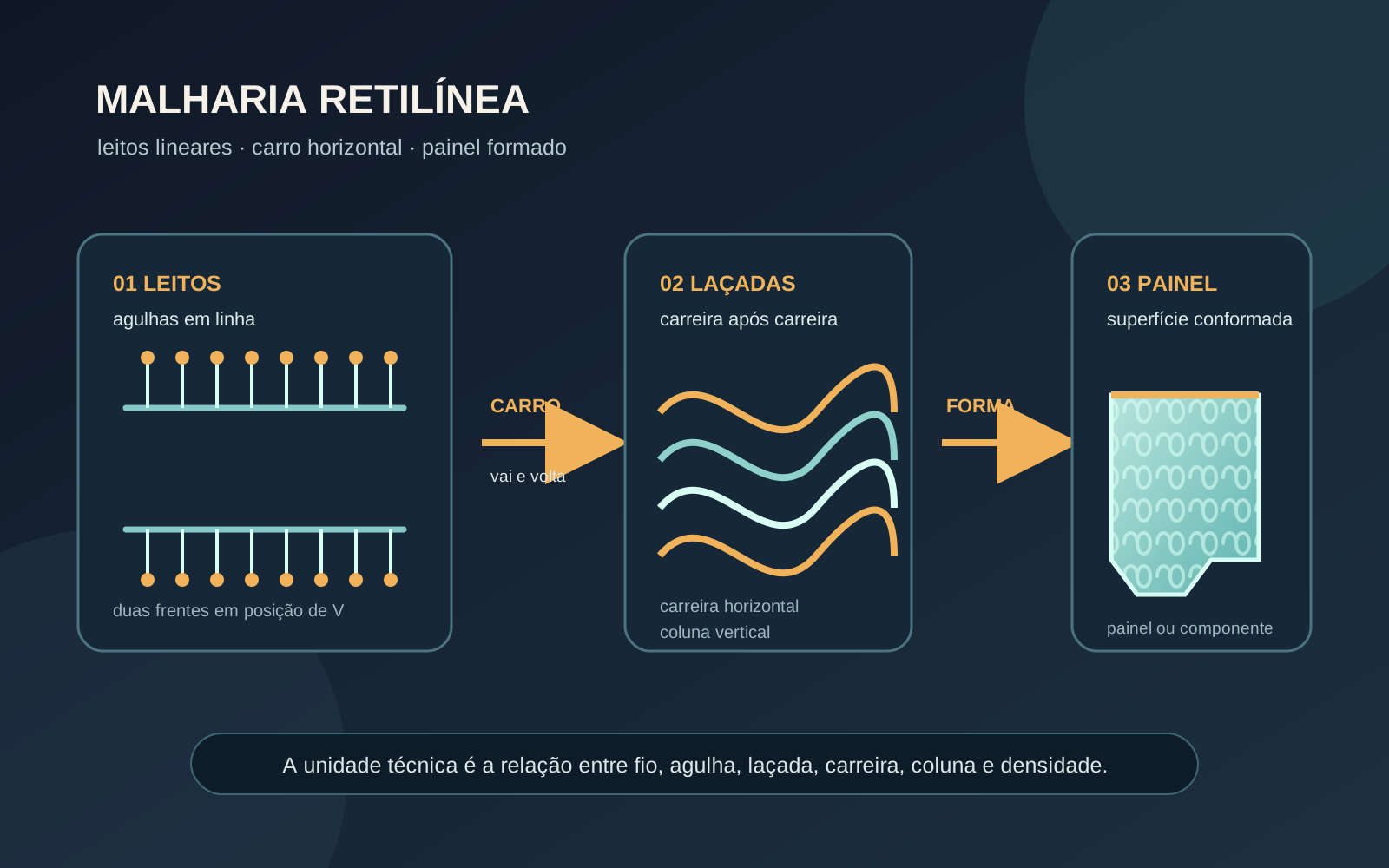
Flat knitting forms knitted fabric on a weft-knitting machine with linear needle beds and a carriage that travels horizontally. The arrangement can shape panels and garment components during knitting; it is not the same as circular knitting, which forms a tube around a cylinder.
Garment patternmaking
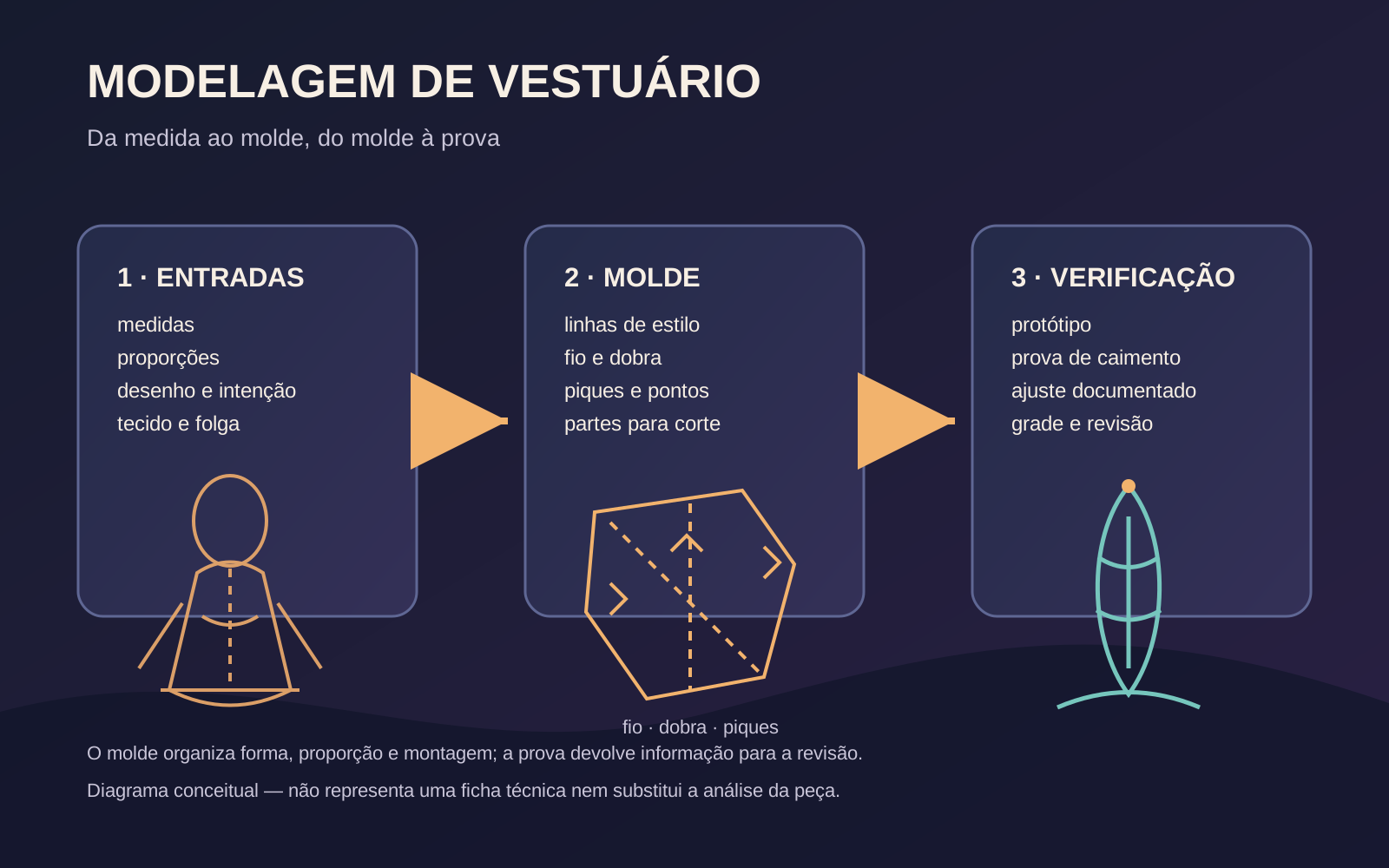
Garment patternmaking is the technique of turning measurements, proportions, and design intent into patterns used to cut and assemble a garment. It connects a block, flat pattern construction or draping with fabric information, production markings, fitting, alterations, and grading; the result is a testable development basis, not an automatic guarantee of fit.
Industrial embroidery
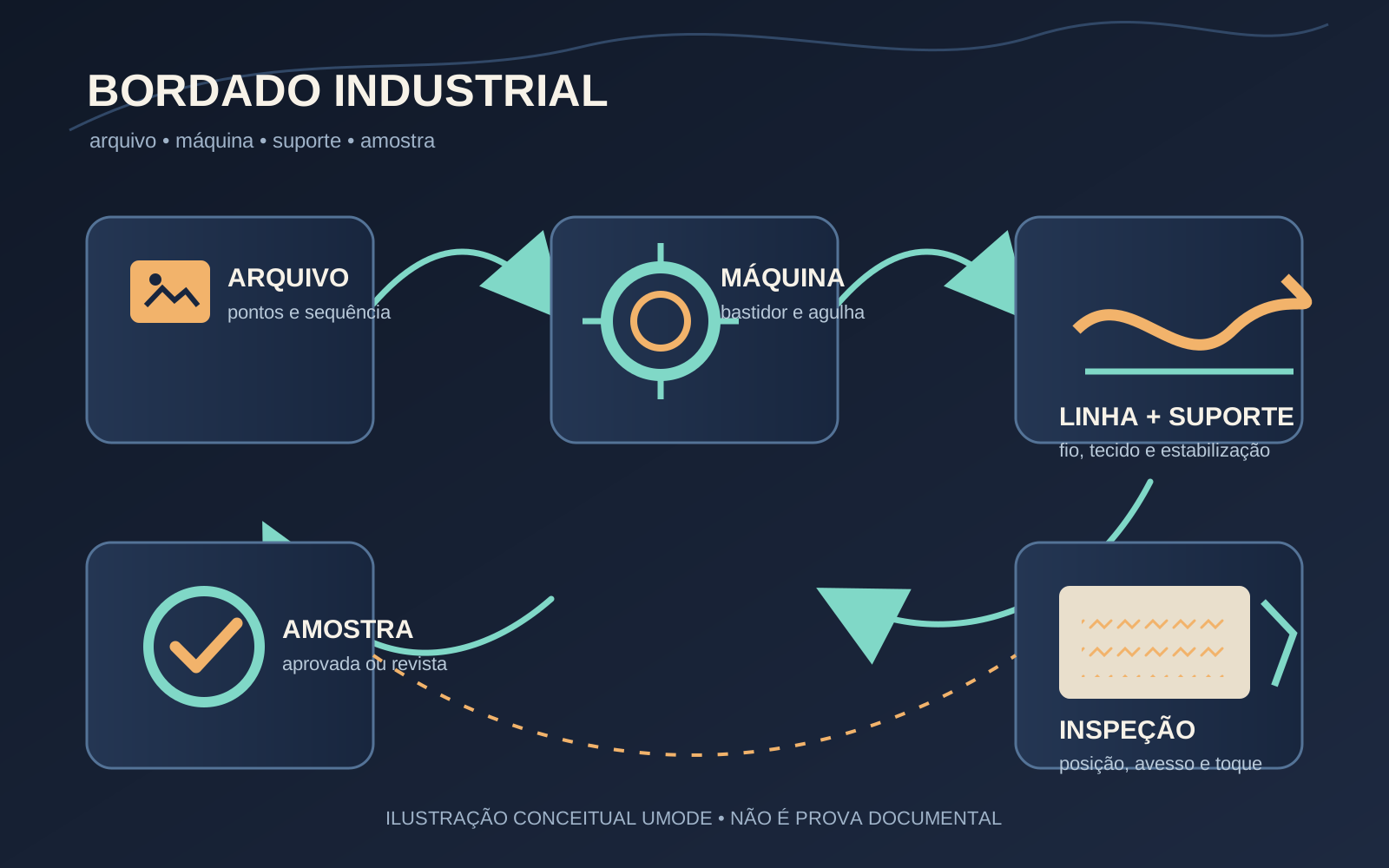
Industrial embroidery is the programmed execution of thread stitches on a textile substrate, with a digital file, machine, hoop, thread and sample inspection treated as one production system. In fashion, it turns a drawing into a repeatable surface, but the substrate, reverse side and thread behavior still have to be validated before production is released.
Industrial garment laundry
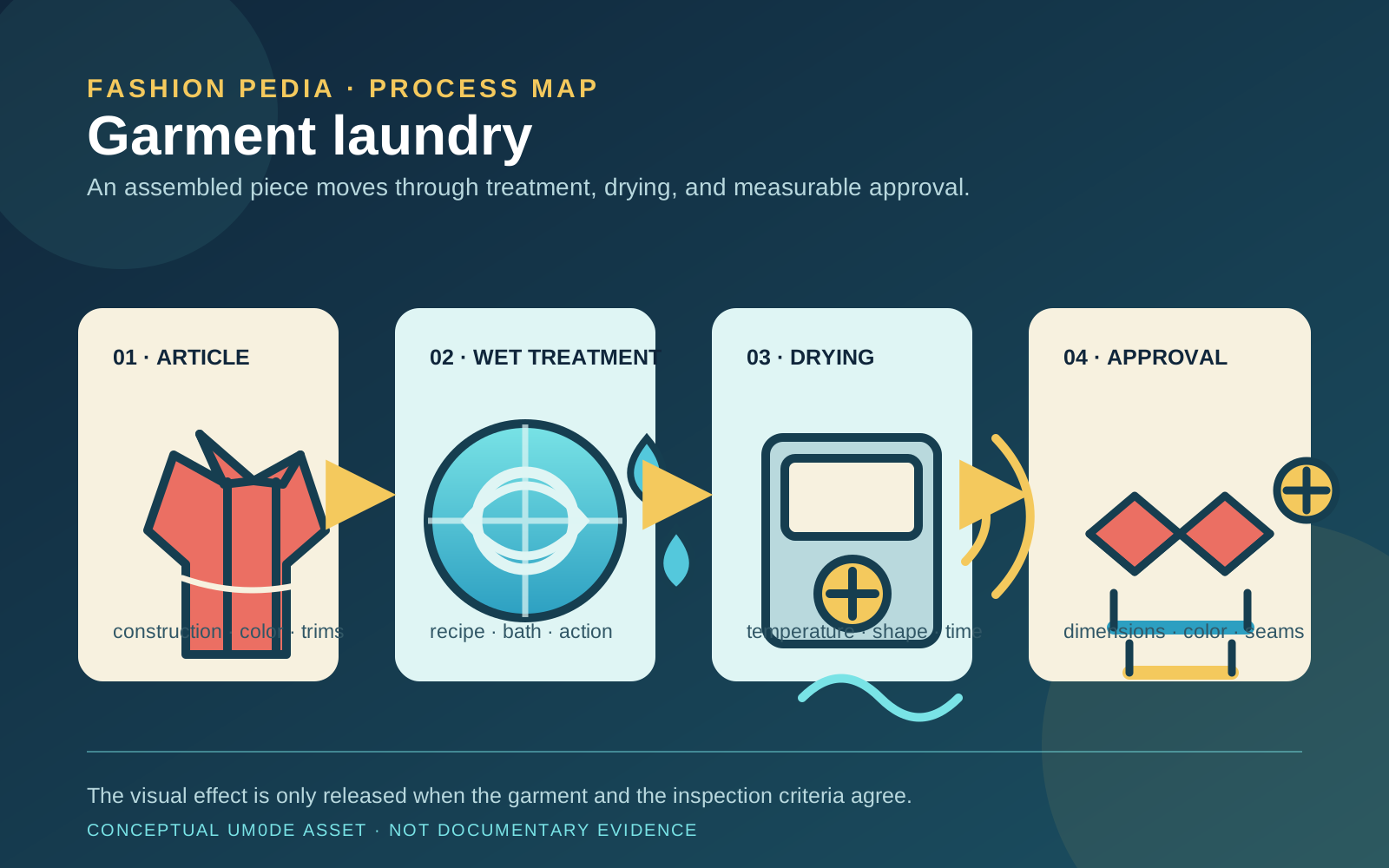
Industrial garment laundry is the controlled wet treatment and drying of an already-sewn garment to obtain cleaning, appearance change, or a finish. Approval must separate the visual effect from measurable results such as dimensional change, color change, appearance, and seam twist.
Natural dyes
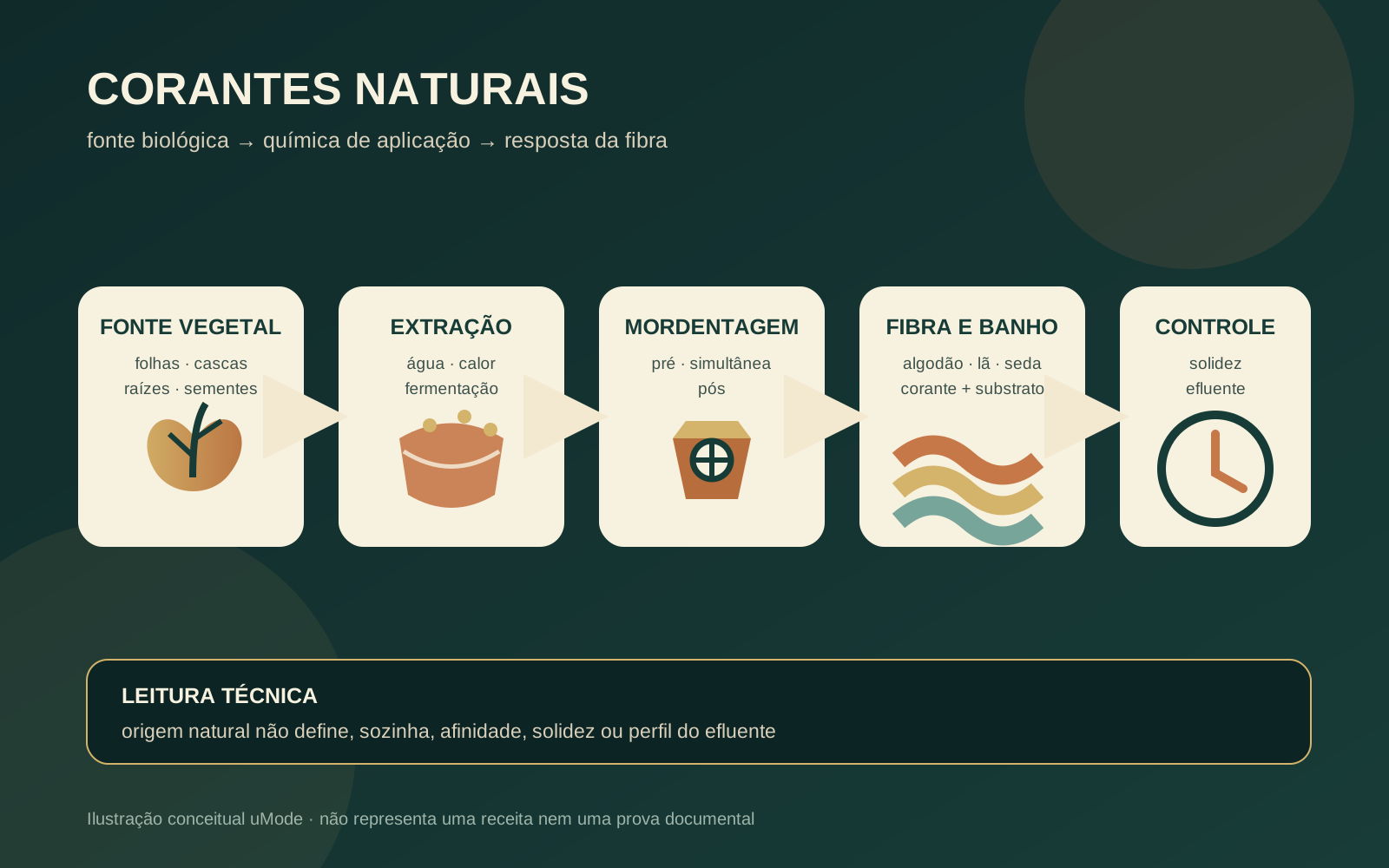
Natural dyes are used to colour textile fibres, but their performance depends on the substrate, dye chemistry and mordanting. Natural indigo illustrates a fermentation-and-aeration route; tannins and mordants can change affinity and complex formation. Fastness, reproducibility and wastewater require a technical reading of the process rather than an assumption based only on biological origin.
Textile screen printing
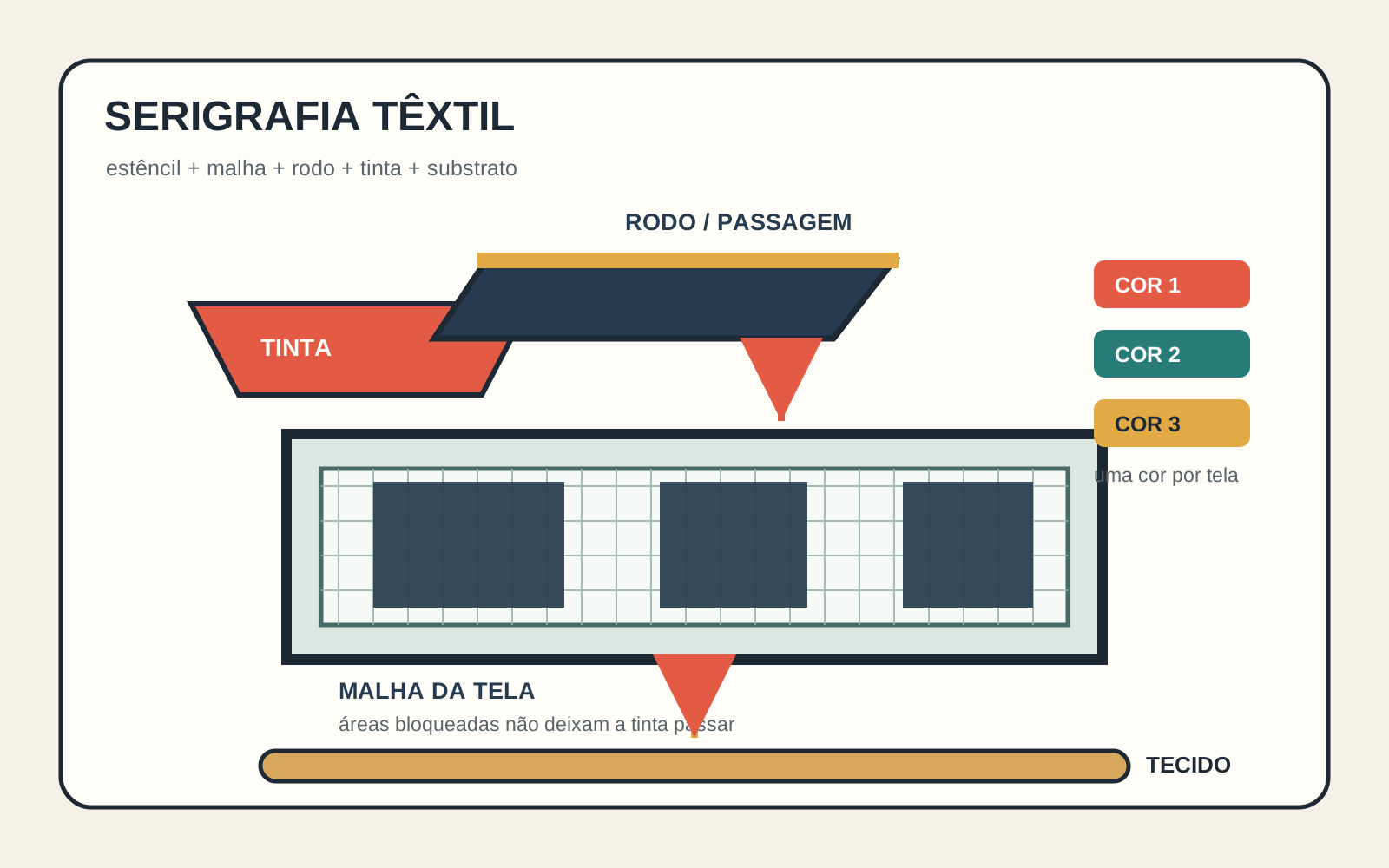
Textile screen printing is a printing technique that forces ink through a screen mesh, allowing it to pass only through areas not blocked by a stencil. Printing one colour at a time turns registration, screen, squeegee, substrate, ink and testing into technical decisions for the printed design.
Want to apply this to your operation?