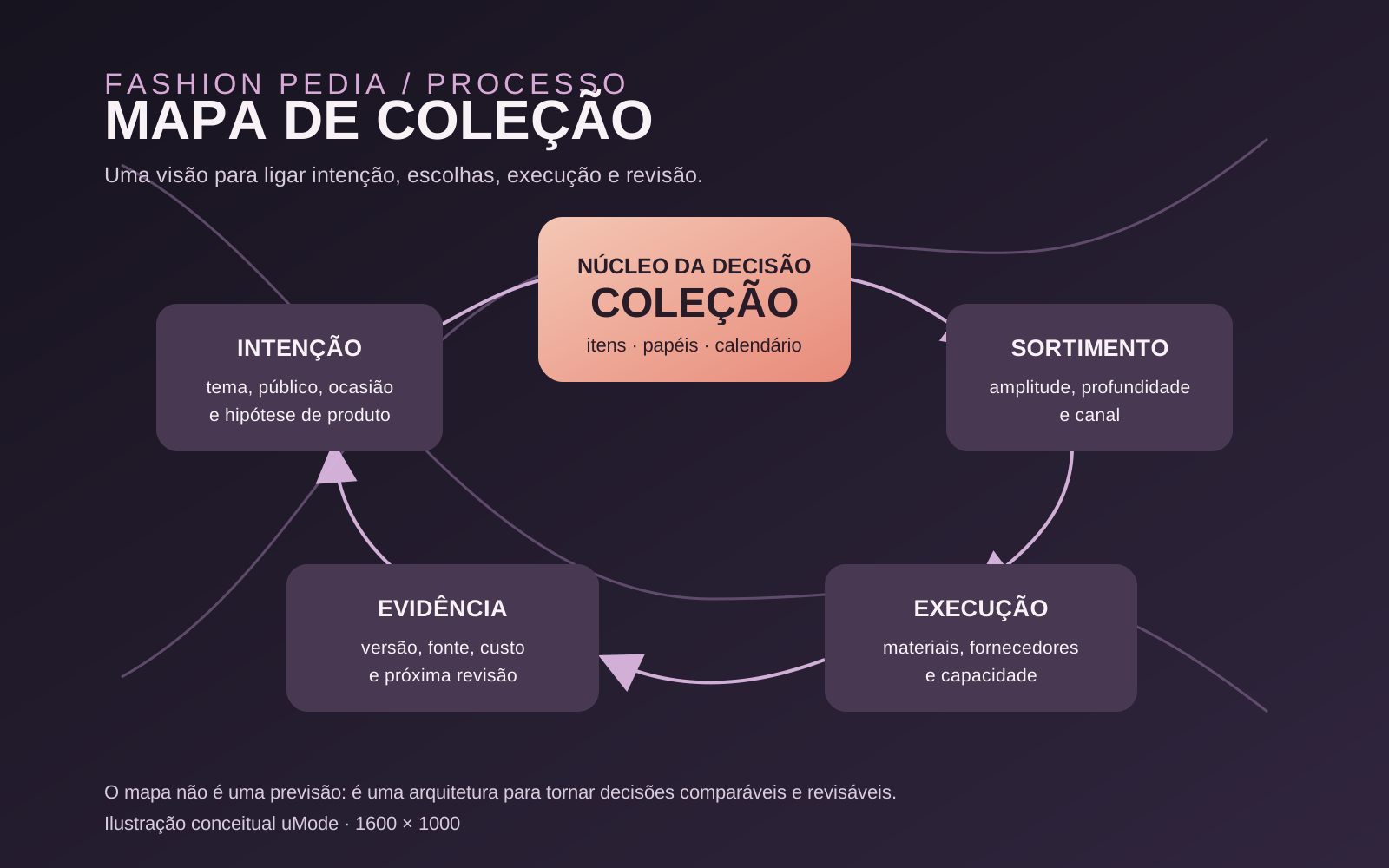
Collection management
Collection management coordinates a fashion line's journey from idea through production, service and disposal by connecting people, product data, processes, decisions, versions and events across teams and partners.

On this page
What is Collection management?
Collection management coordinates the journey of a fashion line, its products and its decisions over time. IBM defines PLM as a strategic approach that runs from conception through procurement, production and service to disposal. For fashion, that scope separates creative intent from the records that must travel with it: collection planning, development, purchasing, production, service and final disposition.
The term does not mean merely maintaining a calendar or arranging approval meetings. It describes a flow in which each style, color, material, supplier and document can be linked to the stage where it was created, reviewed or accepted. Oracle likewise defines PLM as managing the complete product journey from ideation through development and service to disposal. The scope is broad; the concrete design depends on category, channel and sourcing model.
How do product data move through development?
IBM describes PLM as an integration of people, data, processes and business systems. That formulation matters to a collection because design, the technical specification, sample, cost and order are not isolated decisions: their relationships must remain legible. A workable routine can begin by defining a style identifier and a version for each document; every revision should then show who changed it, why it changed and which decision is valid.
IBM says PLM tools provide centralized repositories for a company's product data. This fact does not justify claiming that centralization removes conflict. The editorial question is which data enter the repository, who may approve them, how exceptions are recorded and which source prevails when an ERP, spreadsheet and email disagree. For a fashion team, the practical test is whether another person can reconstruct the product state without relying on the memory of a meeting participant.
Which controls make a change traceable?
IBM records that PDM incorporated bills of materials and engineering change processes used to modify a product's design. In a collection, changing a fabric, measurement, trim or construction can require updates to the specification, cost, supplier and sample. Control does not mean preventing change; it means linking the change to the affected version and distinguishing proposal, review, approval and rejection.
Oracle includes items, parts, products, documents, requirements, engineering change orders and quality workflows among PLM data. This list is a useful map for designing a record, not a universal taxonomy. The team must decide whether it works by style, SKU, colorway, lot or another object; it must also state when a status applies to the whole collection and when it applies only to one variant.
How can a collection connect to supply-chain visibility?
GS1 defines EPCIS as a standard for visibility data formed by events that record real-world occurrences involving objects. An event logic can guide a collection record: receiving a sample, approving a color, changing a supplier, sending an order or releasing production are distinct moments, each with its own object, date, location and business context. This connects to collection visibility without turning the entry into a manual for one tool.
GS1 says EPCIS data can track products, assets and documents across business processes spanning locations and organizations. In fashion, that scope places suppliers and documents inside the same operational history, but it does not prove compliance, quality or sustainability by itself. Fashion traceability depends on object identity, event quality and rules for correcting data. A useful test is to choose one product and reconstruct its path through decisions, samples and partners.
What should be tested before expanding the process?
Oracle describes PLM software as a solution that manages information and processes at every step of a product or service lifecycle; it also describes the digital thread as connecting machine, product, factory and customer voices across the enterprise. Those descriptions help formulate requirements but do not replace process diagnosis. Before expanding, test one critical product development and engineering flow, identify where data are missing and record how delays, incompatible versions and off-system decisions are handled.
Collection management is useful when it makes decisions recoverable and the organization can state which record represents the current state. It should not be confused with ERP, PIM, DAM or fashion PLM: systems may integrate, but each needs a defined responsibility. The practical boundary is direct: for every handoff, identify the object, version, owner, evidence, next decision and what happens when the information does not arrive.
Connections
collection planning · product development and engineering · technical specification · fashion PLM · collection visibility · fashion traceability
Verified facts
- IBM defines PLM as a strategic approach to managing a product lifecycle from conception through procurement and production to service and disposal.
Source: ibm.com ↗ - IBM describes PLM as an integration of people, data, processes and business systems.
Source: ibm.com ↗ - IBM says PLM tools provide centralized repositories for a company's product data.
Source: ibm.com ↗ - IBM records that PDM incorporated bills of materials and engineering change processes used to modify a product's design.
Source: ibm.com ↗ - Oracle defines PLM as the strategic process of managing a product's complete journey from ideation through development and service to disposal.
Source: oracle.com ↗ - Oracle describes PLM software as a solution that manages information and processes at every step of a product or service lifecycle.
Source: oracle.com ↗ - Oracle includes items, parts, products, documents, requirements, engineering change orders and quality workflows among PLM data.
Source: oracle.com ↗ - Oracle describes the digital thread as connecting the voices of machine, product, factory and customer across the enterprise.
Source: oracle.com ↗ - GS1 defines EPCIS as a standard for visibility data formed by events that record real-world occurrences involving objects.
Source: support.gs1.org ↗ - GS1 says EPCIS data can track products, assets and documents across business processes spanning locations and organizations.
Source: support.gs1.org ↗
Related entries
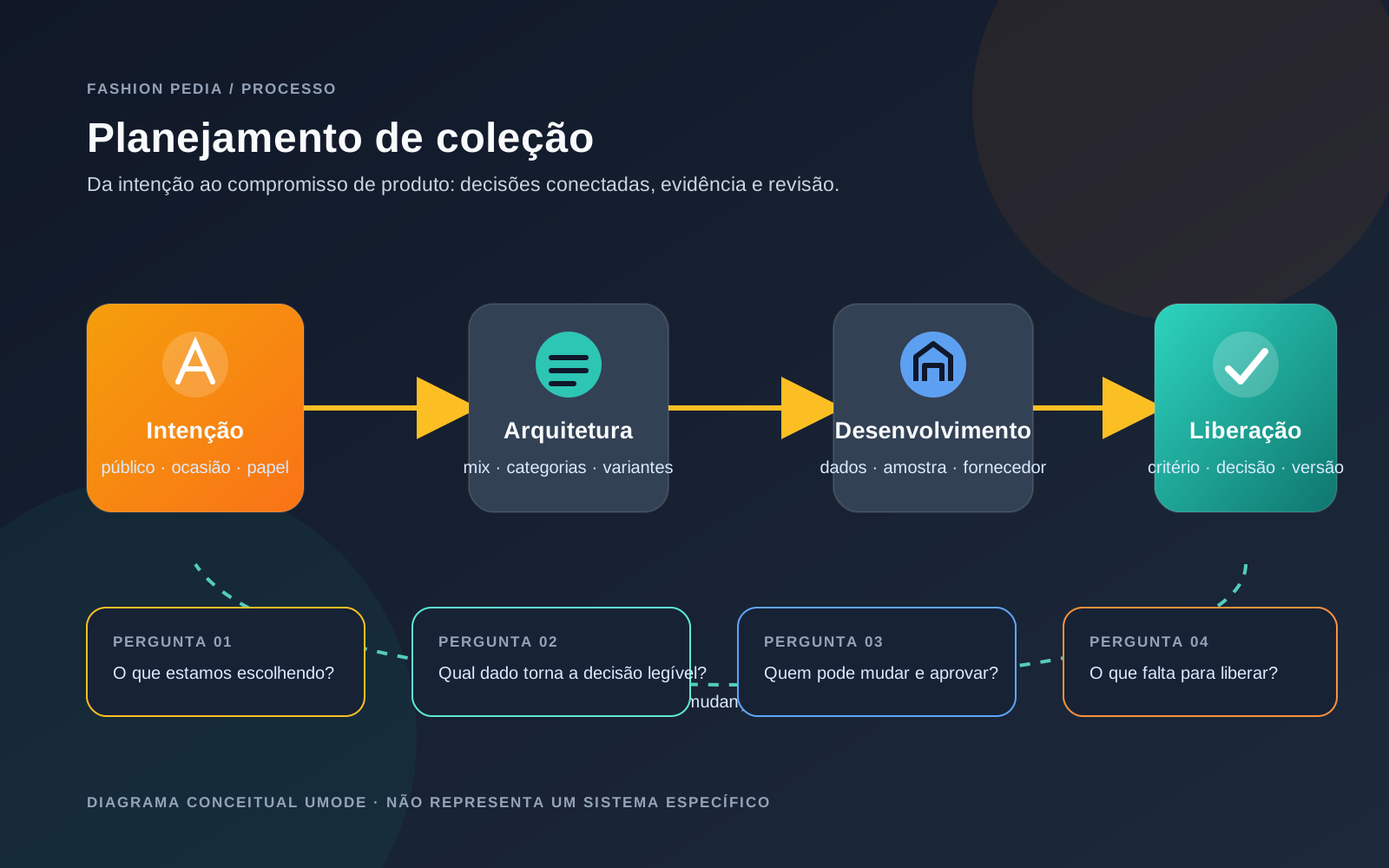
Collection planning
Collection planning is the process of turning a collection intention into controlled decisions about products, data, stages, owners, changes and release criteria. It connects product direction, development, sourcing and information without reducing the plan to a calendar or a software tool.
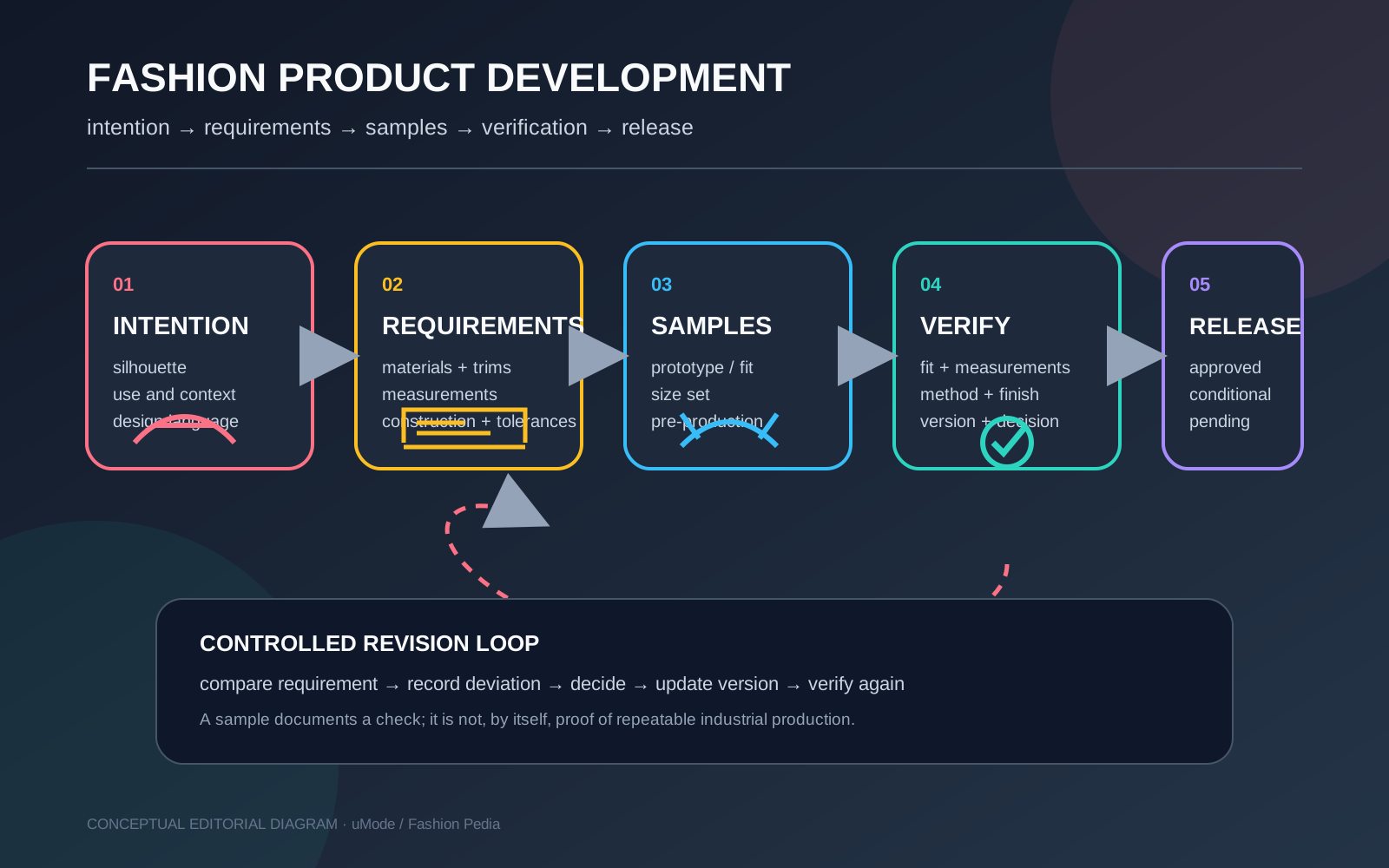
Fashion Product Development and Engineering
Fashion product development and engineering turns a design intention into verifiable requirements for building, fitting, revising, and releasing a garment or collection. The process connects concept, technical specification, patternmaking, materials, construction, measurements, samples, quality, cost, and lifecycle data without treating aesthetic approval as proof of industrial repeatability.

Fashion product technical specification
A technical specification is the controlled information set that translates an approved fashion product into verifiable sampling and manufacturing requirements. It brings together drawings, materials, measurements, construction, tolerances, identification, labelling, comments and revision history; its content varies by category, company, market and stage.

Fashion PLM: data, product, and lifecycle
Fashion PLM is the structured management of the data, decisions, and workflows that follow a product and a collection from concept through post-launch. It connects tech packs, materials, costs, samples, approvals, suppliers, and versions so that every function works from a traceable product definition.
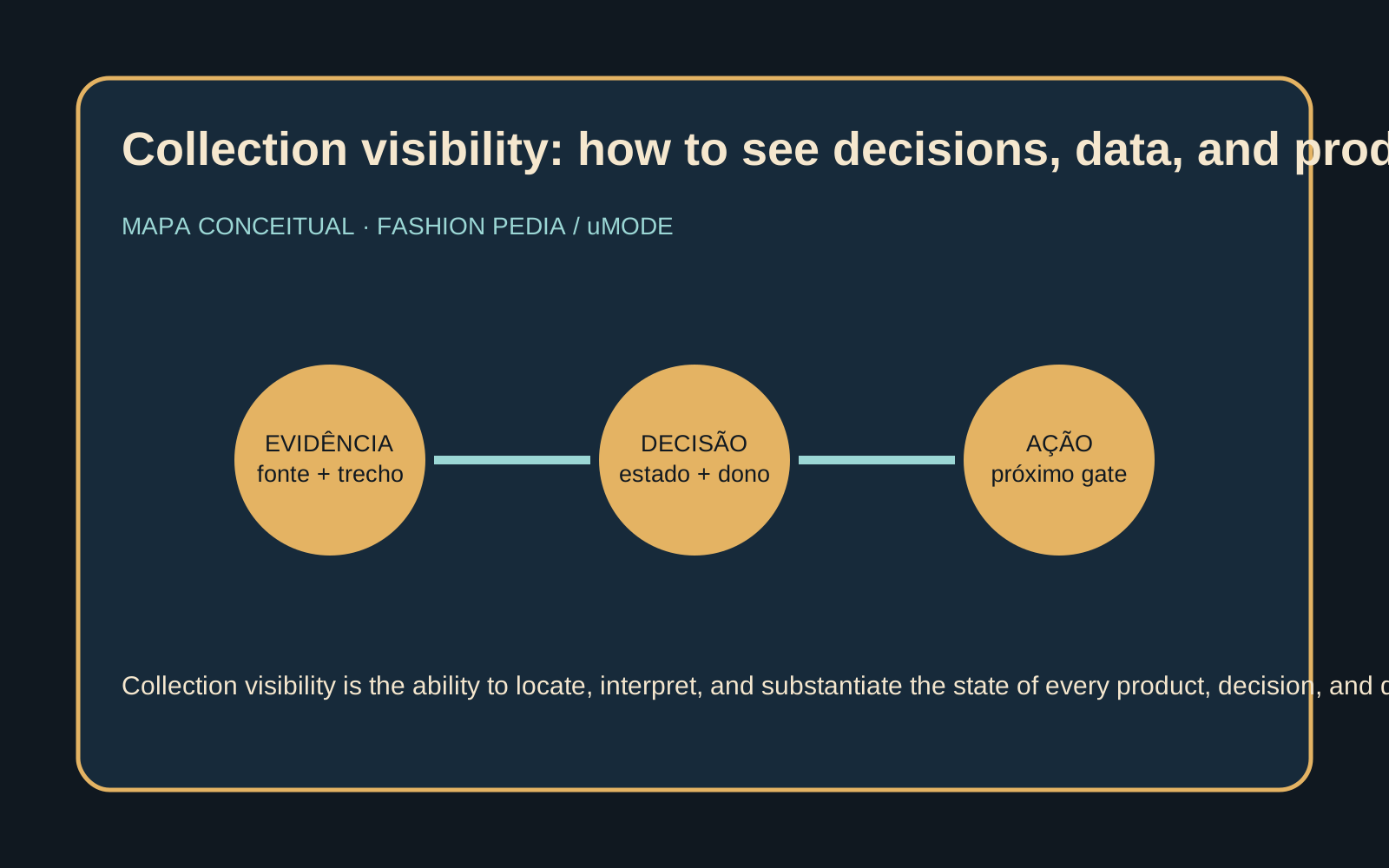
Collection visibility
Collection visibility connects each style to a decision, evidence, version, and next owner. The goal is not to accumulate indicators, but to make the path from research to development, assortment, content, and execution legible, including uncertainty and blockers that need action.
Traceability in the fashion supply chain
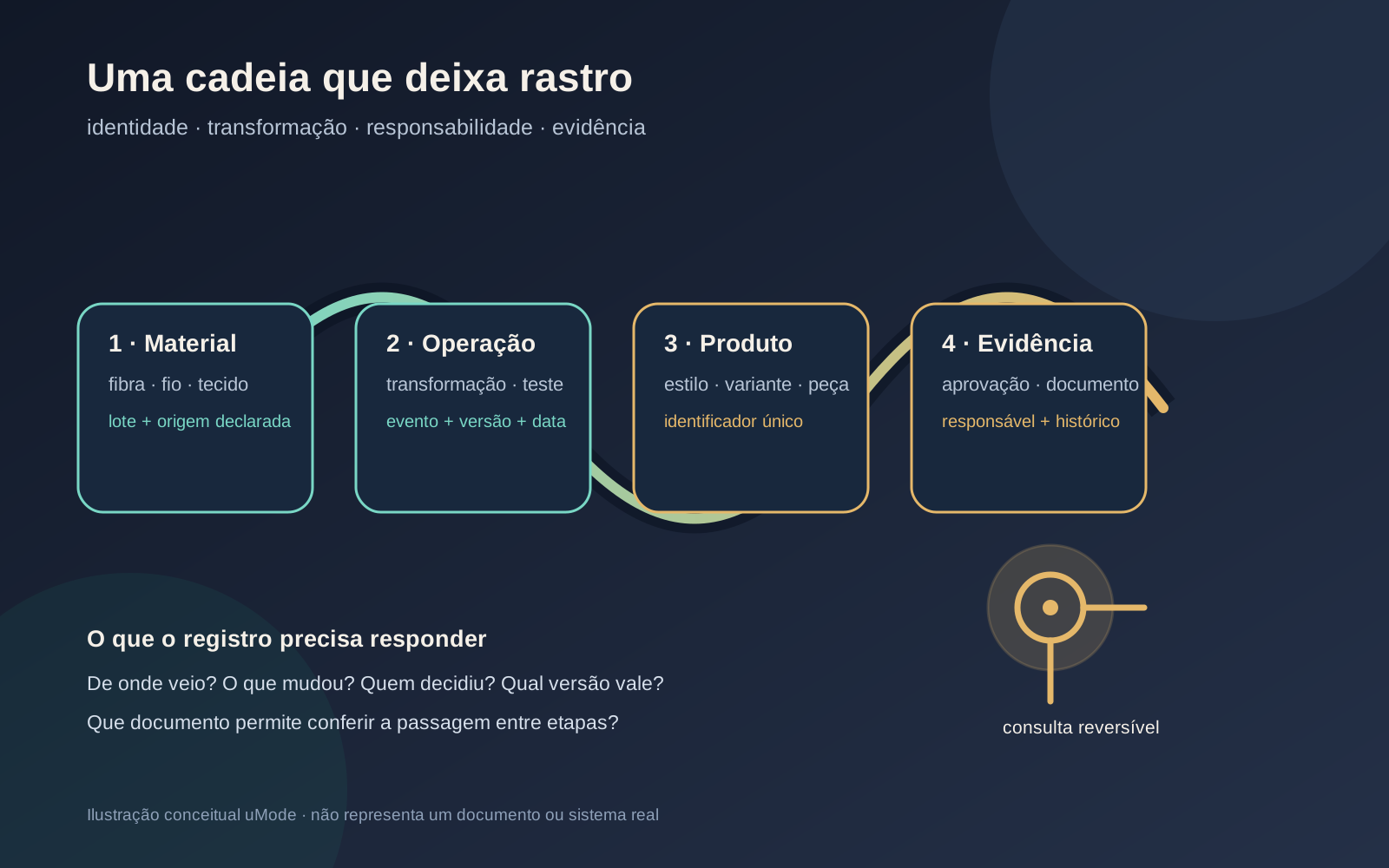
Traceability in the fashion supply chain. Fashion supply-chain traceability is the process of linking a product, material or component to the entities, activities, responsible parties and records that explain its transformation and movement. In practice, it combines identifiers, events, relationships and evidence so a product history can be checked.
Sources
Want to apply this to your operation?