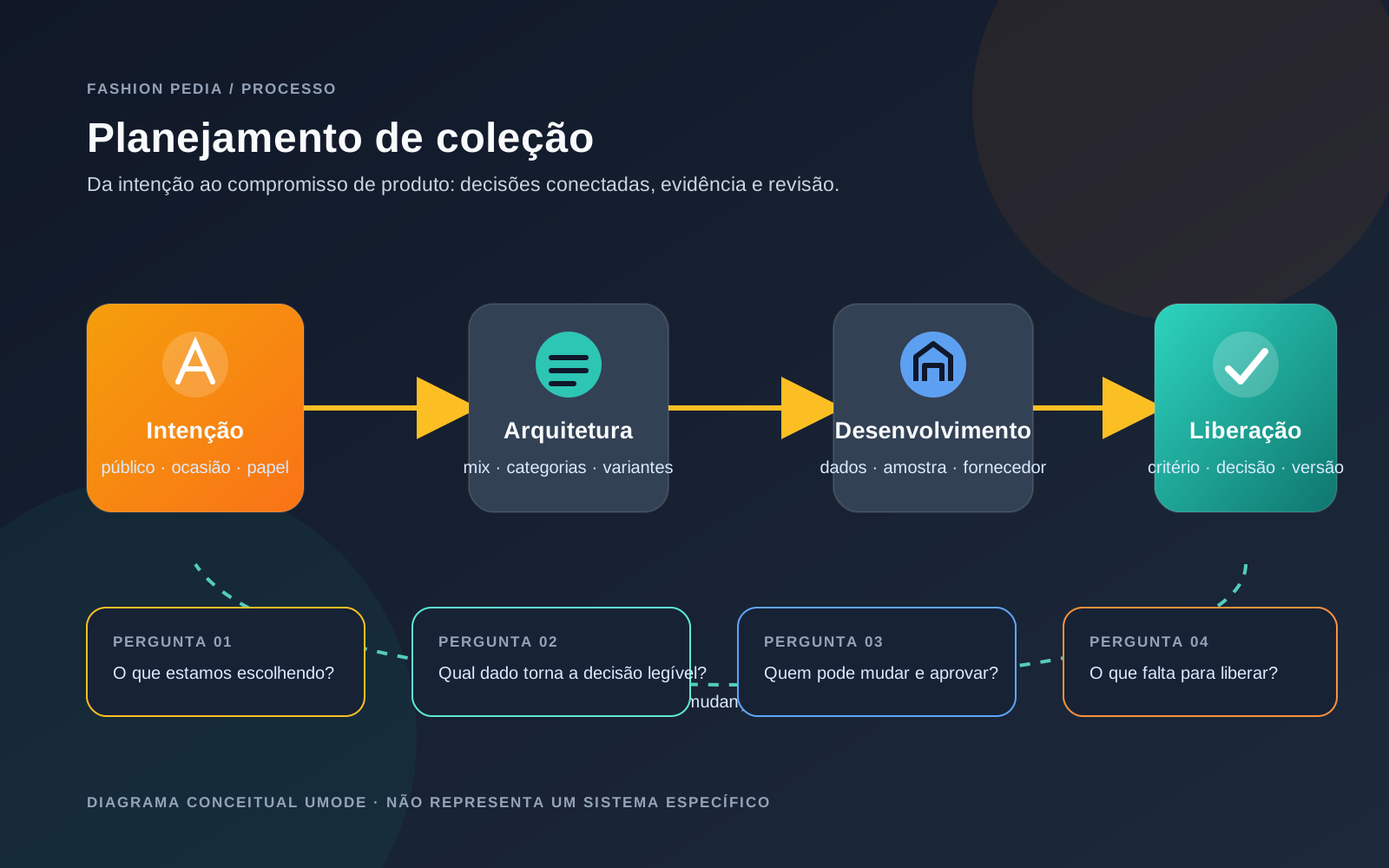
Collection planner
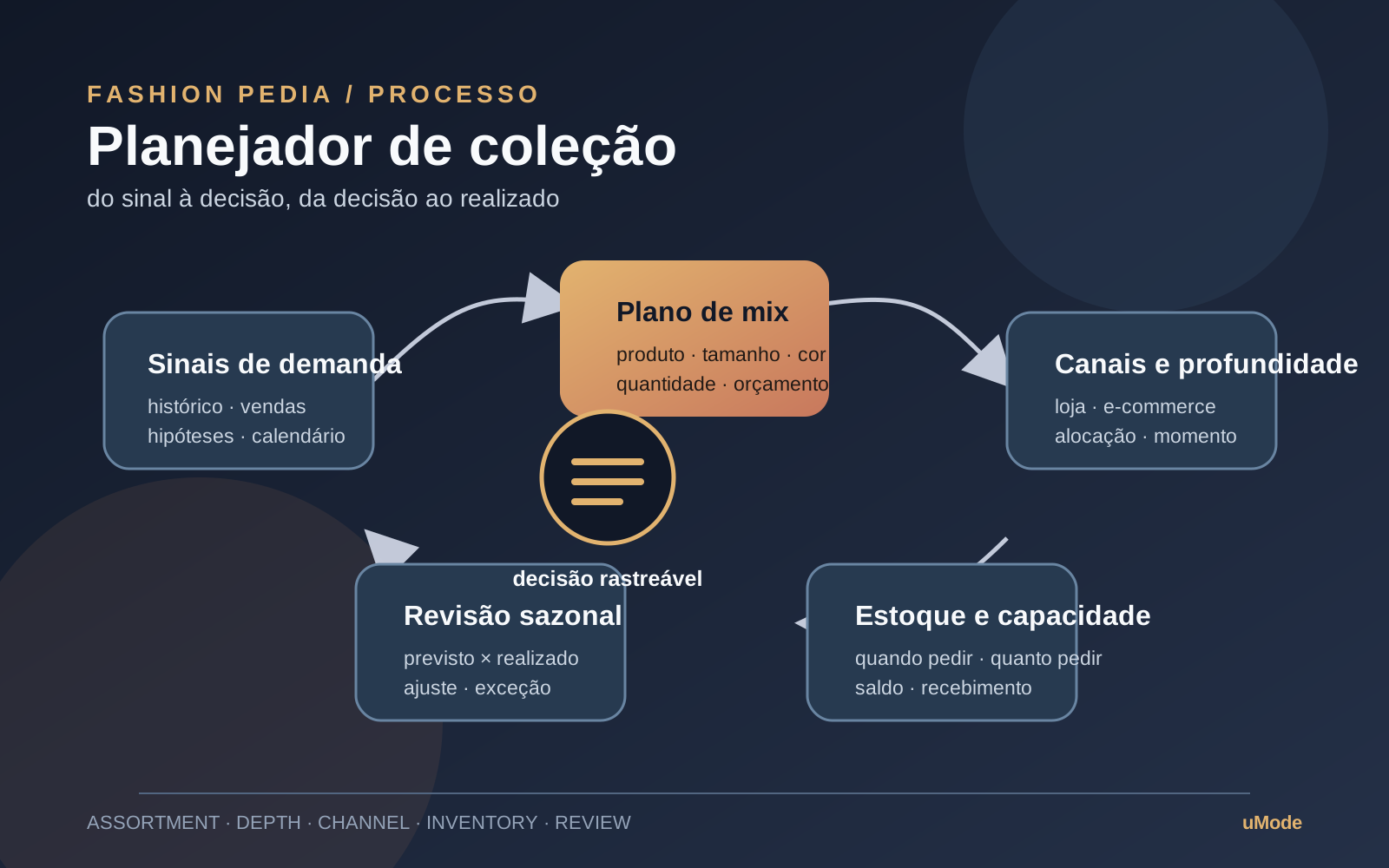
A collection planner organizes decisions about assortment, depth, channels, calendar, and replenishment using sales history, demand signals, budget, and inventory constraints. In fashion, the process turns a seasonal intention into a product plan that can be checked by product, size, color, store, or channel, while leaving room to adjust when actual performance diverges from the plan.
On this page
What is Collection planner?
A collection planner is the process of turning a product intention into recorded decisions about assortment, depth, calendar, channel, and availability. Demand forecasting starts with historical data and anticipates future customer demand, so the plan should show which inputs support each choice instead of treating the calendar as certainty. The starting unit might be a product family, a season, or a channel, connected to the product development cycle and collection management.
What inputs shape the plan?
Useful inputs include sales history, demand signals, budget, capacity, calendar, inventory, sizes, colors, and channel constraints. Inventory management follows stock through to the point of sale and needs to answer when to order, how much to order, and where to store it. In practice, the planner separates a demand hypothesis from a buying commitment and links each decision to open to buy, line plan, and the person responsible for updating it.
Assortment planning allocates seasonal styles to stores and channels, rather than stopping at an abstract category. This makes depth choices visible: which products enter, in which sizes and colors, for which location, and at what time. Assortment planning names this tactical layer; a fashion buyer may contribute market and supplier knowledge, but actual authority depends on the company.
How does the plan change during the season?
The plan should include review because local conditions and demand can change. Oracle describes assortment planning as tactical and responsive to sudden shifts; it also records that retailers monitor current demand, daily sales results, and fluctuating inventories during the season to make adjustments. A review routine compares forecast, order, receipt, sale, and balance, recording the reason for each deviation.
A working cycle can begin by defining the decision unit; move through history and a hypothesis; convert the hypothesis into a channel assortment; check inventory and capacity; approve the commitment; and compare actual performance on agreed dates. This is process guidance, not a promise of results. It also brings the work close to a fashion merchandiser without treating collection planning as the same thing as development, buying, or store execution.
Which limits should remain visible?
A forecast is not a guaranteed sale, and a complete dataset can still be misread. Inventory management balances the risk of holding too much product against the risk of not having enough; excess inventory carries storage and loss risks, while shortages can harm fulfillment. The plan should therefore record unit, period, channel, and source before comparing performance.
The planning horizon also matters: assortment planning often starts at least six months before a season begins, but that lead time does not remove short-term decisions. Historical data can help identify items that sold better at a particular time of year, yet the team should still explain changes in price, assortment, distribution, weather, calendar, or availability when interpreting the outcome.
How can the concept be used in fashion?
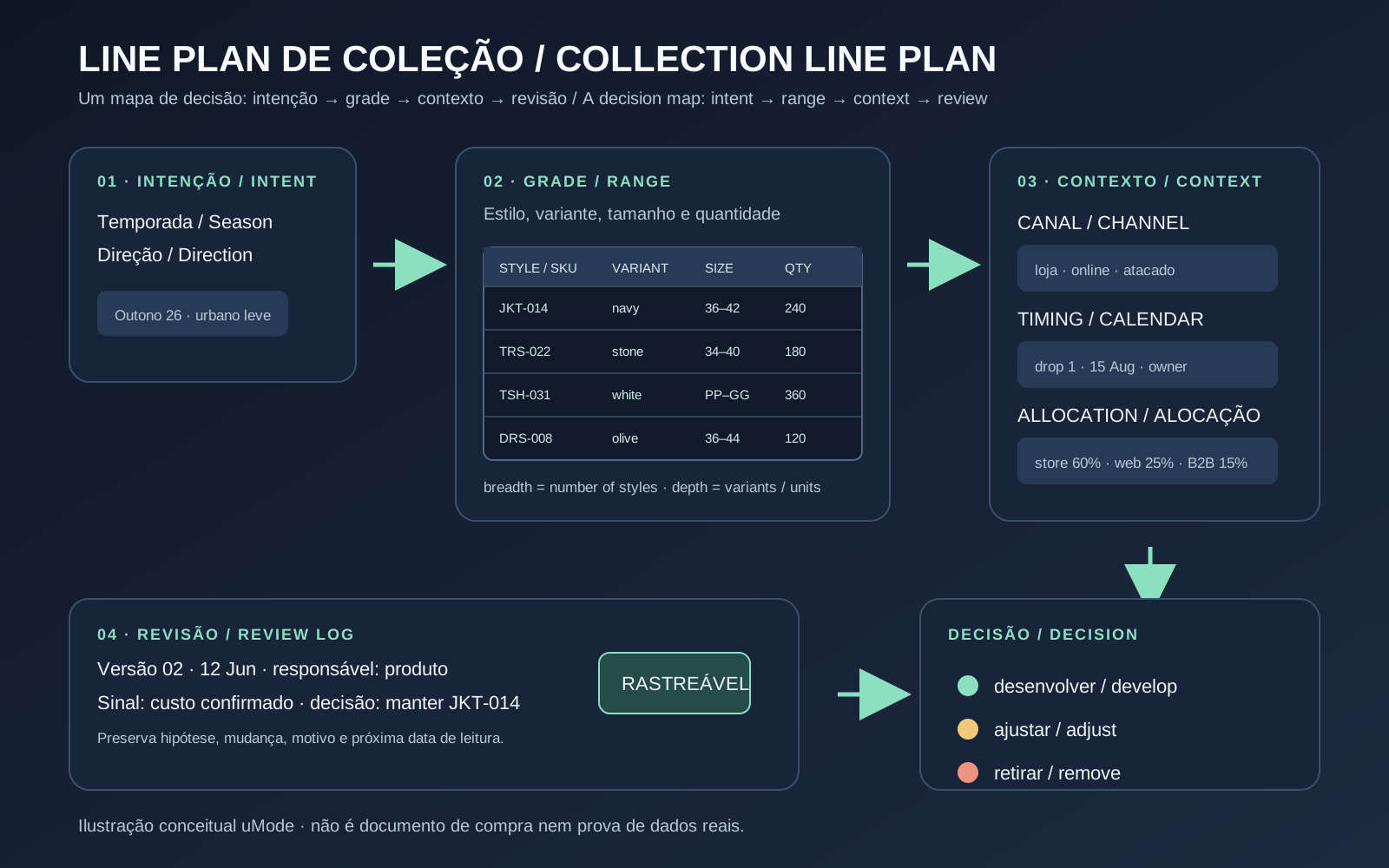
Use a collection planner to answer four questions: what will be offered, at what depth, where, and when the decision will be reviewed. A simple table can connect SKU, category, size, color, channel, planned quantity, available stock, intake date, and adjustment rule. The process becomes easier to read when each row has an owner and exceptions—delay, stockout, assortment change, or demand shift—leave a trace.
The connection with product development cycle, collection management, line plan, open to buy, assortment planning, and fashion buyer creates a decision map, not equivalence between roles. The process is useful because it makes intention, commitment, and actual performance comparable without erasing the specifics of each channel.
Verified facts
- Demand forecasting uses historical data for planning and anticipates future customer demand.
Source: ibm.com ↗ - Demand forecasting helps manage inventory levels and guides data-driven business decisions.
Source: ibm.com ↗ - An accurate forecast can draw on databases, past sales, and spreadsheets to size SKUs and product stock.
Source: ibm.com ↗ - Holding too much or too little inventory can lead to overstocking, understocking, backorders, or stockouts.
Source: ibm.com ↗ - Inventory management tracks inventory from manufacturers to warehouses and from those facilities to the point of sale.
Source: ibm.com ↗ - Stock planning needs visibility across the timing, quantity, and location of replenishment decisions.
Source: ibm.com ↗ - Assortment planning allocates seasonal styles to stores and other sales channels, taking sizes and colors into account.
Source: oracle.com ↗ - Assortment planning is tactical, responsive to local market conditions and sudden shifts in demand.
Source: oracle.com ↗ - Assortment planning often takes place at least six months before a season begins.
Source: oracle.com ↗ - During a season, retailers monitor current demand, daily sales results, and fluctuating inventories to adjust the plan.
Source: oracle.com ↗ - Assortment planning describes which products, sizes, colors, or categories will be stocked at a given time.
Source: shopify.com ↗ - Historical data helps shortlist products that have already proven to sell best at a particular time of year.
Source: shopify.com ↗
Related entries
Fashion product development cycle
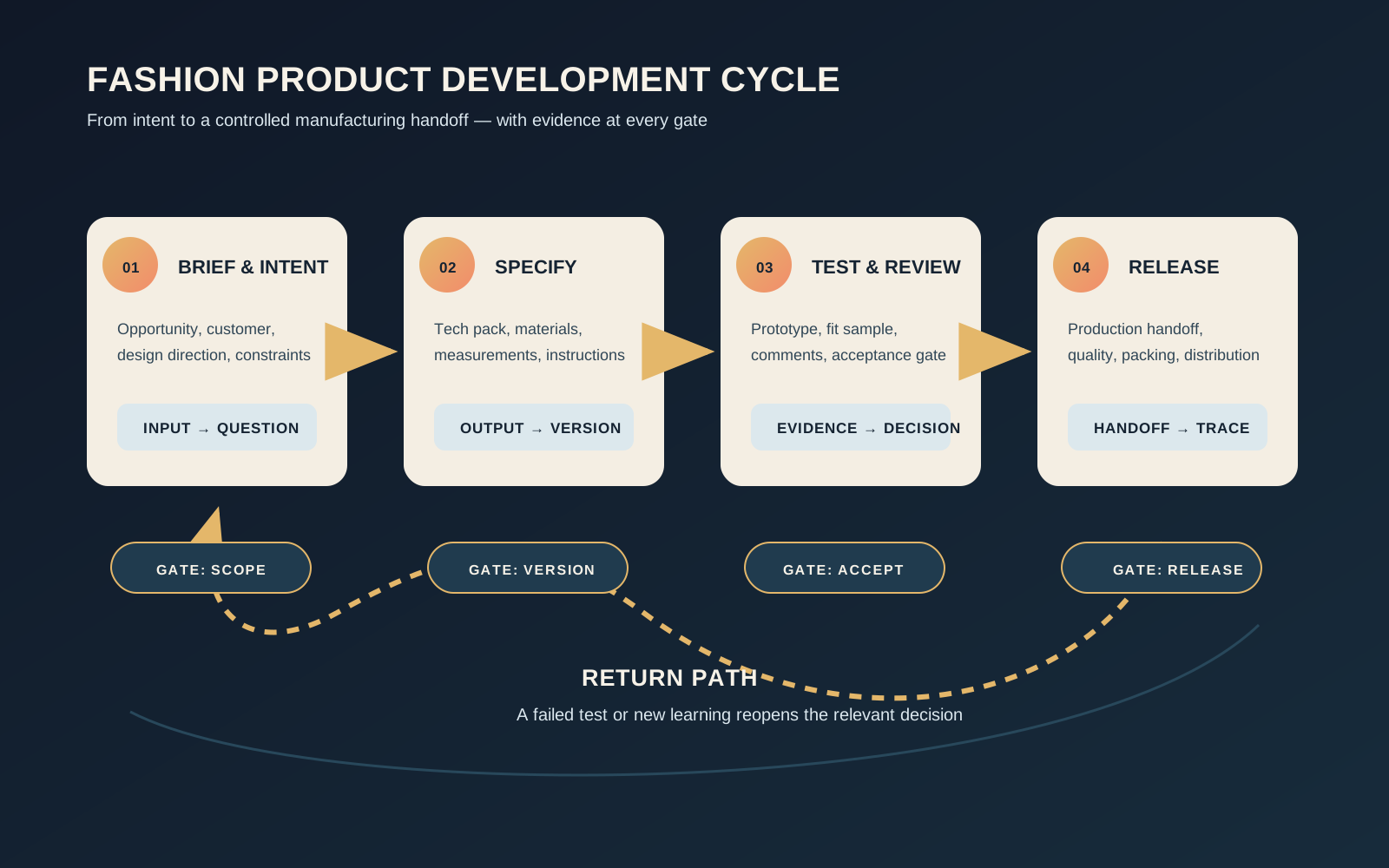
The fashion product development cycle turns an intent into a specified, tested, approved product ready for manufacturing. It connects design, materials, samples, instructions, quality, data and return decisions; it is not a linear recipe that every company follows in the same way.

Collection management
Collection management coordinates a fashion line's journey from idea through production, service and disposal by connecting people, product data, processes, decisions, versions and events across teams and partners.
Collection line plan
A collection line plan is the operating record that turns collection direction into a grid of styles, variants, sizes, channels, quantities and decision milestones. It defines what is planned for development or buying without replacing a tech pack, budget, forecast or product validation.
Open to buy in fashion retail
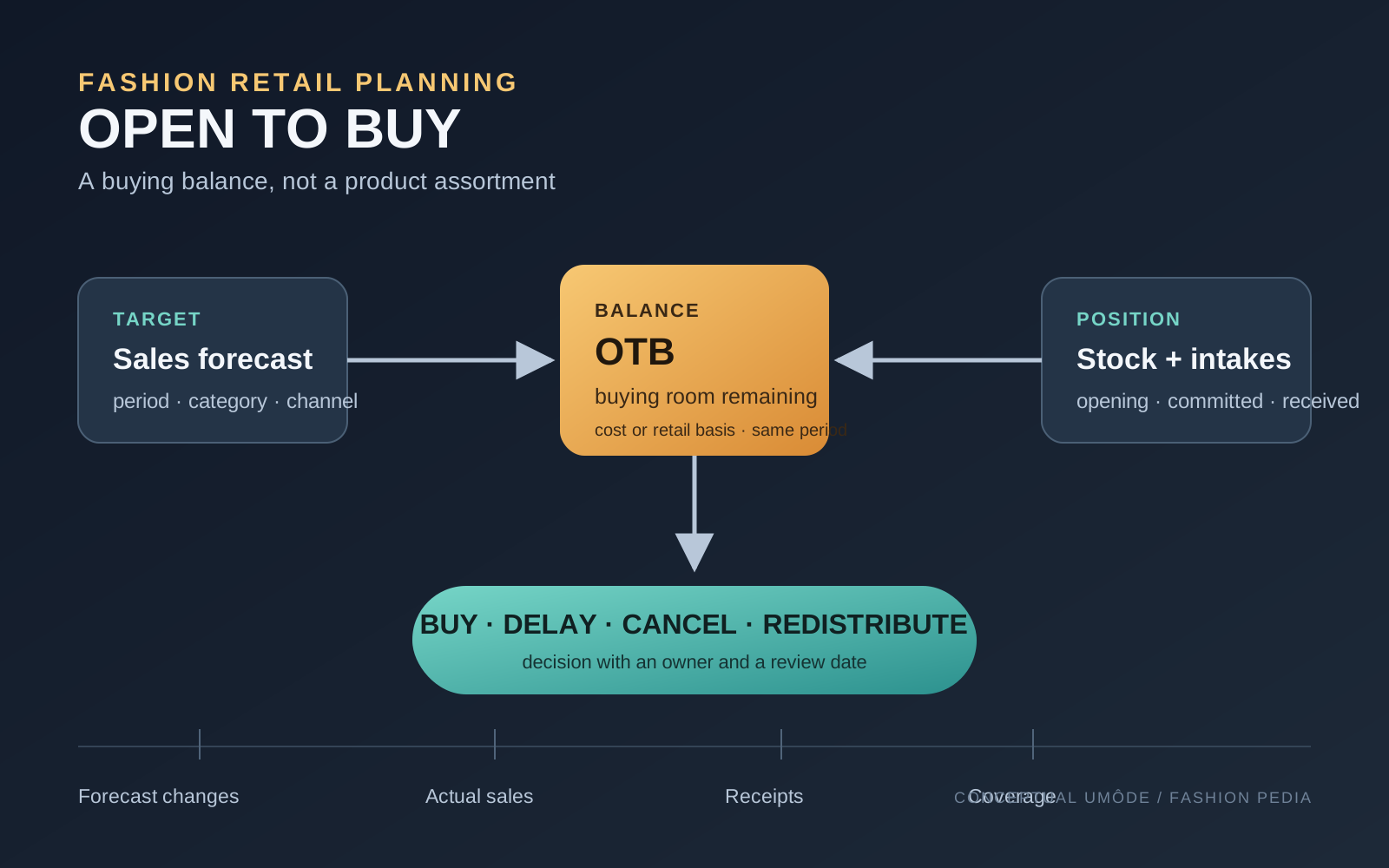
Open to buy in fashion retail. Open to buy (OTB) is a planning process that calculates how much inventory a retailer needs to buy to reach a sales target, using forecast sales, opening stock and desired closing stock. In fashion retail, the balance should be read by period, category, channel and stock cover; it guides buying without replacing assortment decisions.
Assortment planning in fashion
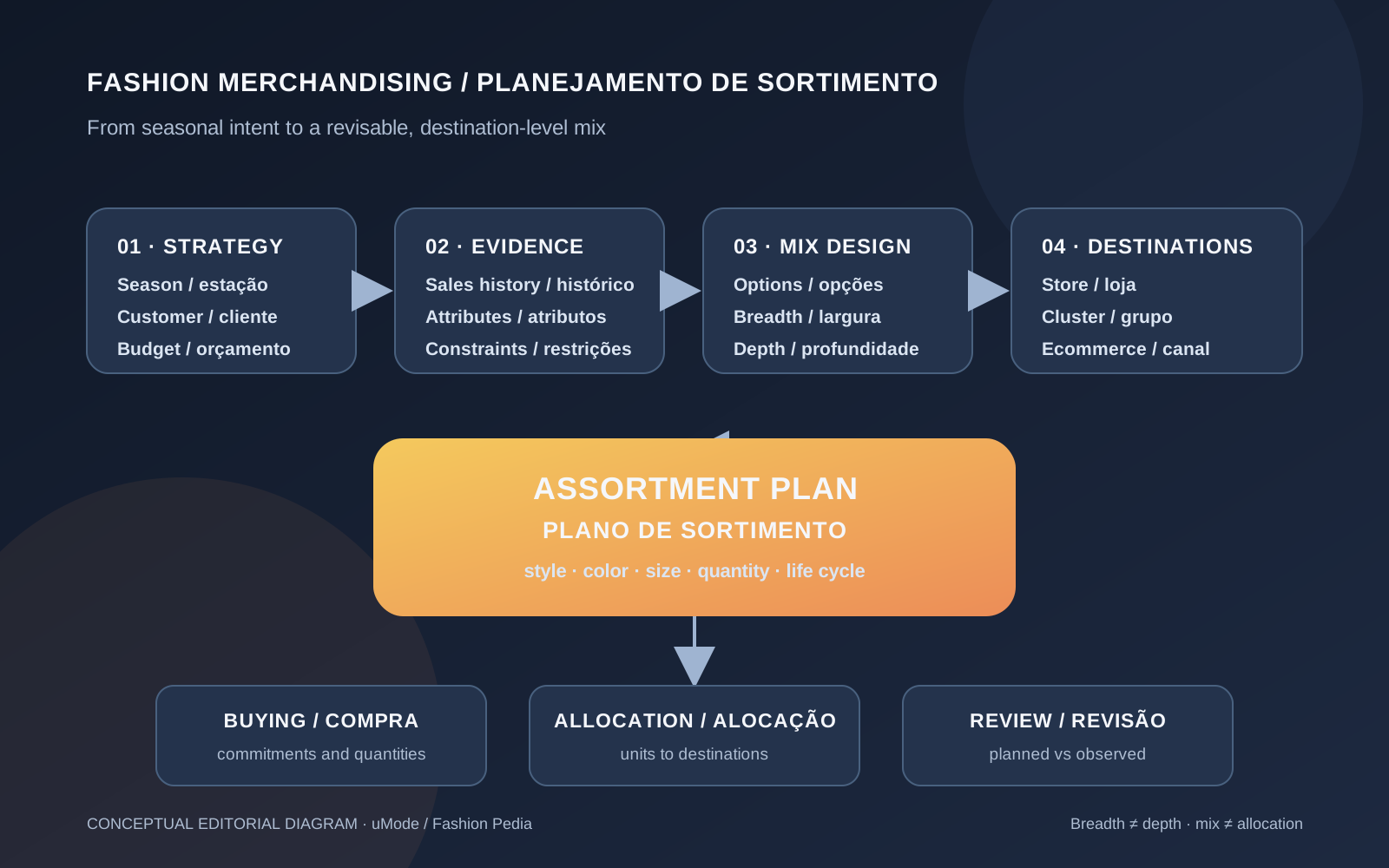
Assortment planning in fashion. Assortment planning is the process of deciding which styles, categories, colors, sizes, and quantities belong in each season, store, channel, or store group. In fashion, it turns a merchandise plan into buyable options by relating breadth, depth, and local context without confusing the mix with buying or allocation.
Fashion buyer
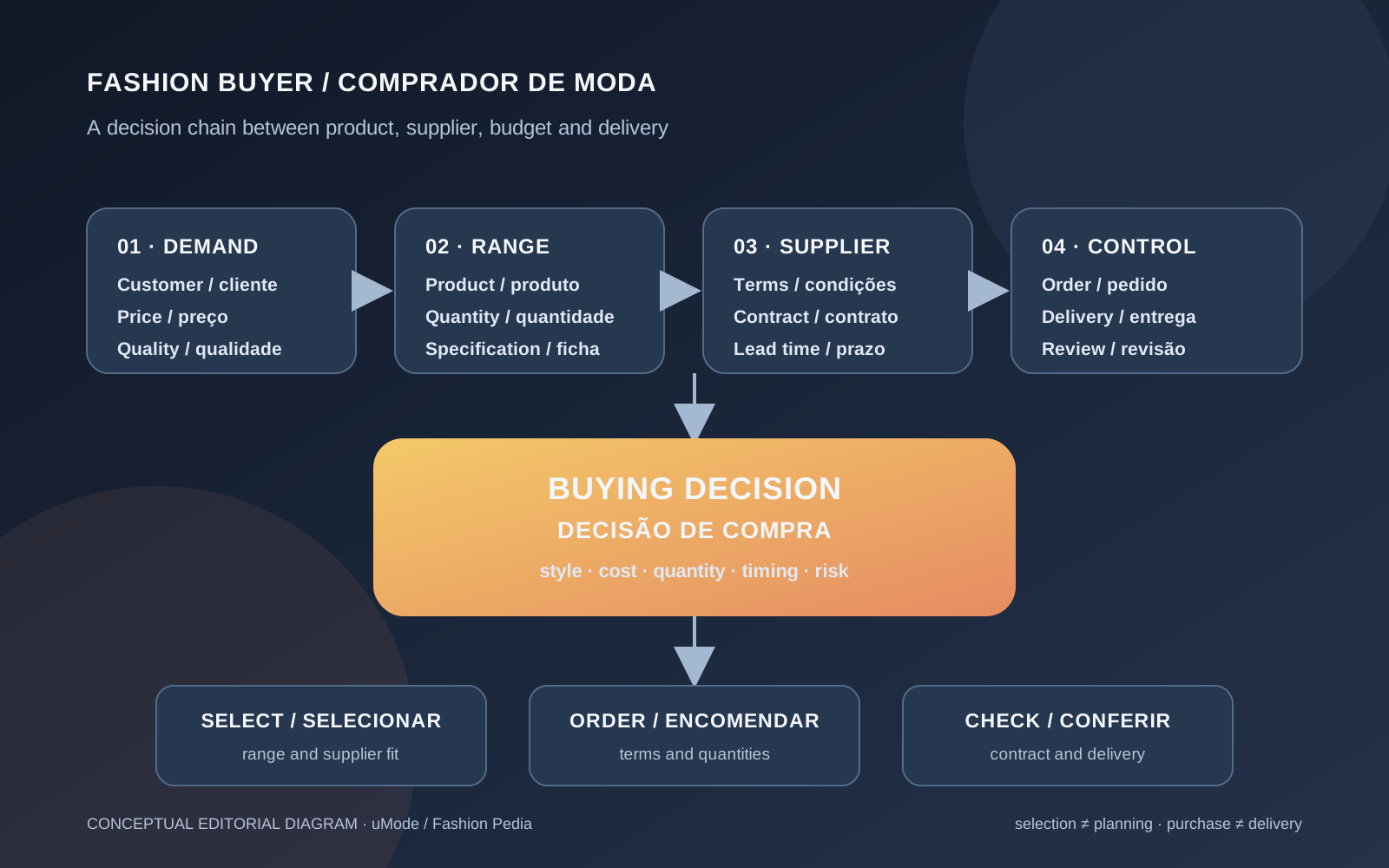
A fashion buyer turns a commercial need into a range, supplier, price, quantity, and timing decision. The role combines product and market reading with negotiation and execution follow-up. It connects selection, commercial commitment, and delivery review without automatically owning planning, design, technical approval, or quality control.
Fashion merchandiser
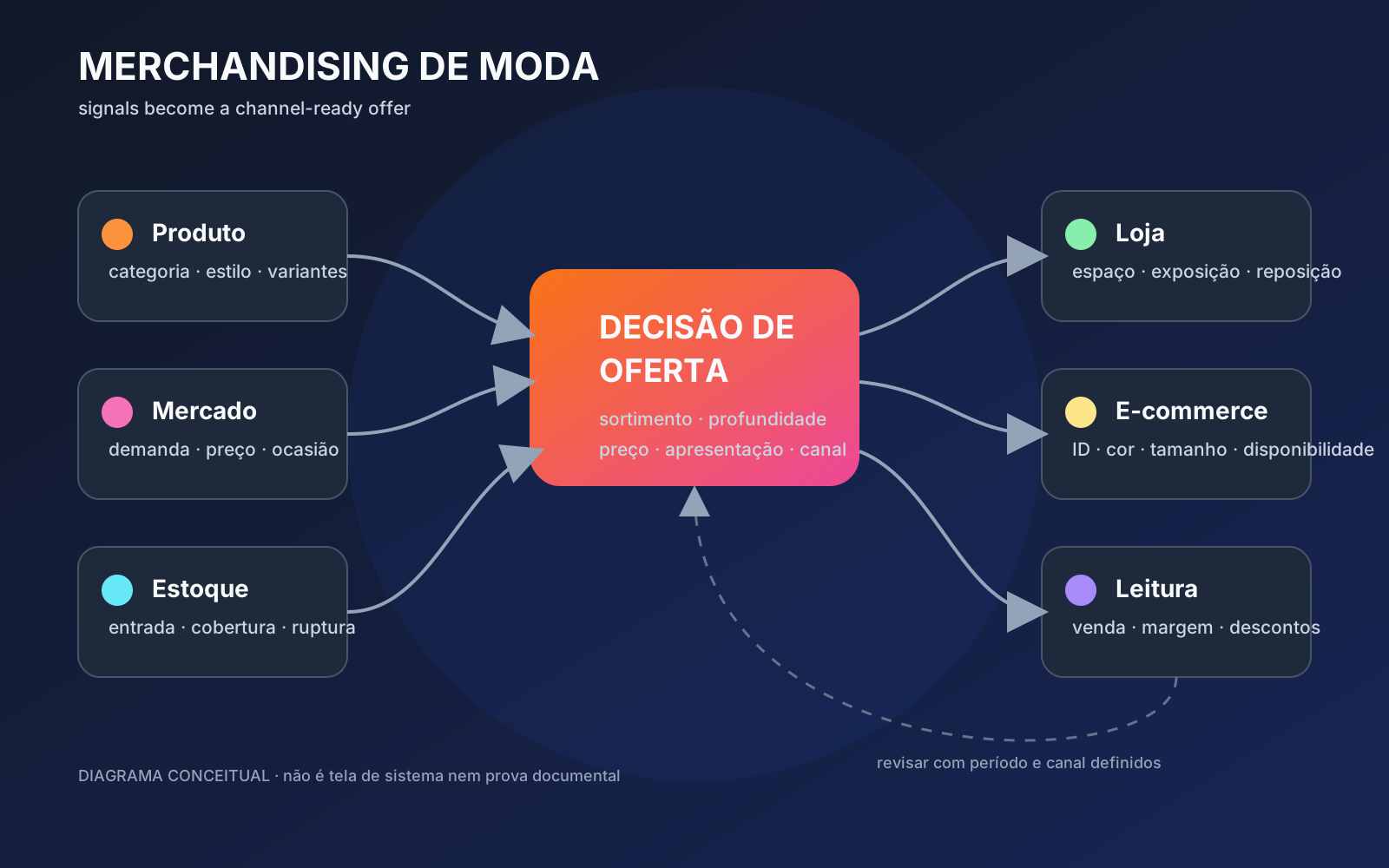
A fashion merchandiser turns market, product, and inventory signals into decisions about assortment, price, presentation, and availability. The role changes with the channel and the company: it may work alongside buyers, product planners, supply-chain teams, and e-commerce without being identical to buying or visual merchandising.
Sources
Want to apply this to your operation?