Purchase order in the fashion industry
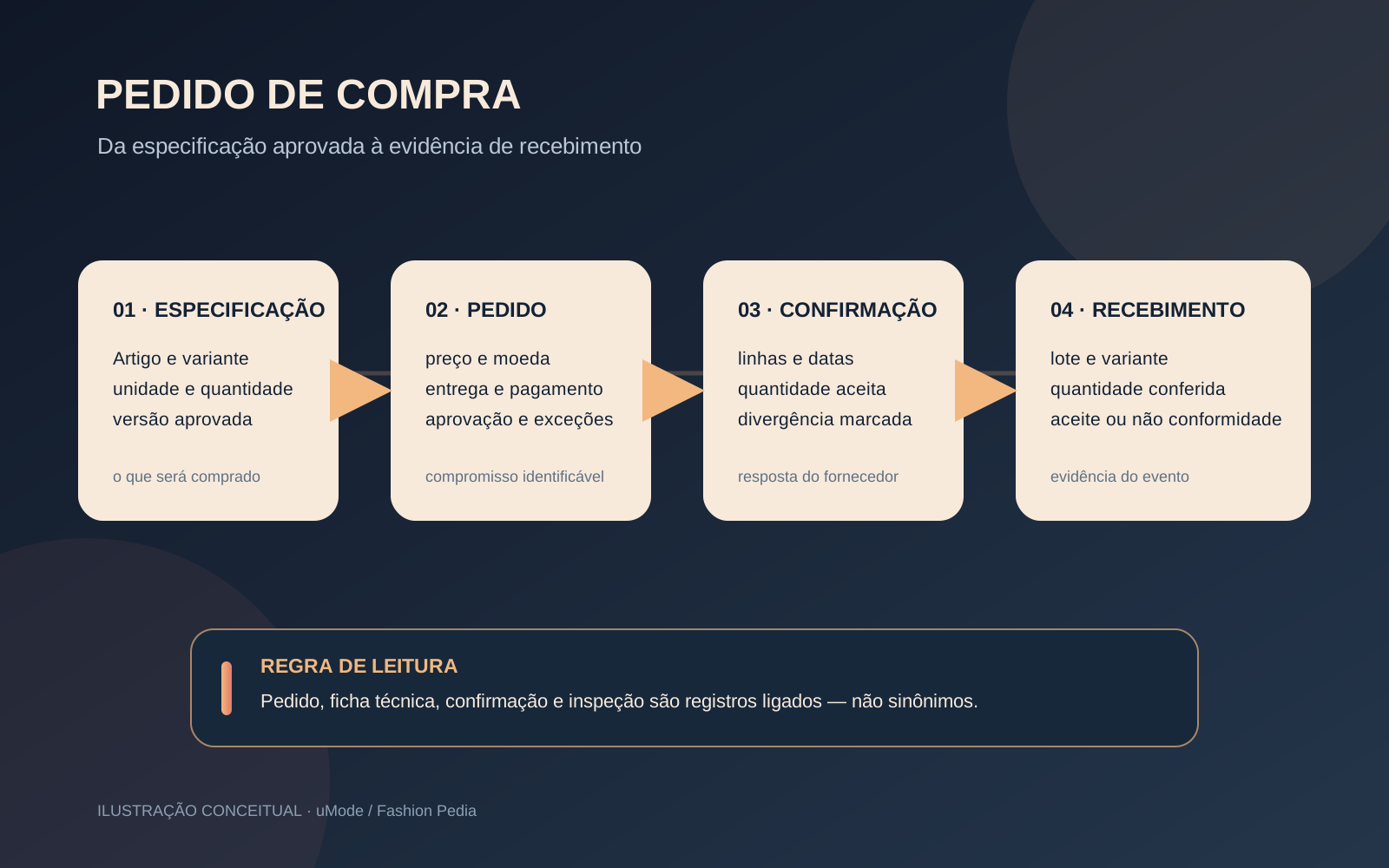
Purchase order in the fashion industry. A purchase order is the document through which a buyer requests goods or services and records conditions such as price and payment. In fashion, it works best when it connects style, variant, specification, quantity, delivery and receiving criteria to an approved decision, without replacing the technical specification or inspection.
On this page
What is Purchase order in the fashion industry?
A purchase order is a formal record of a supply request: the buyer identifies what is needed, under which conditions and for which delivery. Cambridge describes it as a request for products or services that includes price and payment details; AccountingTools presents it as written authorization from the buyer. In fashion, the useful application is to turn that general idea into a buying line that does not depend on scattered conversations.
Before issuing it, define the object: fabric, trim, finishing service, component or finished product. For each line, write the style identifier, variant, unit of measure, quantity, price, currency, delivery location and agreed date or window. Link the line to the technical specification and its approved revision. The order should not hide requirements that exist only in uncontrolled attachments.
How do you build the order without losing product specificity?
The safer structure separates what will be bought from how it will be checked. The commercial description can point to colour, composition, construction, finish, size range, tolerance, packaging and identification; the technical specification retains the product detail. When the purchase starts with a quotation, keep the relationship with the fashion RFQ and record which conditions were accepted, changed or rejected.
Do not treat “100 units” as sufficient information. State whether the unit is a metre, kilogram, piece, case or lot, and whether the quantity is distributed by colour, size or destination. If there is an MOQ, packaging multiple or delivery schedule, make the rule visible on each line or referenced attachment. Price must also remain linked to the unit and payment conditions; otherwise, a confirmation can look correct while representing a different commitment.
Issuing the order is a decision, not just the creation of a PDF. Define who approves cost, timing, specification changes and exceptions. Then send an identifiable revision to the supplier and ask for a confirmation that repeats number, lines, quantities, price and dates. If the reply differs, retain the original order, mark the variance and approve the change before treating the new condition as valid.
How should the order be checked in the fashion supply chain?
Receiving should compare what arrived with what was ordered and with the acceptance criterion. For raw materials, this may involve unit, lot, colour, width, declared composition and required documents; for finished goods, it may involve style, variant, size range, packaging and quantity. The check does not prove the quality of the whole process: it creates an observable decision about that receipt.
Use quality control to separate inspection, testing, approval and non-conformance handling. OEKO-TEX provides a useful reason to connect a fashion order to textile-safety requirements: its standard covers the path from yarn to finished product, considers threads, buttons and accessories, and differentiates requirements according to skin contact. That is a scope requirement, not a claim that every order is certified.
The supply chain also needs an accountability reading. The ILO warns that business links with contractors and suppliers can associate companies with forced labour and advises managers to recognise how the risk can appear across sectors and supply chains. An order can therefore point to supplier requirements, documents and verification owners, but it should not declare compliance merely because an order number exists.
After delivery, connect the result to OTIF and lead time only when the company has defined the unit, window and completeness rule. A delay, partial delivery or substitution should retain the known cause, decision and next action. The purchase order then remains a link between intent, commitment and receiving evidence, without becoming a synonym for a technical specification, quotation or inspection.
Verified facts
- The Cambridge Dictionary defines a purchase order as a document that asks a company or person to supply products or services and gives details such as the price, method and date of payment.
Source: dictionary.cambridge.org ↗ - In Cambridge Business English, the purchasing department prepares the purchase order and sends it to the vendor.
Source: dictionary.cambridge.org ↗ - AccountingTools describes a purchase order as written authorization from a buyer to acquire goods or services.
Source: accountingtools.com ↗ - According to AccountingTools, a purchase order authorizes a supplier to deliver at the price, quality level, delivery date and other terms specified.
Source: accountingtools.com ↗ - The ILO warns that companies may become associated with forced labour through business links with others, including contractors and suppliers.
Source: ilo.org ↗ - The ILO recommends that managers understand the forms and causes of forced labour and how it may occur across different sectors and along supply chains.
Source: ilo.org ↗ - OEKO-TEX STANDARD 100 is a label for textiles tested for harmful substances, from yarn to finished product.
Source: oeko-tex.com ↗ - OEKO-TEX states that every thread, button and accessory is tested against a list of more than 1,000 harmful substances.
Source: oeko-tex.com ↗ - OEKO-TEX applies stricter human-ecology requirements and laboratory tests as the article has more intensive skin contact.
Source: oeko-tex.com ↗ - OEKO-TEX states that it uses globally standardised test criteria for STANDARD 100 certification.
Source: oeko-tex.com ↗
Related entries

Fashion product technical specification
A technical specification is the controlled information set that translates an approved fashion product into verifiable sampling and manufacturing requirements. It brings together drawings, materials, measurements, construction, tolerances, identification, labelling, comments and revision history; its content varies by category, company, market and stage.
RFQ in the fashion supply chain
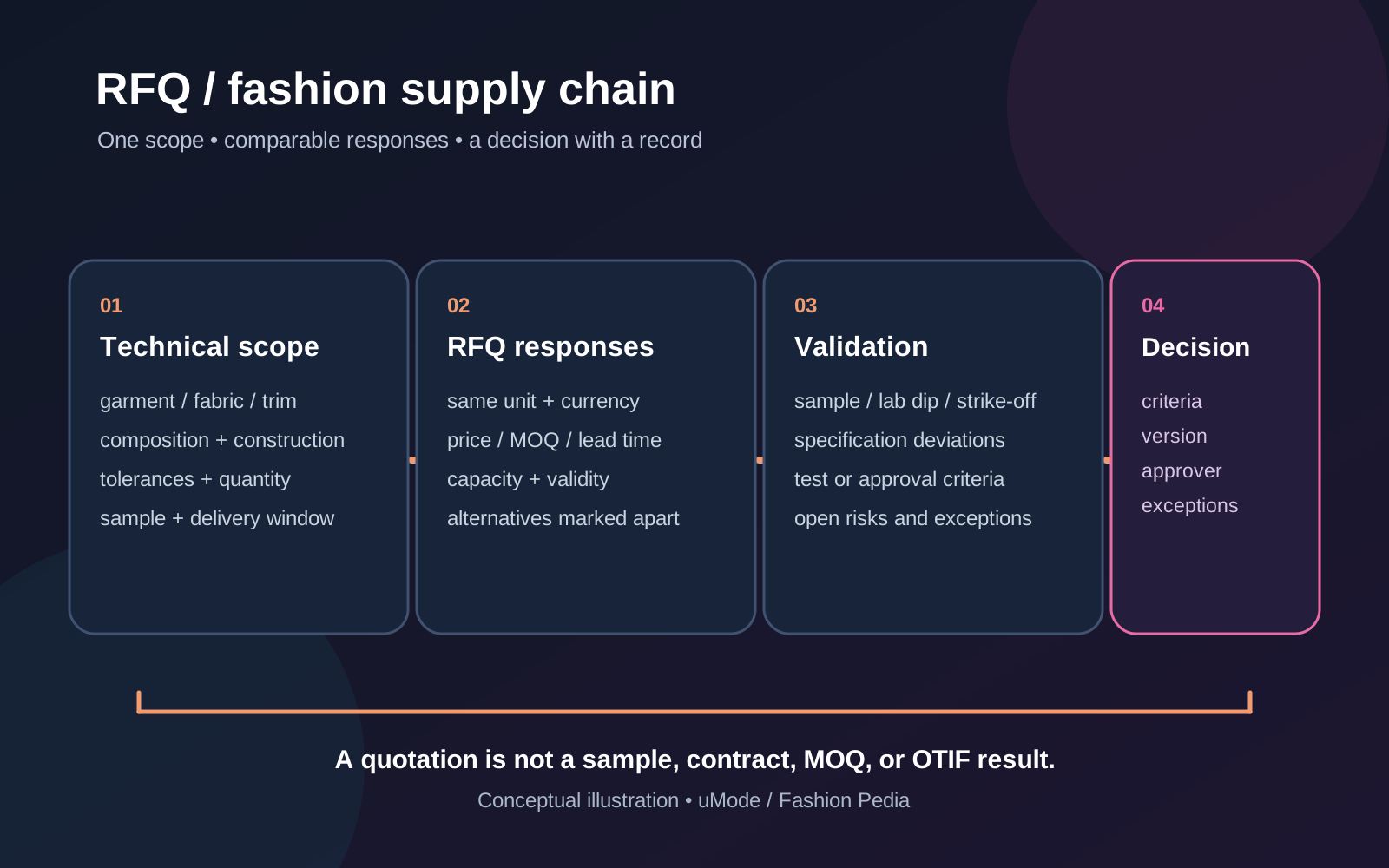
RFQ in the fashion supply chain. An RFQ (Request for Quotation) is a process for requesting and comparing quotations against the same product, service, or material scope. In fashion, it turns garment, fabric, trim, or finishing requirements into a response-ready request, separates price from capacity and timing, and records which requirement version supported the decision.
MOQ in the fashion supply chain
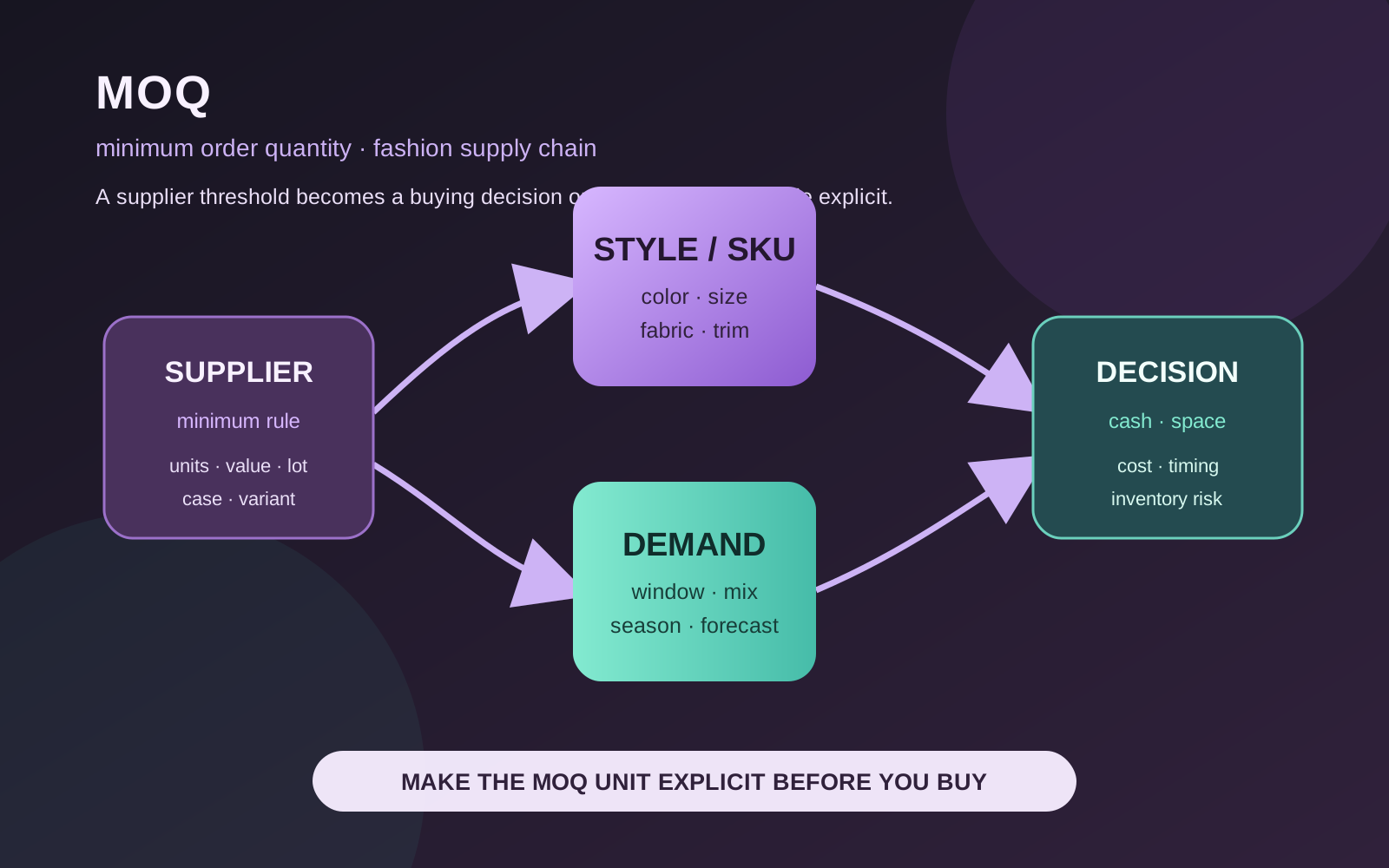
MOQ in the fashion supply chain. MOQ (minimum order quantity) is the smallest quantity a supplier accepts in a single order. In fashion, the rule is useful only when it states whether the threshold applies to a style, SKU, color, size, material, lot, case, or order value, and when it is tested against demand, cash, space, and leftover-stock risk.
Lead time in the fashion supply chain
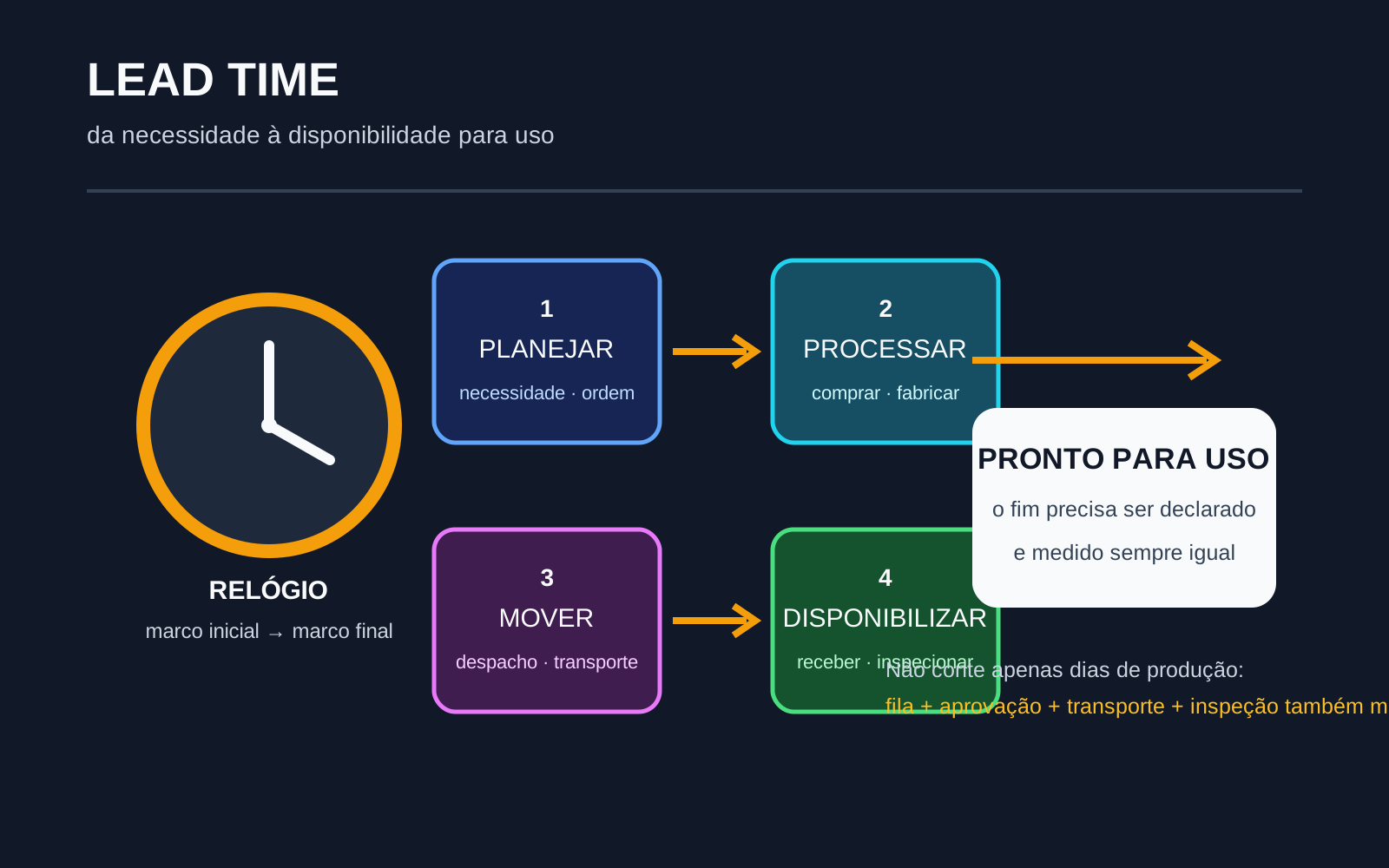
Lead time in the fashion supply chain. Lead time in a fashion supply chain is the elapsed time between defined operational milestones, such as ordering and receipt or design and production. A useful measure states its object, start, end, waiting periods, calendar, unit and availability condition.
OTIF in the fashion supply chain
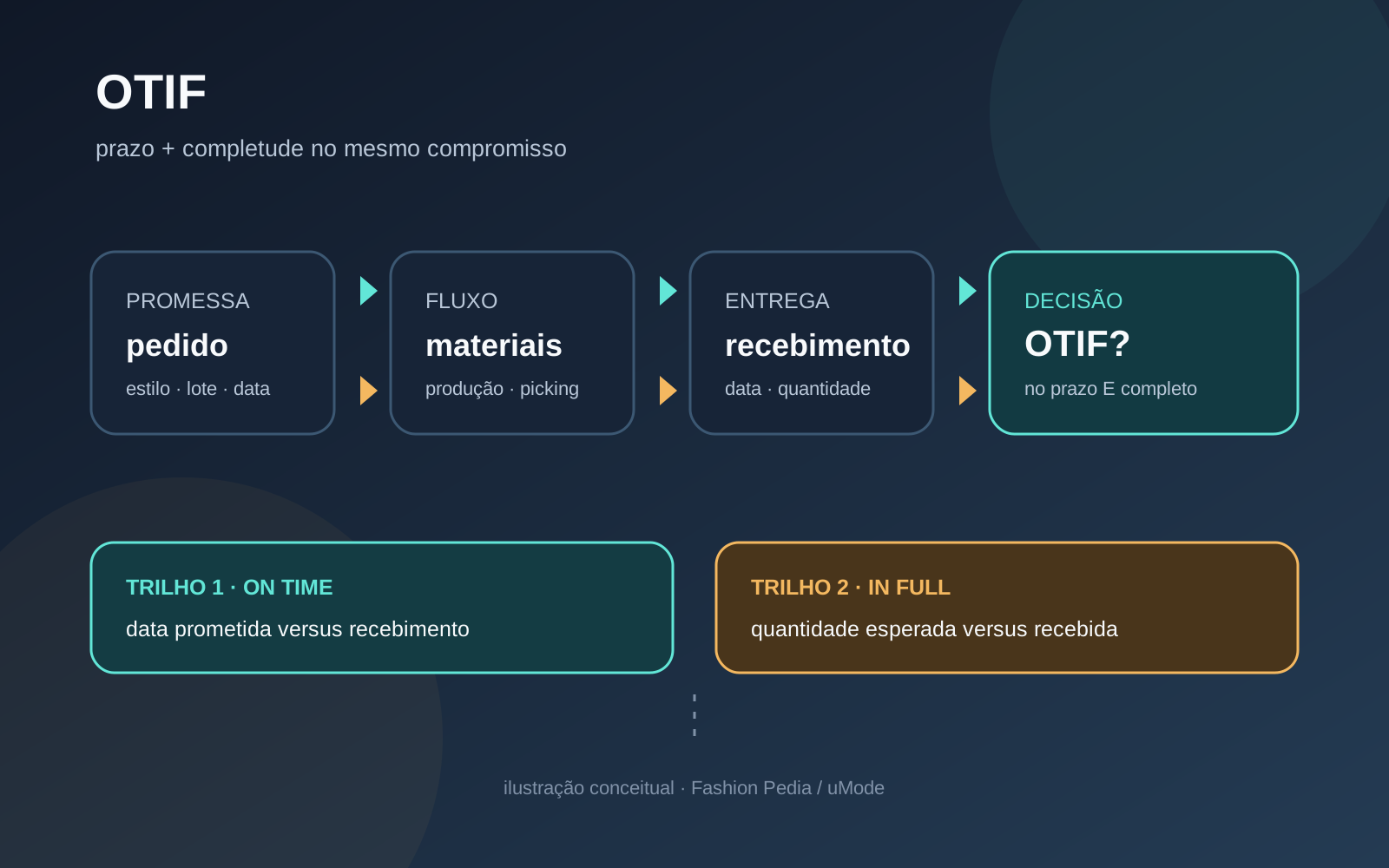
OTIF in the fashion supply chain. OTIF (on-time in-full) measures whether an order arrives on the agreed date with all expected items or quantities. In fashion, it can be applied to finished-goods orders, materials, or internal stages when the measured event, delivery window, and completeness rule are explicit.

Apparel quality control
Apparel quality control combines specifications, inspection, and testing to check whether fabrics, trims, and garments meet the expected performance for a product and end use. The process can examine color, drape, hand, durability, conformance, defects, fit, seam integrity, shrinkage, and drying performance. Quality decisions depend on the product and its intended use.
Sources
Want to apply this to your operation?