Fashion buyer
A fashion buyer turns a commercial need into a range, supplier, price, quantity, and timing decision. The role combines product and market reading with negotiation and execution follow-up. It connects selection, commercial commitment, and delivery review without automatically owning planning, design, technical approval, or quality control.
On this page
What is Fashion buyer?
A fashion buyer turns a commercial need into a decision about range, supplier, price, quantity, and timing. The role combines product and market reading with negotiation and execution follow-up. In retail, range selection may balance customer demand, convenience, price, choice, quality, and availability while keeping the channel and collection scope explicit.
The role should not be collapsed into collection planning or fashion merchandising. A buyer makes or recommends buying commitments within defined authority; planning sets broader premises, while merchandising reads and shapes the commercial mix. These boundaries may overlap by organisation, so the useful unit is the actual decision scope rather than the job title alone.
How is a buying decision built?
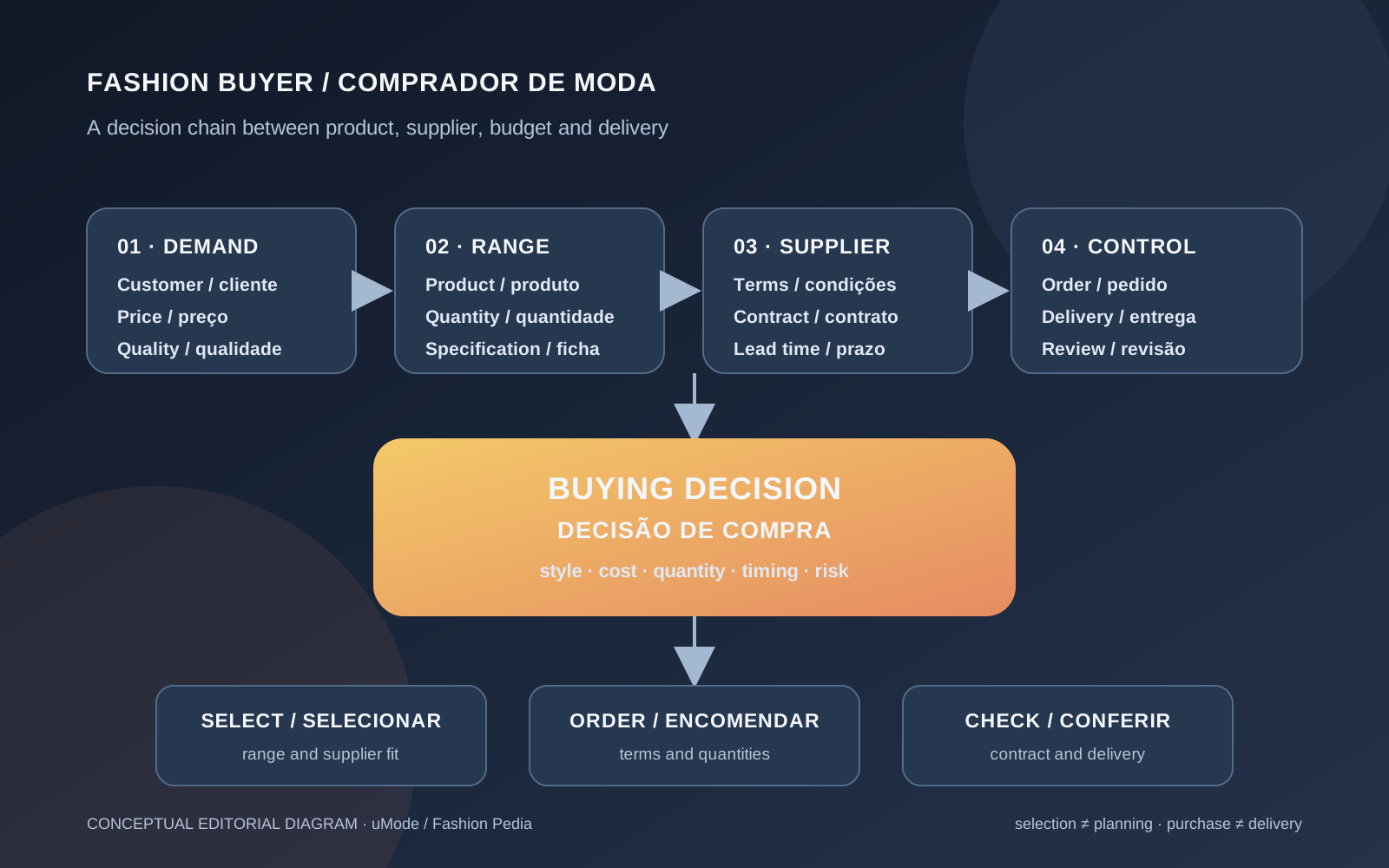
A buying decision can be framed through four questions: what will be bought, for whom, from which supplier, and under which terms. The buyer first reads demand signals, trends, budget, commercial policy, and the performance of existing lines. The next step compares product, quality, quantity, and specifications before moving into price, discounts, transport, contract, and delivery.
The O*NET occupation profile describes purchasing for resale and records negotiation of prices, discount terms, and transportation arrangements with suppliers. It also connects purchase decisions to quality, quantity, and specification requirements. In fashion, this creates a practical chain: fashion sourcing identifies alternatives; buying selects and commits; supplier approval organises the partner entry; and fashion lead time tests whether the calendar can support the commitment.
The work does not end when an order is placed. The supplier relationship needs a visible contract, a way to measure performance, and a route for exceptions. CIPS defines supplier relationship management as managing and maintaining the relationship between buyer and supplier; its guidance also includes assessing contractual capability, measuring performance during the contract, and working with suppliers on challenges. A useful operating record therefore keeps versions, agreed terms, and owners for resolving differences.
Which criteria matter in fashion buying?
The criteria depend on channel and category, but a buying matrix can separate product, customer, cost, margin, quantity, availability, quality, timing, and risk. Sales data, margins, and discount levels can inform a line review; stock levels and conversations with merchandising and supply-chain teams can inform the commitment. No single indicator replaces product judgement or context.
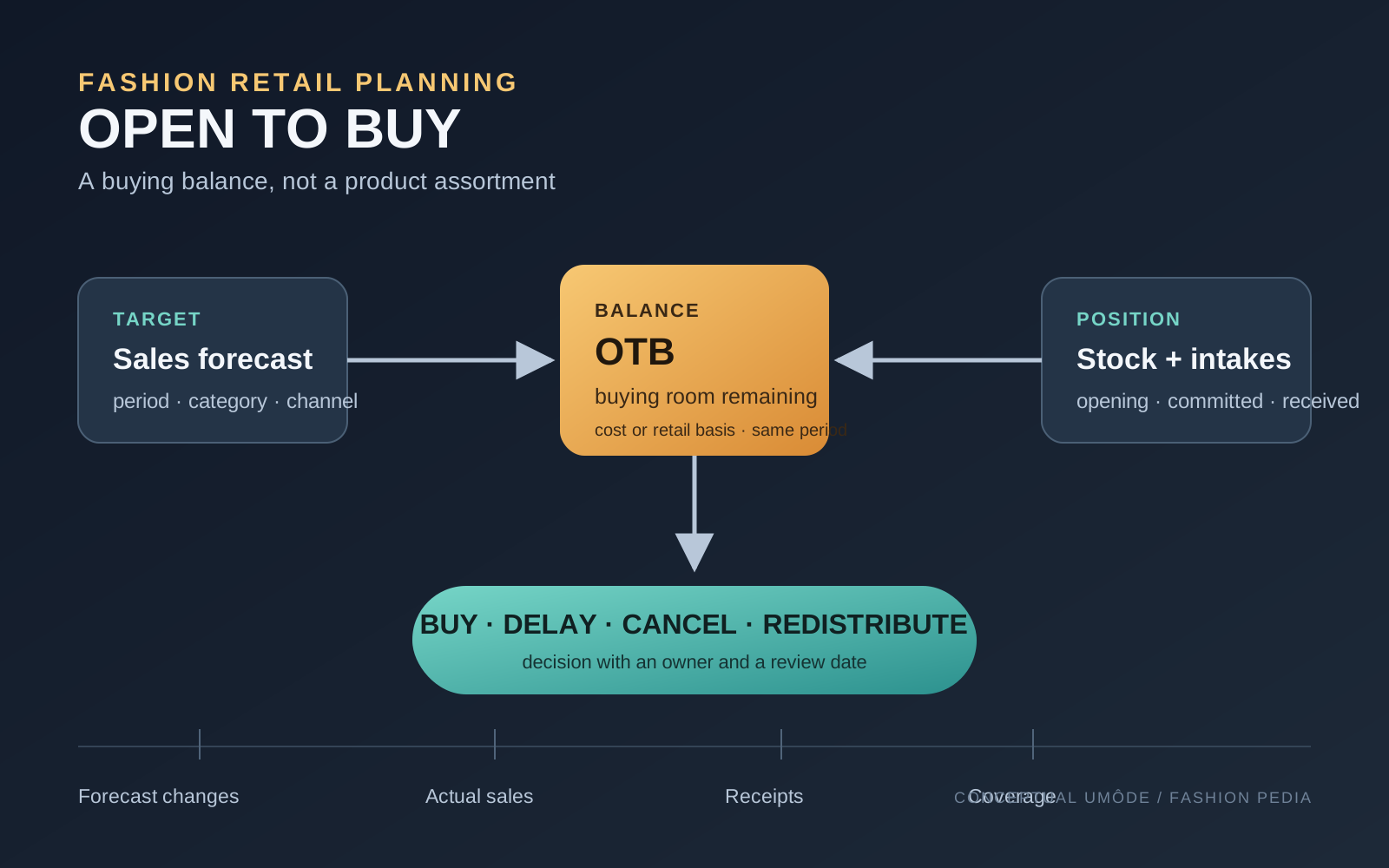
Buying also needs to distinguish assortment breadth, inventory depth, and allocation by destination. Open-to-buy expresses a financial or purchasing constraint; it is not the same as the aesthetic or commercial choice of a collection. OTIF can support delivery discussion, but it does not by itself prove that a product was well bought. The same discipline applies to cost: negotiated price, total cost, margin, and perceived value answer different questions.
Where do the buyer’s responsibilities stop?
A buyer may select, negotiate, and follow up, but the role does not automatically own design, technical approval, forecasting, quality, or logistics. Those interfaces must be named in the workflow. An approved tech pack, a released sample, a confirmed order, and a checked delivery are different states of one decision.
A sound routine begins with the scope of a category, collection, or channel. Record the buying hypothesis, the evidence used, the negotiated condition, the committed quantity, the agreed timing, and the review criterion. When reality diverges, document whether the cause was demand, product, supplier, calendar, or internal decision. This keeps collection planning, fashion sourcing, and supplier approval connected without making them synonyms.
A fashion buyer is therefore a decision and coordination role inside the buying process. Its quality is visible in the clarity of the commitment and in the ability to compare selection, contractual terms, and execution while respecting the authority defined by the organisation.
Verified facts
- A retail buyer plans and selects merchandise ranges for physical stores and online channels, balancing demand, convenience, price, choice, quality, and availability.
Source: prospects.ac.uk ↗ - A buyer monitors market trends, works within store policies and budgets, and sources new products while reviewing existing lines.
Source: prospects.ac.uk ↗ - Buyer responsibilities include analysing consumer buying patterns and predicting future trends.
Source: prospects.ac.uk ↗ - A buyer may review performance indicators such as sales data, margins, and discount levels.
Source: prospects.ac.uk ↗ - A buyer may plan and manage stock levels with merchandising and supply chain teams.
Source: prospects.ac.uk ↗ - A buyer meets suppliers and negotiates contracts, prices, and delivery terms.
Source: prospects.ac.uk ↗ - Wholesale and retail buyers purchase merchandise for resale to consumers at wholesale or retail level.
Source: onetonline.org ↗ - The role may involve negotiating prices, discount terms, or transportation arrangements with suppliers.
Source: onetonline.org ↗ - Selection and purchase may follow quality, quantity, and specification requirements, along with other merchandise criteria.
Source: onetonline.org ↗ - Supplier relationship management is the management and maintenance of the relationship between a buyer and supplier.
Source: cips.org ↗ - Supplier management includes assessing contractual capability, measuring performance during the contract, and working with the supplier to identify challenges.
Source: cips.org ↗
Related entries
Collection planning
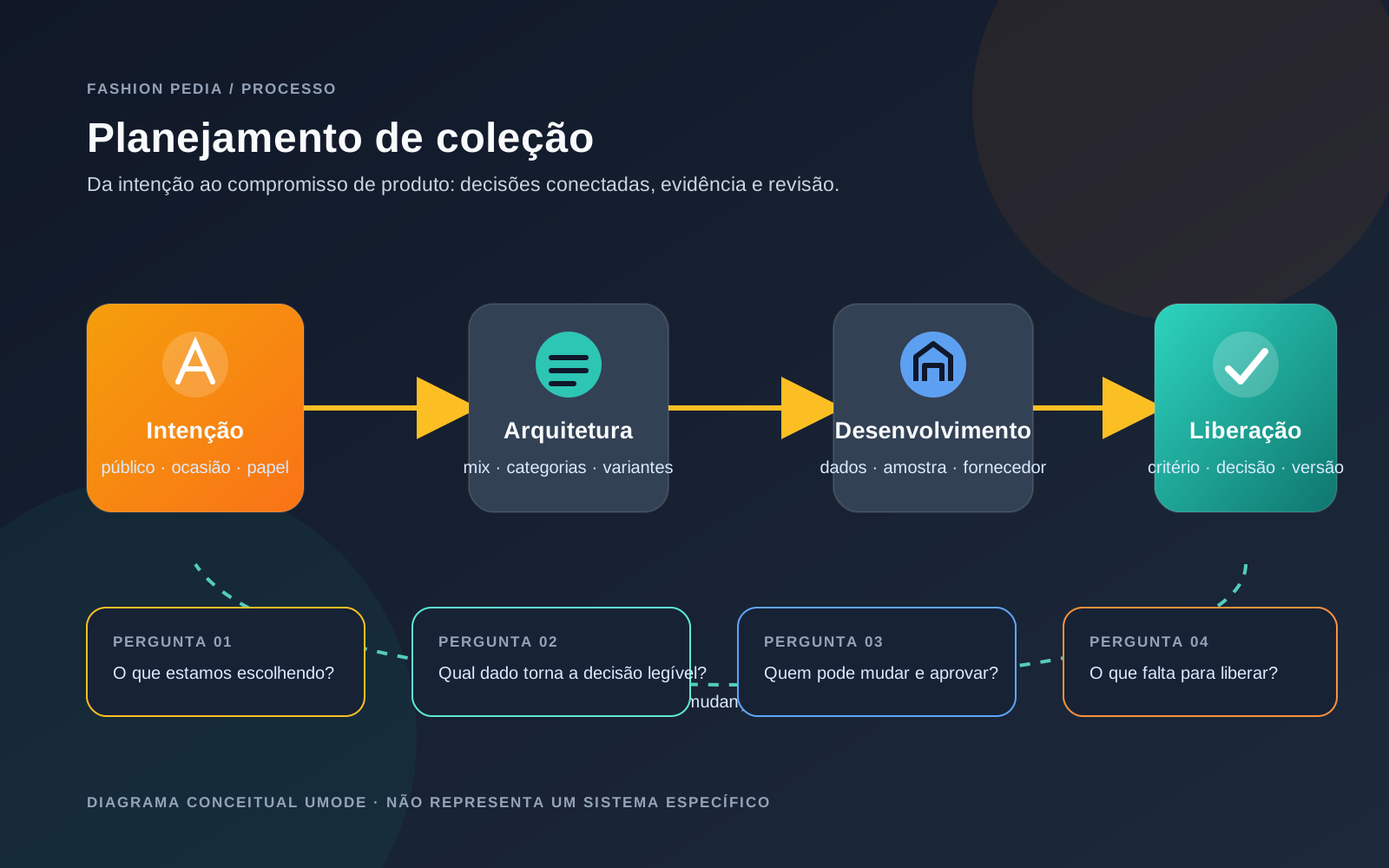
Collection planning is the process of turning a collection intention into controlled decisions about products, data, stages, owners, changes and release criteria. It connects product direction, development, sourcing and information without reducing the plan to a calendar or a software tool.
Open to buy in fashion retail
Open to buy in fashion retail. Open to buy (OTB) is a planning process that calculates how much inventory a retailer needs to buy to reach a sales target, using forecast sales, opening stock and desired closing stock. In fashion retail, the balance should be read by period, category, channel and stock cover; it guides buying without replacing assortment decisions.
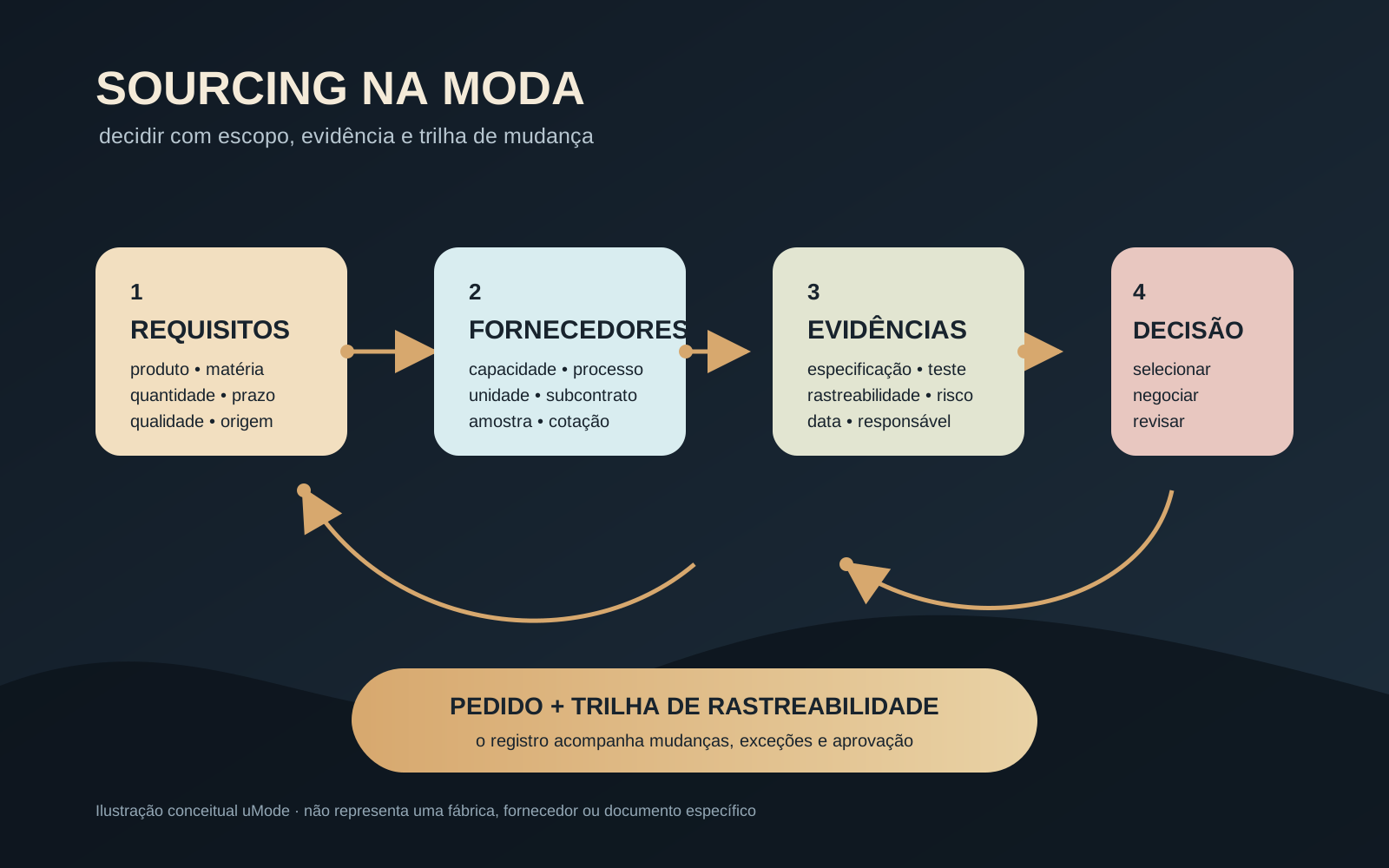
Fashion sourcing
Fashion sourcing turns product requirements into a verifiable decision about materials, suppliers, capacity, cost, timing and risk. It connects samples, evidence and purchase orders without reducing supplier choice to the lowest price.
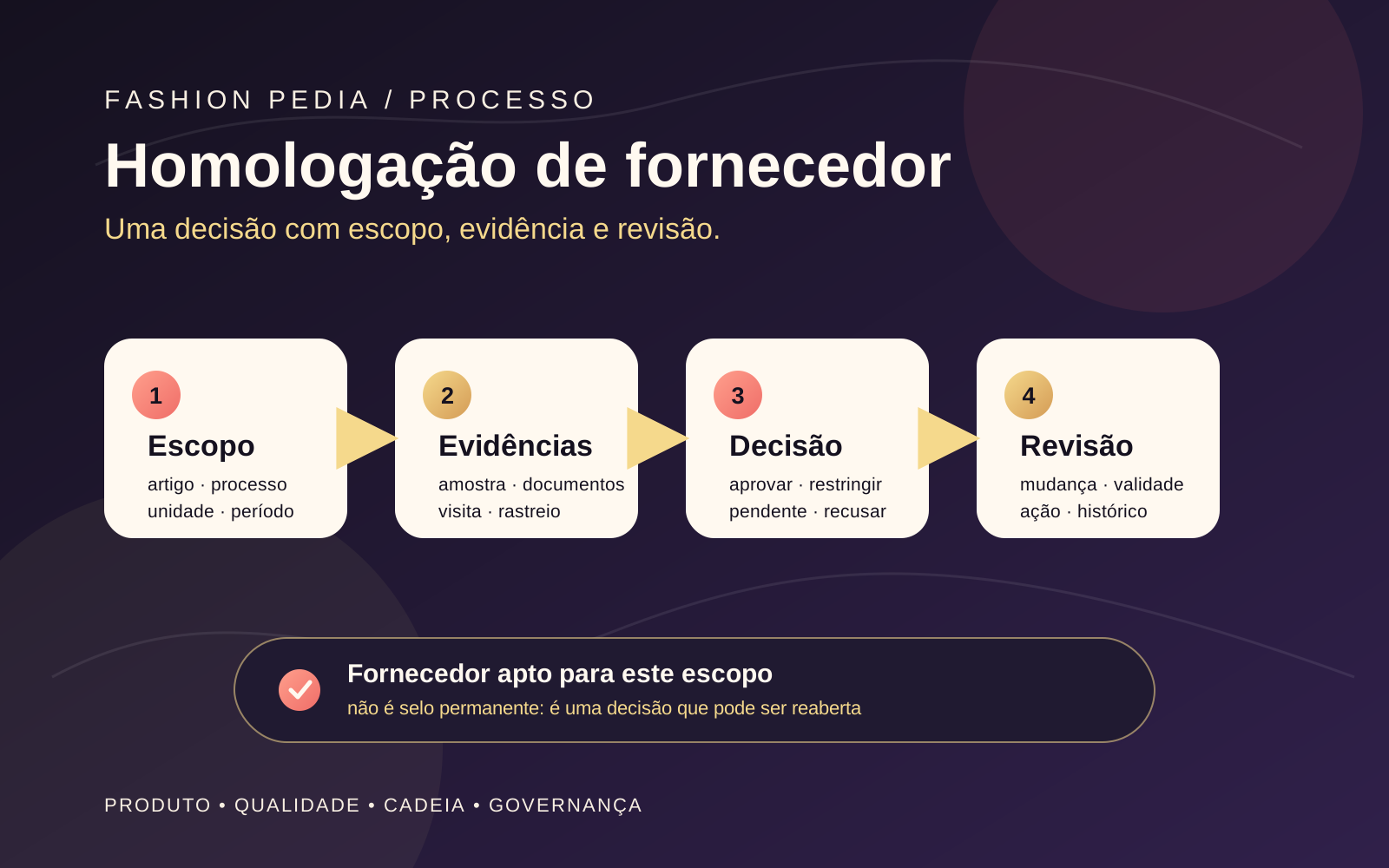
Fashion Supplier Qualification
Fashion supplier qualification is the process of deciding, for a defined scope, whether a company can be used with explicit requirements, evidence, responsibilities and review points. In fashion, the decision should connect development, quality, purchasing, production and traceability without confusing a vendor record, a certificate or a single order with permanent approval.
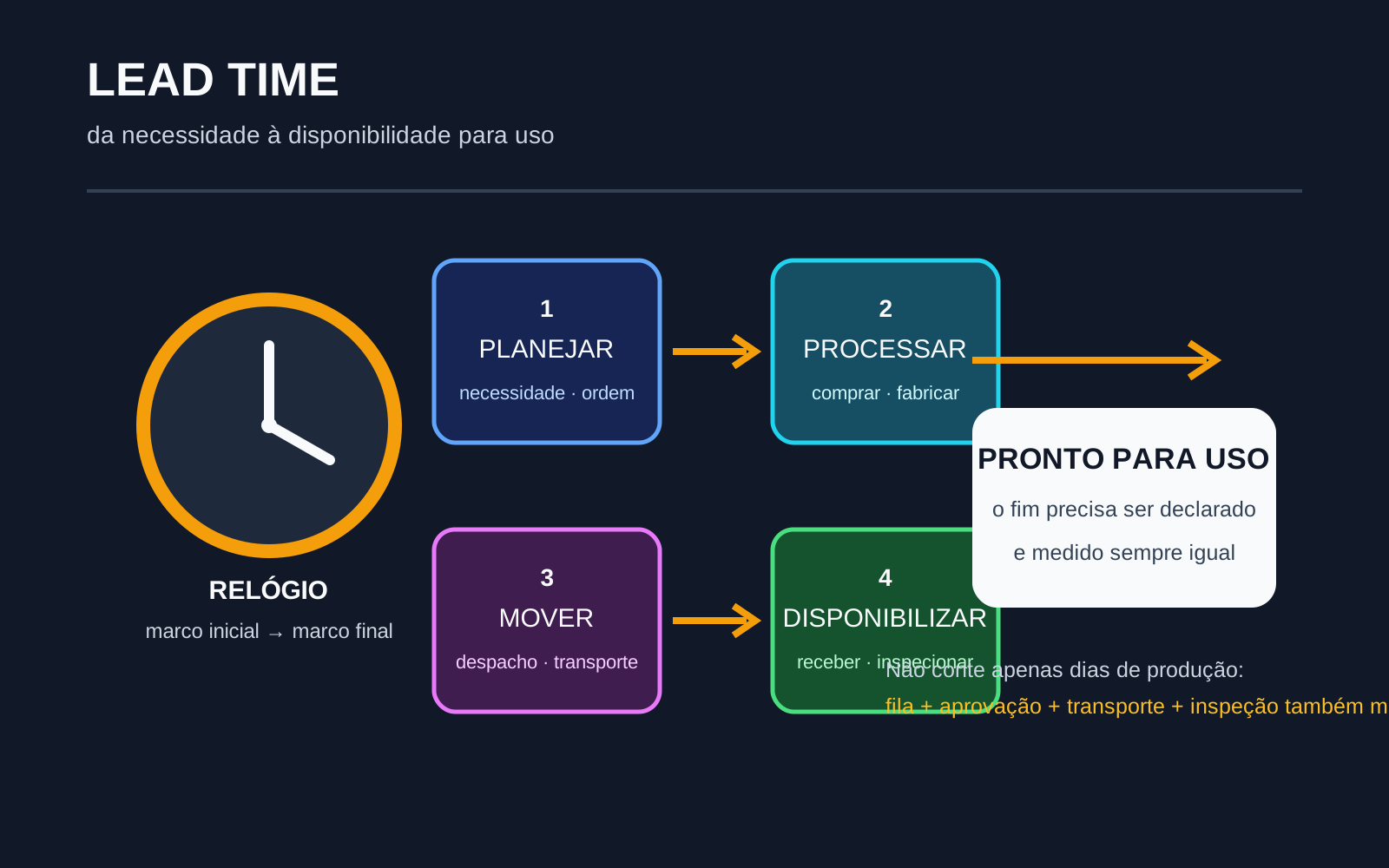
Lead time in the fashion supply chain
Lead time in the fashion supply chain. Lead time in a fashion supply chain is the elapsed time between defined operational milestones, such as ordering and receipt or design and production. A useful measure states its object, start, end, waiting periods, calendar, unit and availability condition.
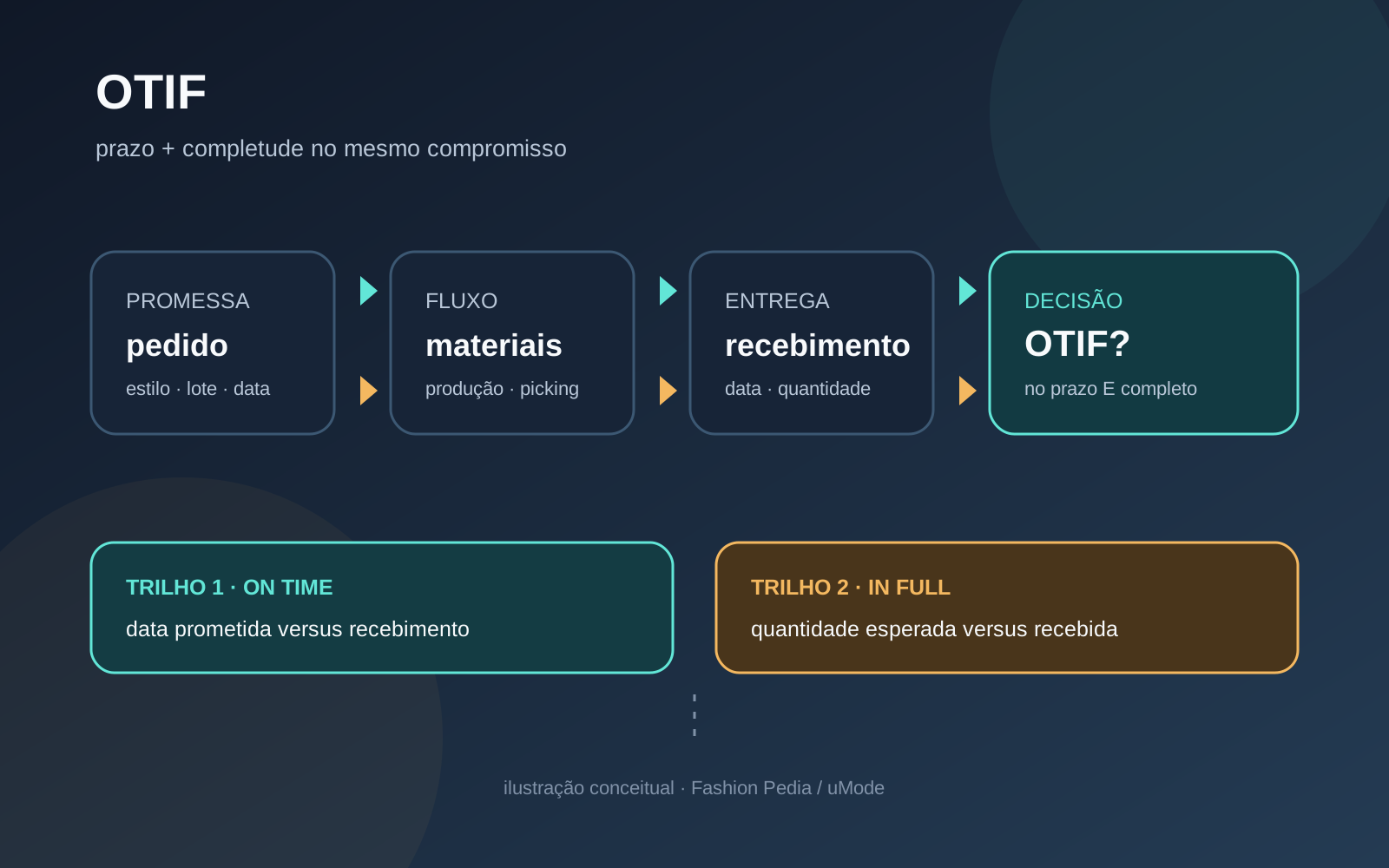
OTIF in the fashion supply chain
OTIF in the fashion supply chain. OTIF (on-time in-full) measures whether an order arrives on the agreed date with all expected items or quantities. In fashion, it can be applied to finished-goods orders, materials, or internal stages when the measured event, delivery window, and completeness rule are explicit.
Fashion merchandiser
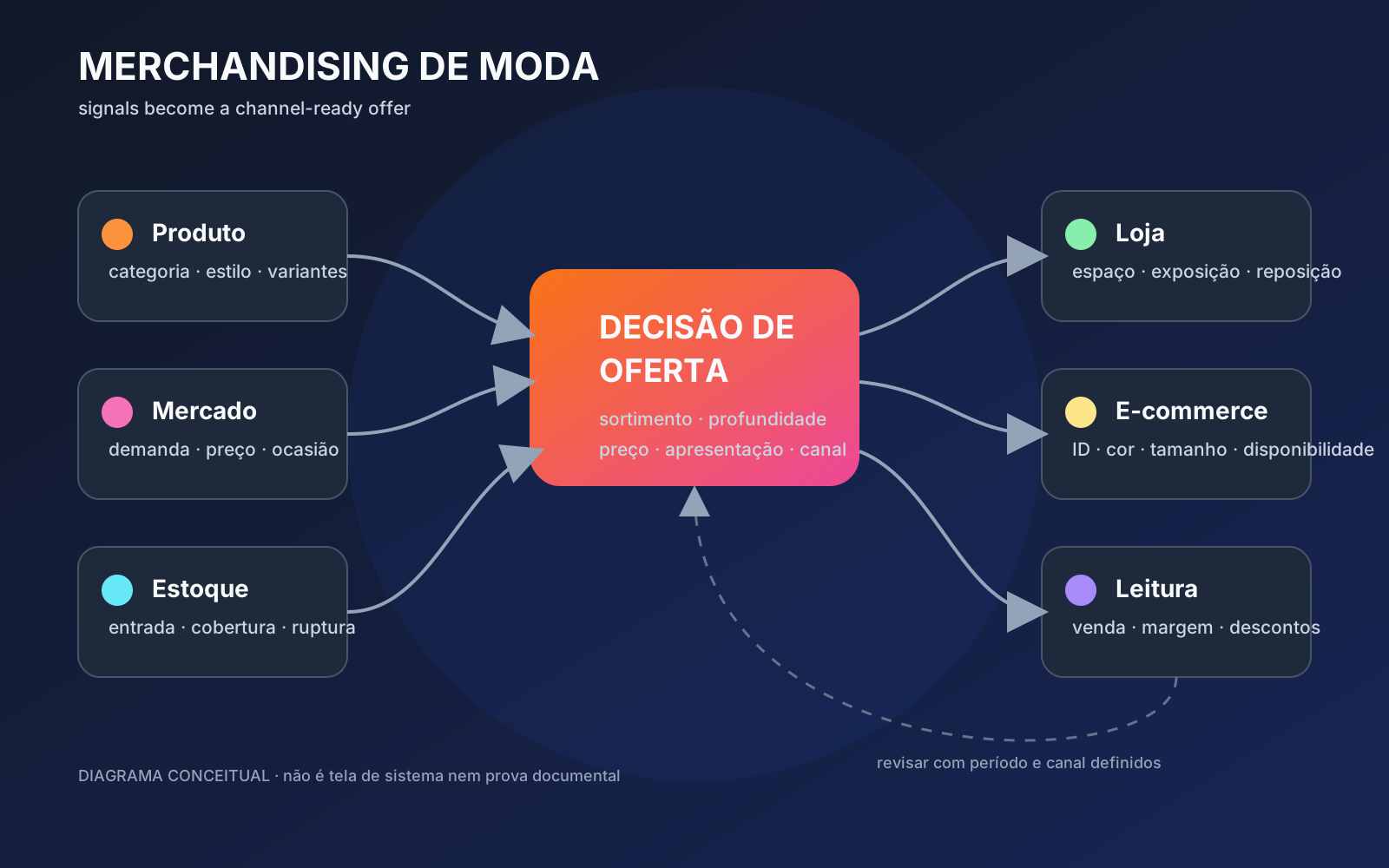
A fashion merchandiser turns market, product, and inventory signals into decisions about assortment, price, presentation, and availability. The role changes with the channel and the company: it may work alongside buyers, product planners, supply-chain teams, and e-commerce without being identical to buying or visual merchandising.
Sources
Want to apply this to your operation?