Collection drop
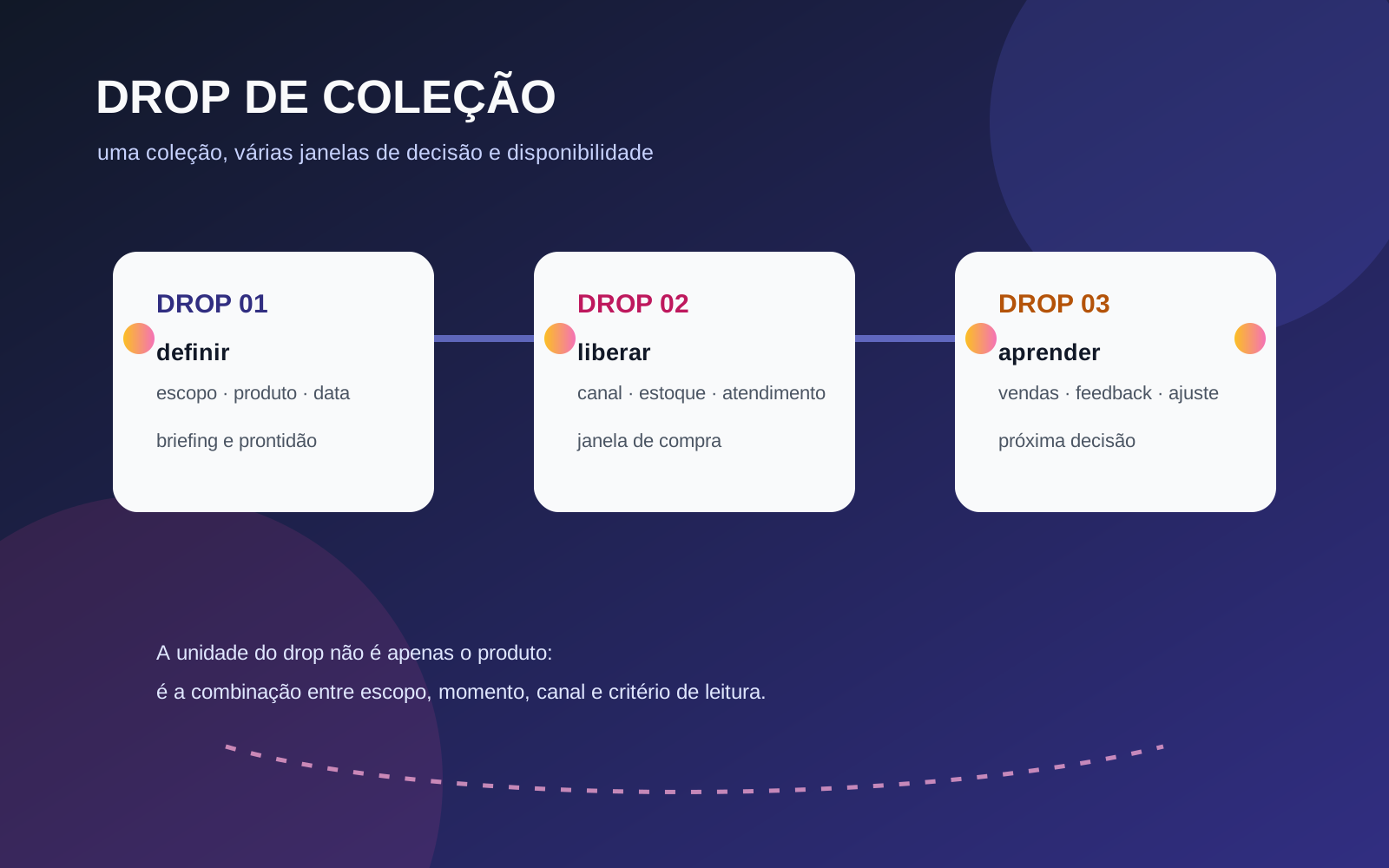
A collection drop is a paced launch process: a defined group of products is prepared and made available in a specific window, with explicit scope, channel, readiness and learning criteria. In streetwear vocabulary, the term also refers to very limited-edition capsule collections released through scarcity and social media.
On this page
What is Collection drop?
A collection drop is a launch unit: a product cut, an availability window and a rule for reading what happened. In contemporary streetwear usage, the word also names very limited-edition capsule collections associated with social media and product scarcity as marketing tools. The cultural origin of streetwear is specific: the reference page describes a fusion of African-American and Latino hip-hop fashion in New York with elements of Californian surf culture, and records its global popularity in the 1990s. That makes a drop more precise than a generic catalogue update.
The decision becomes clearer when the drop is connected to the collection calendar, collection planning and collection map. The calendar answers when; planning answers why and for whom; the map shows the product cut. The drop adds the operational question: which group will be released in this window, through which channel and under what readiness condition?
How should the launch window be planned?
Plan a drop as a process with an input, a gate and an output. Start by writing the scope: styles, variants, sizes, price, channel and availability that belong to the window. Then record what still needs validation in development, buying, stock, content, customer care and distribution. The cut can be small; what cannot be small is clarity about what is inside and outside it.
The date should not be selected in isolation. The product-launch guidance consulted connects launch timing to market readiness, completion of development and testing, seasonality and competitor activity. For a fashion team, that turns a date into a verifiable gate: approved sample, available imagery, consistent product data, allocated stock, tested channel and an exception plan. This connects with fashion product development and the technical pack, but does not replace either one.
A preorder, sign-up or limited campaign can act as a demand rehearsal before a broad release. It does not prove that the drop will succeed; it creates an observation point for deciding whether scope, message or quantity needs adjustment. Prototypes, research, focus groups and feedback also belong in preparation when the team still needs to test the proposition.
How should a drop be measured and adjusted?
Measure a drop through signals that answer the decision, not through one isolated number. The product-launch reference lists traffic, conversion, sales by channel, social engagement and customer acquisition cost as possible metrics. Choose only a few, define the period and record the denominator before opening; otherwise “performed well” mixes traffic, revenue, margin, orders and interaction.
Nike SNKRS' public launch page illustrates organization by state and discovery: its navigation separates Feed, In Stock, Upcoming and Maps. For a fashion operation, the lesson is information design, not interface imitation: customers and teams need to distinguish what is available, what is announced and what still requires notice or action.
The drop should close with a decision for the next window: repeat, expand, reduce, delay or remove the item. Record what was released, through which channel, with what stock and with what reading evidence. Scarcity may be part of the concept, but it should not hide lack of readiness, an untested promise or an inability to serve orders. A drop is useful when it makes the sequence of decisions legible across creation, product, operations and sell-through.
What are the limits of the concept?
A drop is not synonymous with an entire collection, a complete calendar, a communications campaign or an ecommerce tool. A calendar can contain several drops; a collection can be released in one batch; a limited capsule can exist without a continuous drop strategy. Scarcity also cannot be converted into a guarantee of desire, conversion or resale value. Those are hypotheses that require observation and a defined criterion.
The concept also requires a distinction between intention and fact. “Limited edition” describes an availability condition when quantity or window has been defined; it does not authorize claims of cultural exclusivity, commercial success or sustainability. Before opening sales, confirm the product, quantity, channel, date, customer care and ability to correct information. Afterwards, preserve the decision record so the next window does not begin only from team memory.
Verified facts
- In streetwear, drops are very-limited-edition capsule collections that fashion companies adopted with social media and product scarcity as marketing tools.
Source: en.wikipedia.org ↗ - Streetwear gained global popularity in the 1990s.
Source: en.wikipedia.org ↗ - Streetwear emerged from the fusion of African-American and Latino hip-hop fashion in New York with elements of Californian surf culture.
Source: en.wikipedia.org ↗ - Many streetwear brands limit production through artificial scarcity to drive demand.
Source: en.wikipedia.org ↗ - Limiting production has led to limited-edition releases and resale markets.
Source: en.wikipedia.org ↗ - A limited launch or crowdfunding campaign can be used to validate the market before a hard launch.
Source: shopify.com ↗ - Testing whether a product will sell can involve market research, prototypes, beta testers, focus groups, email sign-ups and preorders.
Source: shopify.com ↗ - Setting a launch date involves market readiness, completing product development and testing, seasonality and competitor activity.
Source: shopify.com ↗ - Launch performance can be tracked through website traffic, conversion rate, sales by channel, social engagement and customer acquisition cost.
Source: shopify.com ↗ - Nike SNKRS' launch page organizes navigation through Feed, In Stock, Upcoming and Maps.
Source: nike.com ↗ - A post-launch retrospective and a seven-day improvement plan help keep the work active after opening.
Source: shopify.com ↗ - A launch recommendation is to delay release until the product is really ready and testing supports its claims.
Source: shopify.com ↗
Related entries
Collection calendar
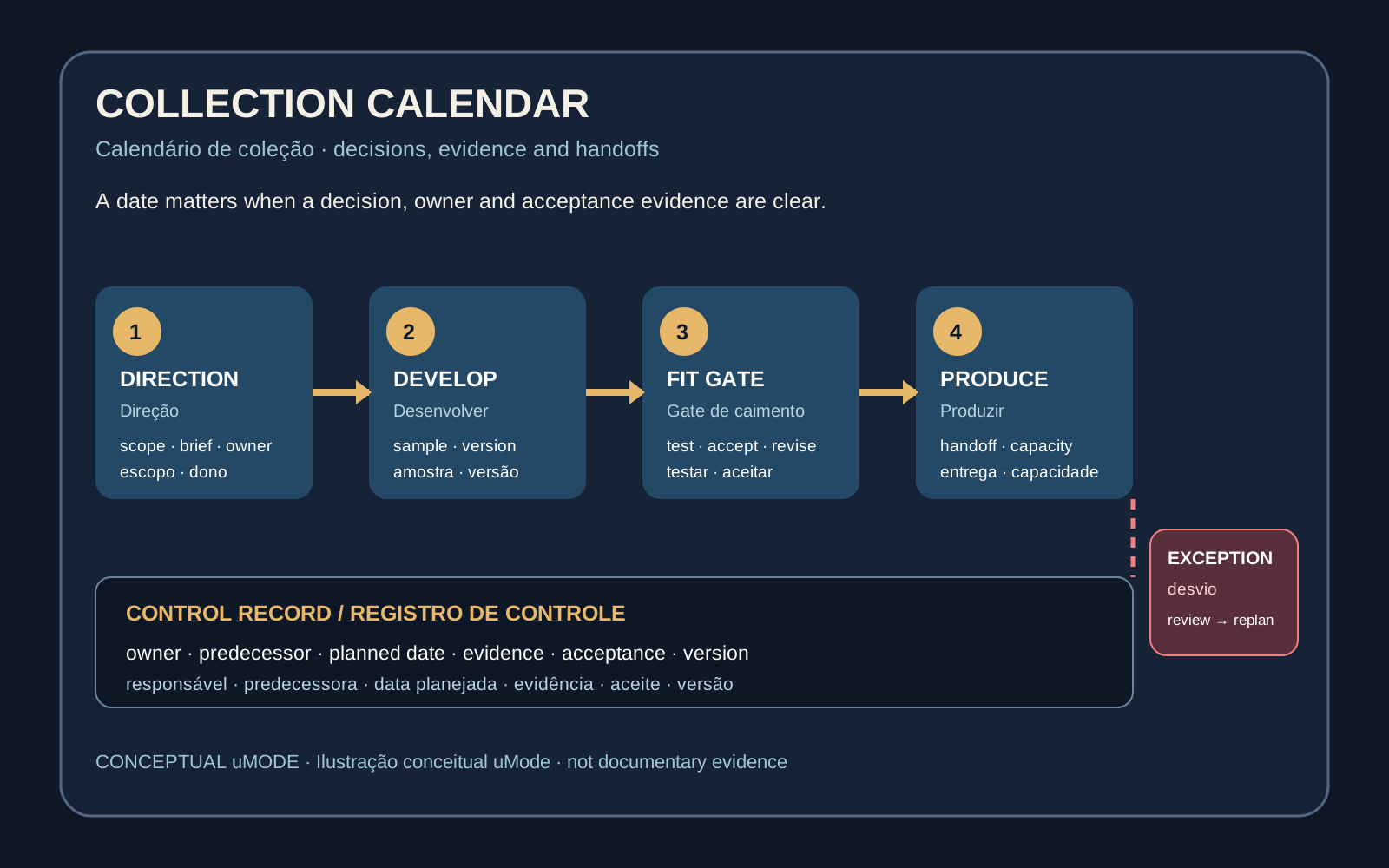
A collection calendar is the controlled sequence of decisions in a collection's development and launch: each milestone combines scope, owner, predecessor, planned date, evidence and an acceptance rule. It is not merely a list of deadlines; it makes the handoffs between direction, sampling, approval, production and launch visible.
Collection planning
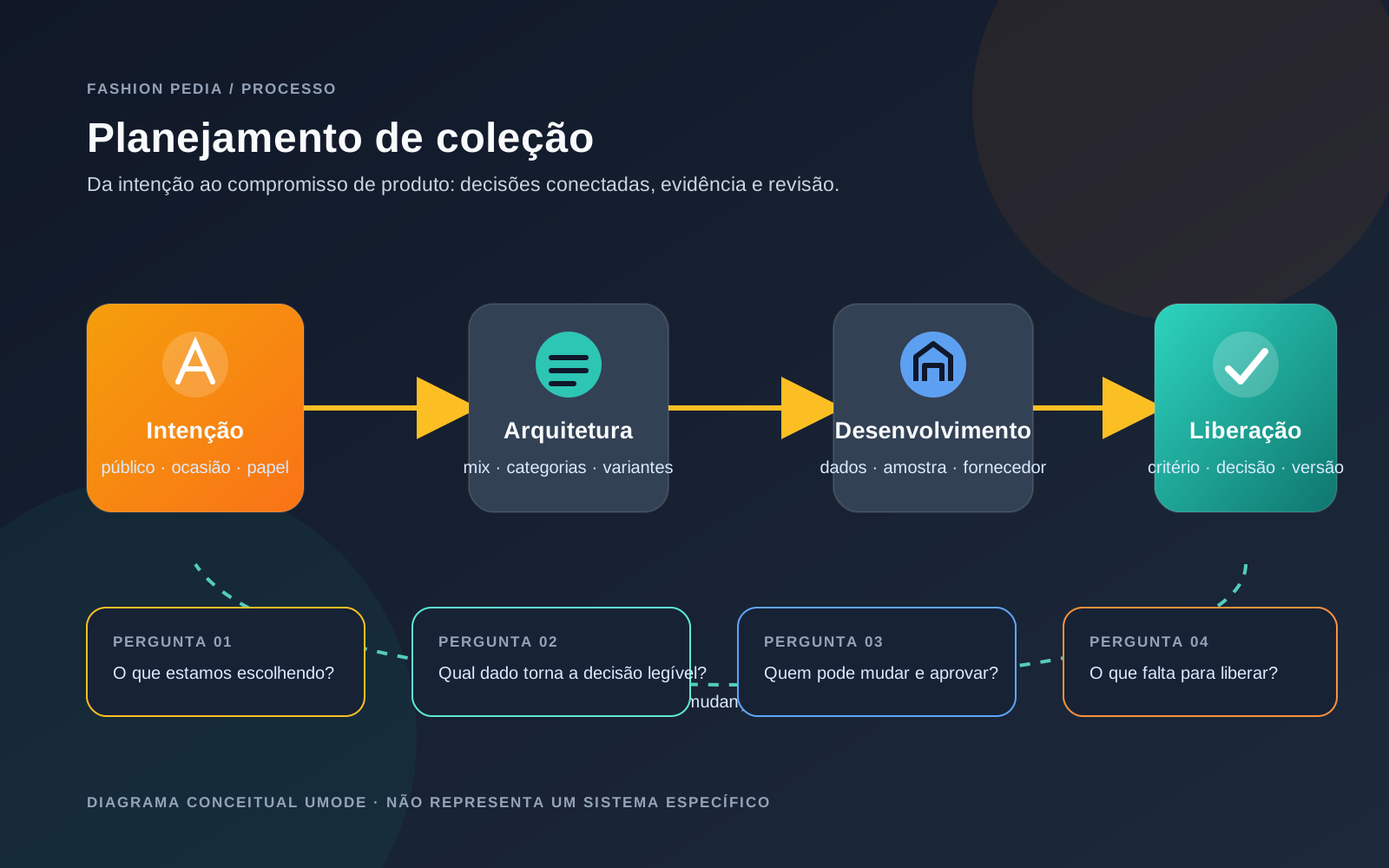
Collection planning is the process of turning a collection intention into controlled decisions about products, data, stages, owners, changes and release criteria. It connects product direction, development, sourcing and information without reducing the plan to a calendar or a software tool.
Product mix
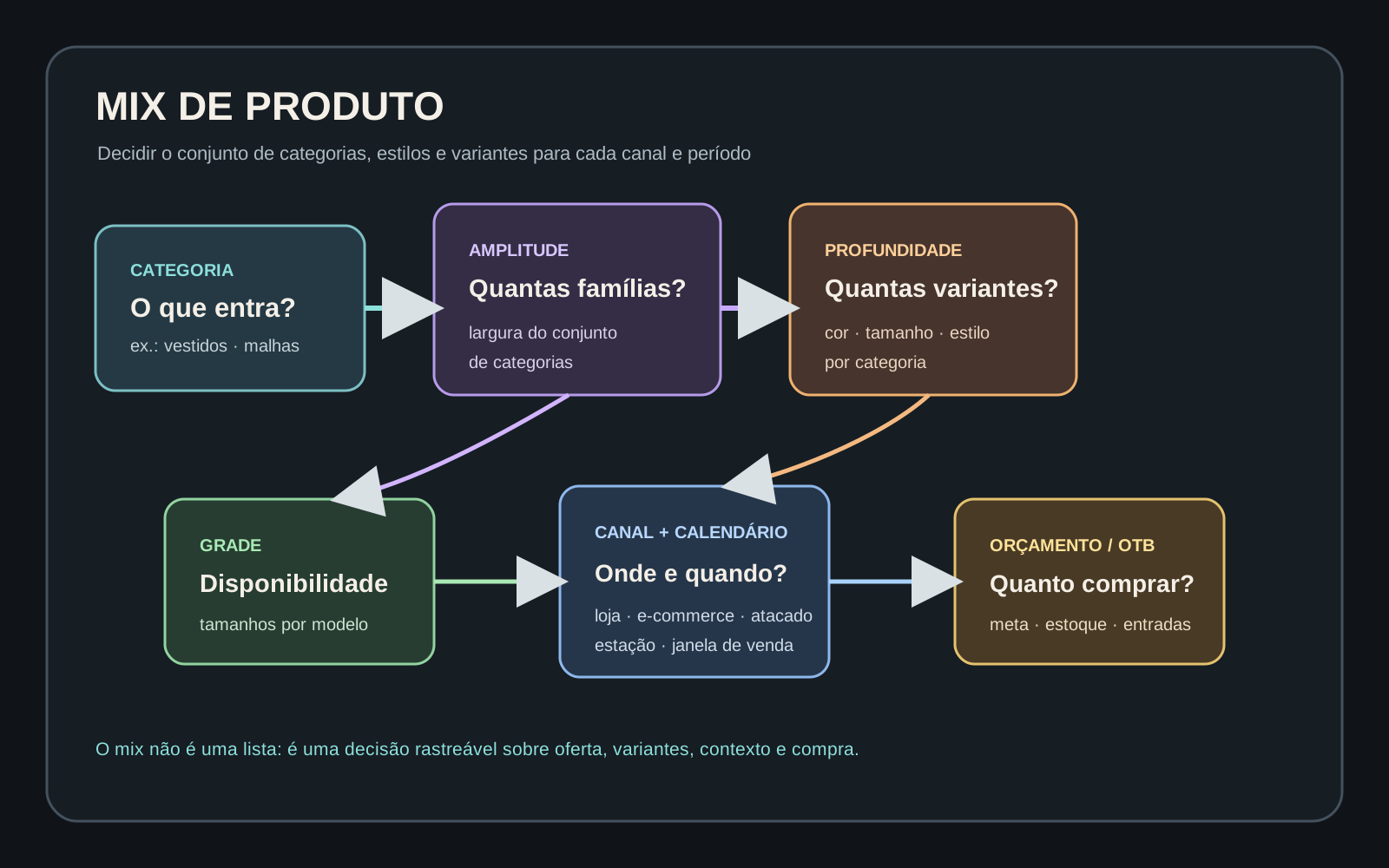
A product mix is the decision about which categories, styles, and variants a fashion operation offers in each channel and period. The process separates breadth, depth, size range, demand, and buying so a collection intention becomes a checkable offer.
Fashion product development
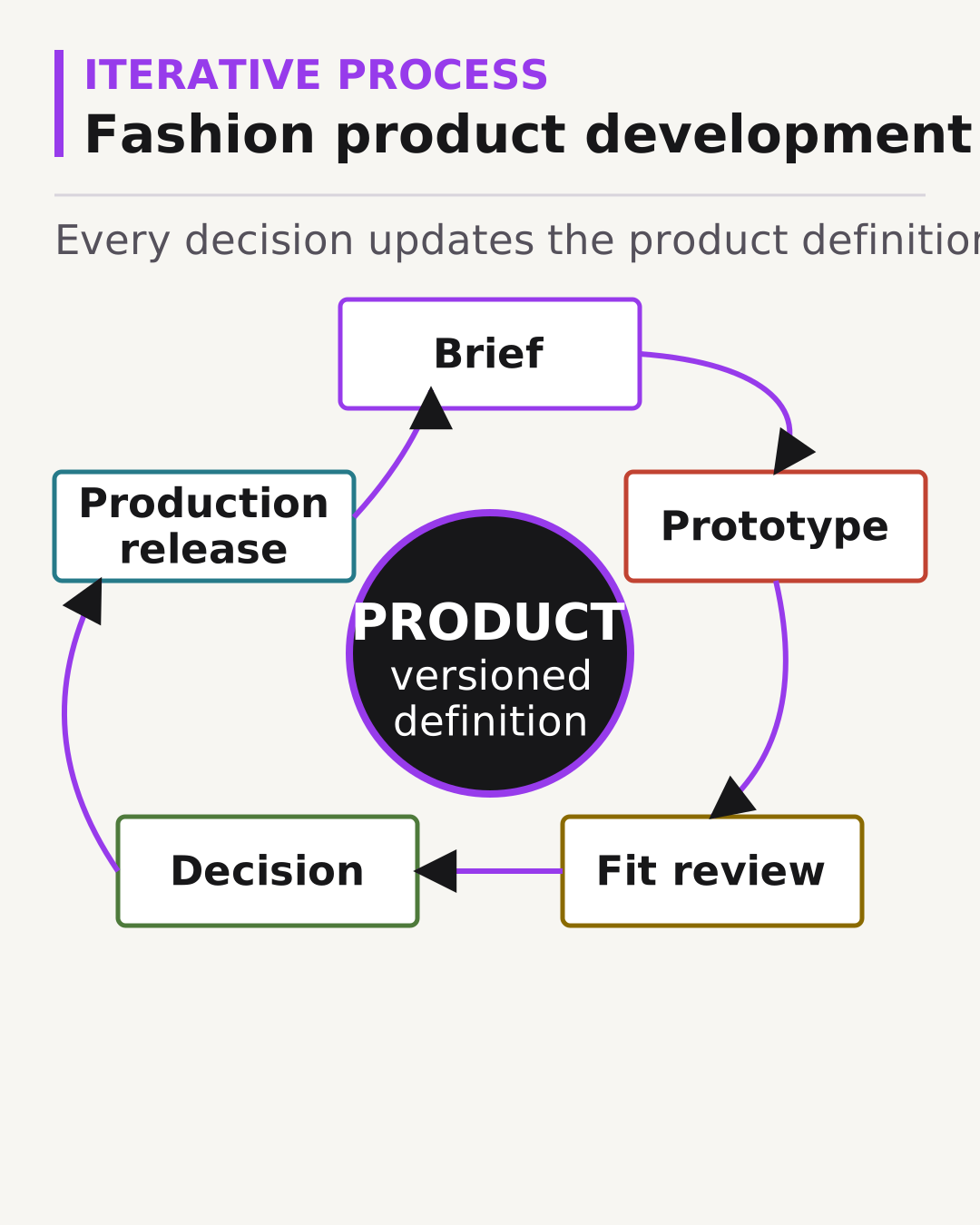
Fashion product development is the process that turns an opportunity or brief into a product specified and approved for manufacturing. It coordinates concept, assortment, materials, patternmaking, samples, fit, cost, quality, compliance and timing through decision cycles rather than an isolated creative sequence.
Sources
Want to apply this to your operation?