Work in progress in fashion production
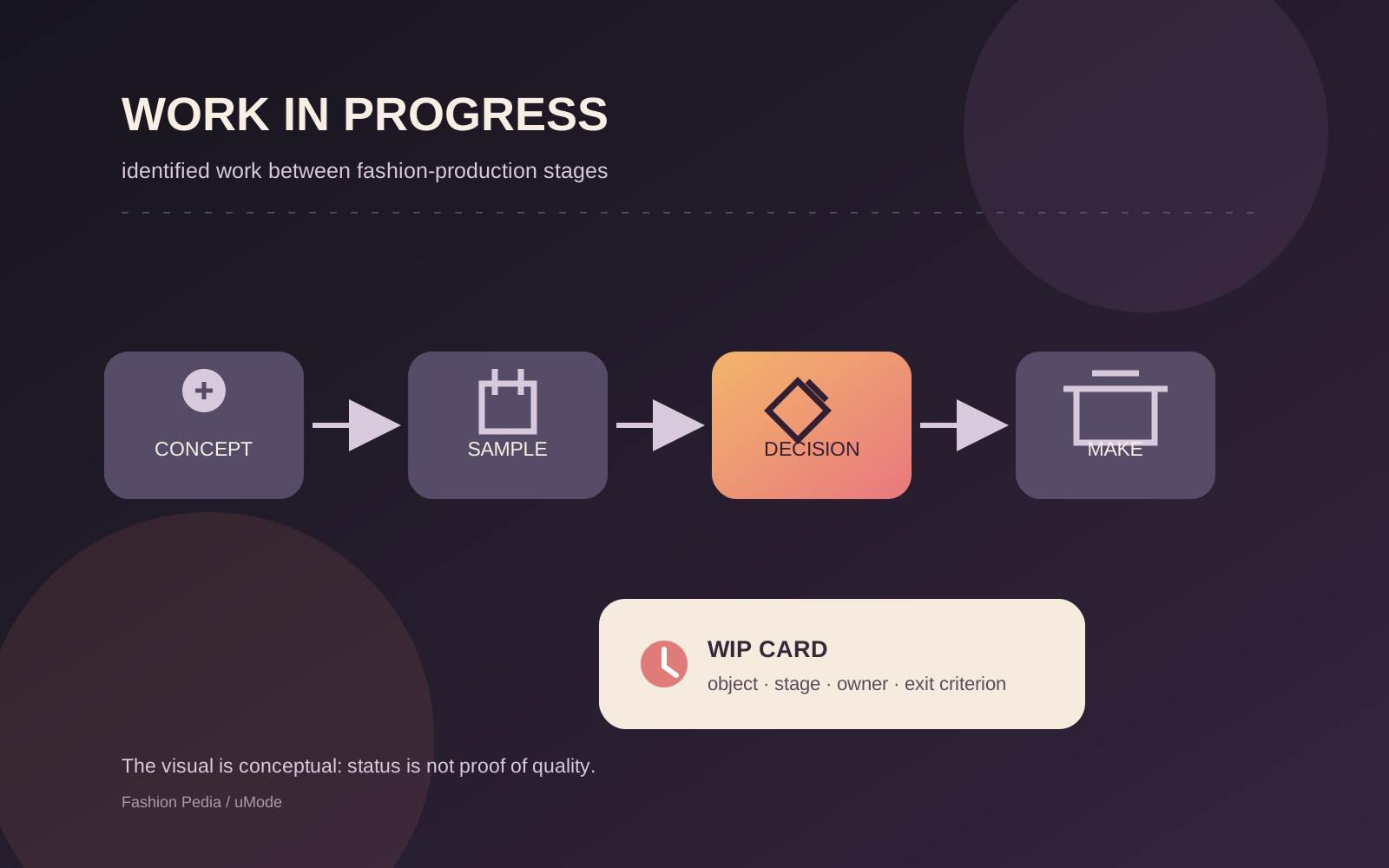
Work in progress in fashion production. Work in progress (WIP) is work located between processing steps and not yet at its defined exit state. In fashion production, the idea helps distinguish samples, approvals and garments in manufacture by stage, criterion and owner.
On this page
What is Work in progress in fashion production?
Work in progress (WIP) refers to work located between processing steps. The concept is useful when product development, samples and manufacturing must be read as distinct states rather than as one undifferentiated queue. In a garment-production flow, the record should answer: what is the object, which stage is it in, who can act, and what condition allows it to move forward?
The Lean Enterprise Institute definition is deliberately narrow: items sit between processing steps; in a lean system, standardized WIP is the minimum needed for a cell or process to keep flowing. This is not a universal inventory target. It is a way to distinguish work actually in process from accumulation, waiting or rework.
How does WIP appear in samples?
Sample stages give operational names to different states. A proto sample is the first sample derived from a design concept. A fit sample checks fit on a dress form or human model and verifies specification measurements. A size-set sample tests multiple sizes and pattern grading. These states should not be treated as synonyms: each answers a different development question.
The PP sample occupies another point in the flow. It is made with actual fabric and may be prepared on the production line according to the buyer’s instruction. The buyer then checks detailing and workmanship; the result may be approval, resubmission or authorization with comments. In pilotage, those comments need to become an identifiable action rather than a loose message. A status such as “PP pending” is incomplete without the sample version, owner and decision criterion.
How can WIP be controlled without confusing stages?
Start with a stable unit: style, color, size, sample or lot. Then use mutually intelligible states such as “in development,” “awaiting fit,” “awaiting approval” and “in manufacturing.” This naming is an organizational recommendation; it does not replace the criterion defined for each process.
For each change, record the event and the affected object. The traceability model described by GS1’s EPCIS uses visibility data formed by events about real-world occurrences involving objects. That structure can record what changed without turning a status board into proof of quality. Quality control remains a decision with its own method and criterion.
The reading must also distinguish work in process from waiting, reserved material and rework. A card may remain visible in the flow while being stopped by missing measurements, fabric, approval or capacity. The indicator should therefore show stage and blockage, not only an aggregate count.
Why is this scope useful across the fashion chain?
Work in progress connects tech pack, prototyping, fit approval, pilotage and traceability without claiming that these practices are equivalent. It provides a language for deciding where a garment, sample or lot is and what evidence is missing before the next passage.
The value lies in state precision. “In progress” may mean design, patternmaking, cutting, sewing, fitting, approval or production; each reading calls for a different action. A clearly bounded WIP makes process limits explicit and prevents sample approval from being confused with confirmation of an entire production run.
Verified facts
- Work in process is the set of work items between processing steps.
Source: lean.org ↗ - In lean systems, standardized work-in-process is the minimum number of parts, including units in machines, needed to keep a cell or process flowing.
Source: lean.org ↗ - A proto sample is the first sample developed from a design sketch or design concept.
Source: onlineclothingstudy.com ↗ - A fit sample is used to check fit on a dress form or human model and verify specification measurements.
Source: onlineclothingstudy.com ↗ - A size-set sample checks the fit of multiple sizes and pattern grading.
Source: onlineclothingstudy.com ↗ - A PP sample is made with actual fabric and, according to the buyer's instruction, may be prepared on the production line.
Source: onlineclothingstudy.com ↗ - After receiving a PP sample, the buyer checks detailing and workmanship and may approve it, request resubmission or confirm bulk production with comments.
Source: onlineclothingstudy.com ↗ - EPCIS is a GS1 standard for visibility data formed by events that record real-world occurrences involving objects.
Source: support.gs1.org ↗
Related entries
Fashion Product Prototyping
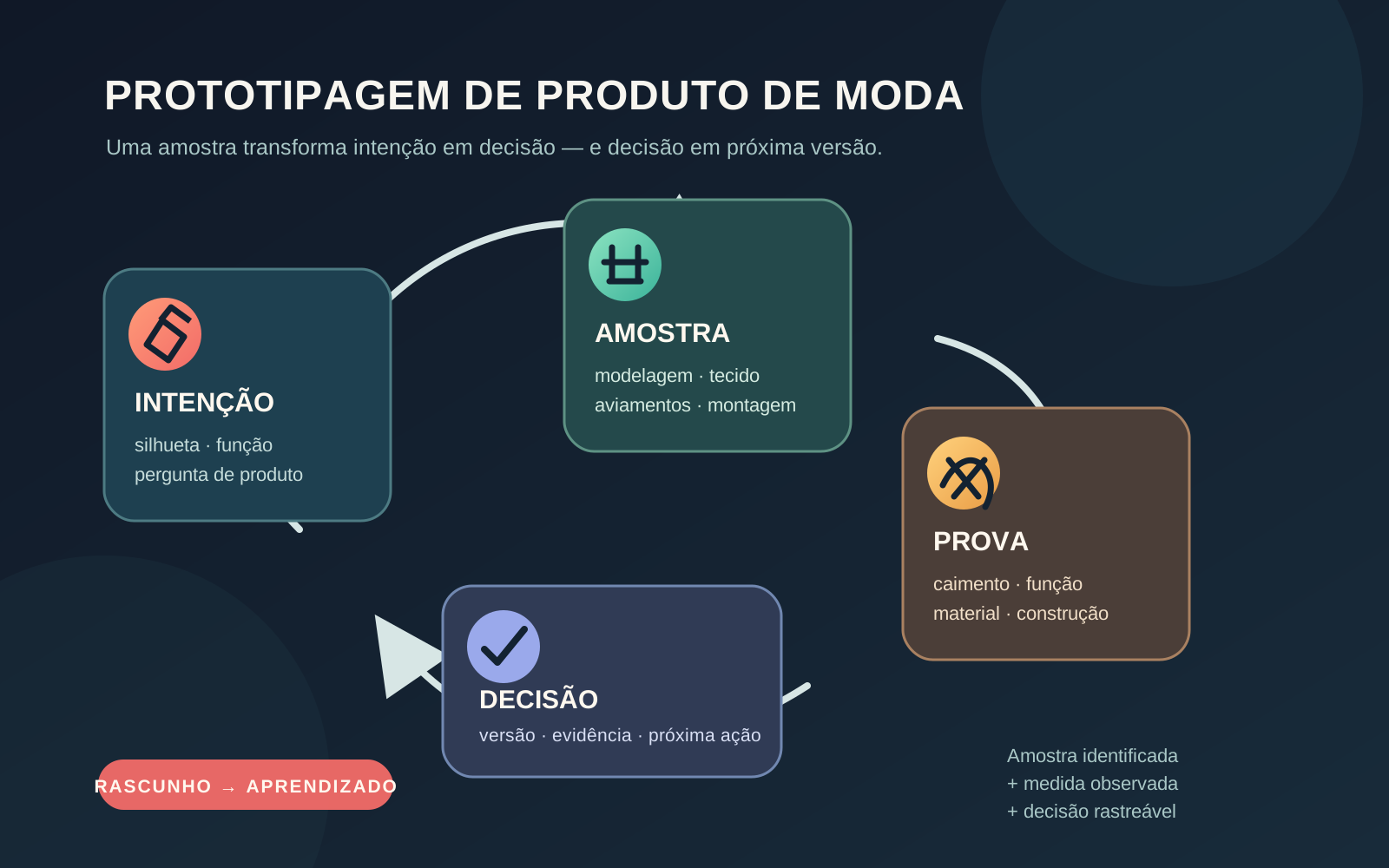
Fashion product prototyping is the process of building and evaluating samples that turn a design intention into a specified, fitted and manufacturable product. It connects design, patternmaking, materials, construction, fit and revision records before a production decision.
Garment fitting
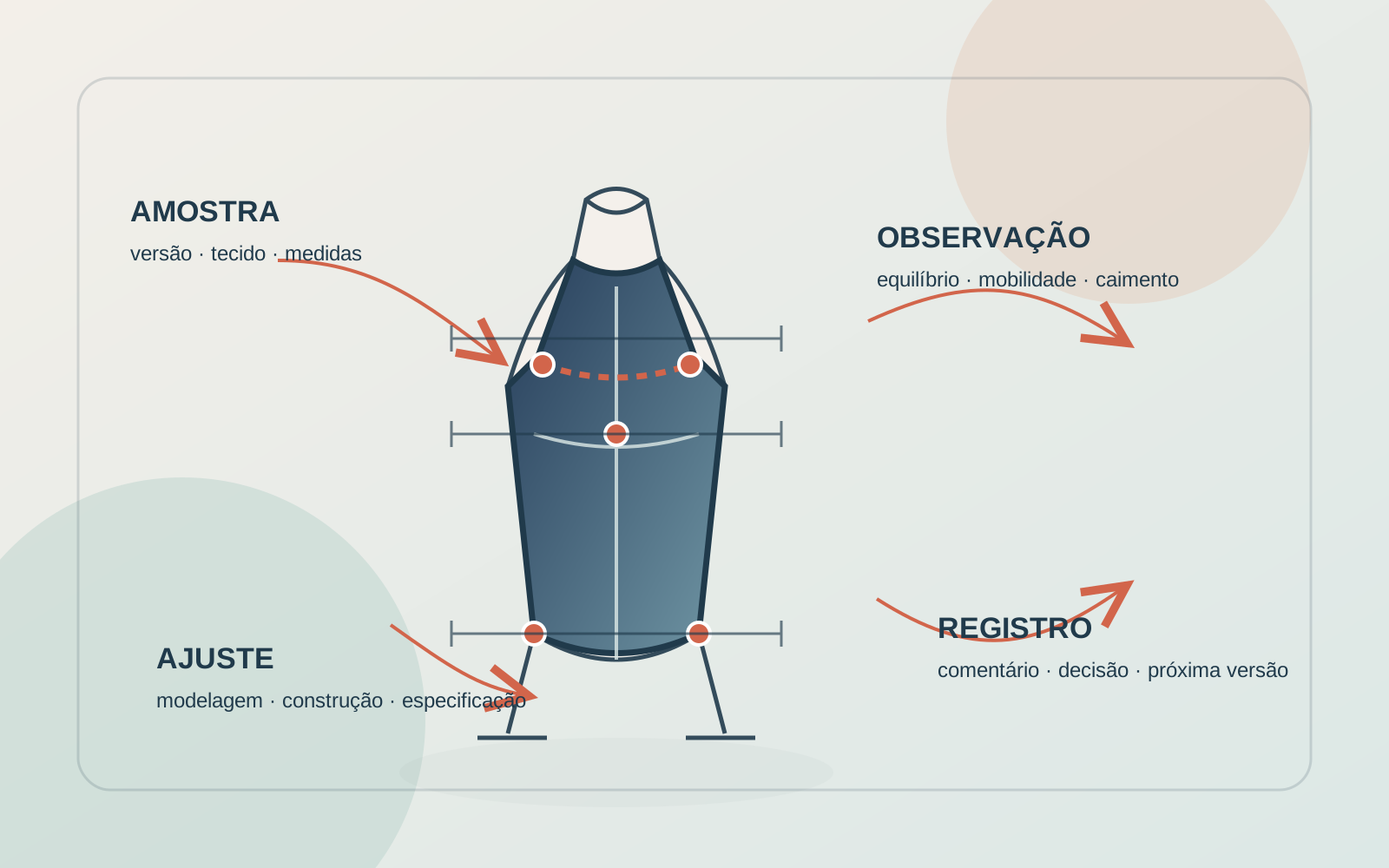
Garment fitting is the process of comparing a dressed sample with a style's design, specifications, and intent. The team observes fit, balance, movement, and construction, records decisions, and sends changes into the next version.
Size grading
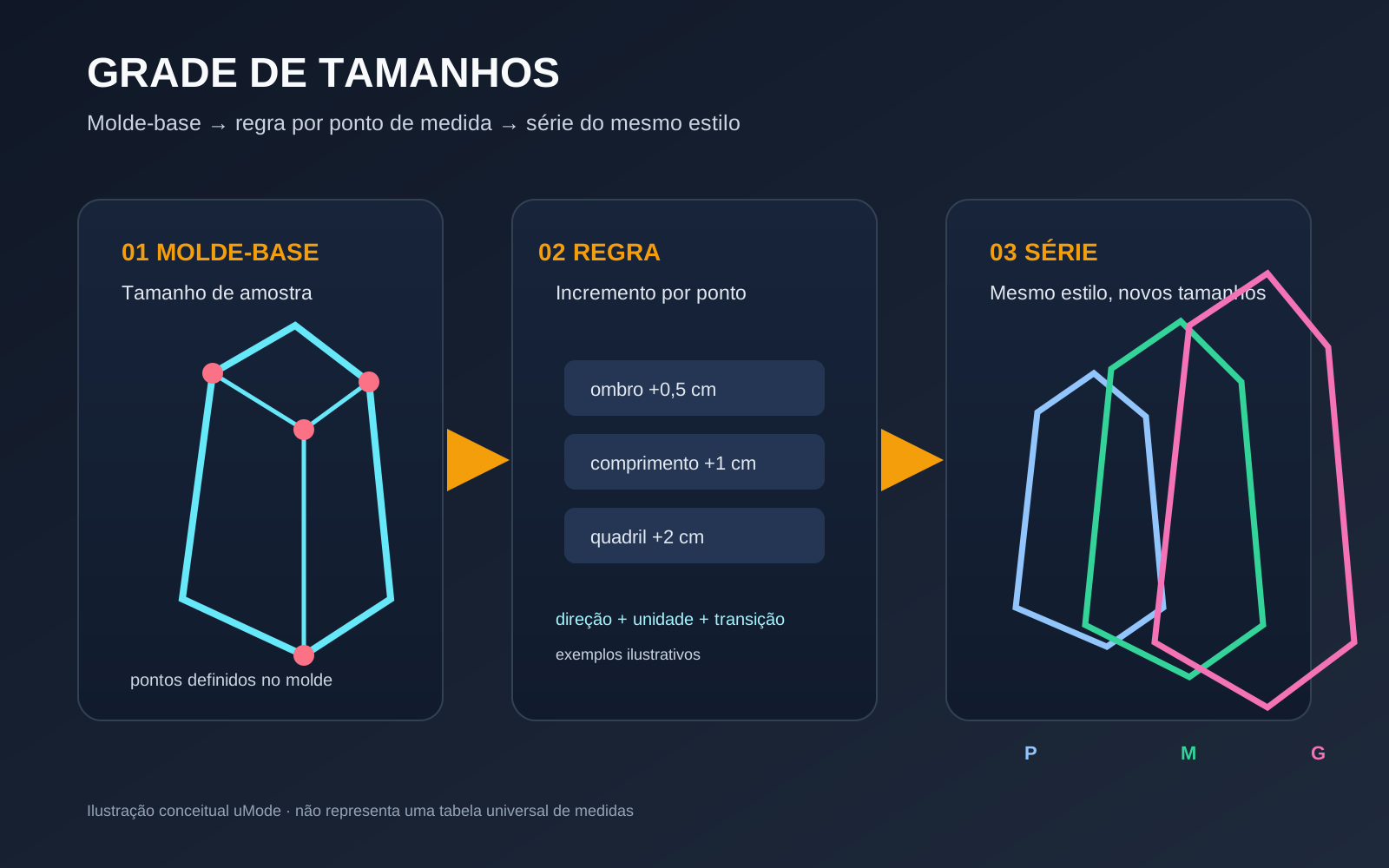
Size grading is the process of turning base-size or sample-size patterns into additional sizes by using a specification sheet or grading increments. A rule changes defined points on the pattern to form a size range for the same style; it does not replace patternmaking or create a new shape.
Garment production pilot sample
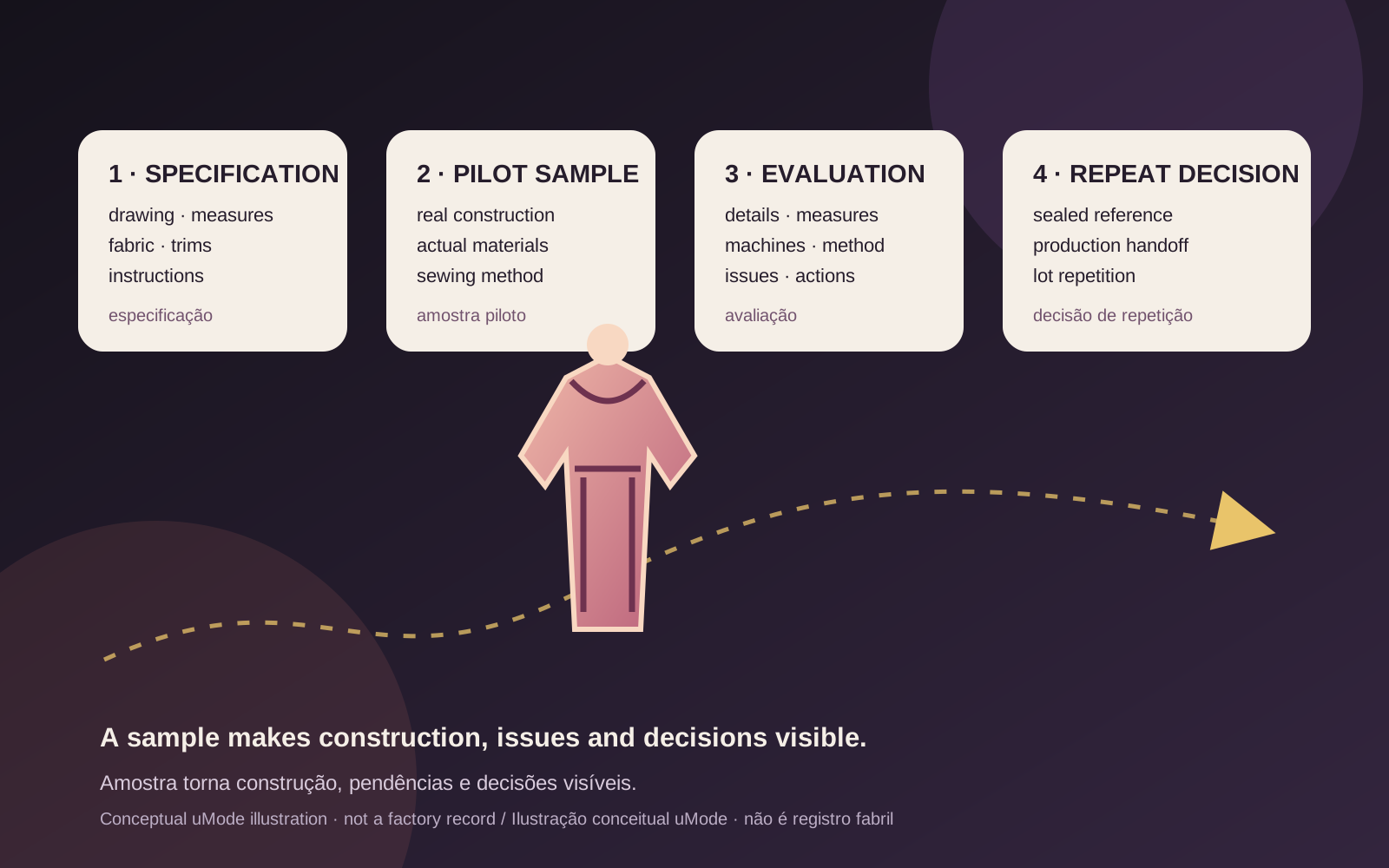
Garment production pilot sample. A garment production pilot is the development, review and approval of a product sample under product-making conditions. It connects the technical pack, materials, measurements, tests, construction and decision-making before the garment is repeated in production.

Apparel quality control
Apparel quality control combines specifications, inspection, and testing to check whether fabrics, trims, and garments meet the expected performance for a product and end use. The process can examine color, drape, hand, durability, conformance, defects, fit, seam integrity, shrinkage, and drying performance. Quality decisions depend on the product and its intended use.
Sources
- https://www.lean.org/lexicon-terms/work-in-process/
- https://www.onlineclothingstudy.com/2018/08/14-different-types-of-garment-samples.html
- https://www.onlineclothingstudy.com/2015/10/pp-sample-what-it-is-and-importance-of.html
- https://support.gs1.org/support/solutions/articles/43000755325-what-is-electronic-product-code-information-services-epcis-
Want to apply this to your operation?