Fashion product engineer
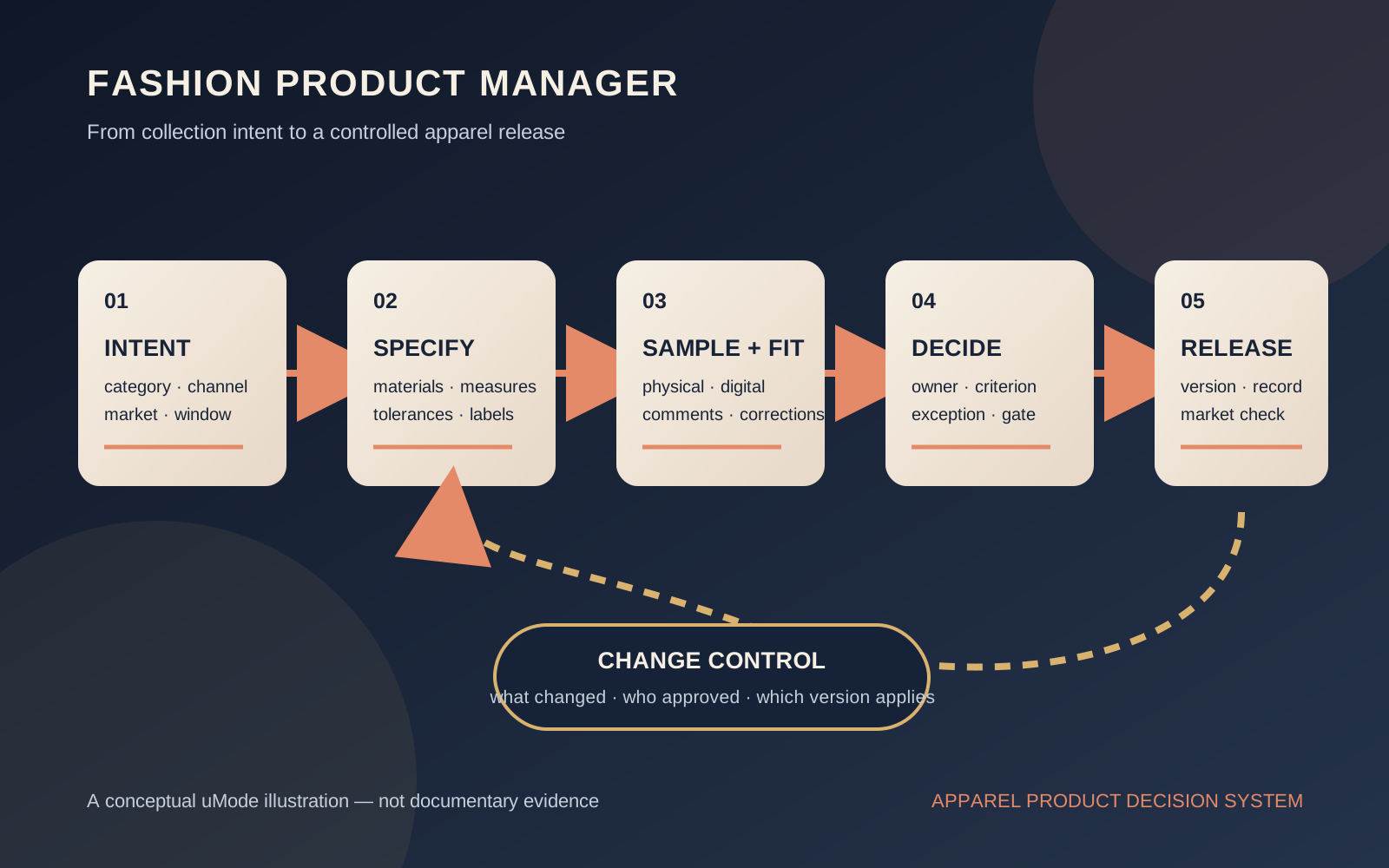
A fashion product engineer turns collection intent into specifications that can be checked through sampling and pre-production. The work connects construction, measurements, materials, costing, testing, fitting, quality control, and records that let a team approve or return a style without confusing the role with pattern cutting, buying, or inspection.
On this page
What is Fashion product engineer?
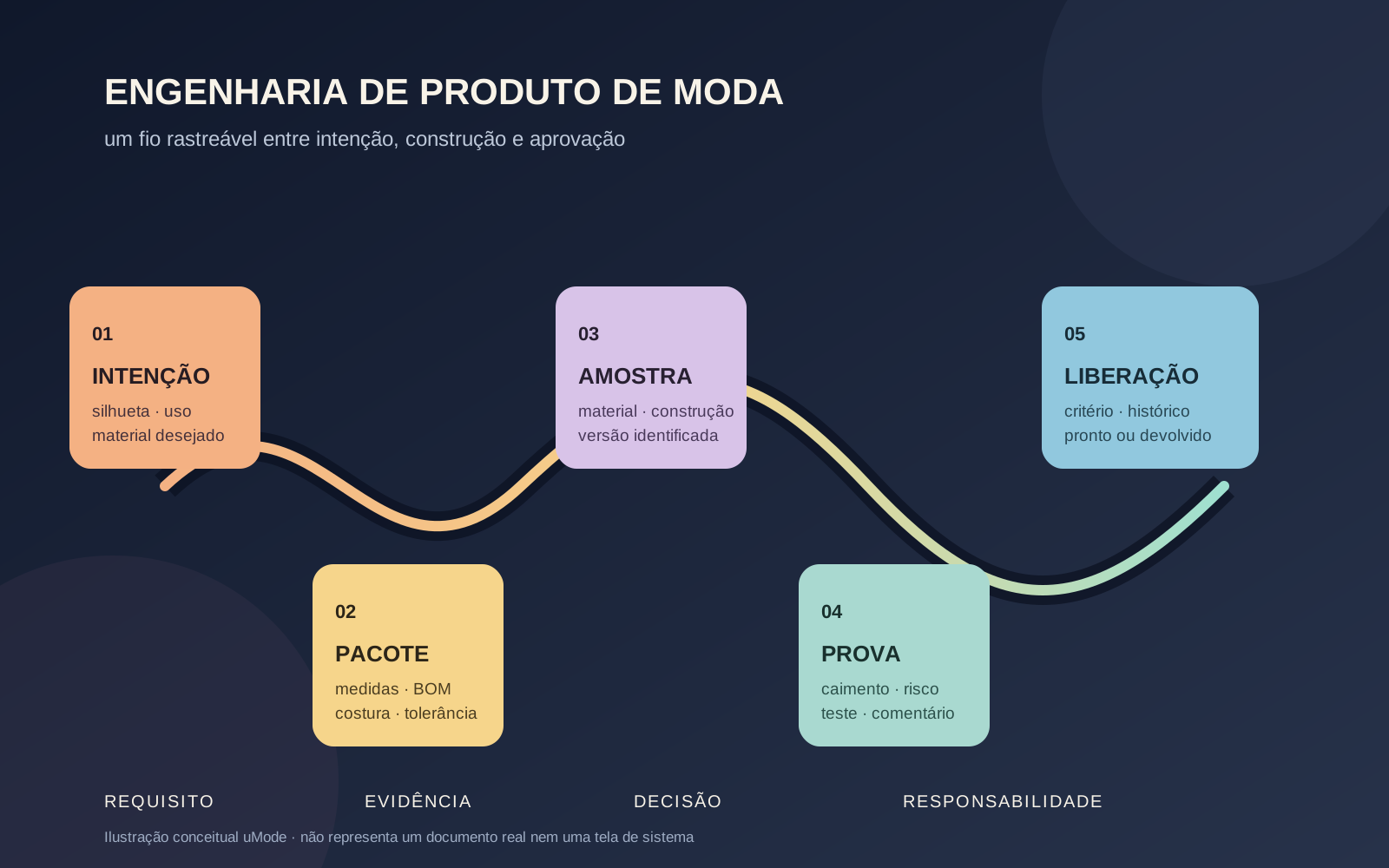
A fashion product engineer manages the passage from collection intent to a specification and a sample that can be released. FIT places product development between concept development and pre-production and connects the field with lifecycle, costing, construction, and quality. The role is therefore not just drawing: it makes a style buildable, checkable, and communicable to pattern cutters, suppliers, testers, and production teams. The working unit may be a style, a variant, or a sample; the record should make materials, measurements, construction, owners, and approval criteria explicit. It connects with tech packs, apparel patternmaking, and garment fitting, without automatically replacing any of them.
What belongs in the technical package?
The package begins with a tech pack that can survive handoff to a supplier. The occupational standard for product technologists lists tech packs, technical drawings, specifications, measurements, materials, labelling, grade rules, bills of material, change logs, quality standards, and tolerances. For an apparel style, that means separating visual intent from construction instruction: seam type, stitch type, finish, nominal measurement, tolerance, and component should be findable rather than buried in scattered comments. The record should also identify the version under review and the change that triggered a new sample. Version control for specifications and product-data quality treat history as part of the product rather than disposable paperwork.
How is a sample evaluated and released?
A sample is the physical test of whether the specification can be examined. The standard includes fit sessions, analysis of quality, fit, risk, size, shape, materials, timescales, and costs, as well as sample approval with a sealing history where appropriate. A practical sequence is to record the received version, inspect the garment, separate a construction deviation from an aesthetic preference, assign each correction, and return or approve it against an explicit criterion. Material or product tests and analysis of their results belong before treating a sample as ready. Garment fitting is not the same as production approval; the decision must preserve what was tested and what remains open.
Where do the responsibilities stop?
A fashion product engineer can coordinate technical evidence without holding every decision right. Patternmaking owns pattern geometry, a laboratory or quality team owns test methods and results, a supplier owns agreed execution, and regulatory specialists confirm the applicable legal text. In Brazil, textile labelling requires permanent, visible information in Portuguese; Inmetro treats a regulated textile sold with incorrect mandatory information as irregular. These requirements belong in the package, but they do not establish that an internal job title is a regulated profession or that one sample proves every performance claim.
Why does this process matter?
It reduces the distance between the imagined garment and a repeatable garment without losing construction, measurement, finish, or required information. The value is not an accumulation of fields: it is a legible chain from requirement to component, sample, comment, correction, test, and approval. Fashion PLM can support that chain; it does not replace technical judgment or validation by accountable teams. When the product changes, the record should show what changed and what evidence supports the next release.
Verified facts
- FIT describes product development as central to every fashion brand and places the work from concept development through pre-production.
Source: fitnyc.edu ↗ - FIT includes product lifecycle management, costing development, product construction, quality assurance, sustainable sourcing, and marketing development among the focuses of product development.
Source: fitnyc.edu ↗ - The British occupational standard for product technologists includes developing a sample, costing production, overseeing material or product tests, developing a tech pack, and reviewing, analysing, and approving samples.
Source: skillsengland.education.gov.uk ↗ - The same standard lists drawings, specifications, measurements, materials, labelling, grade rules, bills of material, change logs, quality standards, and tolerances among technical annexes.
Source: skillsengland.education.gov.uk ↗ - The standard's production-quality specifications include seam types, stitch types, tolerances, and product finish.
Source: skillsengland.education.gov.uk ↗ - The standard includes contributing to fit sessions, analysing samples for quality, fit, risk, size, shape, materials, timescales, and costs, and approving samples while maintaining a sealing history where appropriate.
Source: skillsengland.education.gov.uk ↗ - Brazil's Inmetro Ordinance No. 118/2021 requires textile products intended for sale to identify the responsible party, country of origin, fibre composition, care instructions, and size or dimension where applicable, in permanent, visible Portuguese information.
Source: gov.br ↗ - Inmetro states that a regulated textile product sold in Brazil with incorrect mandatory information is irregular and subject to applicable penalties.
Source: gov.br ↗
Related entries

Fashion product technical specification
A technical specification is the controlled information set that translates an approved fashion product into verifiable sampling and manufacturing requirements. It brings together drawings, materials, measurements, construction, tolerances, identification, labelling, comments and revision history; its content varies by category, company, market and stage.
Garment patternmaking
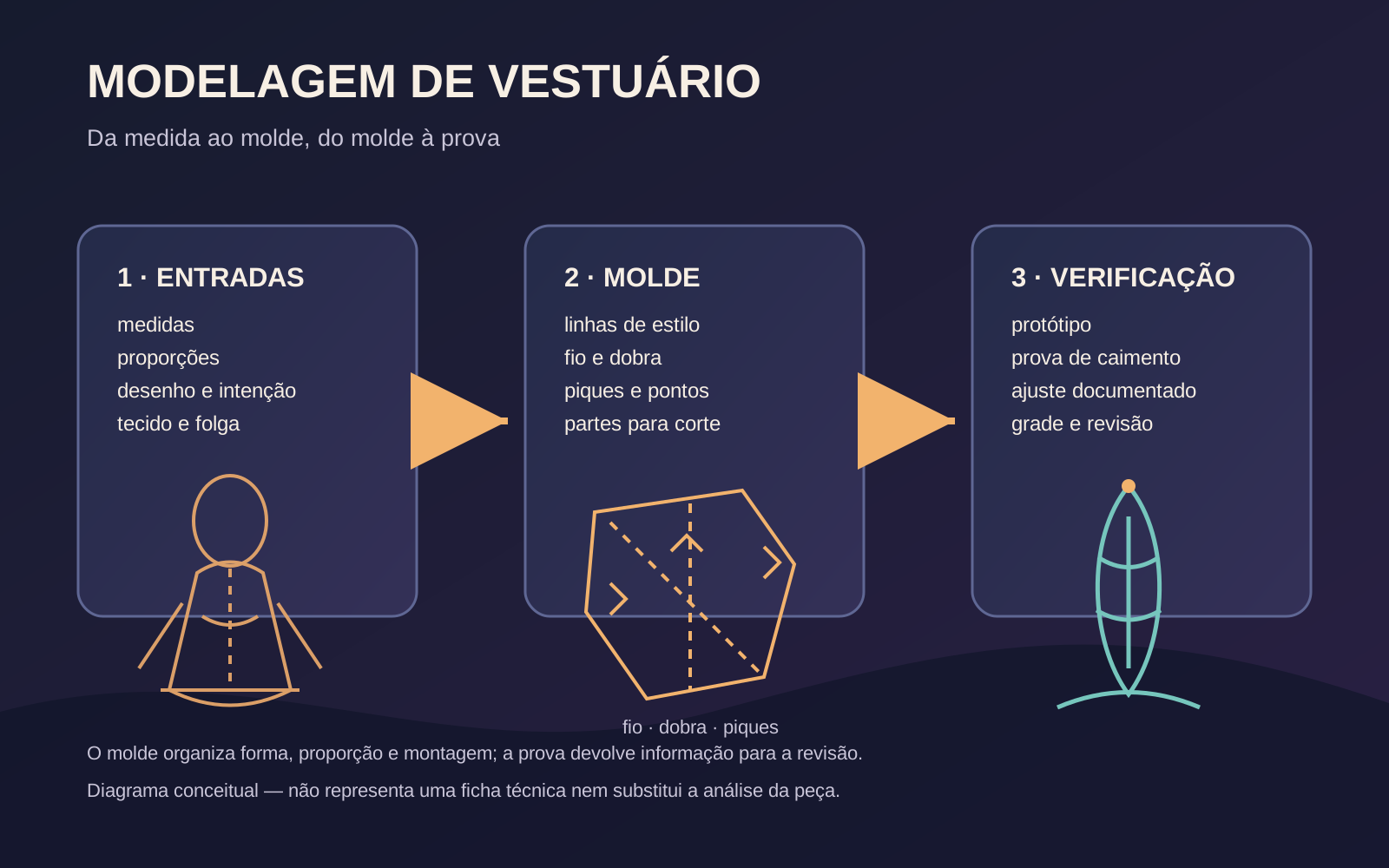
Garment patternmaking is the technique of turning measurements, proportions, and design intent into patterns used to cut and assemble a garment. It connects a block, flat pattern construction or draping with fabric information, production markings, fitting, alterations, and grading; the result is a testable development basis, not an automatic guarantee of fit.
Garment fitting
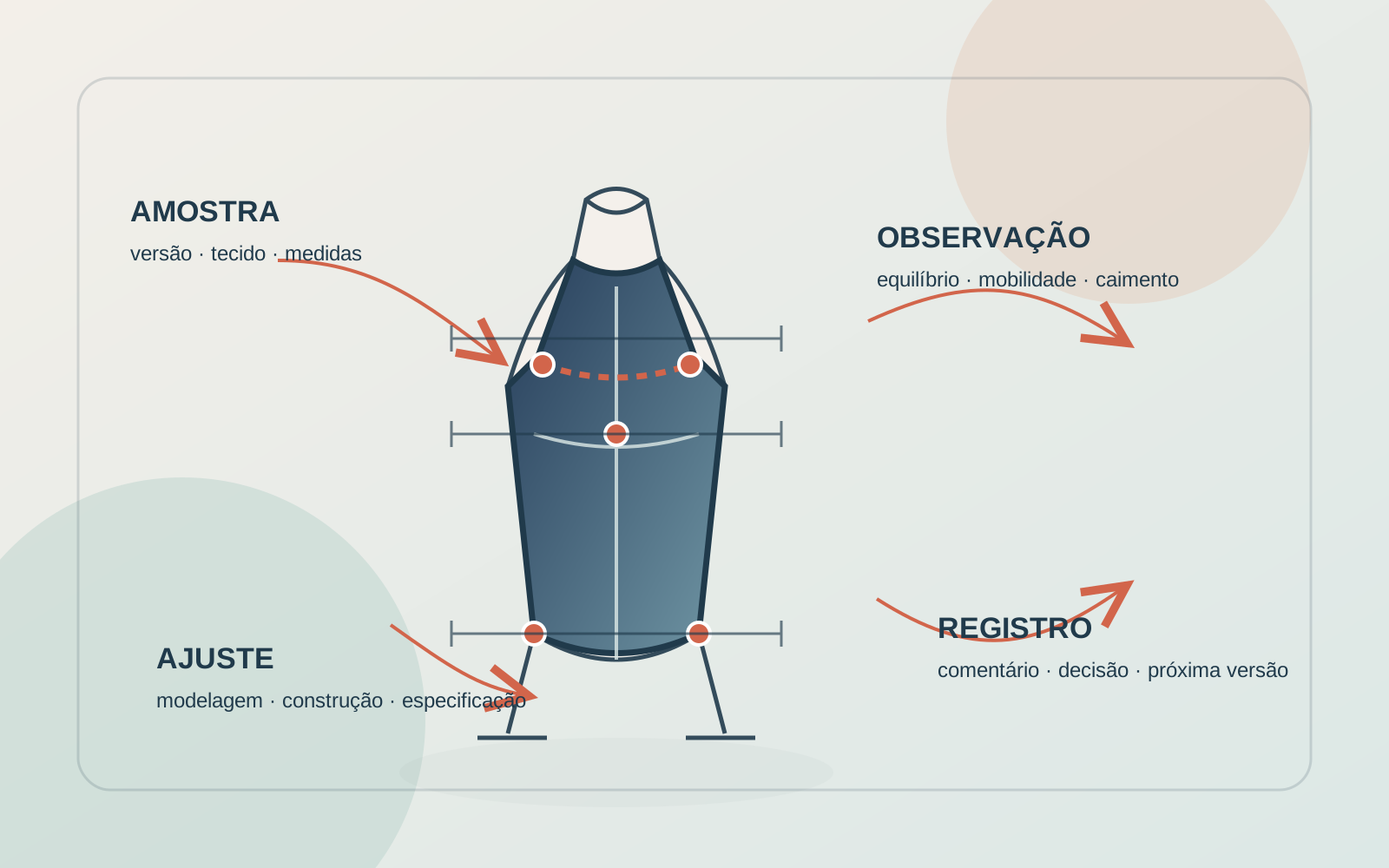
Garment fitting is the process of comparing a dressed sample with a style's design, specifications, and intent. The team observes fit, balance, movement, and construction, records decisions, and sends changes into the next version.
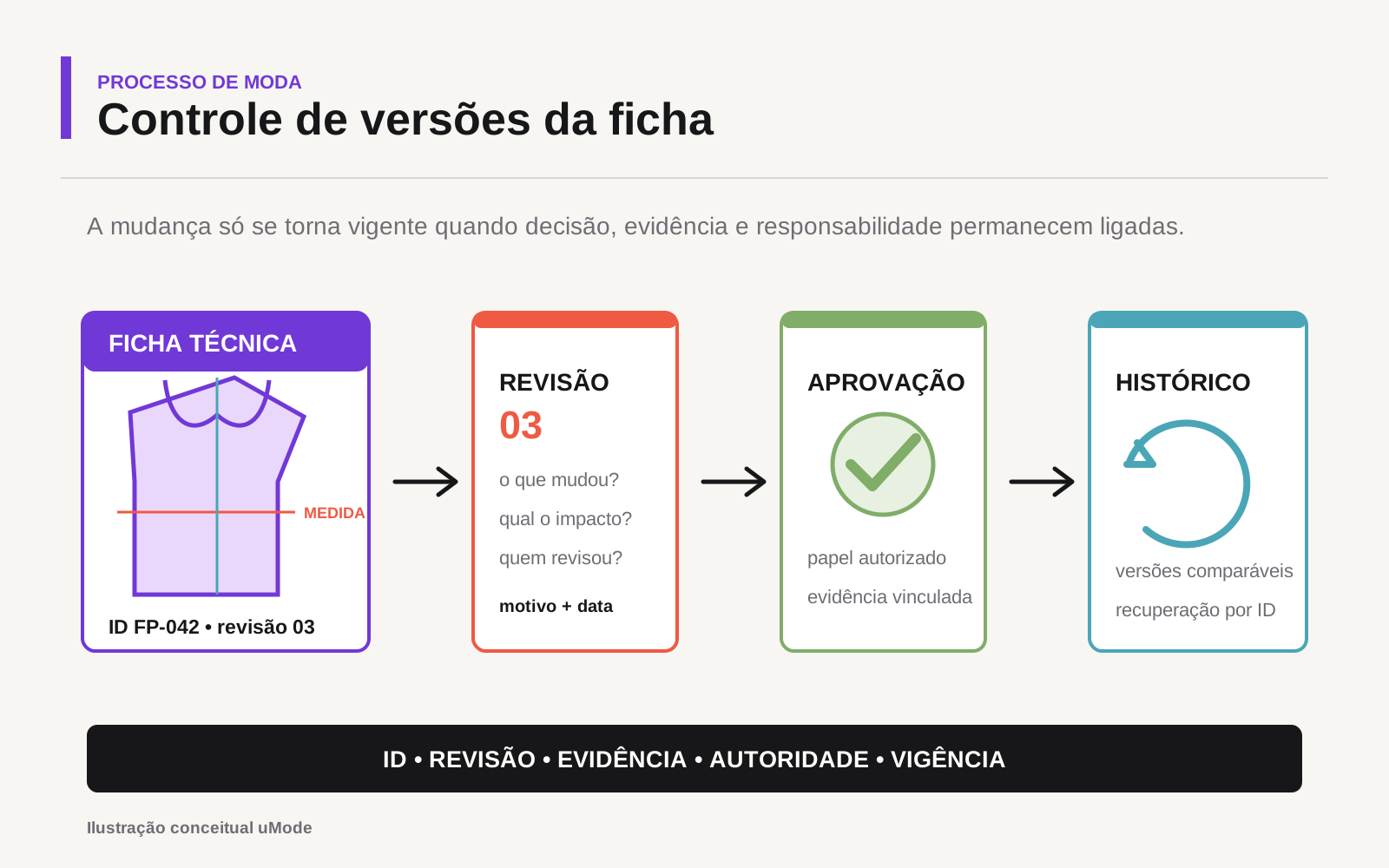
How to control tech pack versions
How to control tech pack versions. Controlling tech pack versions means recording every product change with an identifier, owner, reason, status, approval and effective date. The method applies configuration-control and product-lifecycle principles to the concrete decisions of an apparel supply chain.
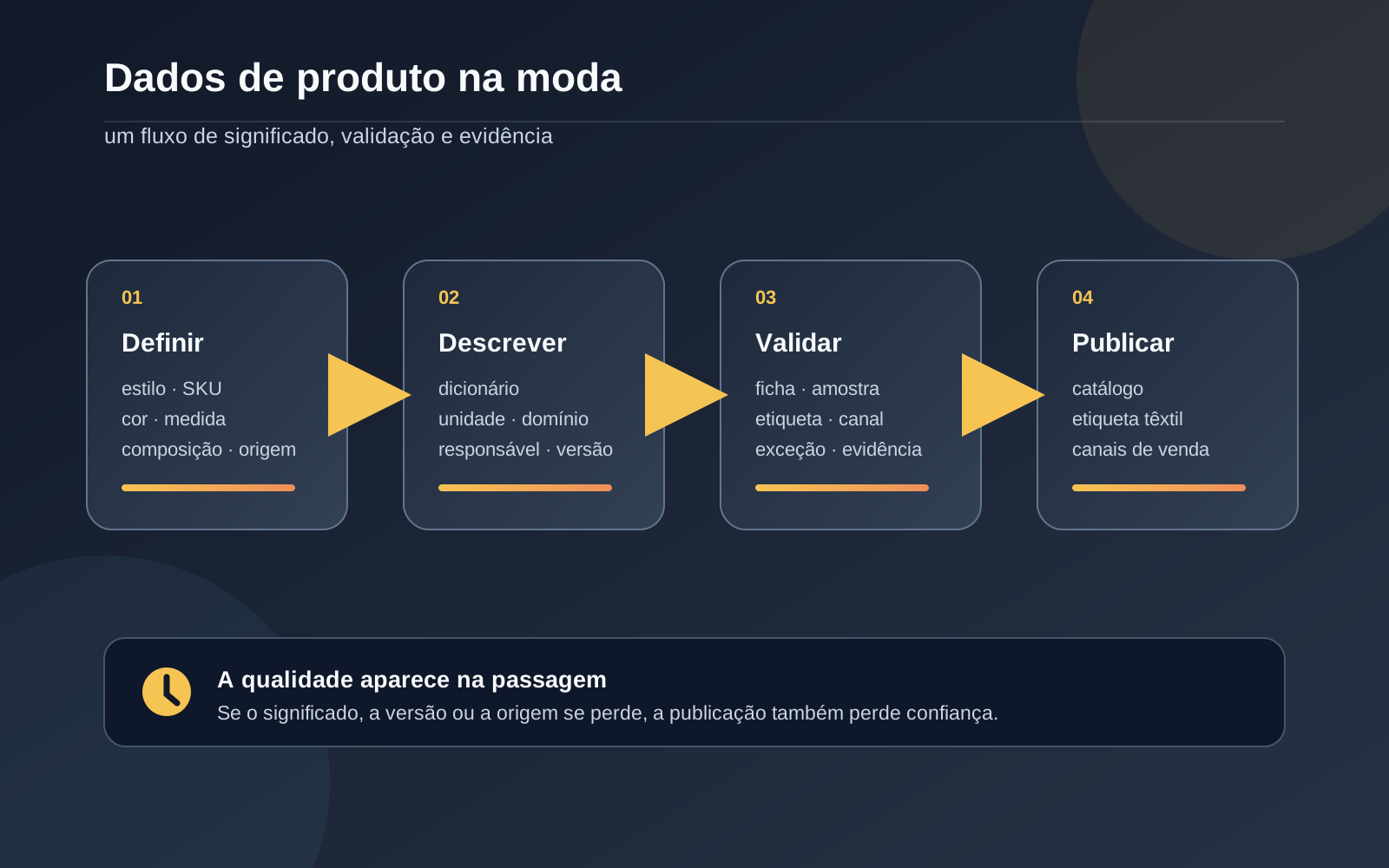
How to improve product data quality
How to improve product data quality. Improving product data quality in fashion means separating style, variant, technical attribute and regulatory record; defining every field; validating source and format; and controlling the handoff from tech pack to catalog, label and sales channel. The process becomes dependable when each exception has an owner, evidence and a version.

Fashion PLM: data, product, and lifecycle
Fashion PLM is the structured management of the data, decisions, and workflows that follow a product and a collection from concept through post-launch. It connects tech packs, materials, costs, samples, approvals, suppliers, and versions so that every function works from a traceable product definition.
Sources
- https://www.fitnyc.edu/academics/academic-divisions/ccps/noncredit/product-development.php
- https://skillsengland.education.gov.uk/media/2305/st0540_fashion-textiles-product-technologist-epa_for_publication_2-october-2018.pdf
- https://www.gov.br/inmetro/pt-br/acesso-a-informacao/perguntas-frequentes/avaliacao-da-conformidade/produtos-texteis/o-que-a-medida-regulatoria-para-produtos-texteis-estabelece
- https://www.gov.br/inmetro/pt-br/acesso-a-informacao/perguntas-frequentes/avaliacao-da-conformidade/produtos-texteis/se-um-produto-textil-possui-informacoes-incorretas-e-esta-sendo-comercializado-em-territorio-nacional-ele-esta-irregular
Want to apply this to your operation?