Fashion supplier manager
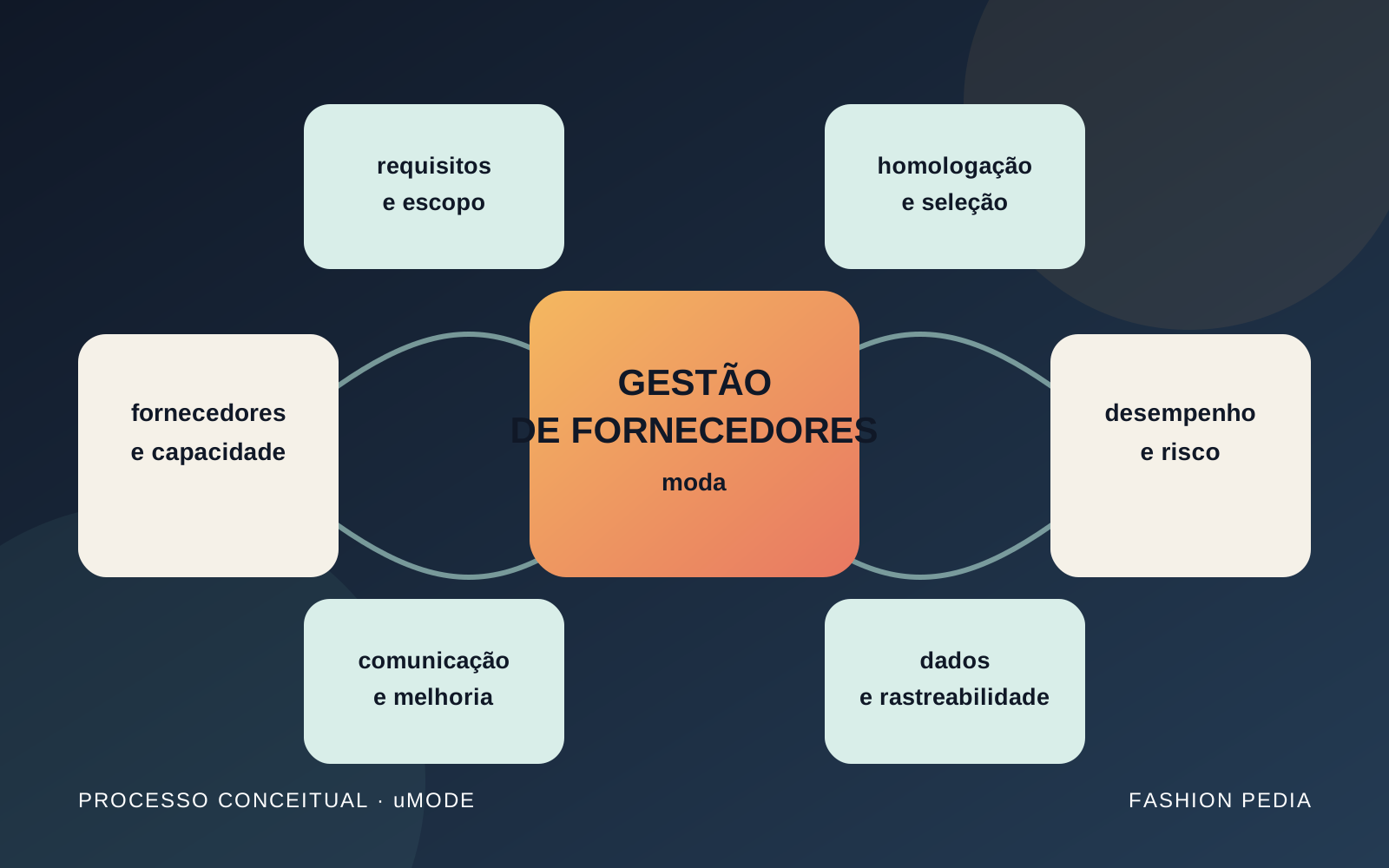
A fashion supplier manager structures the working relationship between a company and its suppliers, from capability and risk assessment to performance review, communication, and improvement. In a fashion supply chain, the process connects product requirements, selection, collaboration, and traceability rather than reducing the decision to price.
On this page
What is Fashion supplier manager?
A fashion supplier manager structures and maintains the relationship between a buyer and a supplier. This is a process rather than a universal job title: responsibility may be distributed across procurement, product development, quality, and production. Its core is to make the expected capability, relationship risk, observed performance, and next decision explicit. That is different from sourcing, which focuses on finding and structuring alternatives.
Start with the object under control: a fibre, fabric, trim, finishing service, workshop, laboratory, or finished product. Record requirements, owners, scope, and acceptance criteria before comparing proposals. In a collection, the control unit might be a supplier, article, variant, purchase order, or lot. Selection should reflect the effect a failure would have on the product and calendar, not only the quoted price.
How are suppliers selected, approved, and monitored?
CIPS defines supplier relationship management as managing and maintaining the buyer–supplier relationship, including capability assessment, performance measurement, challenge identification, and enough contact to keep the relationship on track. In fashion, that becomes a chain connecting the brief, supplier approval, sample, specification, RFQ, purchase order, and delivery.
Approval should answer concrete questions: Can the partner meet the technical requirement? What evidence will be accepted? Who approves a sample? How will a deviation be recorded? A critical supplier needs governance proportionate to its risk. CIPS links strategic relationships with critical, high-risk, or high-value goods and services to greater commitment, collaboration, management time, and resources. Meetings, indicators, and action plans can support the process, but every criterion still needs an owner and a review rhythm.
The relationship is not only operational. CIPS includes trust, transparency, information sharing, risk management and mitigation, and communication in its relationship spectrum. For fashion, those dimensions help frame a material change, seasonal capacity issue, or purchase-order decision without confusing partnership with a lack of control. A useful operating rule is to keep the history of commitments, specification versions, and reasons for exceptions.
What evidence belongs in risk control and traceability?
CIPS notes that complex supply networks require attention to ethical, social, and environmental standards. Where the UK rule cited in Home Office guidance applies, Section 54 of the Modern Slavery Act 2015 requires certain organisations to develop a modern slavery statement each year. That statement should set out the steps taken to ensure modern slavery is not taking place in the business or supply chains. This is not a universal certification: legal scope and applicability still need separate assessment.
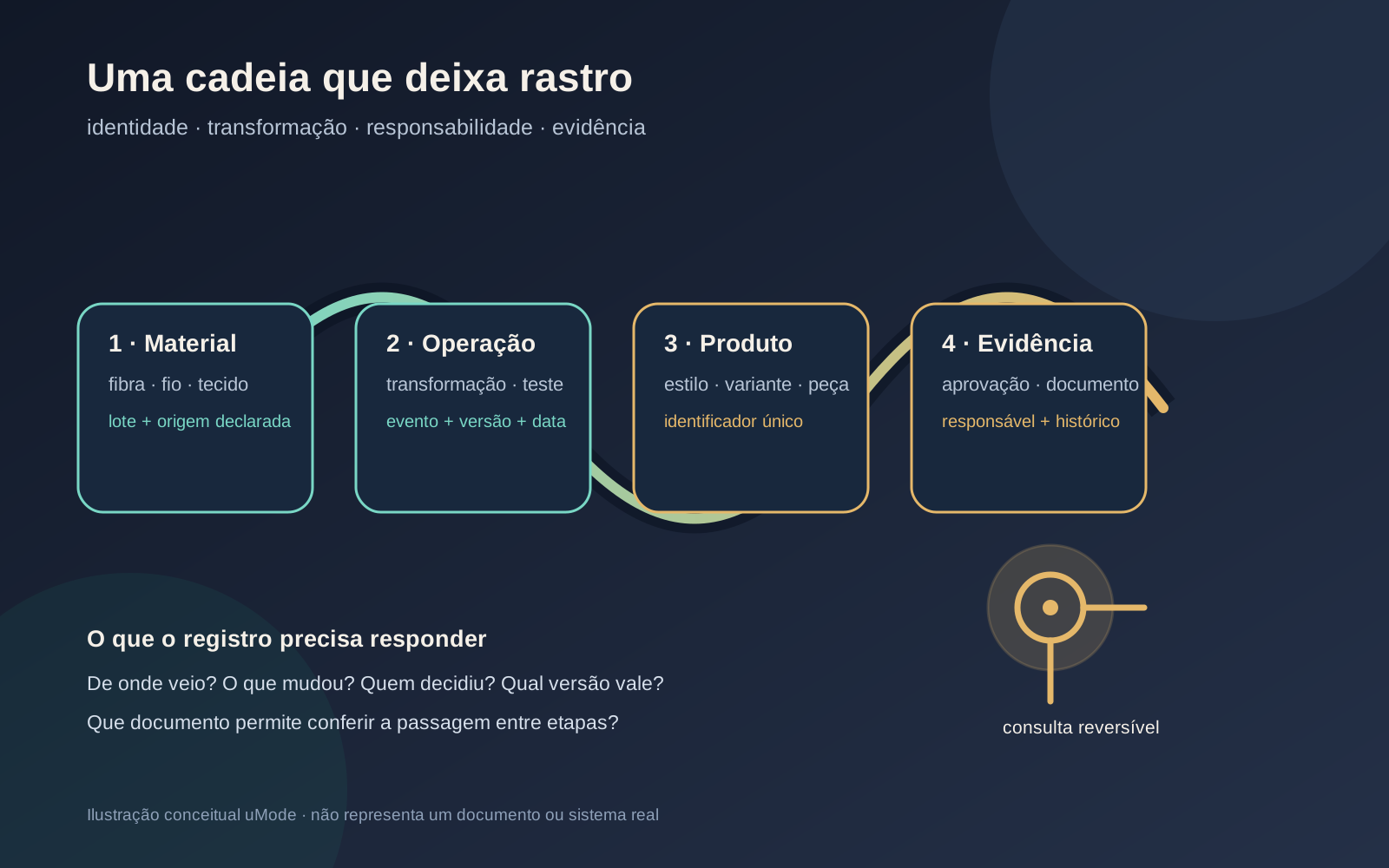
Traceability begins with consistent identification. Regulation (EU) 2024/1781 treats a unique product identifier as a fundamental element for enabling traceability across the supply chain. For a digital product passport where applicable, the same text requires data based on open standards and an interoperable format that is machine-readable, structured, searchable, and transferable; it also describes accurate, complete, and up-to-date data as important. Operationally, this supports linking the supplier, facility, material, lot, version, and document to the correct object instead of relying on loose names in spreadsheets.
The manager should not promise that an audit removes risk or that a system guarantees quality. The work is to create a verifiable cycle: define the requirement, collect evidence, assess, decide, communicate, measure, and correct. Delays, quantity changes, non-conformities, and substitutions should remain linked to the order and specification. Reading this process with MOQ and traceability shows where negotiation ends and monitoring responsibility begins.
What are the process limits?
Supplier management does not replace the technical authority of the people who validate construction, safety, wearability, or compliance. Nor can future performance be inferred from one conversation or commercial closeness treated as proof of capability. Set boundaries in a responsibility matrix and revisit them when the product, law, channel, or supplier changes.
A useful process is specific to fashion: it preserves the relationship between requirement, material, sample, lot, delivery, and evidence. Without that connection, a team may record activity without knowing whether the decision still matches the product. The process matters because it makes decisions comparable and auditable; its result depends on the quality of the data, criteria, and people reviewing them.
Verified facts
- Supplier relationship management manages and maintains the relationship between a buyer and a supplier.
Source: cips.org ↗ - The working relationship formed with a supplier depends on the criticality of the goods or services purchased and supplied into the organisation.
Source: cips.org ↗ - Supplier management includes assessing contractual capability, measuring performance during the contract, identifying challenges, and maintaining appropriate contact levels.
Source: cips.org ↗ - The CIPS relationship spectrum considers trust, transparency, information sharing, risk management and mitigation, and communication.
Source: cips.org ↗ - Strategic relationships with critical, high-risk, or high-value suppliers require greater commitment, collaboration, management time, and resources.
Source: cips.org ↗ - CIPS describes checking ethical, social, and environmental standards in complex supply networks as a responsibility of the supplier relationship management team.
Source: cips.org ↗ - Section 54 of the Modern Slavery Act 2015 requires certain organisations to develop a modern slavery statement each year.
Source: gov.uk ↗ - The UK statement should set out the steps organisations have taken to ensure that modern slavery is not taking place in their business or supply chains.
Source: gov.uk ↗ - Regulation (EU) 2024/1781 treats a unique product identifier as a fundamental element for enabling traceability across the supply chain.
Source: eur-lex.europa.eu ↗ - The same regulation requires digital product passport data to use open standards and an interoperable format that is machine-readable, structured, searchable, and transferable.
Source: eur-lex.europa.eu ↗ - The European regulation describes it as important that digital product passport data be accurate, complete, and up to date.
Source: eur-lex.europa.eu ↗
Related entries
Sourcing and supplier management
Sourcing and supplier management. Fashion sourcing requires visibility into units and processes, prioritization of human risks, worker dialogue, remediation and a decision trail tied to orders and lots.
Fashion Supplier Qualification
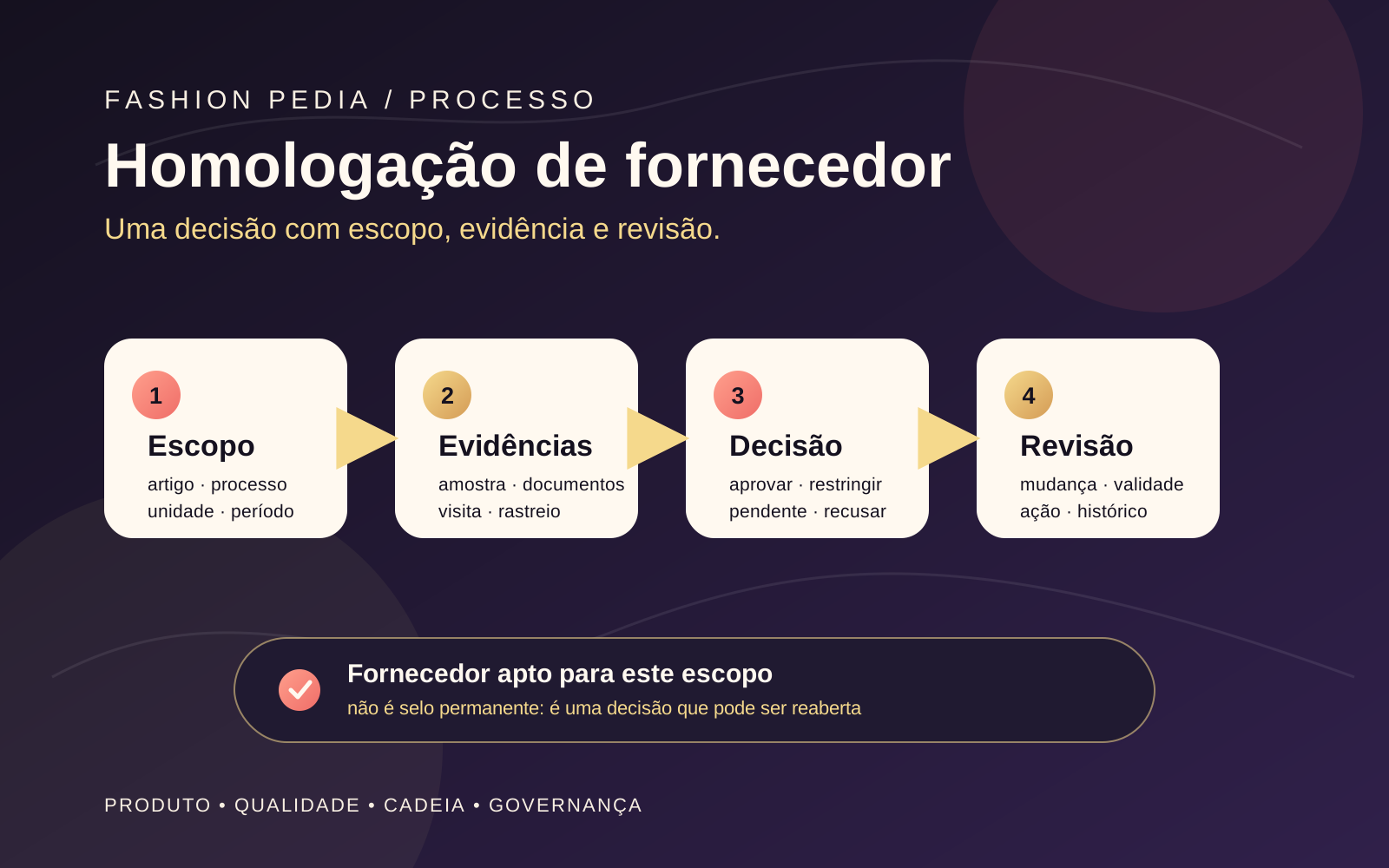
Fashion supplier qualification is the process of deciding, for a defined scope, whether a company can be used with explicit requirements, evidence, responsibilities and review points. In fashion, the decision should connect development, quality, purchasing, production and traceability without confusing a vendor record, a certificate or a single order with permanent approval.
RFQ in the fashion supply chain
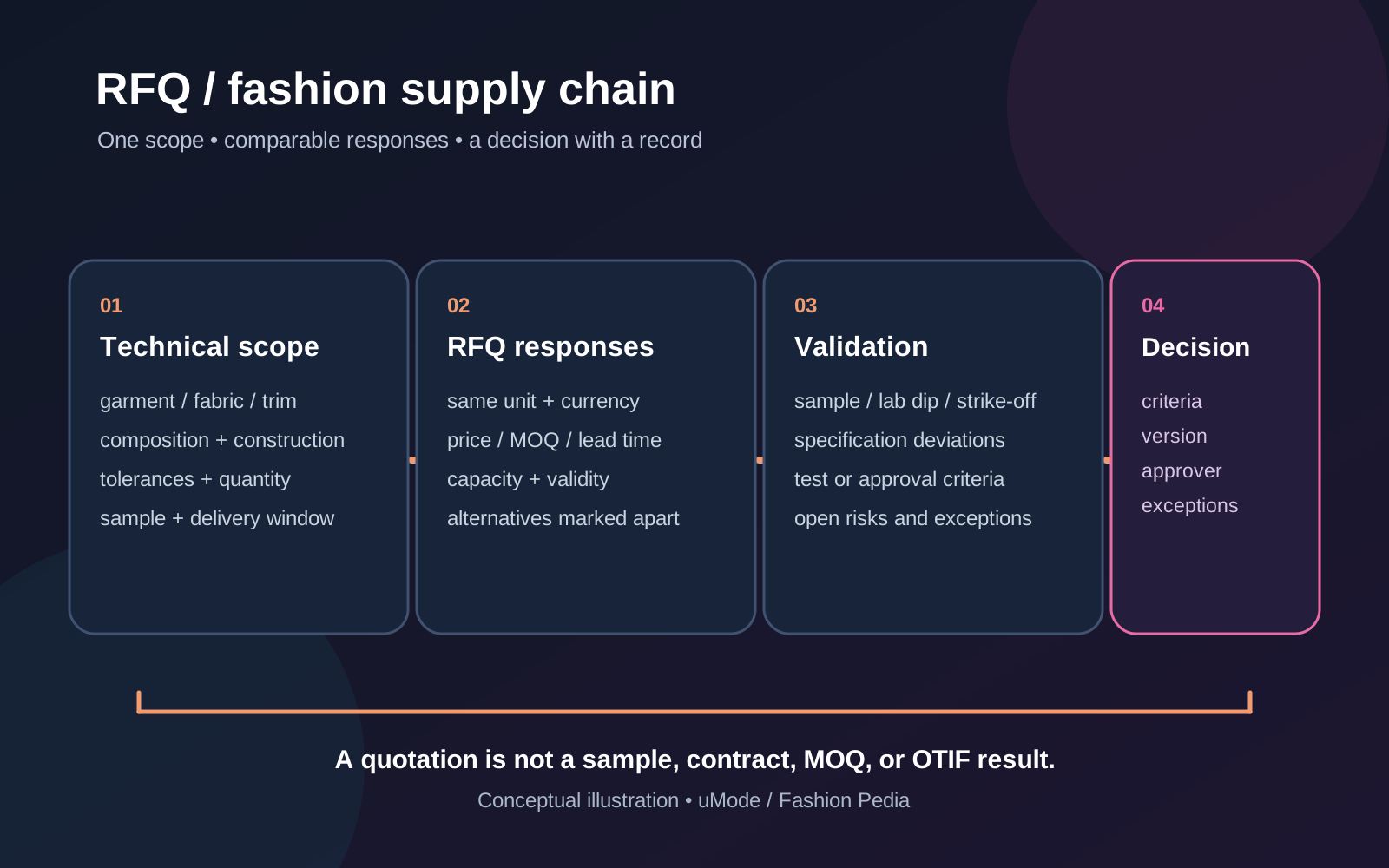
RFQ in the fashion supply chain. An RFQ (Request for Quotation) is a process for requesting and comparing quotations against the same product, service, or material scope. In fashion, it turns garment, fabric, trim, or finishing requirements into a response-ready request, separates price from capacity and timing, and records which requirement version supported the decision.
Purchase order in the fashion industry
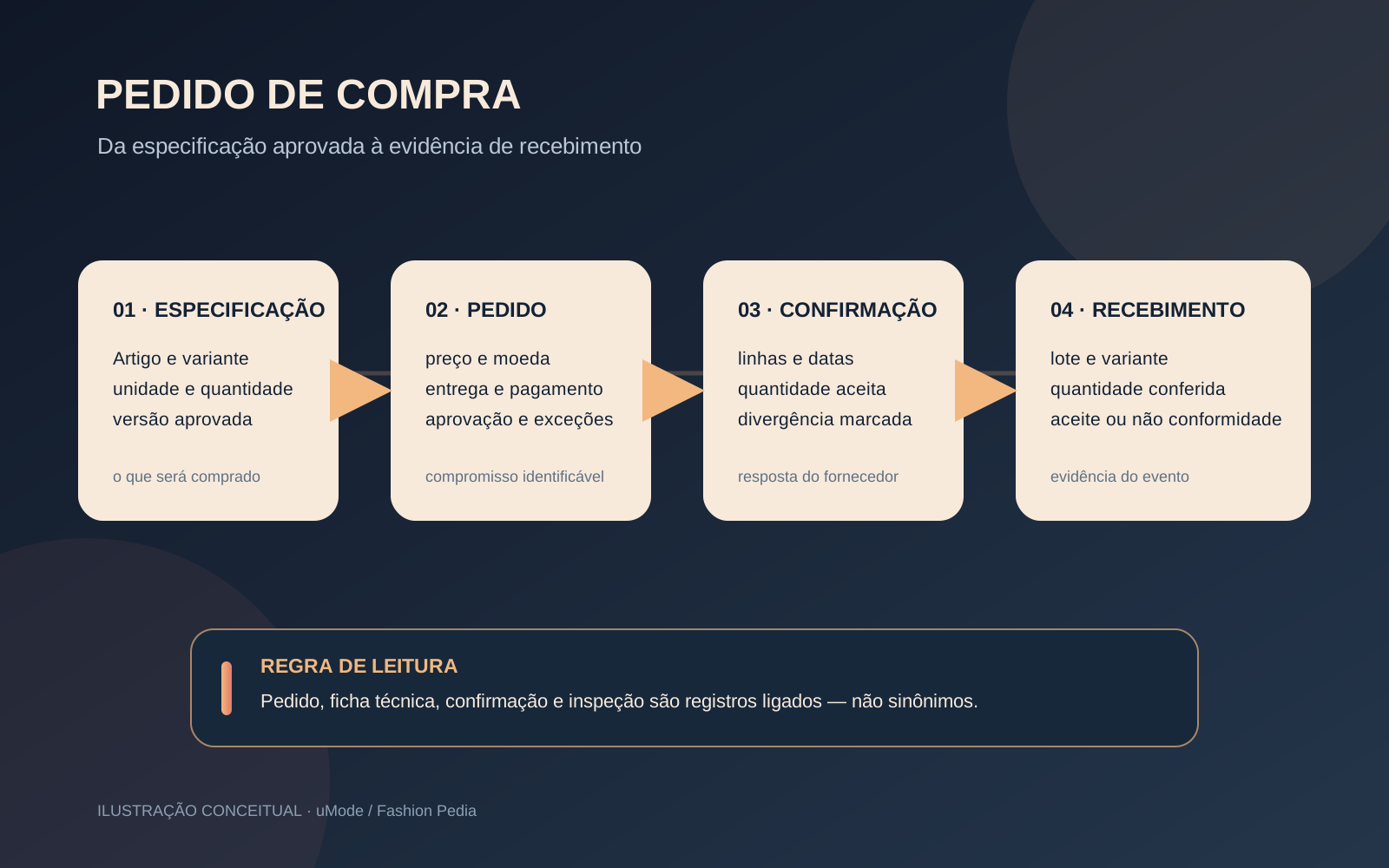
Purchase order in the fashion industry. A purchase order is the document through which a buyer requests goods or services and records conditions such as price and payment. In fashion, it works best when it connects style, variant, specification, quantity, delivery and receiving criteria to an approved decision, without replacing the technical specification or inspection.

How to handle a fashion supplier delay
How to handle a fashion supplier delay. Handling a fashion supplier delay means locating the missed milestone, confirming its cause with evidence, and choosing whether to recover, split, or replan the order. The control record should connect style, colour, size, tech pack, sample, material, quantity, promised date, and selling window.
Traceability in the fashion supply chain
Traceability in the fashion supply chain. Fashion supply-chain traceability is the process of linking a product, material or component to the entities, activities, responsible parties and records that explain its transformation and movement. In practice, it combines identifiers, events, relationships and evidence so a product history can be checked.
Sources
Want to apply this to your operation?