Sourcing manager
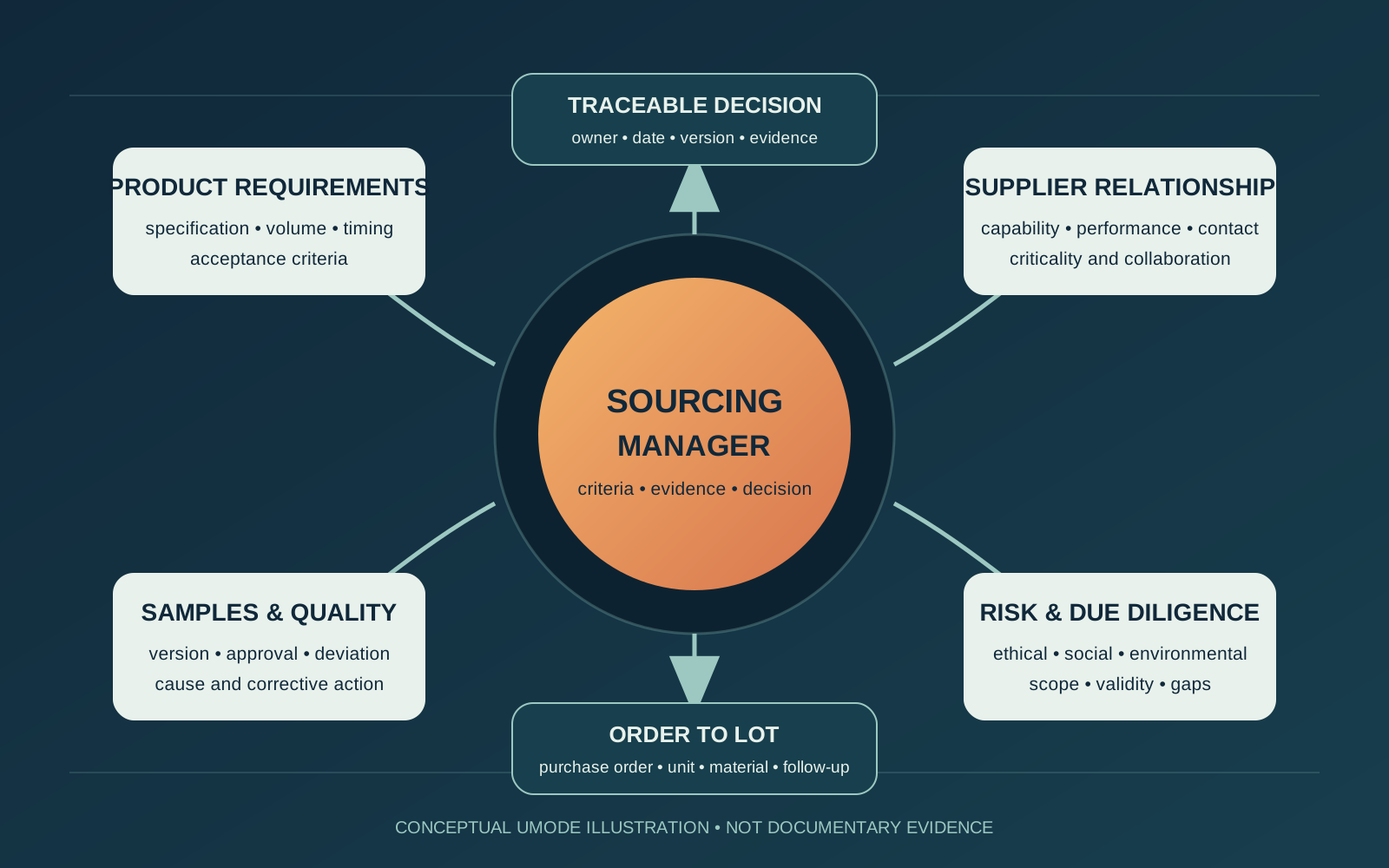
A sourcing manager structures fashion supply decisions: turns product needs into criteria, coordinates supplier relationships and performance, tracks risks, and keeps evidence connected to orders, samples, and production lots.
On this page
What is Sourcing manager?
A sourcing manager turns a product need into a decision process that can be checked later. The role organizes requirements, compares supply alternatives, coordinates interlocutors, and follows commitments through execution. In fashion, that means linking a technical specification, sample, supplier, purchase order, and lot without treating price, timing, or quality as isolated data.
CIPS defines supplier relationship management as managing and maintaining the relationship between a buyer and supplier. The same reference says that the type of relationship should depend on the criticality of the goods or services purchased and supplied. The manager therefore does not apply one ritual to every purchase: first define the object, risk, delay impact, and authority required for the decision.
How does the role structure a supply decision?
The first step is to turn collection intent into operating criteria: category, composition, measurements, finish, volume, delivery window, tolerances, documentation, and approval conditions. The manager then assigns ownership for each piece of information and defines which version is valid. A request for quotation is comparable only when alternatives receive the same scope; a sample is approvable only when acceptance criteria are observable.
CIPS lists assessing a supplier's capability to meet contractual needs and measuring performance during the contracting period as supplier-relationship activities. In practice, separate declared capability, observed evidence, contractual commitment, and delivered result. The record can connect supplier qualification, fashion RFQ, lead time, and OTIF, but these concepts are not synonyms.
The decision also needs a change trail. Record the requirement, technical specification version, sample condition, approval, owner, date, exception, and next milestone. If volume, material, or production unit changes, preserve the event before updating the supplier record. A later discrepancy can then be investigated without relying on scattered conversations alone.
How should the role balance relationships, performance, and risk?
A relationship is part of the work, not a substitute for evidence. CIPS describes trust, transparency, information sharing, risk management and mitigation, and communication as dimensions of its relationship spectrum. For the manager, this implies a proportionate cadence: enough information to decide, contact suited to criticality, and clear criteria for escalating a deviation.
The reference also describes strategic relationships as having high commitment and collaboration between both parties. That does not mean every supplier should be treated as strategic. Use the classification to decide where to invest time, which dependencies to reduce, and what kind of review is needed. A supplier may fit one raw material and fail to fit another style, volume, or delivery window.
CIPS notes that complex supply networks make it necessary to check suppliers against ethical, social, and environmental standards. The assessment should therefore record scope and validity of documents, units involved, subcontracting, available evidence, and gaps. An audit, certificate, or self-declaration should not be treated as universal proof of performance; the manager must state what was checked and what remains uncertain.
How does sourcing connect to quality and the textile chain?
BSI describes ISO 9001 as a quality management system standard that helps organizations monitor and continually improve products and services. Its page connects the standard with process optimization, customer centricity, and ongoing improvement. These ideas can guide inputs, outputs, acceptance criteria, nonconformity handling, and cause review, without turning certification into a guarantee for a specific purchase.
Abit identifies itself as the Brazilian Association of the Textile and Apparel Industry and lists regulatory affairs, foreign trade, market intelligence, sustainability, and innovation among its areas of activity. For work in Brazil, this places sourcing within a chain that crosses technical requirements, trade, regulation, and sector development. It does not replace verification of the unit, product, or contract under review.
The manager can organize a dashboard by supplier, style, color, size, order, and lot. Indicators such as OTIF, lead time, and MOQ should be compared only when formula, period, population, and exceptions are defined. Reports should show delay, rework, approval, scope change, and known cause; one average can hide dependency or move the problem to another stage.
Limits and common confusions
A sourcing manager is a coordination and decision role within a process; it is not synonymous with buyer, auditor, certifier, planner, or software system. Software can organize records, but it cannot decide criticality, evidence sufficiency, or appropriate remediation on its own. Likewise, a close supplier relationship does not remove conflicts of interest, dependency, or the need for review.
The central limit is scope quality. Without a production unit, requirement version, metric period, and approval owner, a dashboard may look precise while failing to explain the decision. State what was observed, by whom, when, and with what uncertainty, connecting the next action to textile traceability and technical specification.
Verified facts
- CIPS defines supplier relationship management as managing and maintaining the relationship between a buyer and supplier.
Source: cips.org ↗ - CIPS states that the appropriate relationship depends on the criticality of the goods or services purchased and supplied.
Source: cips.org ↗ - CIPS lists assessing a supplier's capability to meet contractual needs as an SRM activity.
Source: cips.org ↗ - CIPS lists measuring supplier performance during the contracting period.
Source: cips.org ↗ - CIPS describes trust, transparency, information sharing, risk management and mitigation, and communication in its relationship spectrum.
Source: cips.org ↗ - CIPS describes strategic relationships as having high levels of commitment and collaboration between both parties.
Source: cips.org ↗ - CIPS states that complex supply networks require checking suppliers against ethical, social, and environmental standards.
Source: cips.org ↗ - BSI describes ISO 9001 as a quality management system standard that helps monitor and continually improve products and services.
Source: bsigroup.com ↗ - BSI connects ISO 9001 with process optimization, customer centricity, and ongoing improvement.
Source: bsigroup.com ↗ - BSI says organizations across industries and sizes seek to enhance product and service quality with ISO 9001.
Source: bsigroup.com ↗ - Abit identifies itself as the Brazilian Association of the Textile and Apparel Industry.
Source: abit.org.br ↗ - Abit's page lists regulatory affairs, foreign trade, market intelligence, sustainability, and innovation among its areas of activity.
Source: abit.org.br ↗
Related entries
Fashion Supplier Qualification
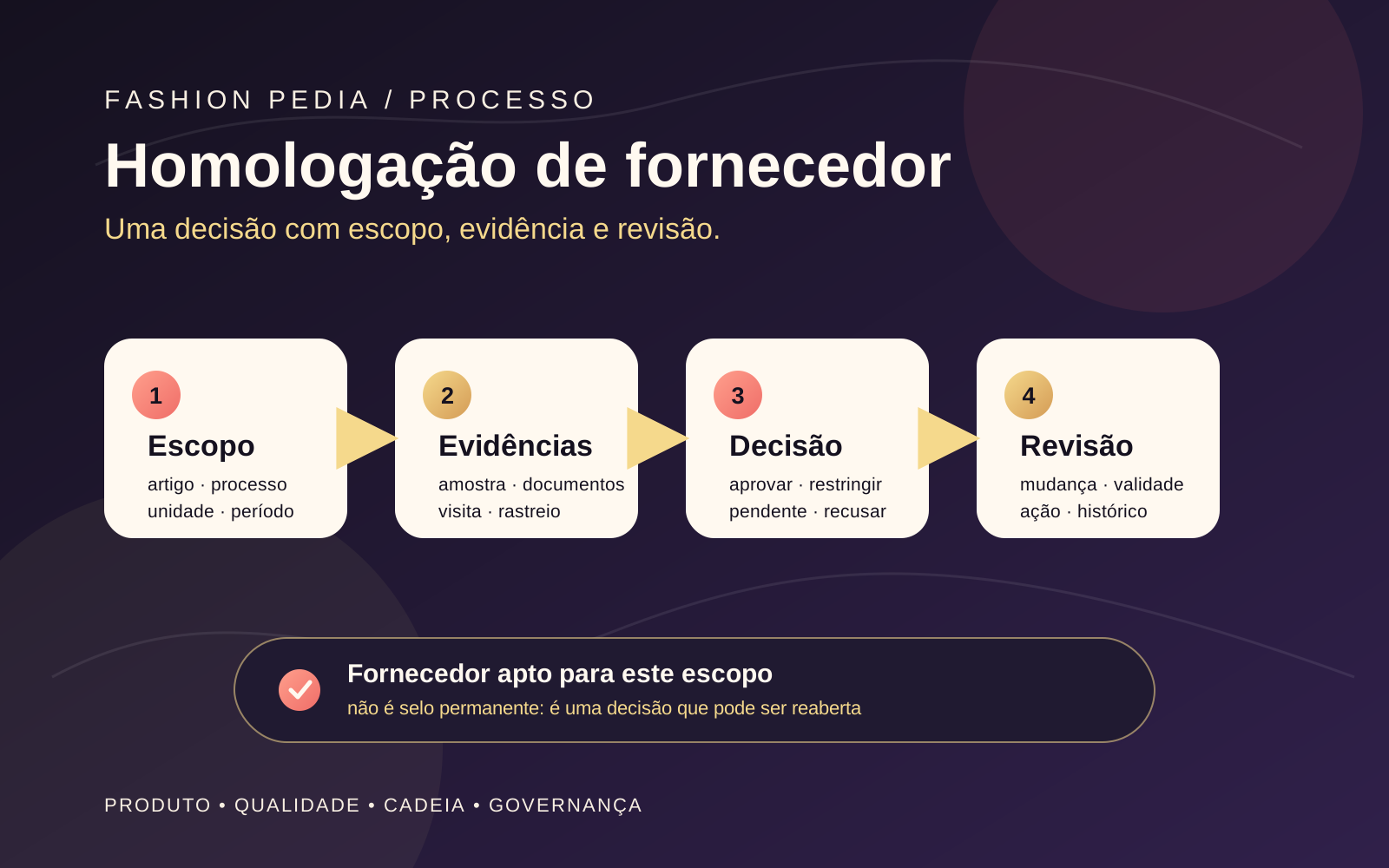
Fashion supplier qualification is the process of deciding, for a defined scope, whether a company can be used with explicit requirements, evidence, responsibilities and review points. In fashion, the decision should connect development, quality, purchasing, production and traceability without confusing a vendor record, a certificate or a single order with permanent approval.
RFQ in the fashion supply chain
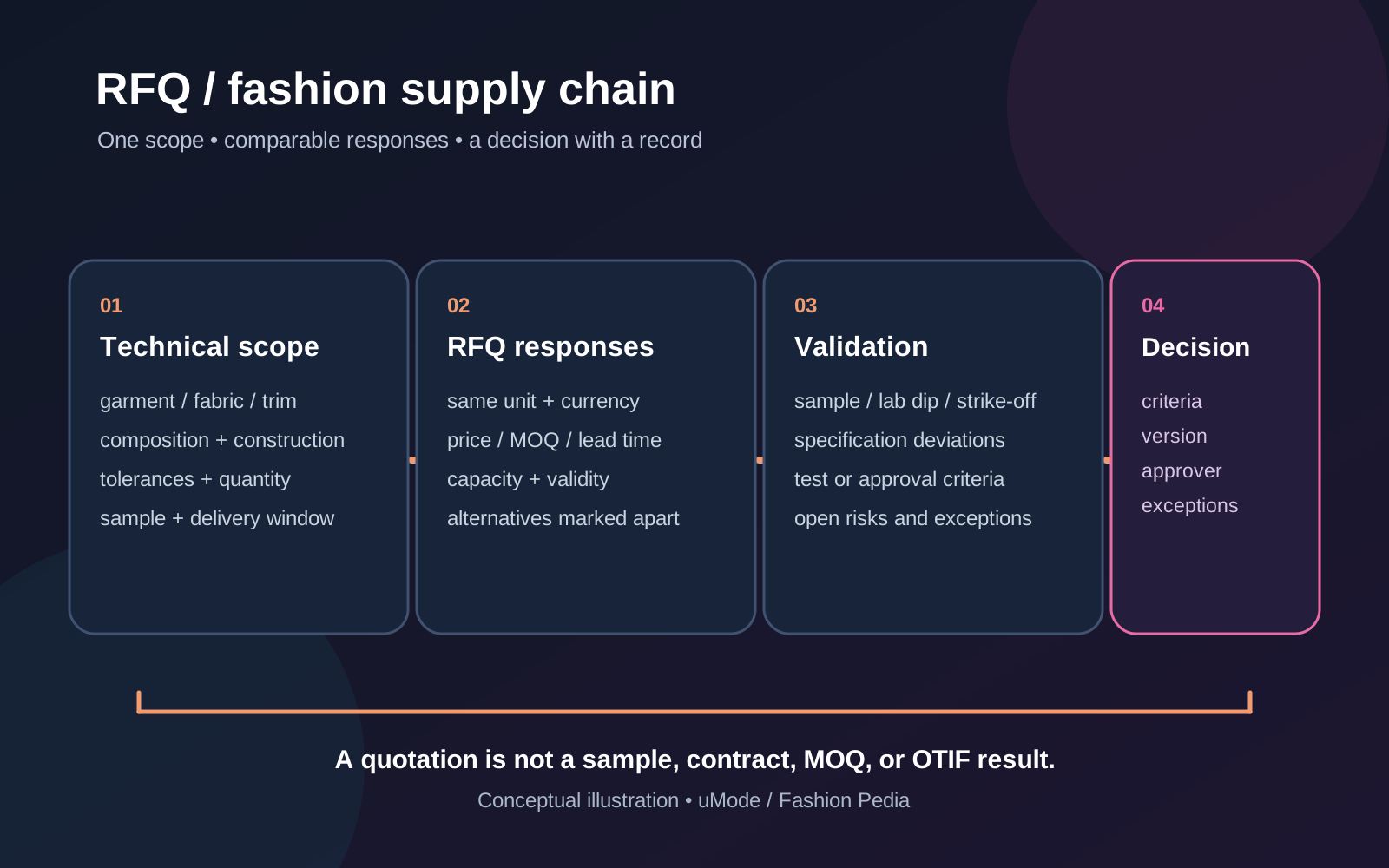
RFQ in the fashion supply chain. An RFQ (Request for Quotation) is a process for requesting and comparing quotations against the same product, service, or material scope. In fashion, it turns garment, fabric, trim, or finishing requirements into a response-ready request, separates price from capacity and timing, and records which requirement version supported the decision.
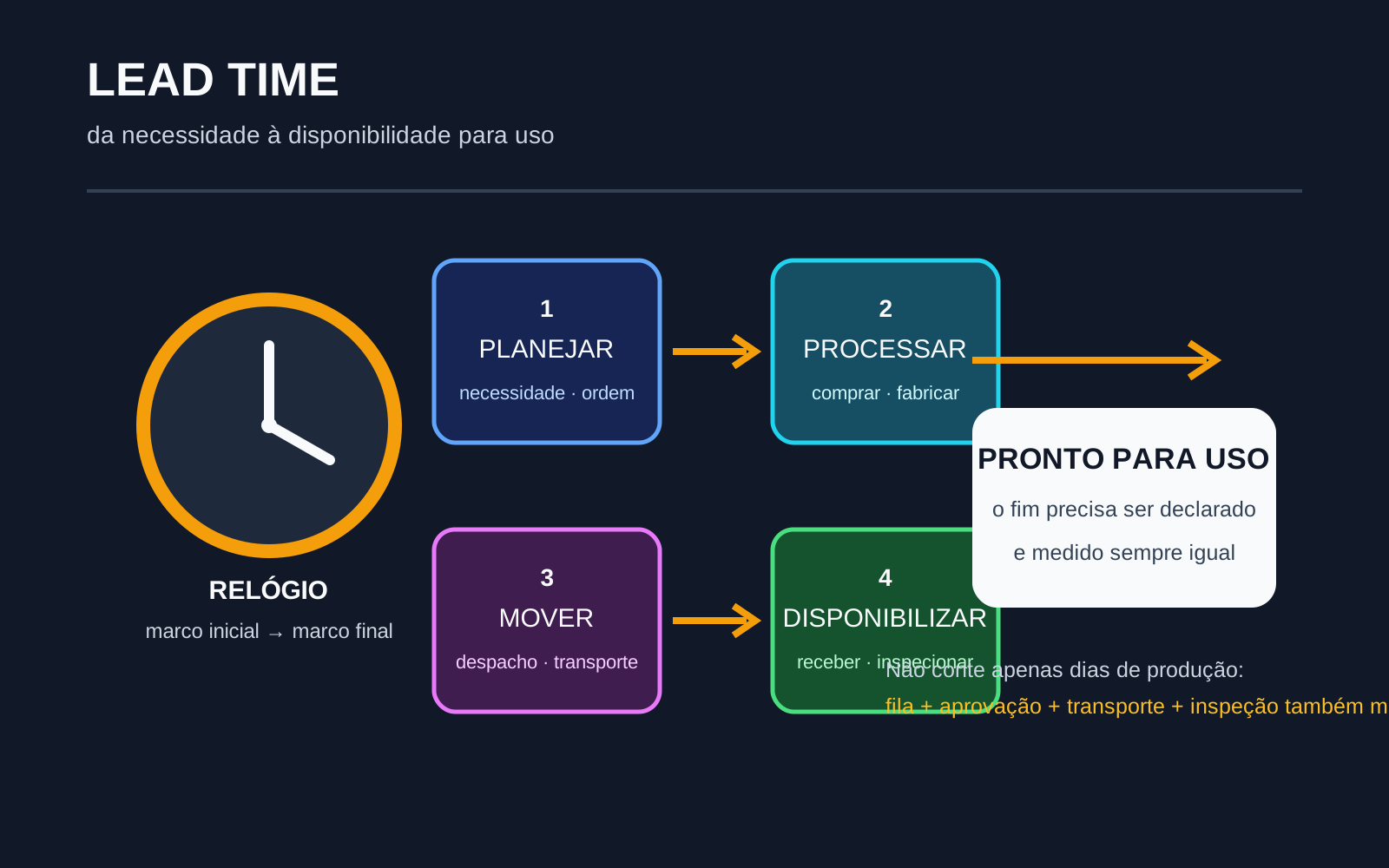
Lead time in the fashion supply chain
Lead time in the fashion supply chain. Lead time in a fashion supply chain is the elapsed time between defined operational milestones, such as ordering and receipt or design and production. A useful measure states its object, start, end, waiting periods, calendar, unit and availability condition.
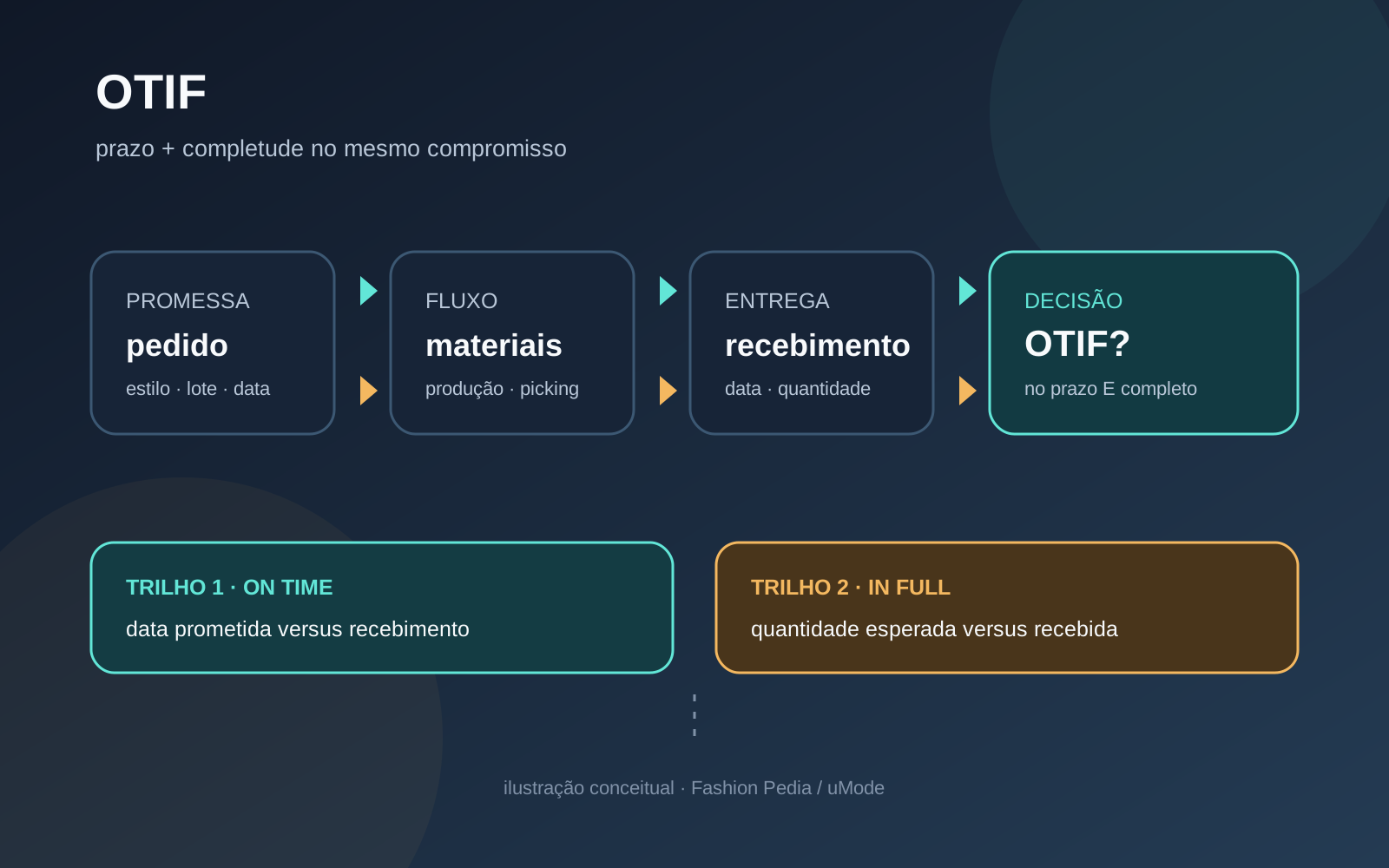
OTIF in the fashion supply chain
OTIF in the fashion supply chain. OTIF (on-time in-full) measures whether an order arrives on the agreed date with all expected items or quantities. In fashion, it can be applied to finished-goods orders, materials, or internal stages when the measured event, delivery window, and completeness rule are explicit.
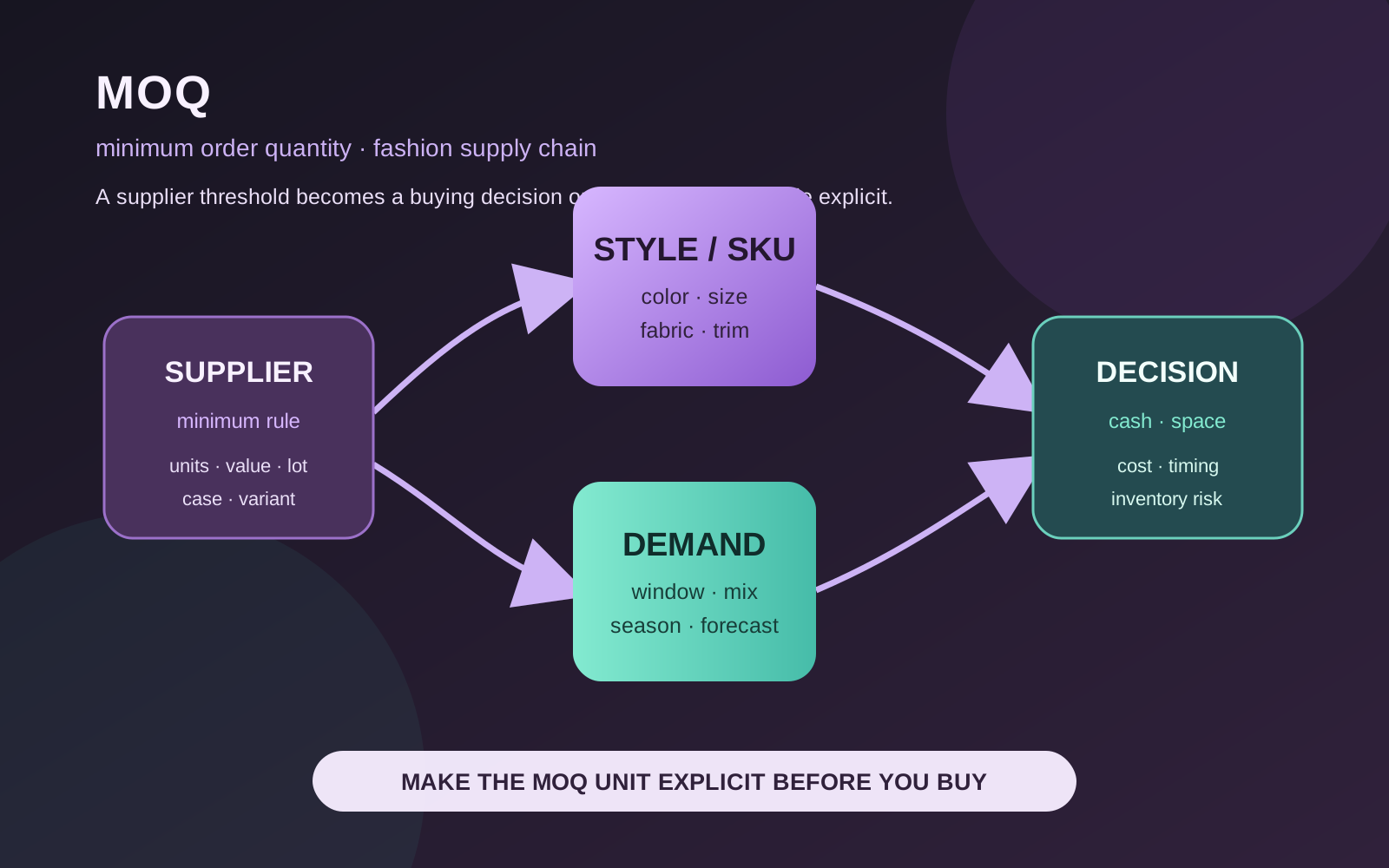
MOQ in the fashion supply chain
MOQ in the fashion supply chain. MOQ (minimum order quantity) is the smallest quantity a supplier accepts in a single order. In fashion, the rule is useful only when it states whether the threshold applies to a style, SKU, color, size, material, lot, case, or order value, and when it is tested against demand, cash, space, and leftover-stock risk.

Fashion product technical specification
A technical specification is the controlled information set that translates an approved fashion product into verifiable sampling and manufacturing requirements. It brings together drawings, materials, measurements, construction, tolerances, identification, labelling, comments and revision history; its content varies by category, company, market and stage.
Sources
Want to apply this to your operation?