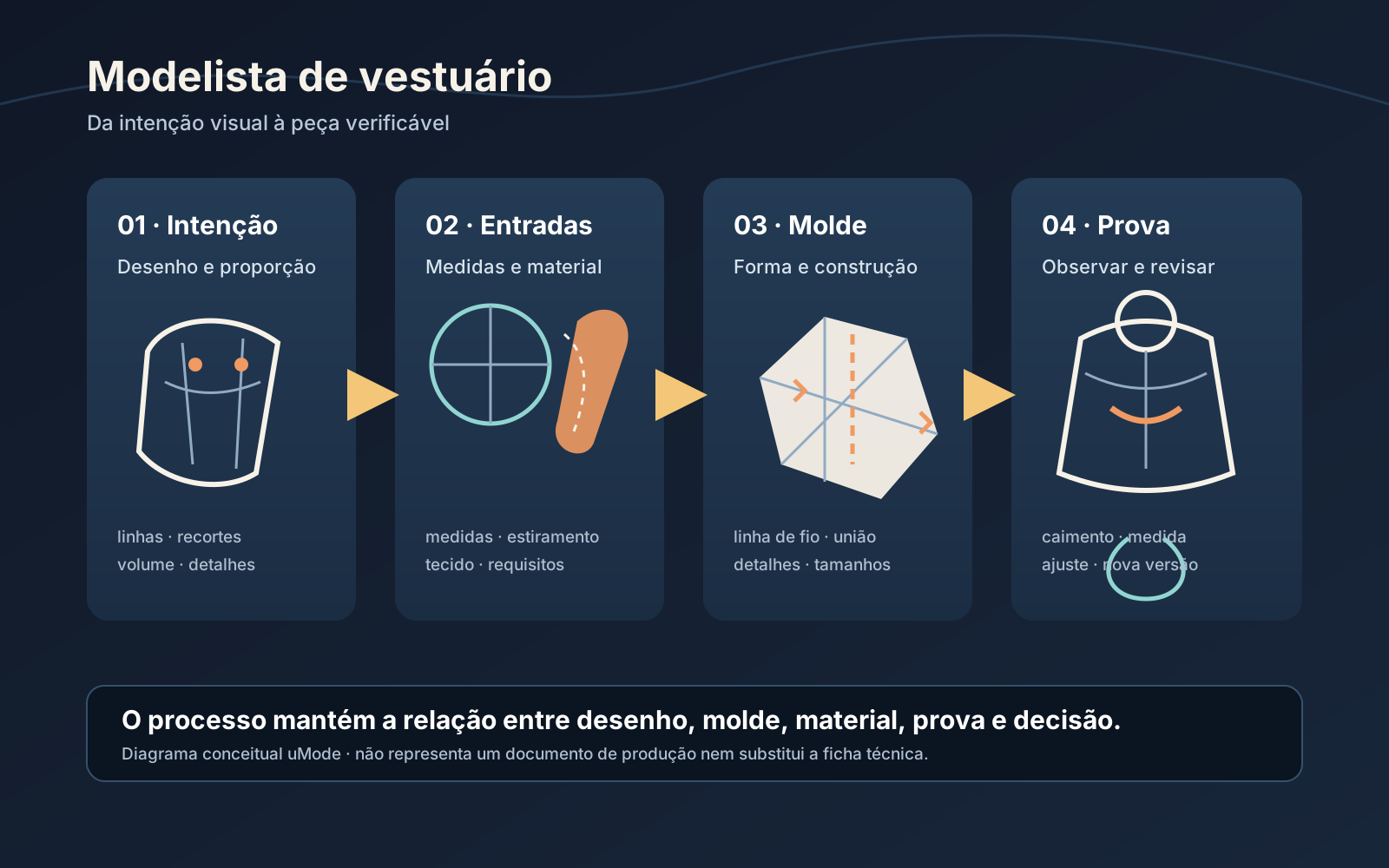
Garment fitting
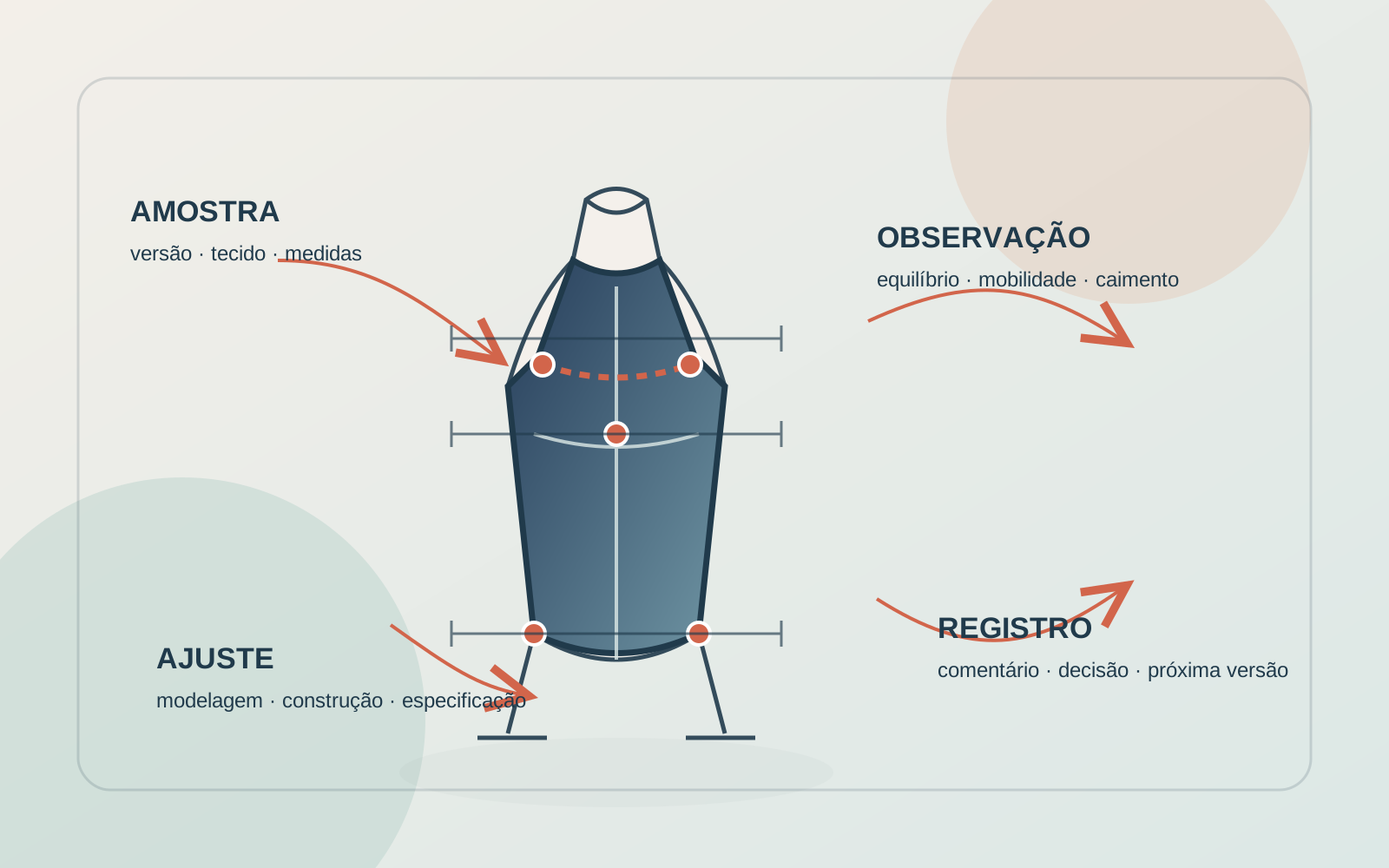
Garment fitting is the process of comparing a dressed sample with a style's design, specifications, and intent. The team observes fit, balance, movement, and construction, records decisions, and sends changes into the next version.
On this page
What is Garment fitting?
Garment fitting is the process of comparing a dressed sample with the style's design, specifications, and intent. The object is three-dimensional: the garment's measurements must be read against the body, its contours, the fabric, and the way the product is meant to be used. Fitting is therefore more than checking a table; it turns a sample into decisions about fit, construction, and the next version.
Identify the sample before evaluating it. Record the style, version, base size, fabric, receipt date, and responsible person. Product development becomes traceable when each comment stays connected to the sample that generated it. A prototype in an alternative fabric may help investigate shape, but the final reading must consider the intended material because a fabric change alters the observed behavior.
How does a team conduct the fitting?
The sequence starts with a preliminary review. Check the sample measurements against the tech pack, inspect construction, and place the garment on a form or model before bringing the team together. This first reading separates visible problems from questions that require movement or wear perception. The aim is to enter the session with concrete questions rather than discover everything at once.
During the session, the team compares design lines, specifications, and drape. Observe balance, ease, lengths, drag lines, openings, mobility, and the relationship with garments worn underneath or over the item. A jacket reads differently with a base layer; trousers may reveal restrictions when the wearer sits or walks that are invisible while standing. These are evaluation questions for the style, not a universal measurement checklist.
Use a model or form that is consistent with the size chart. A fit model with stable measurements supports comparison between rounds, while a form maintains a consistent physical reference. When the decision depends on wear, movement, or comfort, include the person who will wear the garment in the evaluation. Patternmaking can correct the cause in the pattern, but fitting is where the team checks whether the correction preserves design intent.
How do observations become a decision?
Each observation should identify location, likely cause, proposed change, owner, and version. Mark the sample safely, photograph front, side, and back views when useful, and update the tech pack with the change date. “Tighten it” is weak; “reduce side ease in the base size while keeping the waistline” gives the next owner a checkable action. Separate a construction defect, a measurement deviation, a design preference, and an unconfirmed hypothesis.
After the discussion, compare the proposal with the size chart and product development record. The change may return to the pattern, construction, specification, or material. Record what did not change and the acceptance condition for the next sample. Pilot production concerns making the garment under a production condition; fitting concerns reading the garment on the body and deciding adjustments. They connect, but they are not synonyms.
Approval of one sample is not a guarantee of comfort for every body and does not replace specific validation. A wear test may reveal chafing, difficulty dressing, seam discomfort, or restricted movement over time. Return the result to the garment history without erasing earlier versions. In this way, garment fitting acts as a documented decision point between prototyping, patternmaking, construction, and the next sample.
Verified facts
- Garment fitting compares the requested design and specifications with the sample received from the factory.
Source: pointsofmeasure.com ↗ - When the sample is fitted on a form or model, the team checks whether the specifications suit the design intent and chosen fabric.
Source: pointsofmeasure.com ↗ - For consistency, final specifications should always relate back to the size chart.
Source: pointsofmeasure.com ↗ - It is common practice to keep a log of samples that have been received and reviewed.
Source: pointsofmeasure.com ↗ - A preliminary fit helps identify fit, specification, design-line, and construction issues before the team session.
Source: pointsofmeasure.com ↗ - The fitting team evaluates the sample and makes decisions about how to move forward with the design.
Source: pointsofmeasure.com ↗ - Notes and specification changes are recorded on the tech pack spec sheet.
Source: pointsofmeasure.com ↗ - When a specification change is uncertain, the model or form measurements and size chart are used as references.
Source: pointsofmeasure.com ↗ - Garments should be fitted together with the garments they will be worn with or over.
Source: pointsofmeasure.com ↗ - A wear test helps show how a garment performs over wear time.
Source: pointsofmeasure.com ↗ - Garment fit describes the relationship between garment measurements and the three-dimensional contours of the human body.
Source: techpacker.com ↗ - Fitting is described as comparing a factory sample with the measurement specifications supplied for development.
Source: techpacker.com ↗ - A fit trial is a preliminary session in which a garment is tried on a dress form or mannequin to review fit and other style aspects.
Source: techpacker.com ↗ - A fit model maintains specific body measurements so that evaluations can be repeated consistently.
Source: startupfashion.com ↗ - Front, side, and back photographs help communicate problems observed during fitting.
Source: startupfashion.com ↗ - Changes made during fitting should be noted in the tech pack and identified by the date of change.
Source: startupfashion.com ↗
Related entries

Fashion product technical specification
A technical specification is the controlled information set that translates an approved fashion product into verifiable sampling and manufacturing requirements. It brings together drawings, materials, measurements, construction, tolerances, identification, labelling, comments and revision history; its content varies by category, company, market and stage.
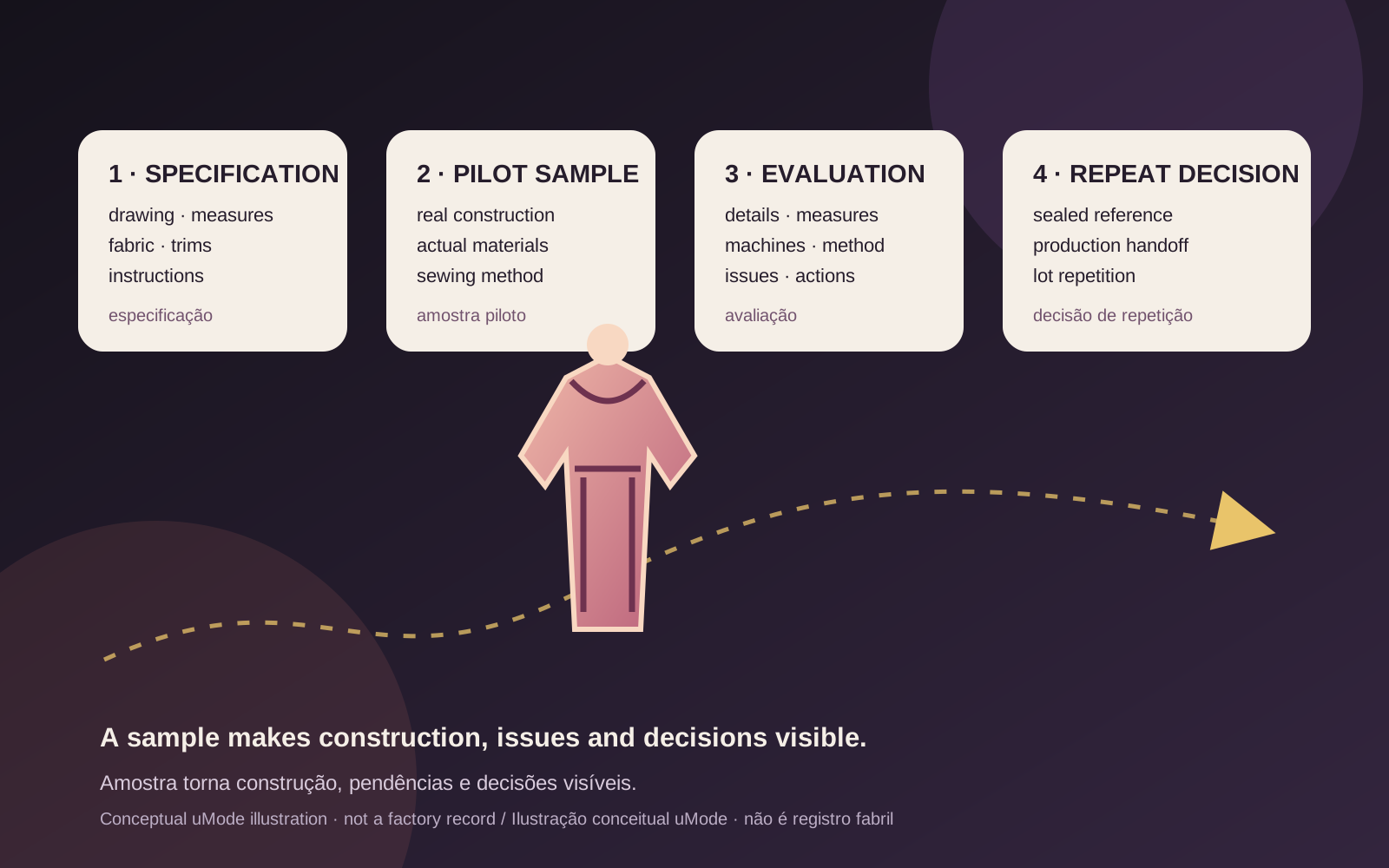
Garment production pilot sample
Garment production pilot sample. A garment production pilot is the development, review and approval of a product sample under product-making conditions. It connects the technical pack, materials, measurements, tests, construction and decision-making before the garment is repeated in production.
Sources
Want to apply this to your operation?