OTIF in the fashion supply chain
OTIF in the fashion supply chain. OTIF (on-time in-full) measures whether an order arrives on the agreed date with all expected items or quantities. In fashion, it can be applied to finished-goods orders, materials, or internal stages when the measured event, delivery window, and completeness rule are explicit.
On this page
What is OTIF in the fashion supply chain?
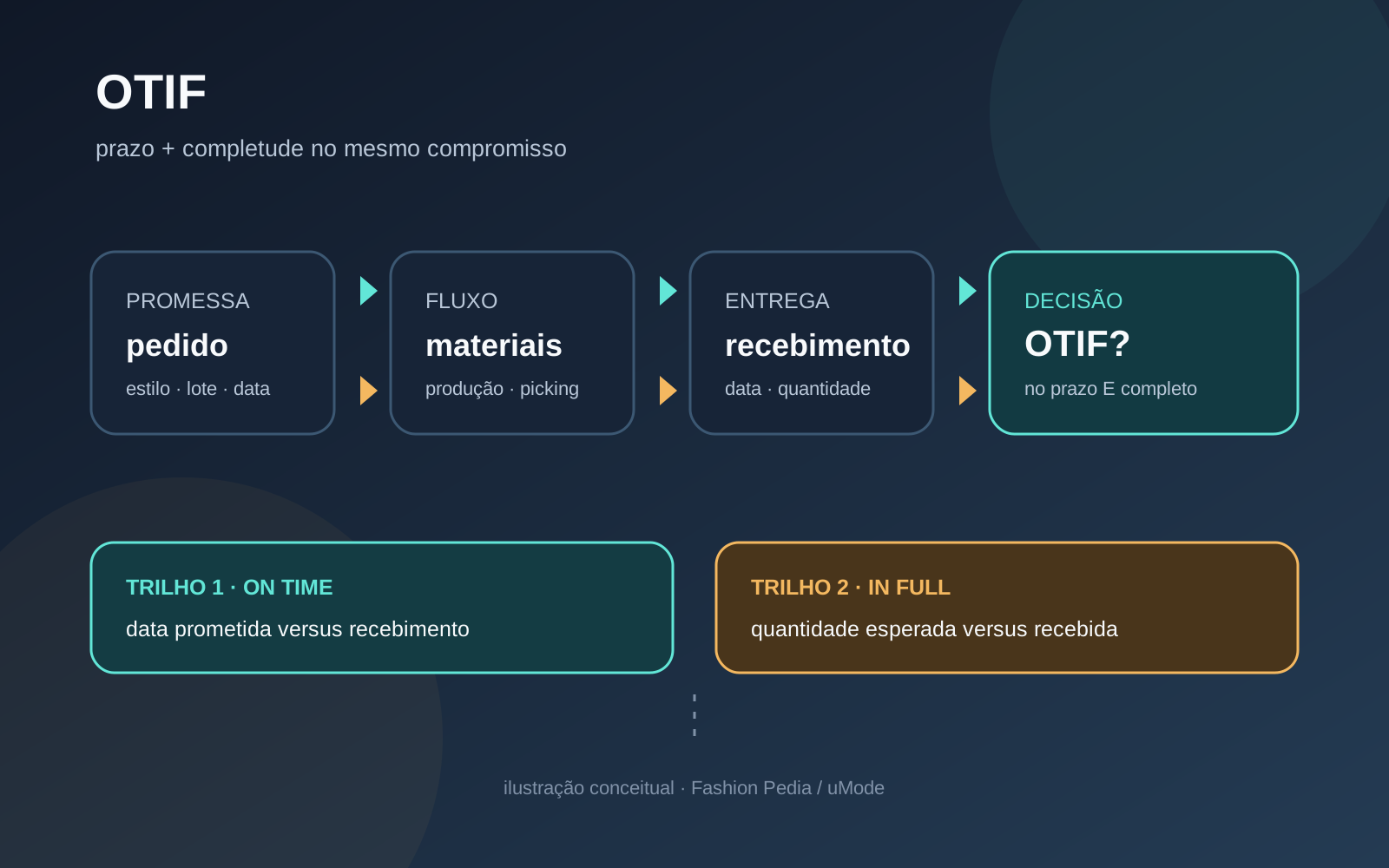
OTIF is a delivery-reading process that requires two conditions in the same event: the promise is met on time and the order is complete. This definition prevents a punctual arrival from being mistaken for a fully met delivery. In a collection, the unit may be a fabric order, a trim lot, a production order, or a finished-goods shipment; the team should state which unit it counts before comparing results.
The metric can also be applied to stages such as picking and dispatch. That makes it possible to locate where a promise is lost without turning the indicator into an automatic explanation. Lead time frames the duration of the flow; purchase order fixes the commitment to be checked; supplier delay names an occurrence, not a proven cause.
How should OTIF be measured?
The published OTIF formula is deliveries made on time and in full divided by total deliveries, multiplied by 100. A comparison only becomes meaningful when the company records the expected date, accepted window, committed quantity, receipt event, and treatment of partial deliveries. An on-time delivery with missing items fails; a complete delivery outside the window fails as well.
For fashion, the record can separate style, colour, size, lot, and supplier when those fields are part of the commitment. That breakdown does not change the definition; it shows whether the deviation appeared in materials, production, dispatch, or transport. Sourcing and supplier management connects the result to the commercial relationship, while first-pass yield should remain a first-pass quality reading, not an OTIF synonym.
Where does OTIF support decisions?
OTIF is used to assess delivery accuracy for the company and its suppliers, and its result can be read alongside fulfillment efficiency and transport performance. A low result may appear with stockouts or a supply-chain disruption; poor inventory visibility can also accompany backorders, split shipments, and fulfillment delays. These signals guide an investigation, but they do not prove by themselves which area originated the problem.
The operational response starts with the missing record: promise, quantity, receipt, exception, and owner. A warehouse management system can improve visibility and processing; distributing inventory across multiple fulfillment centers can place stock closer to the customer and shorten the journey. These are possible levers, not a guarantee of a particular rate. One source presents 95% to 99% as excellent in many industries; that range should not be imported into a fashion operation without its context, mix, period, and measurement rule.
OTIF is therefore a commitment discipline between finished goods, raw material, purchasing, and logistics. The indicator reports whether timing and completeness coincided; root-cause analysis must continue in the process that created the deviation.
Verified facts
- OTIF measures whether every item in an order is delivered on or before the expected date and with all items included.
Source: shipbob.com ↗ - OTIF can be applied to delivery and also to supply-chain stages such as picking and dispatch.
Source: shipbob.com ↗ - OTIF tracks fulfillment and delivery efficiency and the performance of shipping partners.
Source: shipbob.com ↗ - The OTIF rate can be calculated by dividing deliveries made on time and in full by total deliveries and multiplying by 100.
Source: shipbob.com ↗ - A low OTIF result may be caused by stockouts and supply-chain disruptions.
Source: shipbob.com ↗ - Poor inventory visibility can contribute to stockouts, backorders, split shipments, and fulfillment delays that affect OTIF.
Source: shipbob.com ↗ - A warehouse management system can improve inventory visibility and make warehouse processing more efficient.
Source: shipbob.com ↗ - Distributing inventory across multiple fulfillment centers can place stock closer to customers and shorten the order journey.
Source: shipbob.com ↗ - OTIF evaluates how often a company delivers the correct quantities on the agreed delivery date.
Source: mrpeasy.com ↗ - OTIF is used to assess the delivery accuracy of both the company and its suppliers.
Source: mrpeasy.com ↗ - An OTIF rate of 95% to 99% is presented as excellent in many industries.
Source: mrpeasy.com ↗ - OTIF combines timing accuracy and quantity completeness simultaneously.
Source: redstagfulfillment.com ↗ - An on-schedule delivery with missing items and a complete delivery outside the specified window both fail the OTIF criterion.
Source: redstagfulfillment.com ↗
Related entries
Lead time in the fashion supply chain
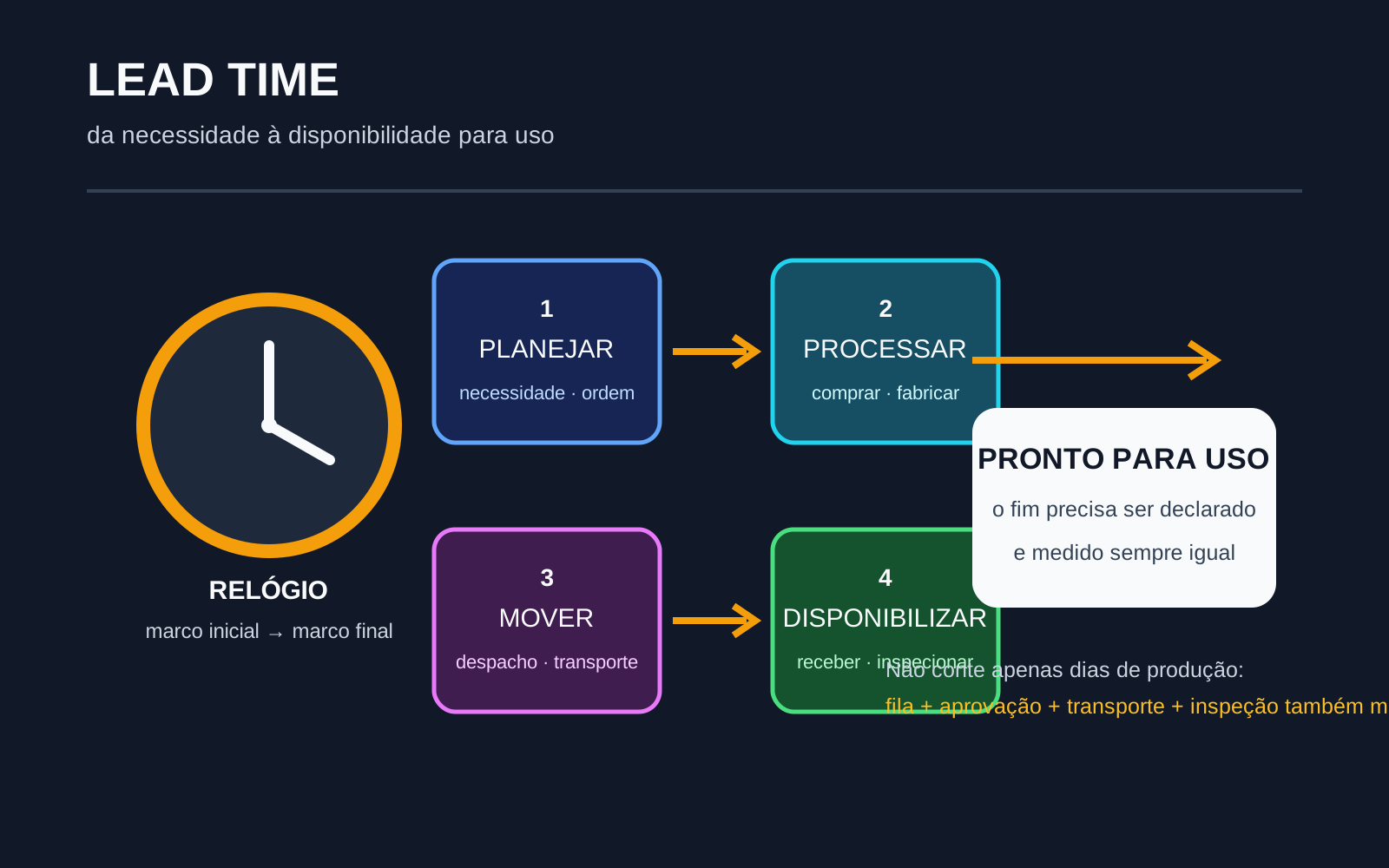
Lead time in the fashion supply chain. Lead time in a fashion supply chain is the elapsed time between defined operational milestones, such as ordering and receipt or design and production. A useful measure states its object, start, end, waiting periods, calendar, unit and availability condition.

How to handle a fashion supplier delay
How to handle a fashion supplier delay. Handling a fashion supplier delay means locating the missed milestone, confirming its cause with evidence, and choosing whether to recover, split, or replan the order. The control record should connect style, colour, size, tech pack, sample, material, quantity, promised date, and selling window.
Purchase order in the fashion industry
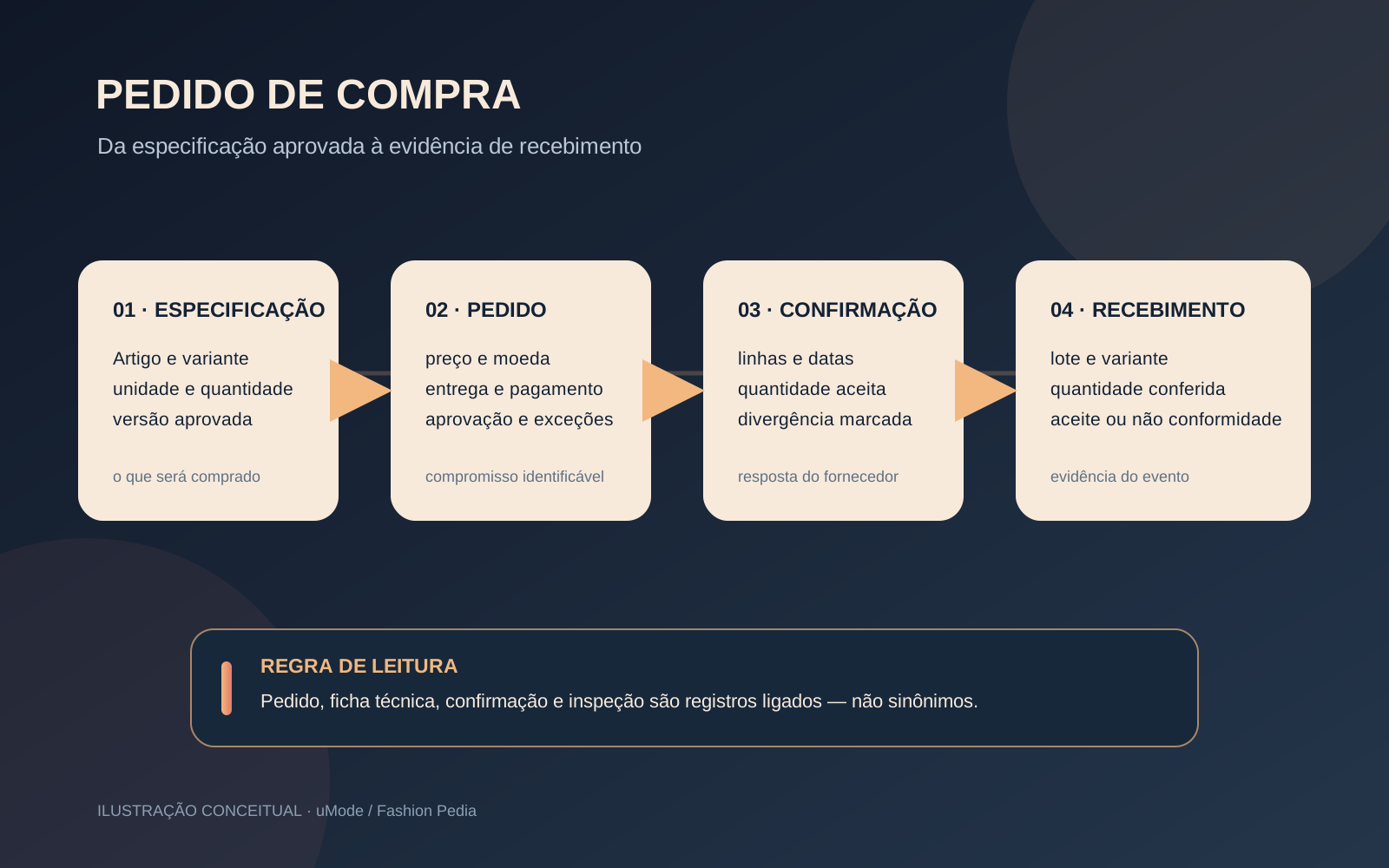
Purchase order in the fashion industry. A purchase order is the document through which a buyer requests goods or services and records conditions such as price and payment. In fashion, it works best when it connects style, variant, specification, quantity, delivery and receiving criteria to an approved decision, without replacing the technical specification or inspection.
Sourcing and supplier management
Sourcing and supplier management. Fashion sourcing requires visibility into units and processes, prioritization of human risks, worker dialogue, remediation and a decision trail tied to orders and lots.
First-pass yield in apparel
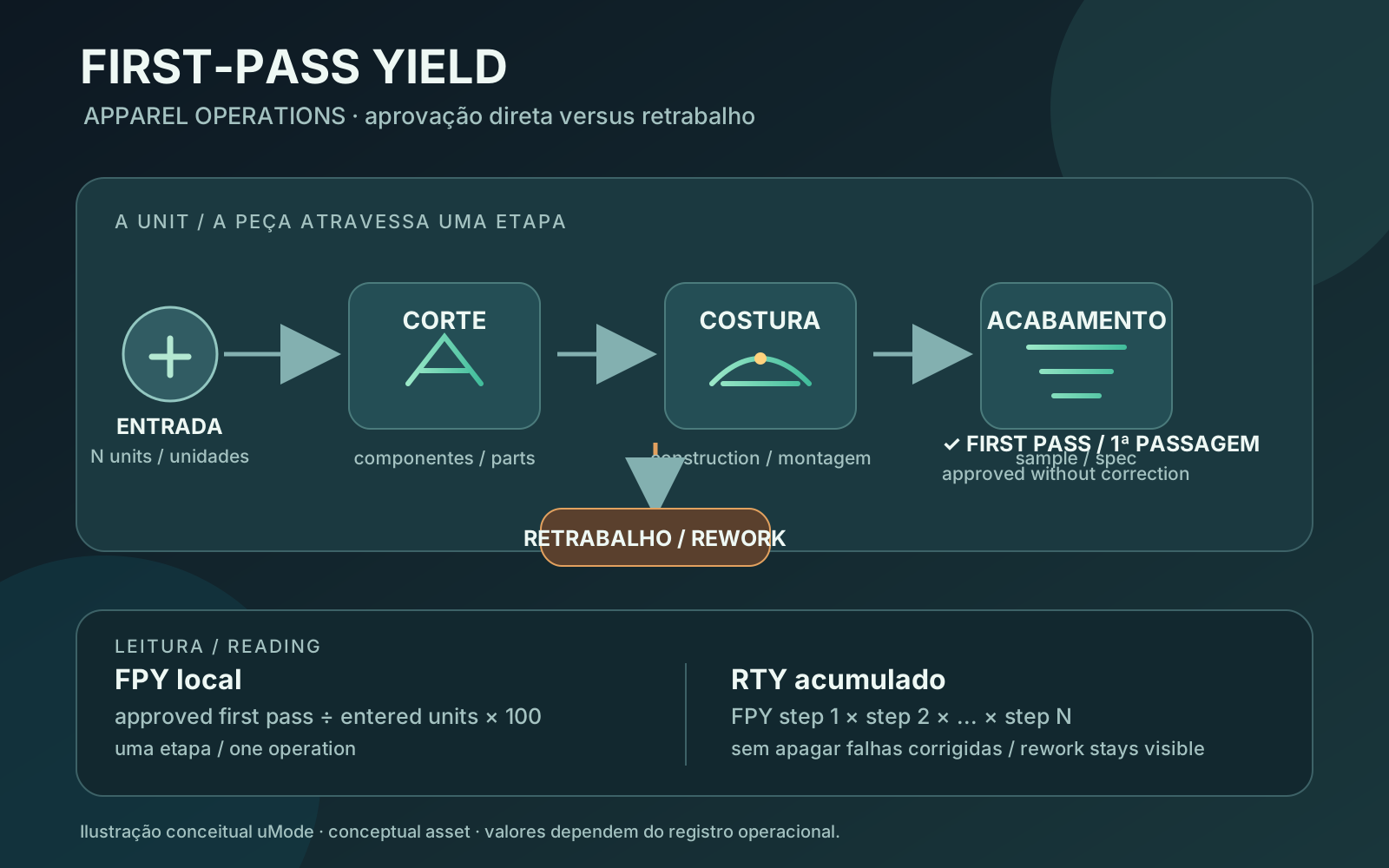
First-pass yield in apparel. First-pass yield (FPY) is the proportion of units leaving a process to the units entering it during a defined period. In apparel, the measure becomes useful only when the operation, unit, acceptance rule and treatment of rework are stated before the count begins.
Sources
Want to apply this to your operation?