Garment patternmaker
A garment patternmaker turns a garment drawing into patterns, fitting changes, and construction information that can be cut, assembled, and checked. The role combines shape interpretation, measurement logic, material awareness, and pattern revision without replacing design or production authority.
On this page
What is Garment patternmaker?
A garment patternmaker turns a garment drawing into a pattern system and construction decisions that can be cut, assembled, and revised. The UK National Careers Service summarizes the role as creating templates from designer drawings and cutting and shaping fabrics to make clothing and costume samples. Here, “garment patternmaker” names a technical function, not a synonym for designer, sample maker, or production manager.
The output may include a master pattern, size variations, construction markings, and a record of changes. O*NET identifies the occupation as Fabric and Apparel Patternmakers and lists titles such as Pattern Maker, Pattern Technician, and Production Pattern Maker among reported job titles. The practical boundary is therefore best read through the deliverable: the patternmaker structures garment form in patterns and communicates how the parts relate. Patternmaking is the broader practice that gathers these decisions.
How does a drawing become a pattern and sample?
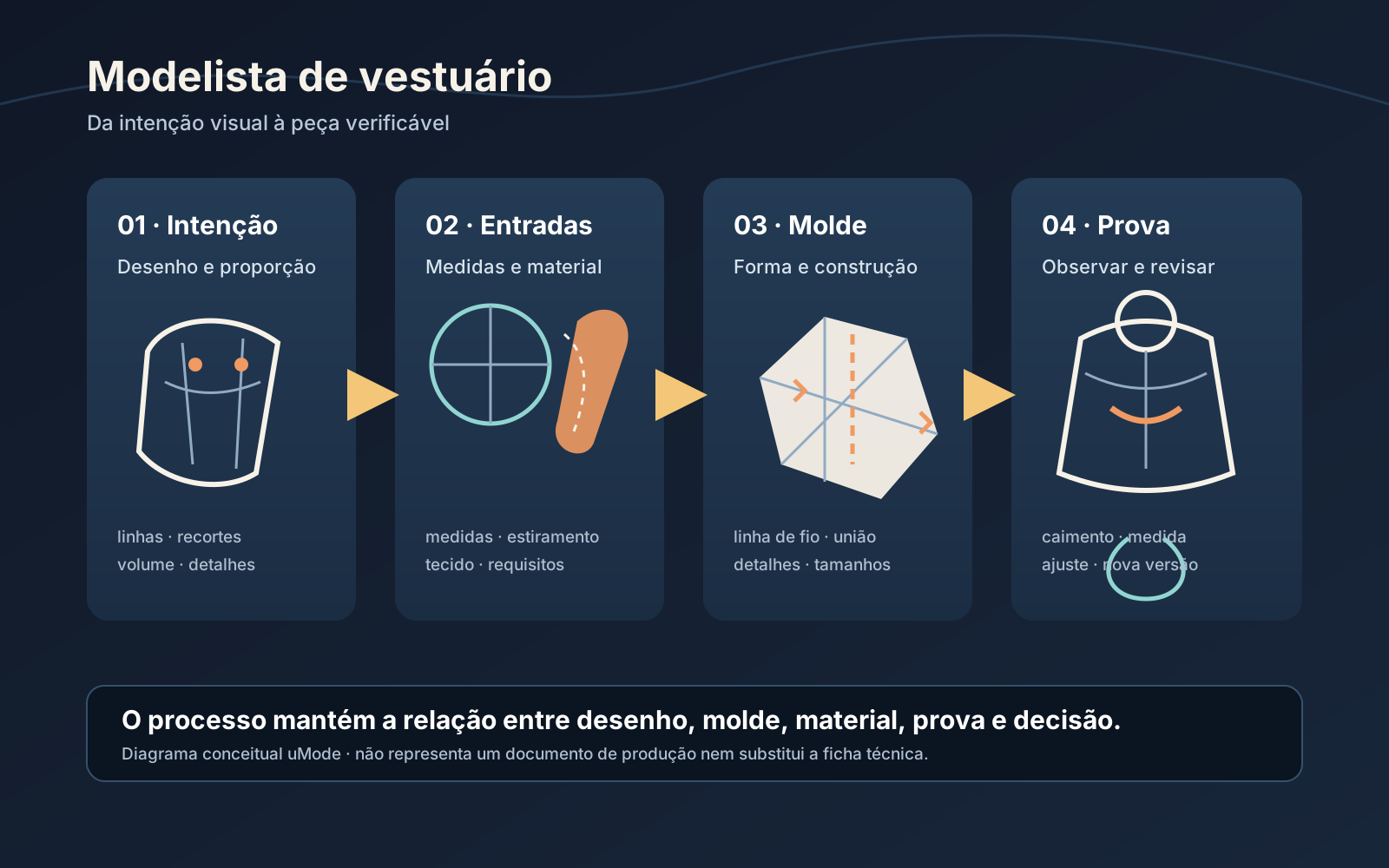
The first step is translating lines, cut-outs, and volume from the drawing into pattern pieces that can be placed and joined. O*NET describes creating a master pattern for each size within a garment-size range and also records markings that show where parts are joined, along with the positions of pleats, pockets, buttonholes, and other features. In development work, those markings keep the shape from depending only on memory or an oral explanation.
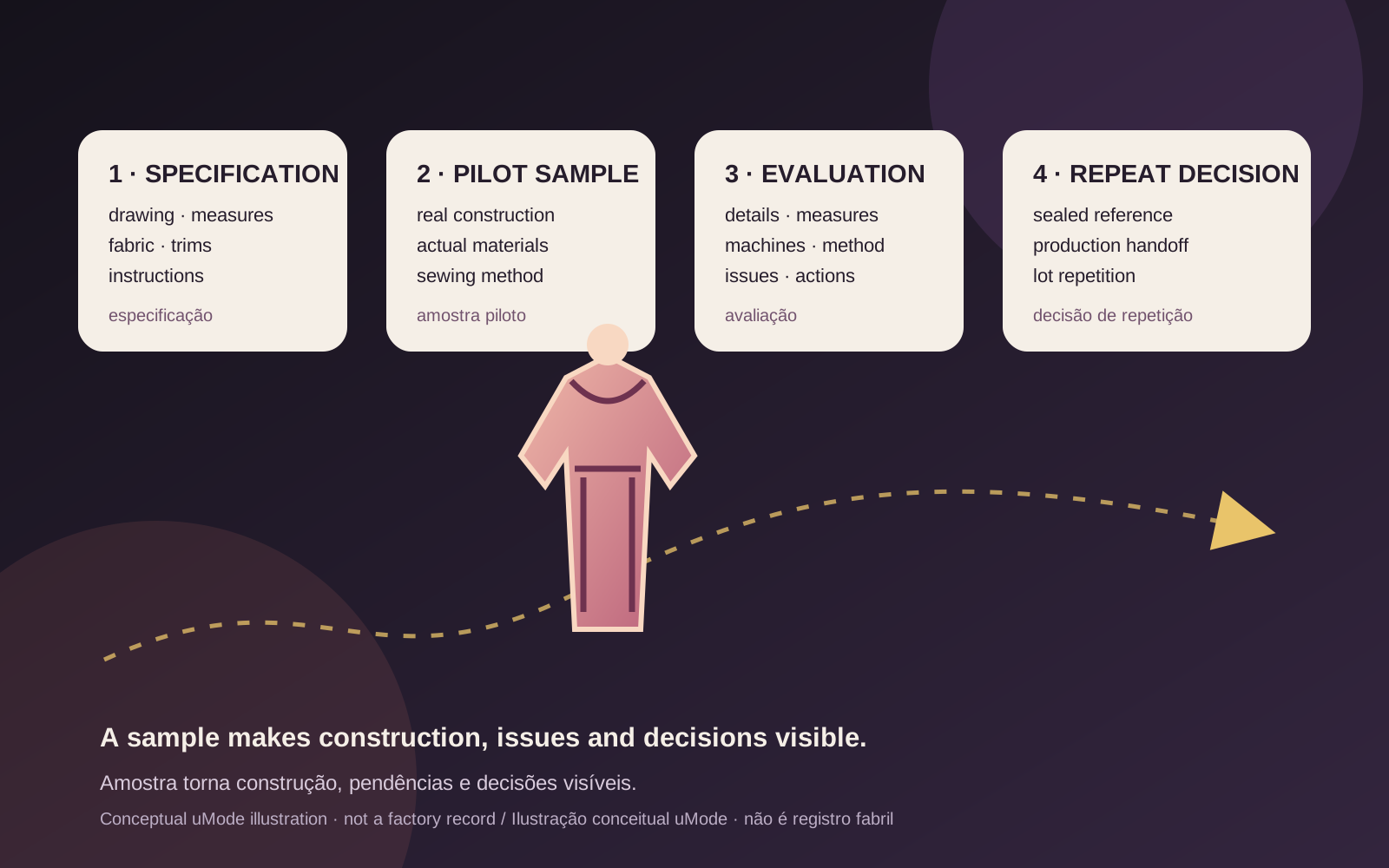
The sample makes the pattern testable. After a fitting, the adjustment returns to the pattern; this does not mean every fitting is an approval, but it gives the team a concrete occasion to locate a deviation and record a correction. The sample must also be read alongside its measurements and instructions. Garment fitting names the stage where construction is observed; it is not the same thing as patternmaking or the sewing of a sample by a sample maker.
Material enters the decision from the beginning. FIT connects the properties of different fabric types with pattern development, sewing, pressing, finishing, and fit. A change that looks geometric can therefore require a new reading of fabric behavior and assembly order. The patternmaker should record the material variant actually used rather than treating “fabric” as a neutral surface.
How do measurements, stretch, and grading enter the process?
A measurement is not merely a number beside the drawing: it is a condition for comparing intent with the constructed garment. O*NET records that pattern dimensions are calculated while considering material stretch. This is useful when a panel behaves differently from the fitting sample or when construction changes between materials. A measurement chart makes it easier to state what will be observed, which point will be measured, and which pattern version is under discussion.
Grading extends a basic pattern to other sizes without losing the original design. FIT presents this as analyzing a grading specification sheet and grading basic patterns across a full size range. Grading should not be confused with creating a new pattern for every silhouette: it preserves a shape intention while distributing dimensional changes according to the rules adopted by the team.
The file must remain legible to the next people in the process. A technical specification can connect pattern, measurements, materials, assembly sequence, and fitting comments; its exact structure varies by company. The useful principle is that each relevant change should be locatable, comparable, and tied to the part of the process it affects.
Where does the patternmaker fit in product development?
The patternmaker sits between visual intent, construction, and garment verification. FIT describes production-pattern development accompanied by documentation in language clear to the manufacturer. That does not make the patternmaker the sole authority over cost, suppliers, schedules, or collection approval. The boundary with fashion product engineering, design, and production should be defined by the responsibility attached to each deliverable.
A professional review starts with four questions: which pattern is current, which sample was fitted, which measurement changed, and which instruction must travel with the change? Product development cycle places those handoffs in context without erasing the specificity of patternmaking. A strong process is not the accumulation of files; it is a clear relationship between drawing, pattern, material, measurement, fitting, and decision for the next person who must work with the garment.
Verified facts
- The UK National Careers Service describes a pattern cutter as creating templates from designer drawings and cutting and shaping fabrics to make clothing and costume samples.
Source: nationalcareers.service.gov.uk ↗ - O*NET classifies Fabric and Apparel Patternmakers as workers who draw and construct precision master fabric patterns or layouts and may mark and cut fabrics and apparel.
Source: onetonline.org ↗ - O*NET describes creating a master pattern for each size within a range of garment sizes.
Source: onetonline.org ↗ - Pattern markings can indicate where parts join, as well as the positions of pleats, pockets, buttonholes, and other garment features.
Source: onetonline.org ↗ - O*NET records that pattern adjustments are made after fittings.
Source: onetonline.org ↗ - Pattern dimensions are calculated with consideration for material stretch.
Source: onetonline.org ↗ - FIT includes developing and sewing production patterns and documenting, in language clear to the manufacturer, how the garment is to be constructed.
Source: fitnyc.edu ↗ - FIT connects the properties of different fabric types with pattern development, sewing, pressing, finishing, and fit.
Source: fitnyc.edu ↗ - FIT describes analyzing a grading specification sheet and grading basic patterns across a full size range without compromising the original design.
Source: fitnyc.edu ↗
Related entries

Fashion product technical specification
A technical specification is the controlled information set that translates an approved fashion product into verifiable sampling and manufacturing requirements. It brings together drawings, materials, measurements, construction, tolerances, identification, labelling, comments and revision history; its content varies by category, company, market and stage.
Garment fitting
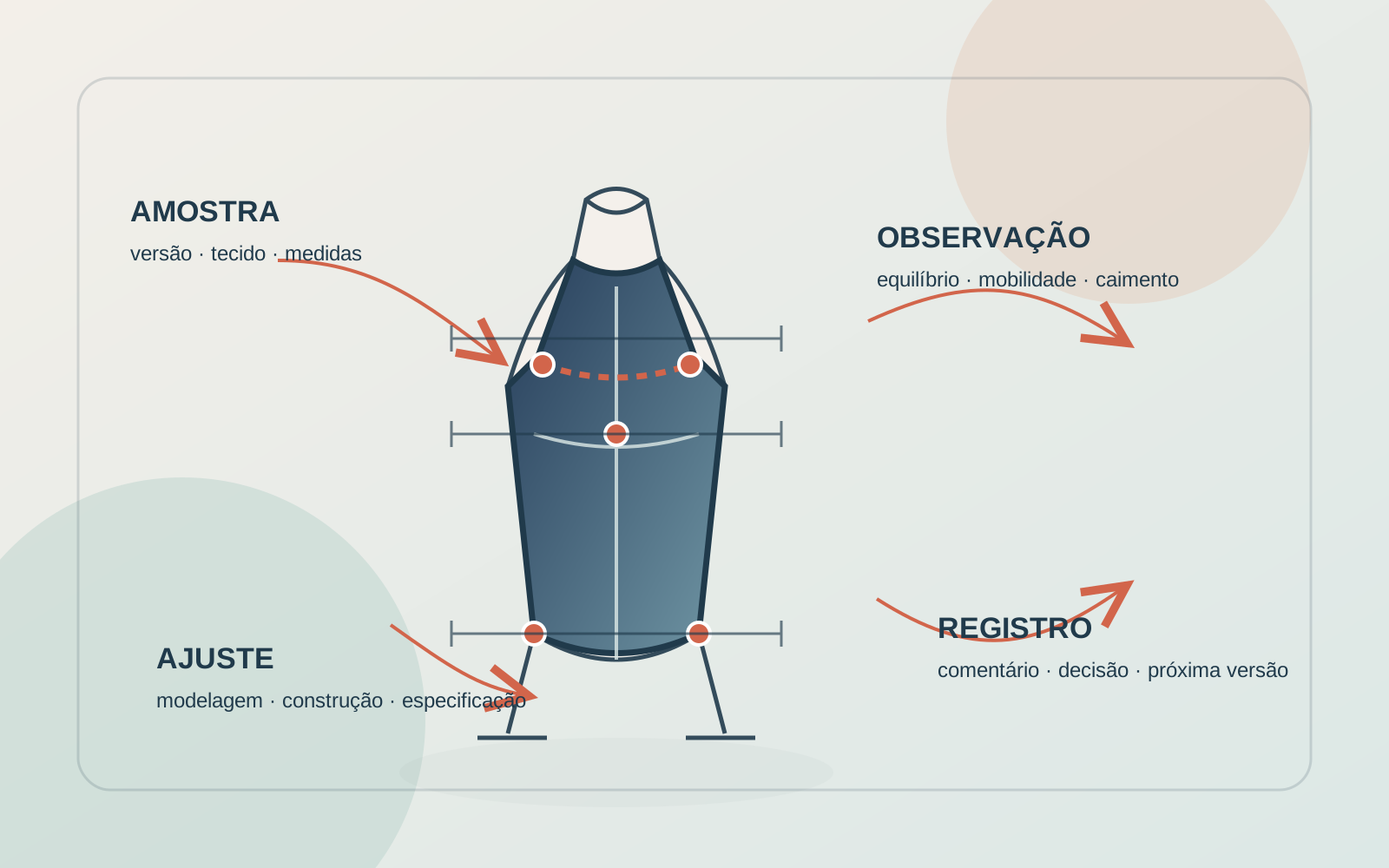
Garment fitting is the process of comparing a dressed sample with a style's design, specifications, and intent. The team observes fit, balance, movement, and construction, records decisions, and sends changes into the next version.
How to take an AI pilot to production
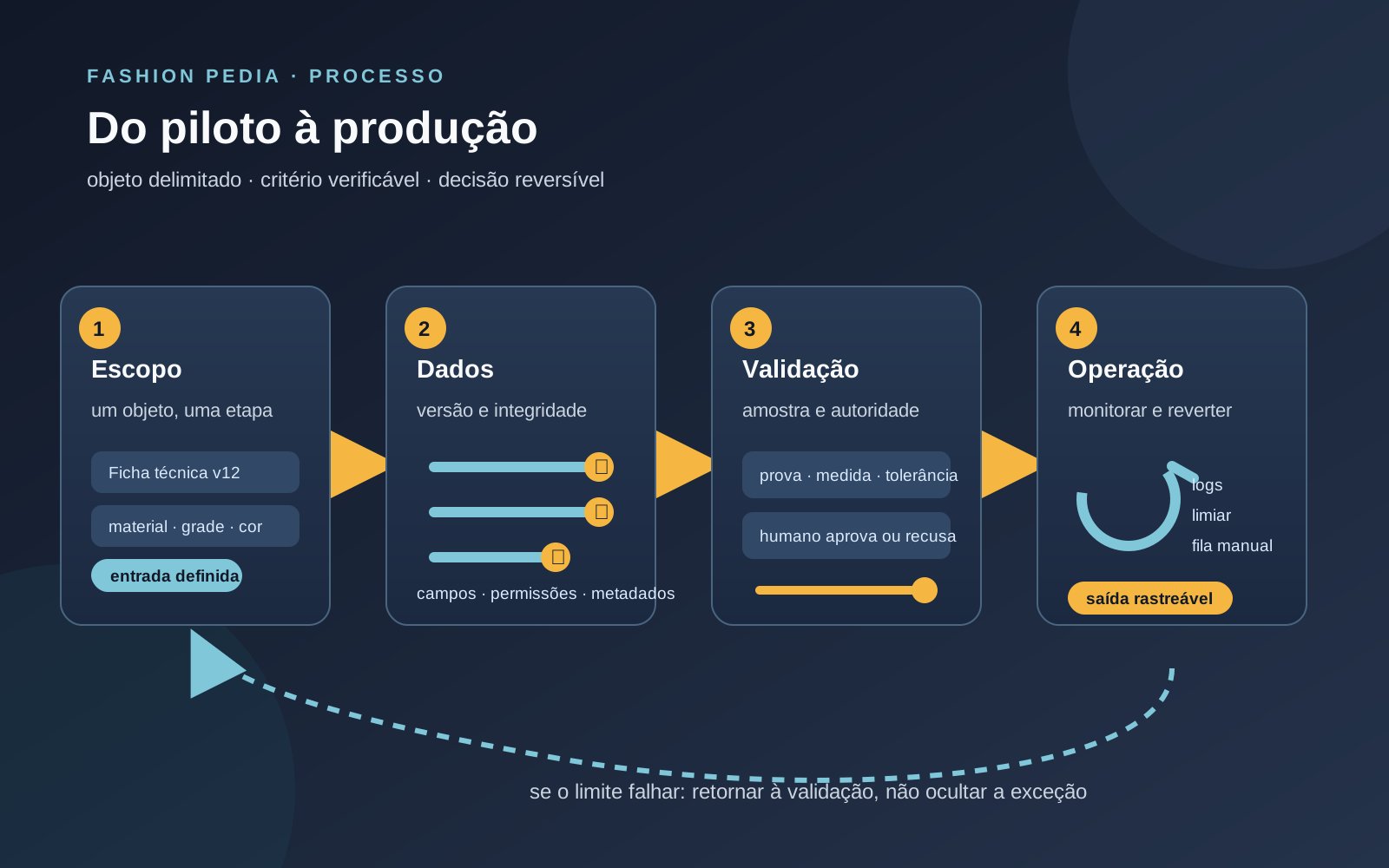
How to take an AI pilot to production means turning an experiment into a workflow controlled by an object, version, acceptance criterion, accountable owner and evidence. In fashion, the transition must connect the tech pack, sample, material, size range, supplier and order to quality and lead-time measures, while keeping a manual path when the system misses its defined limit.
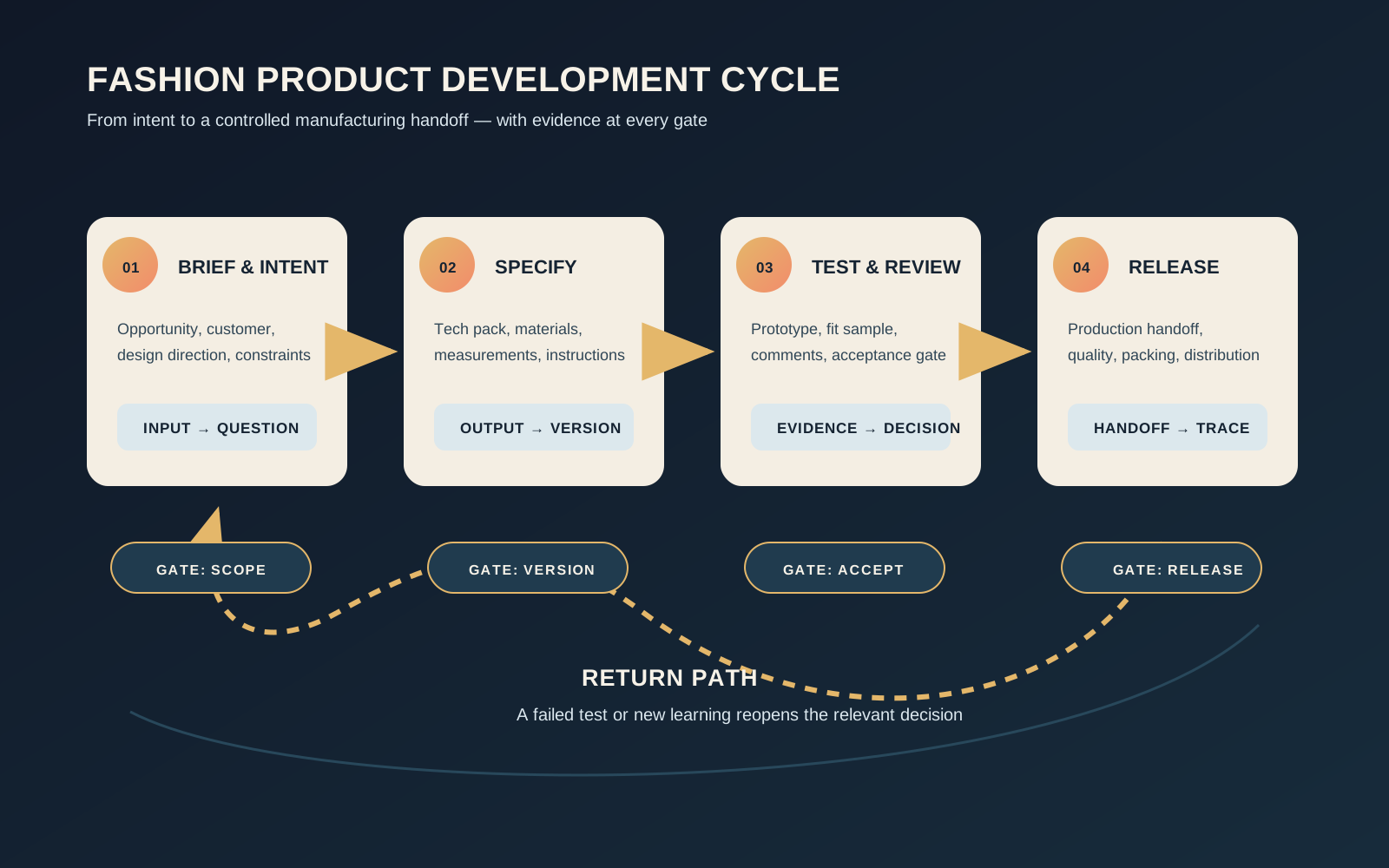
Fashion product development cycle
The fashion product development cycle turns an intent into a specified, tested, approved product ready for manufacturing. It connects design, materials, samples, instructions, quality, data and return decisions; it is not a linear recipe that every company follows in the same way.
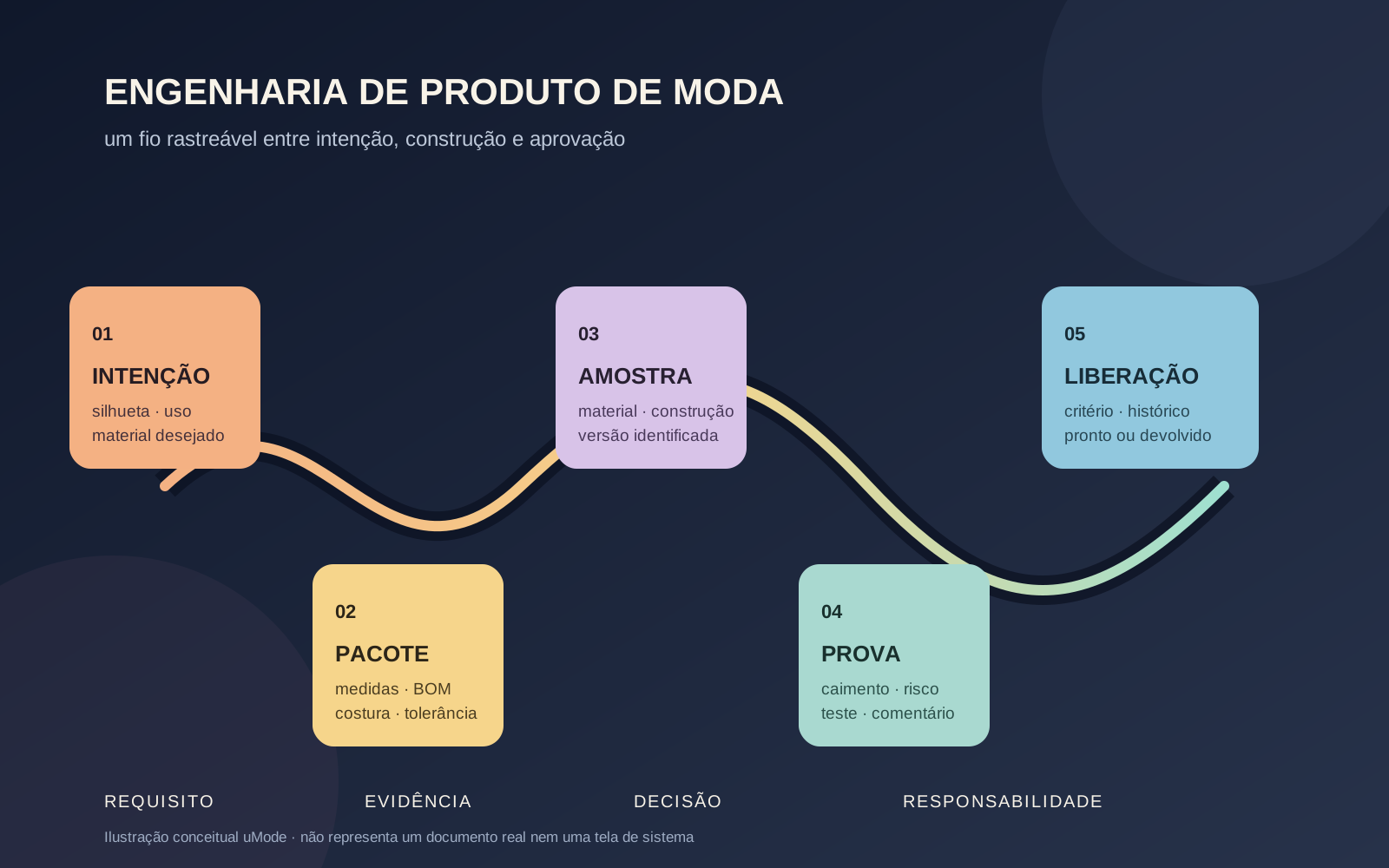
Fashion product engineer
A fashion product engineer turns collection intent into specifications that can be checked through sampling and pre-production. The work connects construction, measurements, materials, costing, testing, fitting, quality control, and records that let a team approve or return a style without confusing the role with pattern cutting, buying, or inspection.
Sources
Want to apply this to your operation?