Material consumption calculation
Material consumption calculation records the fabric and component quantities required for a product, size range, or production lot under explicit assumptions. In apparel, it connects the pattern, marker, material, observed losses, and purchasing unit without treating a development estimate as the same thing as measured production usage.
On this page
What is Material consumption calculation?
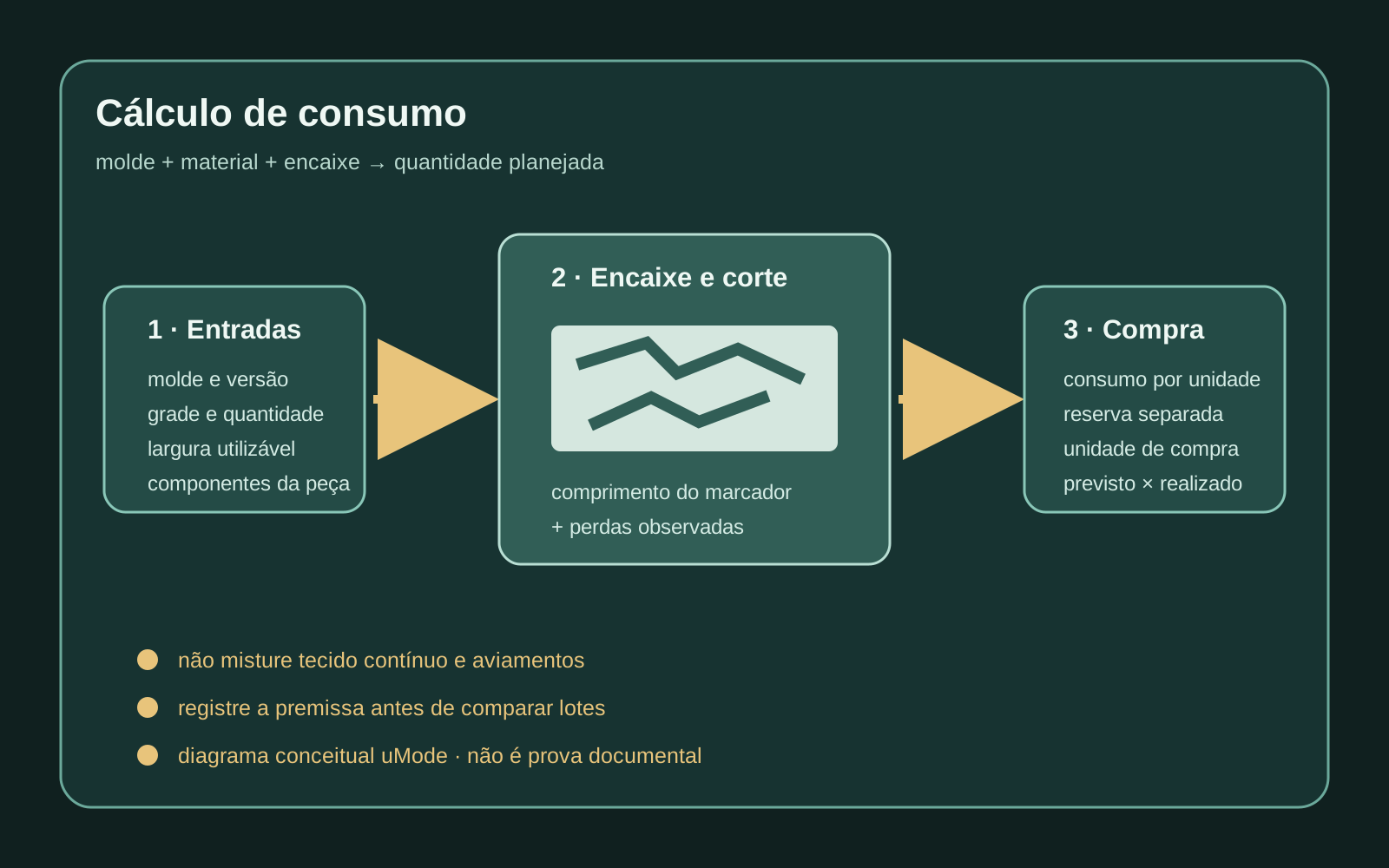
Material consumption calculation is the planned quantification of what one garment, a size range, or a production lot requires, tied to a product version and a unit of measure. In apparel, the useful question is not only “how many metres?” but “which material, for which size range, at which usable width, with which marker, and in which purchasing unit?” The answer should expose its assumptions so that the tech pack, garment patternmaking, and bill of materials (BOM) do not point to different versions.
The technical package is a relevant input for organizing materials and specifications; FIT describes construction documentation and a Technical Specifications Packet as part of Technical Design work. That gives the calculation a practical boundary: fabric, lining, interfacing, thread, label, zip, and button may all appear in the list, but they are not measured with one common scale. Continuous fabric calls for a length or mass measure; discrete trims call for a count, per-garment length, or packaging unit. This separation is an operating convention for control, not a claim that one number can settle every purchasing decision.
How can fabric consumption be calculated without hiding waste?
To calculate fabric usage, first lock the pattern and the size range represented by the marker. Then record the usable width, the direction required by the material, the marker or marker-area length, and the number of garments represented. Keep planned usage separate from observed waste and from any reserve chosen by the team. A review can then ask whether a difference came from the pattern, width, marker, defect, rework, or a lot change instead of putting everything under “consumption”.
The technical centre is the marker. Because fabric properties affect pattern development, sewing, finishing, and fit, keep the material and pattern version in the same record. Grading must also remain tied to the size range: FIT includes analysing a grading specifications sheet and grading basic patterns across a full size range without compromising the original design. For internal use, record the observed percentage with the product, marker, and waste definition rather than turning it into a universal target.
In cut-make-trim, pattern cutting, sewing, and the addition of trims are distinct operations. Therefore compare fabric consumption with component consumption instead of adding metres, kilograms, pairs, and units in one undifferentiated column. Cutting and sewing describes execution; quality control checks the result; the calculation documents planned quantity and the difference found.
How does the calculation support purchasing?
Purchasing becomes actionable when the result can be read by product, size, lot, supplier, and date. CottonWorks emphasizes sourcing cotton to meet product needs and finding suppliers that fit specifications. In the record, keep the material, usable width, declared composition, unit, quantity, pattern version, and reserve assumption in the same context. CottonWorks’ traceability description, from gin to mill, is a supply-chain reference for quality assurance; it does not replace inspection of the received lot.
After cutting, compare planned and actual usage with the same denominator. If planning is in metres per garment, do not compare it directly with an input in kilograms per roll without recording the conversion and measurement condition. If a purchase includes clean leftover material, keep it distinct from material rejected because of defects. If a component is bought by the box, record available pieces and pieces actually applied. These decisions make cost formation and collection management depend on legible data without turning the calculation into a guarantee of price or lead time.
The boundary with collection planning is deliberate: this page concerns the material quantity required by a product or lot; the neighbouring page concerns mix, calendar, and intent. Tech pack, BOM, pattern, marker, inspection, and purchasing connect in the graph while remaining different artefacts. The calculation is useful when every change makes clear what changed and which quantity became necessary.
Verified facts
- FIT Technical Design learning outcomes include developing and sewing production patterns and documenting how a garment is to be constructed for the manufacturer.
Source: fitnyc.edu ↗ - FIT connects pattern development, construction, fitting, and creation of a Technical Specifications Packet.
Source: fitnyc.edu ↗ - FIT includes measuring a variety of garments and becoming familiar with different measurement methods used in the industry.
Source: fitnyc.edu ↗ - FIT connects the properties of different fabric types to pattern development, sewing, finishing, and fit.
Source: fitnyc.edu ↗ - FIT includes analyzing a grading specifications sheet and grading basic patterns in a full size range without compromising the original design.
Source: fitnyc.edu ↗ - CottonWorks says that sourcing cotton to meet product needs is important for delivering the desired final product and finding suppliers that fit specifications.
Source: cottonworks.com ↗ - CottonWorks states that U.S. cotton is traceable from the gin to the mill and links that traceability to quality assurance.
Source: cottonworks.com ↗ - The ILO describes the textiles, apparel, leather, and related products sector as geographically dispersed and shaped by dynamic market-driven transformations.
Source: ilo.org ↗
Related entries
Apparel bill of materials (BOM)
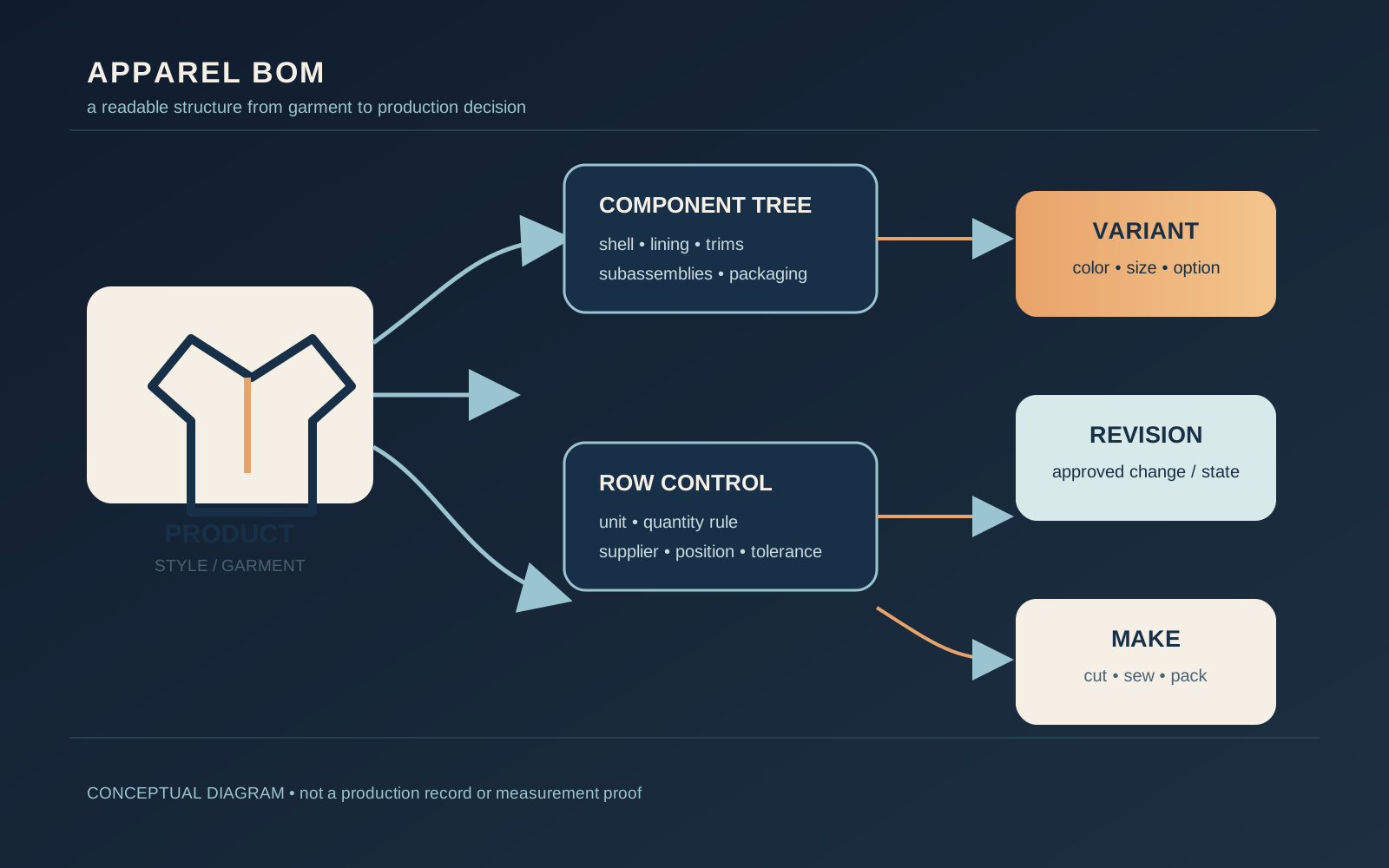
Apparel bill of materials (BOM). An apparel bill of materials organizes the component structure of a garment: raw materials, parts, components, subassemblies, and the quantities needed to make the product. For a collection, it should separate hierarchy, variant, and revision so it is not mistaken for calculated consumption, available inventory, or accounting cost.
Garment patternmaking
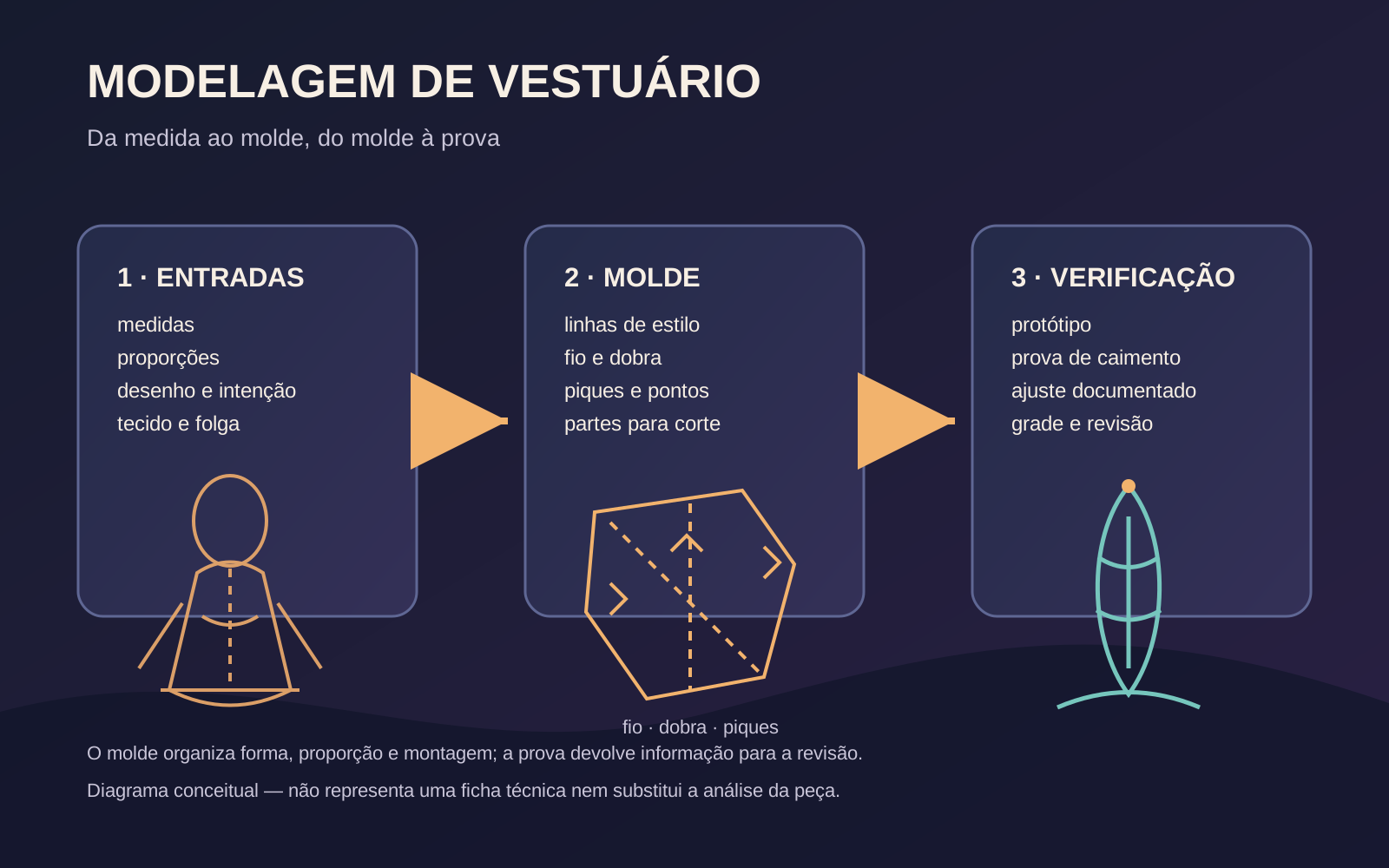
Garment patternmaking is the technique of turning measurements, proportions, and design intent into patterns used to cut and assemble a garment. It connects a block, flat pattern construction or draping with fabric information, production markings, fitting, alterations, and grading; the result is a testable development basis, not an automatic guarantee of fit.

Fashion product technical specification
A technical specification is the controlled information set that translates an approved fashion product into verifiable sampling and manufacturing requirements. It brings together drawings, materials, measurements, construction, tolerances, identification, labelling, comments and revision history; its content varies by category, company, market and stage.
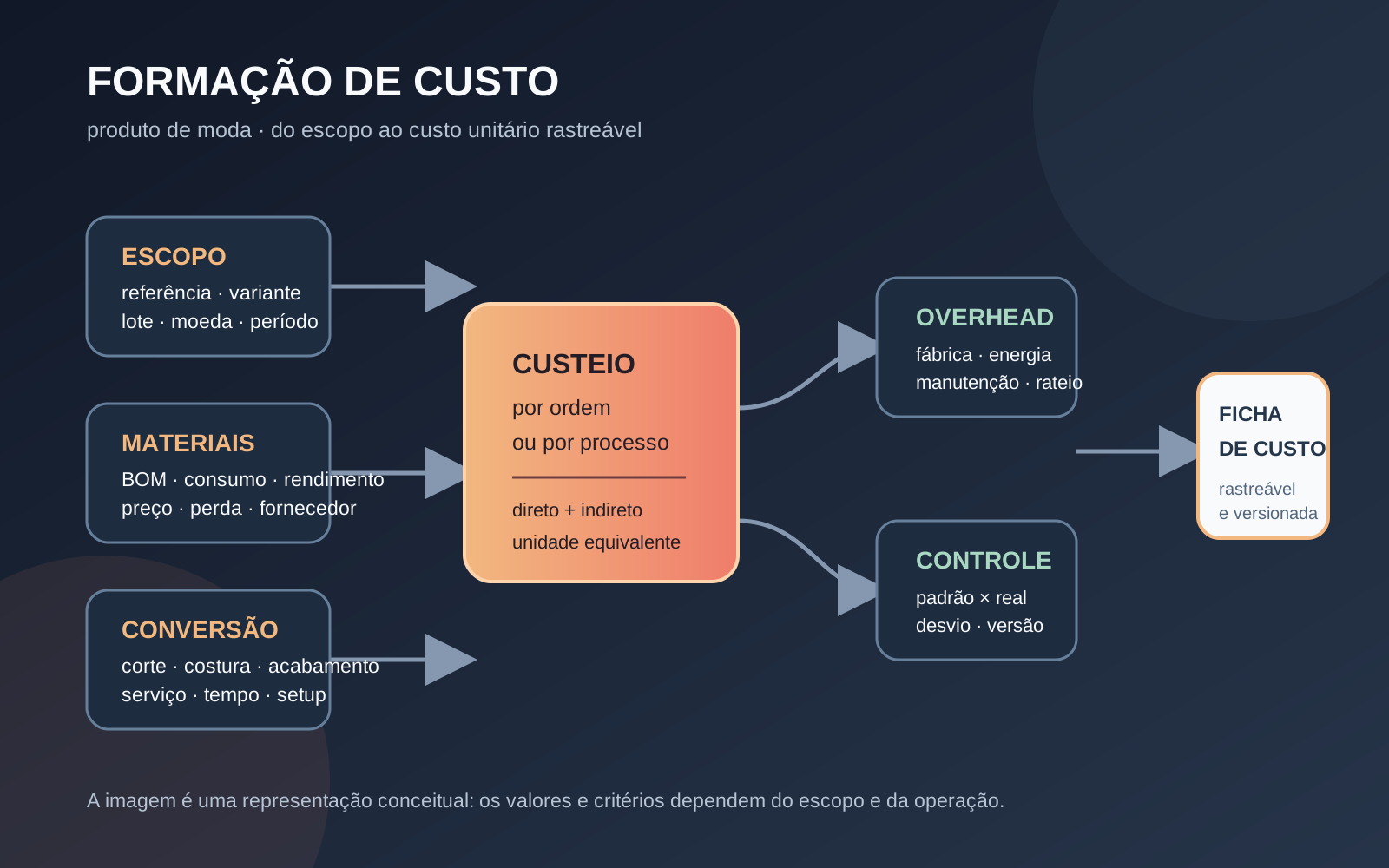
Fashion Product Cost Formation
Fashion product cost formation is the process of identifying, measuring, and assigning resources consumed by a garment, variant, or batch within a stated scope. It combines materials, conversion, waste, services, and overhead in a versioned cost sheet while distinguishing manufacturing cost, landed cost, and selling price.
Sources
Want to apply this to your operation?