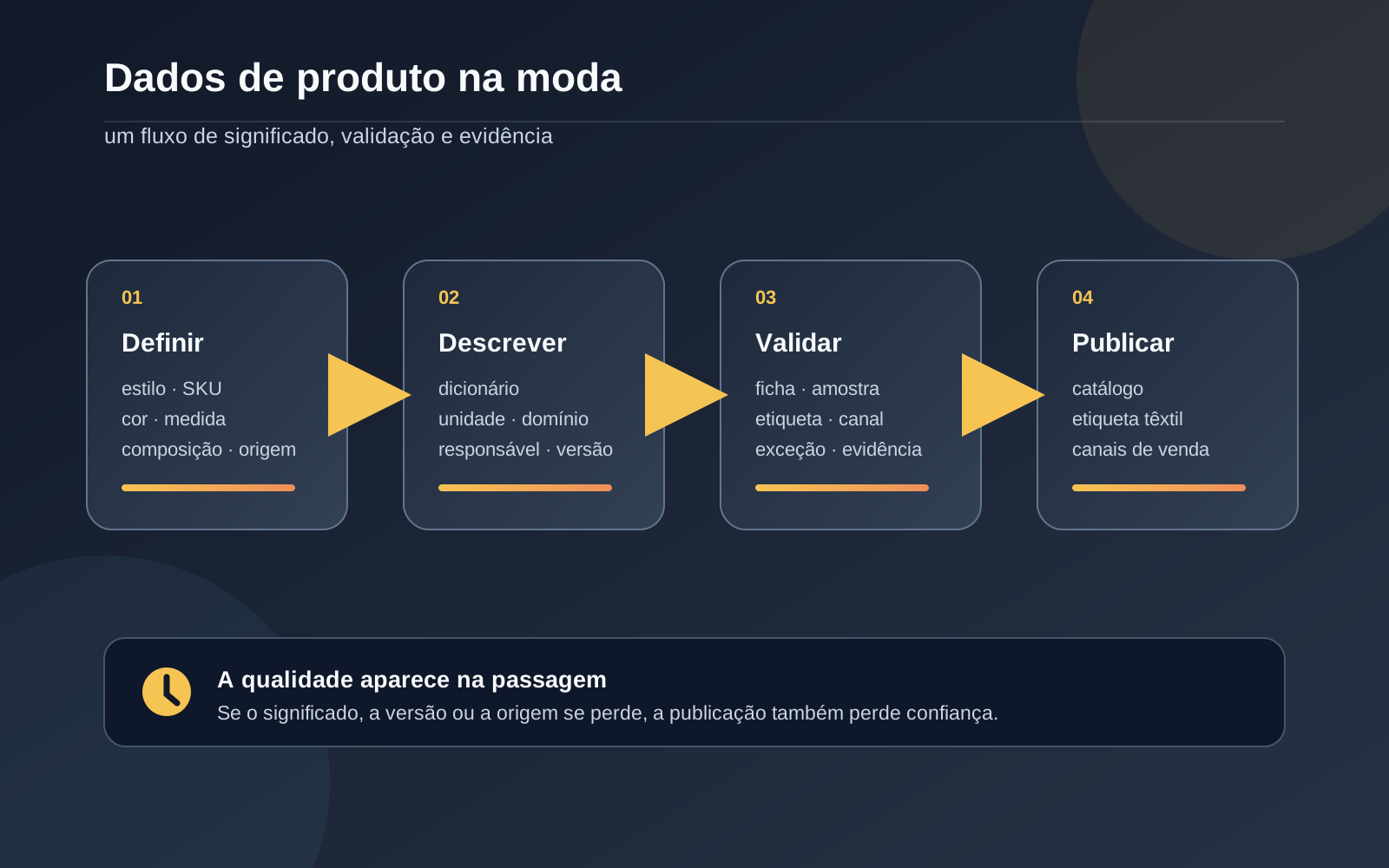
How to handle a fashion supplier delay
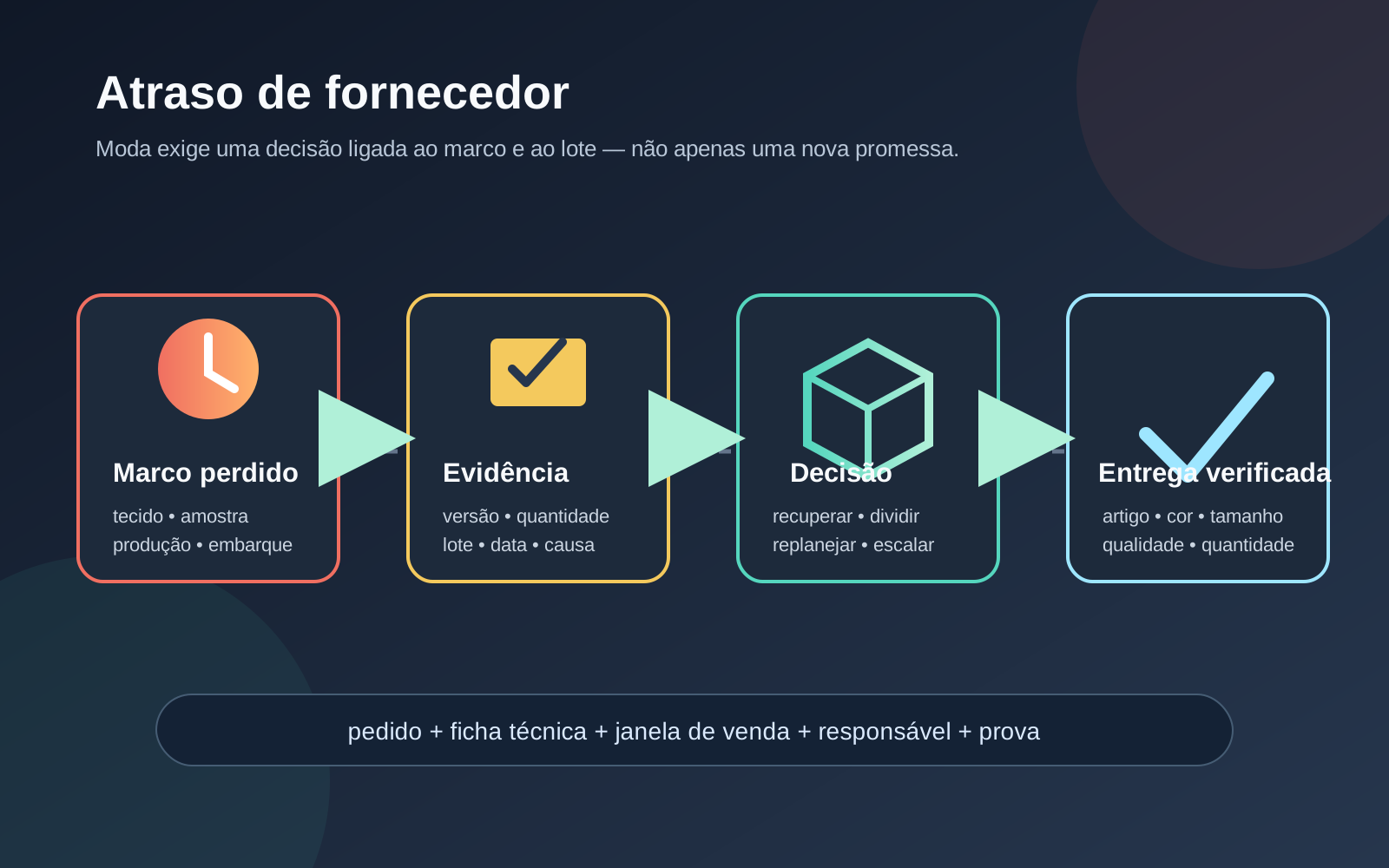
How to handle a fashion supplier delay. Handling a fashion supplier delay means locating the missed milestone, confirming its cause with evidence, and choosing whether to recover, split, or replan the order. The control record should connect style, colour, size, tech pack, sample, material, quantity, promised date, and selling window.
On this page
What is How to handle a fashion supplier delay?
A fashion supplier delay is a missed agreed date at a concrete milestone such as fabric arrival, sample approval, cutting, sewing, finishing, inspection, or shipment. Do not treat “late” as a diagnosis: record the order, style, colour, size, current tech-pack version, quantity, promised milestone, completed milestone or new forecast, and effect on the selling window.
CIPS recommends assessing supplier capability, measuring performance during the contract, identifying challenges together, and keeping the right contact levels. In fashion operations, that turns a loose chase into a traceable case: one person confirms the event, another assesses the impact, and the supplier answers for the stage it controls. A raw-material delay should not be mixed with an internal approval delay or transport delay.
How can the delay be investigated before the next decision?
Start with a timeline for the style, not with a generic promise. Compare the agreed lead time with the current tech pack, sample-approval date, material availability, released quantity, and last evidenced production event. Ask for evidence suited to the milestone: receipt confirmation, an identifiable lot photo, an inspection record, a transport document, or a production update. Mark each item as confirmed, supplier-reported, or still unknown.
Then separate three questions: which milestone failed; which cause is demonstrated; and what consequence reaches the collection. CIPS’s capability assessment and performance monitoring support comparison between the promise and the work actually completed. Use OTIF only with a defined denominator and scope: an order, line, lot, and delivery are not the same unit. If evidence changes, preserve the previous version and record who changed the forecast.
Should the order be recovered, split, or replanned?
The decision should name a verifiable outcome, an owner, and a closing condition. Recover the lot when the revised date still protects the selling window and quality can be checked; split it when a useful partial shipment can be identified by style, colour, size, and quantity; replan when the new date makes the window unworkable. Do not accept acceleration that removes inspection, hides subcontracting, or changes the tech pack without approval.
Sharing forecasts and discussing alternative specifications or components can help remove costs, according to CIPS; in fashion, any substitution of fabric, trim, finish, or packaging needs documented approval before becoming a decision. The point person should update quality control, supplier qualification, and the collection calendar without deleting the original cause. A new date closes the case only when milestone, quantity, owner, and delivery evidence exist.
The response must also protect people. The ILO classifies forced labour as a severe violation of human rights, and ETI says its Base Code contains clauses based on relevant ILO conventions. Pressure for a deadline does not authorise coercive work, document retention, abusive recruitment charges, or unsafe conditions. If a labour-risk signal appears, record it as a risk separate from the delay and route appropriate due diligence; fast delivery is not proof of compliance.
How can the next collection avoid repeating the delay?
Close the episode with a comparable review: original milestone, demonstrated cause, internal changes, affected quantity, observed quality, actual date, decision cost, and preventive action. Link the record to the supplier, production unit, style, and tech-pack version. CIPS places trust, transparency, information, risk, and communication in the same relationship picture; an isolated metric therefore cannot replace the case history or a capacity conversation.
Use tech pack, sample approval, lead time, and OTIF as connected concepts, not synonyms. The aim is for the next negotiation to begin with comparable facts: what was promised, what changed, what evidence existed, and which decision best protected the collection.
Verified facts
- CIPS defines supplier relationship management as managing and maintaining the relationship between a buyer and supplier.
Source: cips.org ↗ - CIPS recommends assessing a supplier's capability to meet contractual needs.
Source: cips.org ↗ - CIPS recommends measuring supplier performance during the contracting period.
Source: cips.org ↗ - CIPS recommends working with a supplier to identify challenges and improve the working relationship.
Source: cips.org ↗ - CIPS connects trust, transparency, information sharing, risk management, and communication with the buyer-supplier relationship.
Source: cips.org ↗ - CIPS says that sharing forward forecasts can open discussion to remove cost from production or other supply-chain areas.
Source: cips.org ↗ - The ILO classifies forced labour as a severe violation of human rights.
Source: ilo.org ↗ - The ILO says forced labour affects people in all countries and economic sectors.
Source: ilo.org ↗ - The ILO reports that 63% of forced labour occurs in the private economy.
Source: ilo.org ↗ - ETI says its Base Code contains nine clauses reflecting relevant International Labour Organization conventions on labour practices.
Source: ethicaltrade.org ↗
Related entries
Fashion Supplier Qualification
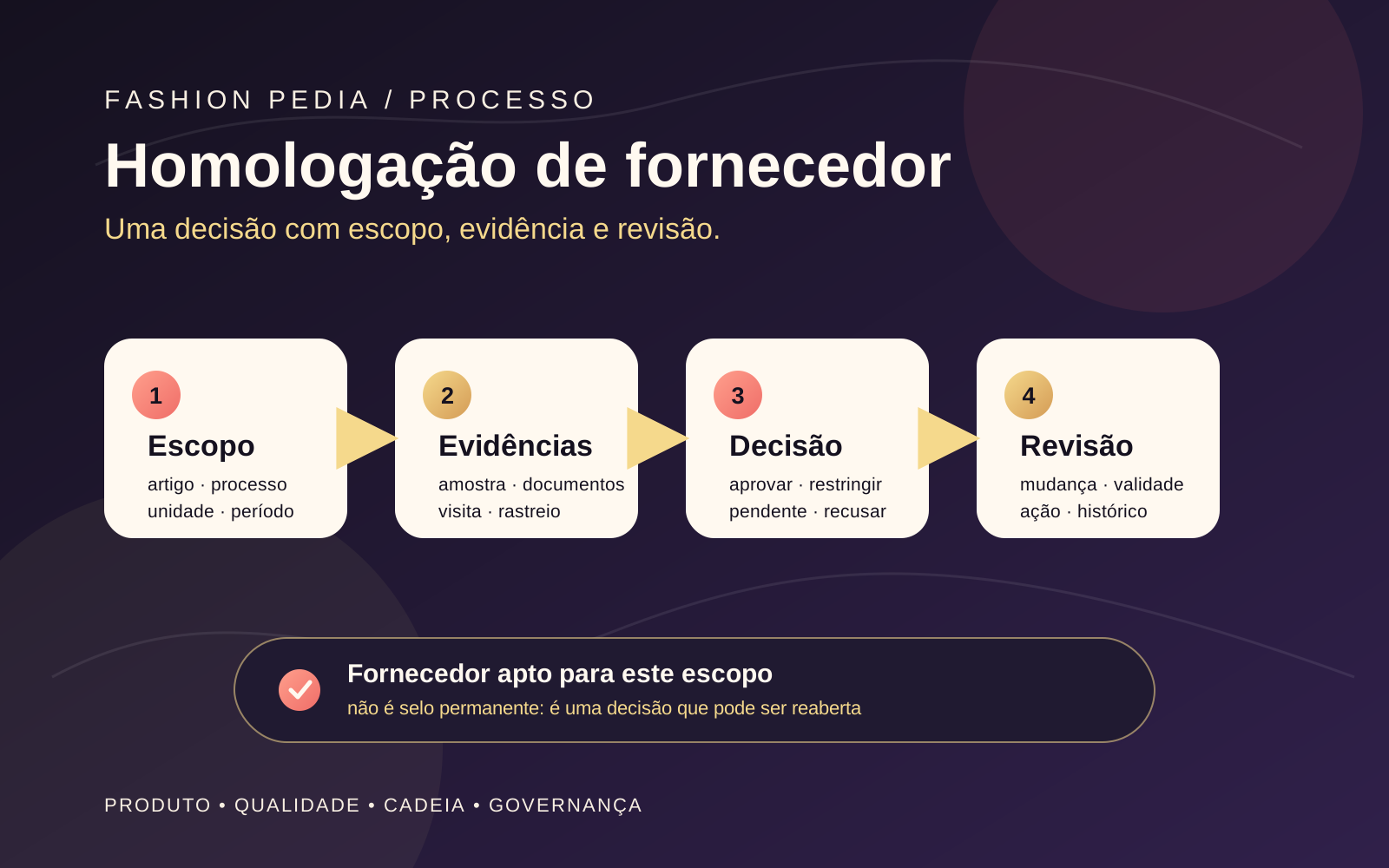
Fashion supplier qualification is the process of deciding, for a defined scope, whether a company can be used with explicit requirements, evidence, responsibilities and review points. In fashion, the decision should connect development, quality, purchasing, production and traceability without confusing a vendor record, a certificate or a single order with permanent approval.
Lead time in the fashion supply chain
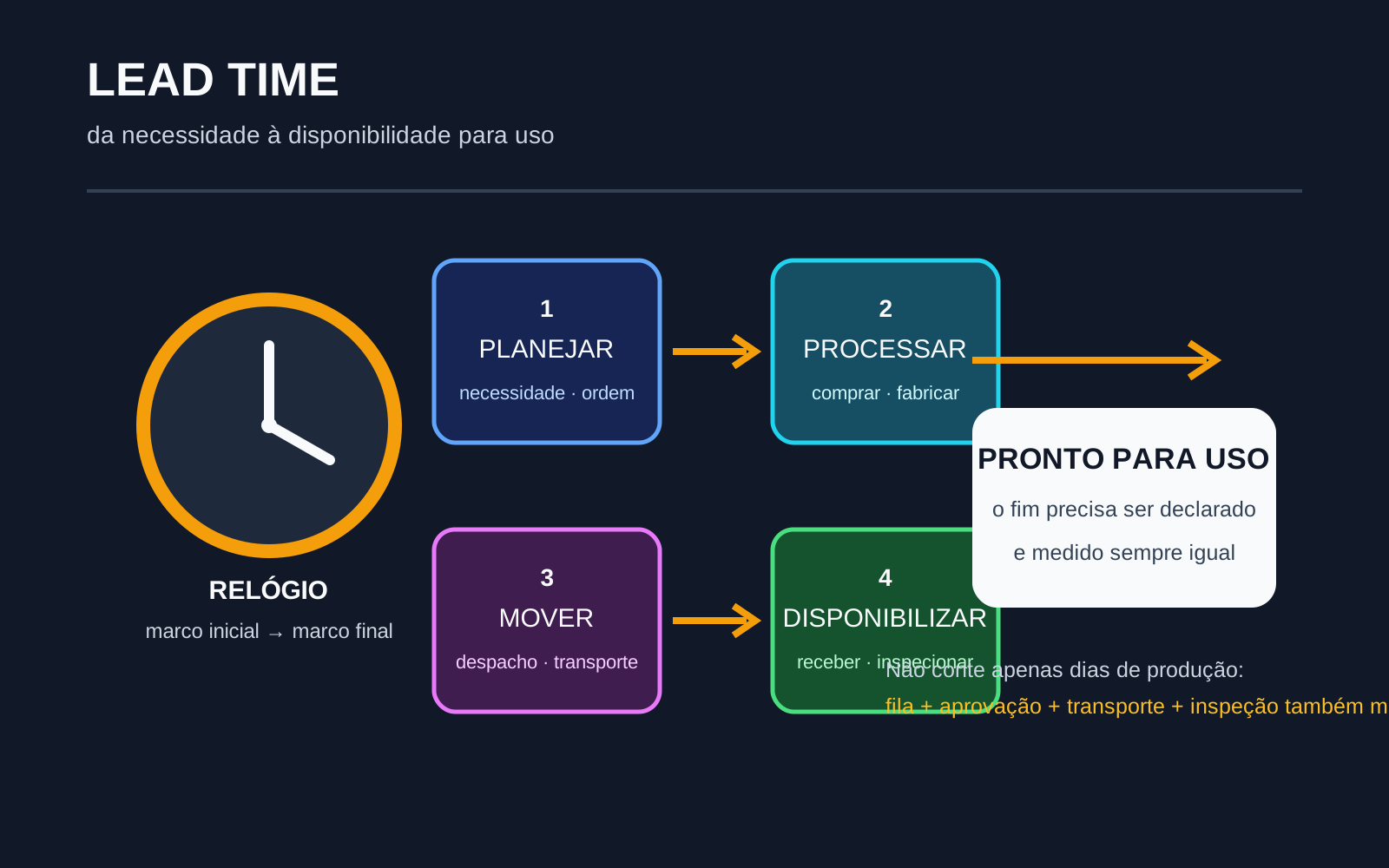
Lead time in the fashion supply chain. Lead time in a fashion supply chain is the elapsed time between defined operational milestones, such as ordering and receipt or design and production. A useful measure states its object, start, end, waiting periods, calendar, unit and availability condition.
OTIF in the fashion supply chain
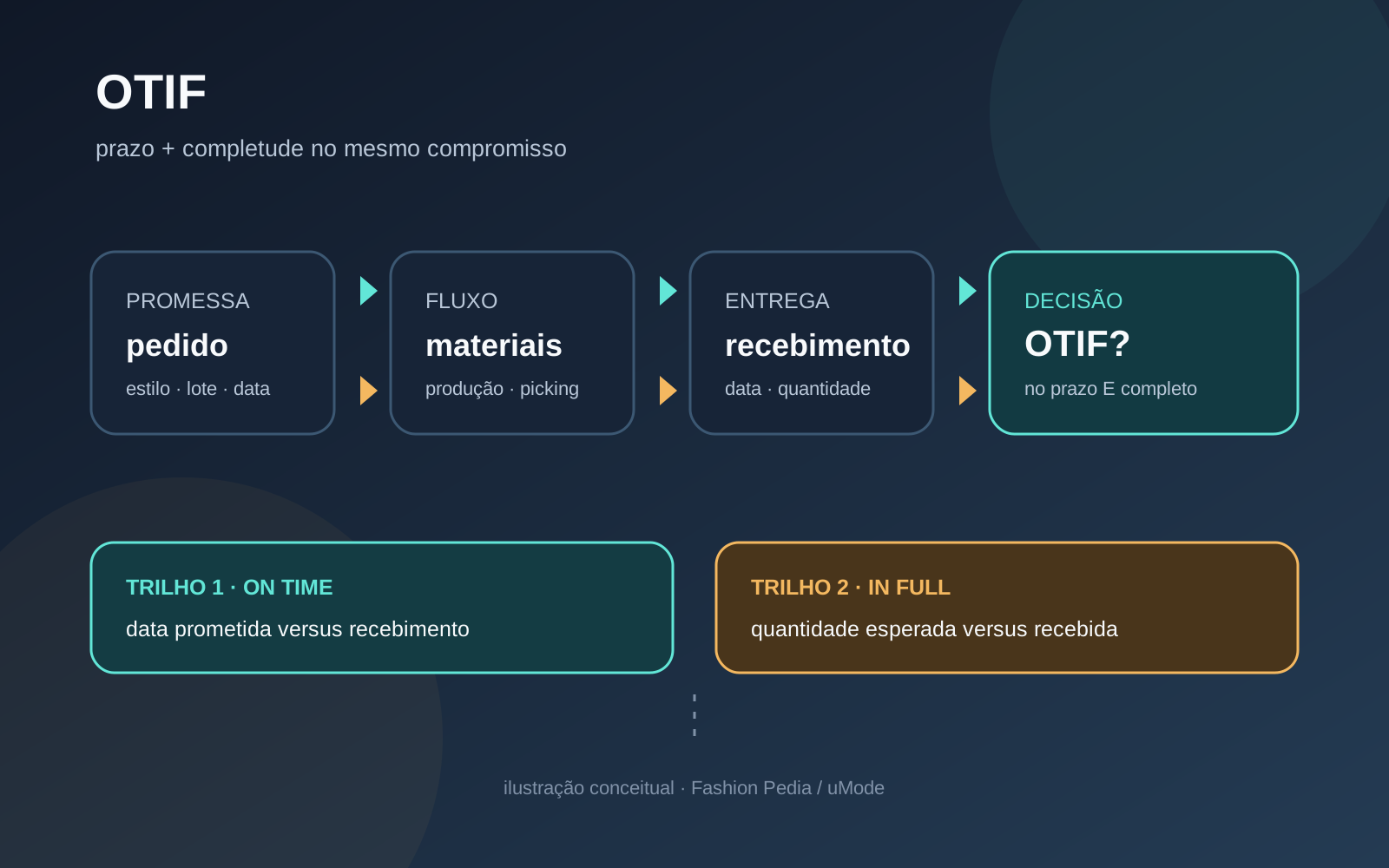
OTIF in the fashion supply chain. OTIF (on-time in-full) measures whether an order arrives on the agreed date with all expected items or quantities. In fashion, it can be applied to finished-goods orders, materials, or internal stages when the measured event, delivery window, and completeness rule are explicit.

Fashion product technical specification
A technical specification is the controlled information set that translates an approved fashion product into verifiable sampling and manufacturing requirements. It brings together drawings, materials, measurements, construction, tolerances, identification, labelling, comments and revision history; its content varies by category, company, market and stage.
Fashion sample approval
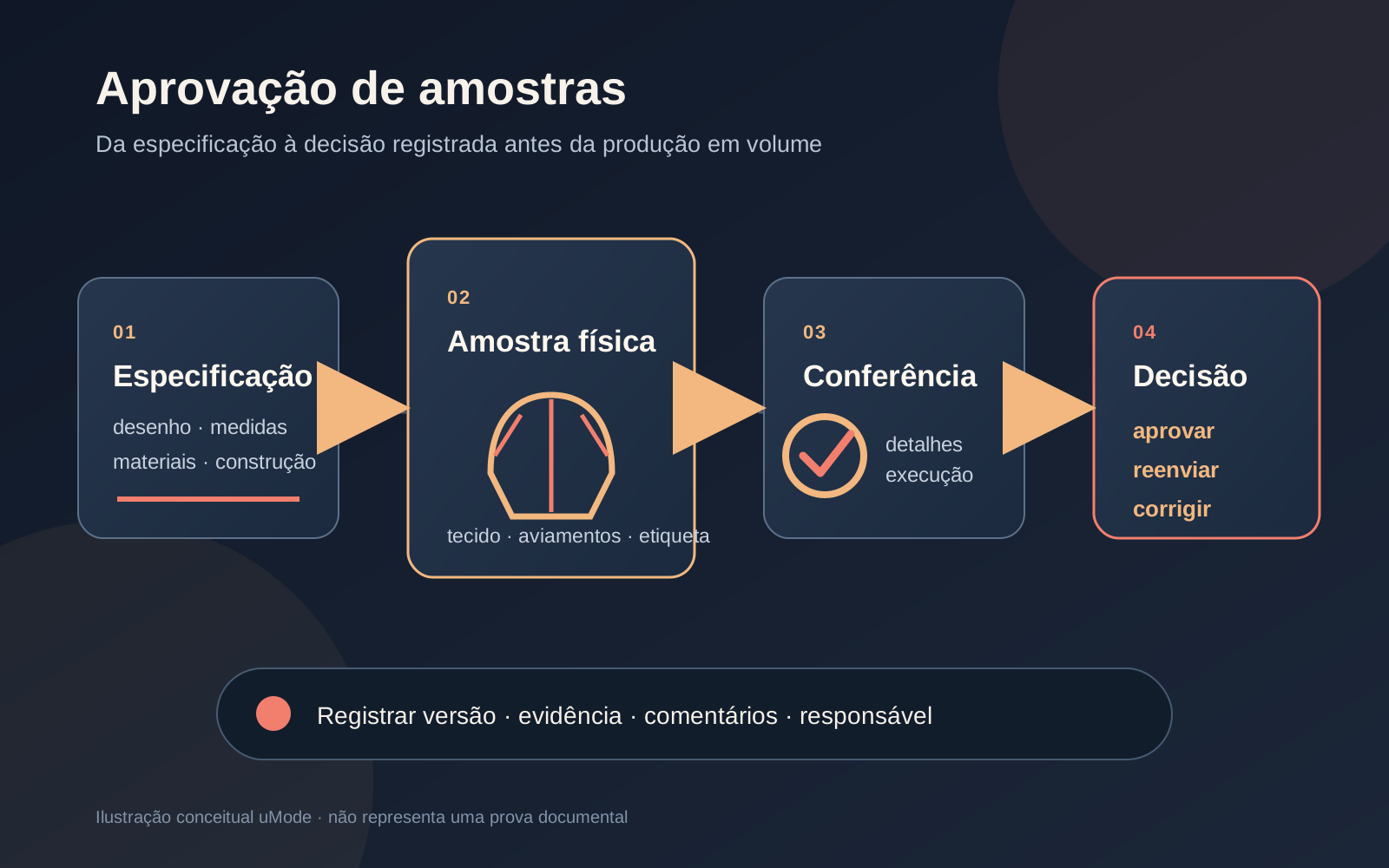
Fashion sample approval is the process of comparing a physical sample with documented requirements for style, materials, construction and identification, recording deviations and deciding whether the garment can proceed, needs resubmission or requires correction before volume production.

Apparel quality control
Apparel quality control combines specifications, inspection, and testing to check whether fabrics, trims, and garments meet the expected performance for a product and end use. The process can examine color, drape, hand, durability, conformance, defects, fit, seam integrity, shrinkage, and drying performance. Quality decisions depend on the product and its intended use.
Sources
Want to apply this to your operation?