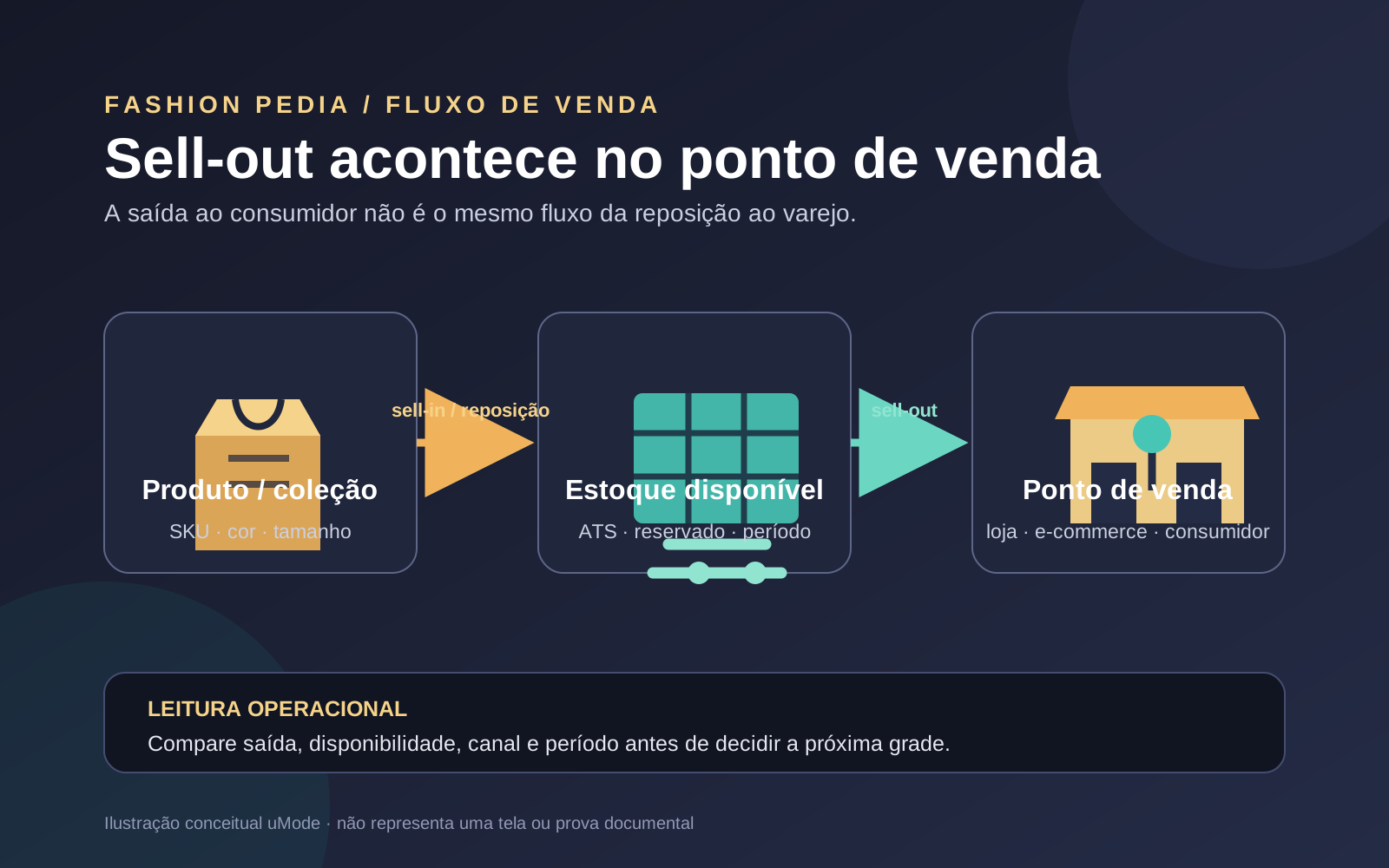
RFQ in the fashion supply chain
RFQ in the fashion supply chain. An RFQ (Request for Quotation) is a process for requesting and comparing quotations against the same product, service, or material scope. In fashion, it turns garment, fabric, trim, or finishing requirements into a response-ready request, separates price from capacity and timing, and records which requirement version supported the decision.
On this page
What is RFQ in the fashion supply chain?
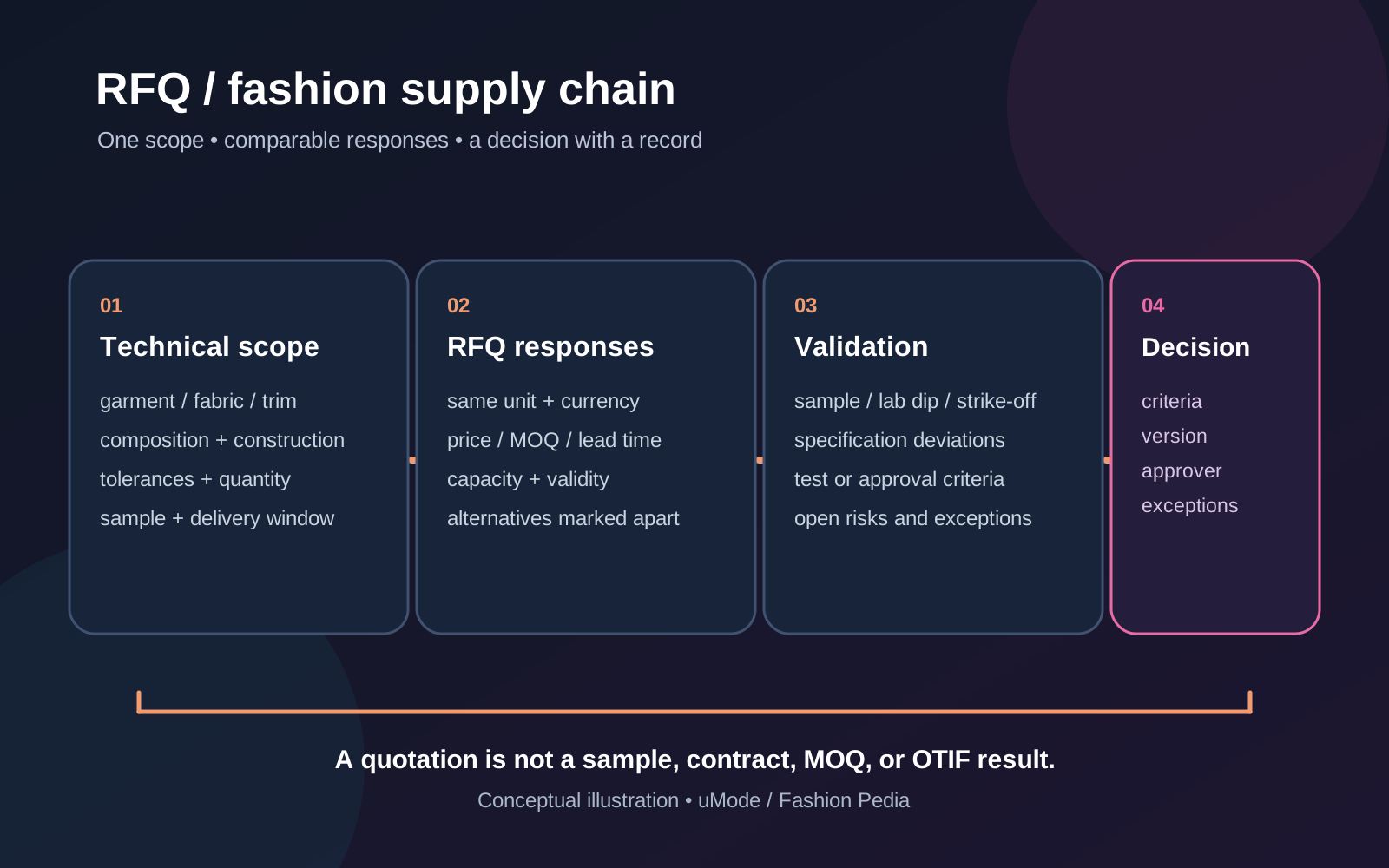
An RFQ is a request for quotation against a defined scope. In fashion, that scope can be a garment, fabric, trim, print, laundry treatment, or embroidery service. The question sent to each supplier should be the same: what price, timing, capacity, and conditions can the supplier offer for that requirement version? An RFQ is a purchasing object; it is not the same as a technical specification, tech pack, MOQ, or purchase order.
The first discipline is to separate a design principle from the applicable legal rule. FAR, a United States public-procurement reference, advises considering the nature of the article or service and the level of competition before requesting quotations. It also advises stating whether the selection will use price alone or price combined with factors such as quality and past performance. For a fashion team, that becomes an explicit form decision: which requirements are eliminators, which criteria are comparable, and which points will be validated later through a sample or contract.
How should an RFQ cover a garment, material, or service?
Start with the buying unit and requirement version. For a T-shirt, an RFQ sheet may record composition, construction, weight, measurements, tolerances, colour, finish, packing, size range, and delivery window. For fabric or trims, add usable width, yield, price unit, minimum per colour, and replenishment terms. For printing, laundry, or embroidery, separate what the brand supplies from what the service provider must execute. These fields make the question answerable; they are not a universal RFQ standard.
Then ask for comparable response fields: price per unit and volume bands, MOQ, sample lead time, production lead time, available capacity, quotation validity, currency, taxes, freight, payment, and exceptions. If an alternative material or construction is proposed, ask the supplier to label it as an alternative rather than mixing it into the base response. When a BOM, lab dip, strike-off, or test criterion is needed, record it as an attachment or validation milestone, not as an implicit detail.
UNCITRAL describes principles of objectivity, fairness, competition, integrity, and transparency and mentions techniques such as e-procurement and framework agreements. The Department for Education, in guidance applying to England, recommends defining what will be bought and how much will be spent, then identifying the buying route permitted by the rules. In fashion operations, this sequence helps distinguish development, recurring production, replenishment, and finishing services. The public sources do not turn those principles into a rule for private purchasing.
How should responses be compared and the decision recorded?
Normalise scope, unit, currency, timing, and assumptions before comparing. A matrix can separate price, development cost, MOQ, capacity, sample date, production date, stated Incoterm, specification deviation, validation result, and commercial condition. The comparison should point to the RFQ sent, the version answered, the suppliers considered, the criteria used, the approver, and open exceptions. If the specification changes materially, open a new round or record why the previous round remains comparable.
CIPS defines supplier relationship management as maintaining the relationship between buyer and supplier according to the criticality of the goods or service. For the post-quotation stage, it recommends assessing capability, measuring performance during the contract, working together on challenges, and maintaining suitable contact. This places the RFQ before supplier qualification and the purchase order: a quotation states a proposed condition, while approval and execution require their own controls.
CIPS also describes a spectrum that considers trust, transparency, information sharing, risk, and communication. A one-off quotation can therefore remain transactional, while a critical material or recurring supplier may require more information, alignment, and review. That is a design recommendation, not a promise of lower cost or availability.
Which confusions should a fashion RFQ avoid?
An RFQ is not a technical specification: the specification describes the product; the RFQ requests a condition for supplying it. An RFQ is not MOQ: MOQ is a parameter that enters the response or negotiation. An RFQ is not a contract: the quotation may feed negotiation, but responsibilities, quality, changes, lead time, and delivery conditions need their own instrument. An RFQ is not OTIF either: OTIF tracks an execution dimension defined by the company; the RFQ records a proposed condition.
Do not hide differences behind an average. Record rejected proposals, gaps, pending samples, and decision reasons. A fashion RFQ is useful when it connects technical requirement, supplier response, sourcing risk, and collection decision without confusing those objects. Technical specification, tech pack, BOM, supplier qualification, lead time, and OTIF remain related but distinct parts of the process.
Verified facts
- FAR guidance says to consider the nature of the article or service and whether it is competitive and available from several brands before requesting quotations.
Source: acquisition.gov ↗ - FAR guidance says to tell potential suppliers whether the award will use price alone or price combined with other factors such as past performance and quality.
Source: acquisition.gov ↗ - UNCITRAL presents procurement procedures and principles aimed at value for money and avoiding abuse, promoting objectivity, fairness, participation, competition, integrity, and transparency.
Source: uncitral.un.org ↗ - UNCITRAL includes e-procurement and framework agreements among modern commercial techniques and provides procedures for standard, urgent, simple, and complex procurement.
Source: uncitral.un.org ↗ - CIPS defines supplier relationship management as managing and maintaining the relationship between a buyer and supplier according to the criticality of the goods or services.
Source: cips.org ↗ - CIPS recommends assessing supplier capability, measuring performance during the contract, working together on challenges, and maintaining appropriate contact levels.
Source: cips.org ↗ - The CIPS relationship spectrum considers trust, transparency and information sharing, risk management and mitigation, and communication.
Source: cips.org ↗ - The Department for Education advises identifying buying routes permitted by applicable rules after defining what will be bought and how much will be spent.
Source: gov.uk ↗
Related entries

Fashion product technical specification
A technical specification is the controlled information set that translates an approved fashion product into verifiable sampling and manufacturing requirements. It brings together drawings, materials, measurements, construction, tolerances, identification, labelling, comments and revision history; its content varies by category, company, market and stage.
MOQ in the fashion supply chain
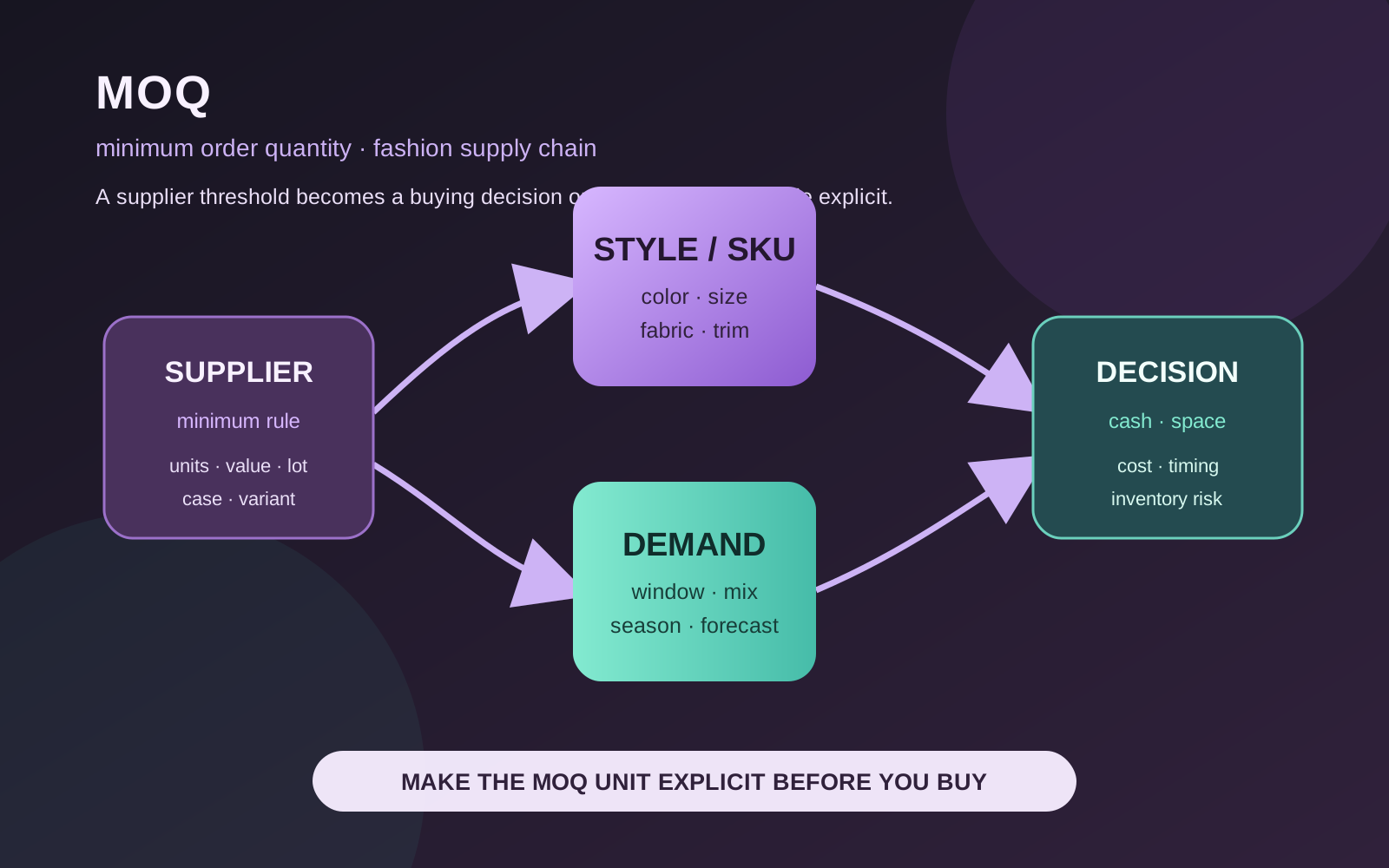
MOQ in the fashion supply chain. MOQ (minimum order quantity) is the smallest quantity a supplier accepts in a single order. In fashion, the rule is useful only when it states whether the threshold applies to a style, SKU, color, size, material, lot, case, or order value, and when it is tested against demand, cash, space, and leftover-stock risk.
Fashion Supplier Qualification
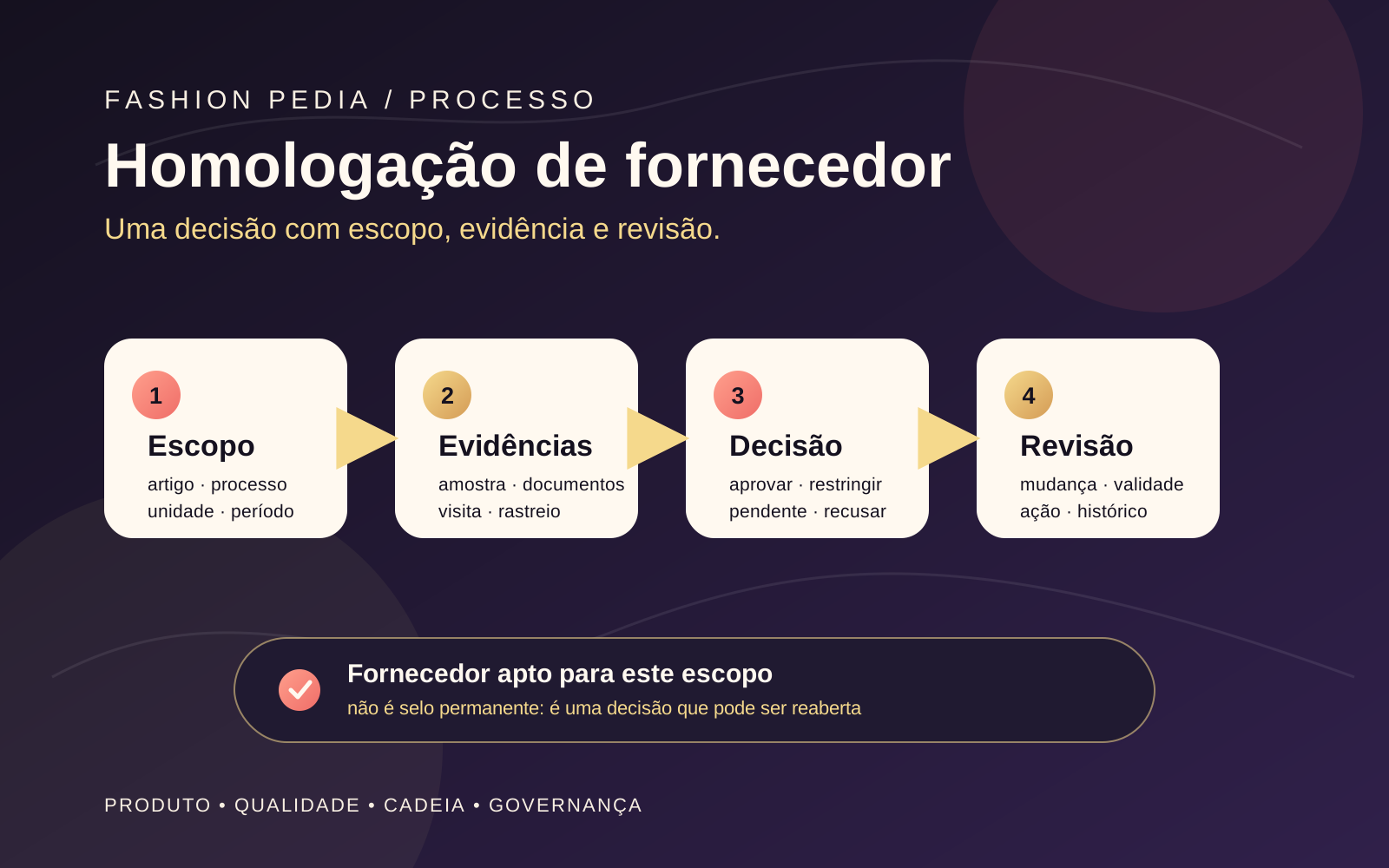
Fashion supplier qualification is the process of deciding, for a defined scope, whether a company can be used with explicit requirements, evidence, responsibilities and review points. In fashion, the decision should connect development, quality, purchasing, production and traceability without confusing a vendor record, a certificate or a single order with permanent approval.
Lead time in the fashion supply chain
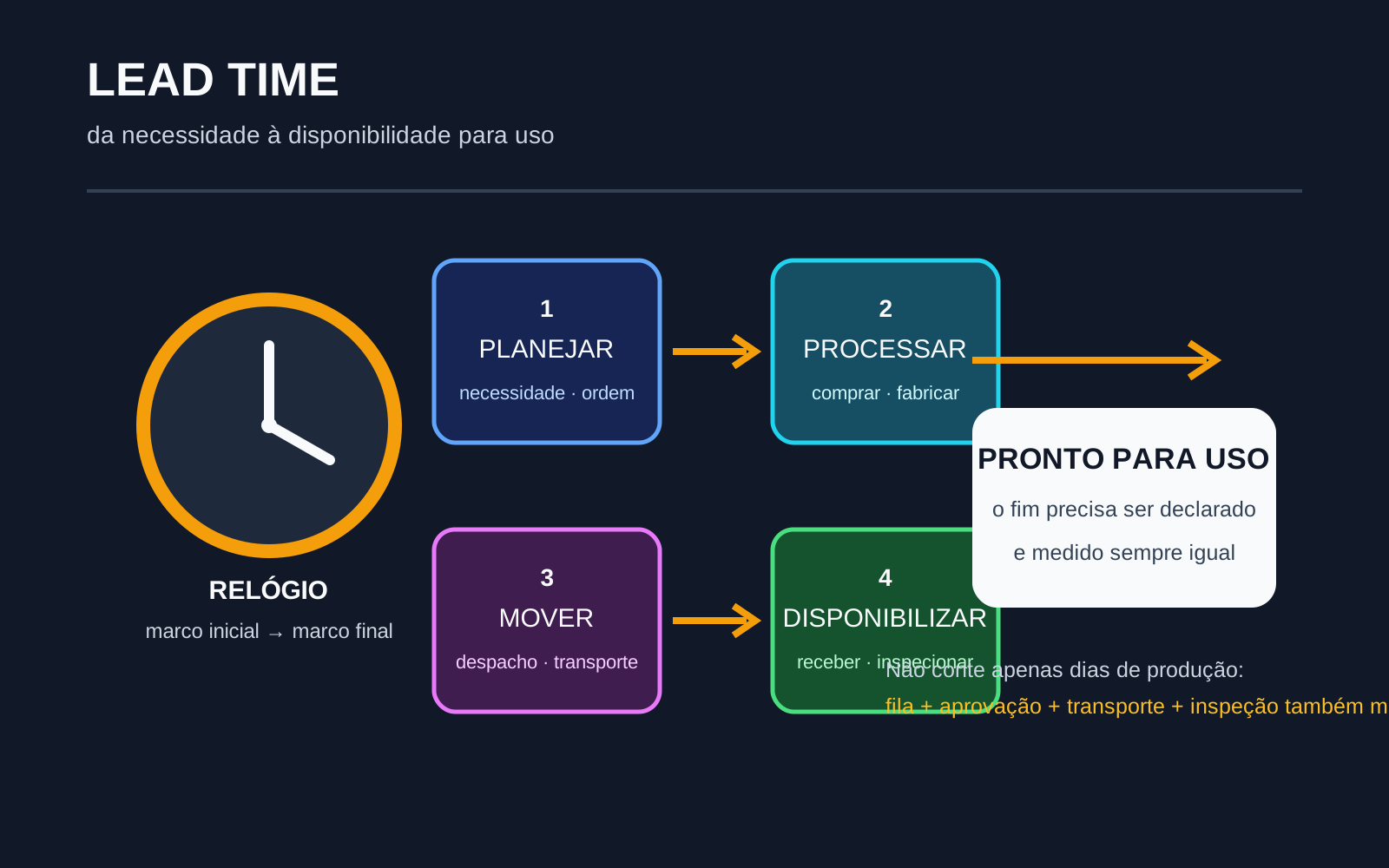
Lead time in the fashion supply chain. Lead time in a fashion supply chain is the elapsed time between defined operational milestones, such as ordering and receipt or design and production. A useful measure states its object, start, end, waiting periods, calendar, unit and availability condition.
OTIF in the fashion supply chain
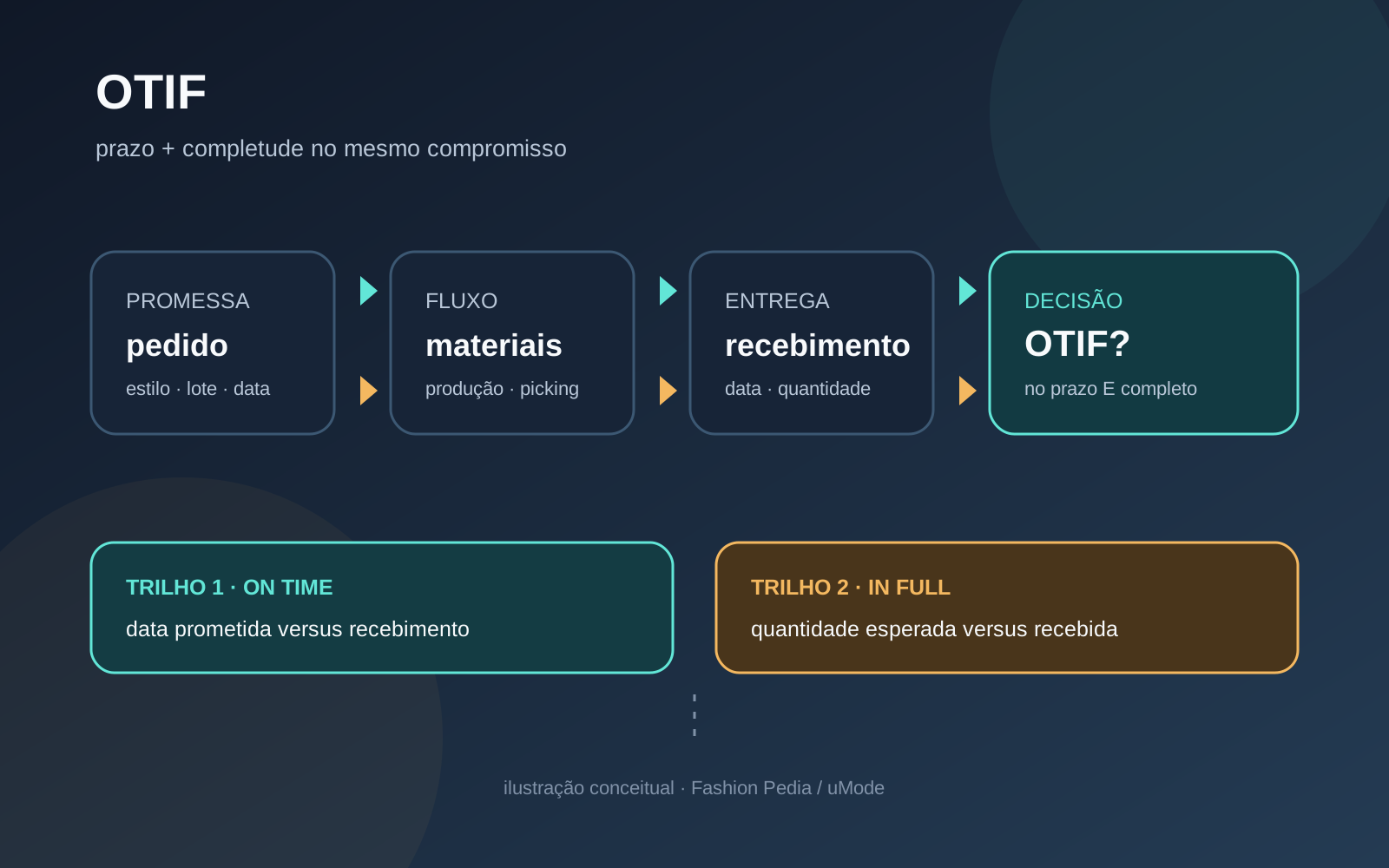
OTIF in the fashion supply chain. OTIF (on-time in-full) measures whether an order arrives on the agreed date with all expected items or quantities. In fashion, it can be applied to finished-goods orders, materials, or internal stages when the measured event, delivery window, and completeness rule are explicit.
Purchase order in the fashion industry
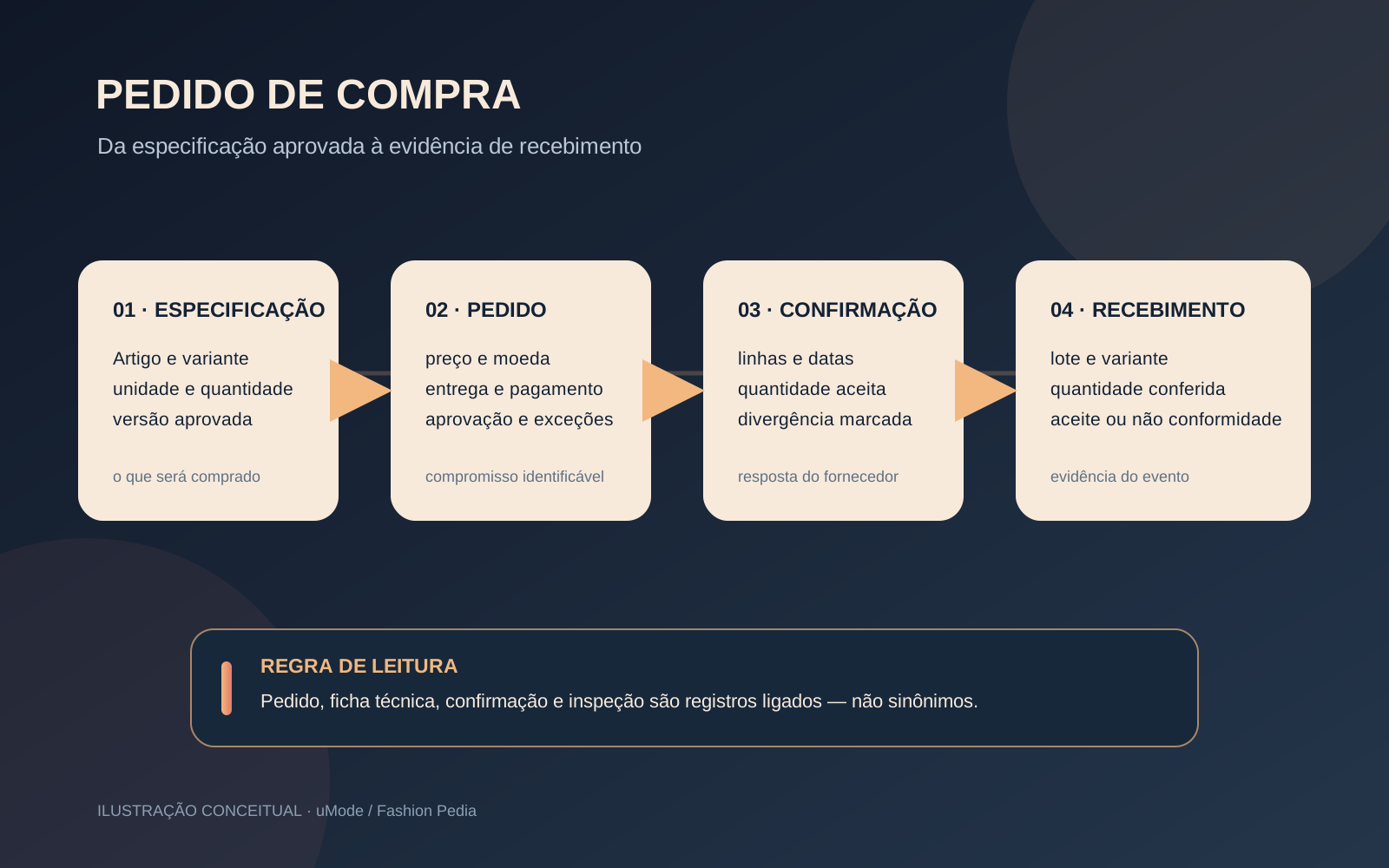
Purchase order in the fashion industry. A purchase order is the document through which a buyer requests goods or services and records conditions such as price and payment. In fashion, it works best when it connects style, variant, specification, quantity, delivery and receiving criteria to an approved decision, without replacing the technical specification or inspection.
Apparel bill of materials (BOM)
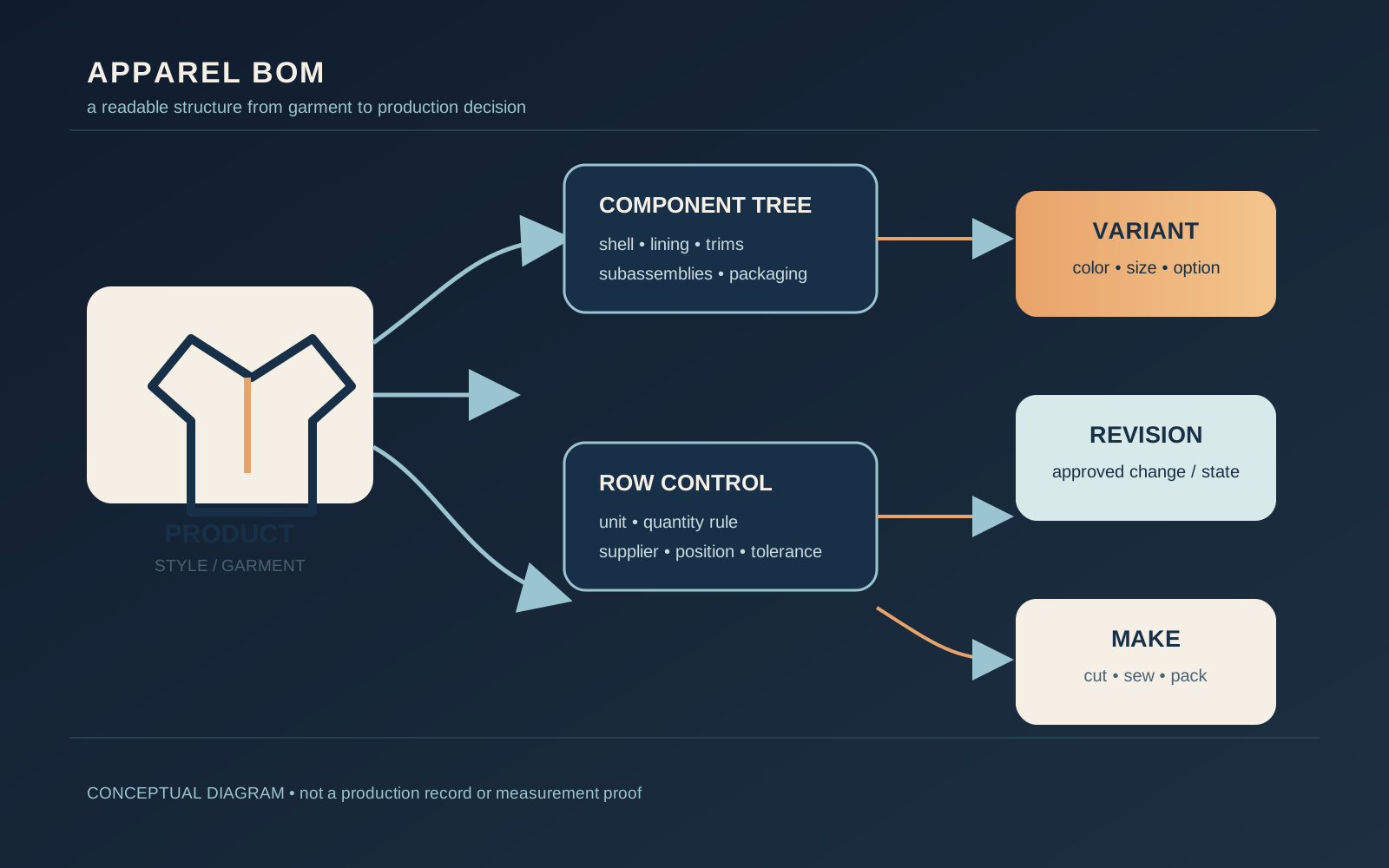
Apparel bill of materials (BOM). An apparel bill of materials organizes the component structure of a garment: raw materials, parts, components, subassemblies, and the quantities needed to make the product. For a collection, it should separate hierarchy, variant, and revision so it is not mistaken for calculated consumption, available inventory, or accounting cost.
Sources
Want to apply this to your operation?