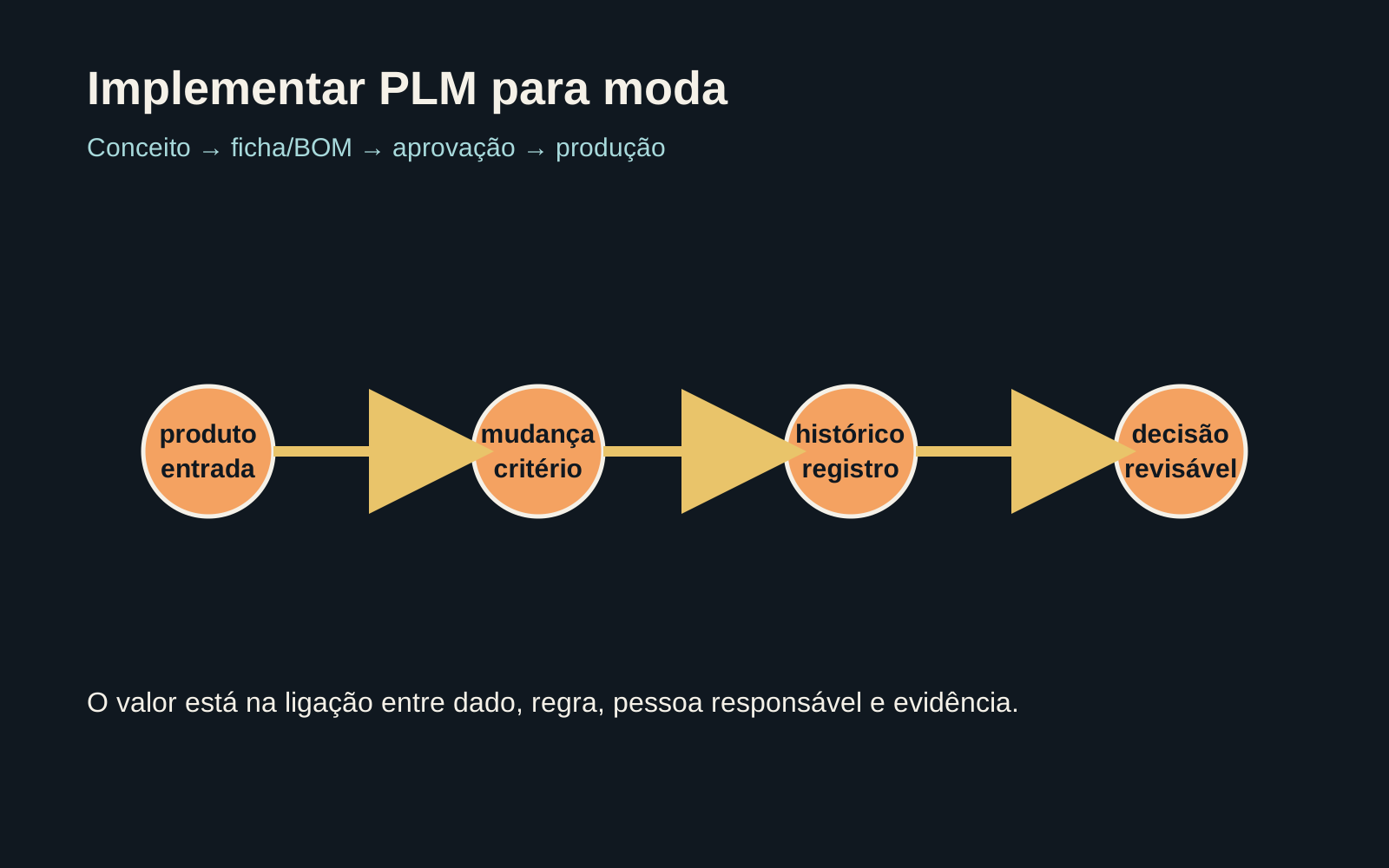
How to take an AI pilot to production
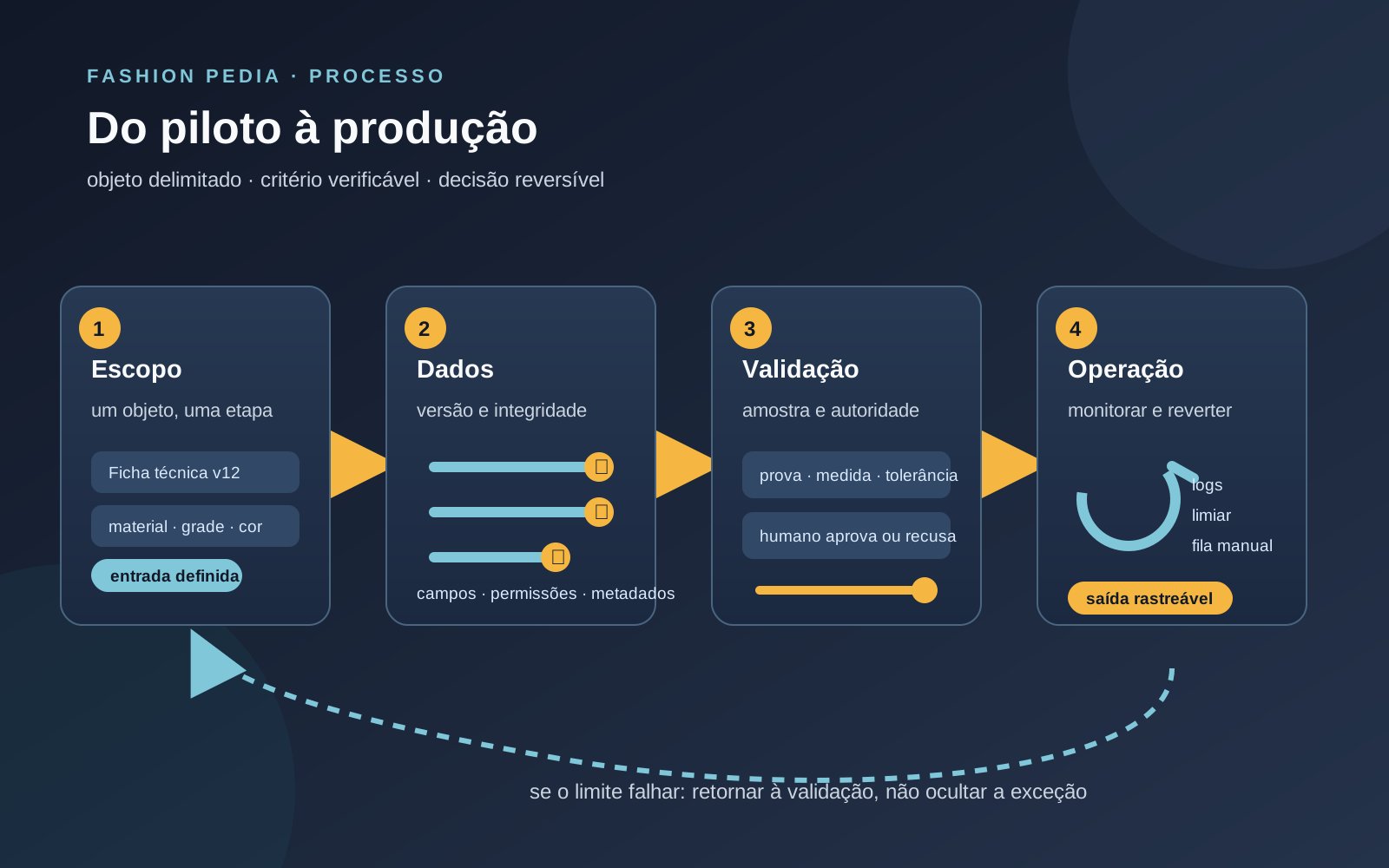
How to take an AI pilot to production means turning an experiment into a workflow controlled by an object, version, acceptance criterion, accountable owner and evidence. In fashion, the transition must connect the tech pack, sample, material, size range, supplier and order to quality and lead-time measures, while keeping a manual path when the system misses its defined limit.
On this page
What is How to take an AI pilot to production?
How to take an AI pilot to production starts by changing the object being evaluated. The question is no longer only whether a model produces a convincing output; the team must show that a work decision has an identifiable input, version, criterion, owner, record and exception path. Fashion product development runs from concept to pre-production, so the system has to fit that cycle without erasing decisions in the tech pack, pilot garment or sample approval workflow.
The safest scope is one observable decision. For example, a pilot can flag missing fields in a tech pack before a style moves to sampling. The input is the tech-pack version; the output is a list of open items; the authority remains the person who releases the next stage. The suggestion does not replace approval of material, colour, measurement or construction.
How do you design a fashion pilot with verifiable inputs and outputs?
Start by naming the object and its state: style, colour, base size, size range, material, supplier, sample or order. The British occupational standard for fashion product technology links design review to style, feasibility, cost, fit, size and body shape. A fashion AI evaluation therefore cannot stop at generic accuracy; it must separate product fields and decisions.
An operational design can use the tech pack for one style as its input, with version and date; compare composition, measurements, grading, trims and tolerances against the approved set; and return four states: ready for review, open item, version conflict or manual routing. The output package contains the fields examined, values found, rule triggered and accountable reviewer. Grading and tolerance are not interchangeable details: a measurement discrepancy can require a different action from a material discrepancy.
The sample also needs an explicit purpose. The sector standard distinguishes fit samples, photo samples and production samples, and describes review through fit sessions, user trials, measurements, and design and pattern assessment. The pilot should therefore record the sample type before comparing images, comments or measurements. Comparing a photo sample with a fit criterion mixes different questions.
Which metrics and limits authorize operation?
A pilot should advance only when its metric is tied to the stage. One evaluation sheet might record: style and version; 100 sampled cases; 95 classified without intervention; 3 false approvals; and 2 cases routed because of a version conflict. The team could then set an internal limit of no more than 1 false approval per 100 cases before allowing the suggestion as review support. That number is an illustrative threshold, not an industry benchmark.
The criterion must include the cost of an error. For material, colour, measurement or compliance, a false approval may be more serious than an excess open-item rate. Results should be segmented by stage — product development, product engineering, sourcing or production — and by object rather than collapsed into one score. Quality control should compare the product with the applicable specification and tolerance; PLM and ERP can remain distinct records if the version and decision hand-off are unambiguous.
The NIST AI RMF organises activity through govern, map, measure and manage, without requiring one fixed order. In operation, that means mapping purpose, users, permitted data and limits; measuring performance and failures; governing authority and access; and managing incidents, change and retirement. An automated flow helps only when it points to the correct fashion object and preserves human review.
How should the pilot operate, stop and learn?
The first release can be assisted: the AI proposes, a person checks, and the system records the decision. The minimum log links input, model or rule version, output, review, acceptance or rejection reason, and destination. If the false-approval limit is exceeded, the source is stale, or the object has no version, the output should return to the manual queue. This reversibility protects the approval of a pilot garment, supplier and order without pretending that a prediction is a physical measurement.
The operation should watch at least three separate series: manual-routing rate, false approvals and time to decision. The dashboard may also track rework by reason and stage, but speed should not be called quality. A change in model, rule, supplier or tech-pack format opens a new evaluation version. The source, permission and authority for each object must remain legible to the people working in the chain.
The central distinction is between automating a task and automating authority. An AI pilot can organise tech-pack gaps, compare versions or route a conflict; releasing material, sample, size range or order remains a product and business decision with an explicit criterion. The production path is therefore not “turning on the model”: it is making each hand-off observable, measurable and reversible inside fashion product development.
Verified facts
- The Fashion Institute of Technology describes fashion product development as a process that runs from concept development through to pre-production.
Source: fitnyc.edu ↗ - The scope presented by FIT includes product lifecycle management, costing, product construction, quality assurance and sustainable sourcing.
Source: fitnyc.edu ↗ - The British occupational standard evaluates product designs through style, feasibility, cost, fit, size and body shape.
Source: skillsengland.education.gov.uk ↗ - The same standard distinguishes fit samples, photo samples and production samples.
Source: skillsengland.education.gov.uk ↗ - Sample review may involve fit sessions, user trials, measurements, and design and pattern assessment.
Source: skillsengland.education.gov.uk ↗ - The standard's annexes may include tech packs, technical drawings, specifications, measurements, materials, grade rules, bills of material, change logs, quality standards and tolerances.
Source: skillsengland.education.gov.uk ↗ - The NIST AI RMF Core is composed of the functions govern, map, measure and manage, and its actions are not necessarily an ordered set of steps.
Source: airc.nist.gov ↗
Related entries

Fashion product technical specification
A technical specification is the controlled information set that translates an approved fashion product into verifiable sampling and manufacturing requirements. It brings together drawings, materials, measurements, construction, tolerances, identification, labelling, comments and revision history; its content varies by category, company, market and stage.
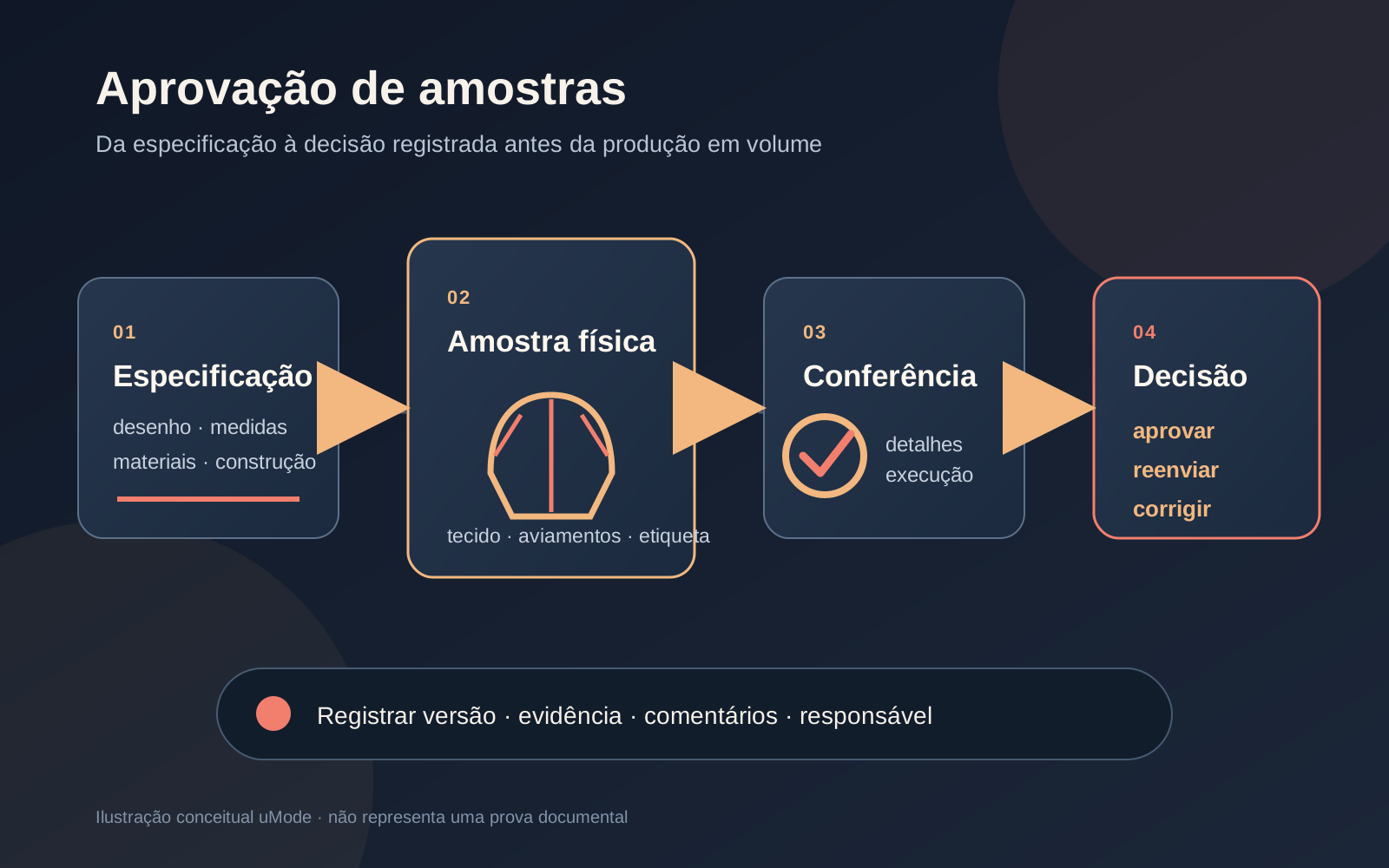
Fashion sample approval
Fashion sample approval is the process of comparing a physical sample with documented requirements for style, materials, construction and identification, recording deviations and deciding whether the garment can proceed, needs resubmission or requires correction before volume production.

Fashion PLM: data, product, and lifecycle
Fashion PLM is the structured management of the data, decisions, and workflows that follow a product and a collection from concept through post-launch. It connects tech packs, materials, costs, samples, approvals, suppliers, and versions so that every function works from a traceable product definition.
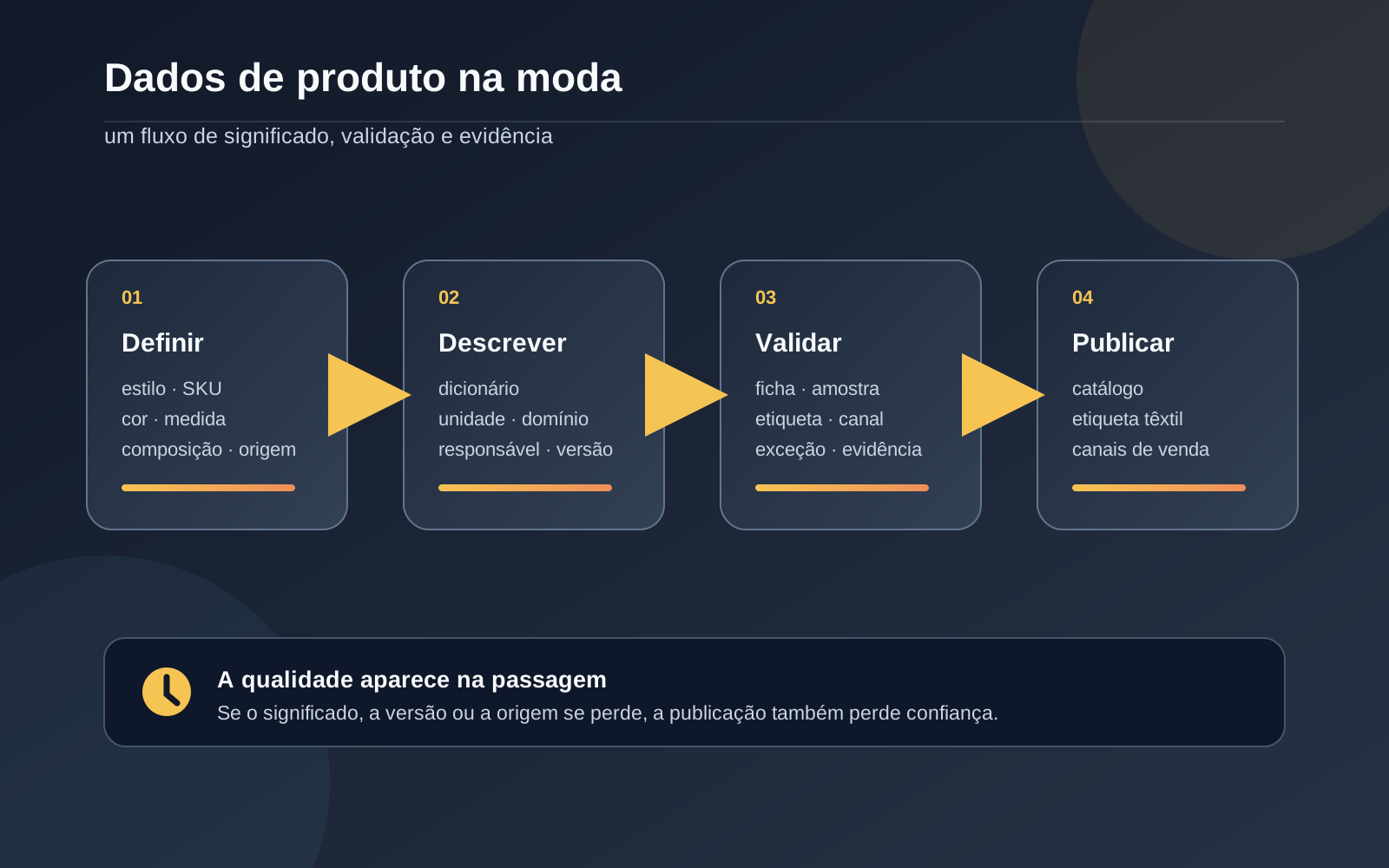
How to improve product data quality
How to improve product data quality. Improving product data quality in fashion means separating style, variant, technical attribute and regulatory record; defining every field; validating source and format; and controlling the handoff from tech pack to catalog, label and sales channel. The process becomes dependable when each exception has an owner, evidence and a version.
Sources
Want to apply this to your operation?