Apparel bill of materials (BOM)
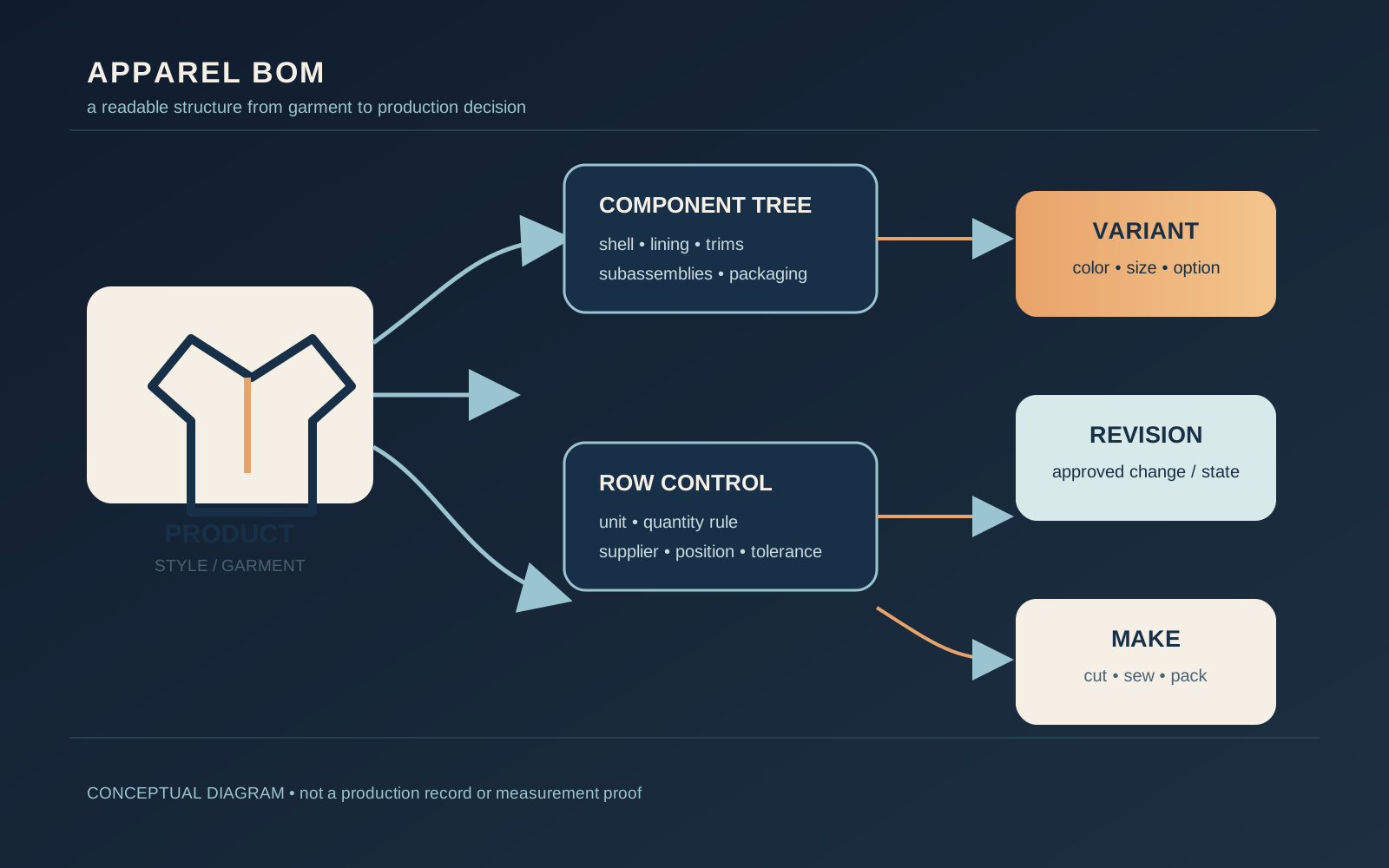
Apparel bill of materials (BOM). An apparel bill of materials organizes the component structure of a garment: raw materials, parts, components, subassemblies, and the quantities needed to make the product. For a collection, it should separate hierarchy, variant, and revision so it is not mistaken for calculated consumption, available inventory, or accounting cost.
On this page
What is Apparel bill of materials (BOM)?
An apparel BOM is the component structure needed to make a garment. It starts with the finished product and organizes shell fabric, lining, interfacing, thread, trims, labels, packaging, and possible subassemblies; each row should represent a component that the team can identify and discuss. This makes it useful across technical specification, product development, and manufacturing without turning the list into a drawing or a purchase order.
Hierarchy is the first cut. The style sits at the top, while pockets, collars, or finishing sets can appear as subassemblies with their own components. For a shirt, “applied pocket” can be a set; pocket fabric, thread, and label sit below it. This tree keeps the team from mixing a part name, the material used, and the operation that assembles the part.
How should rows be built for a collection?
Build each row with an identifier, description, unit, and per-garment quantity rule. For apparel, add only attributes that change a decision: composition, color or colorway, width, weight, approved supplier, alternative, application position, tolerance, and revision. The goal is not a universal form; it is to make clear which component belongs to which style and under what condition it can be used.
Separate style, variant, and revision. A color may change the fabric, thread, or label; a size may change calculated need without creating another style; a zipper change may require a new revision. Instead of hiding the change in a generic description, record the variant rule and the revision that approved it. For products with combinable options, configurable-BOM logic helps select modules without copying a complete list for every combination.
For textile materials, keep composition and identification connected to the garment, the specification source, and the current revision. The BOM does not replace measurement or the construction sheet. When the team needs to follow operations and components, a time-phased structure can complement the tree without mixing manufacturing planning into product composition.
What does a BOM not answer by itself?
A BOM describes product structure; it does not prove how much fabric will be consumed in a cut, what is available in inventory, or what the accounting cost will be. Consumption calculation turns pattern, width, marker, size range, and operating loss assumptions into a material requirement. Inventory answers what was received, reserved, or moved, while cost formation follows another logic. IAS 2, in turn, addresses inventory cost rather than component structure.
Do not use a BOM to promise sustainability. In an apparel workflow, record yield and loss as separate operational measures rather than inserting an unsupported universal percentage into the component list. The BOM can start questions about materials and manufacturing, but it cannot replace a life-cycle assessment.
How should a BOM be reviewed before release?
Review it in the order in which the garment is decided: style, variant, revision, component, unit, and quantity. Compare the list with fashion SKU, technical specification, supplier requirements, and assembly instructions. Mark conditional alternatives and pending changes; do not treat an unapproved row as a released substitution.
The intended result is a list another person can read without asking which fabric, revision, or configuration applies. In apparel operations, that legibility brings product, patternmaking, sourcing, quality, and factory teams together; it does not turn the BOM into inventory, actual consumption, or final cost.
Verified facts
- A BOM lists raw materials, subassemblies, intermediate assemblies, subcomponents, parts, and the quantities of each needed to manufacture an end product.
Source: en.wikipedia.org ↗ - BOMs are hierarchical: the top level represents the finished product, which may be a subassembly or a completed item.
Source: en.wikipedia.org ↗ - A BOM can define products as designed, ordered, built, or maintained; the types depend on the business need and intended use.
Source: en.wikipedia.org ↗ - A configurable BOM is used for products with multiple options and can create end items from selectable modules.
Source: en.wikipedia.org ↗ - A BOM may be tied to a production order that reserves stocked components and generates requisitions for components that are not in stock.
Source: en.wikipedia.org ↗ - A time-phased product structure shows the sequence and duration of each operation needed to obtain or assemble the components.
Source: en.wikipedia.org ↗ - A single-level BOM displays the components directly needed to make an assembly or subassembly.
Source: en.wikipedia.org ↗ - IAS 2 addresses the determination of inventory cost and says it includes purchase, conversion, and other costs that bring inventory to its present condition.
Source: ifrs.org ↗
Related entries

Fashion product technical specification
A technical specification is the controlled information set that translates an approved fashion product into verifiable sampling and manufacturing requirements. It brings together drawings, materials, measurements, construction, tolerances, identification, labelling, comments and revision history; its content varies by category, company, market and stage.
Material consumption calculation
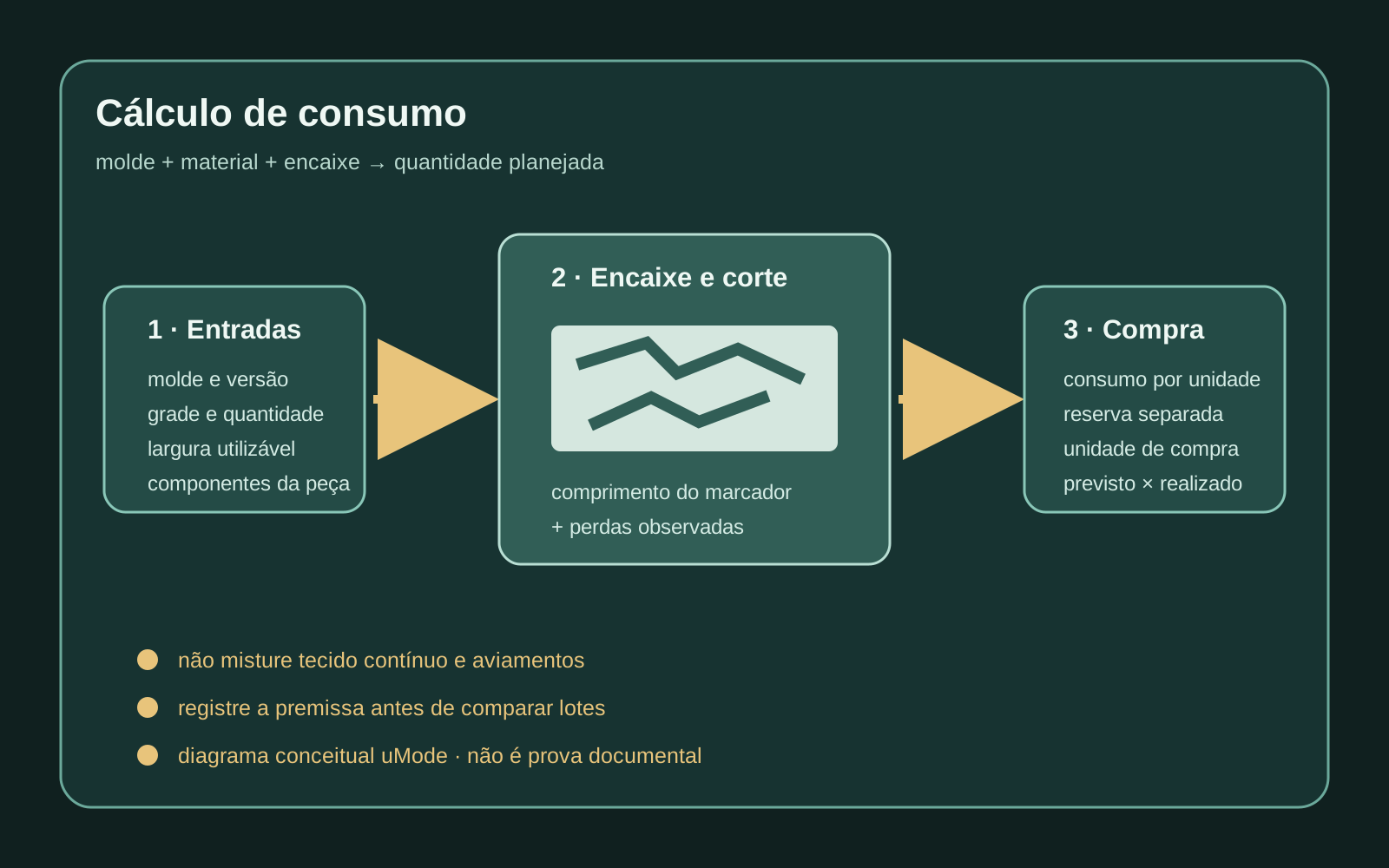
Material consumption calculation records the fabric and component quantities required for a product, size range, or production lot under explicit assumptions. In apparel, it connects the pattern, marker, material, observed losses, and purchasing unit without treating a development estimate as the same thing as measured production usage.
Fashion Product Cost Formation
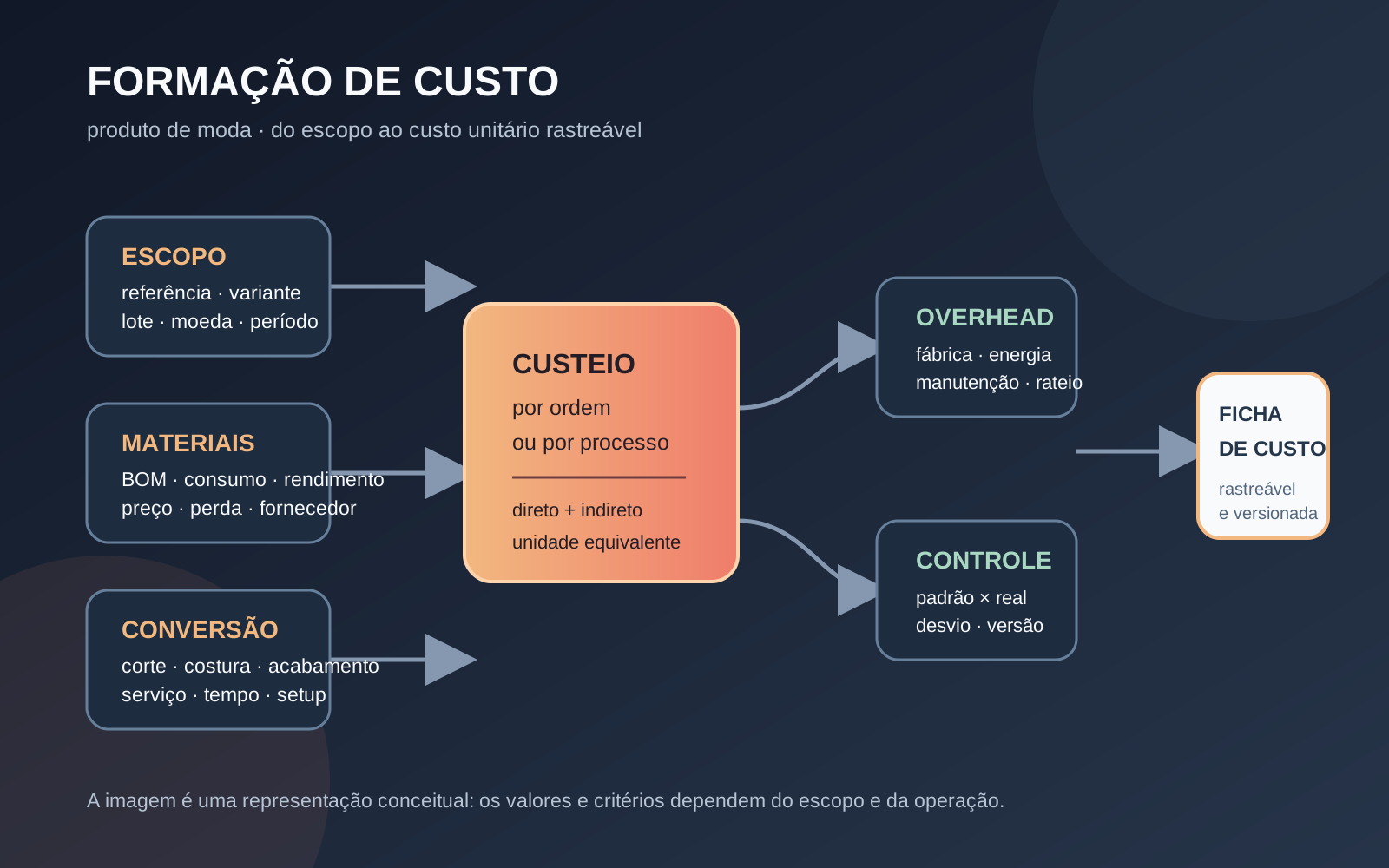
Fashion product cost formation is the process of identifying, measuring, and assigning resources consumed by a garment, variant, or batch within a stated scope. It combines materials, conversion, waste, services, and overhead in a versioned cost sheet while distinguishing manufacturing cost, landed cost, and selling price.
Fashion SKU
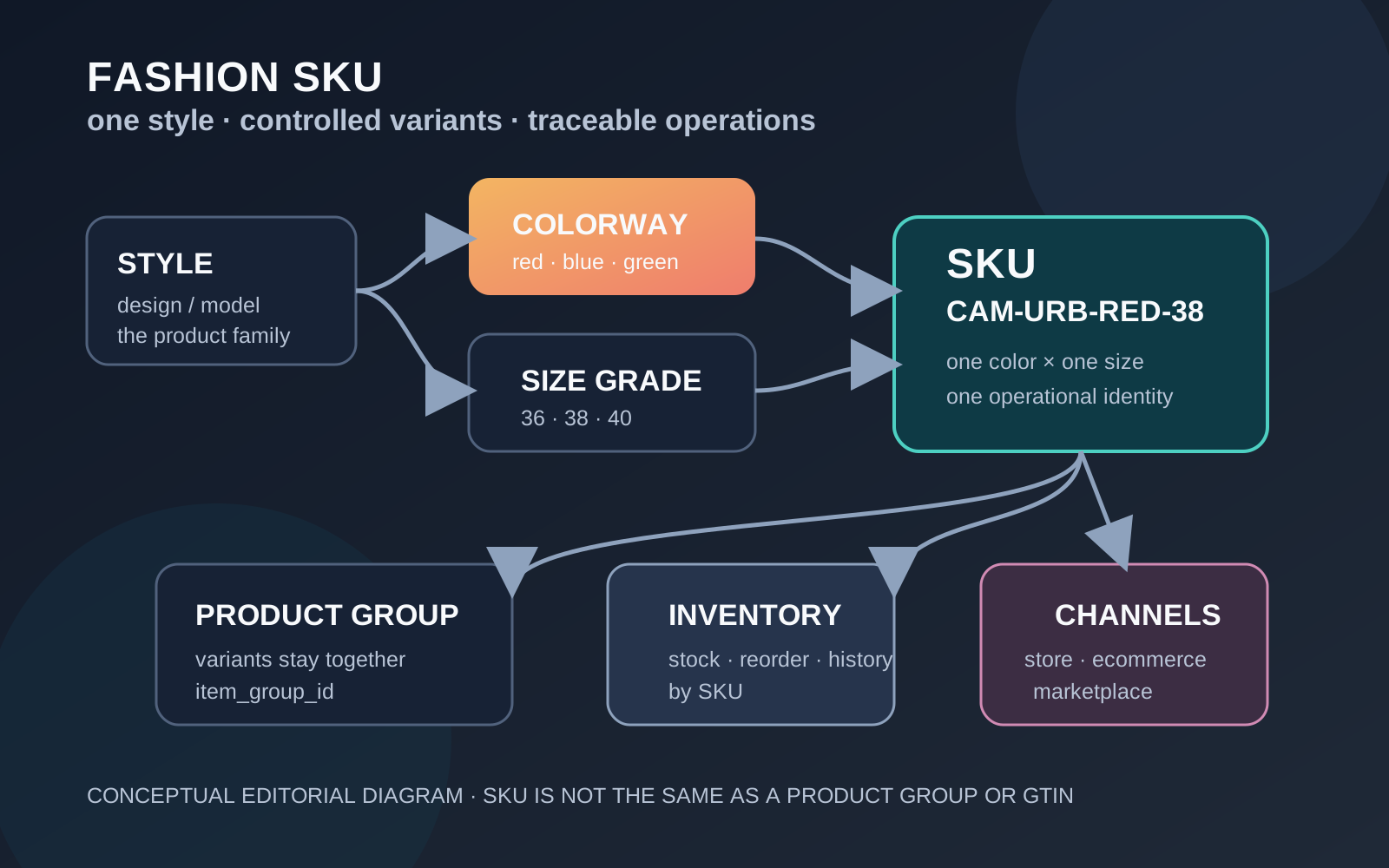
A fashion SKU is an identification unit used to distinguish items and variants in inventory control. In apparel, the useful distinction is between the individual SKU, the product group, color and size attributes, and assortment decisions.
Sources
Want to apply this to your operation?
