Fashion creation and styling in the product cycle
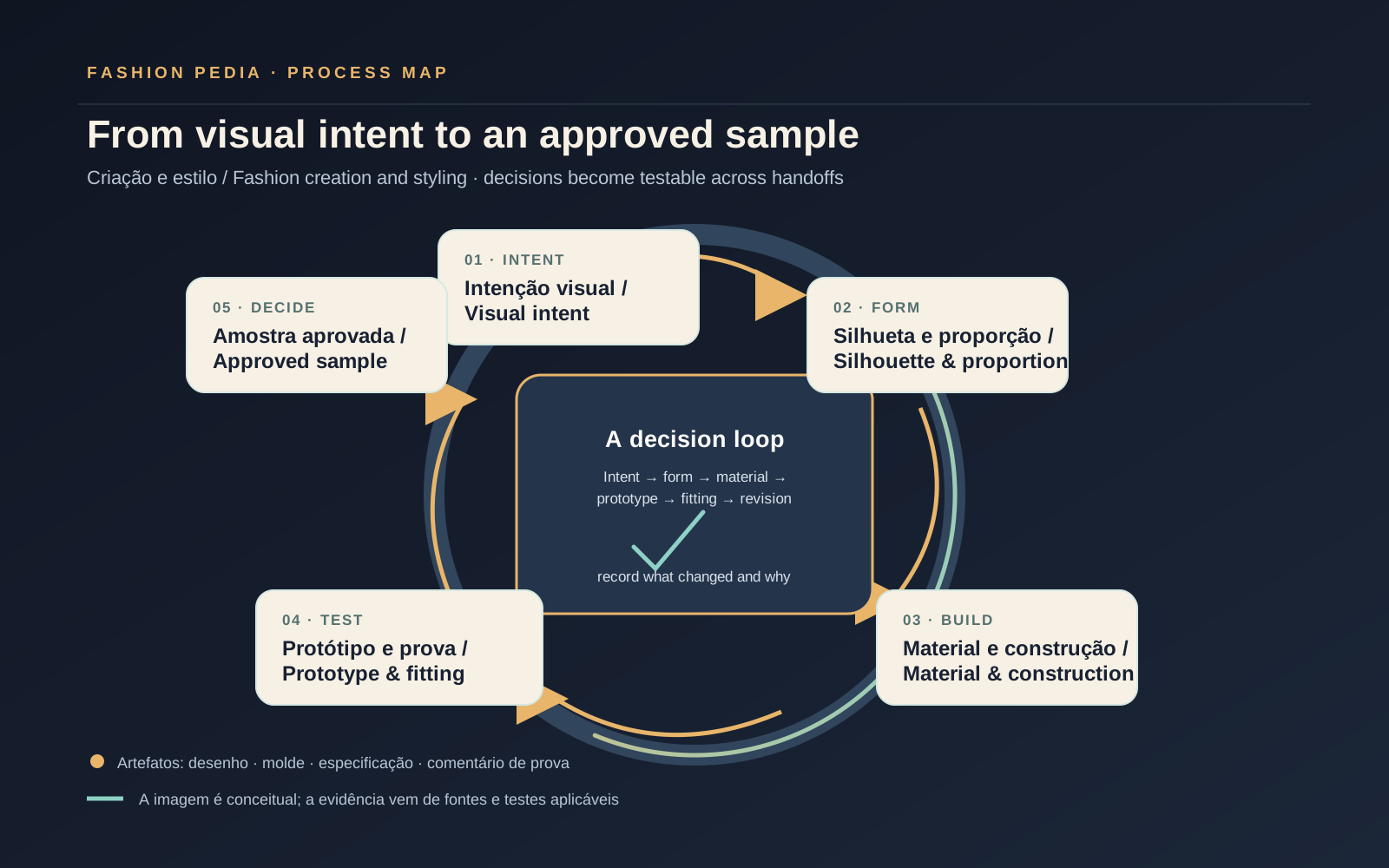
Fashion creation and styling in the product cycle. Fashion creation and styling become verifiable product decisions when visual intent is connected to silhouette, patternmaking, material, construction, fitting, and specifications. The cycle does not end with a drawing: prototypes, fit analysis, and recorded decisions carry the intended result toward production.
On this page
What is Fashion creation and styling in the product cycle?
The transition happens when visual intent gains form, material, construction, and criteria that can be observed. In fashion development, the starting point may be a silhouette or a detail, but moving forward requires explicit choices: which pattern represents the form, what behavior is expected from the fabric, how the garment will be built, and what must be checked during fitting. Technical drawing, patternmaking, and a tech pack are different artifacts for making those choices communicable.
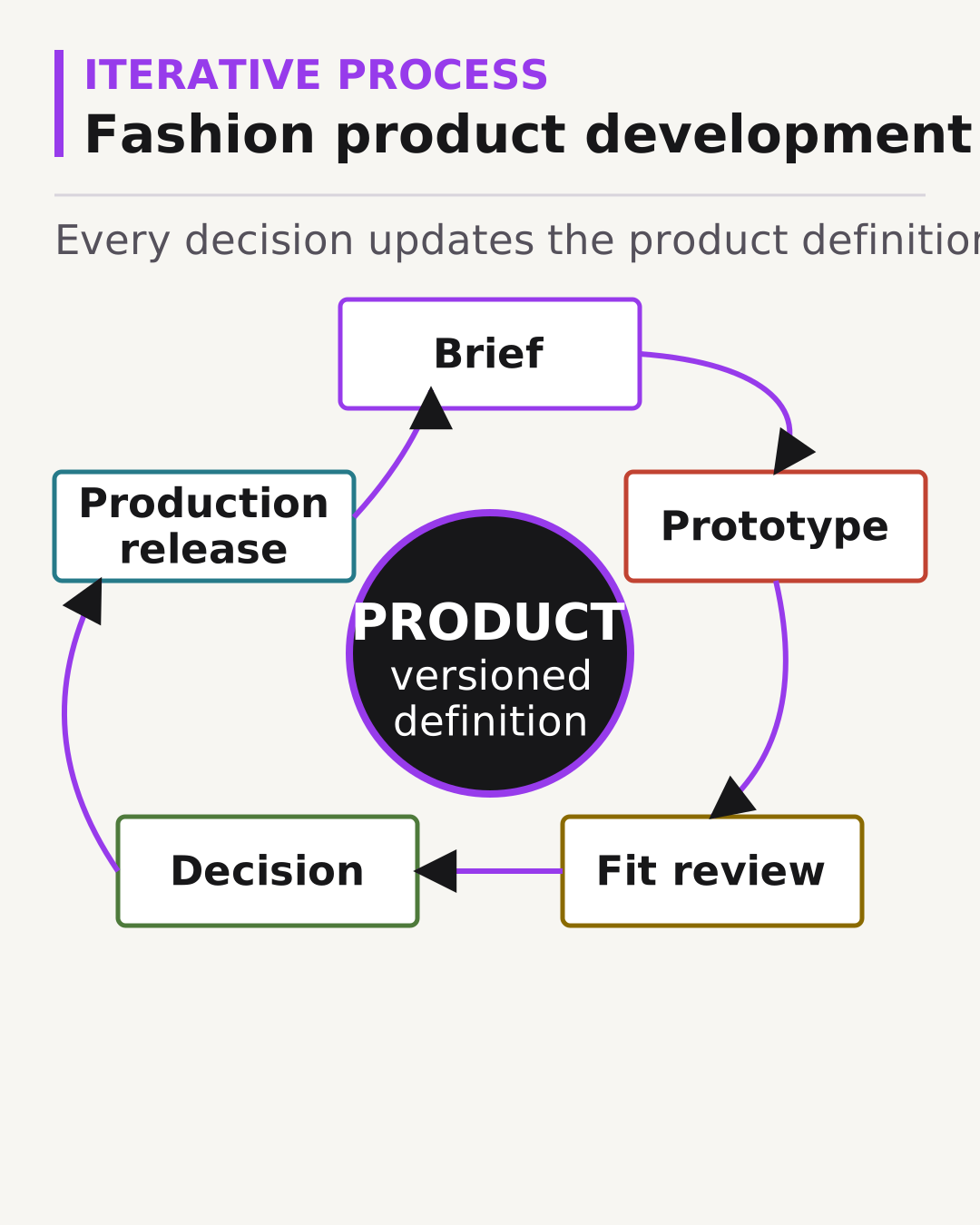
NC State’s fashion product development program describes stages from concept to final product and emphasizes that the stages affect one another. This keeps creation from being treated as an isolated drawing: a material change may require another pattern solution, a proportion change may alter construction, and a fit observation may send the decision back to form.
How do form, material, and construction meet?
Technical work brings styling intent closer to the garment that will be produced. FIT describes the technical designer as a link between designers and patternmakers, with attention to fit, function, details, and standards across sizes. Its program also brings together specification review, technical sketching, patternmaking, fittings, PLM, computerized patternmaking, 3D fit, and production.
Read the silhouette together with its supporting lines, volumes, openings, and movement points rather than turning them into a universal checklist. For a knit garment, ask how the expected stretch affects measurement and recovery; for a shirt, inspect the collar, armhole, sleeve, closure, and finish; for a skirt, observe the waist, hip, opening, and freedom of movement. These are development questions, not automatic properties of every fabric.
FIT teaches students to relate the properties of different fabric types to pattern development, sewing, pressing, finishing, and fit. Material is therefore not a step that follows styling: it participates in the form the prototype can actually sustain.
What must fitting and specification make verifiable?
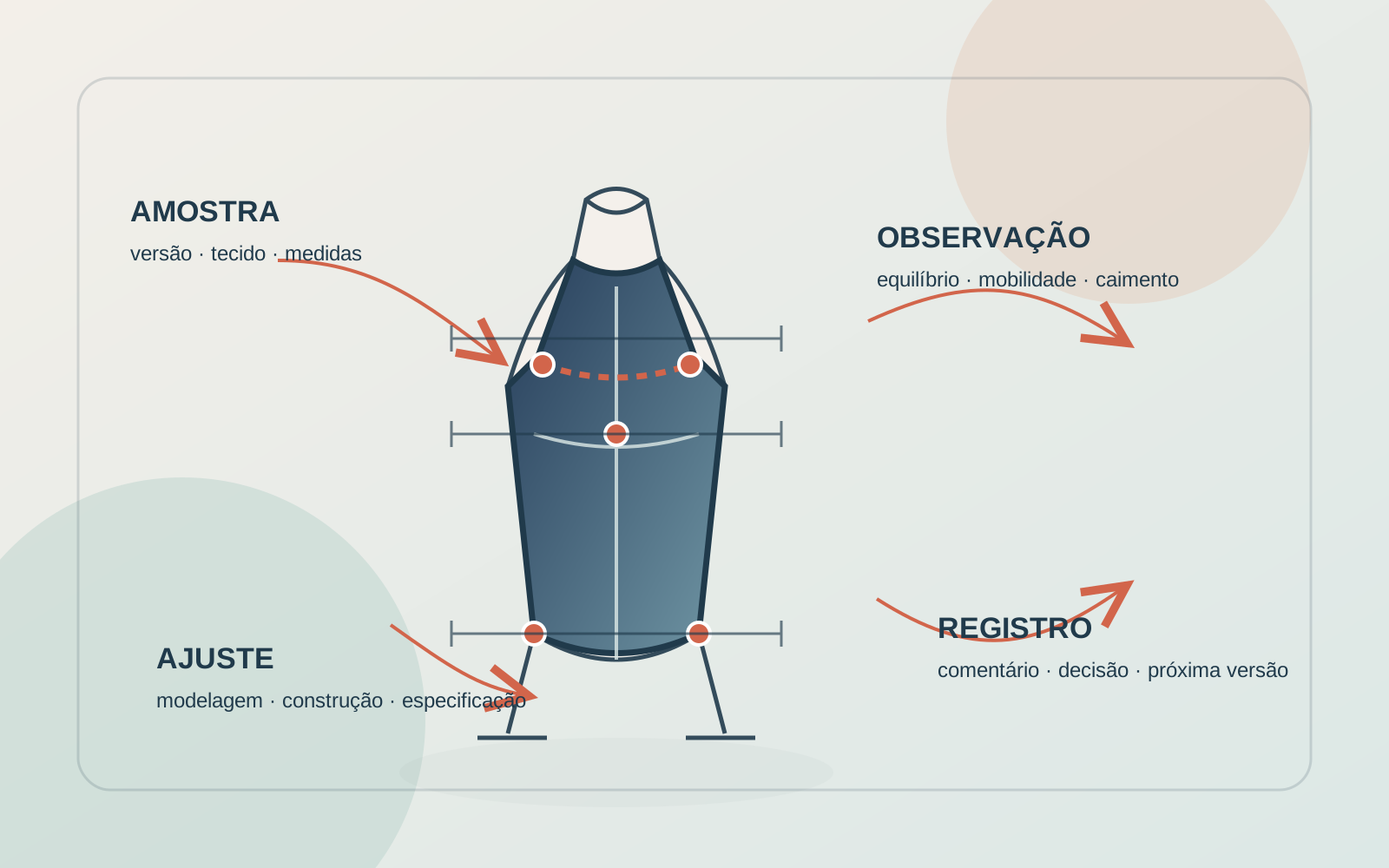
Fitting should turn a visual impression into a located observation. Record where the garment departs from the intent: length, balance, volume, tension, mobility, opening, or finish. A useful result is not simply “it looks good”; it is a decision that can be compared with the previous version and communicated to the next person in the workflow. Garment fitting and quality control help separate perception from a criterion.
FIT learning outcomes include documenting how a garment is to be constructed in language clear to the manufacturer and following the garment through pattern development, construction, and fitting before creating a Technical Specifications Packet. Use the tech pack to keep measurements, materials, construction, finishes, and fit comments tied to the same version; the exact structure may vary, but the decision should remain traceable.
When a textile characteristic needs comparison, AATCC states that its test methods and procedures for textile evaluation are international standards cited in government, industry, and individual company specifications. Testing therefore has a defined role: it supports an observed property under a method, while fitting checks the relationship between that property and garment behavior.
Why does this cycle matter to creation?
The cycle protects intent without freezing it. Creation remains responsible for visual direction; patternmaking, construction, fitting, and specification make that direction executable; and each adjustment should explain which decision changed and why. Fashion product development connects these handoffs, while PLM can organize versions and participants when that capability belongs to the process.
The central question is specific to the garment: which visual effect must survive, which variable could compromise it, and what evidence will allow the next version to be approved? With that focus, styling stops being a loose adjective and starts guiding form, material, and construction decisions that can be discussed and checked.
Verified facts
- In professional practice, the technical designer connects designers and patternmakers and helps check fit, function, details, and standards across garment sizes.
Source: fitnyc.edu ↗ - FIT's technical design teaching follows development from pattern to finished garment and includes live models and 3D avatars to study fit.
Source: fitnyc.edu ↗ - FIT's program includes specification review, technical sketching, patternmaking, fittings, PLM, computerized patternmaking, 3D fit, and production.
Source: fitnyc.edu ↗ - FIT learning outcomes include documenting how a garment is to be constructed in language that is clear to the manufacturer.
Source: fitnyc.edu ↗ - FIT connects following a garment with pattern development, construction, fitting, and creating a Technical Specifications Packet.
Source: fitnyc.edu ↗ - FIT teaches how fabric properties relate to pattern development, sewing, pressing, finishing, and fit.
Source: fitnyc.edu ↗ - NC State presents fashion product development from concept to final product and emphasizes that its stages affect one another.
Source: textiles.ncsu.edu ↗ - AATCC publishes textile evaluation test methods and procedures that are international standards cited in government, industry, and individual company specifications.
Source: aatcc.org ↗
Related entries
Fashion technical drawing
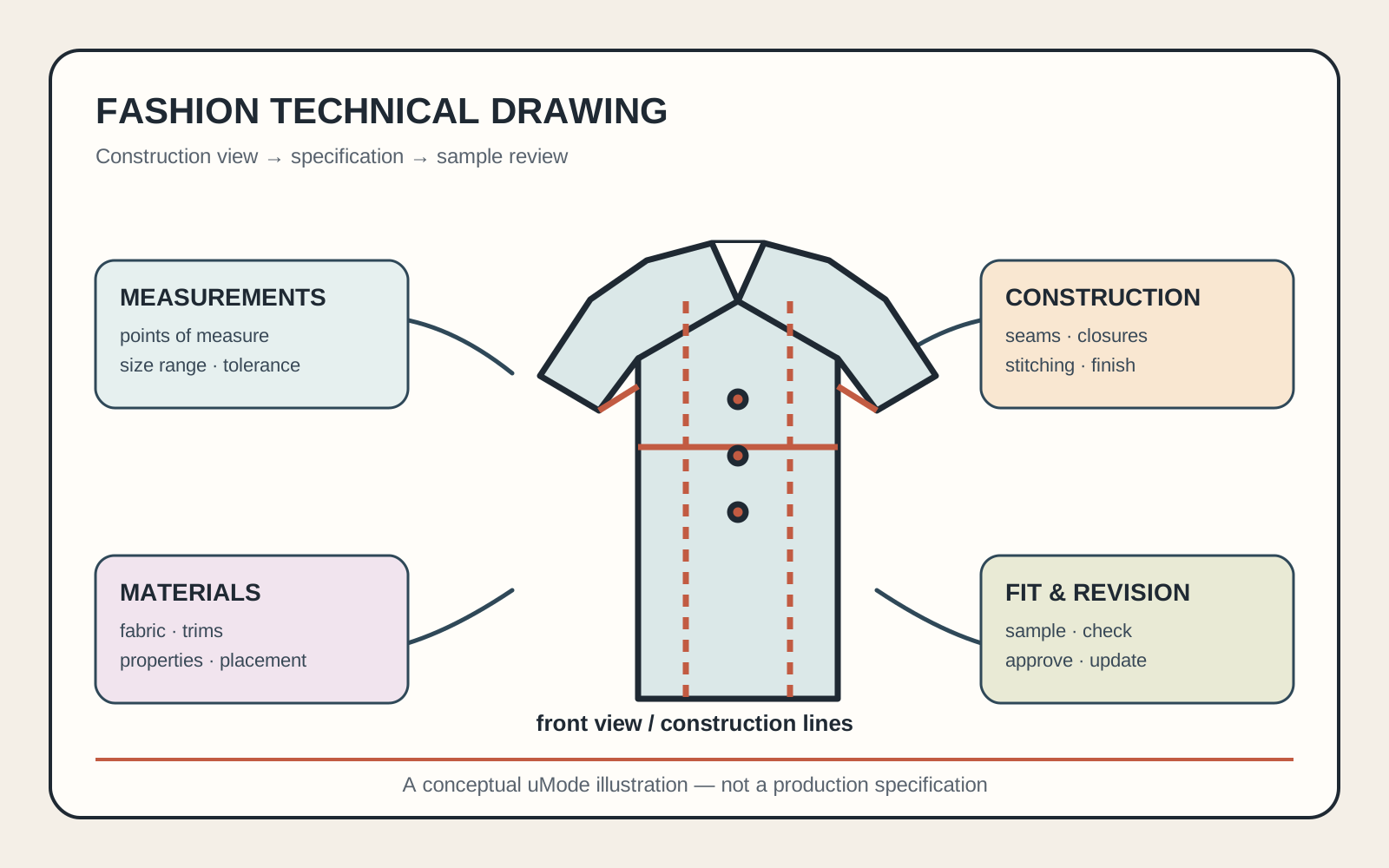
Fashion technical drawing is a construction-oriented representation used to communicate a garment’s form, details, measurements and manufacturing decisions. In apparel development it connects with patternmaking, specifications, fitting, materials and production; it does not replace a complete tech pack or physical validation.
Garment patternmaking
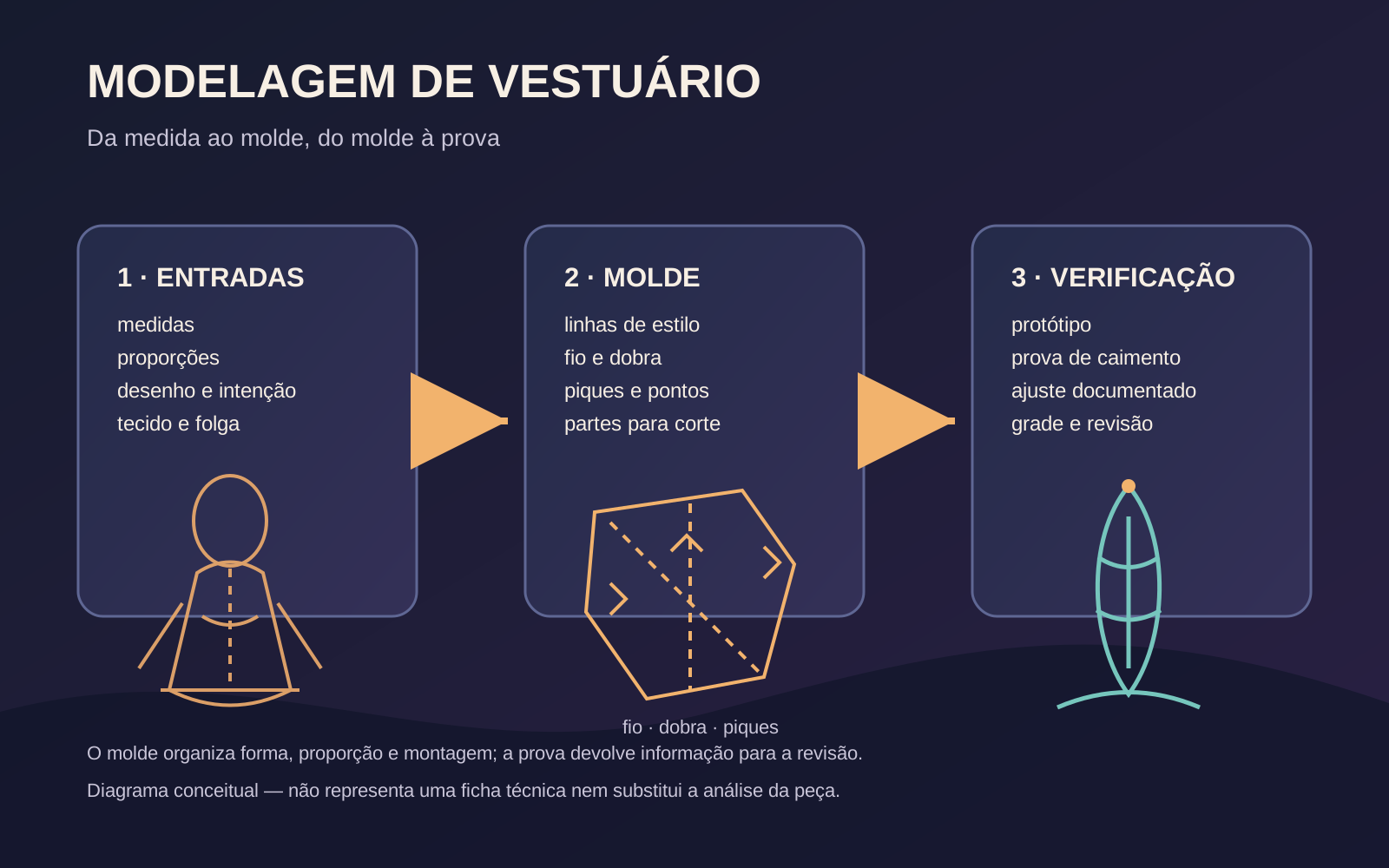
Garment patternmaking is the technique of turning measurements, proportions, and design intent into patterns used to cut and assemble a garment. It connects a block, flat pattern construction or draping with fabric information, production markings, fitting, alterations, and grading; the result is a testable development basis, not an automatic guarantee of fit.

Fashion product technical specification
A technical specification is the controlled information set that translates an approved fashion product into verifiable sampling and manufacturing requirements. It brings together drawings, materials, measurements, construction, tolerances, identification, labelling, comments and revision history; its content varies by category, company, market and stage.
Garment fitting
Garment fitting is the process of comparing a dressed sample with a style's design, specifications, and intent. The team observes fit, balance, movement, and construction, records decisions, and sends changes into the next version.
Fashion product development
Fashion product development is the process that turns an opportunity or brief into a product specified and approved for manufacturing. It coordinates concept, assortment, materials, patternmaking, samples, fit, cost, quality, compliance and timing through decision cycles rather than an isolated creative sequence.
Sources
- https://www.fitnyc.edu/academics/academic-divisions/business-and-technology/technical-design/index.php
- https://www.fitnyc.edu/academics/academic-divisions/business-and-technology/technical-design/degree-details/outcomes.php
- https://textiles.ncsu.edu/academics/undergraduate/fashion-development-and-product-management/
- https://www.aatcc.org/testing/
Want to apply this to your operation?