How to reduce rework between fashion design and engineering
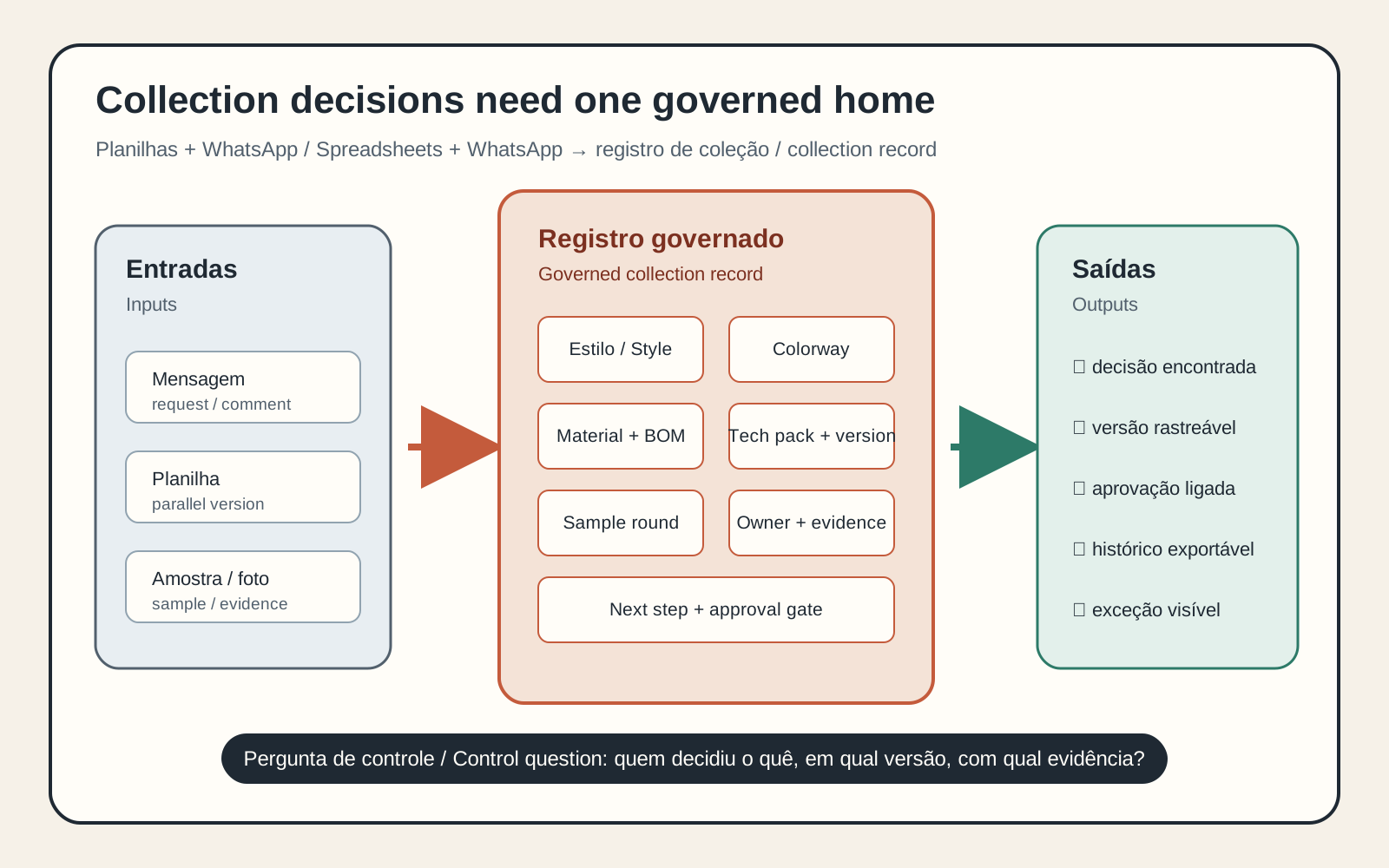
How to reduce rework between fashion design and engineering. Reducing rework between fashion design and engineering means turning creative intent, technical requirements, and product decisions into one controlled record. For a garment, that record connects the tech pack, measurement table and tolerances, construction, components, supplier, fitting, version, and approval criterion before the next stage is released.
On this page
What is How to reduce rework between fashion design and engineering?
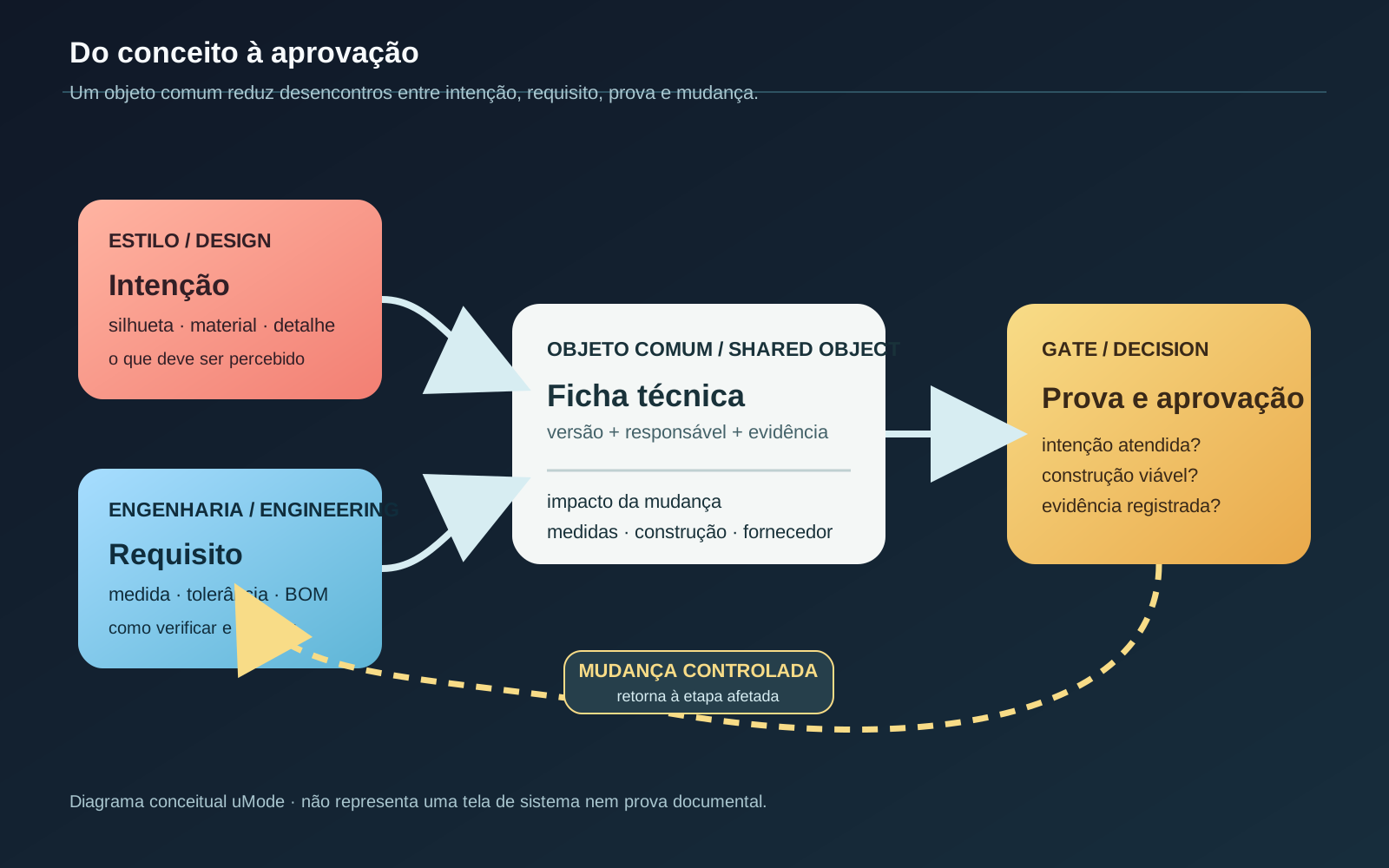
Reducing rework starts by making design and engineering work on the same object: an identified, versioned tech pack linked to the garment, rather than loose copies of a sketch, message, or spreadsheet. Visual intent should point to verifiable requirements, and each requirement should state how it will be accepted. For a jacket, “oversized volume” can become chest, body-length, and sleeve measurements with tolerances; “structured shoulder” can become seam construction, interlining, and a fitting method. These are working criteria, not universal facts about the category.
The application of systems-engineering principles is deliberate. NASA describes an interdependent, iterative, recursive flow with validated requirements and a design solution aligned with stakeholder expectations. For apparel, the useful translation is to keep intent, requirement, solution, and evidence in the same loop. The model does not prove that a fashion operation will have less rework; it makes divergence visible before it reaches a supplier or production.
How can creative intent become a garment requirement?
Start with translation, not software. For every design decision, record the affected attribute, unit, tolerance, acceptance criterion, validation owner, and expected evidence. “Fluid drape” may require a fabric sample and a fitting observation; “asymmetric hem” may require side-specific measurements and a construction drawing; “visible button” may require a component, position, reinforcement, and approval criterion. The measurement table does not replace aesthetic judgment; it makes that judgment comparable across patternmaking, engineering, suppliers, and quality.
NASA separates stakeholder expectations, technical requirements, logical decomposition, and the design solution. In a collection, that distinction helps separate intent from an executable rule. The interface between product development and engineering, design, patternmaking, sourcing, and the supplier should state who proposes, translates, tests, and approves. A fashion BOM should link to the change that made it necessary: replacing a zipper, lining, or interlining is not only editing one line, because it may reopen measurement, cost, construction, and fitting.
Plan the sample handoff as well. Before release, the team can require a complete tech pack, a measurement table with tolerances, critical-point drawings, seam construction, components, a named supplier, and open issues. The acceptance criterion belongs to the company’s flow; it is not a claim made by NASA, NIST, or GS1.
How should changes be controlled before they become rework?
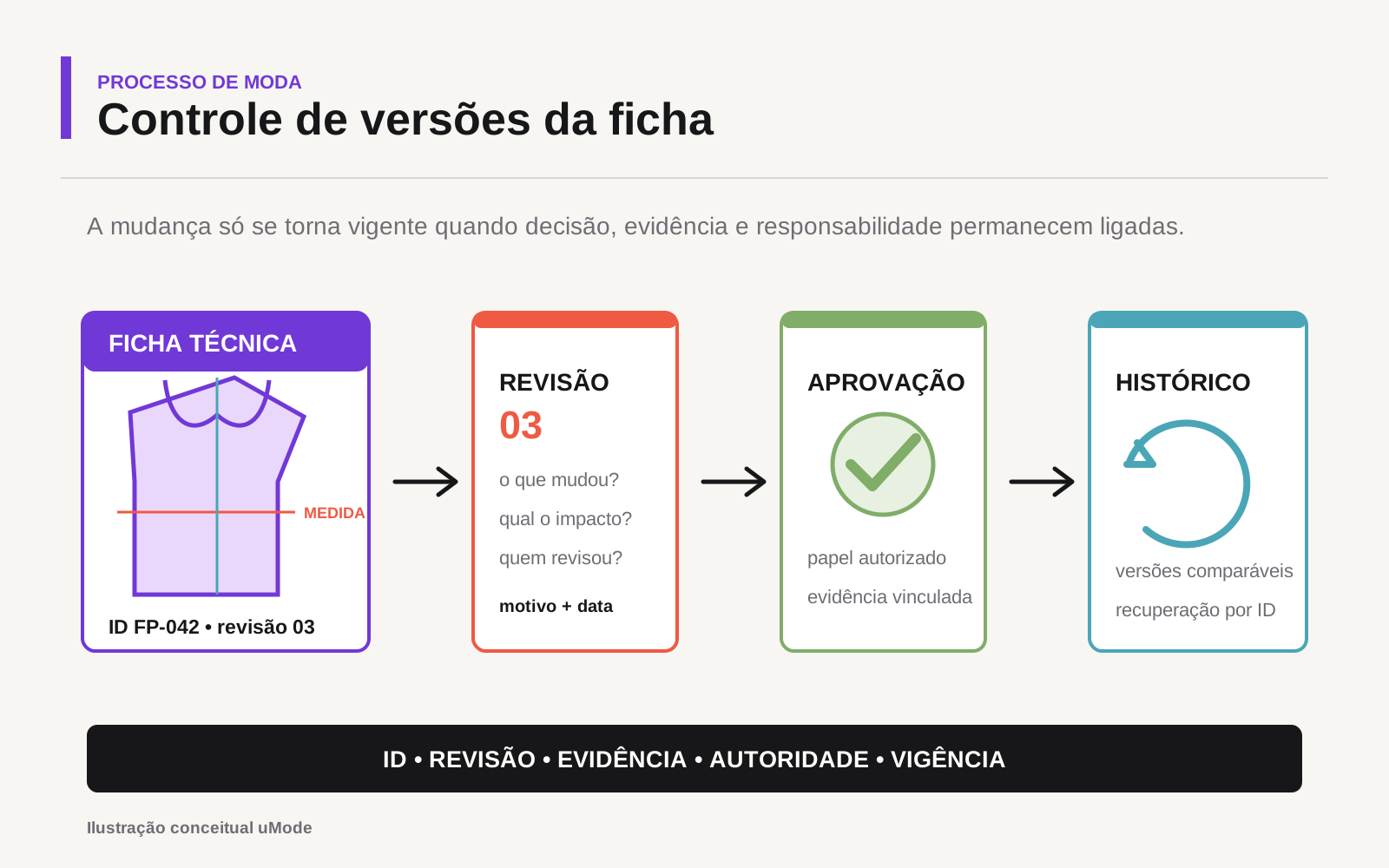
Treat each change as a decision with impact. Record the product identifier, previous version, proposed version, reason, affected requirement, affected pieces or components, notified teams, owner, date, decision, and closing evidence. Specification version control should prevent an old copy from appearing current and show which stage may continue.
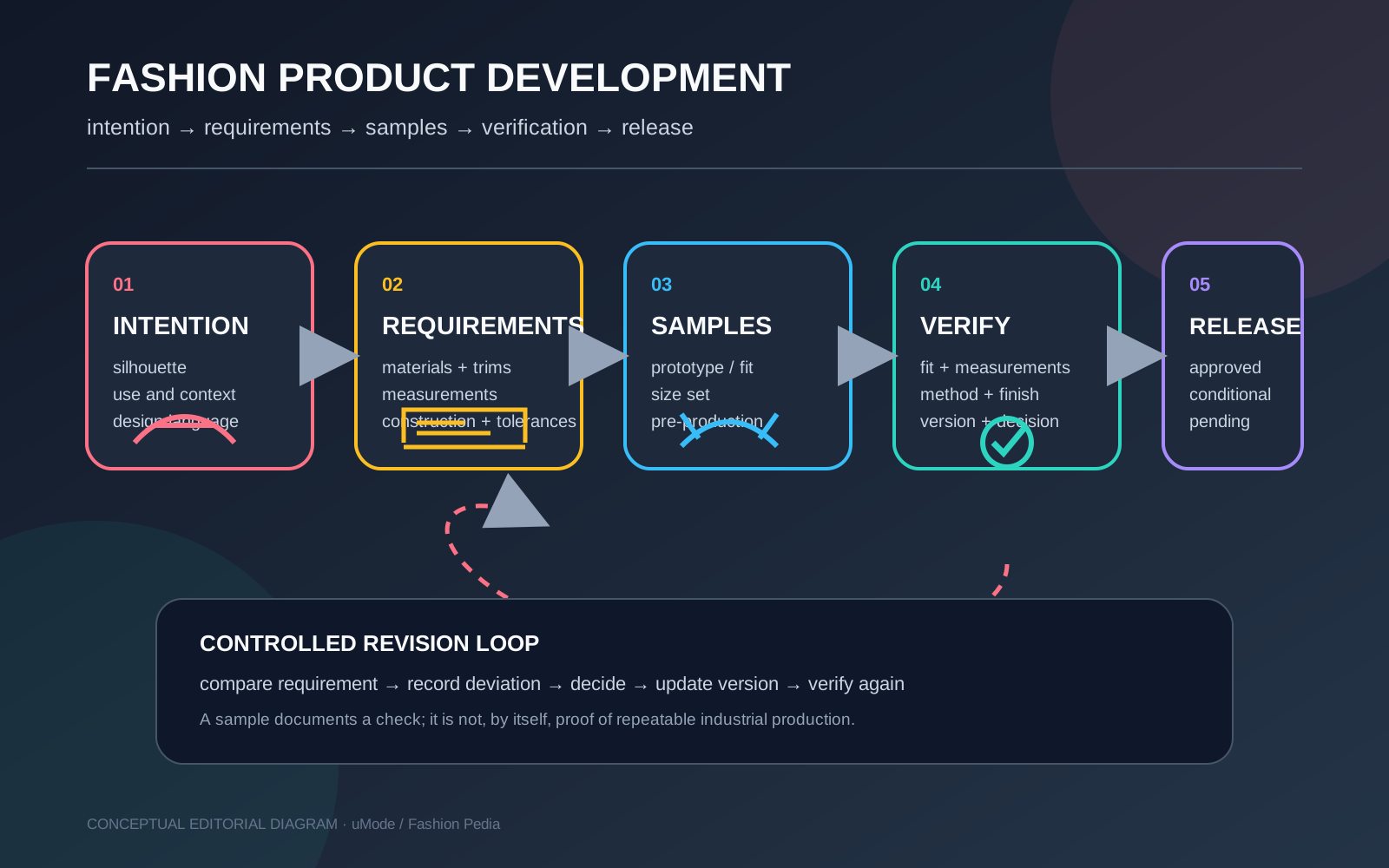
NASA advises analyzing the impact of significant changes on the baseline. Applied to apparel, that means reopening verification when a measurement, tolerance, grading rule, construction, material, component, or supplier changes. The gate question is not “was the file updated?” but “is the intent still met, is construction still feasible, and must fitting be repeated?” If the answer requires new analysis, return the work to the responsible stage instead of carrying the inconsistency into a pilot sample.
NIST writes for information systems and security, not garments. Its distinction between knowing a configuration and monitoring its changes is nevertheless a useful lens for a fashion PLM or controlled repository. The tool does not decide the tolerance or approval; the operation must define fields, permissions, states, and exit criteria.
How can a team tell whether the flow is improving?
Measure the passages you want to improve: changes returned for missing information, approval time spent stopped, items reaching fitting with open issues, measurement discrepancies found at the supplier, and changes after component approval. Define the population, period, and counting rule before comparing cycles. A single number can merely move rework from design to engineering or from development to the supplier.
GS1 describes events by what participated, when and where it happened, and the context explaining why. An apparel prototyping flow can use that logic without implementing EPCIS: record sample receipt, fitting feedback, measurement change, material approval, and release as events linked to the product and version. The history should locate the decision and the next gate; the conceptual diagram is not evidence of an outcome.
The value is in connecting the tech pack, measurement table, seam construction, component, supplier, and approval. Start with one real flow, make its interfaces explicit, and close the version only when the corresponding evidence is available.
Connections
tech pack · measurement table · version control · product engineering · fashion PLM · prototyping
Verified facts
- NASA describes system design processes as interdependent, highly iterative, and recursive, producing a validated set of requirements and a design solution that satisfies stakeholder expectations.
Source: nasa.gov ↗ - NASA organizes system design into four processes: developing stakeholder expectations, technical requirements, logical decompositions, and design solutions.
Source: nasa.gov ↗ - In NASA guidance, when validation answers negatively about performance, budget and schedule feasibility, or operational need, changes to the design or stakeholder expectations are required and the process starts again.
Source: nasa.gov ↗ - NASA treats technical planning, requirements, interfaces, technical risk, configuration, technical data, technical assessment, and decision analysis as crosscutting functions that integrate tasks and people into a functioning system.
Source: nasa.gov ↗ - NASA states that early technical planning clarifies team roles and responsibilities; technical plans are then developed, baselined, and synchronized with project plans and the project schedule.
Source: nasa.gov ↗ - NASA advises analyzing all plans when a significant project change may affect the established project baseline.
Source: nasa.gov ↗ - NIST defines security-focused configuration management as managing and monitoring information-system configurations to achieve adequate security, minimize organizational risk, and support desired functionality.
Source: csrc.nist.gov ↗ - GS1 defines EPCIS as a visibility-data standard in which data consists of events, each recording something that happened to an object in the real world.
Source: support.gs1.org ↗ - An EPCIS event records what was involved in a business-process step, when and where it took place, and the business context explaining why it occurred.
Source: support.gs1.org ↗
Related entries

Fashion product technical specification
A technical specification is the controlled information set that translates an approved fashion product into verifiable sampling and manufacturing requirements. It brings together drawings, materials, measurements, construction, tolerances, identification, labelling, comments and revision history; its content varies by category, company, market and stage.
How to control tech pack versions
How to control tech pack versions. Controlling tech pack versions means recording every product change with an identifier, owner, reason, status, approval and effective date. The method applies configuration-control and product-lifecycle principles to the concrete decisions of an apparel supply chain.
Fashion Product Development and Engineering
Fashion product development and engineering turns a design intention into verifiable requirements for building, fitting, revising, and releasing a garment or collection. The process connects concept, technical specification, patternmaking, materials, construction, measurements, samples, quality, cost, and lifecycle data without treating aesthetic approval as proof of industrial repeatability.

Fashion PLM: data, product, and lifecycle
Fashion PLM is the structured management of the data, decisions, and workflows that follow a product and a collection from concept through post-launch. It connects tech packs, materials, costs, samples, approvals, suppliers, and versions so that every function works from a traceable product definition.
Fashion Product Prototyping
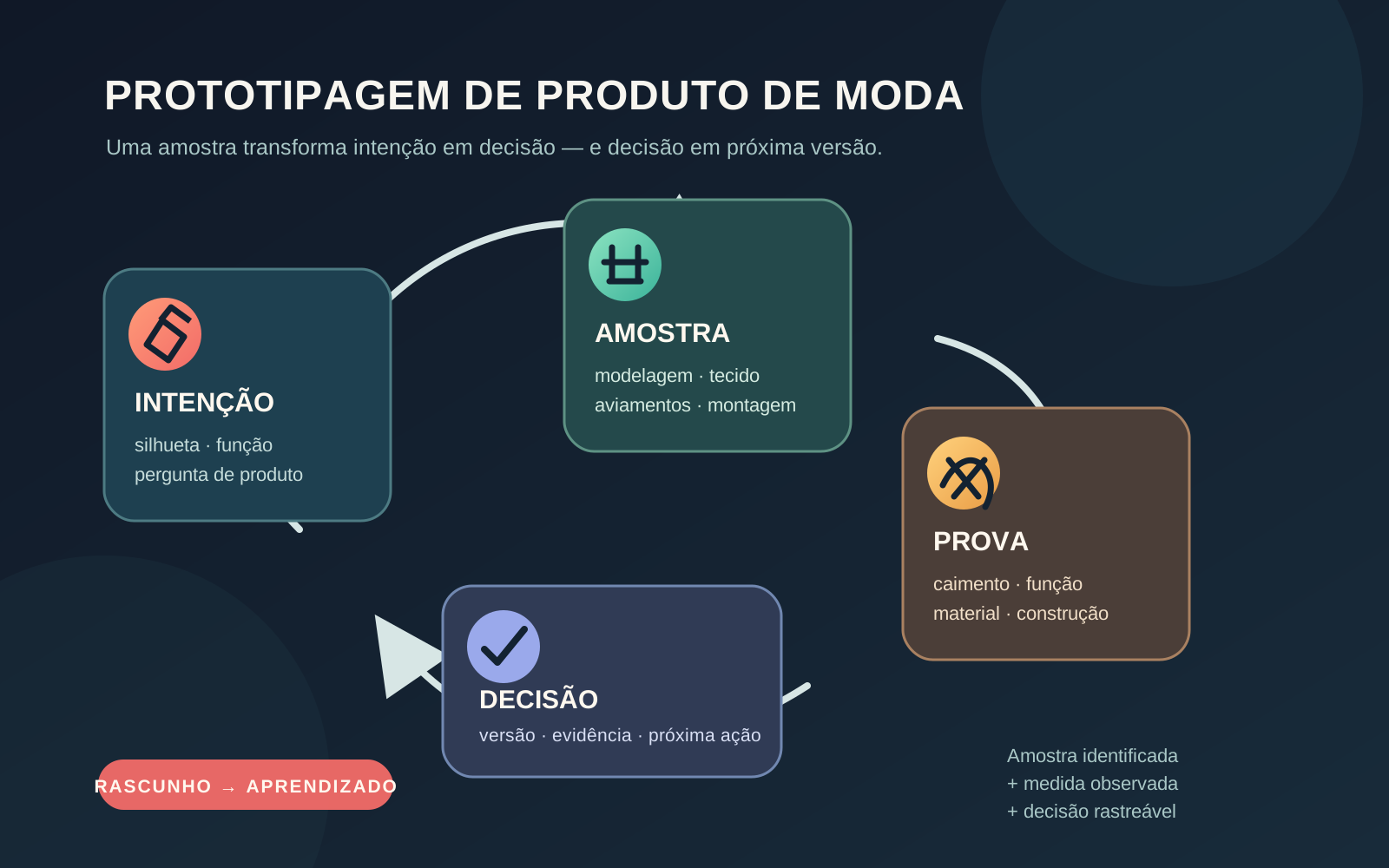
Fashion product prototyping is the process of building and evaluating samples that turn a design intention into a specified, fitted and manufacturable product. It connects design, patternmaking, materials, construction, fit and revision records before a production decision.
Sources
Want to apply this to your operation?