Crepe
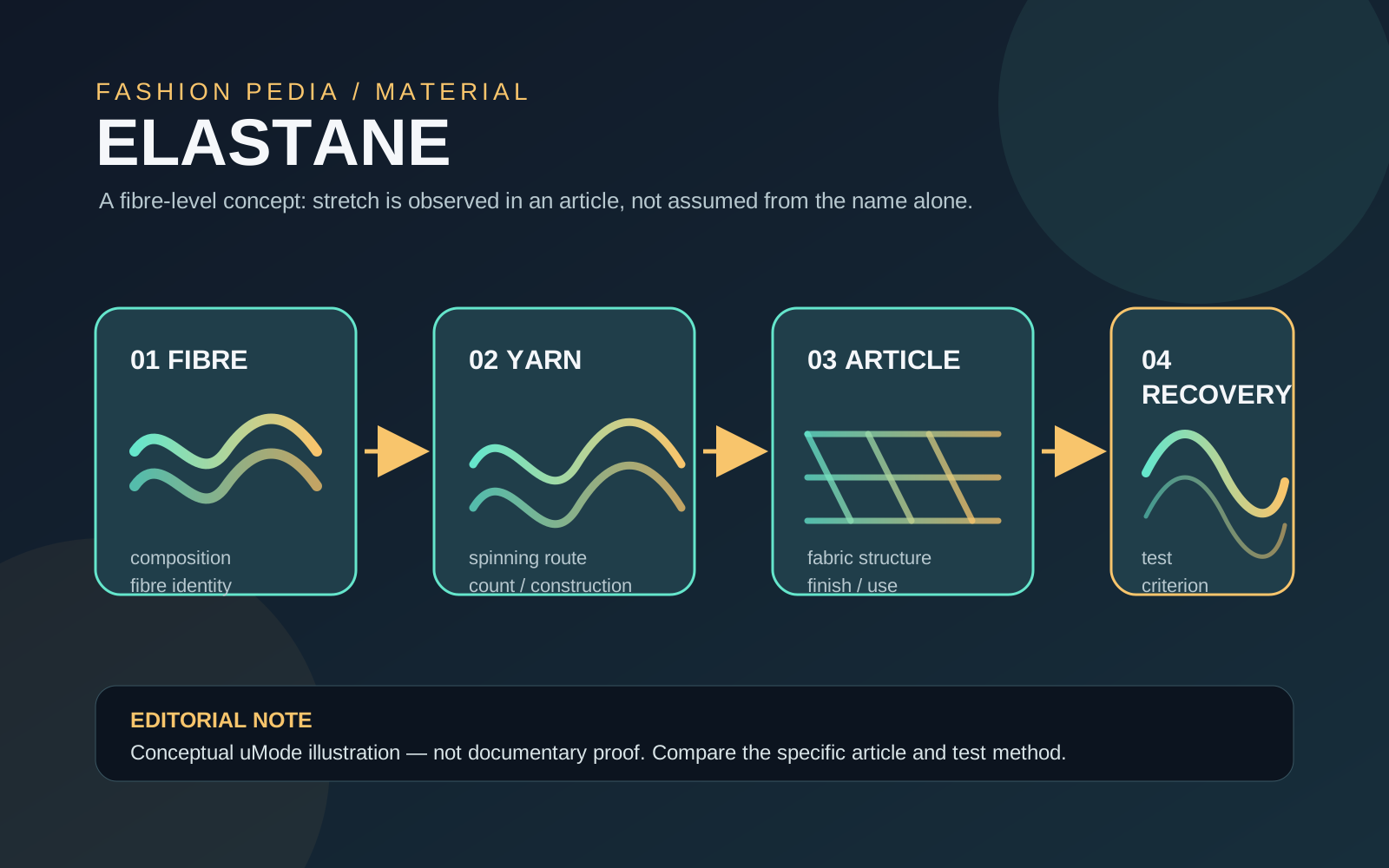
Crepe is a family of fabrics recognized by a crisp, pebbled or crinkled surface. The effect may come from high-twist yarns, twist combinations, structure, weight or finishing, so “crepe” alone does not identify a fiber, composition or guaranteed performance.
On this page
What is Crepe?
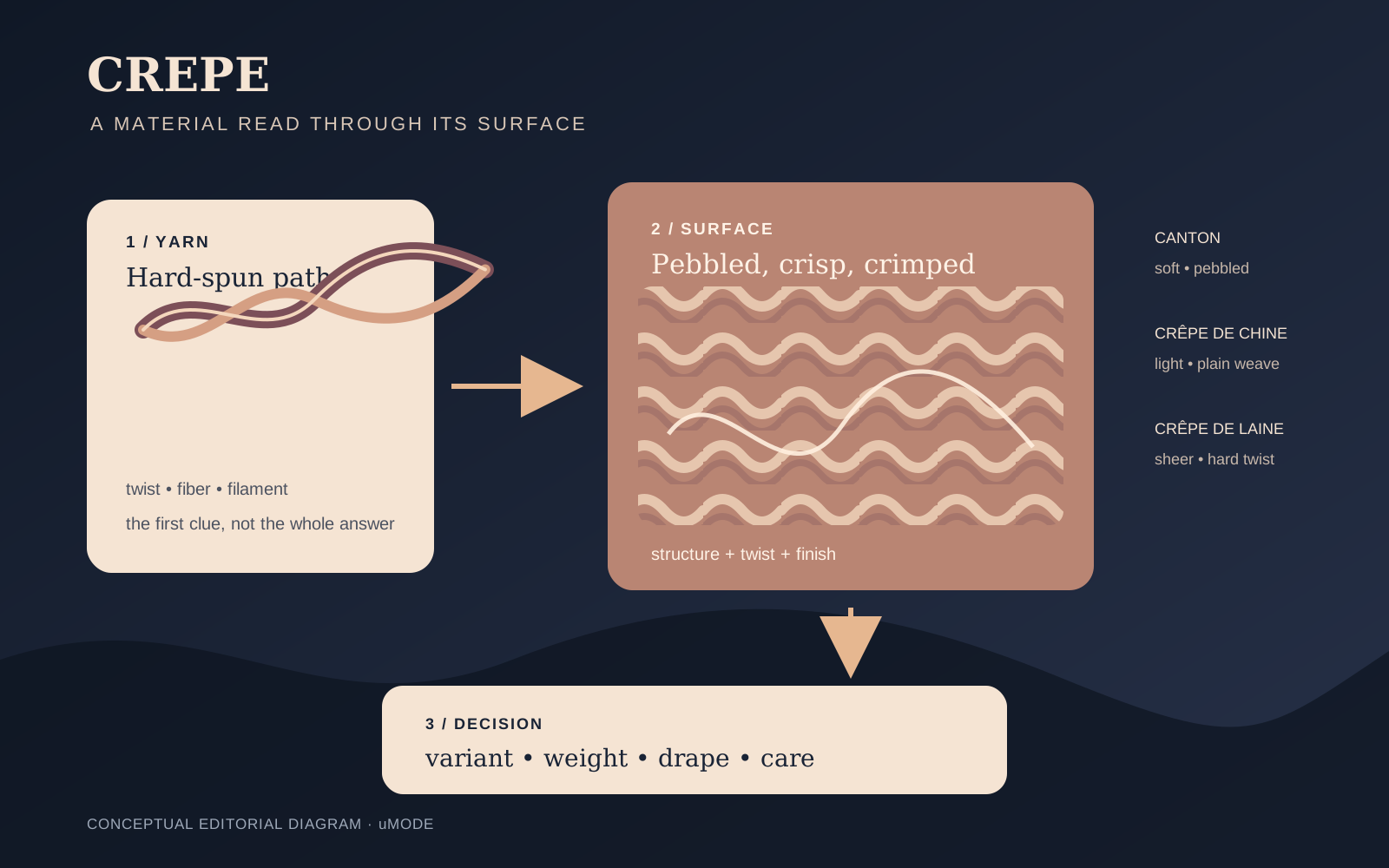
Crepe is a family of fabrics with a crisp, pebbled or crimped surface. The name describes a combination of surface and construction rather than one specific fiber: silk, wool and synthetic fibers can all appear in crepe articles. High-twist yarns are the best-known route to the effect, but the category also includes variations whose texture comes from structure or finishing. In a technical specification, “crepe” should therefore sit beside the observed composition, yarn, weave, weight and finish.
The traditional contrast between soft and hard crepe prevents an overly broad definition. Canton or Oriental crepe is described as soft with a pebbly surface; hard or crisped crepe emphasizes a firmer, more marked hand. Crêpe de chine combines a plain weave with a crepe-twist filling and may use silk, cotton or worsted. Crêpe de laine is a sheer, plain-woven wool fabric in which hard twist creates a slight crepe effect. These names identify variants, not one universal composition.
How is the texture constructed?
Crepe texture should be read as the result of a construction route. Hard-spun yarn changes how yarn settles; twist combinations can balance the surface; a textile structure can draw the relief; and a later treatment can create a similar appearance. Chemically treated cotton used to create a crepe-like texture and crepe designs produced by jacquard weaving show why appearance alone cannot identify the cause.
The textile yarn is the first clue, but not the only one. Fabrics may be made by interlacing yarns or inter-meshing loops, and textile manufacturing connects fiber, yarn, fabric and chemical processing. In filament articles, texturising can also change bulk and appearance. When comparing samples, record face and back, direction, transparency, weight, width and relief regularity before assigning the surface to a crepe family.
How should crepe be chosen for a garment?
Selection should begin with the actual variant and the garment function. A lightweight crepe may suit a fluid layer; a firmer article may support a different silhouette; a patterned crepe requires attention to direction and motif matching. These are design decisions, not universal promises made by the word. During development, compare the approved sample with garment patternmaking, lining, seams, pressing and a fit sample.
Use the technical specification to separate what has been identified from what still requires testing. Composition, yarn, weave, weight, width, transparency, stability, stretch, finish and care instructions belong to different layers. Finishing may alter the reading and behavior of the article, so a sample before finishing does not automatically represent the final fabric. Record the variant, lot and acceptance criterion.
What cannot be concluded from the name alone?
“Crepe” does not guarantee drape, strength, comfort, opacity, origin or ease of care. A commercial reference may bring together silk, wool, cotton, synthetic filament, plain weave, jacquard design or treatment-created texture. Even the surface cannot by itself establish whether the article is Canton, crêpe de chine, crêpe de laine or another historical variant. Composition and care must be checked in the article documentation.
Finishing is a decision layer, not proof of sustainability. Textile-chain resources can discuss opportunities from fiber through finishing, and treatments can open performance and design possibilities; that does not assign an impact or performance profile to every crepe. When comparing suppliers, keep visual description, construction, finishing and environmental or performance claims separate.
Connections in Fashionpedia
This entry keeps crepe in the material territory and connects it to weaving, textile yarn, finishing and technical specification. A specific variant deserves its own entry when the search intent requires a narrower construction or application. Quality control belongs here as sample verification, not as a synonym for the fabric.
Verified facts
- Crepe is a fabric made from silk, wool or synthetic fiber with a distinctly crisp and crimped appearance.
Source: en.wikipedia.org ↗ - Crepe is woven with hard-spun yarn and was originally made from silk that still contained sericin.
Source: en.wikipedia.org ↗ - Two traditional crepe varieties are soft Canton or Oriental crepe and hard or crisped crepe.
Source: en.wikipedia.org ↗ - Canton crepe is a soft silk with a pebbly surface, historically associated with Canton, and with bias ribs.
Source: en.wikipedia.org ↗ - In historical textile nomenclature, crêpe de chine names a fine, lightweight article of silk, cotton or worsted with a plain weave and crepe-twist filling.
Source: en.wikipedia.org ↗ - In historical textile nomenclature, crêpe de laine names a sheer wool article in plain weave, using hard twist for a slight crepe effect.
Source: en.wikipedia.org ↗ - Some crepes get their texture from chemically treated cotton.
Source: en.wikipedia.org ↗ - Jacquard weaving can produce designs in crepe.
Source: en.wikipedia.org ↗ - Textile fabrics are generally two-dimensional flexible materials made by interlacing yarns or inter-meshing loops.
Source: archive.nptel.ac.in ↗ - Textile manufacturing has four major stages: fibre production, yarn manufacturing, fabric manufacturing and textile chemical processing.
Source: archive.nptel.ac.in ↗ - Continuous filament yarns can be texturised to impart spun-yarn-like bulk and appearance.
Source: archive.nptel.ac.in ↗ - Textile finishing can expand a fabric’s performance and design possibilities.
Source: cottonworks.com ↗ - The textile life cycle offers sustainability opportunities from fiber through finishing.
Source: cottonworks.com ↗
Related entries

Fashion product technical specification
A technical specification is the controlled information set that translates an approved fashion product into verifiable sampling and manufacturing requirements. It brings together drawings, materials, measurements, construction, tolerances, identification, labelling, comments and revision history; its content varies by category, company, market and stage.

Industrial weaving
Weaving is the process of forming fabric by regularly interlacing two yarn systems: warp in the lengthwise direction and weft across the width. The construction results from warp preparation, shed formation, weft insertion and beat-up, and control of yarn delivery and fabric take-up.
Jacquard
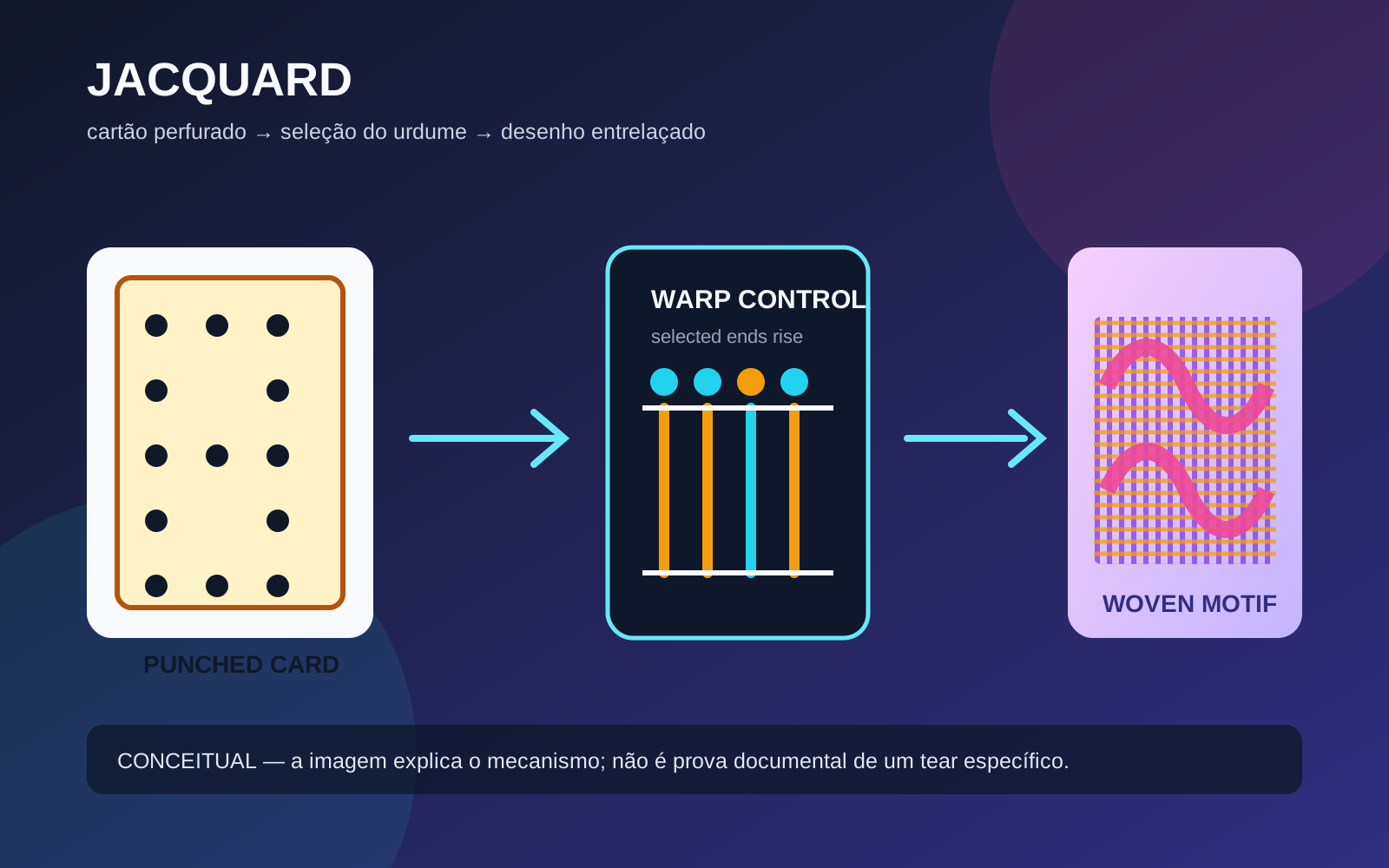
Jacquard refers to a weaving mechanism and, by extension, to fabrics or constructions in which controlled warp selection helps form a design. Joseph-Marie Jacquard patented the invention in 1804; in apparel development, a Jacquard specification must separate construction, fiber content, motif scale, and observed behavior.
Garment fitting
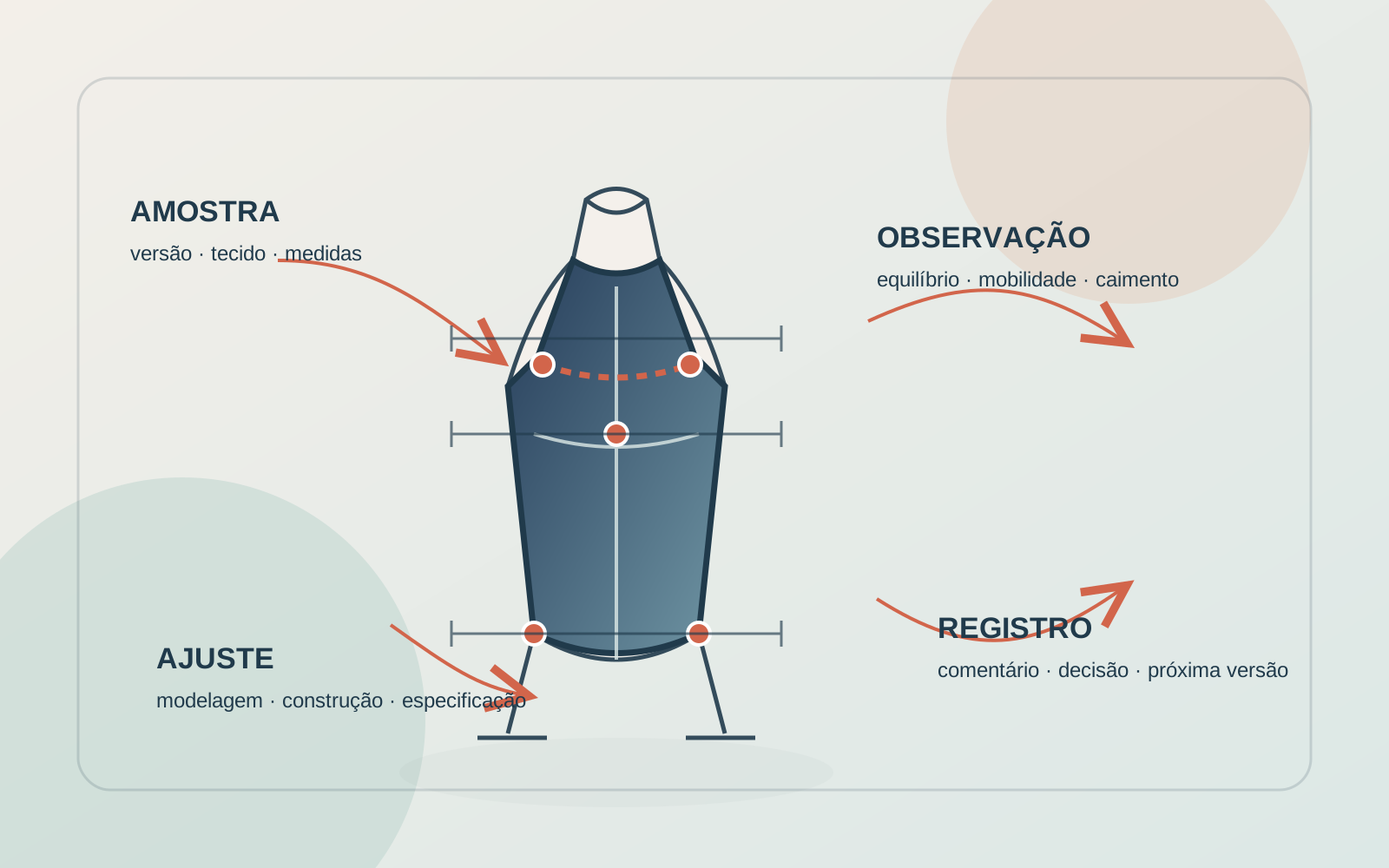
Garment fitting is the process of comparing a dressed sample with a style's design, specifications, and intent. The team observes fit, balance, movement, and construction, records decisions, and sends changes into the next version.
Sources
Want to apply this to your operation?