Jersey
Jersey is a weft-knit material made through loop formation; the name does not identify a single fiber. The source distinguishes single jersey, a single sheet of knit fabric, from the specifically described double-jersey variant; fiber content and construction belong in separate specification fields.
On this page
What is Jersey?
Jersey is a weft-knit fabric used predominantly in clothing manufacture. The consulted source lists wool, cotton, and synthetic fibers as possible materials, so jersey is not the name of one fiber. In a technical specification, the first useful separation is fiber or blend, yarn, construction, and finish. Calling a swatch only “jersey” leaves the description incomplete for development, buying, and incoming inspection.
The name also has a historical scope: the source connects the fabric with the Channel Islands, particularly Jersey, and records traditional use for underwear. That context explains the term, but it does not transfer a historical use to every current article. A contemporary decision should name the construction variant and the actual fiber content.
How do single jersey and double jersey differ?
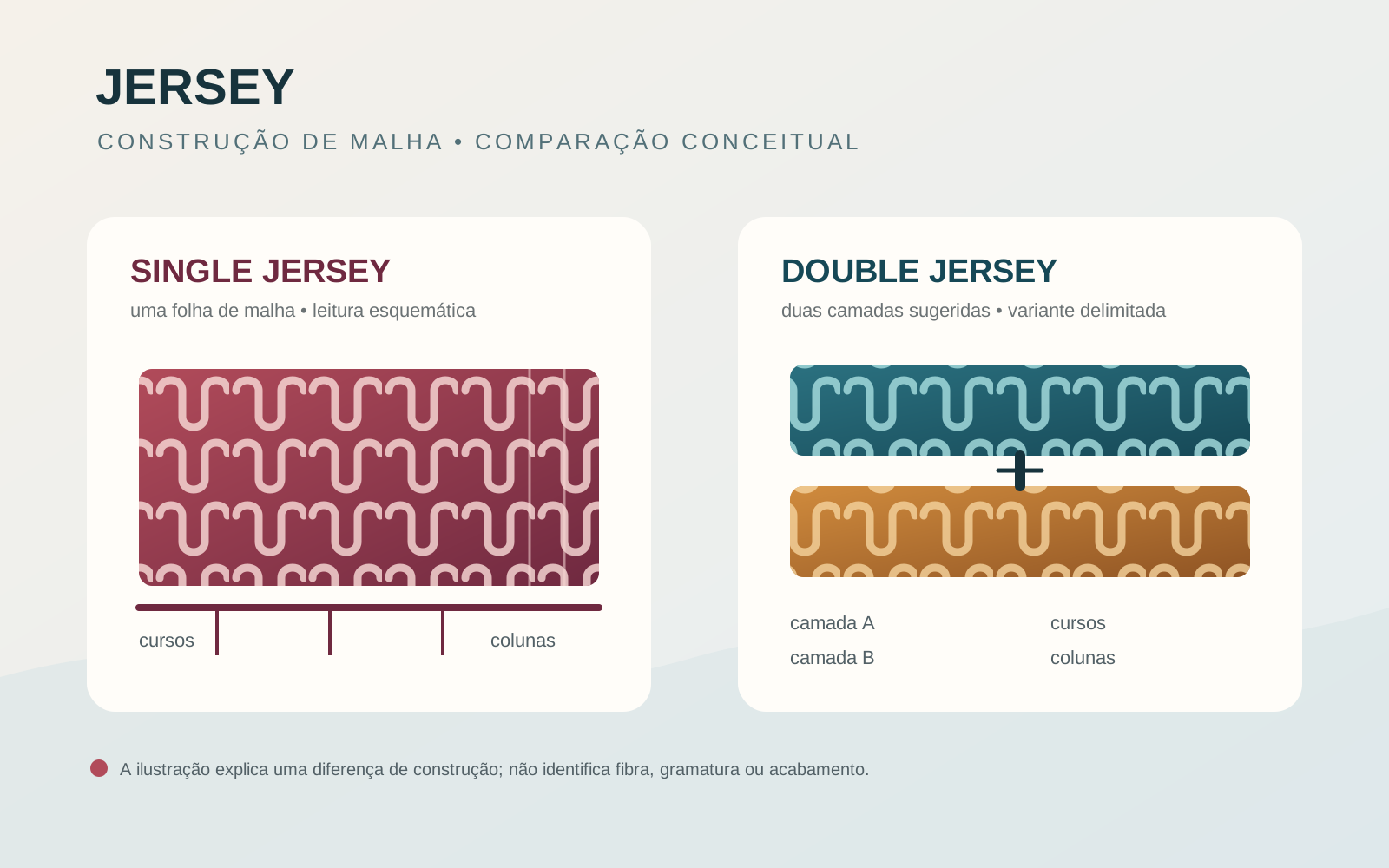
Single jersey is described as weft-knit fabric made on circular knitting machines with a single set of needles. The same description presents it as a single sheet of knit fabric and records a tendency to curl at the edges. The practical point for development is that “single” names a specific construction; it is not a universal synonym for lightness and does not, by itself, disclose fiber, GSM, or finish.
Double jersey must be read within the source’s scope: it is described as fabric made on a double-bed circular knitting machine, with loops on both sides. In that consulted description, this variant is thicker and more stable than single jersey, rolls into itself less, and is considered easier to sew. That does not justify generalizing the same effects to every construction called “double jersey,” nor does it automatically make double jersey interlock.
The lead illustration compares the two constructions without assigning a fixed “face” and “back” orientation to the drawn shapes. A real swatch should be read with the article specification, declared construction, and observed behavior. Knitting and circular knitting are context relations, not substitutes for identifying the purchased article.
How should jersey be specified for fashion development?
Start with the intended use: will the article serve as a T-shirt base, underwear, comfort layer, heavier-covering garment, or another product? Then record the chosen construction, fiber content or blend, supplier, width, GSM when applicable, color, finish, and agreed tolerances in the technical specification. These are specification practices, not universal facts about every jersey article.
Fiber content deserves its own field. The consulted rule addresses generic names and definitions for manufactured fibers within rules for identifying textile fiber products. “Jersey” therefore should not replace the fiber name in documentation or regulated communication. The team should check the rule applicable to the sales market and keep the article’s fiber declaration separate from its construction description.
During approval, compare the swatch with the defined article and acceptance criterion: width, weight, appearance of both sides, edge curling, recovery, and dimensional stability should enter the record as results only when the method, test condition, and tolerance are stated. Quality control organizes that check; fit approval observes the construction in the product; patternmaking translates the choice into the pattern. None of these steps turns the word jersey into an automatic guarantee of comfort, durability, or sustainability.
Which confusions should be avoided?
The first confusion is treating fiber and construction as synonyms: cotton may be part of a jersey article, but “cotton” and “jersey” answer different questions. The second is extending the consulted double-jersey description to other constructions without naming the variant. The third is using a schematic drawing as proof of architecture: this page’s media only helps visualize the comparison; the evidence comes from the sources and the article specification.
A process recommendation should not be rewritten as a material fact. If development requires lower curling, greater stability, or a particular sewing behavior, record the requirement, method, and acceptance limit. The choice between jersey, rib knit, woven fabric, and other constructions should follow the documented product function, not only the commercial name on a swatch.
Why does jersey matter in product development?
Jersey matters because it forces a team to connect material language with a product decision. One label can cover different fibers and constructions; the distinction between single jersey and the source-defined double-jersey variant changes what should be observed in the swatch, cutting, and sewing. When the information stays in the technical specification and is checked through quality control, the article can be compared more precisely without assigning properties that the evidence does not support.
Verified facts
- The cited jersey description lists wool, cotton, and synthetic fibers among its material examples.
Source: en.wikipedia.org ↗ - The historical description names underwear as a traditional use for jersey.
Source: en.wikipedia.org ↗ - Single jersey is described as weft-knit fabric produced by circular knitting machines and made from a single set of needles.
Source: en.wikipedia.org ↗ - The consulted description presents single jersey as a single sheet of knit fabric and records a tendency to curl at the edges.
Source: en.wikipedia.org ↗ - Double jersey is described as knit fabric produced on a double-bed circular knitting machine, with loops on both sides.
Source: en.wikipedia.org ↗ - In the consulted description, double jersey is thicker and more stable than single jersey.
Source: en.wikipedia.org ↗ - In the consulted description, double jersey rolls into itself less than single jersey and is considered easier to sew.
Source: en.wikipedia.org ↗ - The consulted rule defines generic names and definitions for manufactured fibers within rules for identifying textile fiber products.
Source: law.cornell.edu ↗
Related entries
Industrial knitting
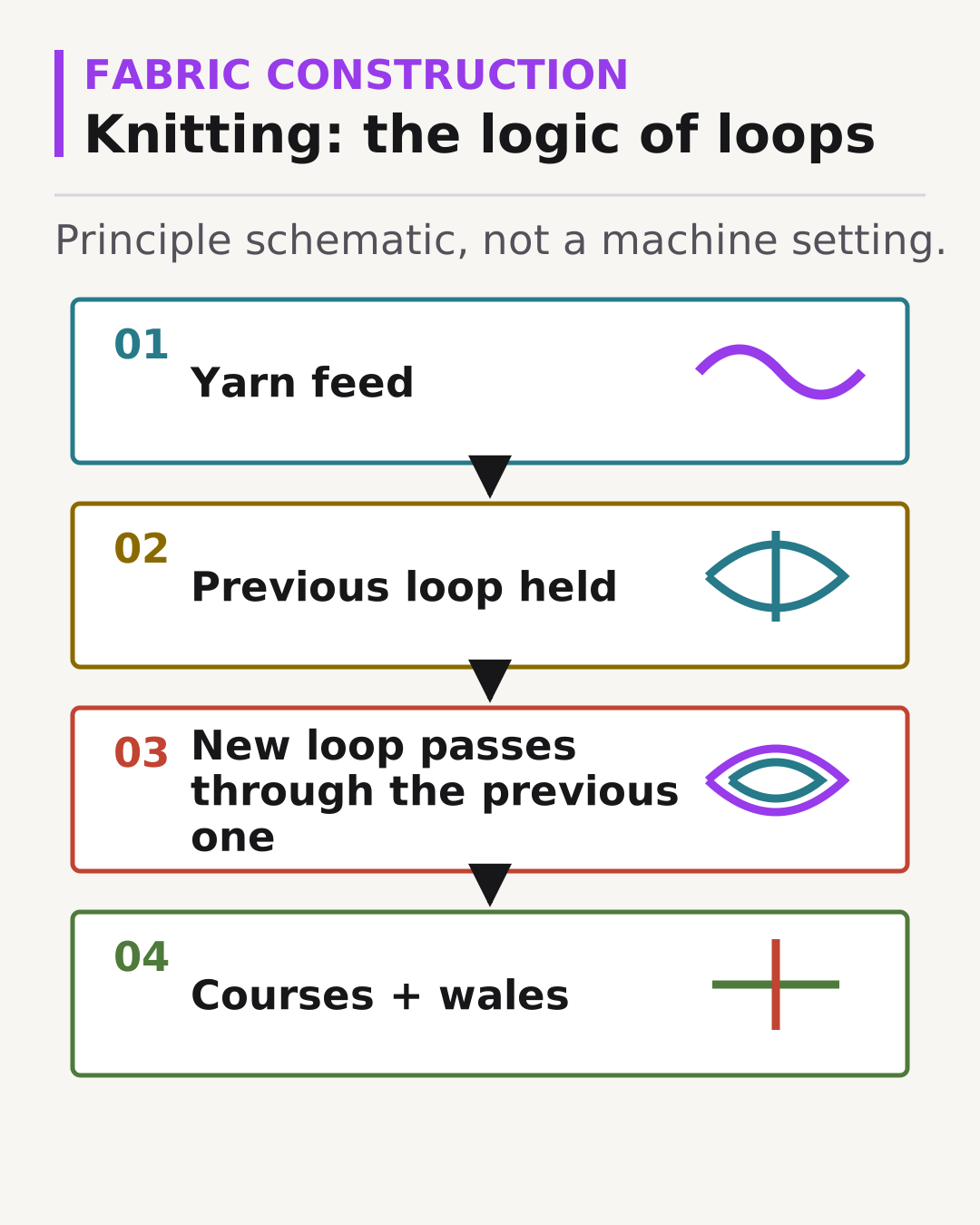
Knitting is the process of forming fabric through series of intermeshed loops. It divides into weft knitting, in which yarn travels across the width and needles form loops in sequence, and warp knitting, in which parallel yarns feed needles that work simultaneously along the fabric length.
Circular knitting
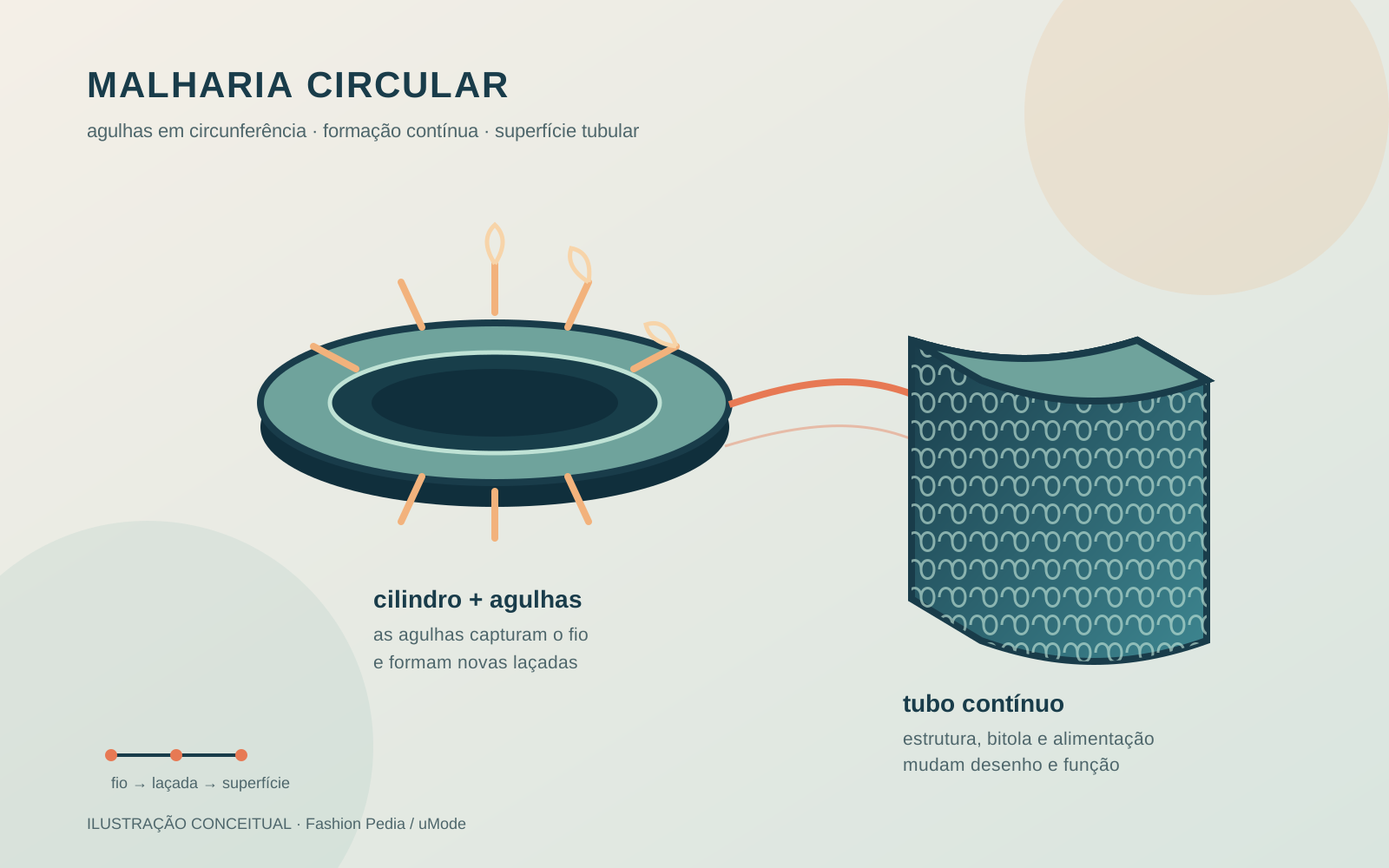
Circular knitting is a fabric-forming technique in which needles arranged on a circular bed produce a continuous tubular knitted structure. The result depends on the interaction of yarn, needles, cylinder, feeding, structure and gauge; the same machine logic can serve open fabrics, separated pieces or seamless constructions.
Cotton
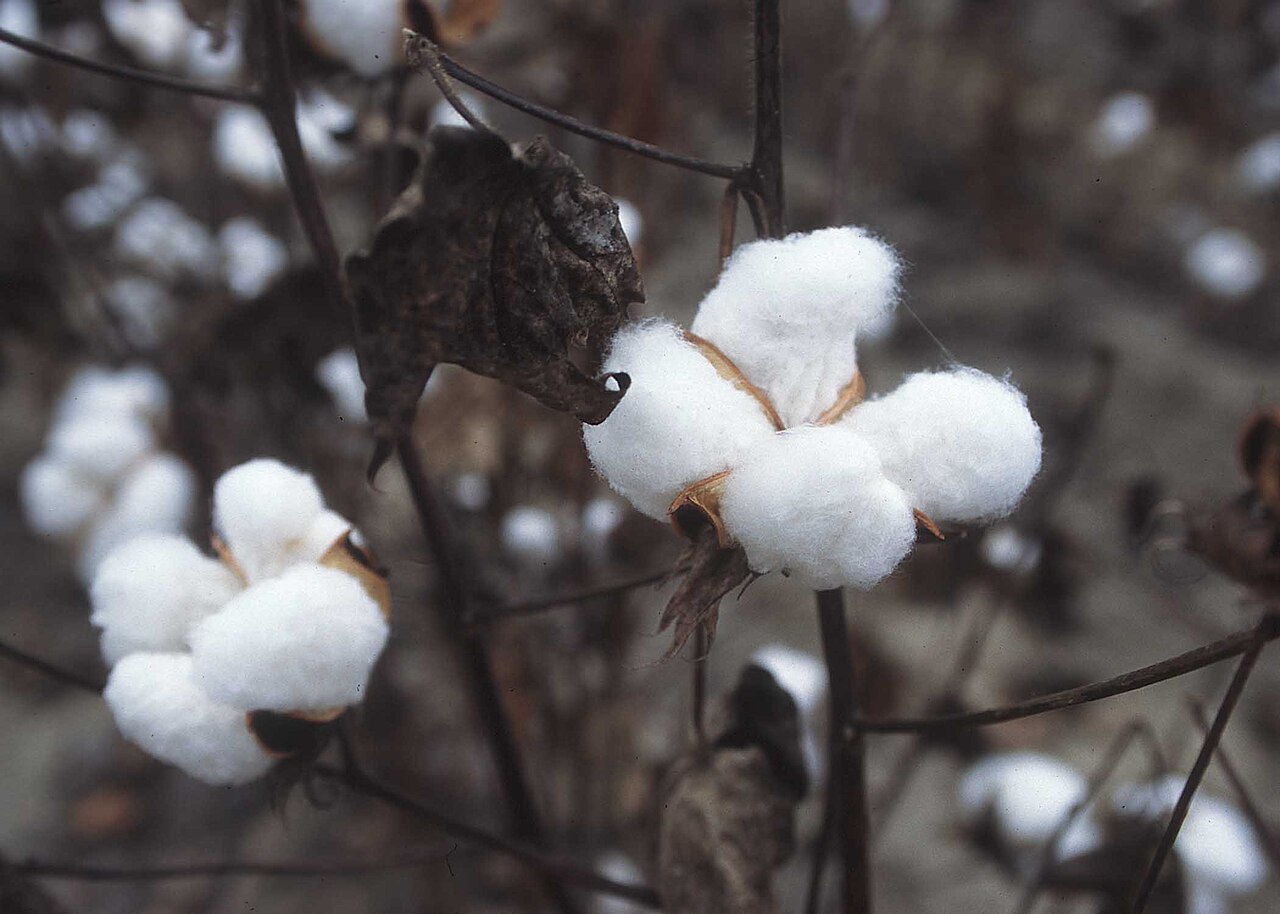
Cotton is the most widely used natural fiber in the global textile industry. Grown around the seeds of the cotton plant (Gossypium), it is prized for comfort, breathability and versatility in apparel.
Elastane
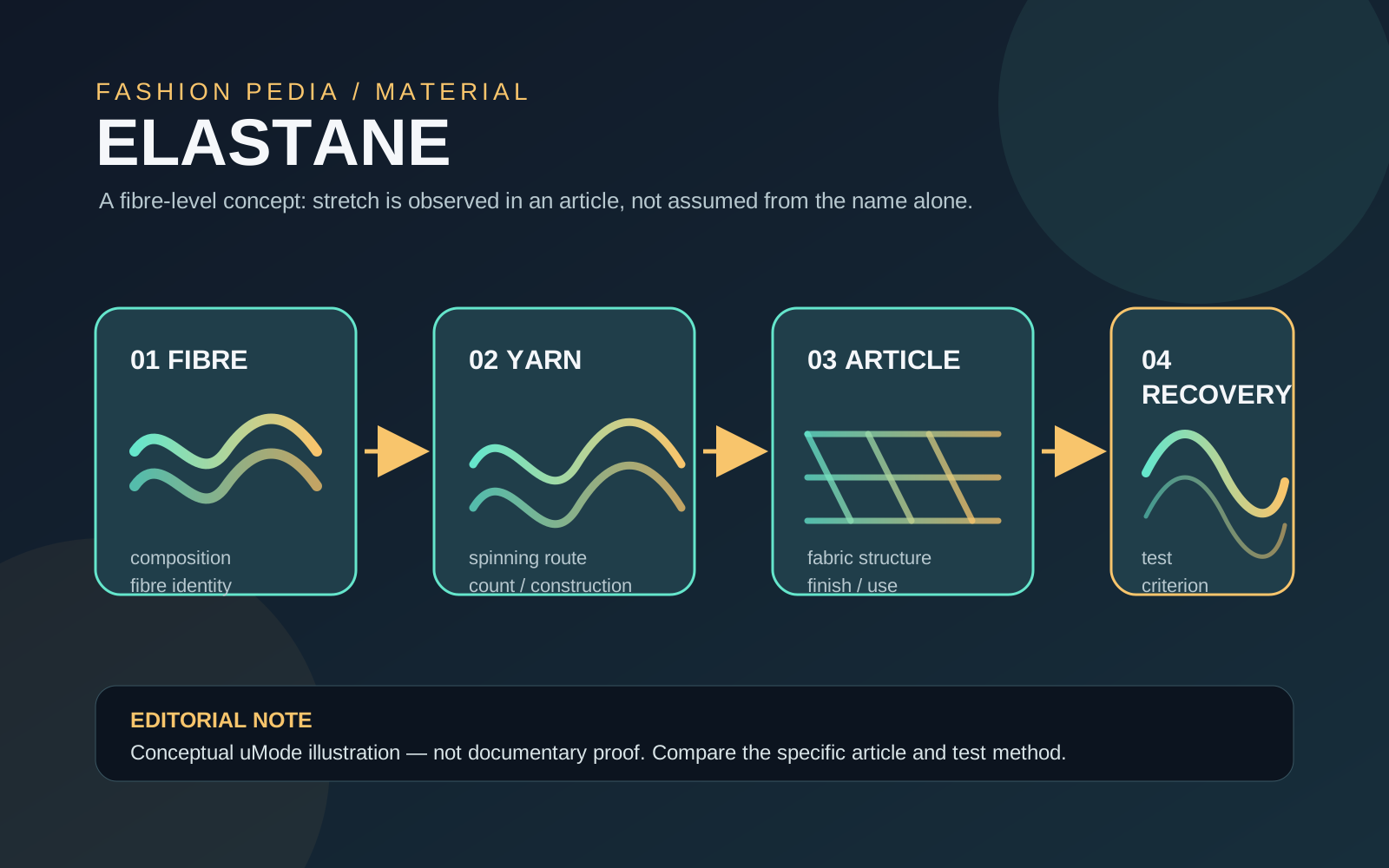
Elastane is a synthetic elastofibre defined in Regulation (EU) No 1007/2011 as containing at least 85% by mass of segmented polyurethane and recovering rapidly and substantially toward its initial length after being stretched to three times that length. In fashion, it should be treated as a fibre: the yarn, fabric and garment still require their own specification.

Fashion product technical specification
A technical specification is the controlled information set that translates an approved fashion product into verifiable sampling and manufacturing requirements. It brings together drawings, materials, measurements, construction, tolerances, identification, labelling, comments and revision history; its content varies by category, company, market and stage.

Apparel quality control
Apparel quality control combines specifications, inspection, and testing to check whether fabrics, trims, and garments meet the expected performance for a product and end use. The process can examine color, drape, hand, durability, conformance, defects, fit, seam integrity, shrinkage, and drying performance. Quality decisions depend on the product and its intended use.
Sources
Want to apply this to your operation?