Organza
Organza is a thin, sheer plain-weave fabric traditionally made from silk and now also woven from synthetic filaments such as polyester and nylon. Its crisp hand, stiffness relative to weight, and slippery surface explain its use when transparency must retain body and volume, but the fiber and finish still have to be identified in the actual article.
On this page
What is Organza?
Organza is a thin, sheer plain-weave fabric. The classic form is made from silk, but the same name also appears on fabrics woven from synthetic filaments such as polyester or nylon. This separation between fiber and fabric matters: organza names a family of textile articles, not one composition. Weaving describes how the yarns are organized, while composition identifies the material used in those yarns.
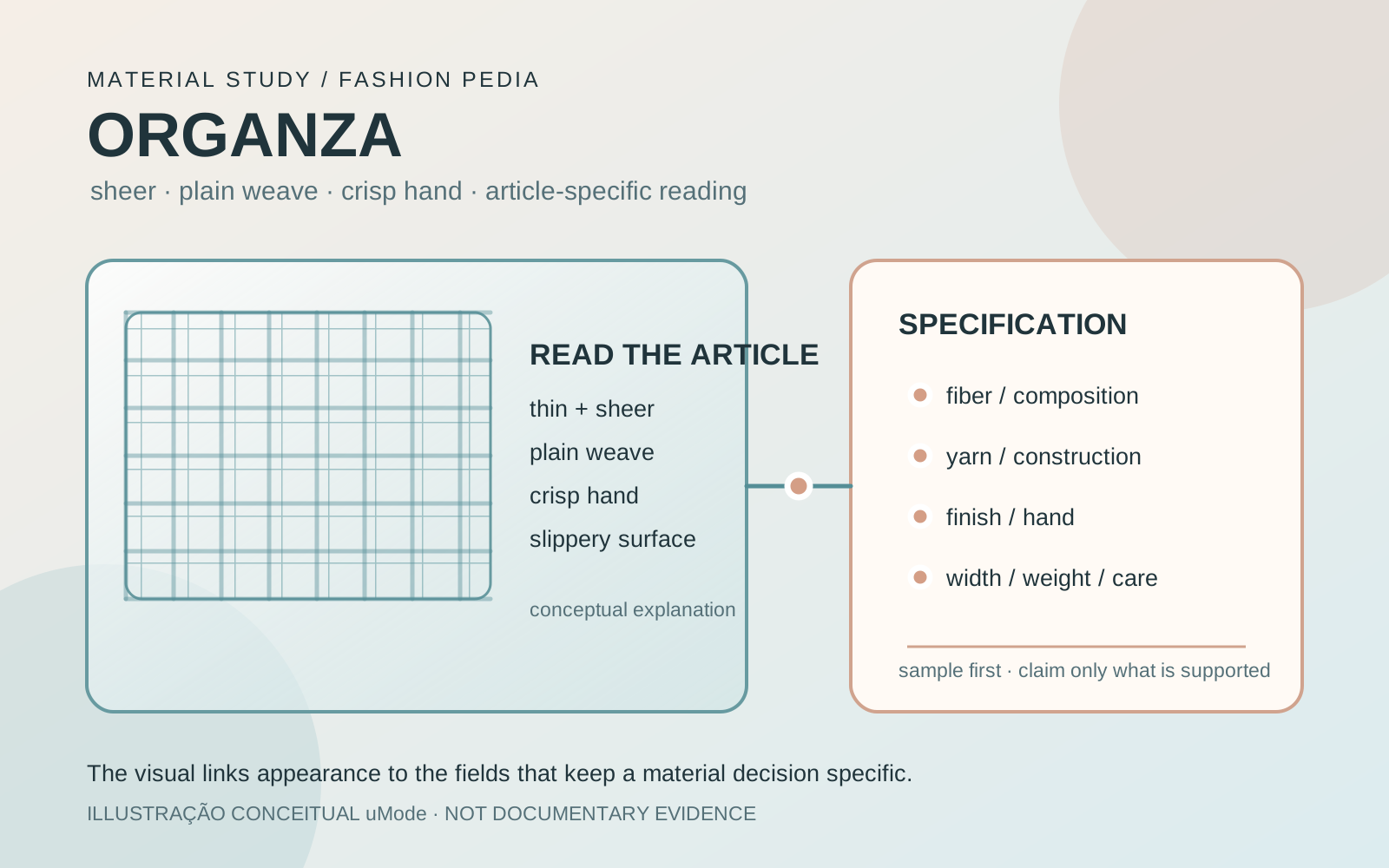
Organza is recognized by a crisp hand, stiffness relative to weight, and a slippery surface texture. A Brazilian market description also presents it as lightweight and very structured, suitable for pieces that need volume. These terms describe a category and commercial articles; they do not turn every organza into a uniform promise of drape, strength, or comfort.
How does its construction create this effect?
A market technical description characterizes organza as a thin, sheer woven fabric in a plain weave with highly twisted yarns. Its stiffness is attributed to the combination of that twist and finishes that stiffen the fabric. The same visual effect therefore involves several layers: yarn formation and yarn, plain-weave construction, and finishing. Fiber alone does not explain the result.
This reading helps structure a technical specification without treating commercial names as complete descriptions. For a sample, separate composition, construction, yarn, and finish before comparing articles. What is observed in the hand or silhouette should remain attached to the article observed; one sample does not automatically generalize to another variant.
Why is organza chosen in fashion?
Organza is chosen when sheerness, lightness, and body need to appear together. The market source associates it with pieces that require volume, while the fabric description emphasizes its ability to hold shape and structure. The material can therefore work as a layer, overlay, or volume element when the garment construction is compatible with the article received.
The comparison with chiffon makes the boundary clearer: in the consulted description, chiffon is fluid and soft, while organza holds shape and structure. The comparison with tulle should likewise be made through construction and observed behavior, not transparency alone. Quality control verifies the specified article; it does not replace material identification.
What are its use and care limits?
According to the consulted technical description, cut edges of organza fray easily. This is a concrete limit for garment construction: edge finishing has to suit the variant, thickness, and assembly method. The guidance should be checked against the actual sample and article, especially where an additional finish is present.
The name organza should also not be used as a shortcut for claims about origin, sustainability, composition, or performance. The term's history is presented as a possible derivation from organsin and Urgench, while contemporary production includes silk, polyester, and nylon. The material matters because it requires fiber, yarn, weave, finish, and behavior to be distinguished rather than treating sheerness as a complete specification.
Verified facts
- The conventional organza description identifies silk as its traditional fiber, while current examples also use polyester and nylon filaments.
Source: en.wikipedia.org ↗ - Crisp hand, weight-relative stiffness, and a slippery surface are the key tactile descriptors associated with organza.
Source: en.wikipedia.org ↗ - The name organza may derive from French organsin and ultimately from the Central Asian city of Urgench.
Source: en.wikipedia.org ↗ - A Brazilian fabric retailer describes organza as lightweight and very structured, used for pieces that need volume.
Source: maximustecidos.com.br ↗ - Organza is currently produced with silk, polyester, and nylon while retaining the fabric's main described characteristics.
Source: maximustecidos.com.br ↗ - A market technical description characterizes organza as a thin, sheer woven fabric in a plain weave with highly twisted yarns.
Source: texteis.com.br ↗ - The source describes organza's stiffness as the result of highly twisted yarns combined with finishes that stiffen the fabric.
Source: texteis.com.br ↗ - In the source's comparison, organza holds shape and structure while chiffon is fluid and soft.
Source: texteis.com.br ↗ - Cut edges of organza fray easily and therefore require careful finishing.
Source: texteis.com.br ↗
Related entries

Fashion product technical specification
A technical specification is the controlled information set that translates an approved fashion product into verifiable sampling and manufacturing requirements. It brings together drawings, materials, measurements, construction, tolerances, identification, labelling, comments and revision history; its content varies by category, company, market and stage.

Industrial weaving
Weaving is the process of forming fabric by regularly interlacing two yarn systems: warp in the lengthwise direction and weft across the width. The construction results from warp preparation, shed formation, weft insertion and beat-up, and control of yarn delivery and fabric take-up.
Chiffon
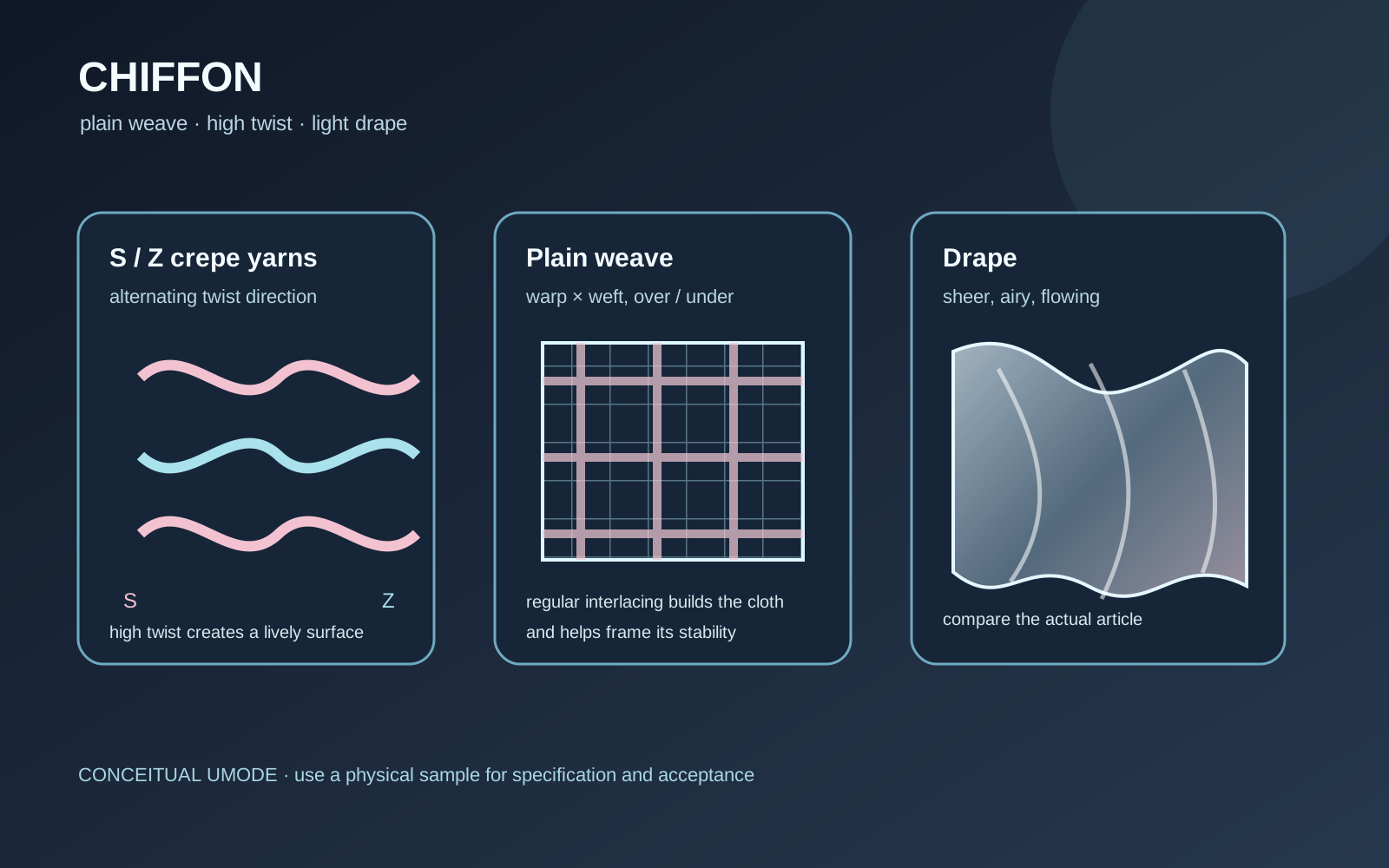
Chiffon is a lightweight, sheer, balanced plain-woven fabric made with alternating S- and Z-twist crepe yarns. The name describes a construction and visual behaviour rather than one fibre: an article may use natural or synthetic fibres, so a specification should separate fibre content, structure, drape and finish.
Tulle
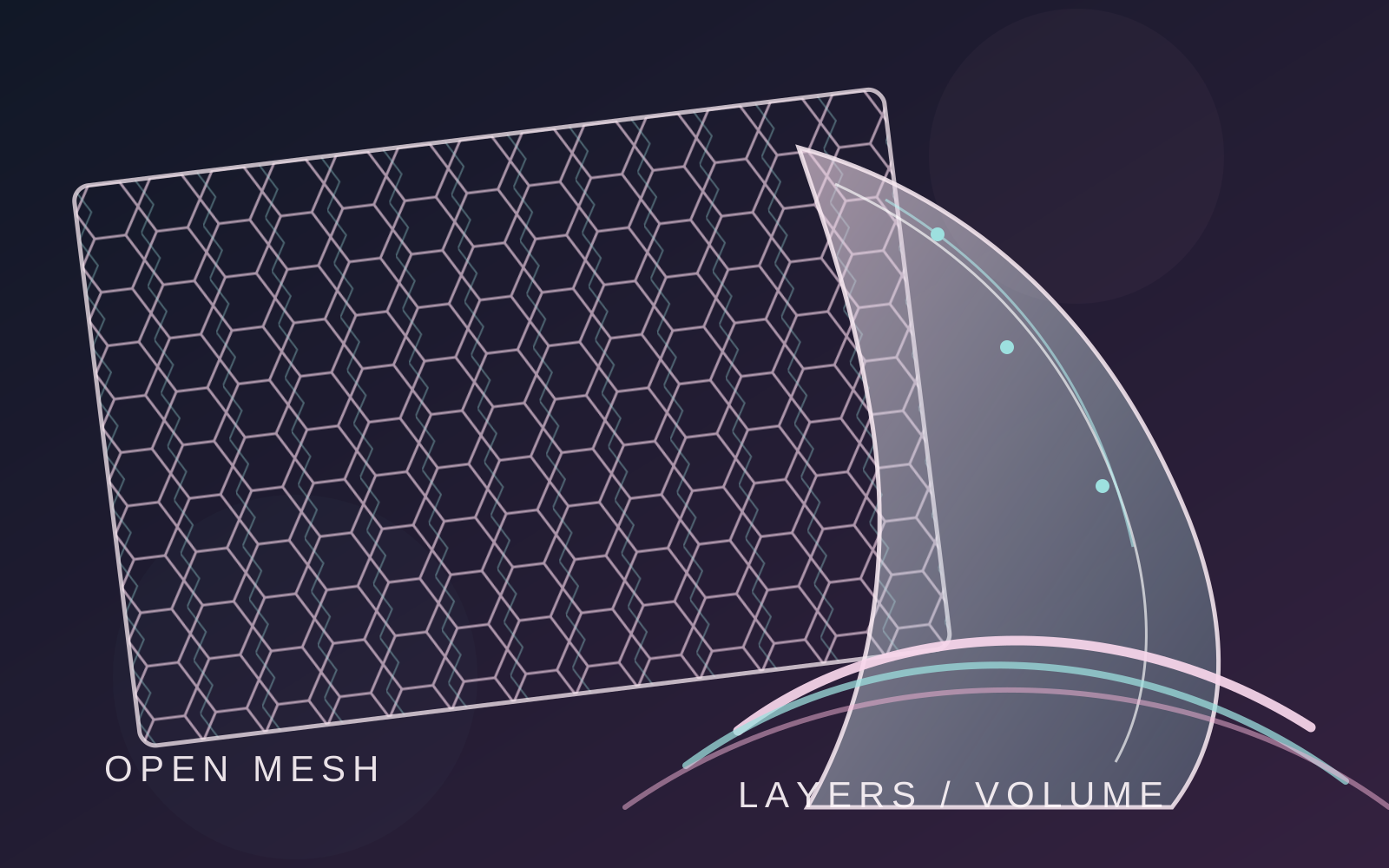
Tulle is a fine, lightweight and generally stiff textile net made with small openings; it can use different fibres and appears in veils, gowns, tutus and layers that control transparency and volume.

Apparel quality control
Apparel quality control combines specifications, inspection, and testing to check whether fabrics, trims, and garments meet the expected performance for a product and end use. The process can examine color, drape, hand, durability, conformance, defects, fit, seam integrity, shrinkage, and drying performance. Quality decisions depend on the product and its intended use.
Sources
Want to apply this to your operation?