Recycled polyester
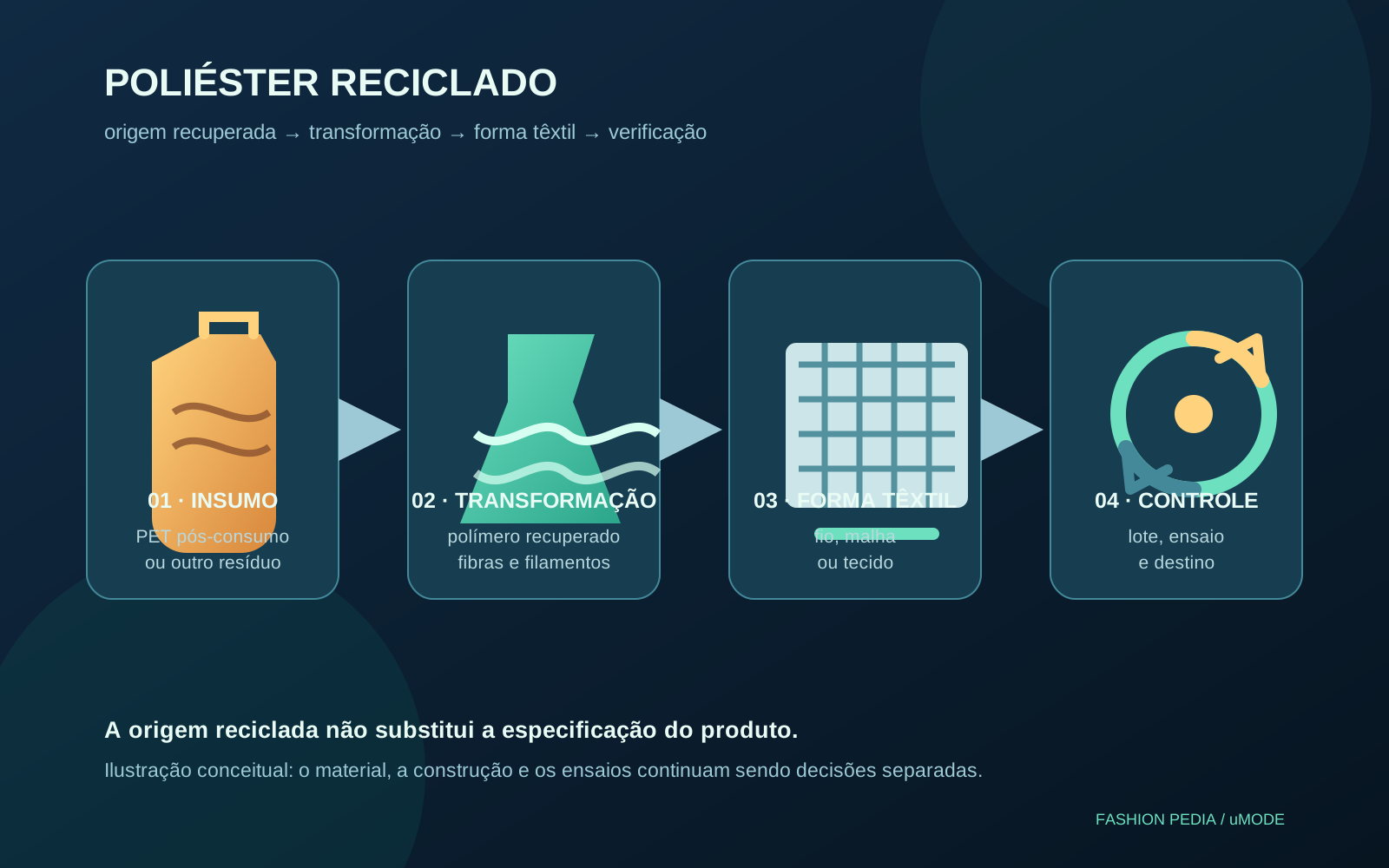
Recycled polyester is a textile material made when recovered polyester, including post-consumer PET in some products, is transformed into fibre or fabric. Recycled origin does not determine performance by itself: a useful specification separates feedstock, construction, lot, testing and the scope of any environmental claim.
On this page
What is Recycled polyester?
Recycled polyester is textile polyester made from recovered feedstock. A study of R-PET describes it as derived from post-consumer PET and connects it to fabrics developed for comparison with virgin polyester. That scope matters: the term does not describe one universal product, so a technical sheet should identify the feedstock, textile form and purchasing lot.
In product development, recycled polyester identifies the origin of the polymer, not an automatic approval of comfort, quality or environmental impact. The final composition still needs to distinguish fibre, yarn, knit or woven fabric. This boundary is important when the material is specified beside polyester, recycled cotton or other synthetic fibres.
What does the evidence allow us to say about the material?
Textile evidence has to be read within the study’s scope. In the paper consulted, two equivalent fabrics were developed: one using R-PET and one using V-PET. In the samples assessed, the R-PET fabric showed positive results for tensile strength and abrasion resistance. That finding can inform a development question, but it does not justify promising the same performance for every fibre, yarn, construction, finish or supplier.
The same study records limited academic literature on R-PET performance in textile form. A sourcing decision should therefore not treat the material name as a substitute for testing. Record composition, construction, mass per area, colour, finish, supplier and lot in the technical sheet, then connect those fields to the method and test result. For quality control, the correct comparison unit is the specified sample, not the word “recycled” on its own.
How should it be specified and communicated in fashion?
Start the specification with the feedstock and end with the product that will be delivered. State the declared percentage, fibre form, yarn or fabric, construction and required tests. If a certification or other documentary proof is used, record its document, scope, issuing entity and validity; do not use the material name as if it were a certificate. This preserves the difference between recovered origin, traceability and tested performance.
Communication should stay within the evidence. The European Environment Agency recognises the use and washing of textiles made from synthetic plastic fibres as sources of microplastics and reports that most textile microplastics are released during the first few washes. That point does not make recycled polyester a special exception; it prompts questions about construction, care, durability and end of life. Synthetic materials should be assessed as products in use, including when combined with documentary traceability.
When making an environmental claim, use wording that is bounded and verifiable. The FTC Green Guides exist to help marketers make environmental claims that are true and substantiated, so “recycled”, “circular” and “lower impact” should not be treated as synonyms. For a fashion team, a robust decision keeps feedstock, composition, testing, care and end of life in separate fields instead of compressing them into one adjective.
Connections
polyester · synthetic fibres · recycled cotton · traceability · technical sheet · quality control
Verified facts
- McCullough and Sun describe recycled polyester (R-PET) as derived from post-consumer plastic bottles.
Source: irispublishers.com ↗ - The same study records limited academic literature on the performance characteristics of R-PET in textile form.
Source: irispublishers.com ↗ - The study compared two equivalent fabrics, one made from R-PET and the other from virgin polyester (V-PET).
Source: irispublishers.com ↗ - In the samples assessed by the study, the R-PET fabric showed positive results for tensile strength and abrasion resistance.
Source: irispublishers.com ↗ - The European Environment Agency recognises the use and washing of textiles made from synthetic plastic fibres as a source of microplastics.
Source: eea.europa.eu ↗ - According to the European Environment Agency, most microplastics from textiles are released during the first few washes.
Source: eea.europa.eu ↗ - The FTC Green Guides were issued to help marketers make environmental claims that are true and substantiated.
Source: ftc.gov ↗
Related entries
Polyester
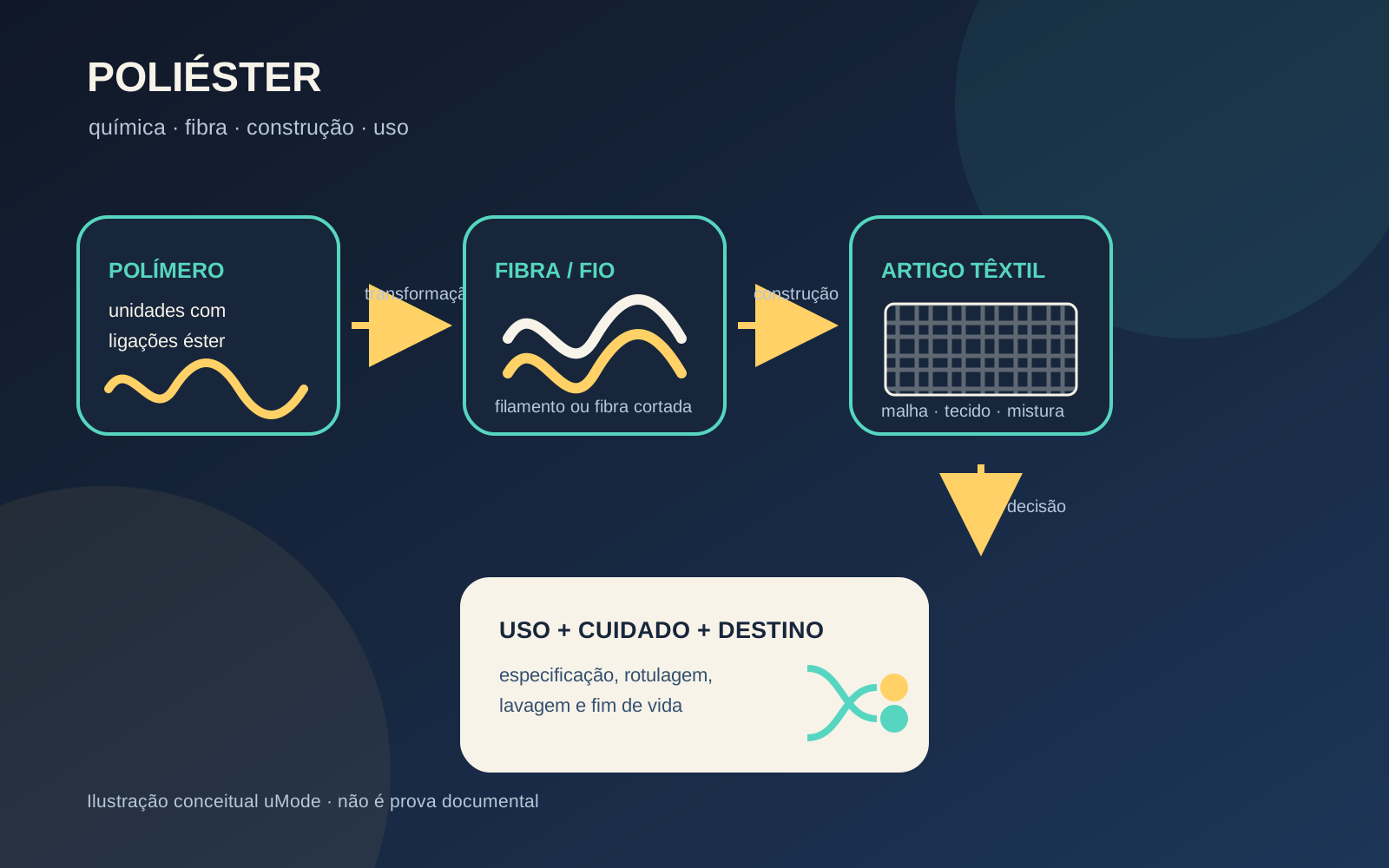
Polyester is a family of polymers with ester linkages; in fashion, the name most often refers to textile fibers and products based on PET. The result still depends on fiber, yarn, construction, and the rules that govern fiber composition and care.
Recycled cotton
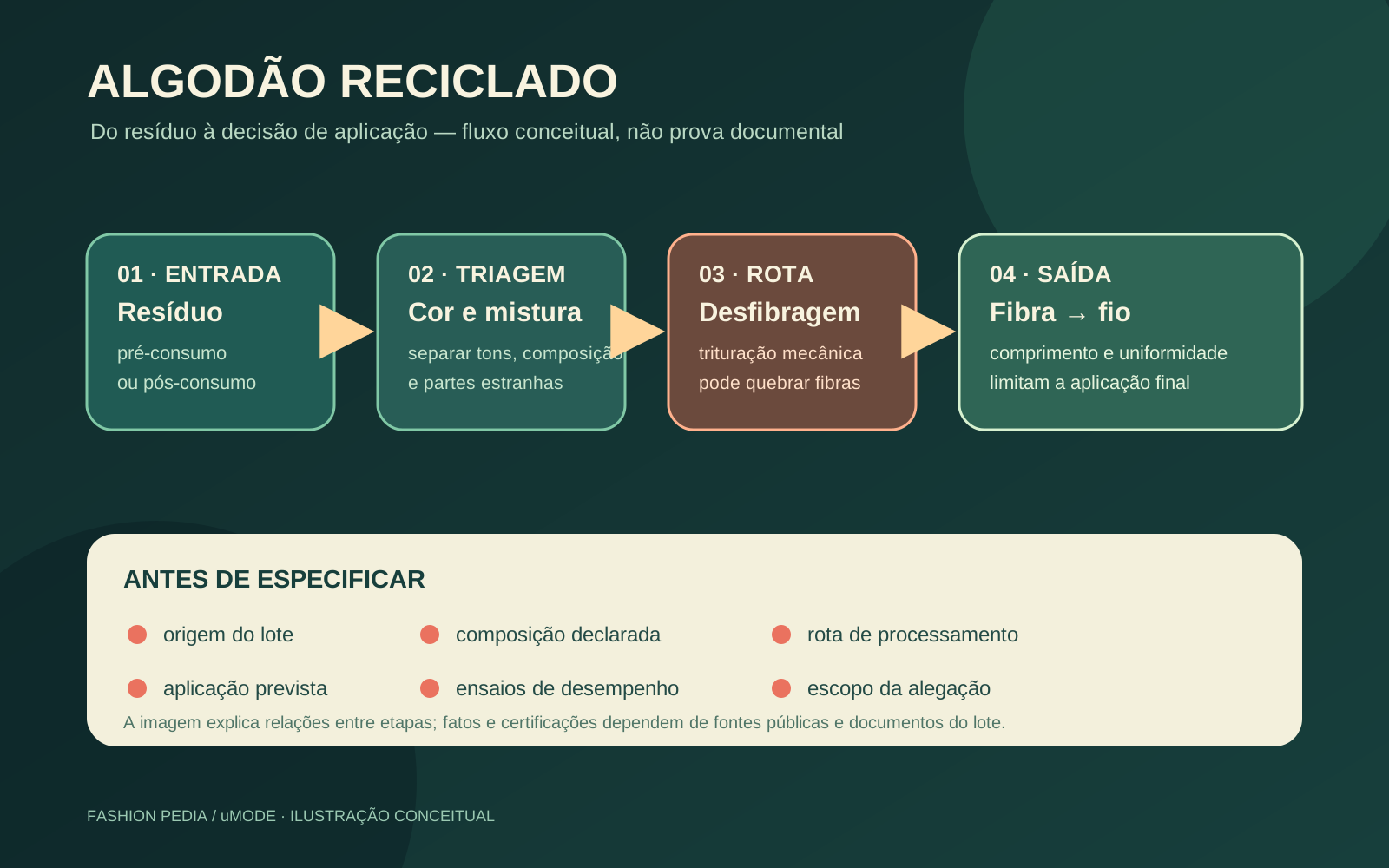
Recycled cotton is cotton fabric converted back into cotton fibre for reuse in textile products. The input may be pre-consumer or post-consumer material; sorting, shredding, fibre length and intended application determine what a given lot can deliver.
Traceability in the fashion supply chain
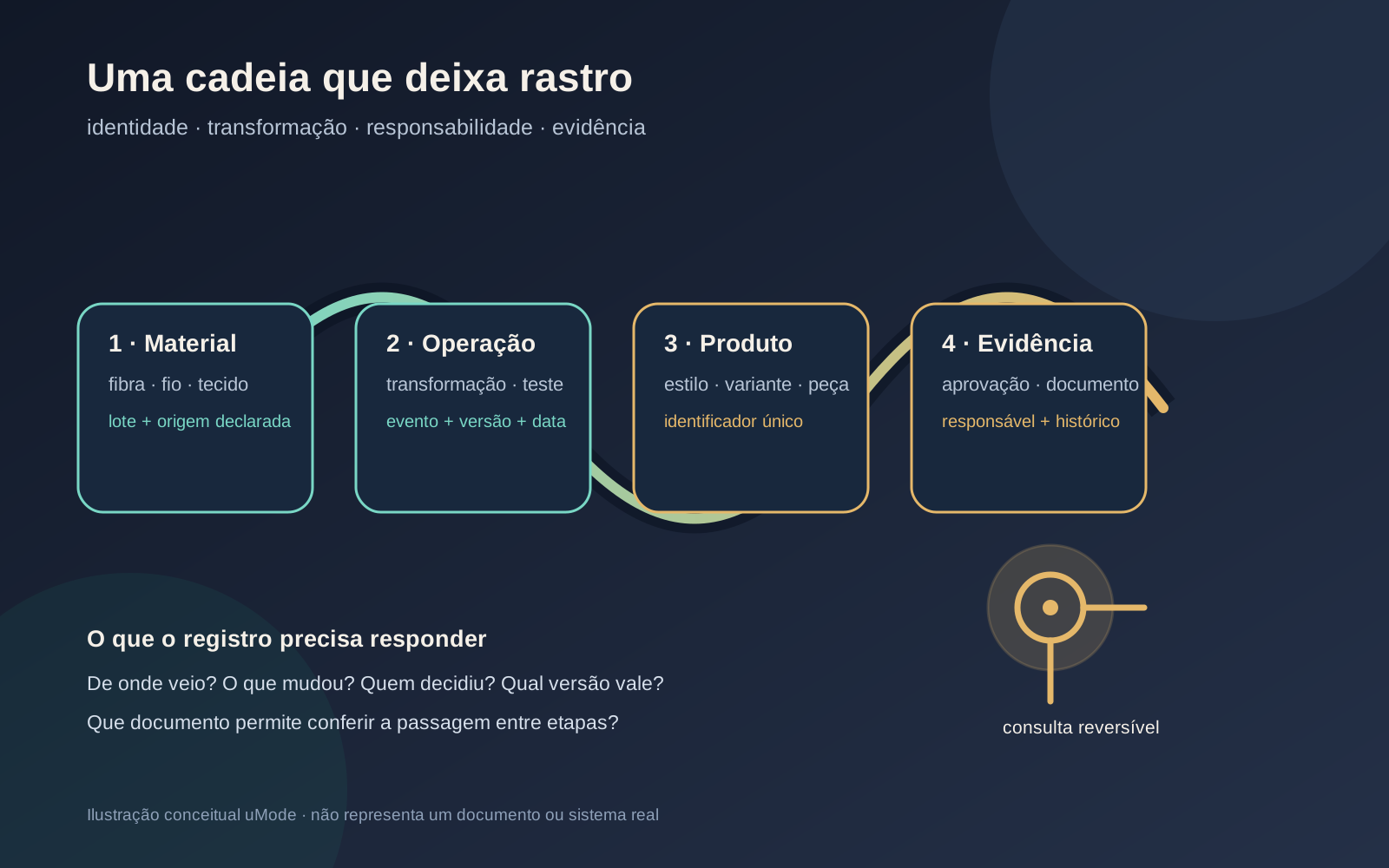
Traceability in the fashion supply chain. Fashion supply-chain traceability is the process of linking a product, material or component to the entities, activities, responsible parties and records that explain its transformation and movement. In practice, it combines identifiers, events, relationships and evidence so a product history can be checked.

Fashion product technical specification
A technical specification is the controlled information set that translates an approved fashion product into verifiable sampling and manufacturing requirements. It brings together drawings, materials, measurements, construction, tolerances, identification, labelling, comments and revision history; its content varies by category, company, market and stage.

Apparel quality control
Apparel quality control combines specifications, inspection, and testing to check whether fabrics, trims, and garments meet the expected performance for a product and end use. The process can examine color, drape, hand, durability, conformance, defects, fit, seam integrity, shrinkage, and drying performance. Quality decisions depend on the product and its intended use.
Sources
- https://irispublishers.com/jtsft/fulltext/an-investigation-into-the-performance-viability-of-recycled-polyester-from-recycled-polyethylene-terephthalate-r-pet.ID.000543.php
- https://www.eea.europa.eu/en/analysis/publications/microplastics-from-textiles-towards-a-circular-economy-for-textiles-in-europe
- https://www.ftc.gov/legal-library/browse/rules/green-guides
Want to apply this to your operation?