Twill
Twill is one of the three fundamental weave structures, recognizable by the diagonal ribs on its surface. Durable and substantial, it is the base structure behind denim, gabardine, and much of utilitarian apparel.
What is twill?
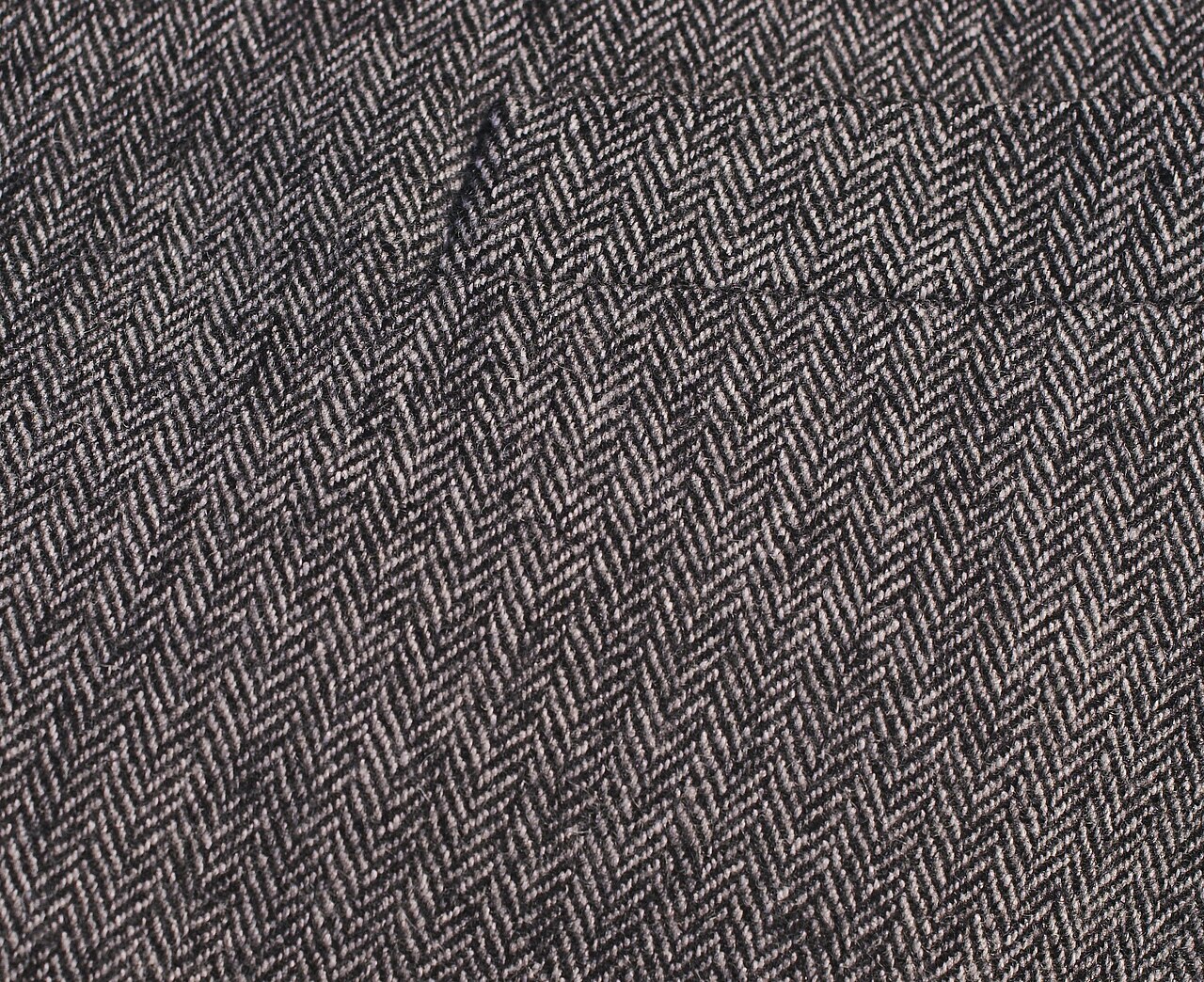
Twill is one of the three fundamental plain-weave structures, alongside plain weave and satin. What sets it apart to the naked eye is the continuous diagonal line across the fabric's surface — a direct result of how the weft yarn interlaces with the cotton, wool, or any other fiber used in the warp.
How is twill structured?
In a twill weave, the weft yarn passes over one or more warp yarns and then under two or more, shifting one yarn sideways with each pass. This systematic shift is what produces the diagonal — and it's also what gives twill more body and abrasion resistance than a plain weave, since there are fewer interlacing points per area and the yarns are freer to settle under tension.
Two variations inherit directly from this constructive logic. Denim, the base fabric of jeans, is a cotton twill with dyed warp yarns — traditionally indigo — and undyed weft yarns, which produces the characteristic fading effect with wear. Gabardine, patented by Thomas Burberry in 1879, pushes the twill logic to the opposite extreme: a much tighter weave, a thin, nearly water-resistant surface, historically used in raincoats and uniforms. A third variation, herringbone, periodically reverses the diagonal direction, creating the classic V-shaped pattern seen in tailored coats.
Why does twill matter?
Recognizing a twill weave on a tech pack isn't an aesthetic exercise — it's a behavior forecast. Twill fabrics drape more fluidly, resist wrinkling better, and hide soil and wear better than a plain weave, which is why they dominate uniforms, workwear, and denim itself. From a collection-governance standpoint, knowing whether a fabric is twill, plain, or satin already signals sewing parameters, yarn consumption, and finishing behavior — information that, at uMode, feeds directly into the tech pack and reduces rework between design and production. Unlike linen, which typically uses a plain weave and therefore wrinkles more easily, twill is the structural choice when durability and substantial drape are the goal.
Verified facts
- Twill is one of the three fundamental weave structures, alongside plain weave and satin weave.
Source: pt.wikipedia.org ↗ - The diagonal pattern of twill is formed by the weft yarn passing over one or more warp yarns and under two or more, shifting sideways with each pass.
Source: en.wikipedia.org ↗ - Denim, the base fabric of jeans, is a cotton twill with dyed warp yarns (traditionally indigo) and undyed weft yarns.
Source: en.wikipedia.org ↗ - Gabardine is a tightly woven twill fabric patented by Thomas Burberry in 1879.
Source: en.wikipedia.org ↗ - Twill-weave fabrics tend to drape more fluidly and resist wrinkling better than plain-weave fabrics.
Source: britannica.com ↗ - The word "twill" derives from Old English "twili", related to the idea of fabric woven with a double thread.
Source: etymonline.com ↗ - Herringbone is a twill variation in which the diagonal direction periodically reverses, forming a V-shaped pattern.
Source: en.wikipedia.org ↗
Related entries
Cotton
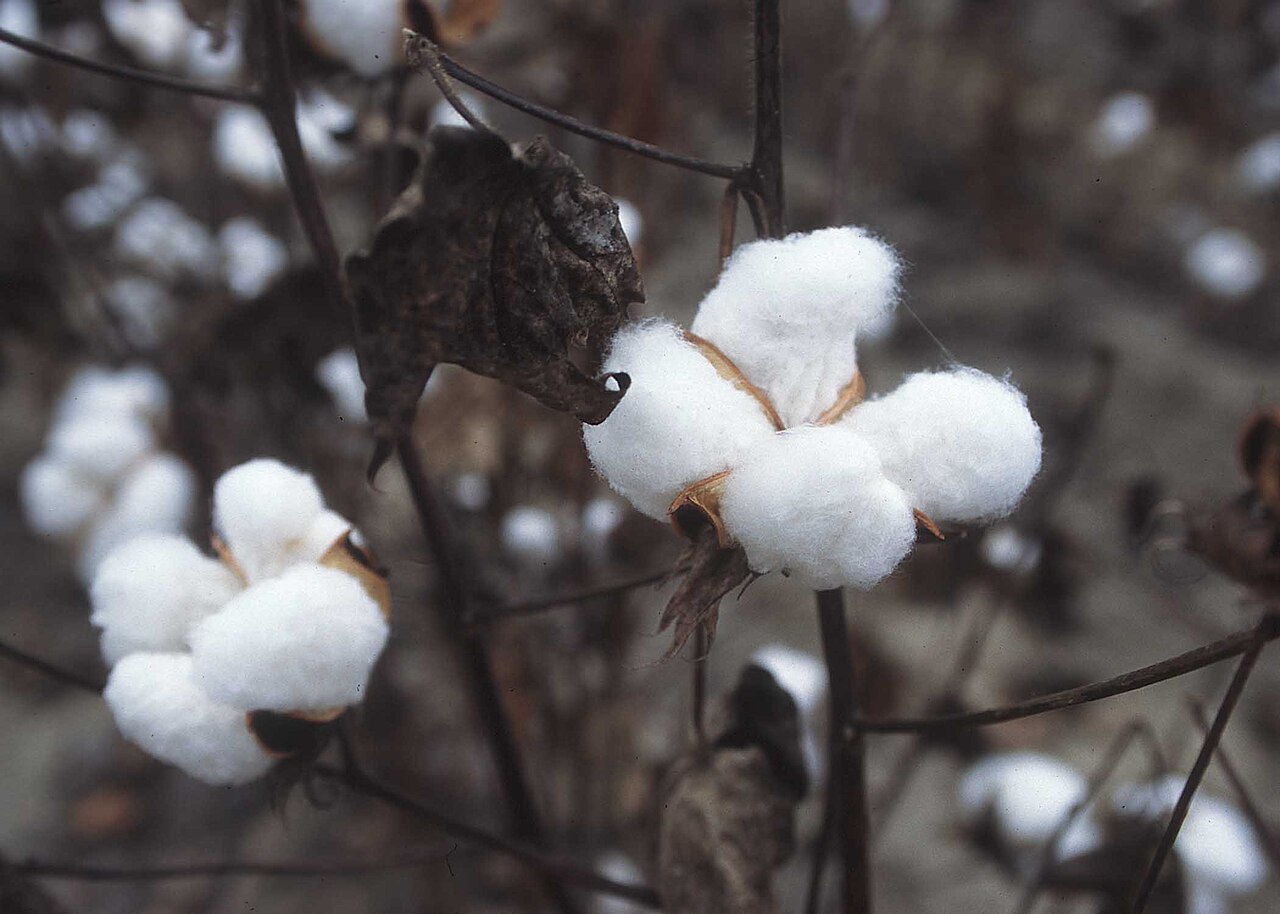
Cotton is the most widely used natural fiber in the global textile industry. Grown around the seeds of the cotton plant (Gossypium), it is prized for comfort, breathability and versatility in apparel.
Wool
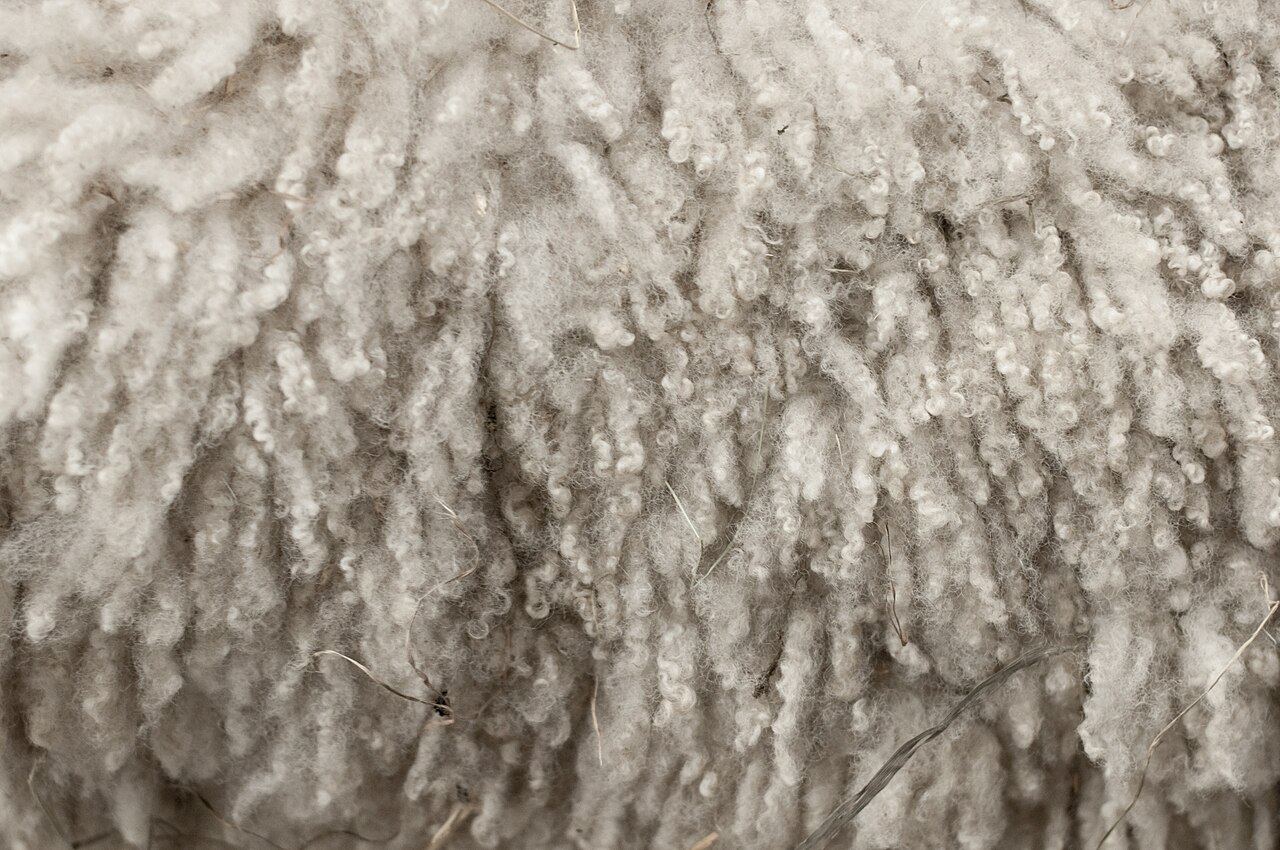
Wool is the textile fiber obtained from the fleece of sheep and other animals. Insulating and elastic, it is the basis of winter knitwear and tailoring.
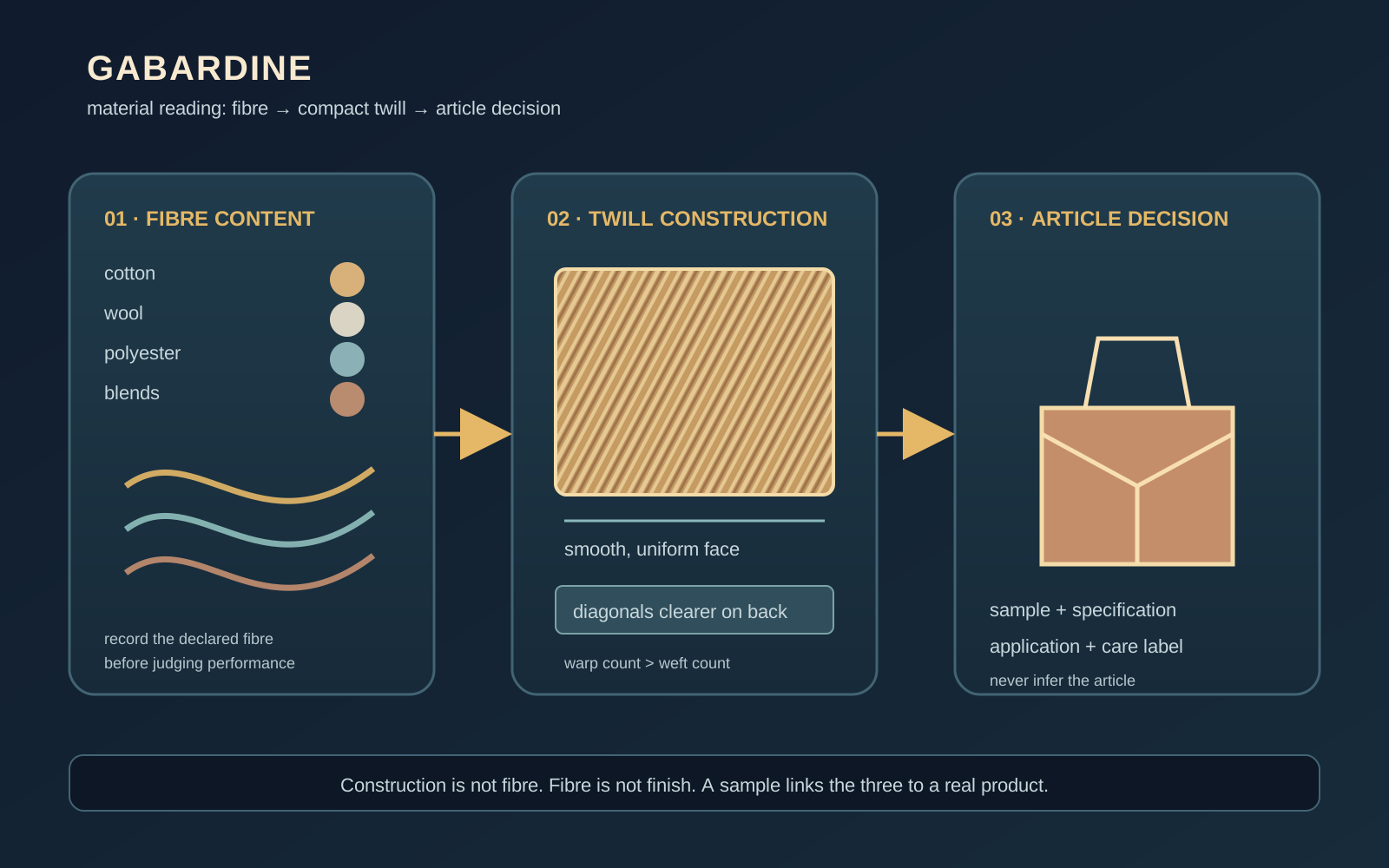
Gabardine
Gabardine is a twill fabric with a firm, compact construction and subtle diagonal lines on the surface. Its specification should separate construction, fibre content, finish, application and care: the name identifies a family of articles, but it does not replace the fabric sample or its documentation.
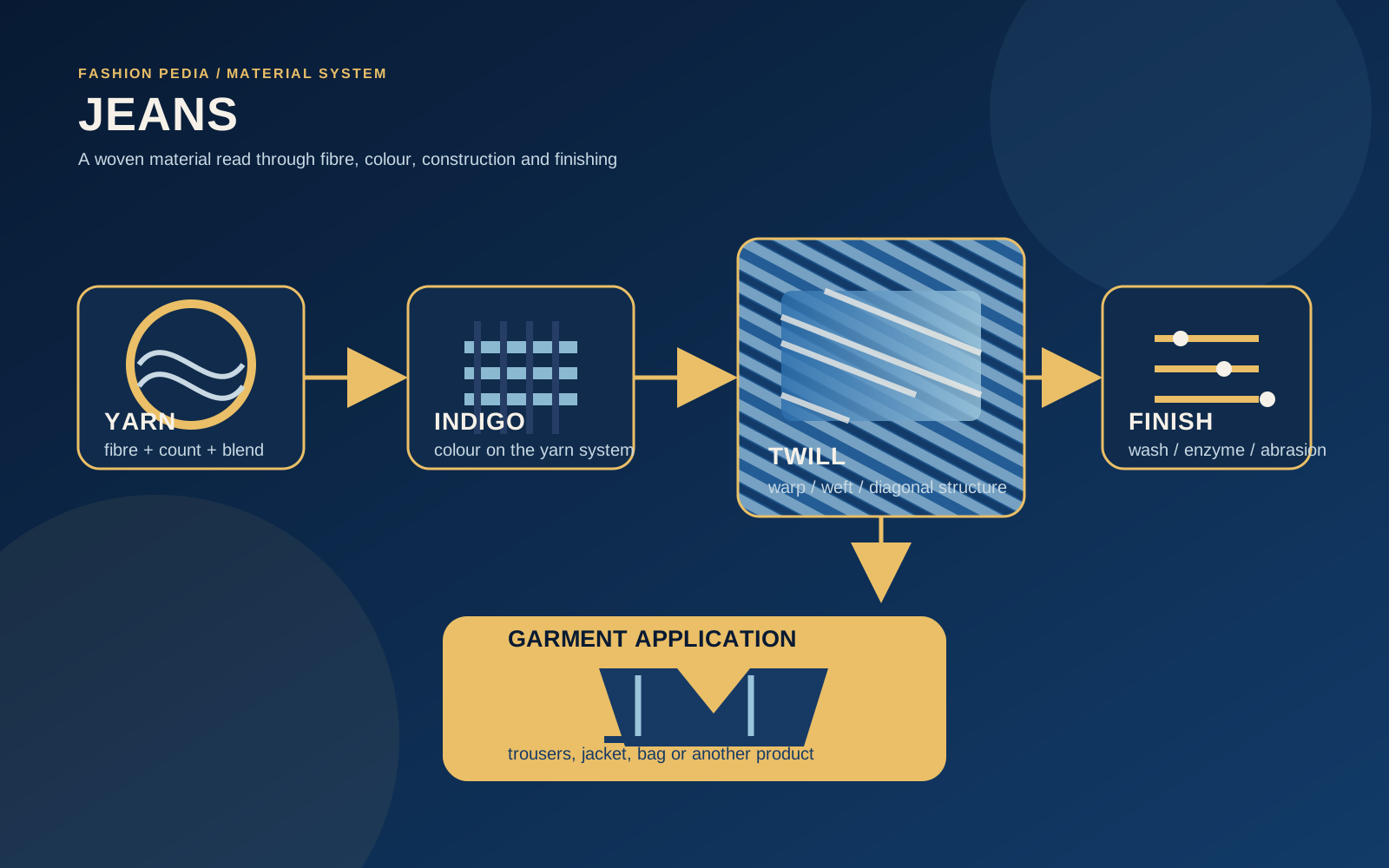
Jeans
Jeans is a textile material based on denim, usually a woven twill in which yarn, indigo dye, construction and finishing shape the appearance and behaviour. Jeans names the material; trousers or a jacket are garments made from it.
Sources
Want to apply this to your operation?