Recycled cotton
Recycled cotton is cotton fabric converted back into cotton fibre for reuse in textile products. The input may be pre-consumer or post-consumer material; sorting, shredding, fibre length and intended application determine what a given lot can deliver.
On this page
What is Recycled cotton?
Recycled cotton is cotton fabric converted back into fibre for reuse in textile products. The definition is deliberately material-focused: it describes the transformation of an existing input, not a promise about performance or an agricultural category. The record should state whether the material is being specified as fibre, yarn or fabric, alongside traceability.
The waste source is the first useful distinction. Pre-consumer flow includes yarn and fabric scraps and by-products; post-consumer flow includes garments, upholstery, towels and household items intended for reuse. This distinction is more useful than treating every “recycled cotton” input as uniform. It also separates the material from organic cotton, which GOTS describes as an organic-fibre certification category rather than a synonym for recycled content.
How does waste become fibre?
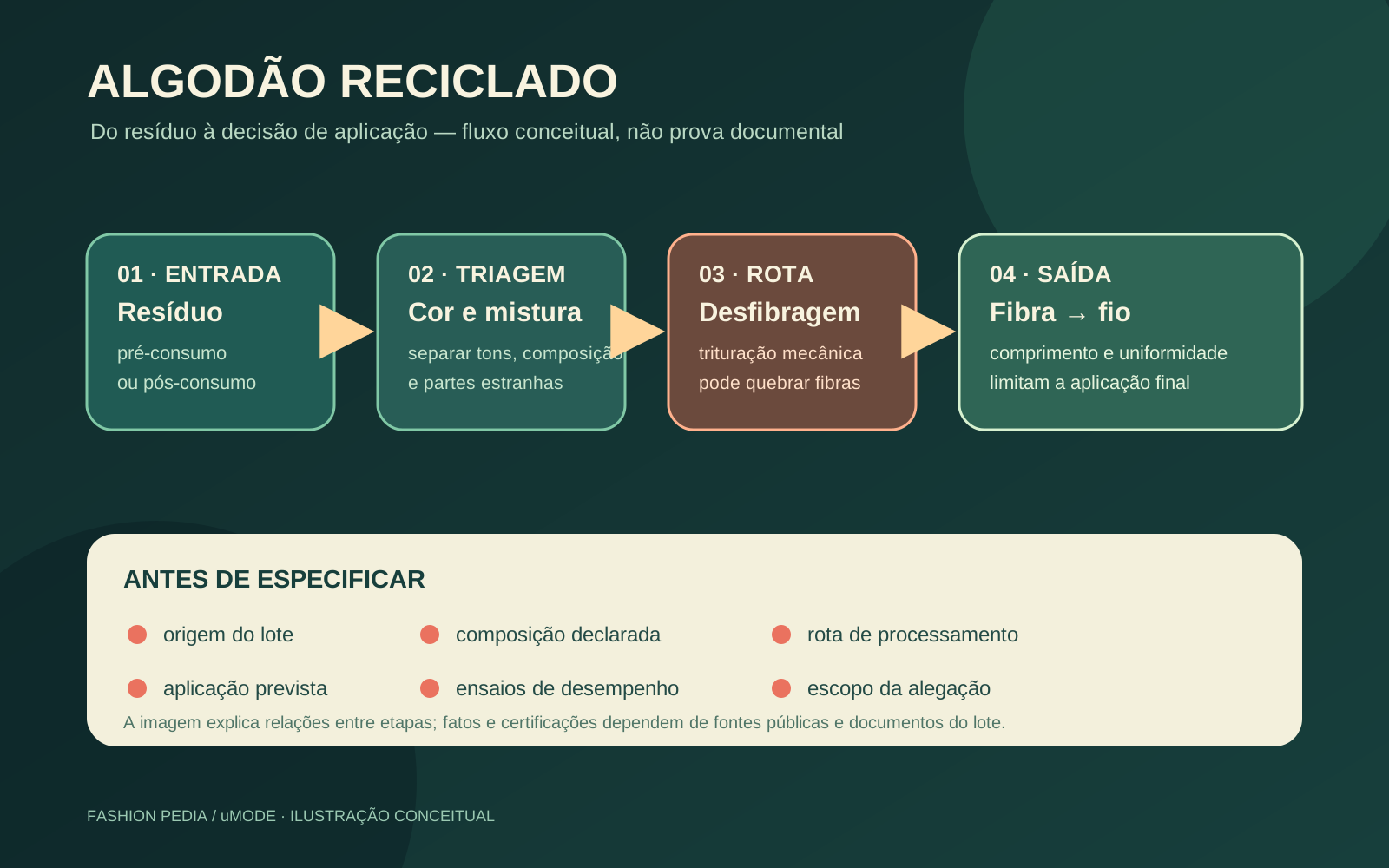
Mechanical recycling begins by sorting fabrics and materials by colour. The fabric is then shredded into yarn and further into raw fibre; that fibre can be spun back into yarn for reuse in other products. The diagram on this page is an explanatory tool, not documentary evidence of a particular factory.
The sorting step changes with the input. Post-consumer waste can be harder to sort because it may combine different shades, fabric blends and a more labour-intensive classification process. For product development, keep the lot origin beside its declared composition and processing route.
Shredding creates a technical constraint. The source describes fibre breakage and entanglement during shredding and records an impact on fibre length and length uniformity. Because those characteristics limit end-use application, the team can treat spinning, fabric construction and performance as approval questions instead of inferring suitability from the material name alone.
What should be checked before specification?
Before selecting recycled cotton for a product, record the waste source, declared mechanical route, lot composition, intended application and required tests. This is a specification practice, not a universal material property. A BOM can keep those decisions connected to the lot and supplier.
The environmental statement also needs a narrow scope. The technical source states that using a product that has already been processed reduces energy, water and dye use compared with producing new materials. That statement does not authorize a conclusion that every lot has the same result or that logistics and other stages are outside the accounting boundary; public communication should preserve the source and scope of the evidence.
GOTS answers a different question. The standard is described as a certification for textiles made with organic fibres. A GOTS reference therefore does not automatically prove recycled content; the lot documentation and certificate scope must be checked separately for that claim. This distinction connects recycled cotton with organic cotton without making them equivalent.
Relations in product development
Recycled cotton enters comparison with recycled polyester when a team evaluates material inputs, but the materials are not interchangeable. Keep the decision specific to the fibre, yarn, fabric and intended use. Traceability preserves the lot path; a BOM preserves its position in the product; and spinning turns the fibre constraint into an approval criterion.
Verified facts
- Recycled cotton can be defined as converting cotton fabric into cotton fiber that can be reused in textile products.
Source: cottonworks.com ↗ - The two primary sources of recycled cotton are pre-consumer waste, such as yarn and fabric scraps and by-products, and post-consumer waste, such as garments, upholstery, towels and household items.
Source: cottonworks.com ↗ - Post-consumer waste is more difficult to sort because of varying color shades, fabric blends and the generally more labor-intensive nature of the sorting process.
Source: cottonworks.com ↗ - In mechanical recycling, fabrics and materials are sorted by color and shredded from fabric into yarn and then into raw fibre.
Source: cottonworks.com ↗ - Shredding can break and entangle fibres.
Source: cottonworks.com ↗ - Recycled fibre length and length uniformity can limit the material's end-use application.
Source: cottonworks.com ↗ - Using a product that has already been processed reduces the amount of energy, water and dye use compared with producing new materials, according to the technical source consulted.
Source: cottonworks.com ↗ - The Global Organic Textile Standard (GOTS) is a certification for textiles made with organic fibres.
Source: global-standards.org ↗
Related entries
Cotton
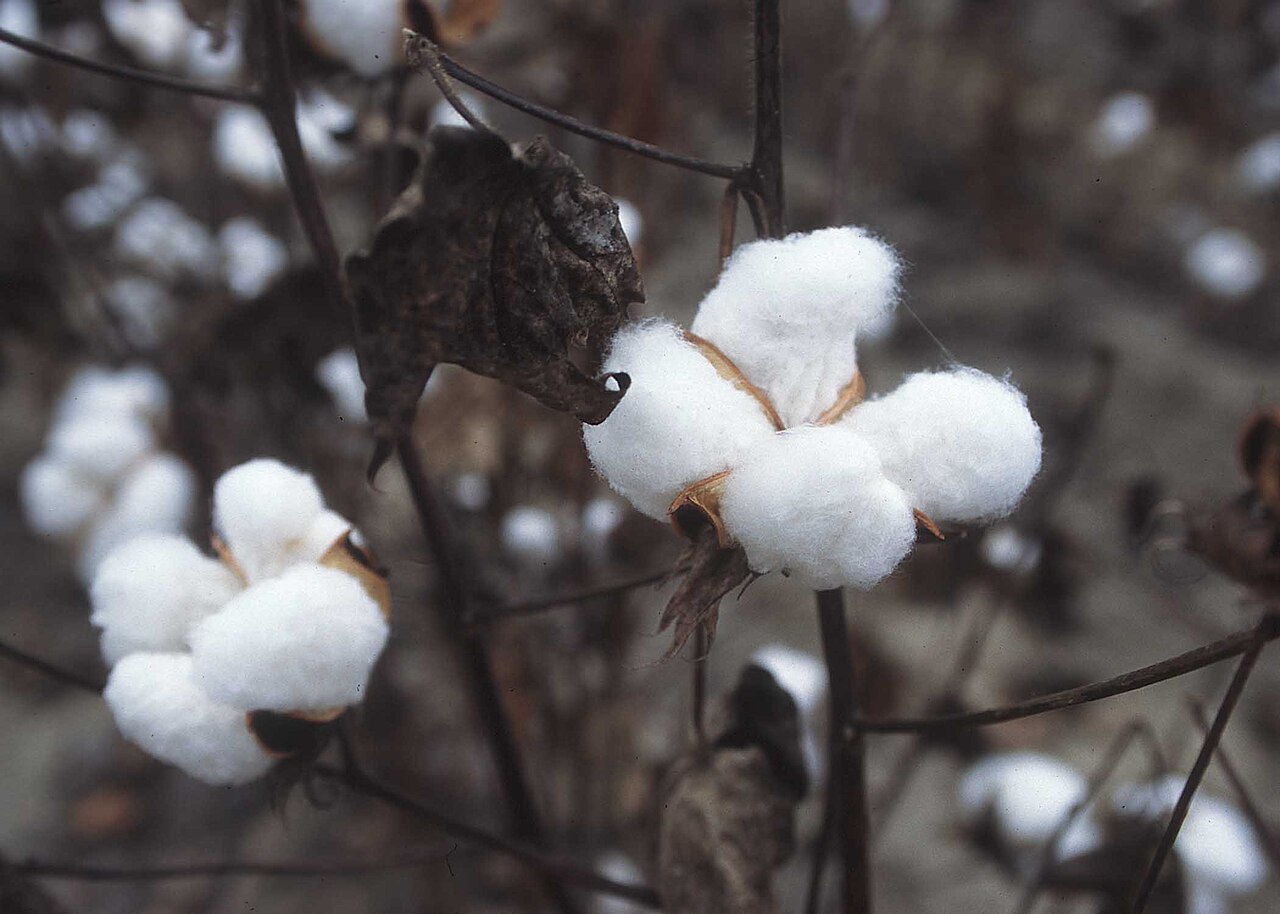
Cotton is the most widely used natural fiber in the global textile industry. Grown around the seeds of the cotton plant (Gossypium), it is prized for comfort, breathability and versatility in apparel.
Recycled polyester
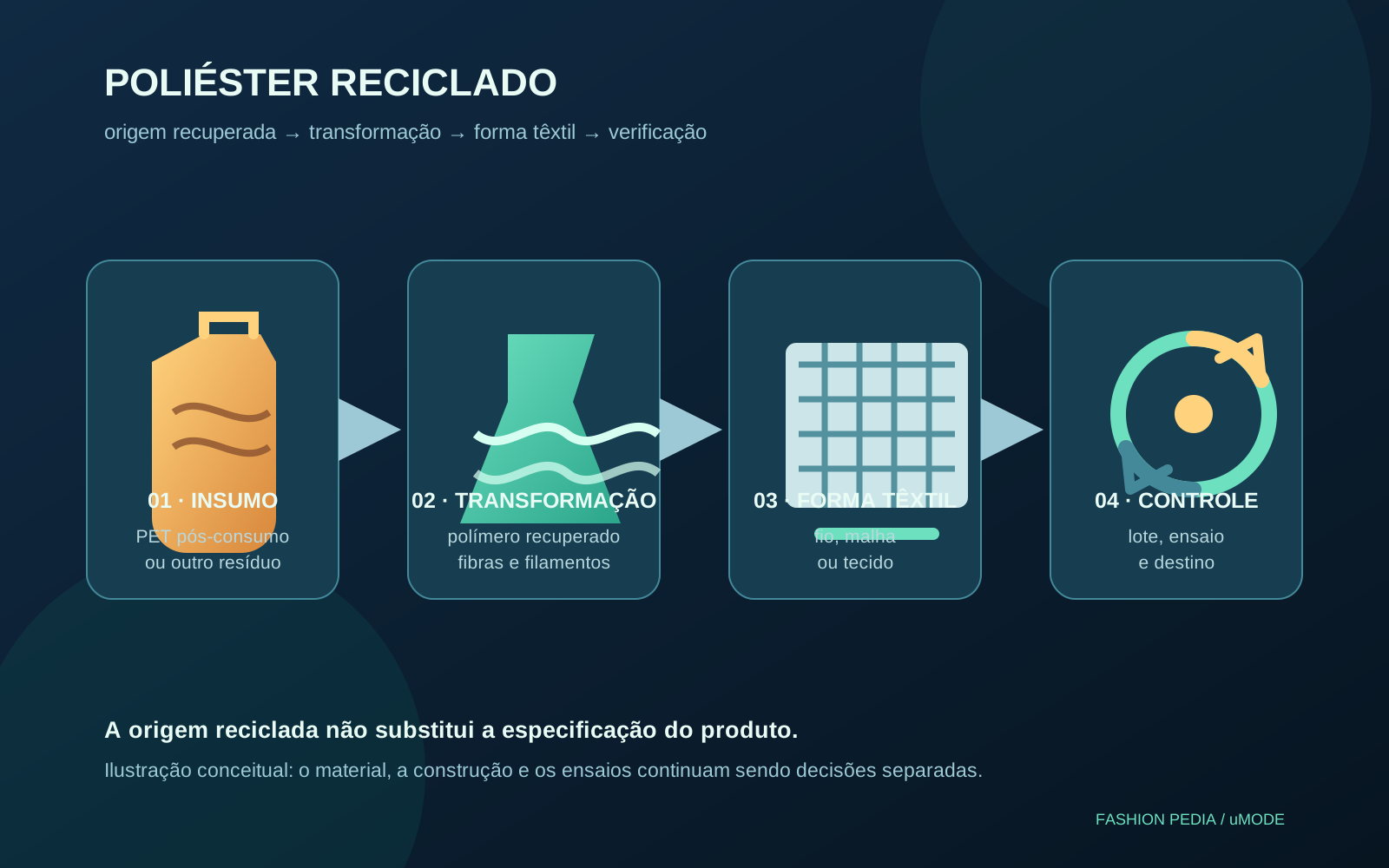
Recycled polyester is a textile material made when recovered polyester, including post-consumer PET in some products, is transformed into fibre or fabric. Recycled origin does not determine performance by itself: a useful specification separates feedstock, construction, lot, testing and the scope of any environmental claim.
Textile spinning
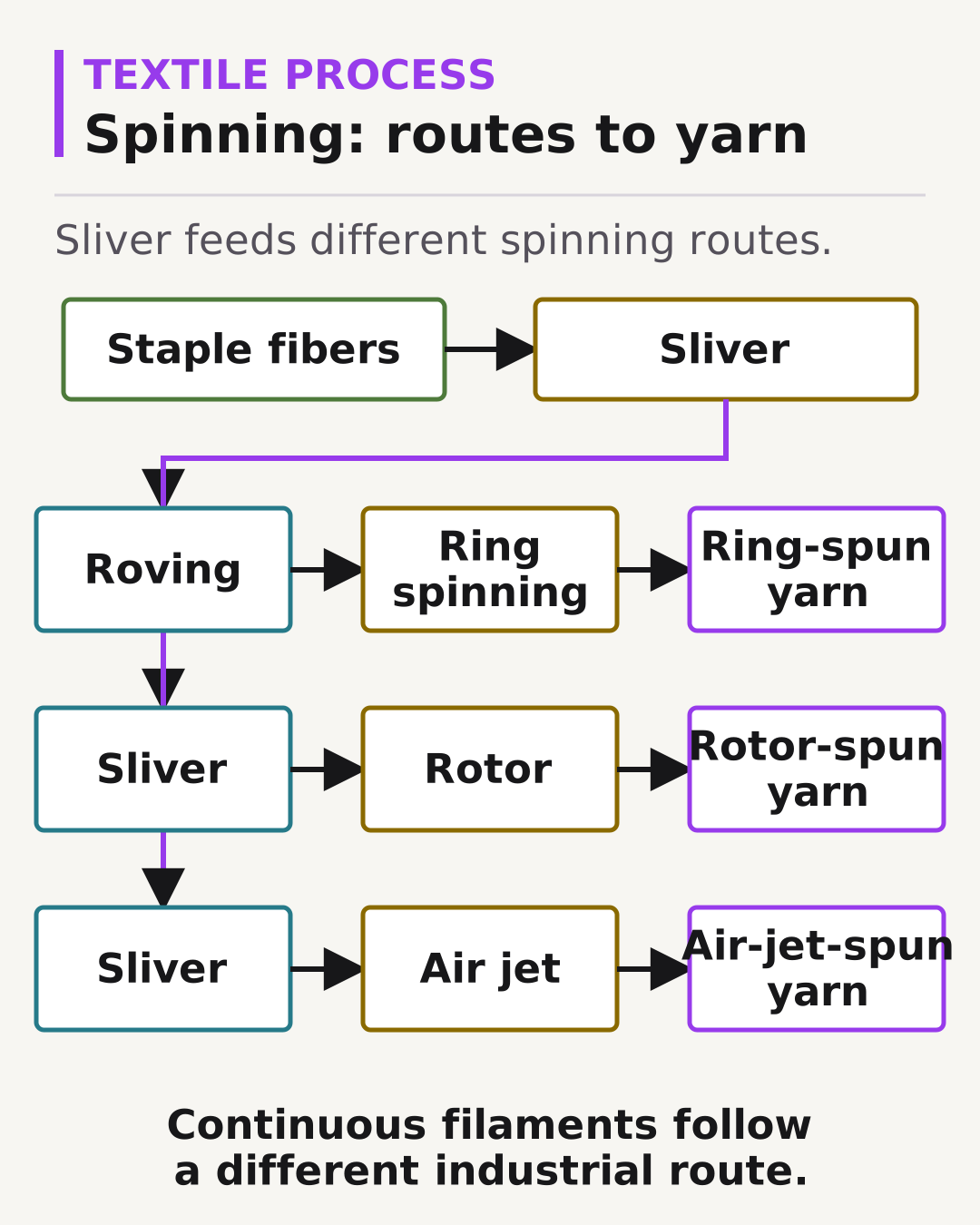
Yarn production follows two distinct technical routes: spinning turns staple textile fibers into yarn through preparation, alignment, attenuation, and consolidation, while continuous-filament processing assembles or transforms filaments without repeating the full preparation used for short fibers. These routes determine properties of yarn sent to weaving or knitting.
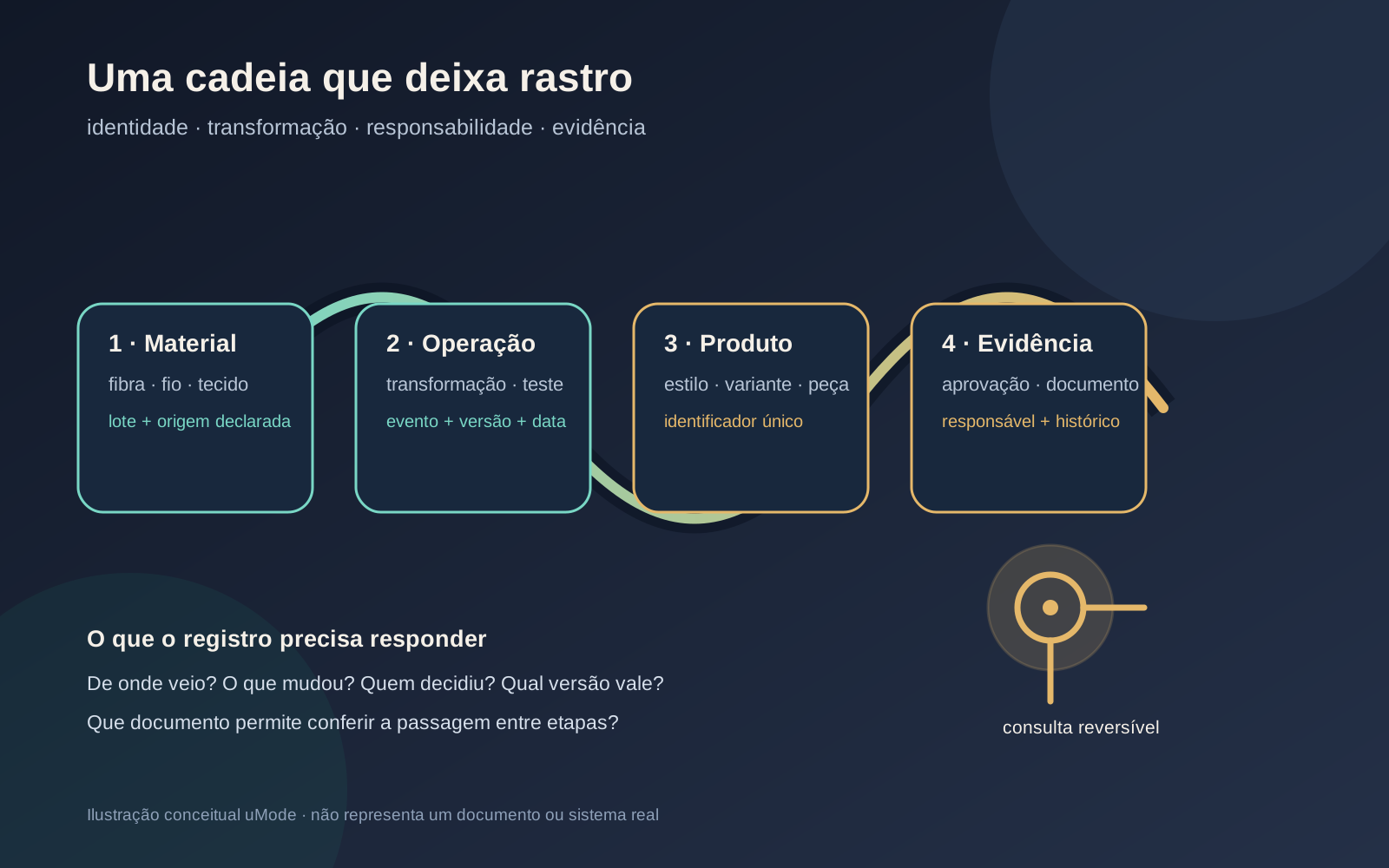
Traceability in the fashion supply chain
Traceability in the fashion supply chain. Fashion supply-chain traceability is the process of linking a product, material or component to the entities, activities, responsible parties and records that explain its transformation and movement. In practice, it combines identifiers, events, relationships and evidence so a product history can be checked.
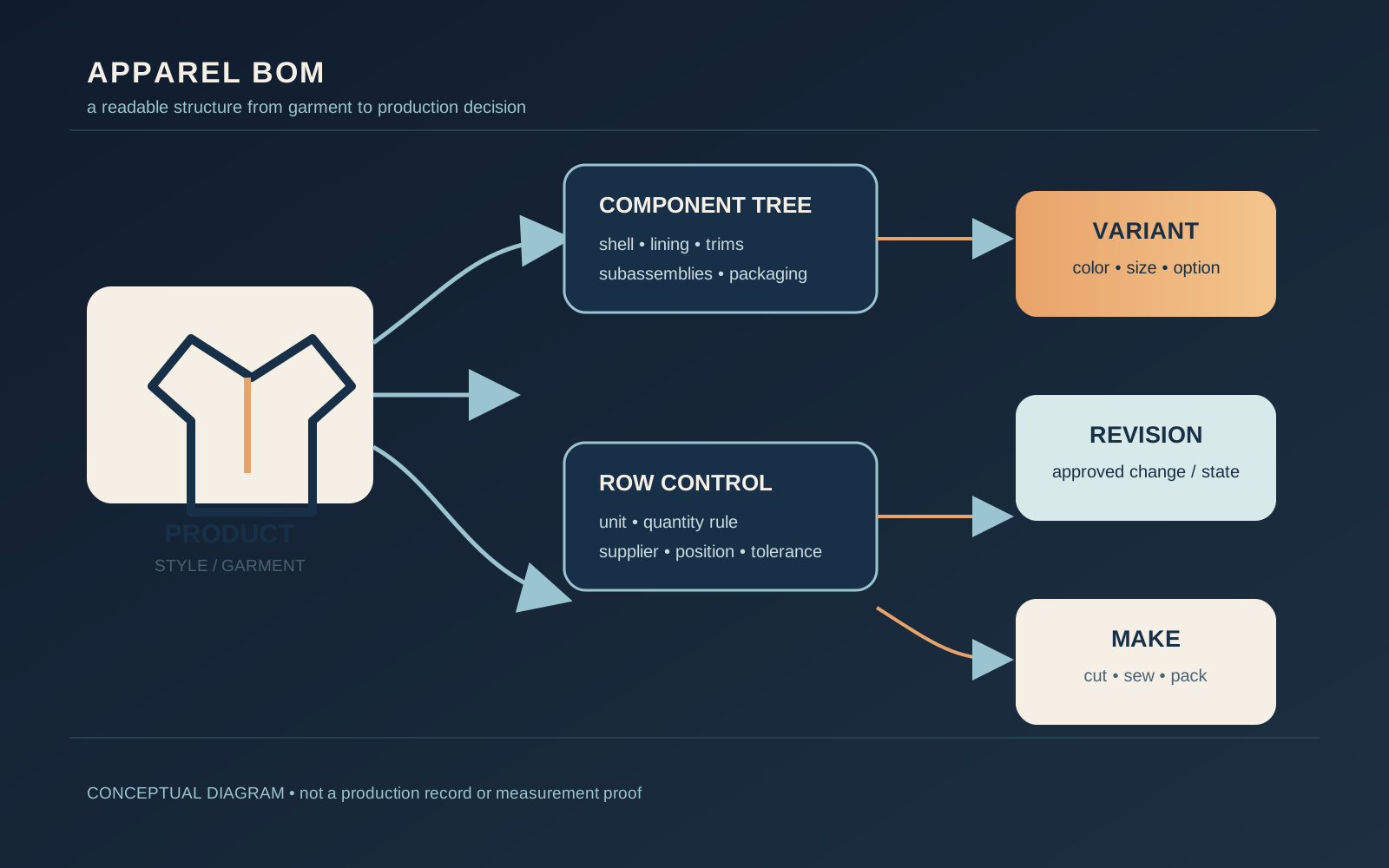
Apparel bill of materials (BOM)
Apparel bill of materials (BOM). An apparel bill of materials organizes the component structure of a garment: raw materials, parts, components, subassemblies, and the quantities needed to make the product. For a collection, it should separate hierarchy, variant, and revision so it is not mistaken for calculated consumption, available inventory, or accounting cost.
Sources
Want to apply this to your operation?