Jeans
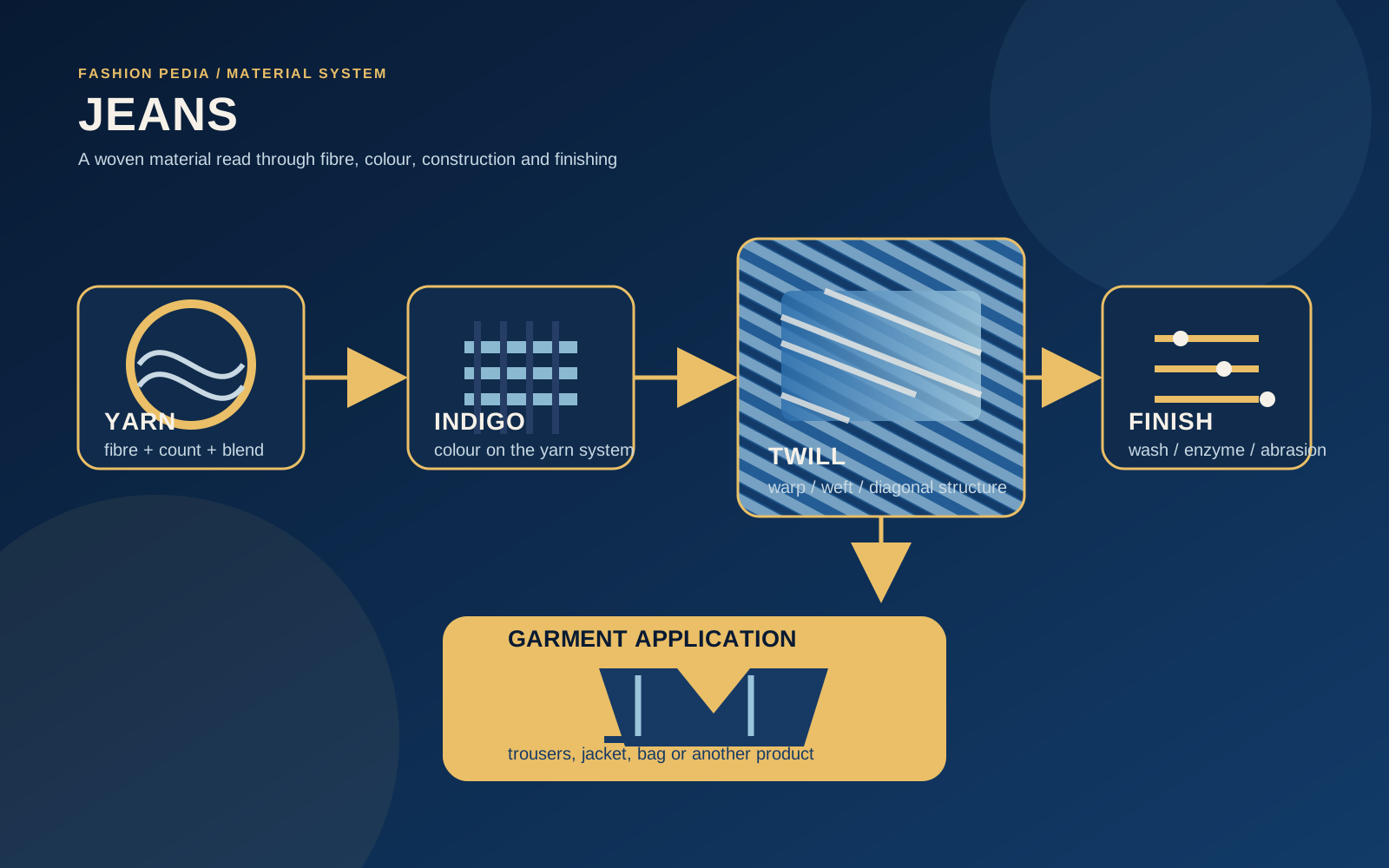
Jeans is a textile material based on denim, usually a woven twill in which yarn, indigo dye, construction and finishing shape the appearance and behaviour. Jeans names the material; trousers or a jacket are garments made from it.
On this page
What is Jeans?
Jeans names a textile material, not a garment shape. In practice, the term usually points to denim: a woven twill whose visual reading comes from the combination of yarn, indigo dye, construction and finishing. Twill is a construction; cotton is one possible fibre; trousers, jackets and bags are products that use the material. Keeping these layers separate prevents a blue colour from being treated as a complete specification.
Denim has its own history. CottonWorks links the name to serge de Nîmes, a twill cloth made from cotton, wool and silk that later became known simply as denim. The material’s association with workwear is also part of its vocabulary: the riveted garment connected with Levi Strauss and Jacob Davis was patented in 1873. These milestones help explain why jeans evokes utility and resistance, but they do not make every contemporary version workwear.
Which elements shape its appearance and behaviour?
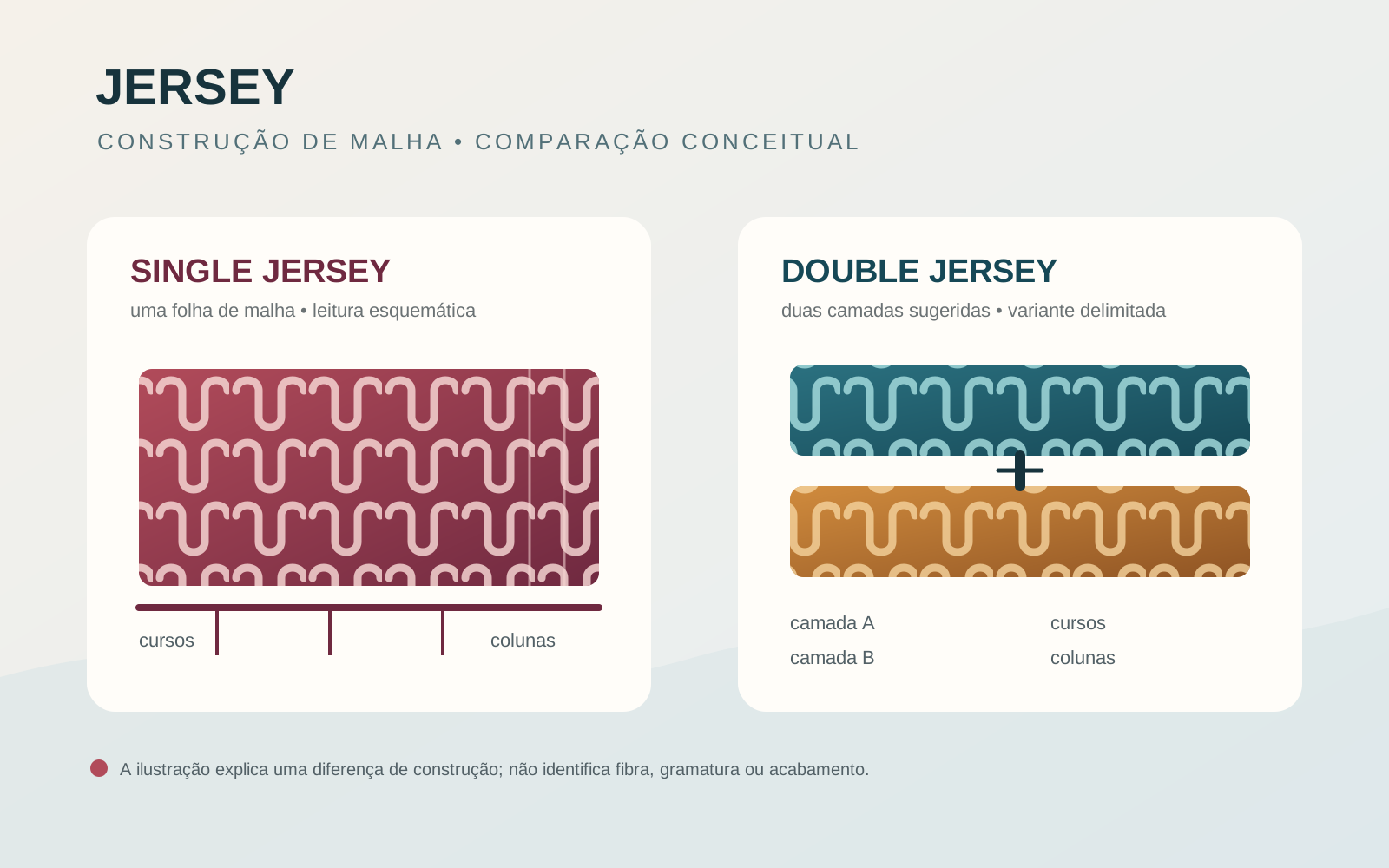
Denim’s appearance comes from a system rather than one attribute. Yarn, indigo, weaving, design, washes and technical finishes all affect surface, contrast and handle. NPTEL’s textile teaching material describes fabrics as flexible two-dimensional materials made by interlacing yarns or inter-meshing loops; that distinction keeps woven jeans in the fabric category instead of confusing it with knitwear.
Selection should record the article and its composition, along with the parameters the team is actually comparing: construction, colour, width, weight or yarn count where relevant, stretch, finish and tolerances. If elastane or another fibre is present, the blend belongs in the specification rather than being assumed to be pure cotton. An approved swatch can show appearance and handle, but it does not replace the criterion defined for a measurable requirement.
Finishing is part of the material’s reading. Denim can be dyed, washed and given chemical or mechanical finishes. CottonWorks lists brushing, sanding, laser etching and colour discharge among mechanical effects. In enzymatic washing, cellulase acts on cellulose and can create a faded, naturally aged appearance. The visual effect therefore belongs to the process history of the version being assessed, not to a fixed property of every pair of jeans.
How should jeans be specified for a fashion product?
Specification begins with the garment intent: coverage, drape, mobility, handle, colour and appearance after finishing. It then connects the material to a technical specification, patternmaking and fit session, keeping fabric characteristics separate from what construction does to the garment. A useful record lets another person identify the article, compare the sample and know which variation needs approval.
In purchasing and quality work, link the lot, supplier, declared composition, sample, tolerances, result and decision. Brazil’s Inmetro guidance for textile products requires information including fibre composition, care instructions and size or dimension when applicable, presented permanently, visibly and in Portuguese. This identification requirement is not a performance certification for denim; it is a product-information requirement.
Environmental relevance also needs a defined scope. The European Parliament reports rising textile consumption per person in the European Union between 2019 and 2022, but that figure is sector context and does not measure the impact of one specific pair of jeans. To compare articles, state the process, unit of analysis, composition, washes, durability assumption and end-of-life boundary. Without that scope, “sustainable jeans” is a broad phrase rather than a technical conclusion.
Relations to neighbouring concepts
Jeans connects to finishing, garment laundry, quality control and product development, but it is not synonymous with any of them. The material answers “what is the fabric and how is it constructed?”; laundry answers “which treatment was applied?”; patternmaking answers “how does the fabric become a wearable shape?” That boundary matters when approving a garment without assigning to the name jeans a performance that the evidence did not measure.
Verified facts
- Denim emerged as a twill cloth associated with the French city of Nîmes, and the name came to be used for this material.
Source: cottonworks.com ↗ - Textile fabrics are generally flexible two-dimensional materials made by interlacing yarns or inter-meshing loops.
Source: archive.nptel.ac.in ↗ - Denim's visual character depends on yarn, indigo dyestuff, weaving and design, as well as washes and technical finishes.
Source: cottonworks.com ↗ - Denim can be dyed, washed, chemically finished and mechanically finished.
Source: cottonworks.com ↗ - Enzymatic denim washing uses cellulase to act on cellulose fibres and create a faded, naturally aged appearance.
Source: textilelearner.net ↗ - Woven-fabric manufacturing includes preparatory processes such as winding, warping and sizing before weaving mechanisms operate.
Source: archive.nptel.ac.in ↗ - The riveted work garment associated with Levi Strauss and Jacob Davis was patented in 1873.
Source: cottonworks.com ↗ - In Brazil, textile identification must include, among other items, fibre composition, care instructions and size or dimension when applicable.
Source: gov.br ↗ - The European Parliament reports that textile consumption per person in the European Union rose from 17 kg in 2019 to an average of 19 kg in 2022.
Source: europarl.europa.eu ↗ - CottonWorks lists brushing, sanding, laser etching and colour discharge among mechanical denim-finishing effects.
Source: cottonworks.com ↗
Related entries
Cotton
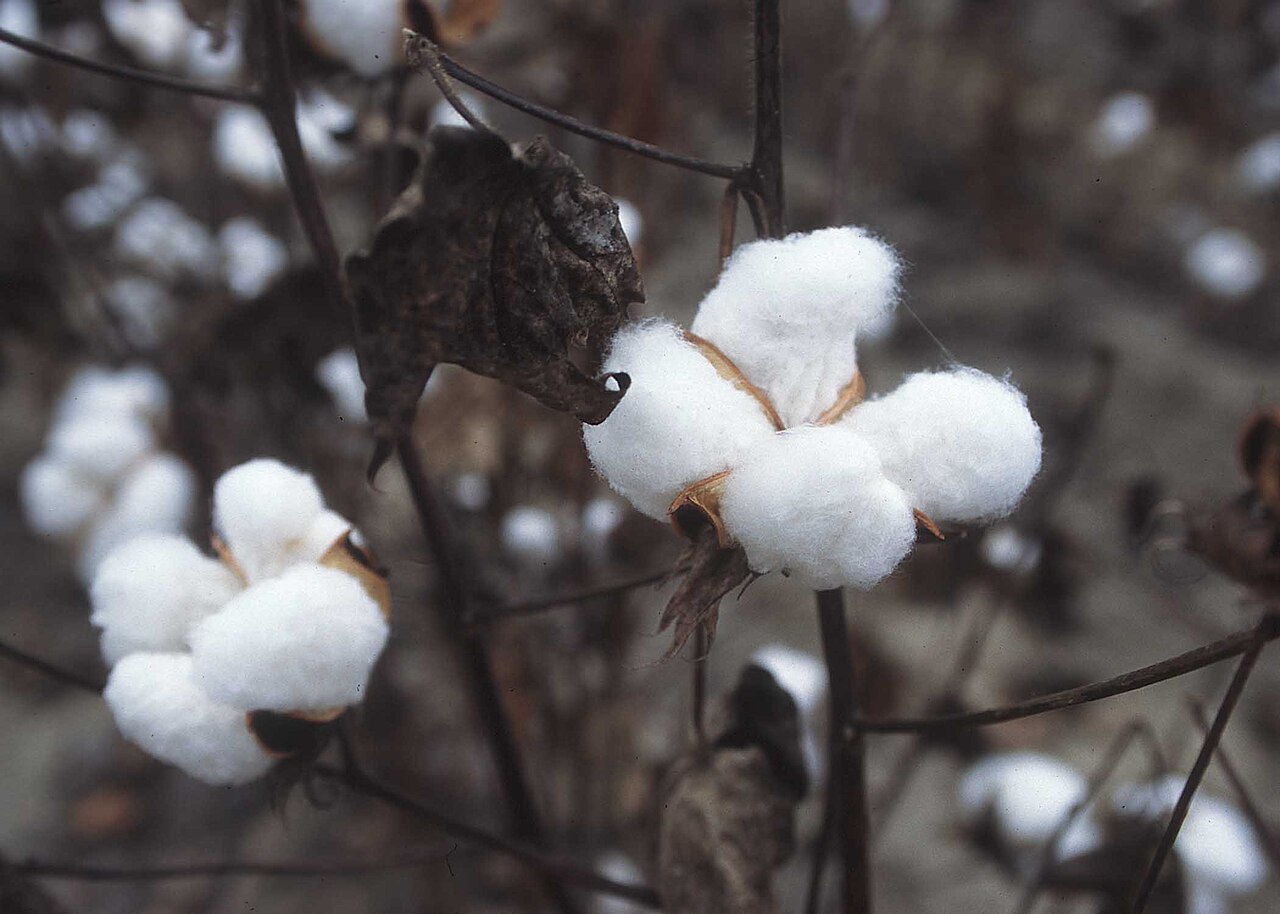
Cotton is the most widely used natural fiber in the global textile industry. Grown around the seeds of the cotton plant (Gossypium), it is prized for comfort, breathability and versatility in apparel.
Twill
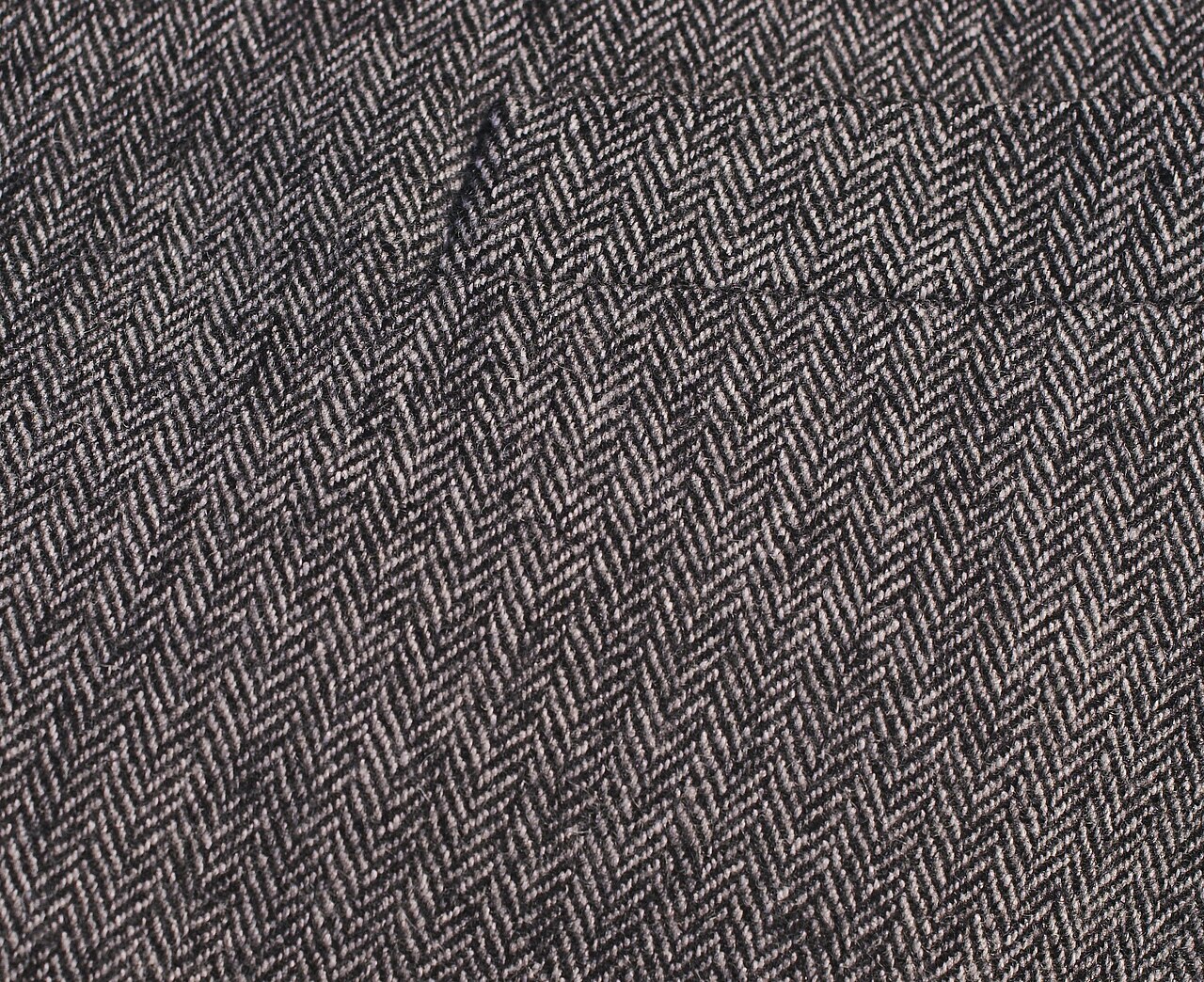
Twill is one of the three fundamental weave structures, recognizable by the diagonal ribs on its surface. Durable and substantial, it is the base structure behind denim, gabardine, and much of utilitarian apparel.

Industrial weaving
Weaving is the process of forming fabric by regularly interlacing two yarn systems: warp in the lengthwise direction and weft across the width. The construction results from warp preparation, shed formation, weft insertion and beat-up, and control of yarn delivery and fabric take-up.
Industrial garment laundry
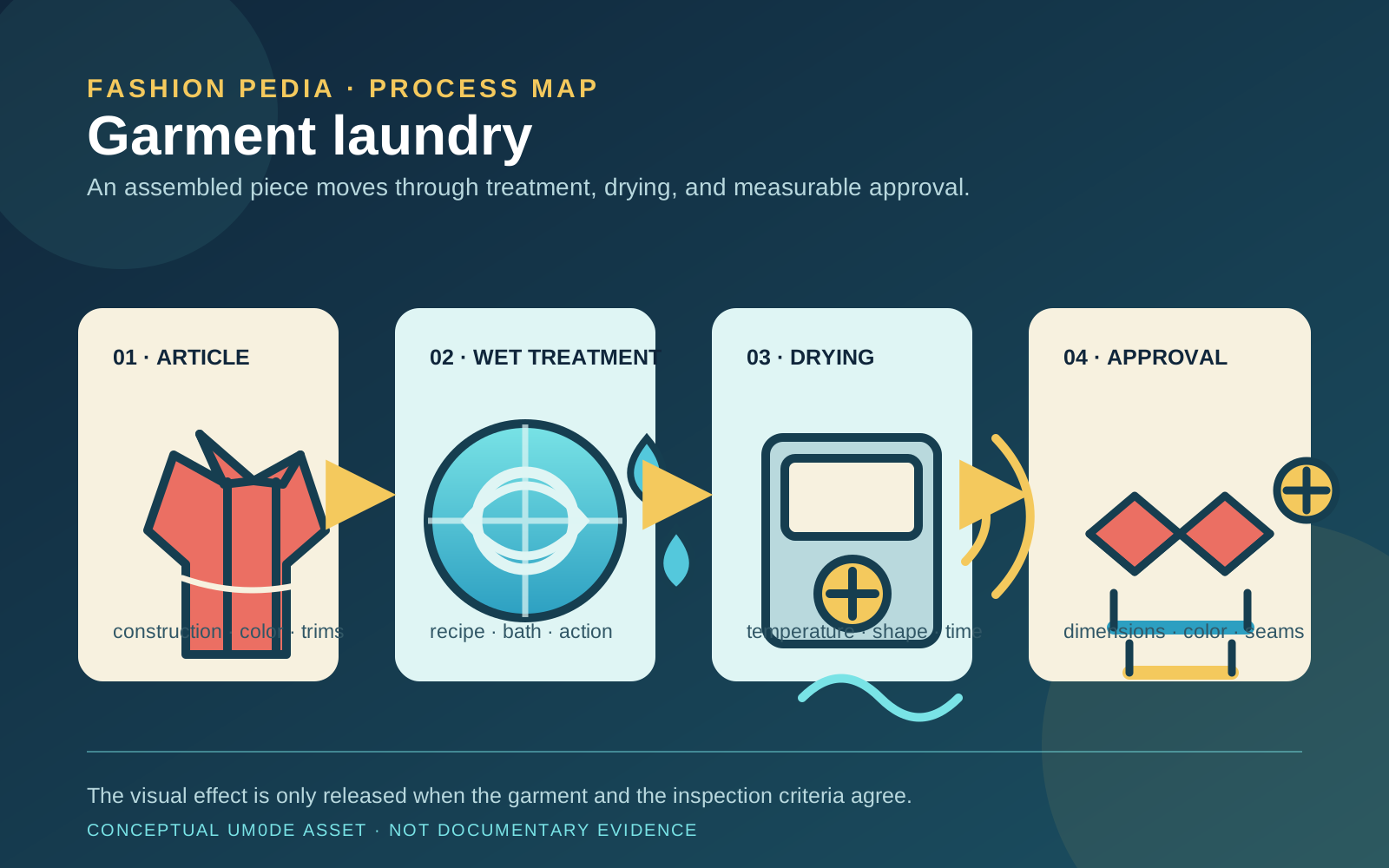
Industrial garment laundry is the controlled wet treatment and drying of an already-sewn garment to obtain cleaning, appearance change, or a finish. Approval must separate the visual effect from measurable results such as dimensional change, color change, appearance, and seam twist.

Fashion product technical specification
A technical specification is the controlled information set that translates an approved fashion product into verifiable sampling and manufacturing requirements. It brings together drawings, materials, measurements, construction, tolerances, identification, labelling, comments and revision history; its content varies by category, company, market and stage.

Apparel quality control
Apparel quality control combines specifications, inspection, and testing to check whether fabrics, trims, and garments meet the expected performance for a product and end use. The process can examine color, drape, hand, durability, conformance, defects, fit, seam integrity, shrinkage, and drying performance. Quality decisions depend on the product and its intended use.
Sources
- https://cottonworks.com/learning-hub/denim/denim-basics/
- https://archive.nptel.ac.in/content/storage2/courses/116102005/m1-introduction/l1-introduction.htm
- https://textilelearner.net/role-of-enzymes-in-denim-washing/
- https://www.gov.br/inmetro/pt-br/acesso-a-informacao/perguntas-frequentes/avaliacao-da-conformidade/produtos-texteis/o-que-a-medida-regulatoria-para-produtos-texteis-estabelece
- https://www.europarl.europa.eu/topics/en/article/20201208STO93327/fast-fashion-eu-laws-for-sustainable-textile-consumption
Want to apply this to your operation?