Alpaca fiber
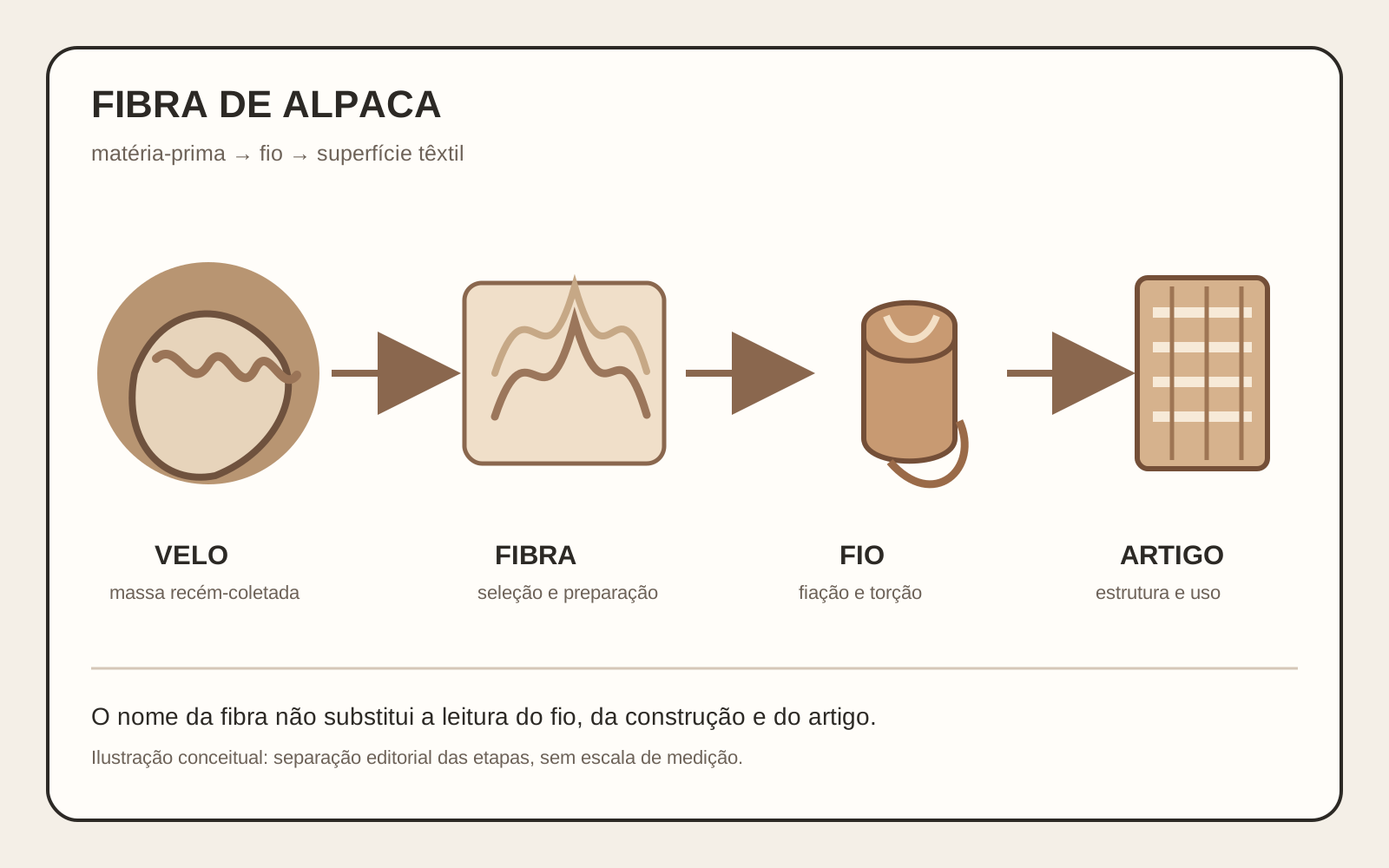
Alpaca fiber is the animal fleece of the alpaca, prepared for yarn and textile articles. Fashion evaluation needs to separate fleece, fibre, yarn and article: fineness, lightness, strength, natural colour, blending and construction answer different product questions, and the material name does not replace a product specification.
On this page
What is Alpaca fiber?
Alpaca fiber is the animal fleece obtained from alpacas and prepared for textile use. The connection between animal and material is direct: the Alpaca Owners Association says alpacas are raised for their fleece, sometimes called fiber, and that one shearing produces roughly five to ten pounds per animal per year. In fashion production, that figure should not be treated as an automatic lot specification: it describes the source’s general production statement, while a supplier record must identify the material received.
The fleece can become yarn, apparel, tapestries and blankets. That transformation creates distinct levels of reading: raw material, prepared fibre, yarn and article. The illustration on this page is conceptual and keeps those levels apart; it is not a measurement scale or documentary proof of a lot.
Which characteristics matter during selection?
The association recognises fineness, softness, light weight, durability, excellent thermal qualities and luster in alpaca fleece. In collection work, those terms should be assigned to the right stage: fibre can be described, yarn can be specified, and an article can be assessed through its construction. A technical specification and quality control record which characteristic is being observed and which criterion will be checked.
The same source compares alpaca fleece with wool from most breeds of sheep and describes it, in general, as stronger, lighter, warmer and more resilient. “In general” matters: the sentence is not a guarantee for every fibre, blend, structure or garment. For product development, record declared composition, supplier, yarn type, construction, finish and intended use before comparing samples.
The association also says alpaca fleece contains no lanolin and is ready to spin after only nominal cleaning, unlike sheep’s wool. This describes the preparation stated by the source; it does not remove the need to check cleanliness, lot and procedure in an actual operation. Finishing and spinning are related stages, but neither is a synonym for the fibre.
How do colour and blending change the material reading?
Alpaca fleece has sixteen official colours, including white, beige and shades of fawn, brown, black and grey. The source adds that white, light fawn and light grey can be readily dyed. For a product team, natural colour, process colour and article colour should remain separate records; the palette then does not become confused with the identity of the raw material.
The fleece can also be combined with merino wool, cashmere, mohair, silk and angora to create blends. A blend changes the development question: alongside naming alpaca fibre, the team needs to record the other fibres and the declared proportion. Cashmere, wool and animal fibres are related pages, not interchangeable names.
Why does fibre nomenclature matter?
The European list of textile-fibre names includes “alpaca” among the hair of specified animals. This connects the raw material to a regulatory vocabulary for fibres, but it does not authorise treating any article as alpaca without checking its composition. In a technical specification, the material name belongs beside effective composition, yarn, construction and the care instructions applicable to the article.
Alpaca fibre matters in fashion because it organises a decision that begins with fleece and ends at a textile surface. Knitting, weaving and product development answer different questions. Keeping those layers separate reduces the chance of assigning to the fibre alone an appearance or performance that depended on yarn, blend, construction or finish.
Verified facts
- Alpacas are raised for their fleece, sometimes called fiber, and each shearing produces roughly five to ten pounds of fleece per animal per year.
Source: alpacainfo.com ↗ - Alpaca fleece can be turned into products including yarn, apparel, tapestries and blankets.
Source: alpacainfo.com ↗ - Alpaca fleece is recognised for fineness, softness, light weight, durability, excellent thermal qualities and luster.
Source: alpacainfo.com ↗ - In a general comparison with wool from most breeds of sheep, alpaca fleece is described as stronger, lighter, warmer and more resilient.
Source: alpacainfo.com ↗ - Unlike sheep's wool, alpaca fleece contains no lanolin and is ready to spin after only nominal cleaning.
Source: alpacainfo.com ↗ - Alpaca fleece has sixteen official colours, including white, beige and shades of fawn, brown, black and grey.
Source: alpacainfo.com ↗ - Alpaca fleece can be combined with fibres such as merino wool, cashmere, mohair, silk and angora to make blends.
Source: alpacainfo.com ↗ - The European list of textile-fibre names includes alpaca among the hair of specified animals.
Source: eur-lex.europa.eu ↗
Related entries
Cashmere
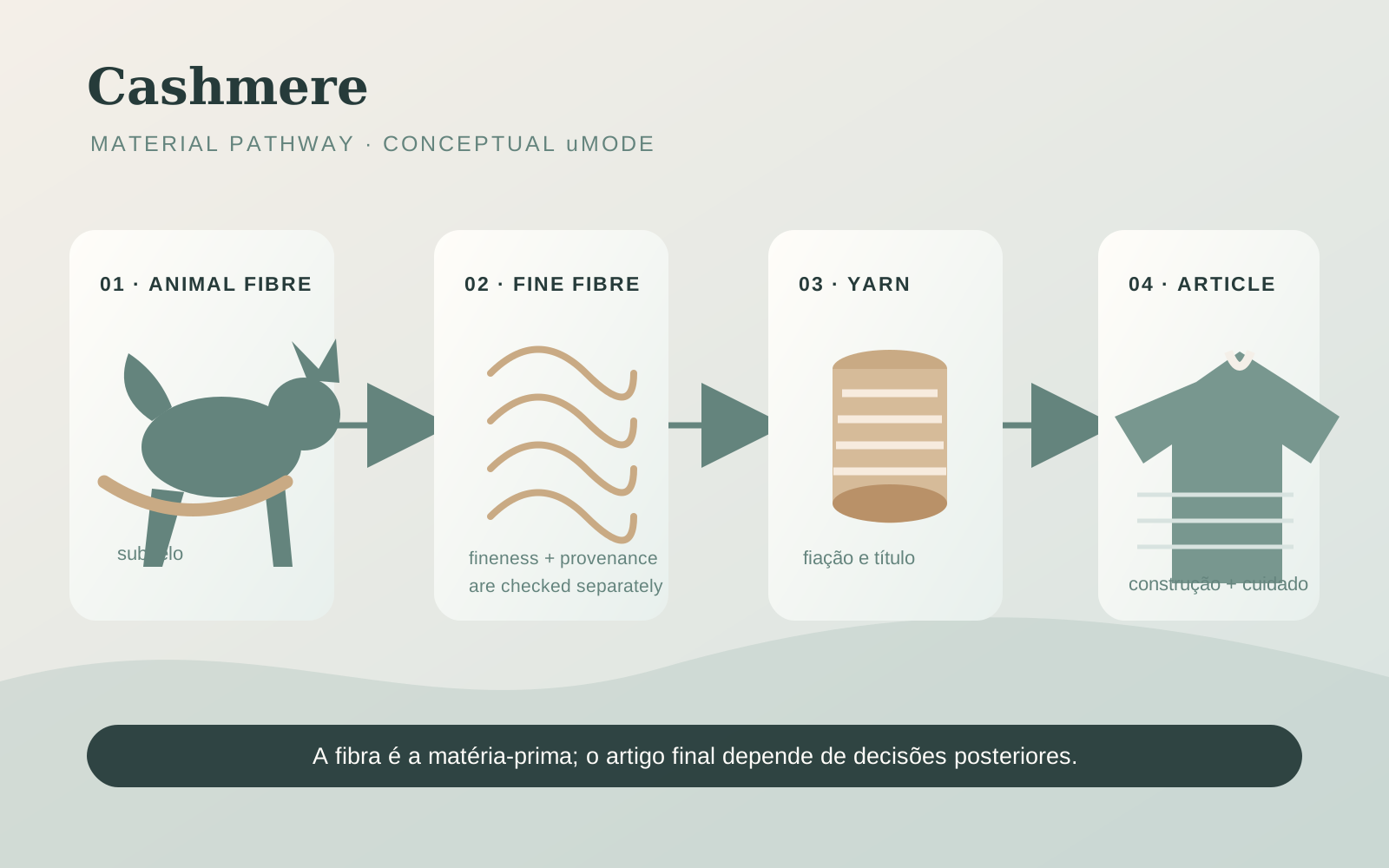
Cashmere is the hair of the cashmere goat, recognised as a textile-fibre name in the European Union. In fashion, the word identifies a raw material; the finished article still depends on fibre selection, spinning, construction, blending, finishing and care.
Wool
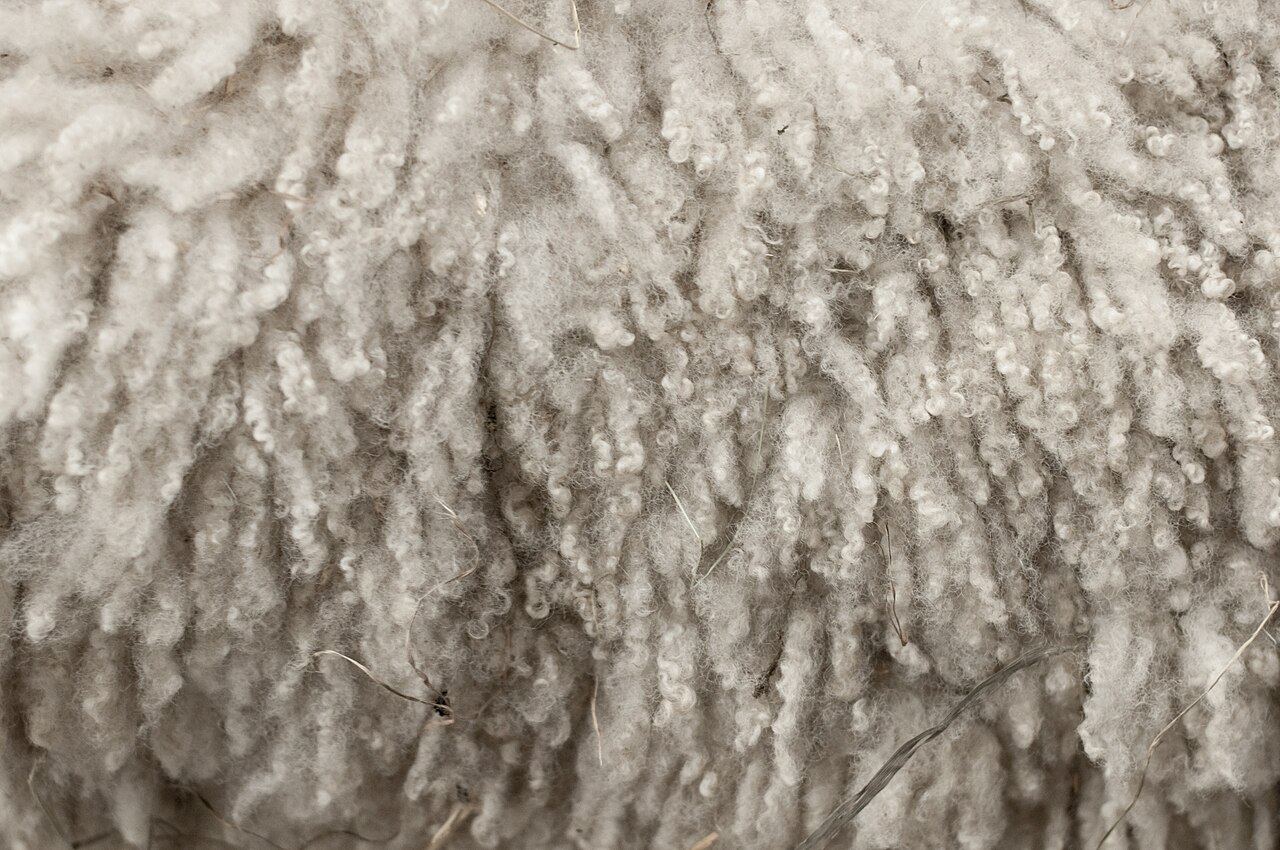
Wool is the textile fiber obtained from the fleece of sheep and other animals. Insulating and elastic, it is the basis of winter knitwear and tailoring.
Industrial knitting
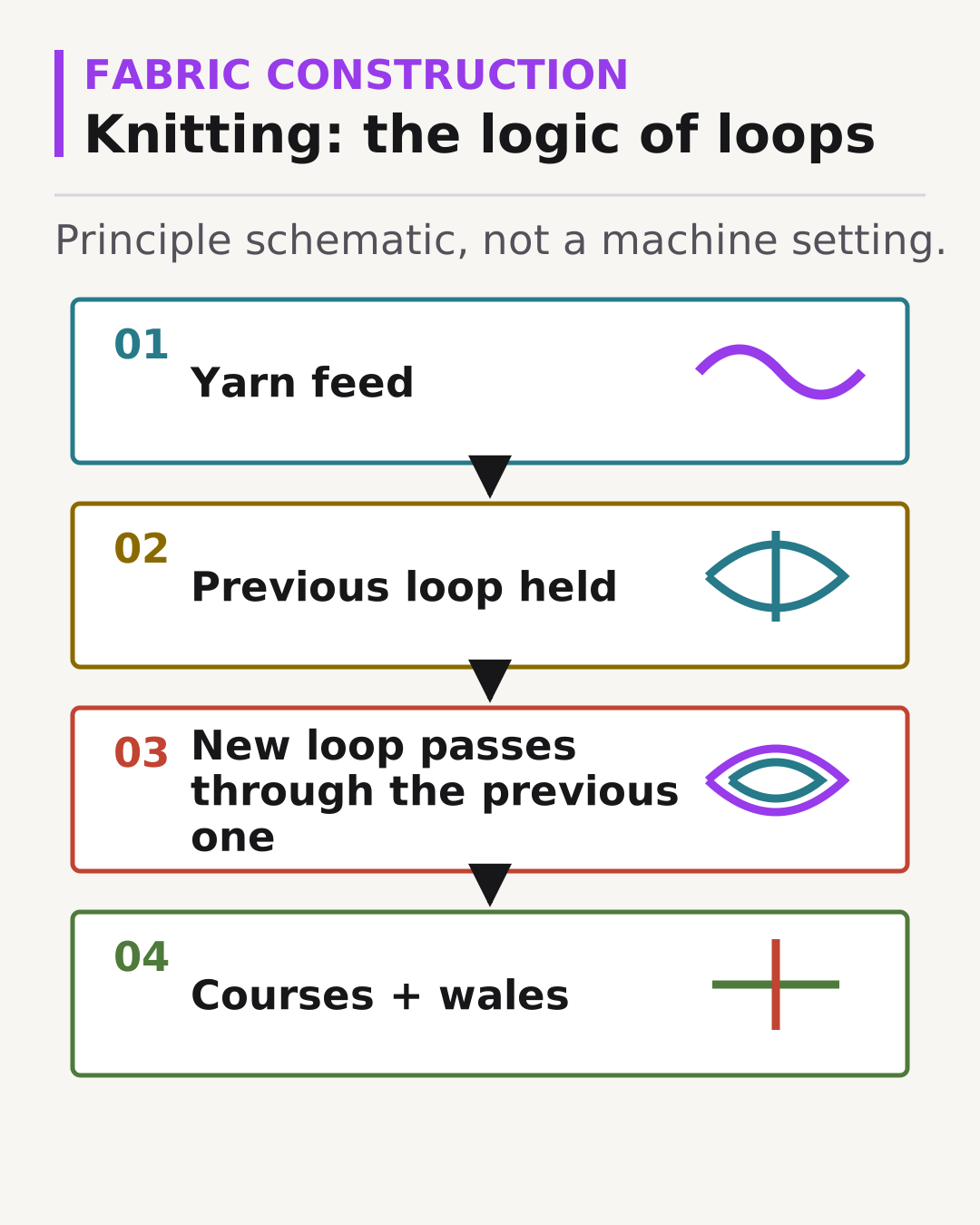
Knitting is the process of forming fabric through series of intermeshed loops. It divides into weft knitting, in which yarn travels across the width and needles form loops in sequence, and warp knitting, in which parallel yarns feed needles that work simultaneously along the fabric length.

Fashion product technical specification
A technical specification is the controlled information set that translates an approved fashion product into verifiable sampling and manufacturing requirements. It brings together drawings, materials, measurements, construction, tolerances, identification, labelling, comments and revision history; its content varies by category, company, market and stage.

Apparel quality control
Apparel quality control combines specifications, inspection, and testing to check whether fabrics, trims, and garments meet the expected performance for a product and end use. The process can examine color, drape, hand, durability, conformance, defects, fit, seam integrity, shrinkage, and drying performance. Quality decisions depend on the product and its intended use.
Sources
Want to apply this to your operation?