Satin
Satin is a weaving construction that creates a smooth, lustrous surface through long floats and widely spaced interlacements. The name does not identify a fibre by itself: filament constructions are commonly called satin, while short-staple articles are often called sateen.
On this page
What is Satin?
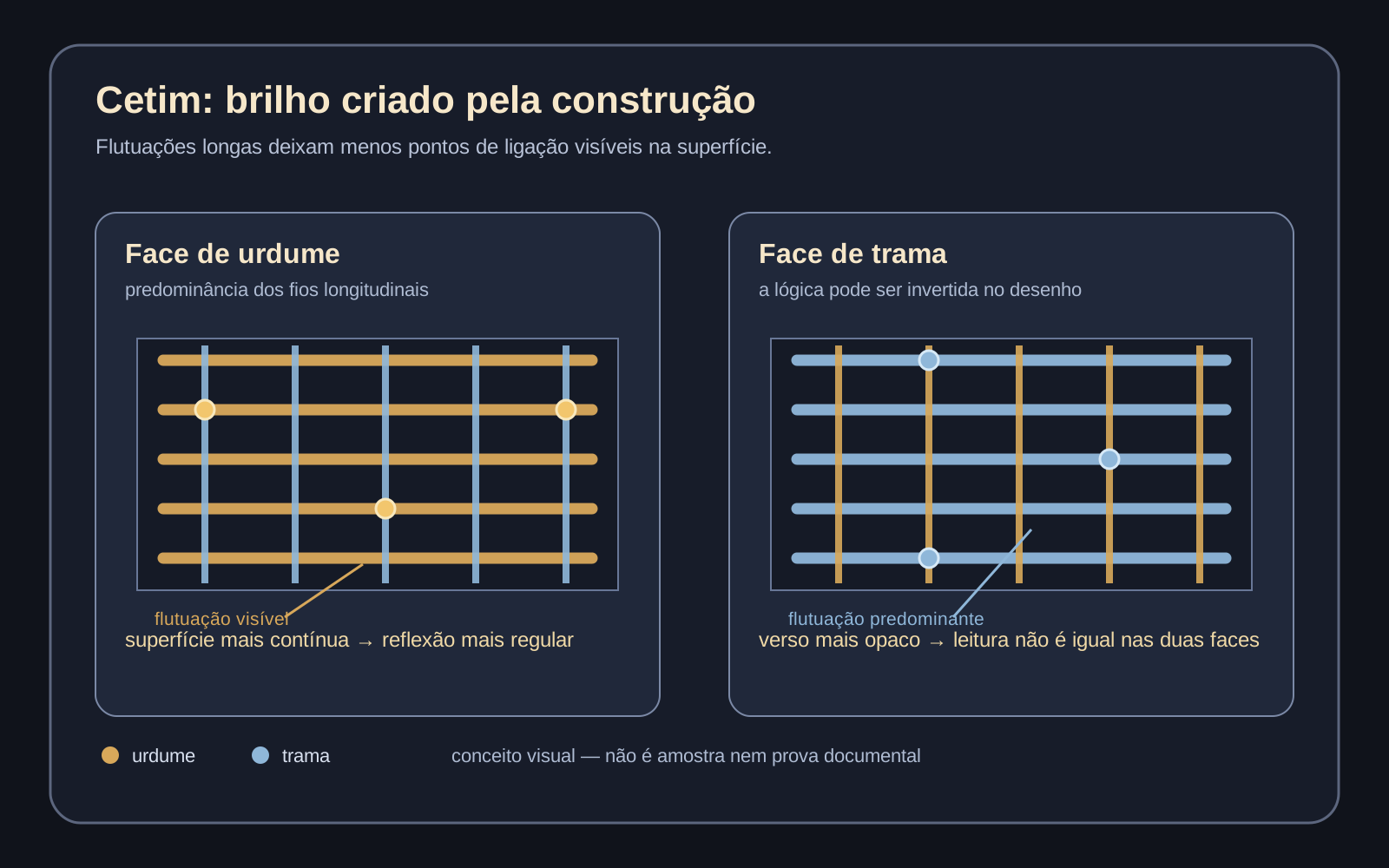
Satin is first a weaving construction, not a fibre name. Its effect comes from long floats: sections in which one yarn system passes over several yarns of the other system before returning to an interlacement. With fewer visible interlacements on the face, light meets a visually more continuous surface. The result is usually smooth and lustrous, but the same construction leaves yarns more exposed to pulls; “lustre” should therefore not be turned into an automatic claim of strength.
This distinction prevents the common mistake of treating satin as a synonym for silk. Silk, polyester and nylon can supply filaments for a satin; cotton and other short-staple yarns may appear in articles called sateen. A material record should therefore separate fibre, yarn, construction, finish and intended use. The commercial name alone does not disclose composition or prove origin.
How does the weave create lustre?
The weave arranges warp and weft with few apparent interlacements and distributes them so they do not form a continuous diagonal line. In a technical description of satin/sateen, the interlacement point is covered by an adjacent long float. This geometry helps explain why lustre can look more even than in plain weave, where many crossings are visible.
There is more than one face logic. In warp-faced satin, longitudinal yarns dominate the surface; weft-faced constructions also exist. “Face” therefore indicates which yarn system appears more prominently, not a promise that both sides will look alike. The repeat matters as well: it is the smallest unit that builds the design when repeated. The repeat is a construction reference, not a fibre composition.
The structure is described as looser than twill and plain weave, without a visible twill line. In design terms, low-twist yarn and higher EPI can increase smoothness, but that observation belongs to the described construction, not to every article sold as satin. A weave diagram clarifies the direction of lustre; it does not replace a sample, specification or test when a performance decision is involved.
Where does satin enter fashion?
The construction is used for lingerie, nightgowns, blouses, evening gowns, shirts and neckties, as well as ballet pointe shoes, interior furnishings, upholstery and bedding. These applications show how broad the term is: an evening dress and a furnishing article can share a weave family without sharing fibre, mass, finish or use requirements.
When selecting an article, start with the desired effect and work back to its cause: which fibre was used, which yarn, which repeat, which face should be exposed and which finish was applied? In a technical specification, record declared composition, construction, width, mass or count when available, finish, care instructions and acceptance criteria. For cutting and sewing, inspect face direction, sample behaviour and snag exposure; these are article-level decisions, not universal consequences of the label “satin”.
The subject also links to weaving, polyester and product development. Those relations do not make the concepts equivalent; they locate construction, raw material and product decision on the same technical map.
What are the limits of a satin specification?
A specification should not record only “satin” and “shiny”. It should distinguish fibre from yarn, weave from finish and appearance from performance requirements. Snag exposure calls for evaluation in the article and intended use; without testing, it does not justify a universal abrasion-resistance conclusion. Likewise, a lustrous face does not prove that a fabric is silk.
When comparing samples, keep lighting, viewing direction and selected face consistent. If the decision is between articles, compare construction, fibre, yarn, mass, finish and care on the same record. The diagram above is a conceptual explanation of structure; confirming the actual article still depends on identification and technical verification.
Verified facts
- Satin weave produces a smooth, lustrous surface, usually with a glossy face and duller back, but it tends to snag.
Source: en.wikipedia.org ↗ - Satin weave is characterised by four or more weft yarns floating over a warp yarn and four warp yarns floating over a single weft yarn.
Source: en.wikipedia.org ↗ - Floats are missed interlacings that reduce light scattering and explain satin's high lustre and even sheen.
Source: en.wikipedia.org ↗ - Satin is usually a warp-faced construction, although weft-faced satins also exist.
Source: en.wikipedia.org ↗ - A satin construction can use filament fibres such as silk, polyester or nylon.
Source: en.wikipedia.org ↗ - When short-staple yarns such as cotton are used, the resulting fabric is considered sateen in the source's distinction.
Source: en.wikipedia.org ↗ - In a technical description of satin/sateen, there is only one interlacement between warp and weft, and the interlacement point is covered by an adjacent long float.
Source: textilelearner.net ↗ - The satin/sateen structure is described as looser than plain and twill, with no visible twill line; low-twist yarn and increased EPI can increase smoothness.
Source: textilelearner.net ↗ - The pattern or repeat is the smallest unit of a weave that produces the design when repeated; tracing whether a yarn goes over, under or floats helps identify the weave family.
Source: textilelearner.net ↗ - Satin is used for lingerie, nightgowns, blouses, evening gowns, shirts, neckties, ballet pointe shoes, interior furnishings, upholstery and bedding.
Source: en.wikipedia.org ↗
Related entries
Polyester
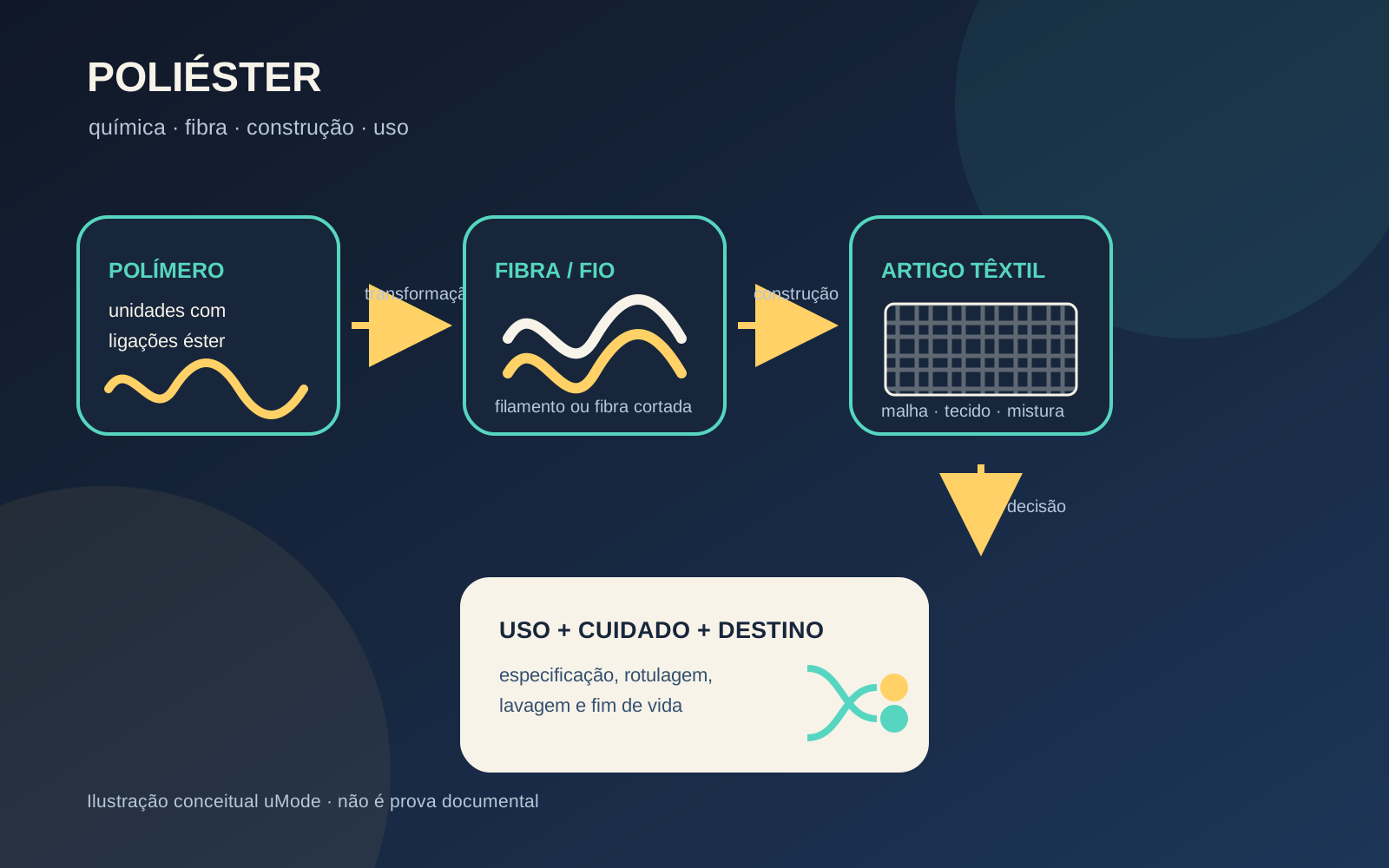
Polyester is a family of polymers with ester linkages; in fashion, the name most often refers to textile fibers and products based on PET. The result still depends on fiber, yarn, construction, and the rules that govern fiber composition and care.

Industrial weaving
Weaving is the process of forming fabric by regularly interlacing two yarn systems: warp in the lengthwise direction and weft across the width. The construction results from warp preparation, shed formation, weft insertion and beat-up, and control of yarn delivery and fabric take-up.
Twill
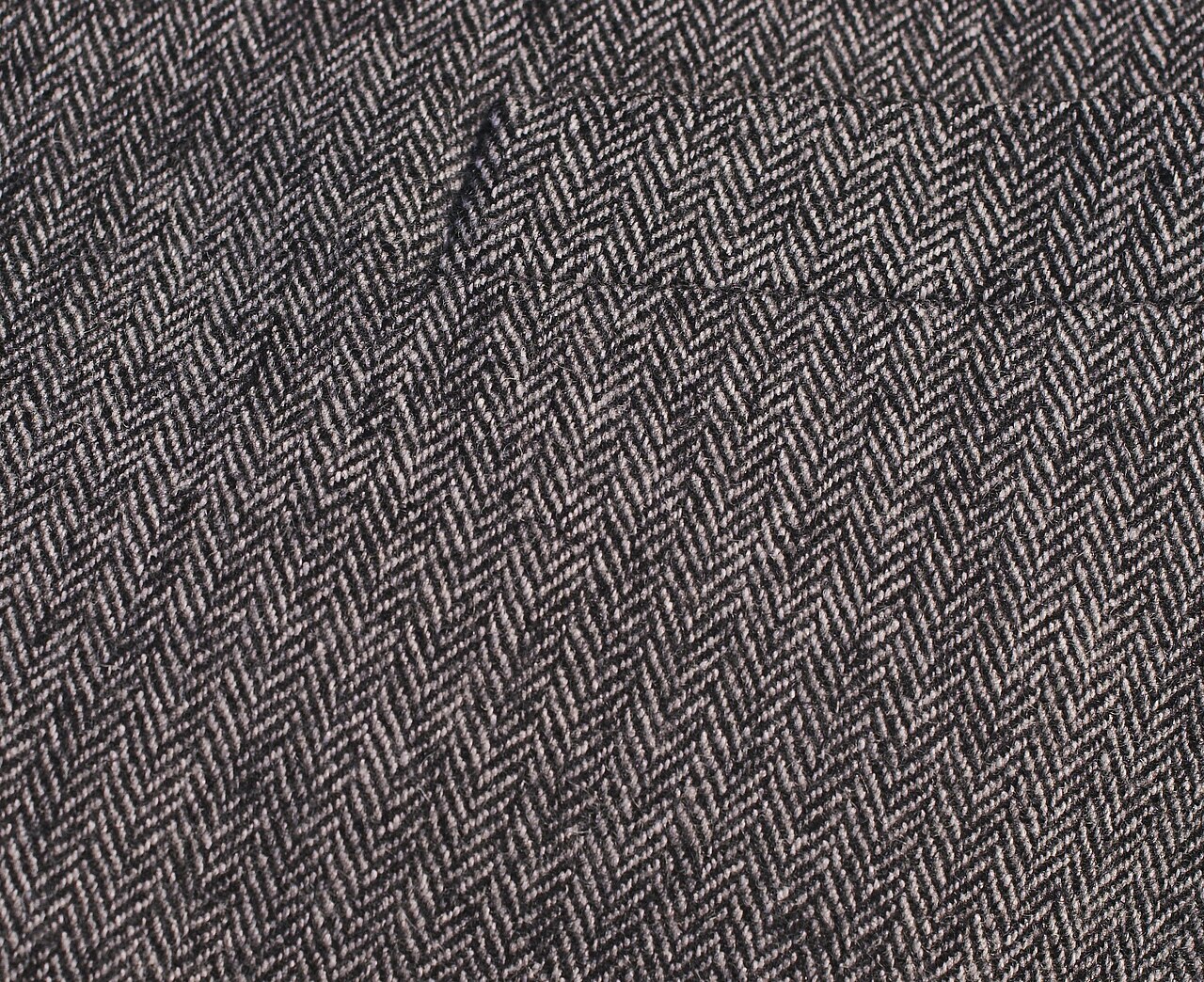
Twill is one of the three fundamental weave structures, recognizable by the diagonal ribs on its surface. Durable and substantial, it is the base structure behind denim, gabardine, and much of utilitarian apparel.

Fashion product technical specification
A technical specification is the controlled information set that translates an approved fashion product into verifiable sampling and manufacturing requirements. It brings together drawings, materials, measurements, construction, tolerances, identification, labelling, comments and revision history; its content varies by category, company, market and stage.
Sources
Want to apply this to your operation?