Fashion mood board
A fashion mood board is a curated composition of images, samples, patterns, colors, and words that makes an aesthetic direction visible before it becomes collection decisions. It aligns interpretations and enables exploration, but it is neither a tech pack nor proof of feasibility.
On this page
What is Fashion mood board?
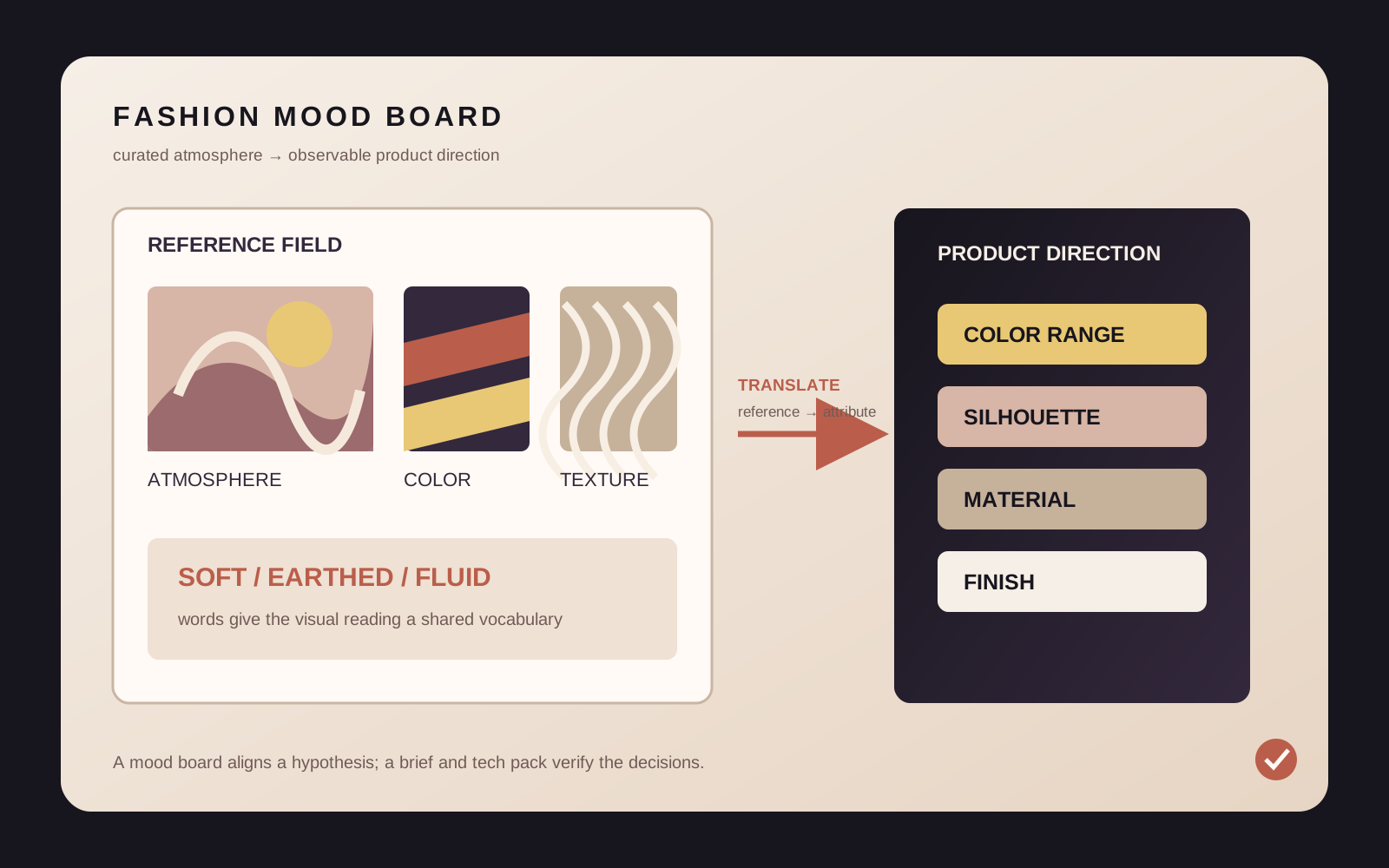
A fashion mood board is a curated composition that makes an aesthetic direction discussable before a garment is specified. Its base can combine images, video frames, patterns, text, color, texture, and material samples; each element should contribute to a recognizable feeling or direction. That makes it a creative technique: it organizes language without delivering a finished product by itself.
In fashion, the board should answer a concrete question: what atmosphere, silhouette, surface, or use context should the collection explore? References from architecture, photography, landscape, behavior, and fabric can help when their role is stated. To avoid an indistinct collage, name the reading of each reference and separate inspiration from requirements. The connection to a creative brief gives the work a purpose; the connection to a collection map shows where that direction will be tested.
How should the board be built and organized?
Start by defining the feeling and the project's boundaries; then gather relevant visual resources, choose a support, and arrange the elements in a legible composition. A practical sequence is to write a few direction words, select images and samples, group recurring ideas, remove contradictions, and record why the remaining items stayed. The board may be physical or digital. A digital format favors editing and sharing; a physical format allows direct handling of samples and materials.
Organization is not neutral. Use visual hierarchy: enlarge or center the references that best express the main hypothesis and group items with a similar role. Colors and textures can establish the sensory field; typography and words can stabilize tone; interface components belong when the board also guides a digital brand experience. In a collection, include textile-material samples when touch, sheen, transparency, or structure is part of the direction.
How can atmosphere become a product decision?
Translation happens when the team turns a visual reading into observable attributes: color range, contrast, scale, line, volume, length, surface, finish, and material combination. This is a working orientation, not a claim that every reference must become a garment. For each attribute, record whether it is a requirement, hypothesis, or inspiration and identify the garment, family, or stage to which it applies.
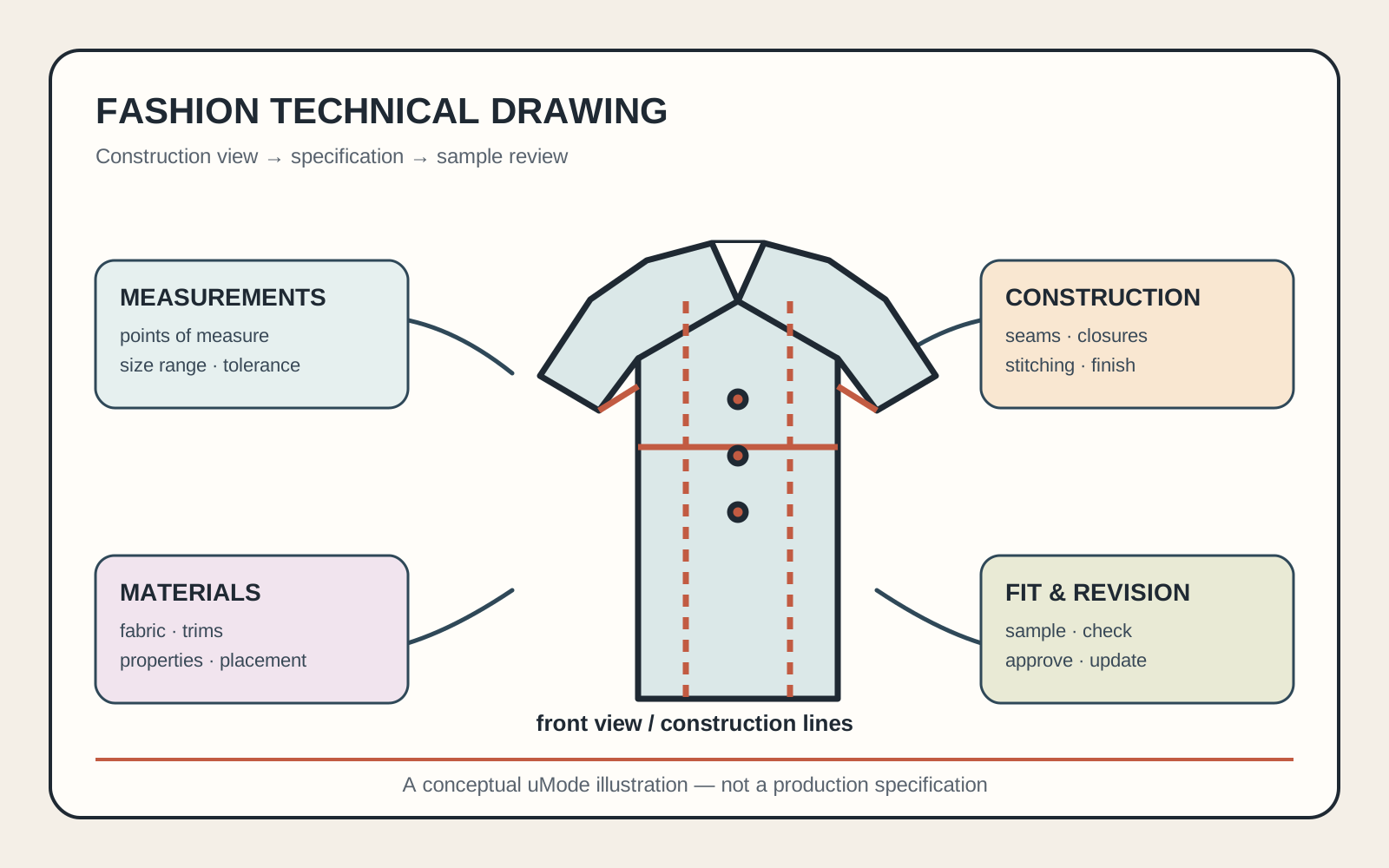
The creative brief preserves objectives, audience, and constraints; the tech pack preserves measurements, materials, construction, and approval. The mood board sits between those records: it gives the conversation a vocabulary, but it does not replace checks of cost, timing, availability, fit, or safety. A color seen on a screen also needs to be checked against a physical sample and the coding system used by the team.
How should a fashion mood board be reviewed?
Review it with the people who will interpret the direction: design, product, pattern cutting, engineering, buying, and, when needed, suppliers. The board can be developed collaboratively, in a shared session or through asynchronous contributions. Ask each participant to identify the reference they see as primary, the attributes they can observe, and the ambiguities that could lead to different decisions.
Review should check internal coherence, the origin and permission for using references, the legibility of the hierarchy, and the distance between inspiration and specification. Comparing versions is also useful: what entered, left, or changed position? Once the direction is accepted, connect its decisions to product development and collection planning without treating the board as final approval. This keeps the mood board specific to a fashion hypothesis instead of turning it into a generic image bank.
Limits and relationships
A mood board, trend research, brief, and tech pack are related but not equivalent objects. The mood board communicates direction and feeling; research investigates signals and references; the brief defines the problem; the tech pack records verifiable specifications. Confusing these roles creates ownerless decisions and turns an evocative image into an unintended requirement.
The board is most useful when its question, version, owner, references, and derived decisions remain visible. Its strength is making a hypothesis comparable across people and allowing alternatives to be explored before the team commits development resources.
Connections
creative brief · collection map · color palette · tech pack · product development · trend research
Verified facts
- In NN/G's definition, a mood board arranges imagery, moving-image stills, patterns, or writing to communicate an immediate feeling.
Source: nngroup.com ↗ - Mood boards are used in visual-art applications that include fashion, branding, graphics, cinema, and interior design.
Source: nngroup.com ↗ - A mood board is a visual presentation or collage made of images, text, and samples of objects.
Source: en.wikipedia.org ↗ - Mood boards may be physical or digital and can be effective presentation tools.
Source: en.wikipedia.org ↗ - Creating mood boards digitally allows easier collaboration and modification.
Source: en.wikipedia.org ↗ - Early in a design process, mood boards help gather consensus on visual style before prototypes are made.
Source: nngroup.com ↗ - Mood boards can be created collaboratively, with multiple people contributing synchronously or asynchronously.
Source: nngroup.com ↗ - A mood board can define a product's primary colors and visual identity while including other aspects of design.
Source: nngroup.com ↗ - A clear visual hierarchy prioritizes the most important assets and can make them larger or place them in the center of the board.
Source: nngroup.com ↗ - Mood boards in design are visual collections of elements such as colors, textures, and imagery used to set a visual direction.
Source: ixdf.org ↗ - Essential mood-board elements can include visuals, typography, UI components, and inspirational elements.
Source: ixdf.org ↗
Related entries
Creative fashion brief
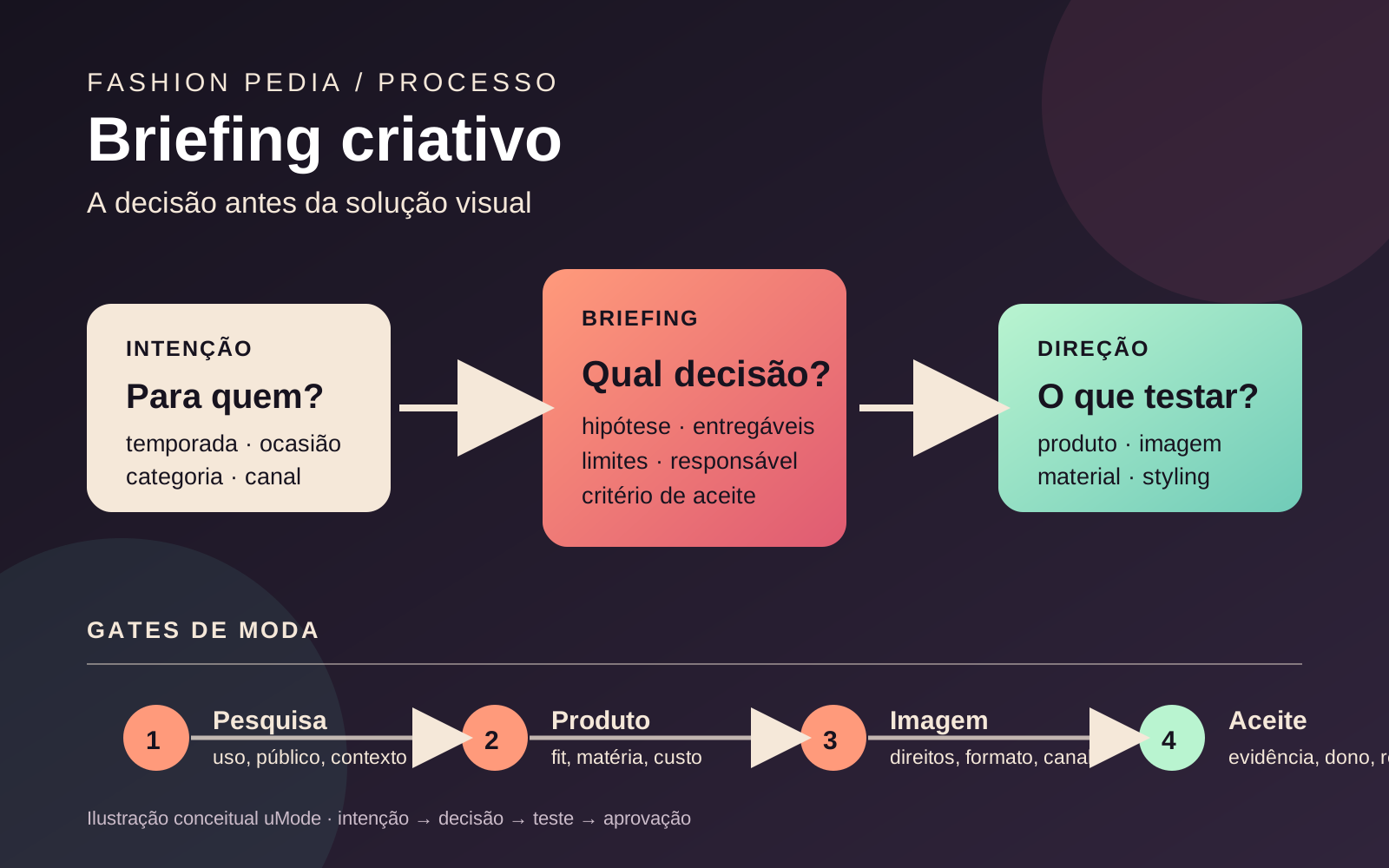
A creative fashion brief turns an intention for a collection, product, image, or campaign into a bounded creative problem. It connects season, audience, category, assortment, materials, channel, deliverables, constraints, owners, and approval criteria without prescribing the visual solution.
Collection map
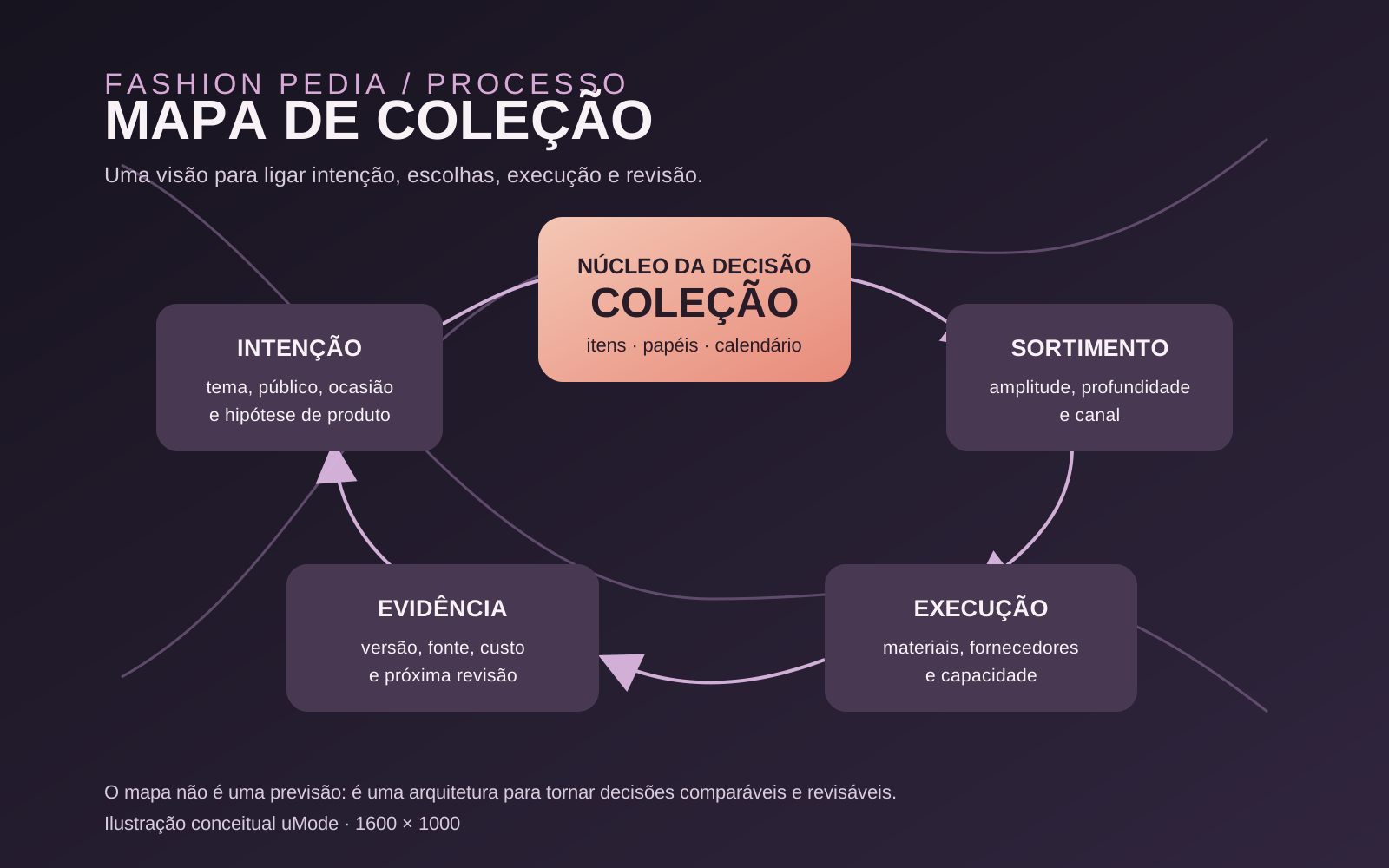
A collection map is a process view that makes the relationships between intent, items, assortment, execution, and review explicit. It organizes hypotheses and decisions for comparison without confusing planning with a guaranteed forecast or automatic purchasing authority.

Fashion product technical specification
A technical specification is the controlled information set that translates an approved fashion product into verifiable sampling and manufacturing requirements. It brings together drawings, materials, measurements, construction, tolerances, identification, labelling, comments and revision history; its content varies by category, company, market and stage.
Sources
Want to apply this to your operation?