Textile screen printing
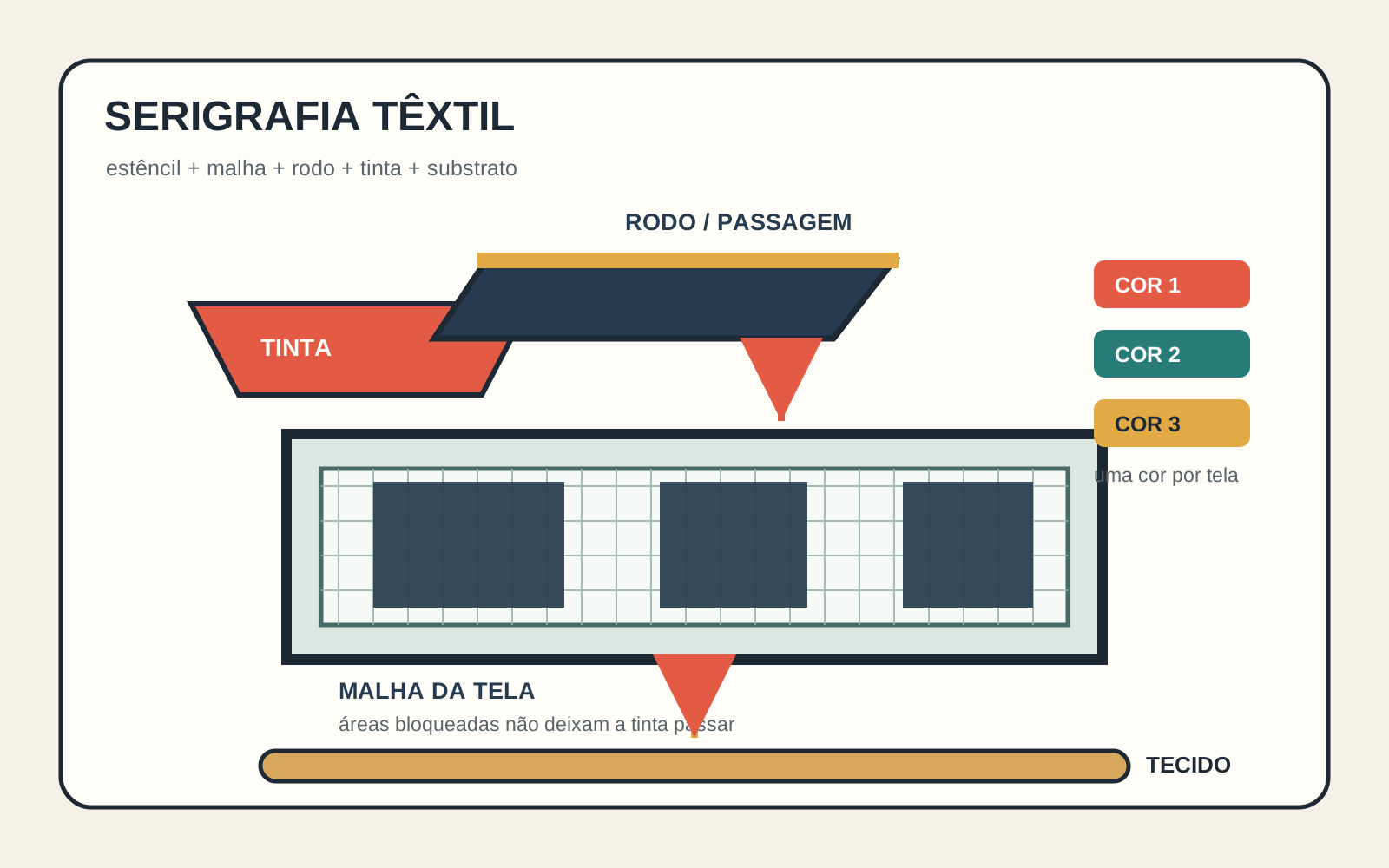
Textile screen printing is a printing technique that forces ink through a screen mesh, allowing it to pass only through areas not blocked by a stencil. Printing one colour at a time turns registration, screen, squeegee, substrate, ink and testing into technical decisions for the printed design.
On this page
What is Textile screen printing?
Textile screen printing is a printing technique in which a mesh transfers ink onto a substrate while a stencil makes selected areas impermeable. This logic distinguishes the technique from an unstructured application of colour: the design depends on the relationship between the screen opening, the blocked area and the squeegee stroke. In fashion, the substrate may be a garment or a textile prepared to receive the print; the specific support should be recorded in the product specification rather than treated as interchangeable.
The screen-printing operation described in the source uses a flood stroke to fill the mesh apertures with ink and a reverse stroke that makes the screen touch the substrate momentarily. The squeegee is therefore part of the transfer action, not merely a visual accessory. When documenting a sample, keep the artwork, screen, colour, substrate and application condition distinct so that comparisons do not merge separate decisions.
How do the screen and colours structure the design?
A screen is mesh stretched over a frame and must remain under tension to function. Screen selection should not be reduced to an aesthetic preference: the source describes polyester mesh as the most popular in general use and lists nylon and stainless steel for special uses. The article also distinguishes mesh materials and apertures according to the level of detail intended; the artwork should therefore be considered together with screen construction, without promising a universal result.
Screen printing prints one colour at a time. A multicoloured print can therefore require several screens, each associated with a colour pass. For a technical specification, it is useful to keep colour order, visual references and registration tolerance separate. The relationship with cotton, knitting and weaving is contextual and operational: none of these terms is a synonym for screen printing.
How can a screen print be evaluated?
Evaluation must distinguish the printing action from testing the result. AATCC describes textile evaluation methods and procedures as international standards cited in government, industry and individual company specifications. This does not turn every test into a universal requirement; it indicates that a specification can identify the selected method, sample and comparison condition.
For colourfastness, AATCC's module presents methods that evaluate resistance to perspiration, water, laundering, crocking and light exposure. The listed methods include TM61, which addresses colourfastness to accelerated laundering. When preparing a sample approval, record which phenomenon is being checked and do not use “quality” as a substitute for a defined result. Quality control and product development are working connections; fashion PLM can organise versions but does not replace testing.
Where does the technique fit in the fashion chain?
Screen printing connects graphic language, screen construction and ink application in one flow. Its technical value lies in keeping those dependencies visible: changing the artwork can change the screens; changing colour can change the sequence; changing the substrate can require a new comparison. Distinguishing weaving, knitting and printing prevents the technique from being recorded as though it were the textile structure itself.
A collection specification can use screen printing as a point of contact between design, development and control. It should declare what will be printed, on which substrate, with how many colours and by which evaluation method, while preserving the scope of the test. The technique is not an automatic promise of durability, definition or suitability: those results depend on the examined condition and the corresponding evidence.
Verified facts
- Screen printing is a printing technique in which a mesh transfers ink onto a substrate except in areas made impermeable by a blocking stencil.
Source: en.wikipedia.org ↗ - In screen printing, the squeegee fills the mesh apertures with ink in a flood stroke and the reverse stroke makes the screen touch the substrate momentarily.
Source: en.wikipedia.org ↗ - A screen consists of mesh stretched over a frame and must remain under tension to function.
Source: en.wikipedia.org ↗ - One colour is printed at a time, so several screens can be used to produce a multicoloured image or design.
Source: en.wikipedia.org ↗ - Polyester mesh is described as the most popular mesh in general use, while nylon and stainless steel are listed for special uses.
Source: en.wikipedia.org ↗ - AATCC describes its textile evaluation methods and procedures as international standards cited in government, industry and individual company specifications.
Source: aatcc.org ↗ - AATCC's colorfastness module presents methods for evaluating resistance to perspiration, water, laundering, crocking and light exposure.
Source: aatcc.org ↗ - AATCC's colorfastness module includes TM61, the test method for colorfastness to accelerated laundering.
Source: aatcc.org ↗
Related entries

Fashion PLM: data, product, and lifecycle
Fashion PLM is the structured management of the data, decisions, and workflows that follow a product and a collection from concept through post-launch. It connects tech packs, materials, costs, samples, approvals, suppliers, and versions so that every function works from a traceable product definition.

Fashion product technical specification
A technical specification is the controlled information set that translates an approved fashion product into verifiable sampling and manufacturing requirements. It brings together drawings, materials, measurements, construction, tolerances, identification, labelling, comments and revision history; its content varies by category, company, market and stage.
Cotton
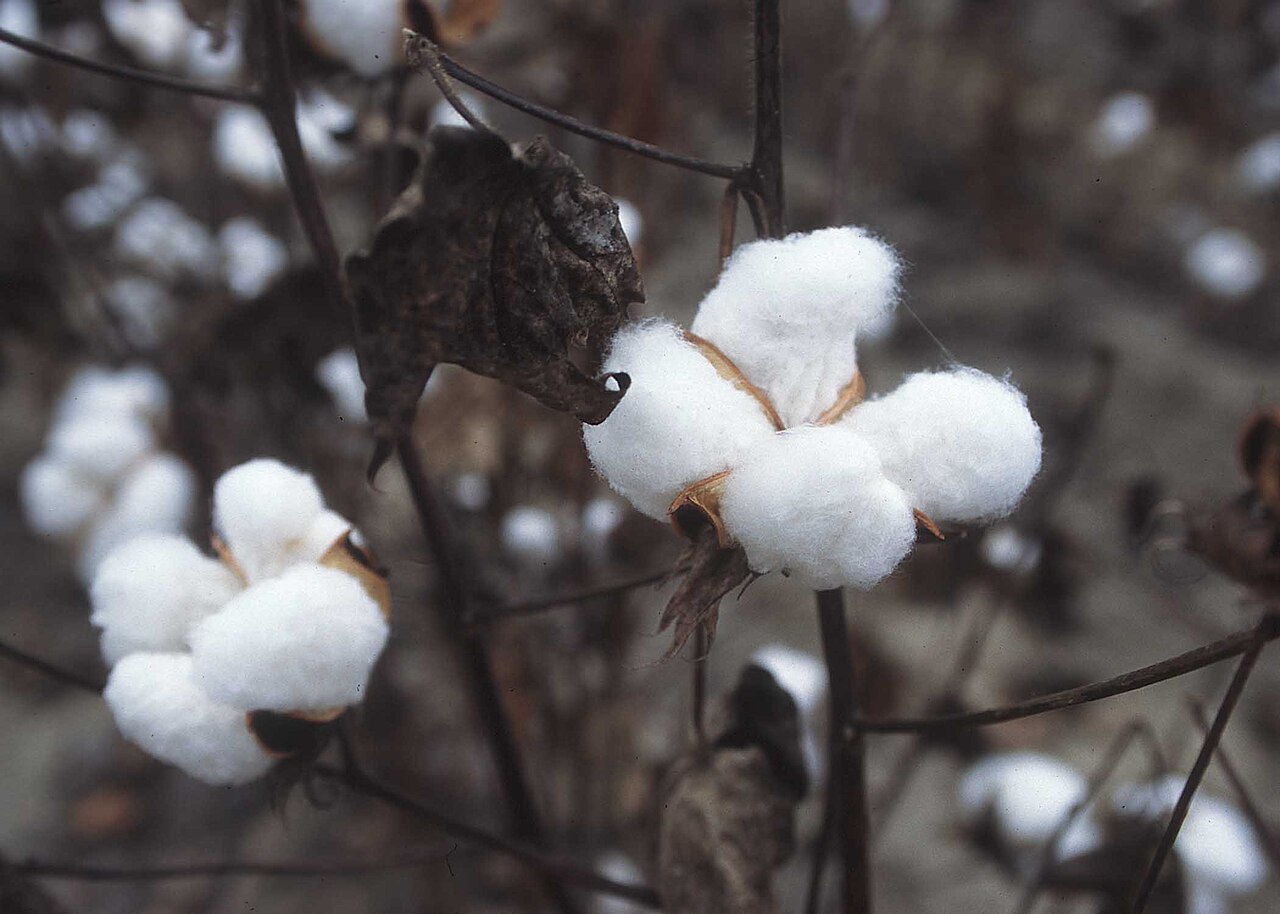
Cotton is the most widely used natural fiber in the global textile industry. Grown around the seeds of the cotton plant (Gossypium), it is prized for comfort, breathability and versatility in apparel.
Industrial knitting
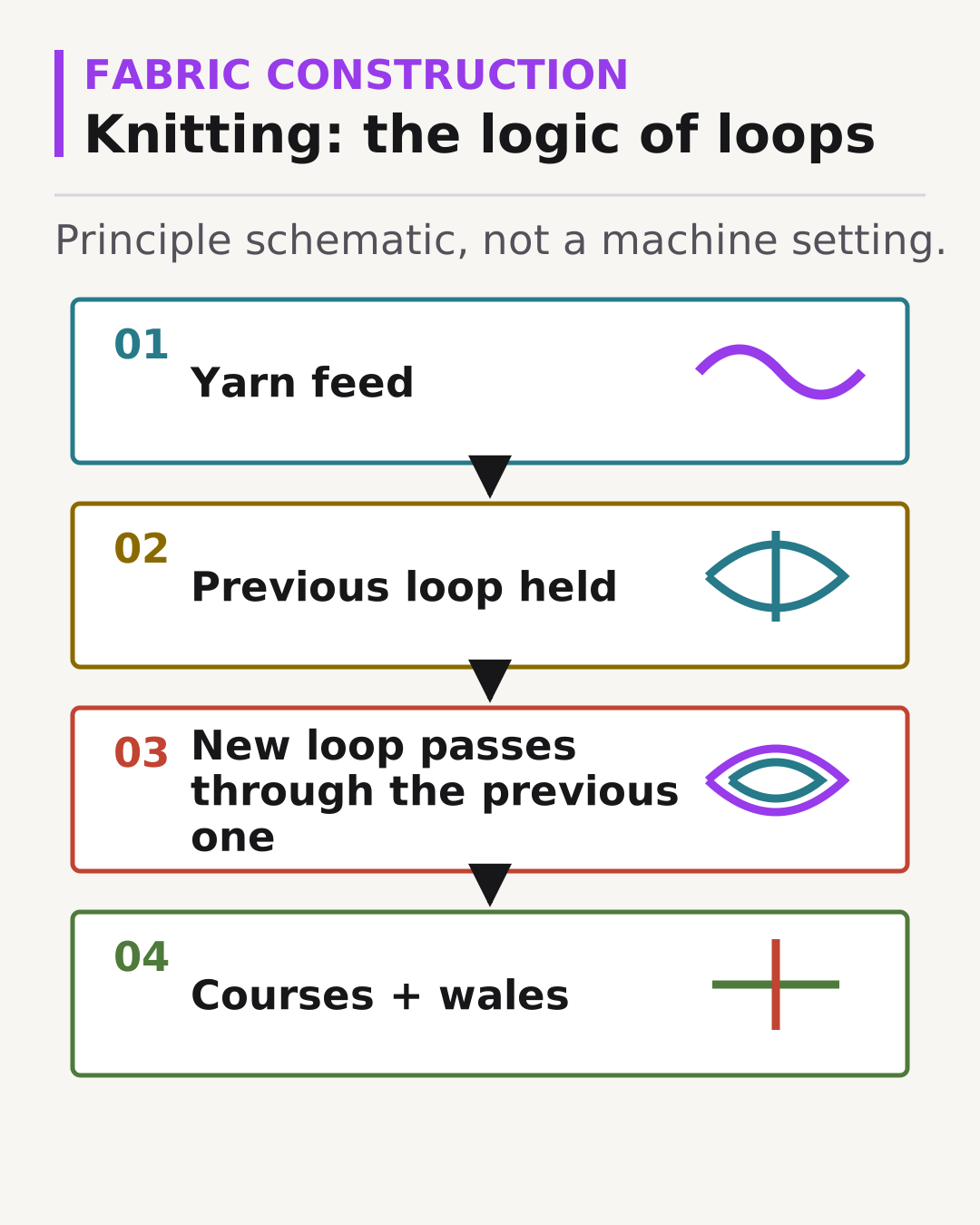
Knitting is the process of forming fabric through series of intermeshed loops. It divides into weft knitting, in which yarn travels across the width and needles form loops in sequence, and warp knitting, in which parallel yarns feed needles that work simultaneously along the fabric length.
Sources
Want to apply this to your operation?