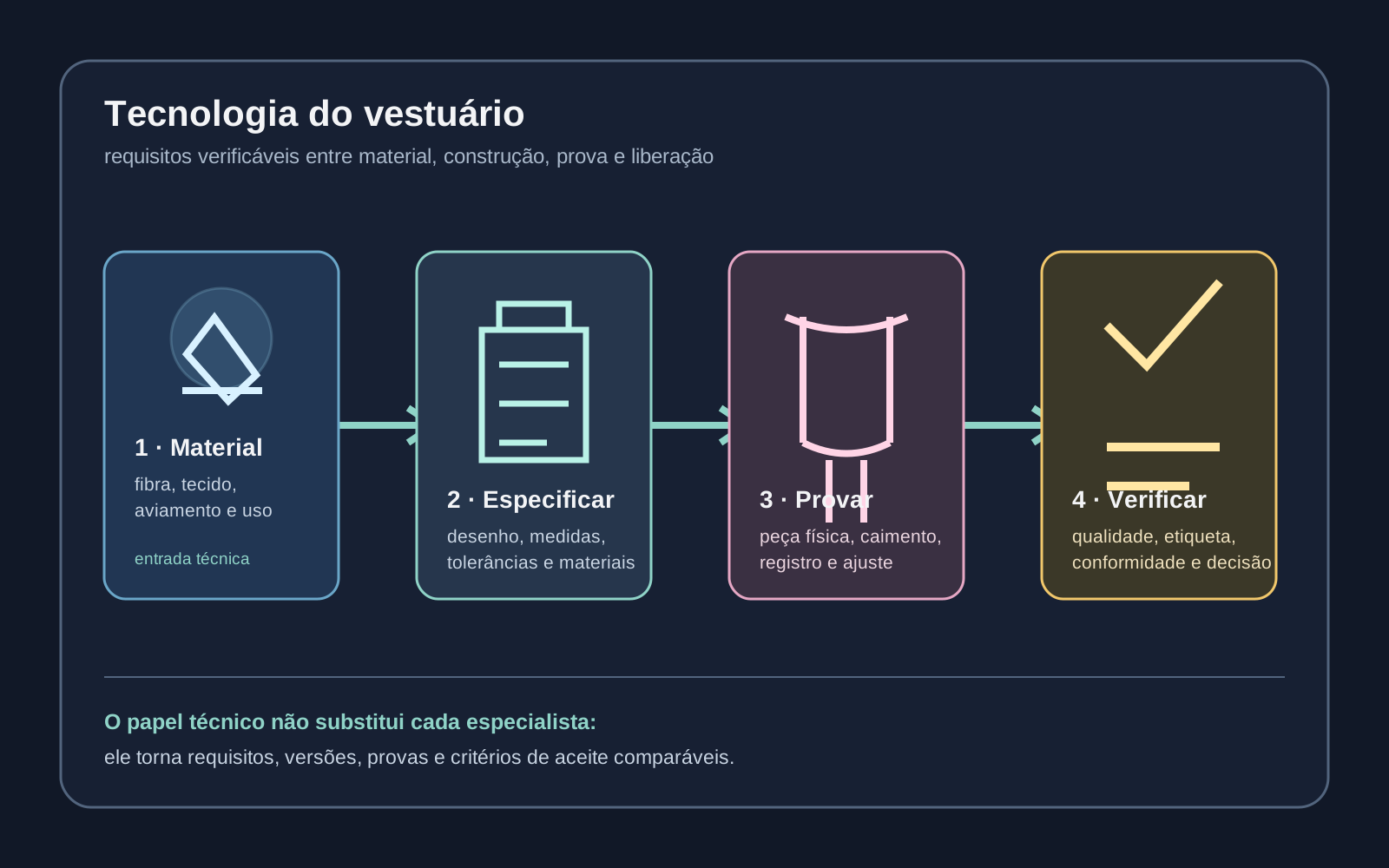
Garment production pilot sample
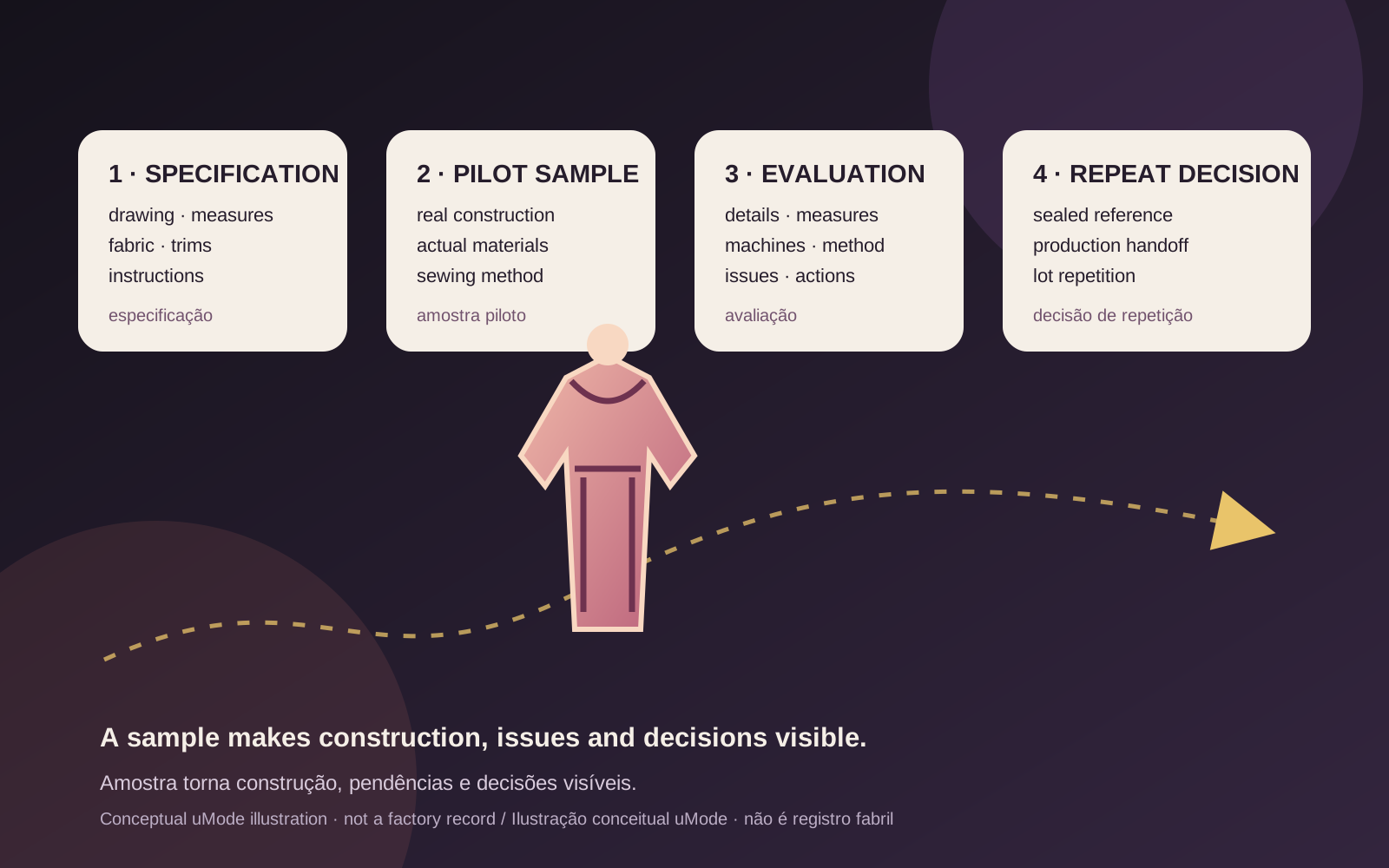
Garment production pilot sample. A garment production pilot is the development, review and approval of a product sample under product-making conditions. It connects the technical pack, materials, measurements, tests, construction and decision-making before the garment is repeated in production.
On this page
What is Garment production pilot sample?
A garment production pilot is the work of developing, reviewing and approving a sample so that a specification becomes an observable construction. The focus is not appearance alone: it is the confrontation of the technical pack, materials, measurements, construction and production conditions before the garment is repeated. The UK occupational standard for product technology describes a workplace project built around developing, reviewing and making recommendations on a product sample.
What belongs in the sample record?
A sample should be read together with the information that makes it reproducible. A tech pack communicates the information and components needed to construct the product, so the team can check technical drawings, specifications, measurements, fabric, trims, grade rules, a bill of materials, change records, quality and tolerances. The same standard includes material or product tests, production costing and sample review among the project activities. Instead of calling any prototype “approved,” name the version examined and separate observation, requested change and decision.
How should approval, correction or another round be decided?
A piloting decision should answer what the sample demonstrated and what still blocks repeat production. As a working practice, record the specification version, materials used, discrepant measurement or detail, owner of the response, decision and next action. If a non-conformance appears, describe the issue and keep its state open until it is resolved; the sample-project report is expected to state the issues encountered and whether they were resolved. The sample then becomes decision memory within product development, rather than an isolated garment.
Where does piloting sit in production?
Piloting prepares the handoff between development and production, but it does not replace every verification in the product cycle. A sample-project presentation is expected to cover the end-to-end production process, quality and compliance requirements, and the product life cycle. This coordination matters in apparel because production is geographically dispersed and shaped by dynamic market-driven transformations, as the ILO notes. Quality control and sample approval are related decision areas, not synonyms for piloting.
How is it different from a fit session?
Piloting asks whether a specification can be constructed and repeated with the considered materials and instructions. A fit session focuses on how the garment reads on the body—fit, balance and wearing behaviour; the two activities can inform each other, but a fit approval does not automatically resolve sewing, trim, tolerance or production-method issues. Safety also remains part of the production context: the ILO highlights the need to improve safety and working conditions in the chain and points to a sector-specific code of practice.
Piloting is therefore a decision handoff: specification, sample, construction evidence, open issues and approval stay connected. Its value is making repetition discussable and traceable, without treating one approved sample as a universal guarantee for every lot, supplier or material.
Verified facts
- A professional product-technology project may require developing, reviewing and making recommendations on a product sample.
Source: skillsengland.education.gov.uk ↗ - Work on a sample may include sample development, production costing, material or product tests, and sample review, analysis and approval.
Source: skillsengland.education.gov.uk ↗ - A tech pack is an information package designed to communicate the information and components needed to construct a product.
Source: skillsengland.education.gov.uk ↗ - Sample documentation may bring together technical drawings, specifications, measurements, materials, grade rules, bills of material, change logs, quality standards and tolerances.
Source: skillsengland.education.gov.uk ↗ - A sample-project report should record issues encountered, state whether they were resolved, and include recommendations and lessons learnt.
Source: skillsengland.education.gov.uk ↗ - A presentation about a sample should cover the end-to-end production process, quality and compliance requirements, and the product life cycle.
Source: skillsengland.education.gov.uk ↗ - Production in the textiles, apparel, leather and related-products sector is geographically dispersed and shaped by dynamic market-driven transformations.
Source: ilo.org ↗ - The ILO connects the sector's future of work with workplace safety and health conditions and provides a sector-specific code of practice.
Source: ilo.org ↗
Related entries

Fashion product technical specification
A technical specification is the controlled information set that translates an approved fashion product into verifiable sampling and manufacturing requirements. It brings together drawings, materials, measurements, construction, tolerances, identification, labelling, comments and revision history; its content varies by category, company, market and stage.
Garment patternmaking
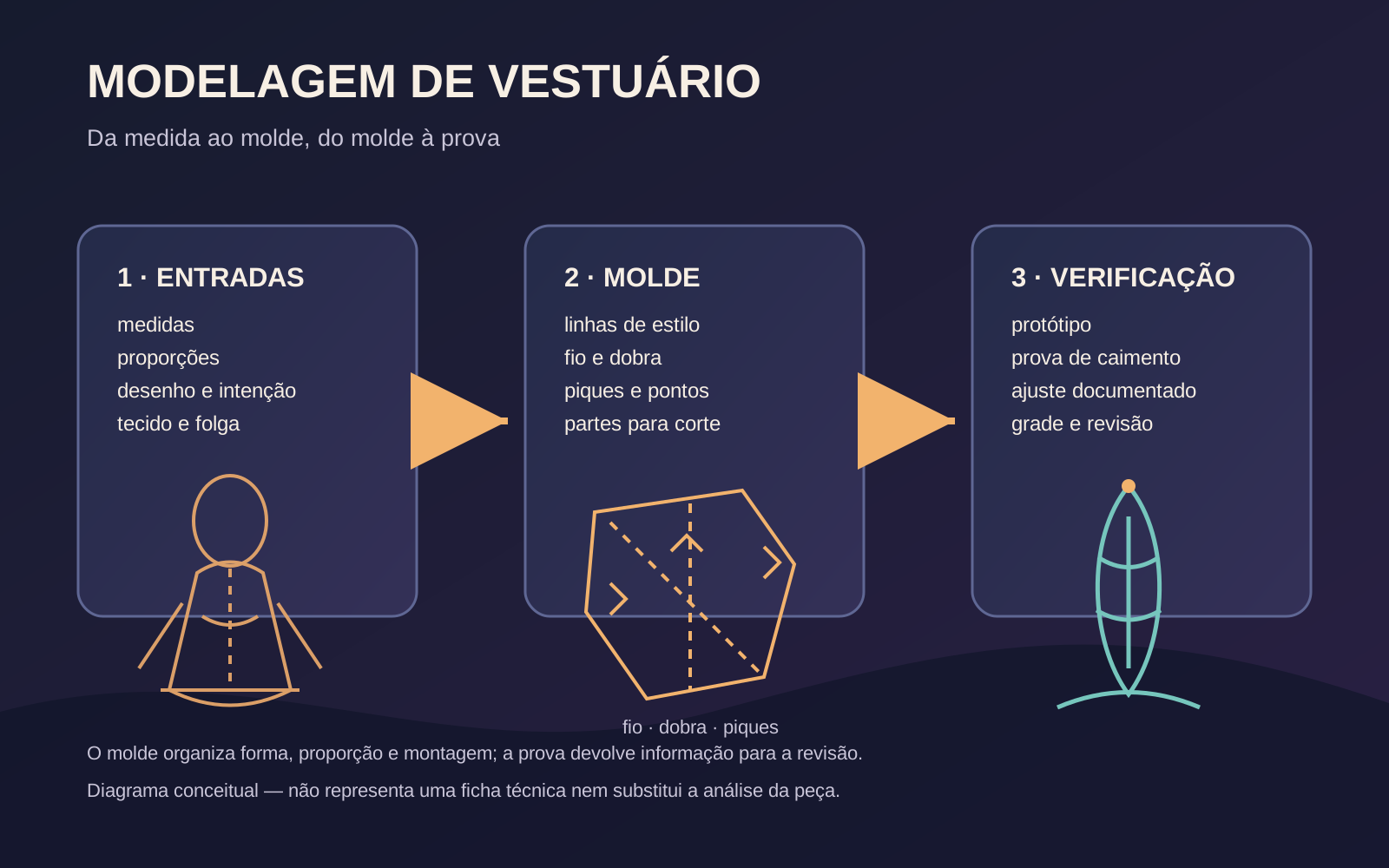
Garment patternmaking is the technique of turning measurements, proportions, and design intent into patterns used to cut and assemble a garment. It connects a block, flat pattern construction or draping with fabric information, production markings, fitting, alterations, and grading; the result is a testable development basis, not an automatic guarantee of fit.
Garment fitting
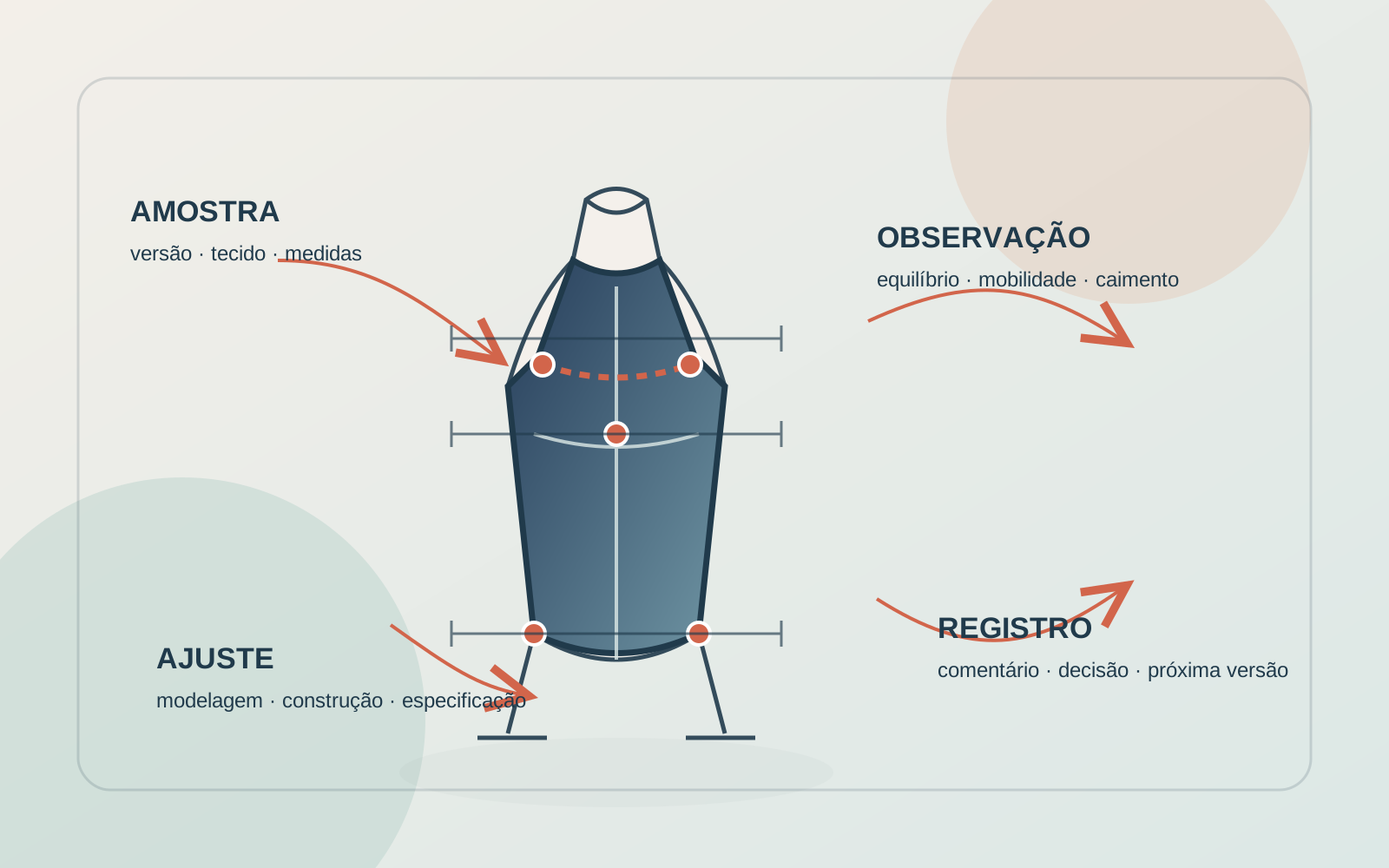
Garment fitting is the process of comparing a dressed sample with a style's design, specifications, and intent. The team observes fit, balance, movement, and construction, records decisions, and sends changes into the next version.
Fashion sample approval
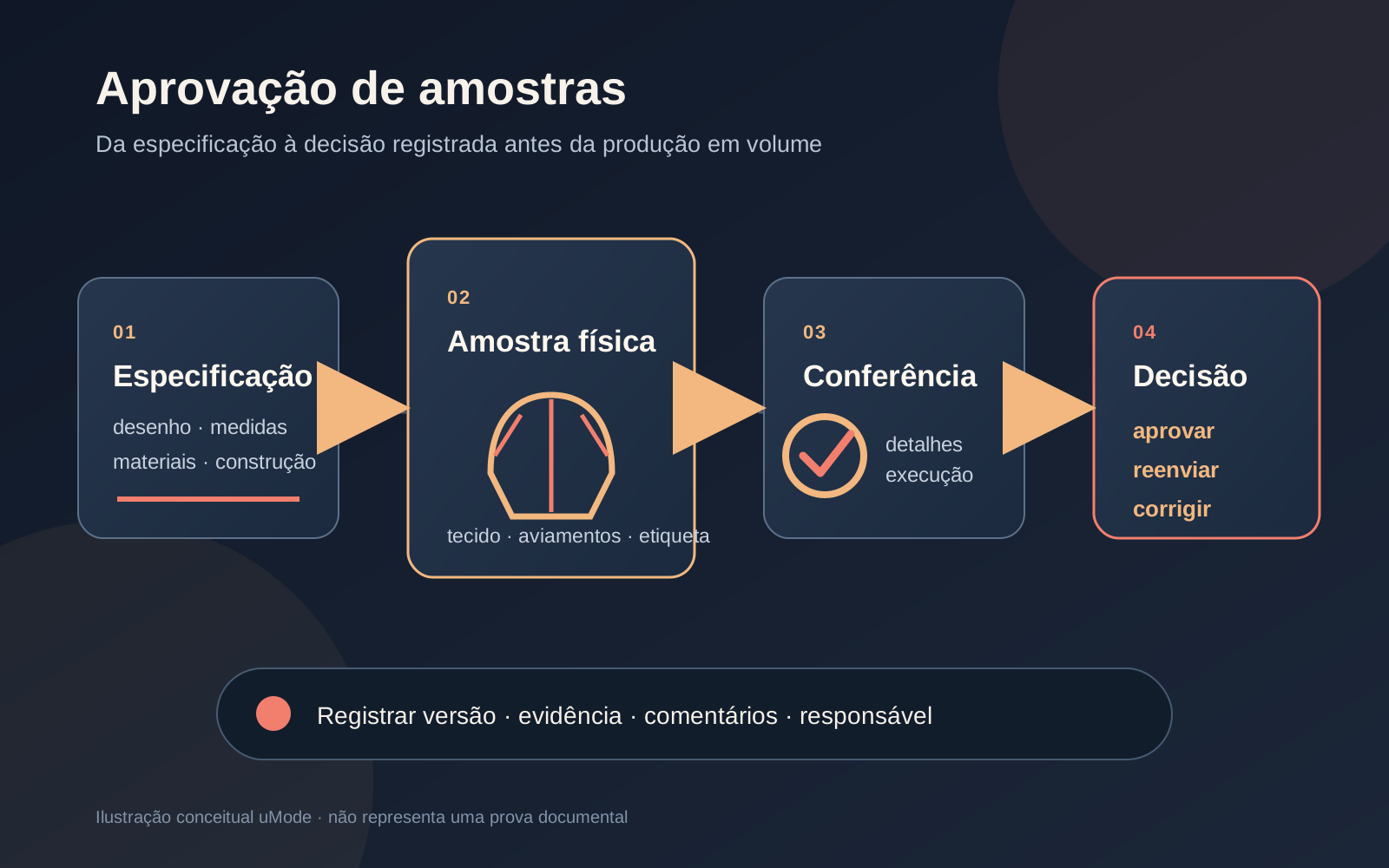
Fashion sample approval is the process of comparing a physical sample with documented requirements for style, materials, construction and identification, recording deviations and deciding whether the garment can proceed, needs resubmission or requires correction before volume production.

Apparel quality control
Apparel quality control combines specifications, inspection, and testing to check whether fabrics, trims, and garments meet the expected performance for a product and end use. The process can examine color, drape, hand, durability, conformance, defects, fit, seam integrity, shrinkage, and drying performance. Quality decisions depend on the product and its intended use.
Sources
Want to apply this to your operation?