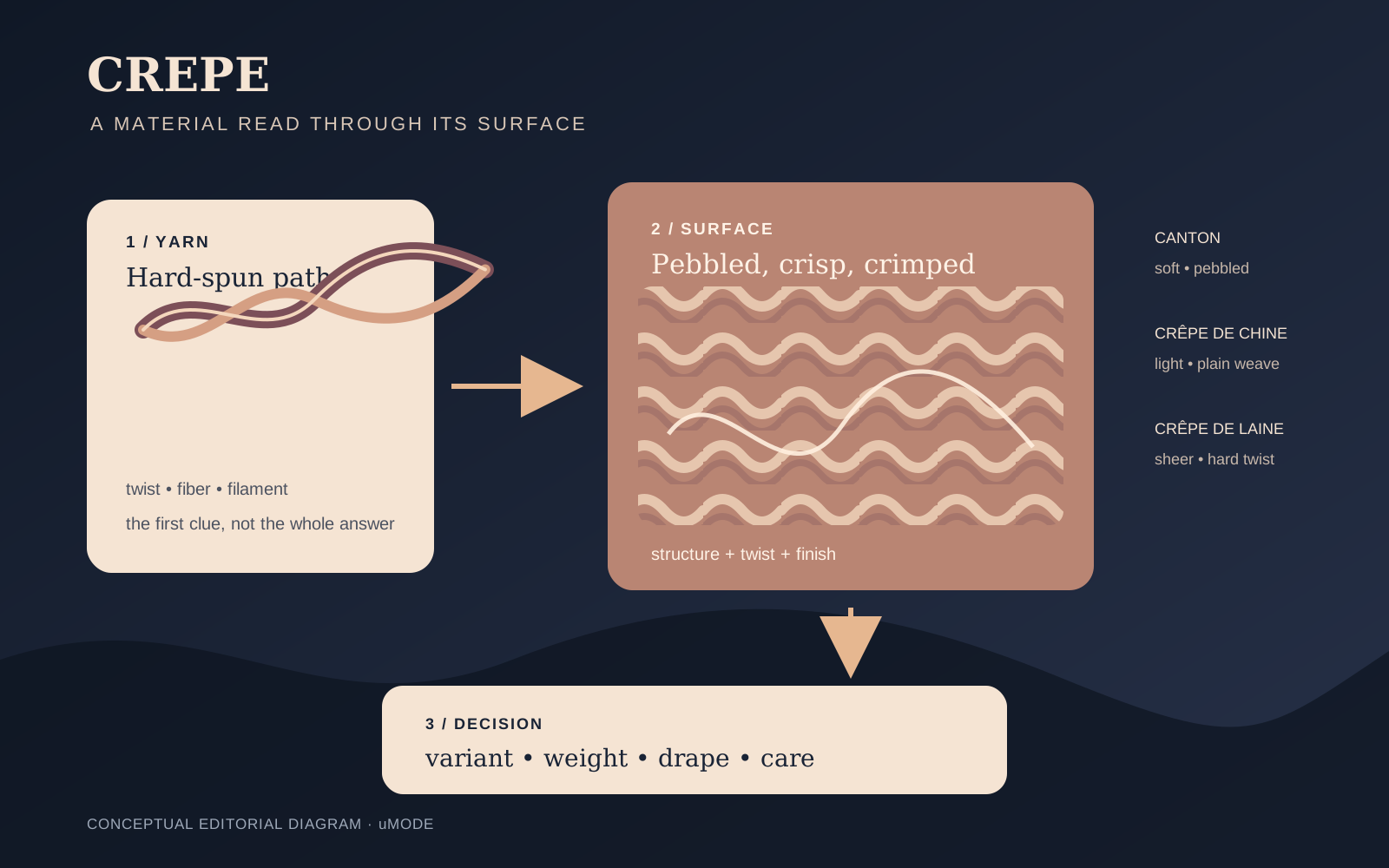
Cotton
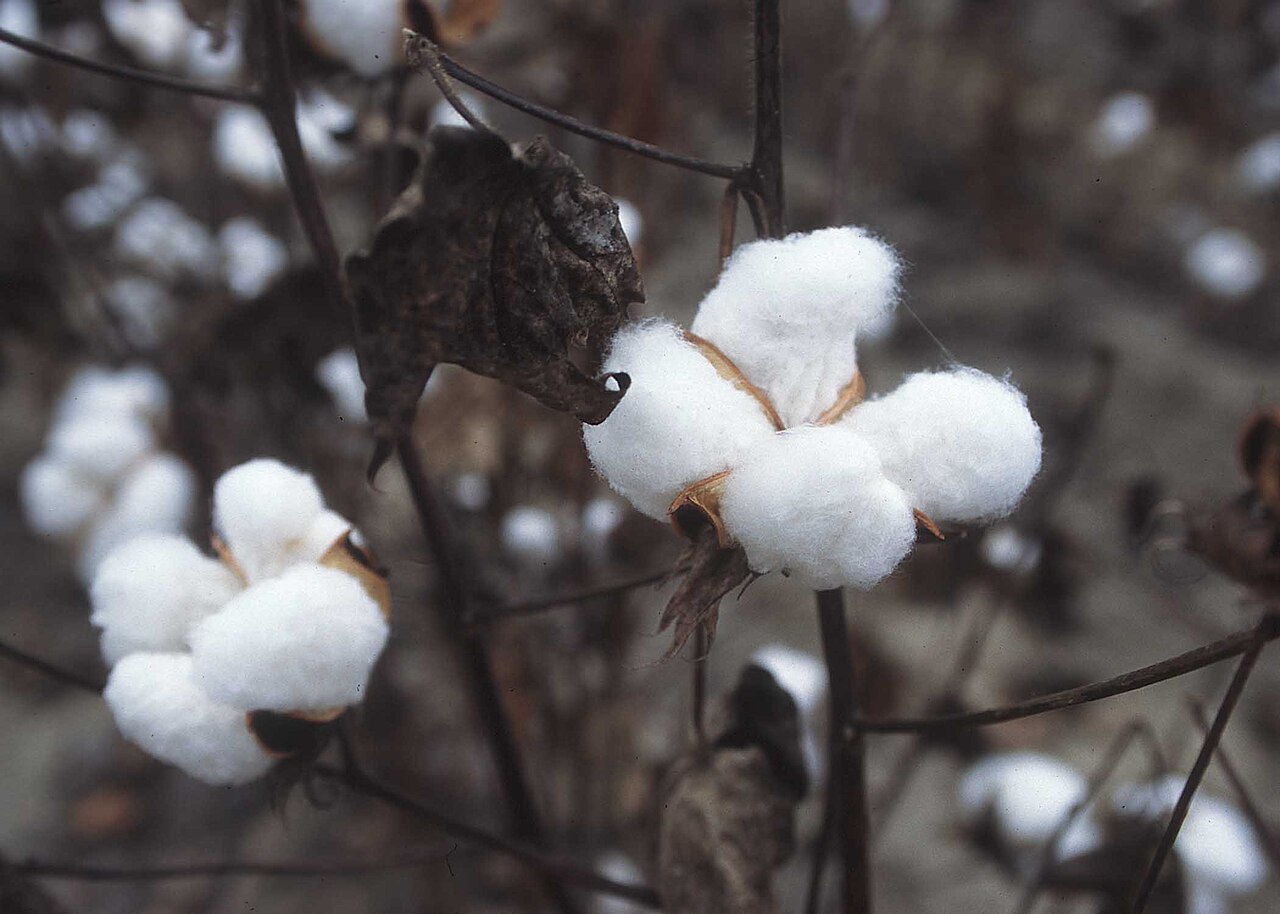
Cotton is the most widely used natural fiber in the global textile industry. Grown around the seeds of the cotton plant (Gossypium), it is prized for comfort, breathability and versatility in apparel.
What is cotton?
Cotton is a natural cellulose fiber that grows in a boll around the seeds of plants of the genus Gossypium. It is the most widely used natural fiber in textile production worldwide — the raw-material benchmark against which practically every other fiber, natural or synthetic, is compared on cost and performance.
How does cotton behave as a fiber?
Raw cotton fiber is composed of roughly 90% cellulose, which explains its high capacity to absorb moisture and readily take dye. One structural trait, barely visible to the naked eye, is decisive for spinning: cotton fibers are hollow and twist naturally as they dry, a phenomenon called convolution, which helps yarns bind together when twisted into thread. It's this property that makes cotton relatively easy to spin without additives.
Finishing also transforms the fiber's behavior. Mercerization — an alkaline treatment developed by John Mercer in 1844 — swells the fiber, increasing its luster and its affinity for dye, and is now standard for higher-quality cotton fabrics. In construction, cotton is the base of structures as different as jersey knit, twill, and denim — the latter a cotton twill that is, in turn, the fabric of jeans.
Why does cotton matter?
By volume and cost, cotton is the raw-material benchmark in fashion: it's the yardstick against which the performance and price positioning of fibers like wool and linen are measured. Understanding its botanical origin and its properties — absorption, dyeability, spinning behavior — is a starting point for correctly reading a tech pack and for composing a collection with awareness of cost, drape and durability. At uMode, fiber composition feeds directly into tech-pack parameters that affect everything from raw-material consumption to a garment's expected behavior in washing and wear.
Verified facts
- Cotton is a natural cellulose fiber that grows in a boll around the seeds of plants of the genus Gossypium.
Source: pt.wikipedia.org ↗ - It is the most widely used natural fiber in textile production worldwide.
Source: britannica.com ↗ - Raw cotton fiber is composed of roughly 90% cellulose.
Source: en.wikipedia.org ↗ - Cotton fibers are hollow and twist naturally as they dry — a phenomenon called convolution — which helps yarns bind together during spinning.
Source: en.wikipedia.org ↗ - Mercerization, a treatment developed by John Mercer in 1844, increases cotton's luster and its affinity for dye.
Source: en.wikipedia.org ↗ - Denim, the base fabric of jeans, is a twill woven from cotton yarns.
Source: en.wikipedia.org ↗
Related entries
Twill
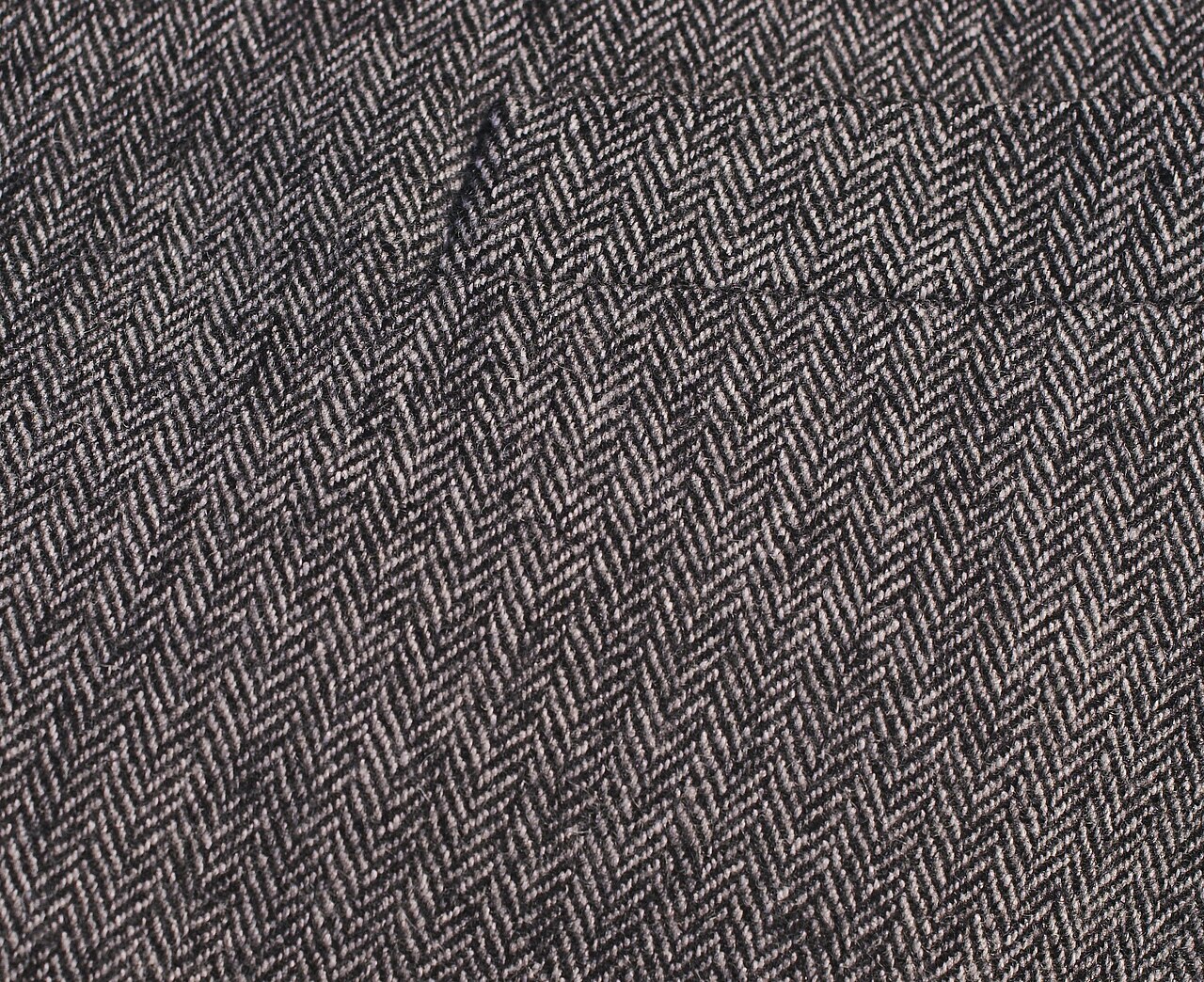
Twill is one of the three fundamental weave structures, recognizable by the diagonal ribs on its surface. Durable and substantial, it is the base structure behind denim, gabardine, and much of utilitarian apparel.
Wool
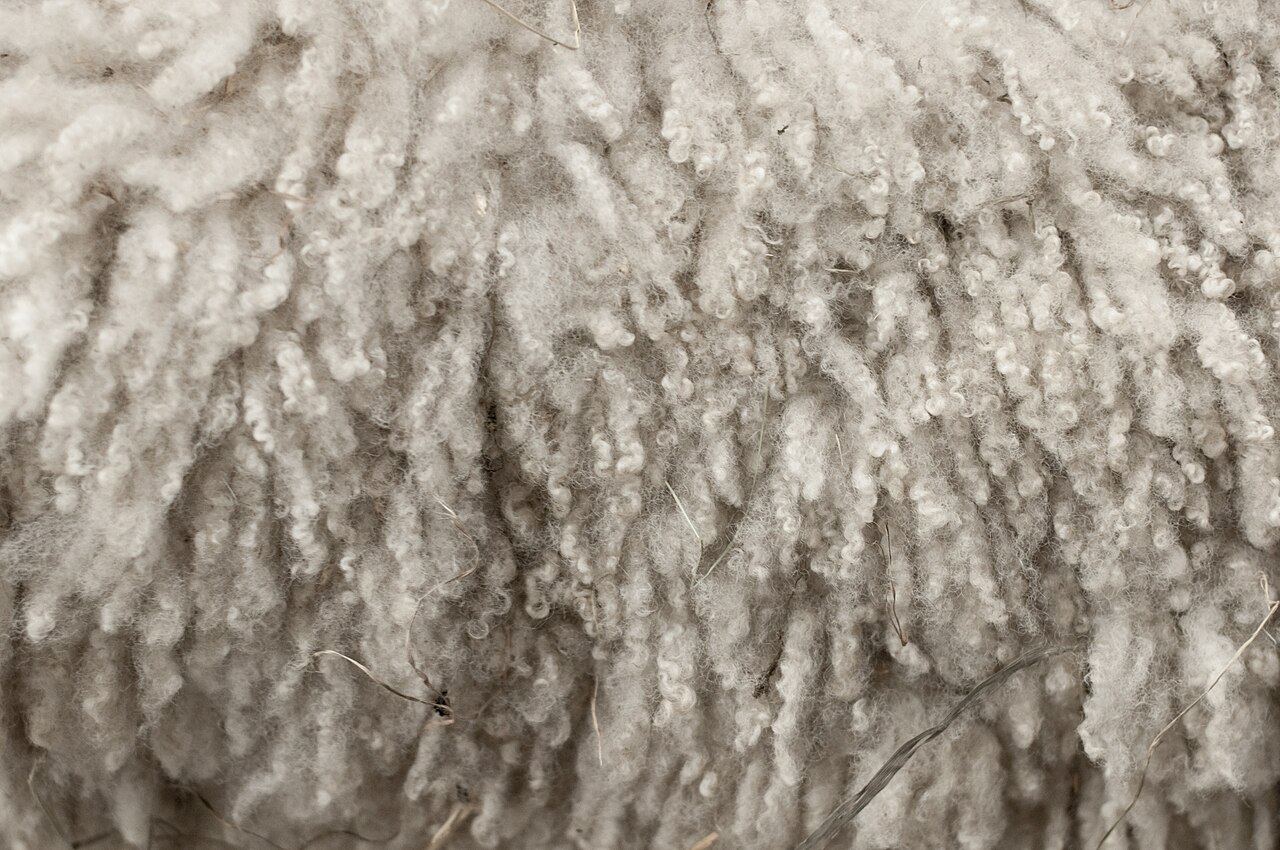
Wool is the textile fiber obtained from the fleece of sheep and other animals. Insulating and elastic, it is the basis of winter knitwear and tailoring.
Sources
Want to apply this to your operation?