Ceará fashion chain
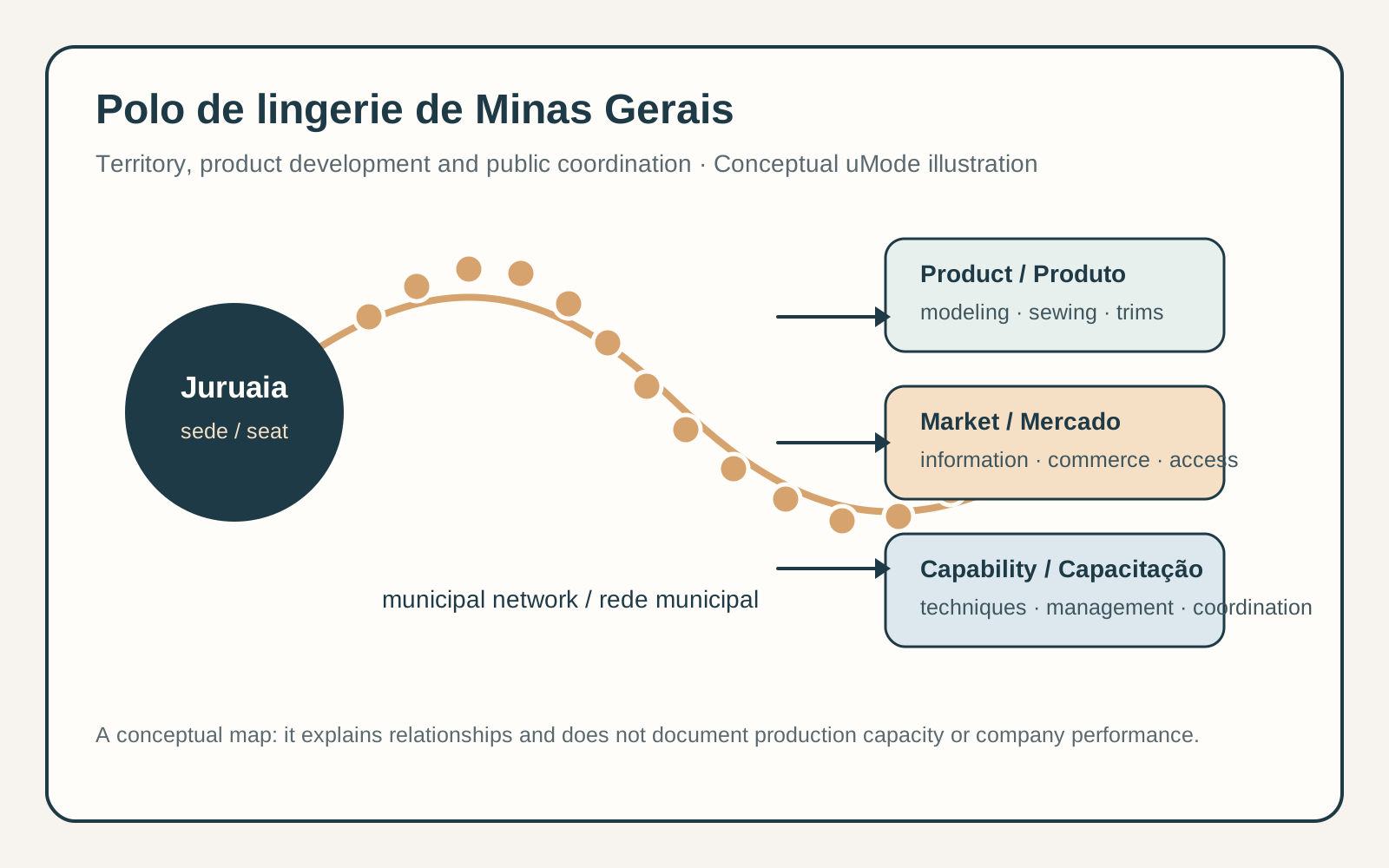
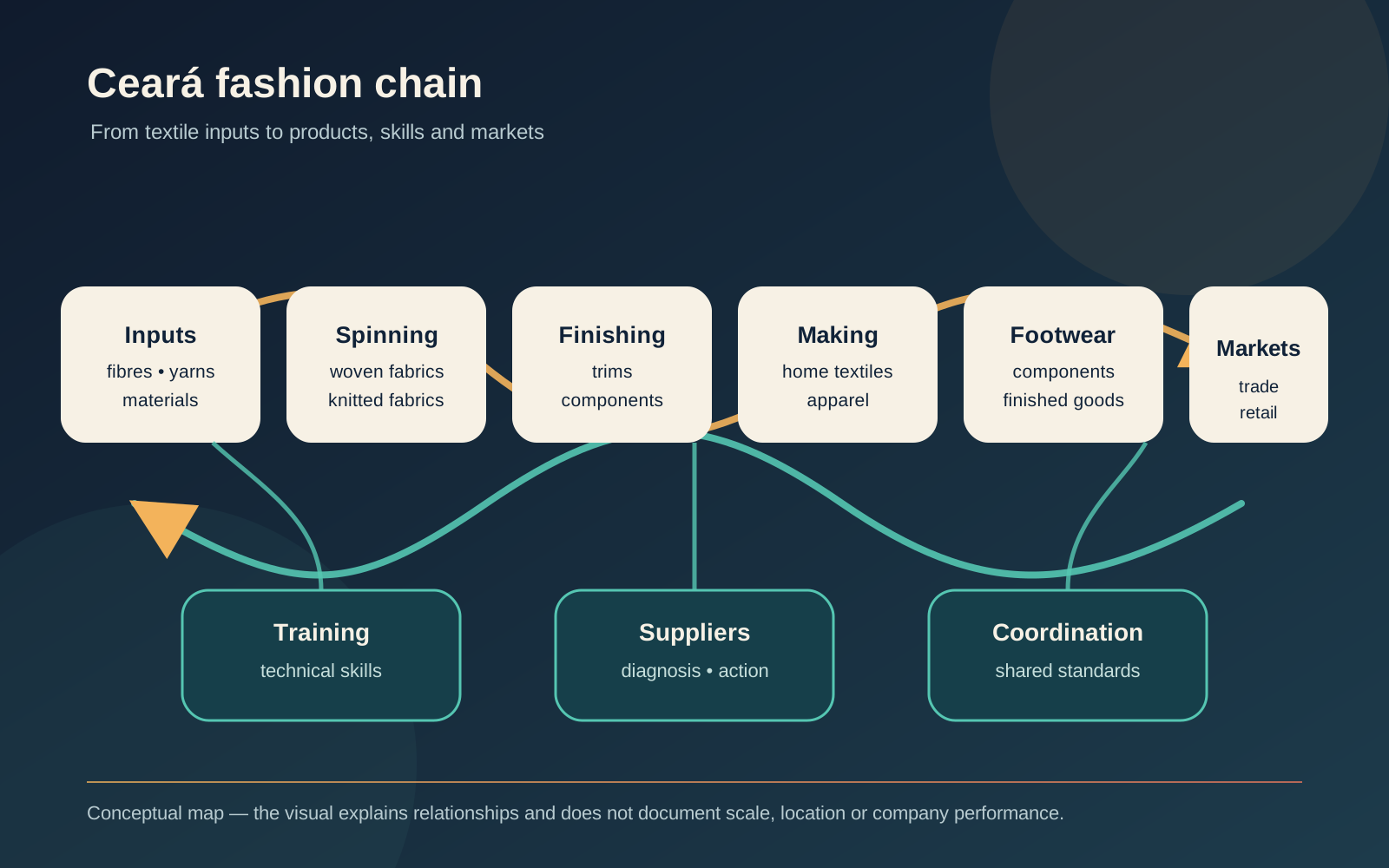
Ceará fashion chain. Ceará’s fashion chain connects textiles, apparel and footwear through spinning, weaving, knitting, finishing, trims, components, vocational training and finished-product manufacturing. The state description also records integration across the chain, more than 100,000 direct jobs, and a footwear-industry snapshot of approximately 57,000 formal jobs in 2019.
On this page
What is Ceará fashion chain?
Ceará’s fashion chain is an industrial segment connecting textiles, apparel and footwear rather than only the creation of garments. The state description includes upstream activities such as spinning, weaving, knitting, finishing, and the supply of trims and components. It also includes home-textile and apparel manufacturing and footwear production. This makes the entry specific to Ceará: its unit of analysis is the productive network established in the state, not an aesthetic trend or an event calendar.
Which links and indicators are documented?
The structure described by the Ceará government combines material production, transformation and manufacturing. The same source records integration across the chain, more than 100,000 direct jobs and a technical training center specialized in the segment. In the footwear cut, the page describes Ceará as the Northeast’s largest employer and cites approximately 57,000 people in formal employment in 2019; that number is bounded by year, sector and employment status, not a current count of the whole chain.
The indicators need to be read at separate scales. “More than 100,000 jobs” refers to the state’s Textile, Apparel and Footwear chain, while “approximately 57,000” refers to formal footwear employment in 2019. RAIS is useful for updating this type of reading because the Ministry of Labour and Employment provides tables, an information panel, a technical note and microdata. Those materials do not remove the need to check the relevant year, occupational classification and territorial scope.
How does supplier qualification enter the chain?
Supplier qualification operates at the coordination link between companies, not as an additional factory stage. FIEC and Sebrae launched a Supplier Qualification Program to strengthen Ceará’s fashion chain. The published description gives six phases: strategic alignment and mobilization; mapping chain challenges; company diagnosis; an individualized action plan; training and consulting; and evaluation of participants’ progress followed by cycle closure.
This design helps locate supply problems before they appear only as delay, rework or specification mismatch. In sourcing and supplier management, separating diagnosis, action planning and evaluation makes it possible to connect a product need to a specific link. It also brings development, production and fashion product development closer together without treating participation in the program as automatic proof of performance for every company involved.
Why does this chain matter to Brazilian fashion?
The Ceará chain matters because one territorial frame brings together links often analyzed separately: the textile and apparel chain, footwear, components, training and suppliers. For research on materials, trims and footwear, Ceará is an industrial case; for collection development, it shows that choices about yarn, fabric, finishing and components reach different stages of the product.
The entry is useful because it connects structure to evidence. The fifth national position, more than 100,000 direct jobs and the footwear-employment cut should not be merged or used to infer productivity, quality or current market share. Monitoring should renew the RAIS year and distinguish the state’s institutional description from the specific supplier-qualification actions.
Verified facts
- Ceará organizes its fashion production chain around textiles, apparel and footwear.
Source: ce.gov.br ↗ - The Ceará Economic Development Secretariat describes the state’s technology park as one of Brazil’s most modern and its fashion chain as the country’s fifth largest.
Source: ce.gov.br ↗ - The state government describes the sector as one of Ceará’s largest sources of employment and says it has a technical training center specialized in the segment.
Source: ce.gov.br ↗ - Ceará’s territory includes spinning, woven-fabric mills, knitted-fabric mills, home-textile and apparel manufacturers, finishers, and producers of trims and components.
Source: ce.gov.br ↗ - The state chain also includes footwear manufacturing and other industries in textiles, apparel and footwear.
Source: ce.gov.br ↗ - The state page characterizes Ceará’s Textile, Apparel and Footwear chain as integrated across all its links.
Source: ce.gov.br ↗ - The state government says this chain provides more than 100,000 direct jobs.
Source: ce.gov.br ↗ - Ceará is described as the largest employer in the Northeast footwear chain.
Source: ce.gov.br ↗ - RAIS data cited on the state page point to approximately 57,000 people employed in the formal footwear sector in 2019.
Source: ce.gov.br ↗ - FIEC and Sebrae launched a Supplier Qualification Program to strengthen Ceará’s fashion chain.
Source: www1.sfiec.org.br ↗ - The fashion Supplier Qualification Program was structured in six phases, from strategic mobilization to closing the cycle.
Source: www1.sfiec.org.br ↗ - The Ministry of Labour and Employment’s RAIS 2025 page provides tables, an information panel, a technical note and microdata.
Source: gov.br ↗
Related entries
Textile and apparel supply chain
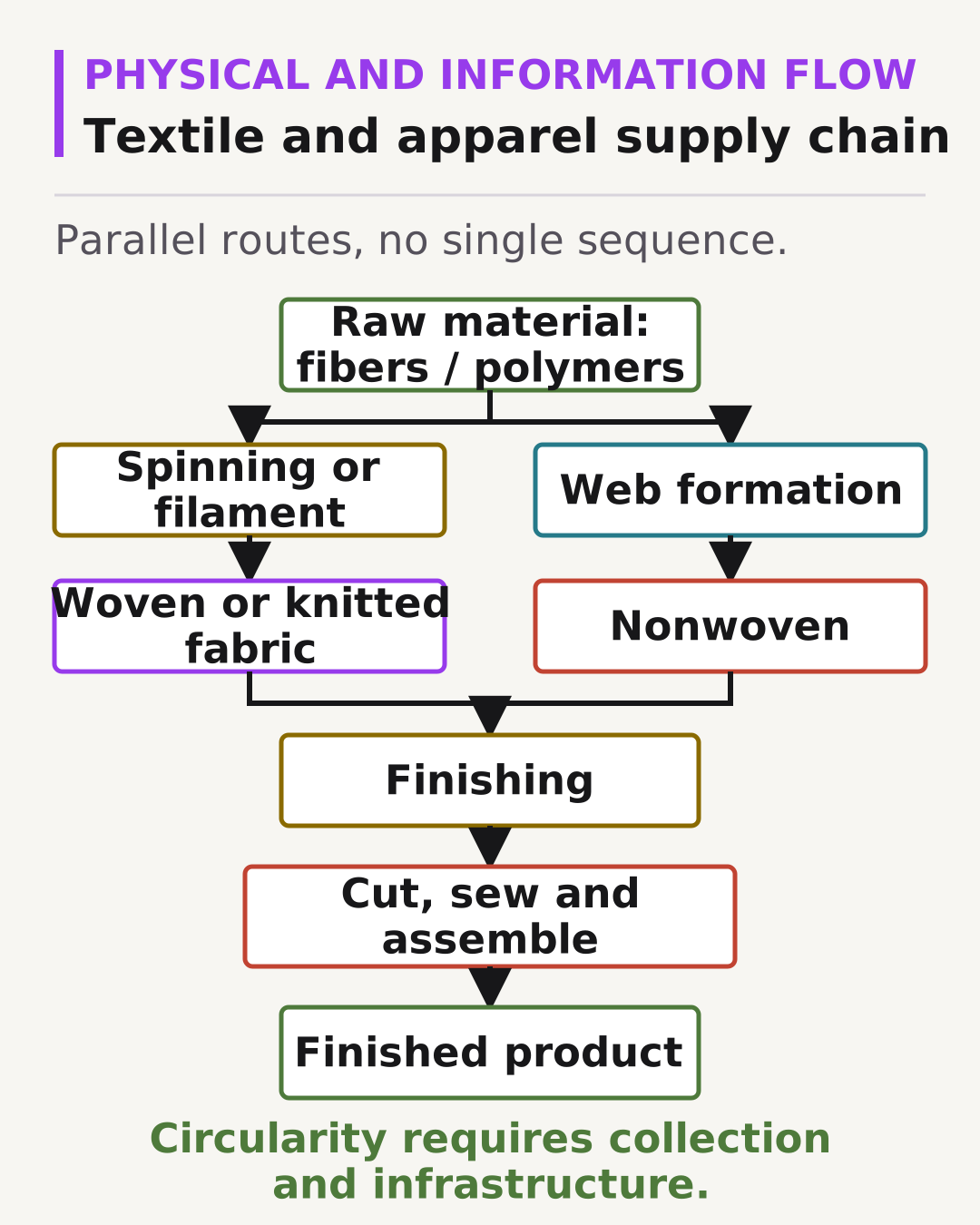
The textile and apparel supply chain transforms natural or manufactured raw materials into yarns, woven or knitted fabrics, and then finished articles. Its reference flow covers fibres, spinning, material formation, wet processing, cutting and assembly, while the real system also includes suppliers, subcontracting, distribution, use and recovery routes.
Textile spinning
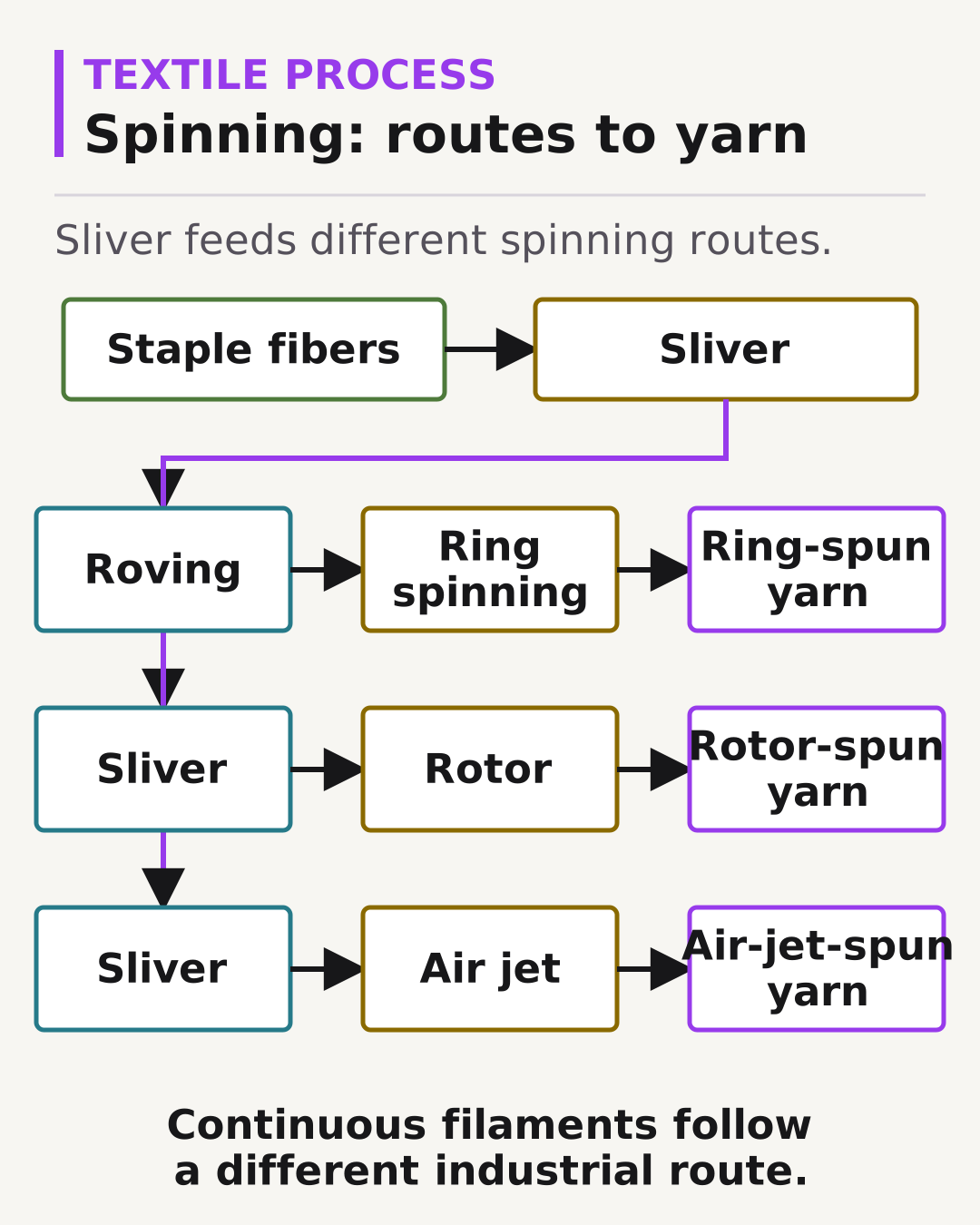
Yarn production follows two distinct technical routes: spinning turns staple textile fibers into yarn through preparation, alignment, attenuation, and consolidation, while continuous-filament processing assembles or transforms filaments without repeating the full preparation used for short fibers. These routes determine properties of yarn sent to weaving or knitting.

Industrial weaving
Weaving is the process of forming fabric by regularly interlacing two yarn systems: warp in the lengthwise direction and weft across the width. The construction results from warp preparation, shed formation, weft insertion and beat-up, and control of yarn delivery and fabric take-up.
Industrial knitting
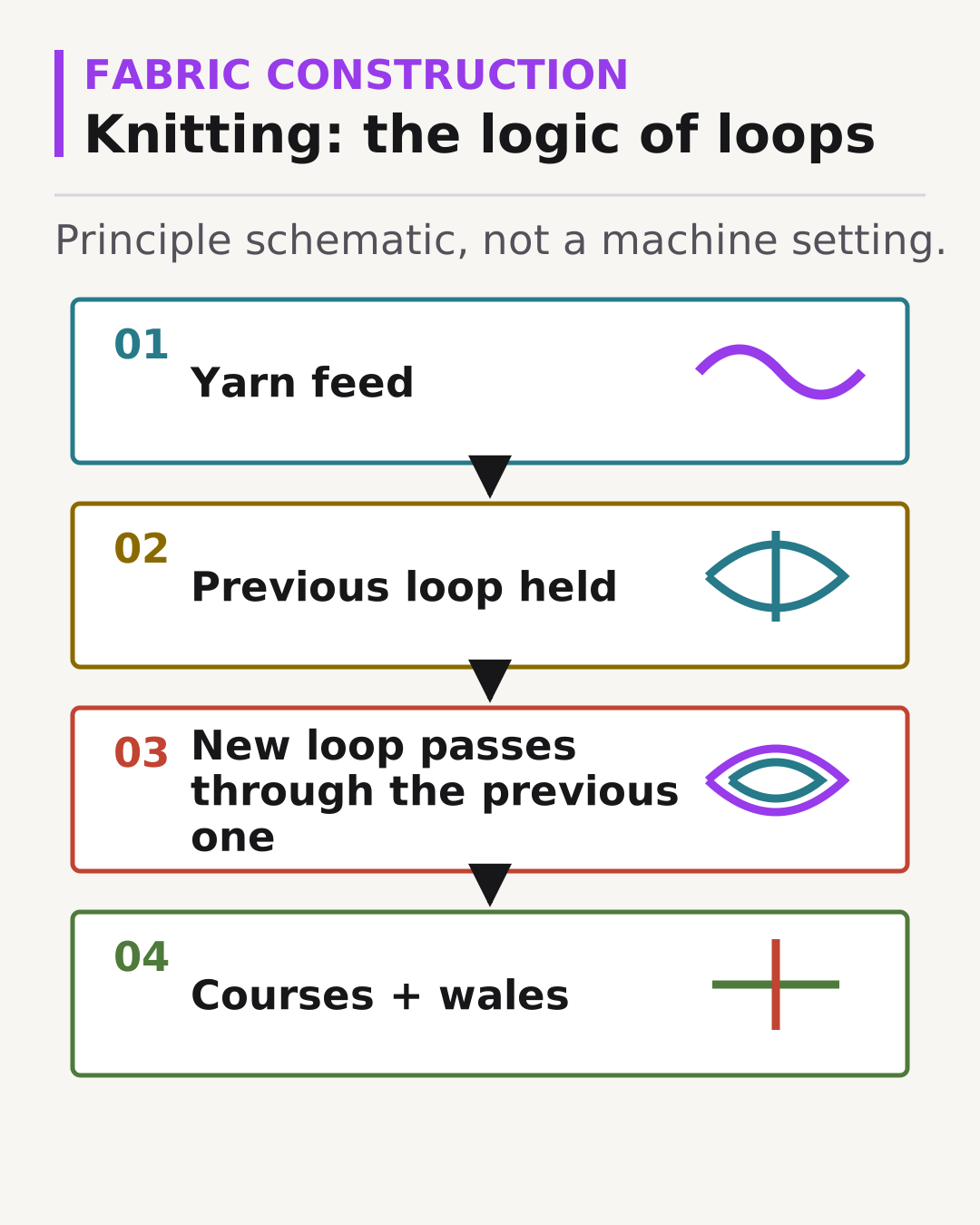
Knitting is the process of forming fabric through series of intermeshed loops. It divides into weft knitting, in which yarn travels across the width and needles form loops in sequence, and warp knitting, in which parallel yarns feed needles that work simultaneously along the fabric length.
Fashion product development
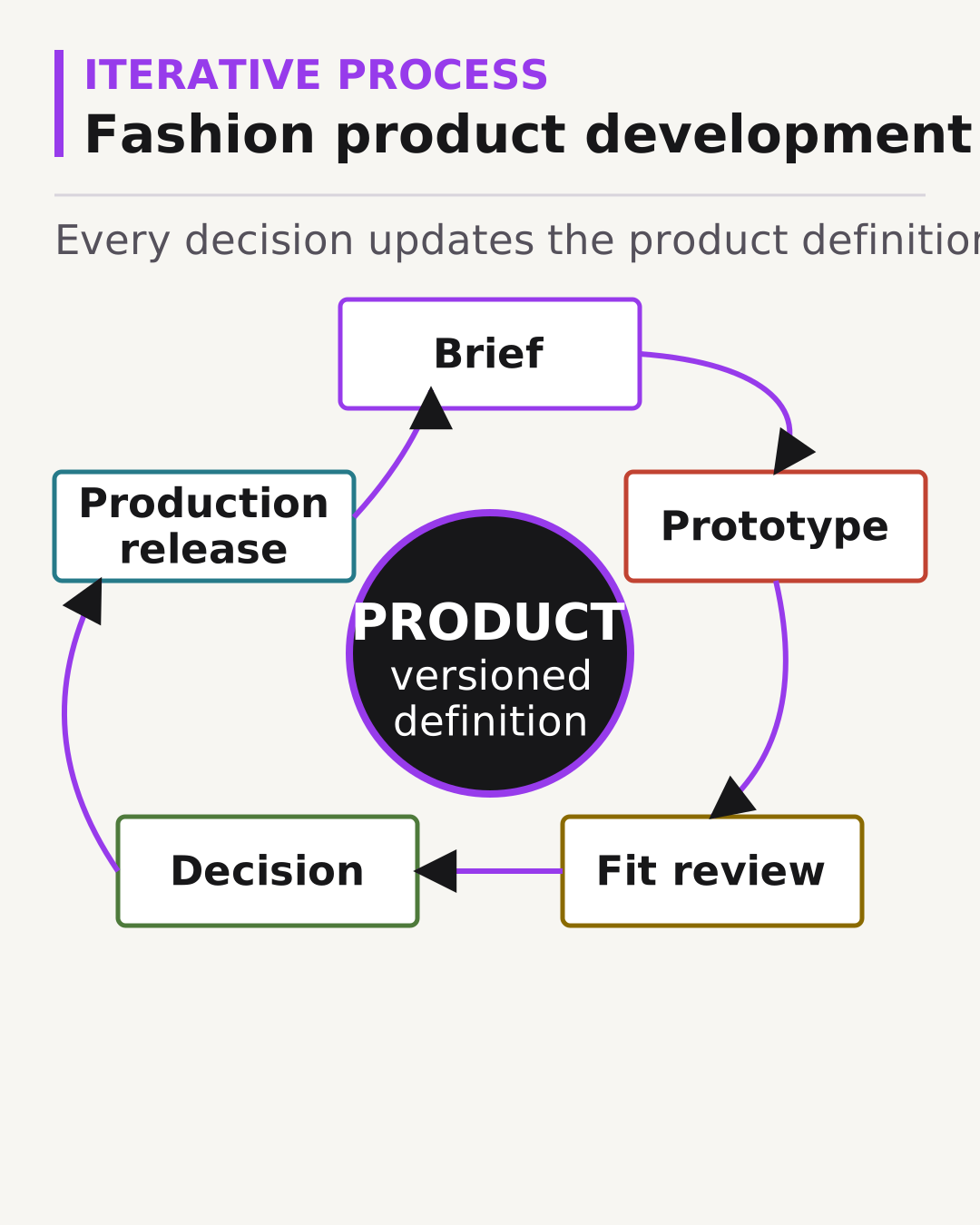
Fashion product development is the process that turns an opportunity or brief into a product specified and approved for manufacturing. It coordinates concept, assortment, materials, patternmaking, samples, fit, cost, quality, compliance and timing through decision cycles rather than an isolated creative sequence.
Sourcing and supplier management
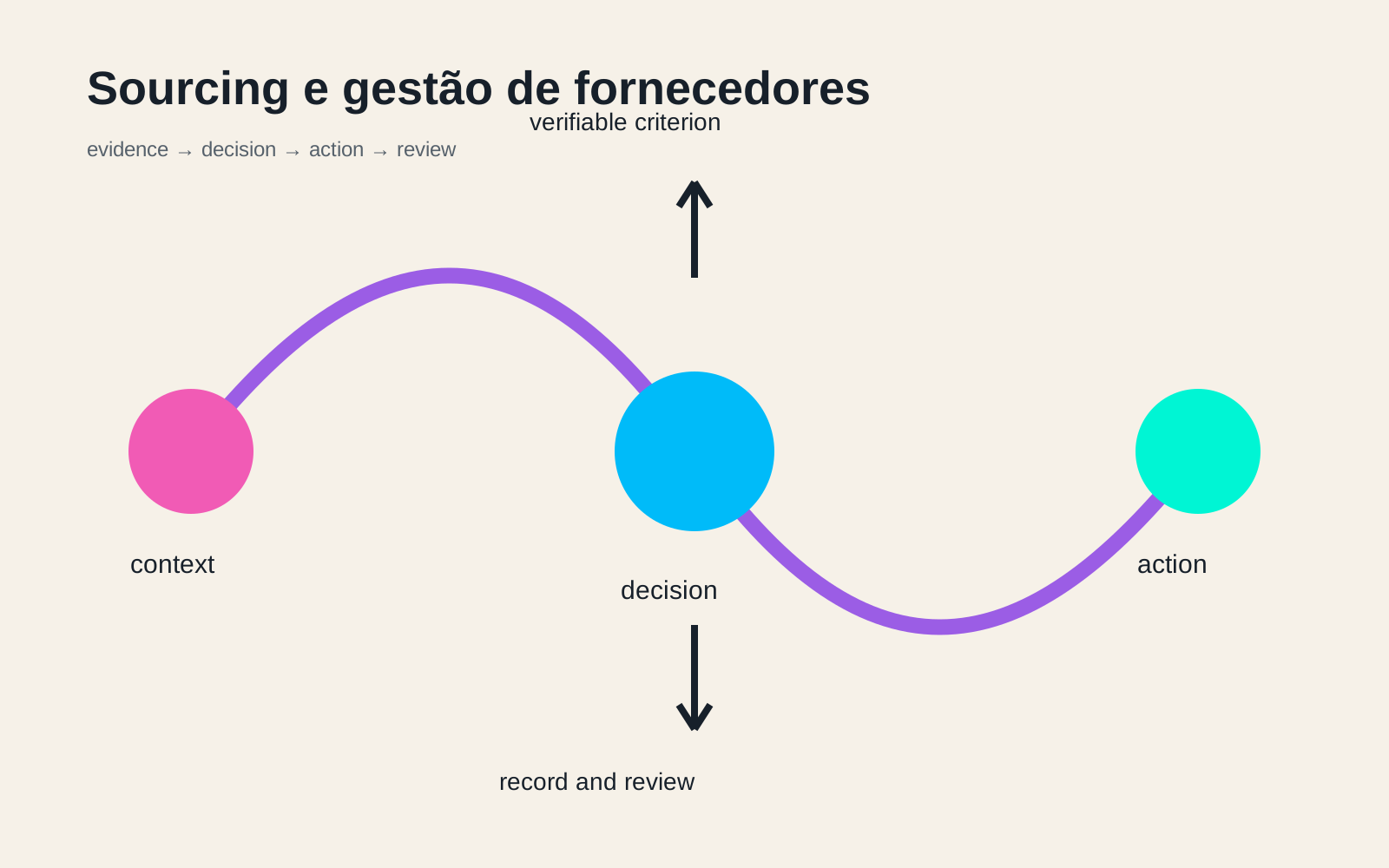
Sourcing and supplier management. Fashion sourcing requires visibility into units and processes, prioritization of human risks, worker dialogue, remediation and a decision trail tied to orders and lots.
Sources
- https://www.ce.gov.br/sde/industria/cadeias-produtivas-da-industria/
- https://www1.sfiec.org.br/fiec-noticias/search/172464/fiec-e-sebrae-iniciam-programa-de-qualificacao-de-fornecedores-para-fortalecer-cadeia-da-moda-no-estado
- https://www.gov.br/trabalho-e-emprego/pt-br/acesso-a-informacao/acoes-e-programas/programas-projetos-acoes-obras-e-atividades/estatisticas-trabalho/rais/rais-2025/rais-2025
Want to apply this to your operation?